





For Sonia Pallai, director of the WE Montecatini Tourism Foundation, the future of tourism in Montecatini Terme depends on the city’s ability to move beyond nostalgia for its glorious spa heritage and build a new identity, without sacrificing the heritage that has made the city an international destination. In this interview with Noemi Capoccia, Pallai outlines the prospects for a city called upon to redefine its role within the Tuscan tourism system. The Tourism Foundation, established to coordinate the promotion, development, and management of the destination through collaboration among institutions, businesses, and operators, finds itself working amid a period of profound transformation: some historic spa facilities are closed, several properties await a new purpose, and the city must redefine its position within the Tuscan tourism system. Pallai, however, identifies the city’s geographic location, lodging capacity, and architectural, spa, and landscape heritage as resources that can be transformed into new reasons to visit. The goal is to transition from a city used as a base for visiting Florence, Pisa, and other Tuscan destinations to a destination chosen for the quality of its offerings, focusing on wellness, slow travel, outdoor activities, sports, and cultural heritage. From this perspective, even places like the waiting rooms designed by Angiolo Mazzoni can become new gateways to the city, while UNESCO recognition as part of the Great Spa Towns of Europe offers a key to conveying its identity. In the interview, Pallai then addresses current challenges, the relationship between the public and private sectors, and the need to develop a coordinated offering capable of transforming existing visitor flows into longer, more meaningful stays.
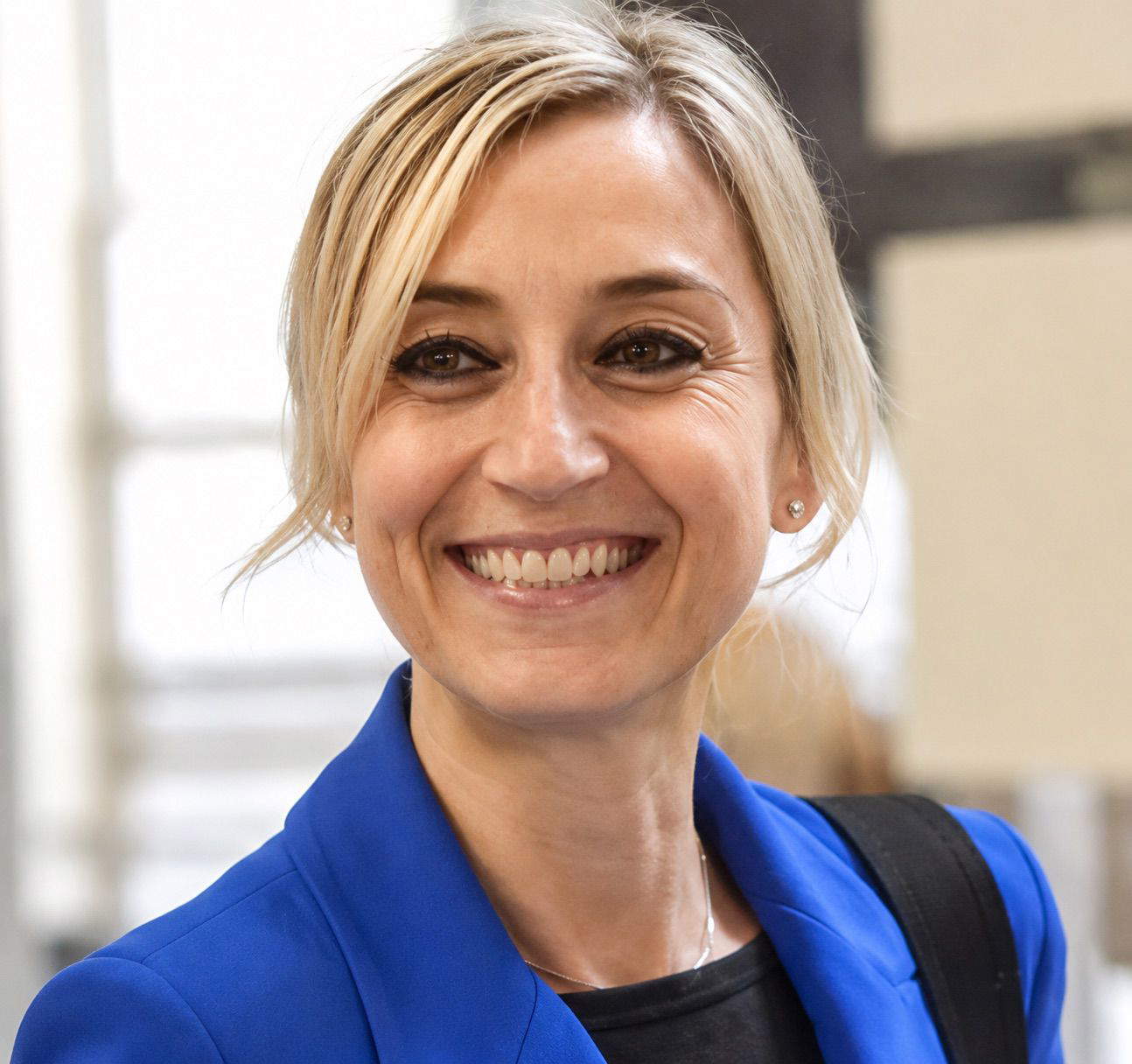
NC. Montecatini Terme has historically been linked to thermal tourism, but in recent decades the city’s tourism model has changed profoundly: some spa facilities have closed, and some properties have been put up for auction. From the perspective of the Destination Management Organization (DMO), what is the current state of tourism in Montecatini, and what are the main challenges the destination faces?
The current picture shows a city in a phase of cultural and structural transition. We come from a glorious past tied to a model of traditional therapeutic spa tourism that the market no longer demands in the same way today. Continuing to look back and say “it used to be this way” won’t help us build the future: we must move past nostalgia and start anew from the present, focusing on the future. From the DMO’s perspective, the outlook is clear: the bankruptcy proceedings involving some historic spa facilities and the condition of certain properties have risked conveying an image of stagnation or fragmentation. The real challenge is not to hide these urban scars, but to weave them into a cohesive vision. The main issue so far has been the lack of unified coordination of the tourism offering and communication. The DMO was created precisely to fill this gap: to transform the existing tangible and intangible heritage into a contemporary, sustainable tourism model based on the quality of hospitality, holistic well-being (in addition to thermal treatments), and integration with the Valdinievole region.
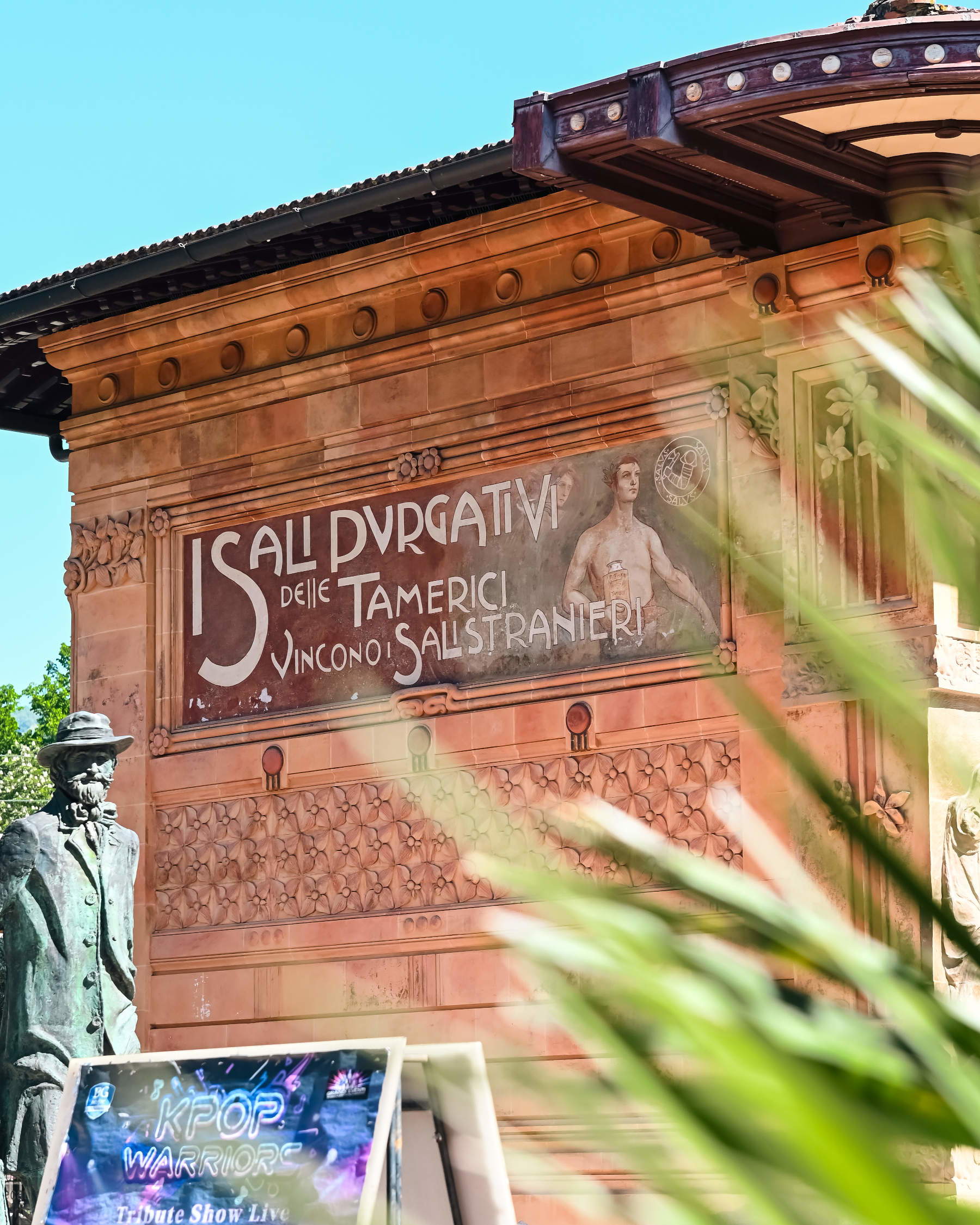
Montecatini, however, continues to attract a significant number of visitors, thanks in part to its strategic location and accommodation costs that are generally more affordable than those in Florence. How significant is the city’s role today as a logistical hub for those visiting Tuscany, and how can this presence be transformed into a form of tourism that truly experiences and appreciates Montecatini?
Our goal is to reverse the trend of being seen merely as a strategic location and return to being a destination in its own right. Being a strategic hub and a logistical center in the heart of Tuscany, with ample lodging capacity and competitive prices compared to major art centers, is a tangible strength, not a weakness. The problem arises when the city remains—or is perceived as—merely a “dormitory town” without generating economic, cultural, and social value for the city. Our strategy aims to guide tourists by shifting visitor flows: those who choose Montecatini should do so because they’ve decided, for genuine reasons, to spend their precious time here. We don’t want to keep visitors here out of obligation, but to retain them through a high-quality experience. This means organizing a structured offering, developing tourism products, proposing itineraries centered on wellness, culture, and local cuisine, promoting sustainable mobility, and offering experiential tours highlighting the many points of excellence in the city and the Valdinievole region. If we provide high-quality services, we transform the visitor’s initial choice into a genuine “stay experience.”
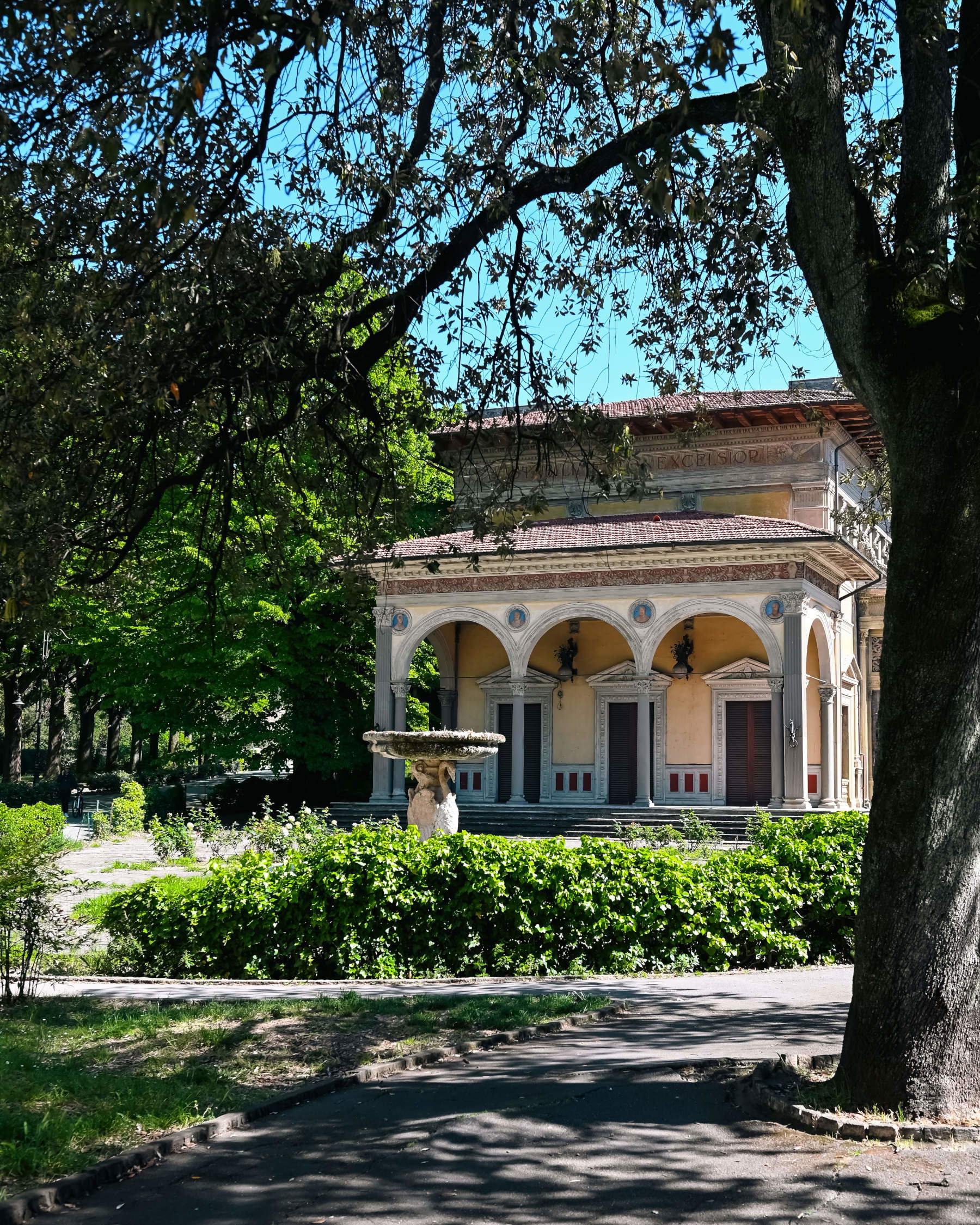
How do we strike a balance between the need to attract the large tourist flows passing through Tuscany and the need to build an independent identity for Montecatini—one capable of showcasing the city’s thermal, historical, cultural, and scenic heritage?
Montecatini Terme already attracts large numbers of tourists: after Florence and Pisa, it is the third most-visited city in Tuscany—a fact many people are unaware of. This balance is achieved by rejecting standardization: Montecatini must not mimic the major art centers, nor passively submit to Tuscany’s “hit-and-run” tourism. We must propose a complementary alternative based on the concepts of space, breathing room, beauty, time, and regeneration. Our identity is rooted in Montecatini Terme’s recognition as part of the transnational UNESCO site “The Great Spa Towns of Europe.” We must convey that here, beauty is not just something to be observed in a museum, but something to be experienced through the quality of the urban layout, the greenery of the parks, the Art Nouveau architecture, and the culture of living well. By positioning ourselves as the Tuscan capital of well-being and “slow travel,” we can attract large regional, national, and international visitor flows by offering them the added value of unwinding and active relaxation. These visitors will increasingly choose Montecatini for the town itself—and not just because we are “close to” other destinations.
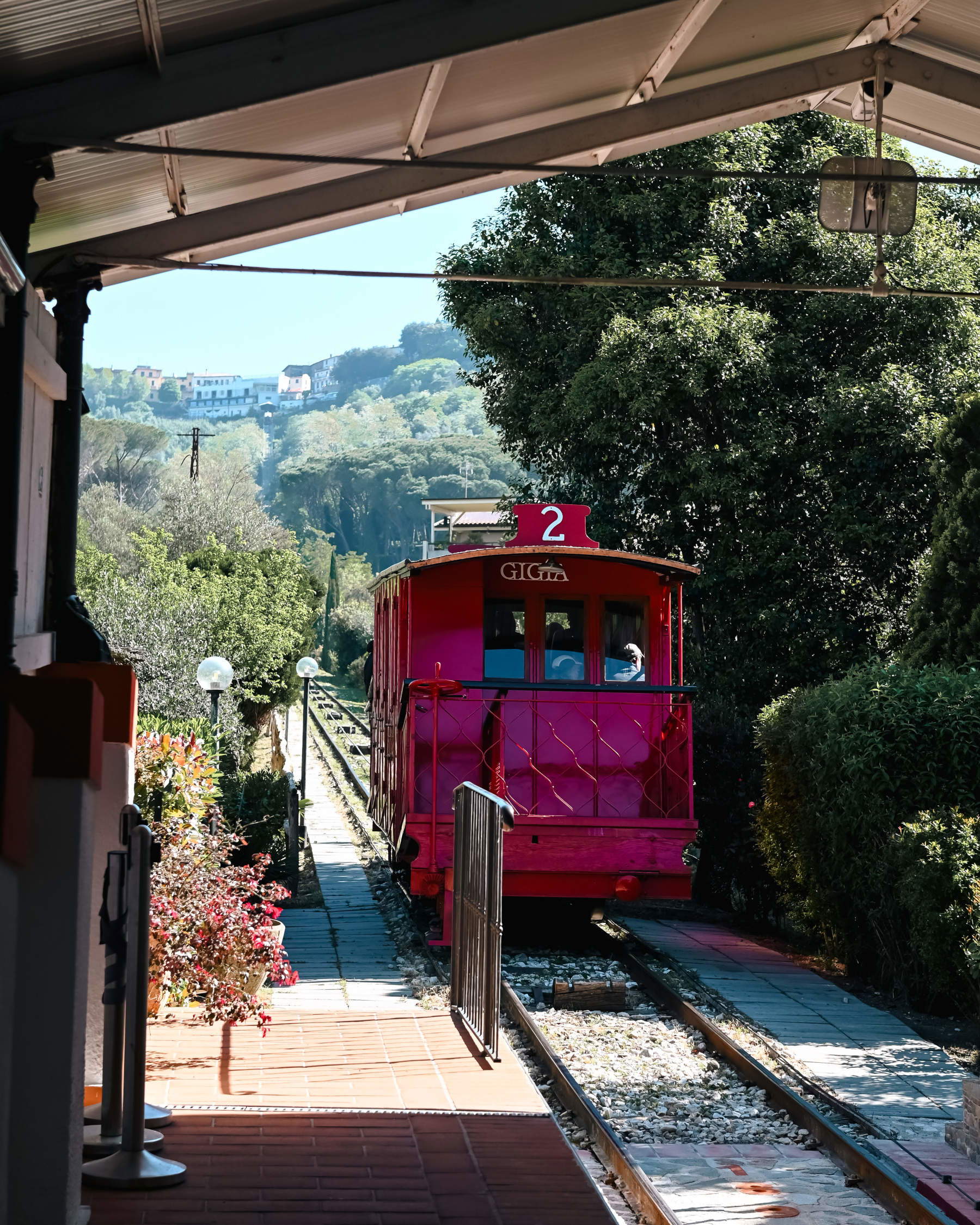
The thermal heritage represents one of the main unresolved issues: what strategies can a Destination Management Organization (DMO) implement in the face of historic facilities that are closed or no longer operational? Is it possible to develop a tourism offering linked to the history and architecture of the thermal baths that goes beyond the use of the waters themselves?
Faced with historic complexes that are idle or up for auction, the DMO acts on a strategic level to enhance the destination’s image and identity. We do not directly manage the properties, but we are responsible for defining the urban narrative and the vision for their use. It is absolutely possible—and necessary—to create a tourism offering linked to thermal tourism that goes “beyond the water.” For Montecatini, thermal tourism is an architectural language, an urban model of a “park city,” and a sociocultural, artistic, and gastronomic history. We can enhance the thermal heritage through cultural tourism itineraries, 20th-century architecture, performance events in the thermal parks, and the temporary use of open spaces. The narrative of the thermal experience must integrate with modern physical and mental well-being, outdoor activities, preventive health, and sports, infusing historical spaces with meaning even during periods of managerial reorganization. Over time, we must tell the story of how the city is transforming; what is happening today is laying the groundwork for the destination of tomorrow.
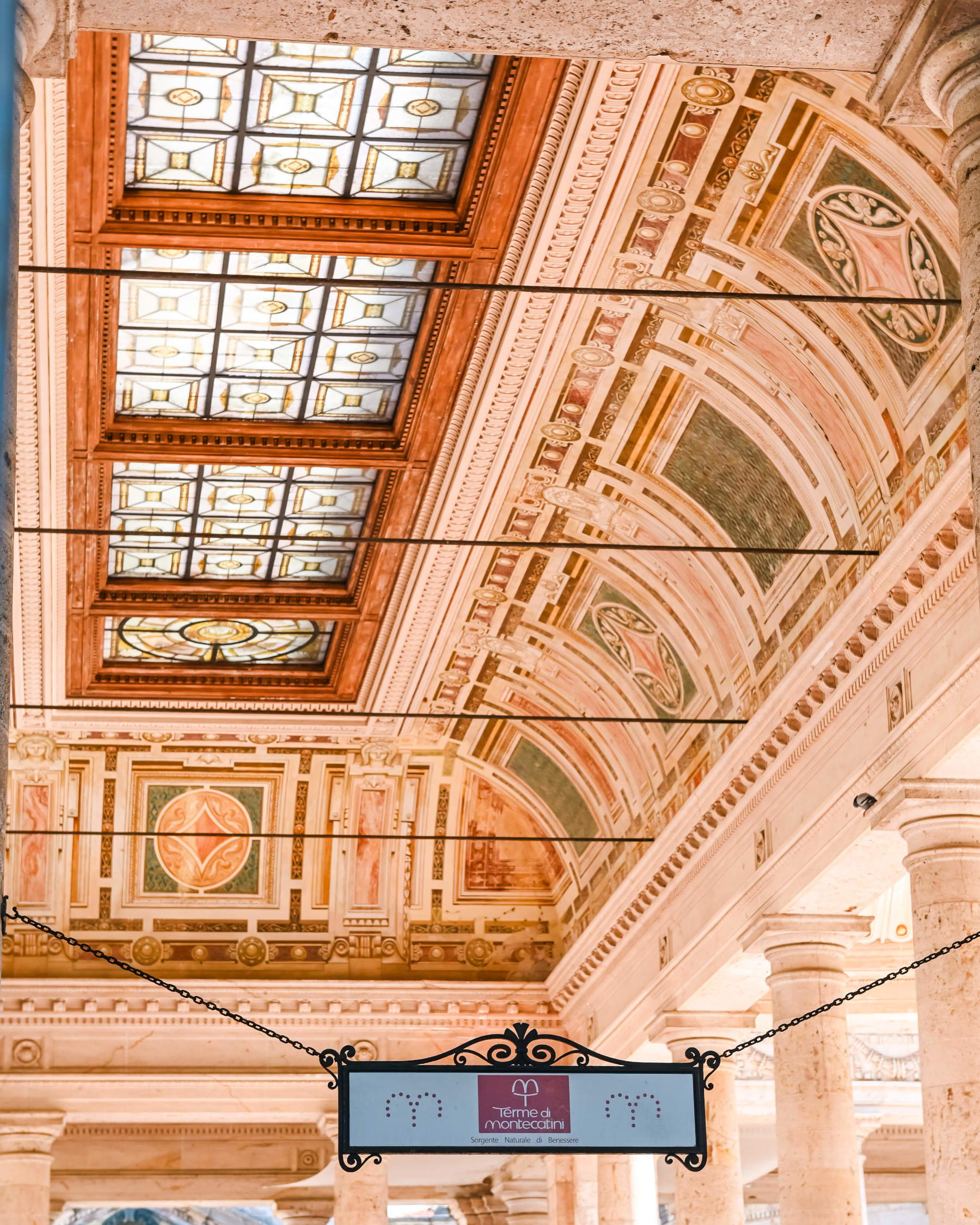
The reopening of the three historic waiting rooms designed by Angiolo Mazzoni—made possible by an agreement between the City and the Fondazione FS Italiane—once again brings attention to an important part of the city’s architectural heritage. What role can the revitalization of places like the Mazzoni waiting rooms play in building a more diverse tourism offering and in encouraging visitors to stay in Montecatini?
The reopening of the waiting rooms designed by Angiolo Mazzoni at the train station is extraordinary news and a political signal of the utmost importance. It demonstrates how institutional collaboration (between the City and the FS Foundation) can restore precious pieces of history to the community. For the DMO, places like the Mazzoni waiting rooms are not merely monuments to be passively admired: they are the starting points of the journey. The station is no longer just a place of transit but becomes the first stop of the tourist experience—a distinctive gateway that introduces visitors to the city’s rationalist and Art Nouveau styles. Including these spaces in itineraries dedicated to 20th-century architecture and historic railway tourism allows us to diversify our offerings, attract discerning cultural and sightseeing audiences, and give visitors an immediate reason to stop and begin exploring the city. Scheduling guided tours throughout the year—as we have already done with the City—is in itself a new reason to travel that gives the city an additional attraction.
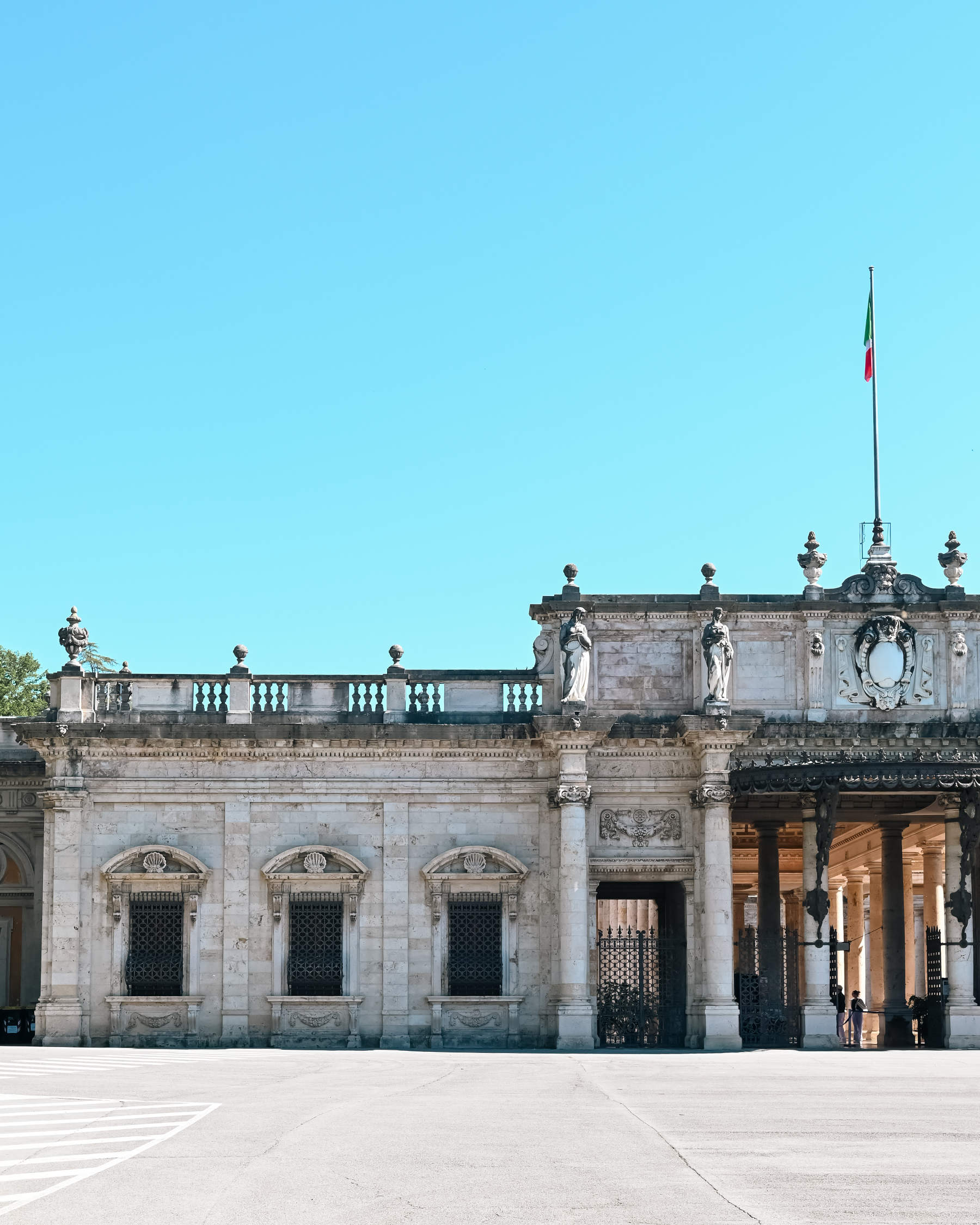
The DMO works to coordinate institutions, businesses, and local operators. How important is it, for a city undergoing a transformation of its tourism model, to build a shared strategy between the public and private sectors? And what are the most challenging issues to address today?
Developing a shared strategy between the public and private sectors is the very raison d’être of the DMO Foundation. In a phase of redefining the tourism model, no one wins alone: the administration sets the policy guidelines, but it is the businesses, merchants, hoteliers, and hospitality operators who determine the destination’s actual perception. There are two particularly complex challenges. The fragmentation of interests: moving beyond the mindset of individualism and immediate crisis to embrace medium- to long-term planning (3–5 years). The redevelopment and repositioning of the tourism offering: aligning the quality of hospitality and retail services with new international standards and the requirements of a public that values sustainability and high-value-added experiences. Listening, transparency, shared responsibility, and planning are the four pillars we are using to untangle these challenges.
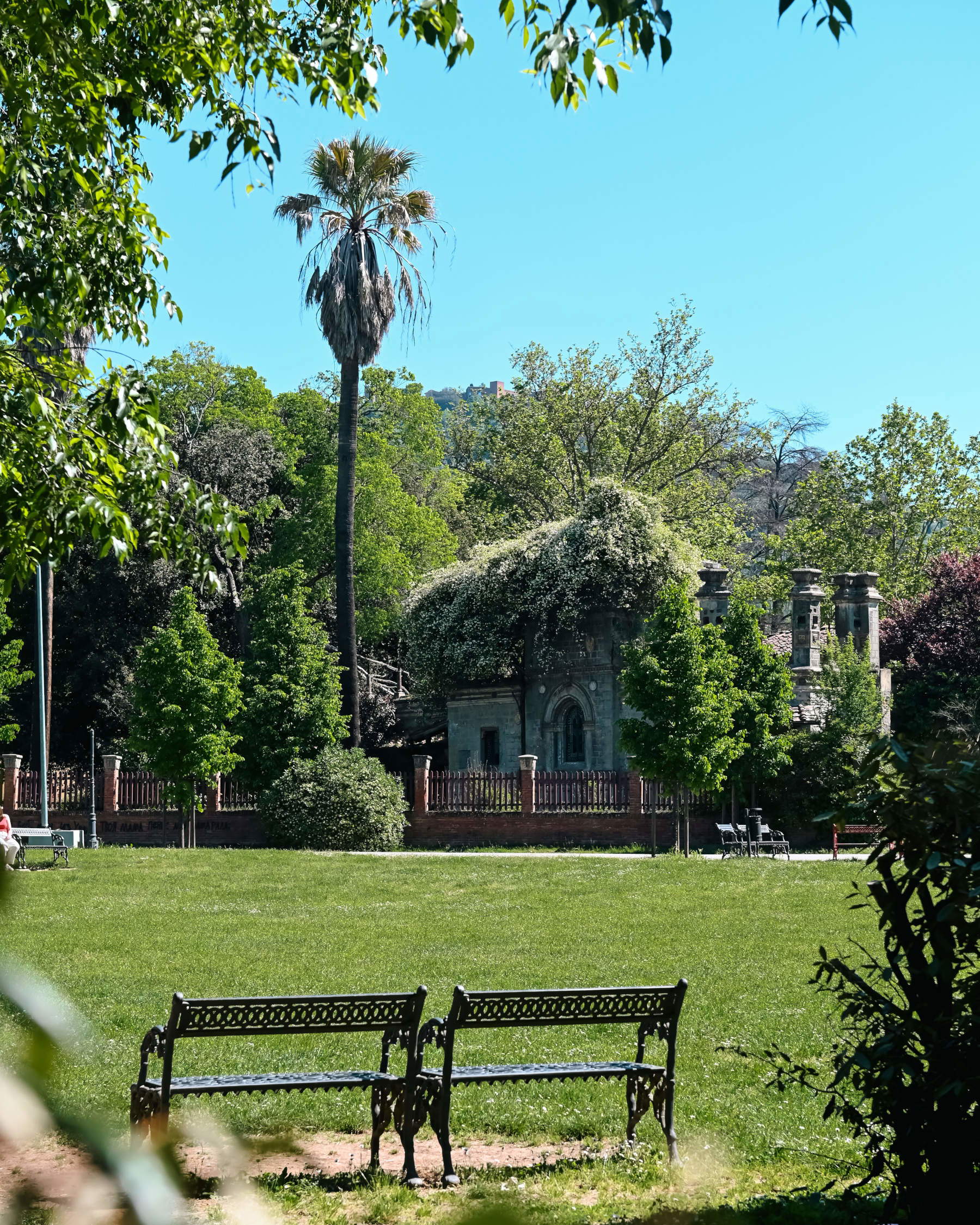
Looking ahead to the coming years, how should Montecatini Terme position itself within the Tuscan tourism landscape? What new audiences and what kinds of experiences would you like to bring to the city to ensure that Montecatini is not merely a stopover for tourists visiting Florence and other cities of art, but a destination with its own unique appeal?
Looking ahead to the coming years, Montecatini Terme must position itself as Tuscany’s hub for health, wellness, and quality of life, as well as the ideal starting point for exploring the Valdinievole region. Over 70% of tourists are foreign visitors; we want to consolidate our presence in international markets while focusing on the Italian market—not merely as a strategic base for visiting other destinations, but to reestablish Montecatini as a destination where people plan weekend getaways. The priority target groups for our promotional efforts are those interested in well-being and slow travel, but we will also work to develop tourism products for families with children and weddings. We will devote particular attention to outdoor and sports tourism. We are well aware that these things cannot be achieved in the short term, but we have embarked on this journey with the certainty that we do not want to be an alternative to Florence, but rather an unmissable experience: the place where one can rediscover Tuscany at a leisurely pace, rejuvenating both body and mind.
 |
| “Montecatini Terme Must Once Again Become a Destination”: An Interview with Sonia Pallai |

Warning: the translation into English of the original Italian article was created using automatic tools. We undertake to review all articles, but we do not guarantee the total absence of inaccuracies in the translation due to the program. You can find the original by clicking on the ITA button. If you find any mistake,please contact us.


























 IT
IT FR
FR DE
DE ES
ES CN
CN


