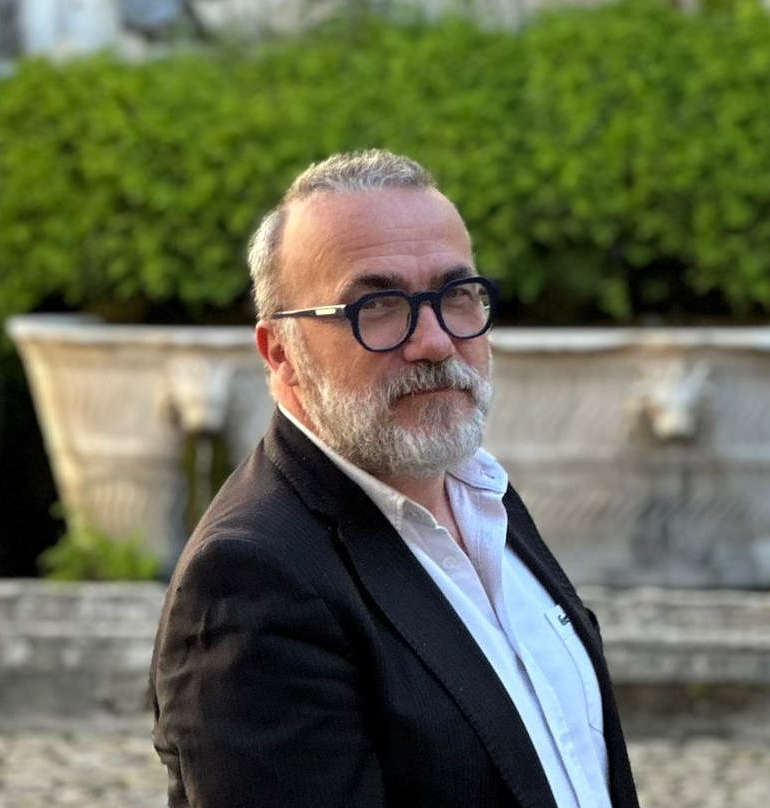
Andrea Bruciati (Corinaldo, 1968), storico dell'arte, critico d'arte e curatore, si è laureato in conservazione dei beni culturali presso l'Università degli studi di Udine con una tesi su Lucio Fontana e Piero Manzoni e da allora ha indirizzato le sue ricerche sull'arte del Novecento e sull'arte contemporanea. Nel 2002 è stato nominato direttore della galleria comunale d'arte contemporanea di Monfalcone[1] e dal 2009 al 2012 è stato ideatore del format On Stage all'interno della rassegna scaligera ArtVerona di cui diviene direttore artistico dal gennaio 2013 al febbraio 2017. Dal marzo 2017 al maggio 2025 è stato alla guida dell'istituto autonomo del Ministero della Cultura "Villæ" (nome che lui stesso ha dato all'ente nel 2018), e che include, tra gli altri siti, Villa Adriana e Villa d'Este a Tivoli. A Tivoli ha organizzato convegni su Leonardo da Vinci, Adriano, Nerone, la natura antiquaria del giardino storico, ha ideato il Villae Film Festival, Extravillae.
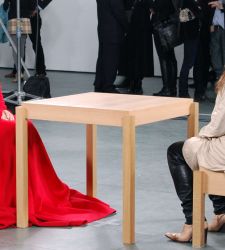
Criticism of performance art has a fundamental problem: it continues to conceive of the body as if it were Cartesianly separated from the mind. For decades, bodily actions have been interpreted alternately as conceptual exercises—in which the mind us...
Read more...
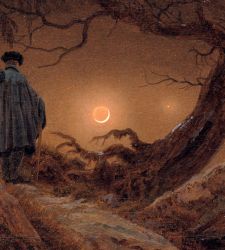
Perhaps night did not enter the history of gardens late. It entered late into the history that we have written about gardens. The history of gardens has almost always been told in the light of day. From the sacred enclosures of the ancient East to Ro...
Read more...

For over thirty years, the catalog of Claudio Ridolfi’s works in the Marche region has remained essentially unchanged. Today, however, an exhibition in Corinaldo compels us to reevaluate attributions, contexts, and even the role that the Verone...
Read more...
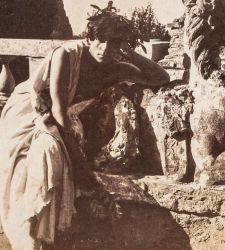
Between the late nineteenth century and the first decades of the twentieth century, Tivoli assumed a new role in the European artistic imagination. Villa Adriana and Villa d'Este gradually ceased to be merely archaeological destinations or obligatory...
Read more...
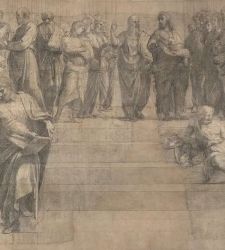
In the current landscape of artistic and intellectual production, drawing is undergoing a significant phase of critical resignification that disrupts its traditional role as a merely ancillary or preparatory practice. While historically the graphic a...
Read more...

























 IT
IT FR
FR DE
DE ES
ES CN
CN