



by Redazione 11/11/2026


Categories: Ancient art / Disclaimer
Two payment records from 1633, discovered in the archives of Cardinal Carlo Emanuele Pio of Savoy, have reignited interest in a portrait of a musician by Caravaggio that is mentioned in inventories but has never been identified. Scholar Francesca Curti presented the latest findings on this still-unfound painting at a conference.


On April 18, 1633, Cardinal Carlo Emanuele Pio of Savoy had 25 scudi paid to a gentleman from Pavia named Muzio Pietra. The reason for the payment takes up half a line: “for a portrait by Caravaggio.” It does not say who is depicted, nor how large the canvas is, nor what it looks like. Yet that brief accounting entry is, for now, the last certain trace of a Caravaggio painting that no one has ever seen: the portrait of a musician.

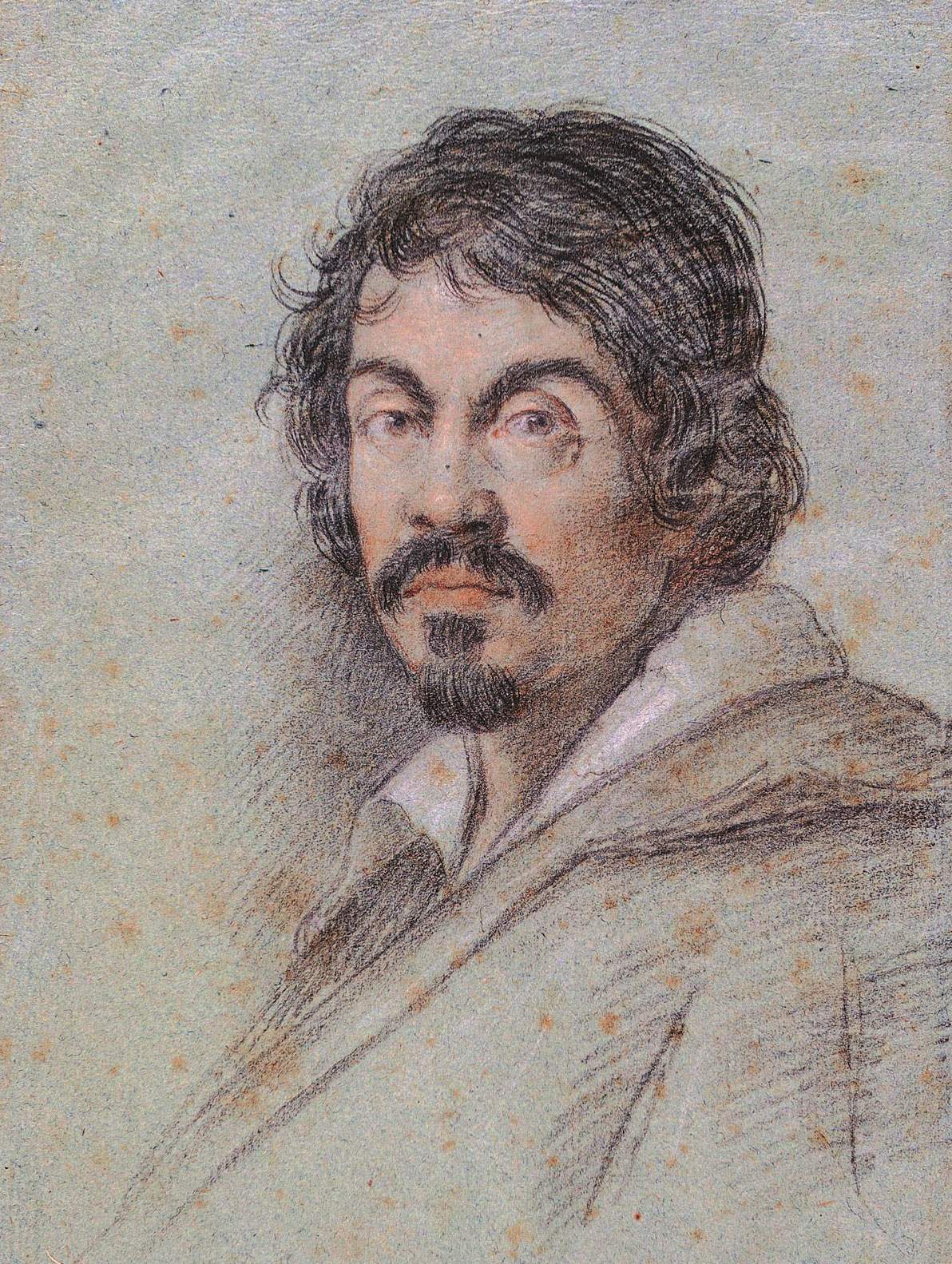
The work is not entirely new to specialists, but it has remained on the margins of scholarship until now, and when Caravaggio’s portraits are discussed, the musician is scarcely mentioned. It was brought back into the spotlight by Francesca Curti, an art historian who has made archival research her specialty and who spoke about the portrait of a musician during the conference *Identity Portrayed at the Dawn of the Seventeenth Century*, held last Saturday, November 7, at the Civic Museum – Pinacoteca Crociani in Montepulciano. The symposium was dedicated to portraiture from the late 16th century to the early decades of the following century. It should be noted right away, to avoid any misunderstanding, that the painting has not yet been located, and Curti states this plainly, but the scholar also noted that her new contribution adds a significant piece to the puzzle: it allows us to trace the painting beyond the point where the trail had gone cold and to understand which collections are worth searching.


Two Inventories and a Secretary
We must go back to 2006, when the scholar Lothar Sickel published two inventories of the estate of Ippolito Gricciotti, who died in Rome at the end of November 1632. The first was drawn up immediately after his death and attached to the will, and has the merit of listing the names of the painters. Among the entries, we read: “a portrait of a musician painted by Caravaggio.” The second, dated January 5, 1633, was drawn up at the request of the heir, his nephew Angelo Maria Gricciotti. It does not name the artists but is more precise in its descriptions, adding that the portrait of the musician had a gilded frame and was three palms high.

Who was Gricciotti? Sickel’s research has pieced together his profile: born in Pavia around 1572, he moved to Rome at an unknown date, where he became secretary to Monsignor Melchiorre Crescenzi, of the branch of the family known as the “Via del Seminario” branch. The encounter likely took place after 1594, when Melchiorre returned to Rome from his law studies in Perugia to embark on a curial career as a chamber cleric, despite his notoriously worldly disposition. Gricciotti most likely remained in his service until the prelate’s death in 1612. The following year, he was appointed protosecretary of the Roman people, a position he held until the end of his life.
It was at Palazzo Crescenzi that the secretary from Pavia came into contact with artists and men of letters, and shared with his master a passion for art, theater, and music. There he also formed a friendship that would prove significant: that with Giovan Battista Marino. The Neapolitan poet arrived in Rome at the end of 1599, and Melchiorre welcomed him into his home; according to his biographer, he offered him a room in the palace, declared him a member of his household, and immediately assigned him a stipend. Marino reciprocated by dedicating the first part of his *Rime*, published in 1602, to him, and remained with the Crescenzi family until 1605, when he entered the service of Cardinal Aldobrandini. The same biographer notes that during those years the poet formed a friendship with Ippolito Gricciotti, the monsignor’s secretary.
The Right Circle
Gricciotti’s will reveals a man who remained closely tied to the Lombard community in Rome: he wished to be buried in the Lombards’ national church and named two fellow Lombards as executors of his will. The first was Michele Ghislieri, great-grandson of Pius V, the pope who had founded the Ghislieri College in Pavia in 1567. The second was Muzio Pietra—whom we will encounter again later—a native of Vigevano and steward to Cardinal Desiderio Scaglia. Among his possessions was even a relic: the sponge, set in gold, with which the body of Saint Charles Borromeo had been washed.
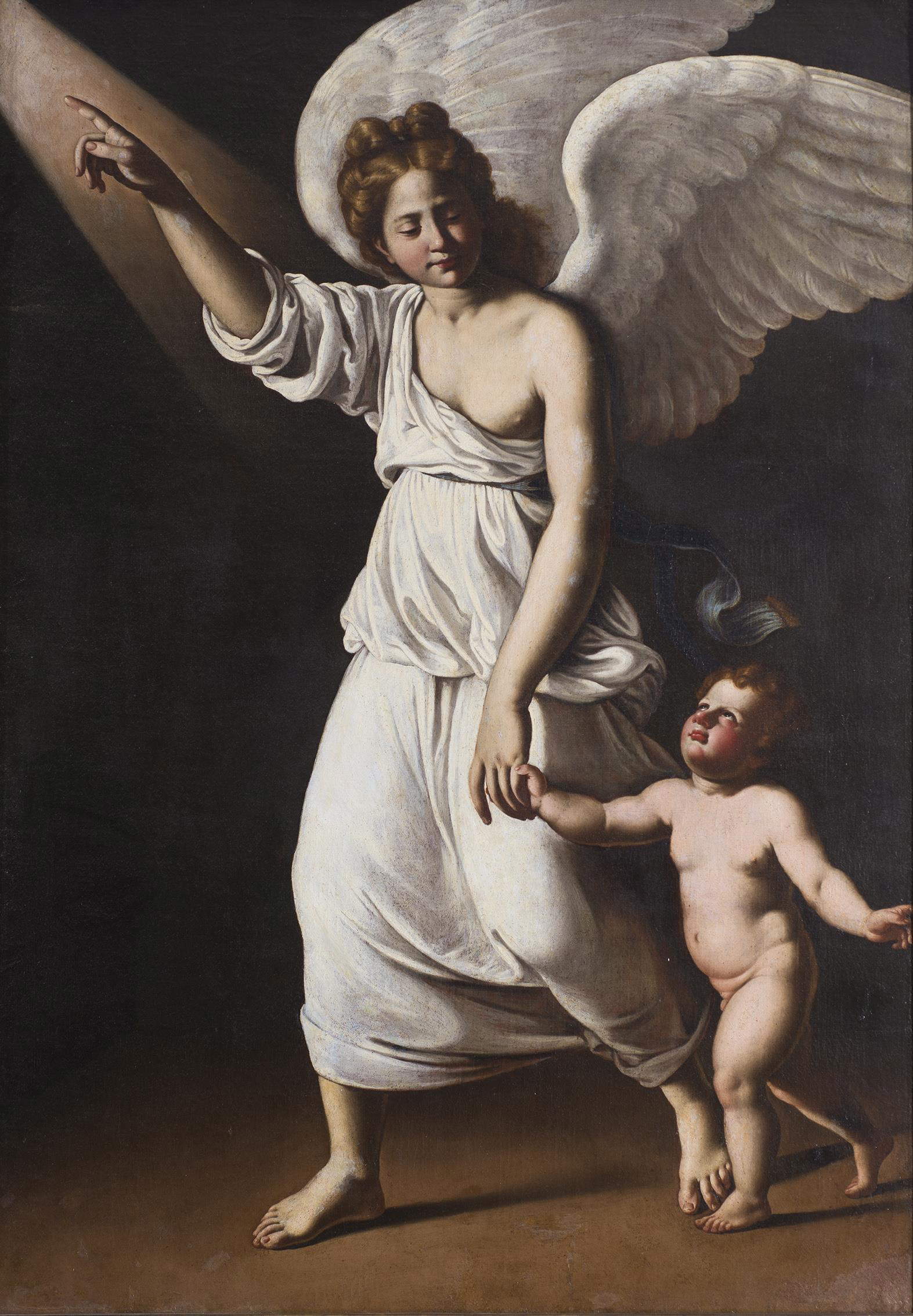
But it is above all the paintings that reveal who he was: his collection is, in fact, that of a connoisseur who moved in circles close to Caravaggio’s. He owned at least seven paintings by Antiveduto Gramatica, a painter of Sienese origin and a friend of Merisi, whose son Celso he served as godfather in December 1618. Among these canvases was a versionof *The Guardian Angel*, Gramatica’s most successful composition (and given the close relationship between the two, according to Sickel, it cannot be ruled out that Gricciotti even owned the original).
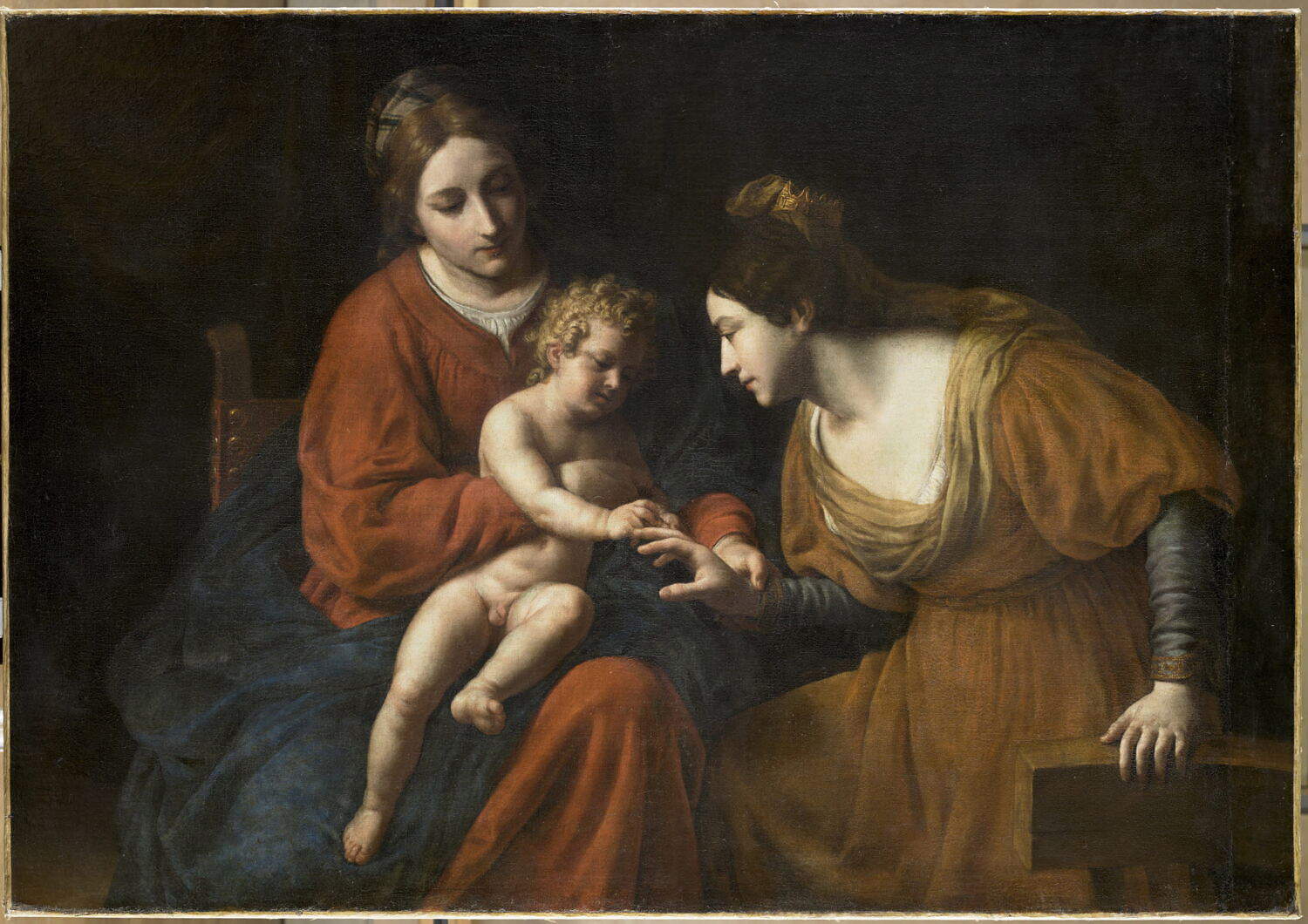
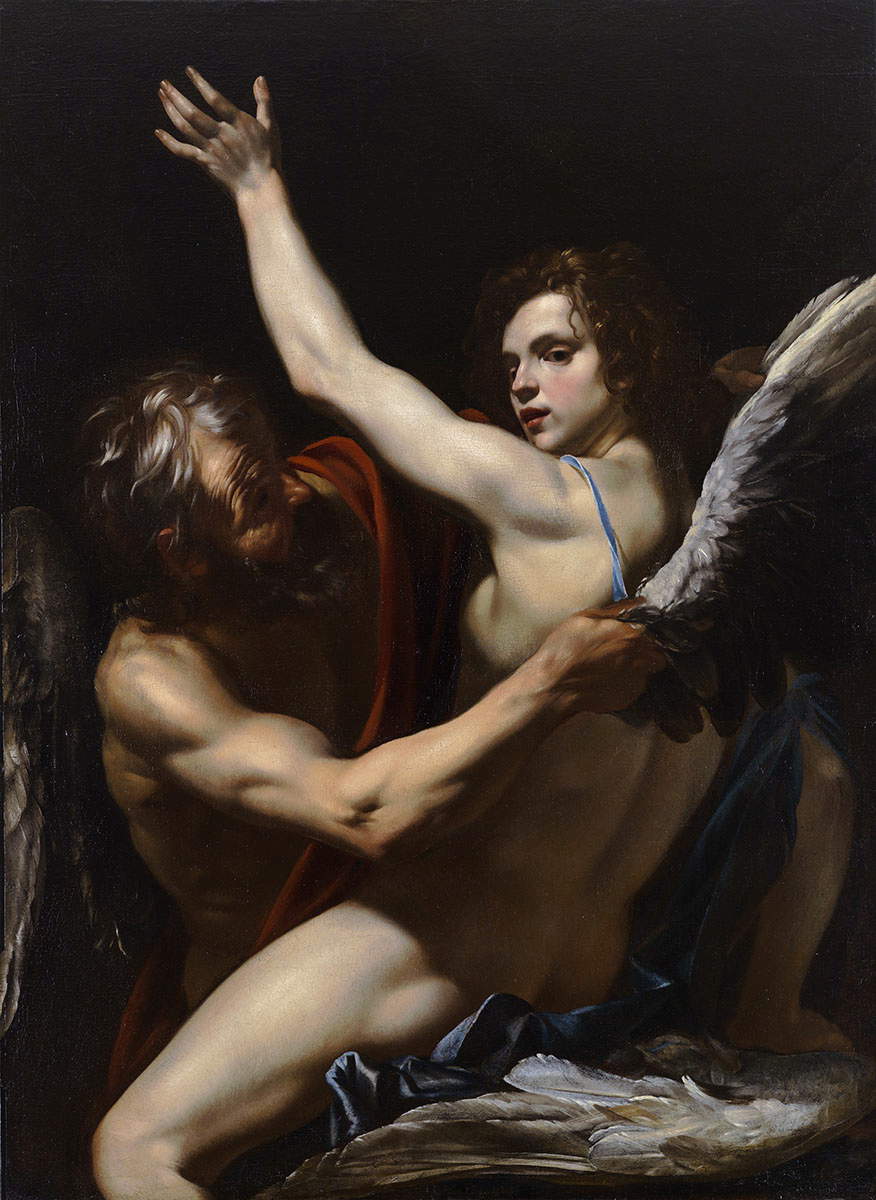
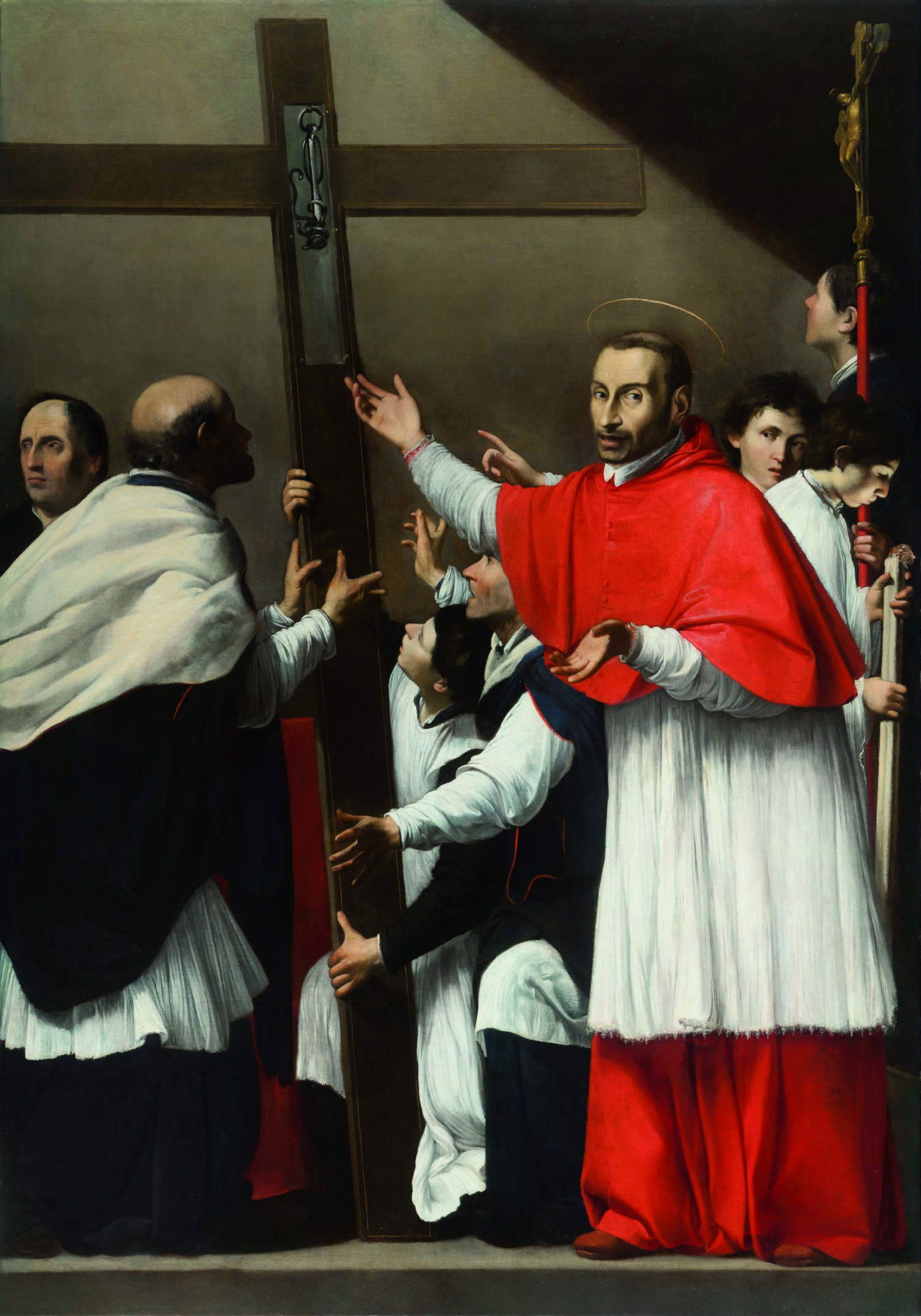
Alongside Gramatica’s works were those by Giovanni Baglione, Bartolomeo Manfredi, Spadarino, Tommaso Salini, and Alessandro Turchi (Gricciotti may have owned Turchi’s *Martyrdom of Saint Catherine*, now in the Louvre, at least according to Sickel’s reconstruction), Orazio Riminaldi (a *Daedalus and Icarus* like the one in the Wadsworth Museum in Hartford: indeed, perhaps that was the very painting owned by Gricciotti, but we cannot establish this with certainty), and Pomarancio. One of the latter’s paintings, a Crucifixion with Saint Hippolytus, may have been painted specifically for him, as he bore that saint’s name. There was also a still life (or rather, a “grape painting”) by Pietro Paolo Bonzi: according to Baglione, Bonzi had begun painting fruit and grapes precisely at Palazzo Crescenzi, and Curti wonders whether the work might have been one of those early attempts. Particularly significant is a painting by Carlo Saraceni, described in the inventory as “the portrait of Saint Charles by Carlo Veneziano.” The note specifies, among other things, that it served as the prototype from which the painter derived the large altarpiece for San Lorenzo in Lucina.
The collection also included three portraits that, according to Curti, should be interpreted together. The first depicted Crescenzio Crescenzi, Melchiorre’s brother and heir, and did not bear the artist’s name. The second was the “head” of Onorio Longhi ( “a portrait of the head of Honorio Longo, two palms high, with a gilded frame”), an architect, poet, and companion of Caravaggio’s turbulent nights. The third was our musician.
A Portrait Born in the Crescenzi Household
The picture of these relationships concludes with two further pieces of information. Crescenzio Crescenzi, who once again hosted Marino in Rome in 1623, owned—according to his 1641 will—a portrait of Caravaggio as well as a portrait of himself painted by the Lombard artist. And Bellori recounts that it was Marino himself, out of the admiration he felt for the painter, who introduced Caravaggio to the home of Monsignor Melchiorre Crescenzi, whose portrait Merisi would go on to paint. Putting these elements together, Curti reaches a clear conclusion: not only was *The Musician* truly the work of Caravaggio, but in all likelihood it originated within the cultural milieu of the Crescenzi household. The proposed date is perhaps between 1601 and 1605, the years when Marino lived in the palace and a literary and musical circle—sponsored by the monsignor himself—must have revolved around him.
Much has been written about Caravaggio’s relationship with music, beginning with the paintings of musical subjects associated with Cardinal Francesco Maria del Monte and Marquis Vincenzo Giustiniani. Those works, however, are laden with allegories and meanings tied to the patrons, some of which still elude us. Here the case is different: Caravaggio is thought to have portrayed a specific individual, known precisely for his profession as a musician. He could have been a musician in the service of the Crescenzi family or a celebrated artist in the academies of the time. The name of the cantor Pedro Montoya has been suggested for the *Lute Player*, and the same might be true in this case as well. Curti cautions, however, that for now these are merely conjectures: a great many musicians performed in the papal chapels and aristocratic palaces of Rome.

The Path to Cardinal Pio
After Gricciotti’s death, all traces of the painting were lost, and it was rediscovered during a research project on the collection of Cardinal Carlo Emanuele Pio of Savoy, a prelate from Ferrara and art collector. The research is part of a volume edited by Curti in collaboration with archivist Federica Giordani, featuring essays by Cecilia Vicentini and Federica Papi, scheduled for release in the spring of next year.
The documents consist of two payments. On January 13, 1633, just a few days after the second inventory was drawn up, the cardinal paid Muzio Pietra 144 scudi for nine paintings from the Gricciotti estate, while on April 18 the second payment followed: 25 scudi for the portrait of Caravaggio, identified as the musician (evidently, Pietra had either purchased his friend’s art collection or had been commissioned to sell it, Curti hypothesizes).
His involvement comes as no surprise: as scholar Isabella Pascucci has reconstructed, in addition to managing Cardinal Scaglia’s household, Pietra routinely acted as an intermediary and trustee in the buying and selling of works of art for collectors and diplomats. Juan de Lezcano, secretary to the Spanish ambassador in Rome and owner of works by Borgianni and a *Ecce Homo* by Caravaggio (it has been suggested that this is the same work discovered in Spain in 2021), had entrusted him, in his 1631 will, with 52 copper plates engraved by Borgianni from Raphael’s Loggias, along with an album of drawings. Pietra was to sell them and use the proceeds to fund Masses for the painter’s soul. In 1640, Cardinal Francesco Barberini purchased from him a painting attributed to Michelangelo. Pietra also had his own collection, which included a *St. John the Evangelist on Patmos* by Gramatica (the one now in the Capodimonte National Museum, on loan to the District Attorney’s Office of Naples), later bequeathed to Cardinal Alonso de la Cueva.
The buyer is also significant. Cardinal Pio’s collection was, in fact, one of the richest and most refined in seventeenth-century Rome: it brought together works from the Ferrara and Venetian Renaissance and paintings by the leading contemporary artists. In 1628, the cardinal had acquired two of his most prized pieces—namely, Caravaggio’s *Buona ventura* and *St. John the Baptist* —at the auction of Cardinal Del Monte’s estate; both are now in the Capitoline Museums. Dismantled during the 18th century, the collection was largely purchased by the pope in 1750 and became one of the founding core collections of the Capitoline Picture Gallery. The fact that the cardinal purchased only the “Musician” separately, Curti notes, demonstrates that his interest in Caravaggio was still alive in the 1630s, at a time when Caravaggism was already losing the prominence it had enjoyed during the first two decades of the century.

Why It’s So Hard to Find
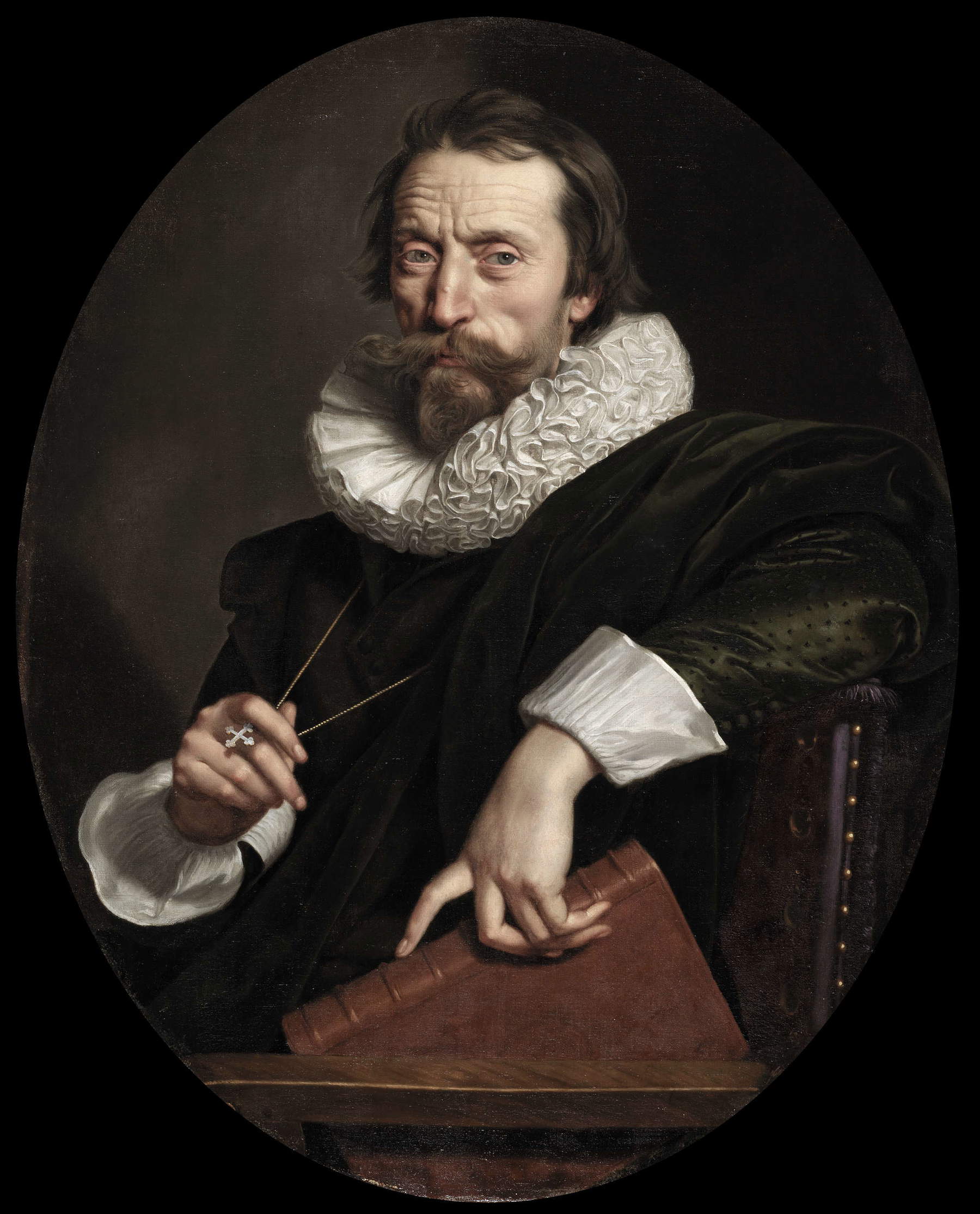
Once it entered the Pio collection, the portrait blended in with the others. All we know from the Gricciotti inventories is that it measured three palms and had a gilded frame—and, as Francesca Curti points out, a frame can always be replaced. The inventory drawn up upon the cardinal’s death does not list the painters’ names: in the descriptions of the portraits, there is nothing to suggest a musician, only a long series of men dressed in black, with or without caps, with or without beards.
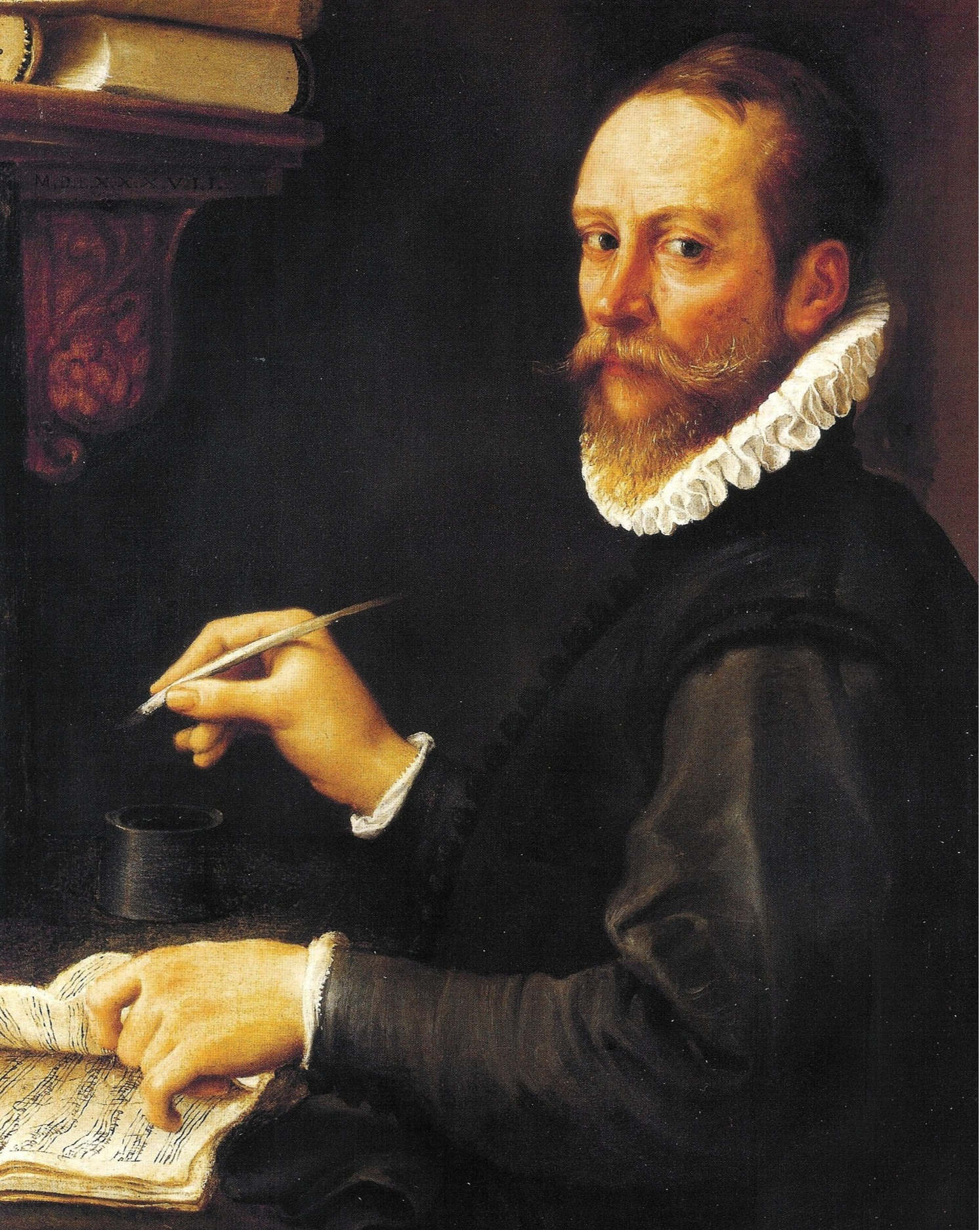
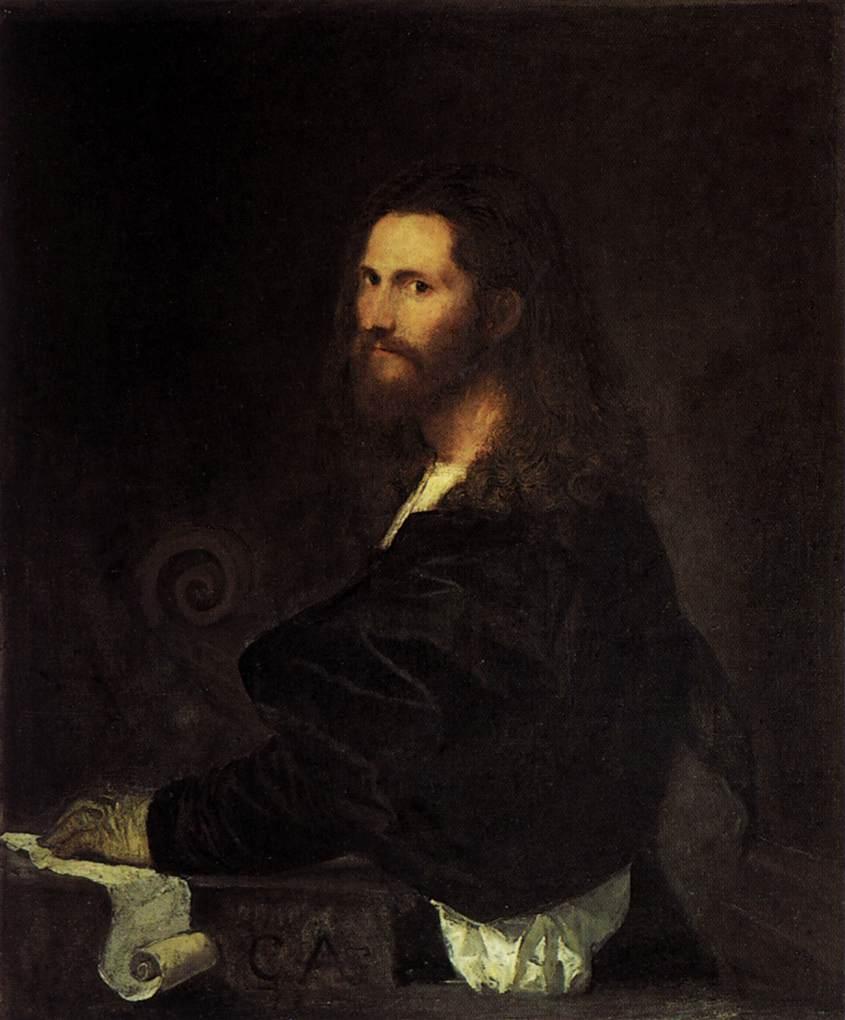
Curti puts forward an intriguing hypothesis regarding the subject’s identity. At the time, “musico” referred to a musician or a singer—professions associated with sheet music, which in fact often appeared in portraits to characterize the subject. This is the case with Annibale Carracci’s *Portrait of a Musician* or Titian’s portrait in the Galleria Spada. If the painting did not leave the palace before the cardinal’s death, it is possible that Caravaggio portrayed his musician without any explicit professional attributes. Gricciotti, who may have known him personally, knew who he was, whereas a notary called upon to draw up the inventory would have seen only a man dressed in black, and thus the possible identification of the subject would have been lost.
Subsequent inventories offer no help. These include those of Carlo Francesco Pio, the cardinal’s nephew, from 1689; Francesco Pio’s from 1724; and an unpublished list from 1776, drawn up upon the death of Gilberto Pio—and all devote only modest attention to the portraits, as was customary. They often list them without an artist’s name even when, for other paintings, the artist is identified. The most telling example is Velázquez’s portrait of Juan de Córdoba, now in the Capitoline Museums, which in 1689 appears simply as the portrait of an old man in a gilded frame. Complicating matters further is the fact that some works listed in a 1624 Pio inventory disappear from the cardinal’s posthumous inventory only to reappear in subsequent lists. The only entry that might correspond, based on dimensions and frame, is found in the 1724 inventory: it is a portrait of a man dressed in black with a ruff and a black cap on his head, on canvas, with a carved gilded frame, three palms high and two palms wide. However, Curti admits that it is too generic to allow for a definitive identification.
The Portrait of Onorio Longhi
While the musician remains a mystery, another painting from the same collection has, in fact, regained its identity. By comparing the Pio inventories, Curti was able to establish that the portrait of Onorio Longhi was among the nine paintings purchased in January 1633. The 1689 inventory describes it in detail: a man “in the modern style,” “with a fashionable sallow complexion,” who “is said to be Onorio Longhi,” along with the dimensions and the artist’s name, Agostino Carracci.
This portrait joins the three already known to exist of the architect, mentioned in the Longhi family inventories of 1652 and 1661 and attributed to Caravaggio, Annibale Carracci, and Bartolomeo Cavarozzi. The presence of this painting in Gricciotti’s collection can also be explained by this same network of relationships. Gricciotti knew Longhi not only as a close friend of Caravaggio but also as a poet writing in the vernacular who frequented the Roman literary academies. Beyond the identification itself, Curti concludes, the case of the musician confirms the dense network of connections between Caravaggio and the circles of music, theater, and literature in early seventeenth-century Rome.
A Note for the Storage Areas
At the end of his talk, Massimo Pulini, the curator of the event, joked: starting tomorrow, many scholars will be rummaging through the storage areas of the Capitoline Museums. But it’s not just a joke: Pulini recalled that, several decades ago, Sir Denis Mahon discovered Caravaggio’s *St. John the Baptist* right there in the Capitoline offices—a work previously considered a copy but which turned out to be an autograph.
The Montepulciano conference, held in the council chamber of City Hall and sponsored by the City in collaboration with the Consorzio del Vino Nobile and the Museo Civico Pinacoteca Crociani, was dedicated to Mina Gregori and, fifteen years later, revisited the discussion begun in 2011 regarding the *Portrait of a Gentleman in Black* in the museum in Pienza, which Pulini himself had attributed to Caravaggio at the time. The conference proceedings will be published, and Curti’s research will also appear in full therein. As for the rest, the volume on Cardinal Pio’s collection is expected in the spring.
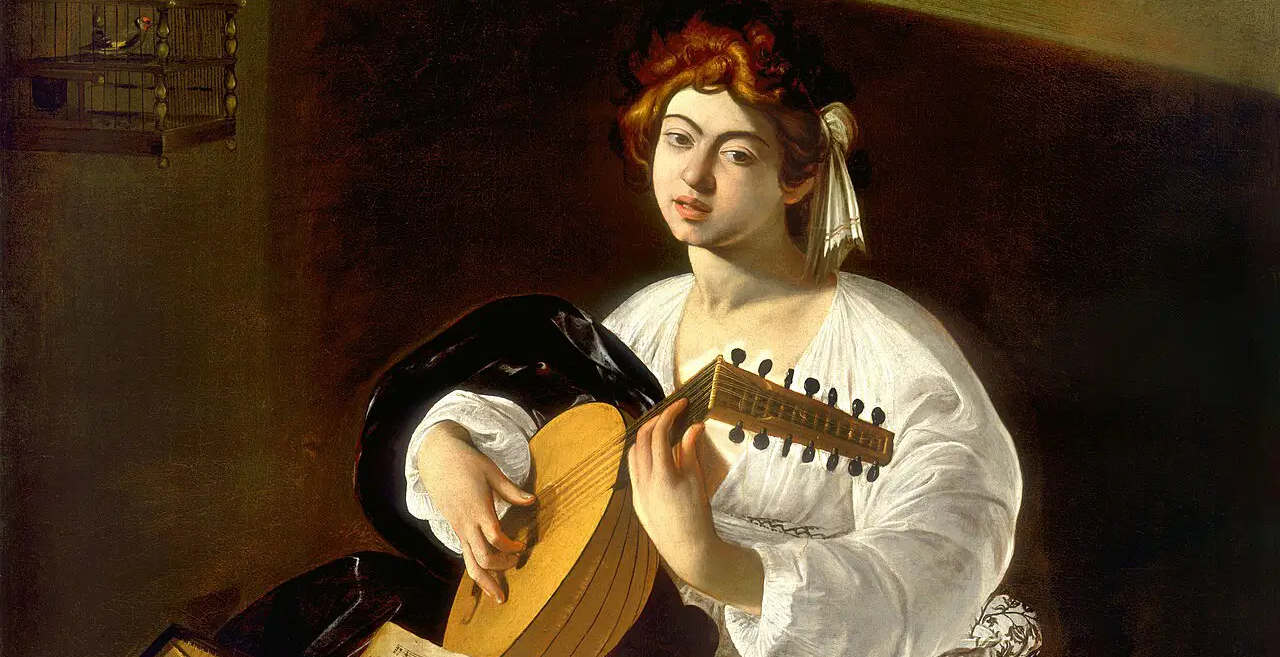 |
| Caravaggio painted a portrait of a musician that has never been found. But there are new developments |
Warning: the translation into English of the original Italian article was created using automatic tools. We undertake to review all articles, but we do not guarantee the total absence of inaccuracies in the translation due to the program. You can find the original by clicking on the ITA button. If you find any mistake,please contact us.