



by Redazione 10/11/2026


Categories: Ancient art / Disclaimer
Getty is launching a multi-year project in Peru to reinforce the Baroque church of Santo Tomás de Aquino in Rondocan against earthquakes and to preserve more than 300 cultural artifacts. Among these are a series of eight paintings by the Italian Jesuit artist Bernardo Bitti, a painter active in the 17th century who traveled to South America to paint; these works were believed to be lost by


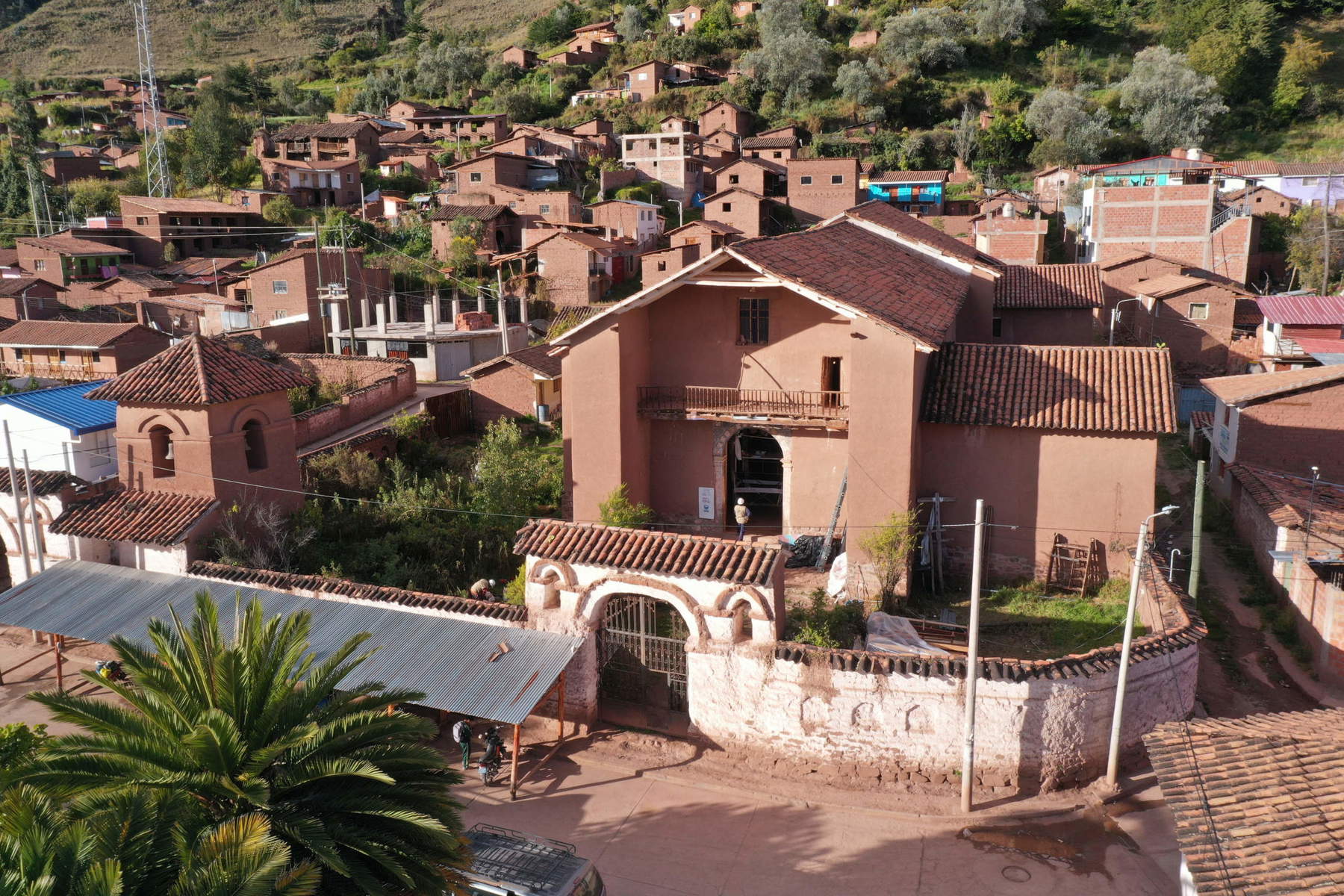
In the heart of the Peruvian Andes, in the Cusco region, an international project aims to secure a 17th-century church and preserve its artistic heritage. The Getty Center announces “Sacred Heritage in the Andes: Conserving the Baroque Church of Rondocan Project,” a multi-year initiative dedicated to the conservation of the Church of Santo Tomás de Aquino—known locally as the Rondocan Church—and its collection of over 300 cultural artifacts. The project involves seismic retrofitting of the building, restoration of the artworks, and the development of a long-term maintenance program.

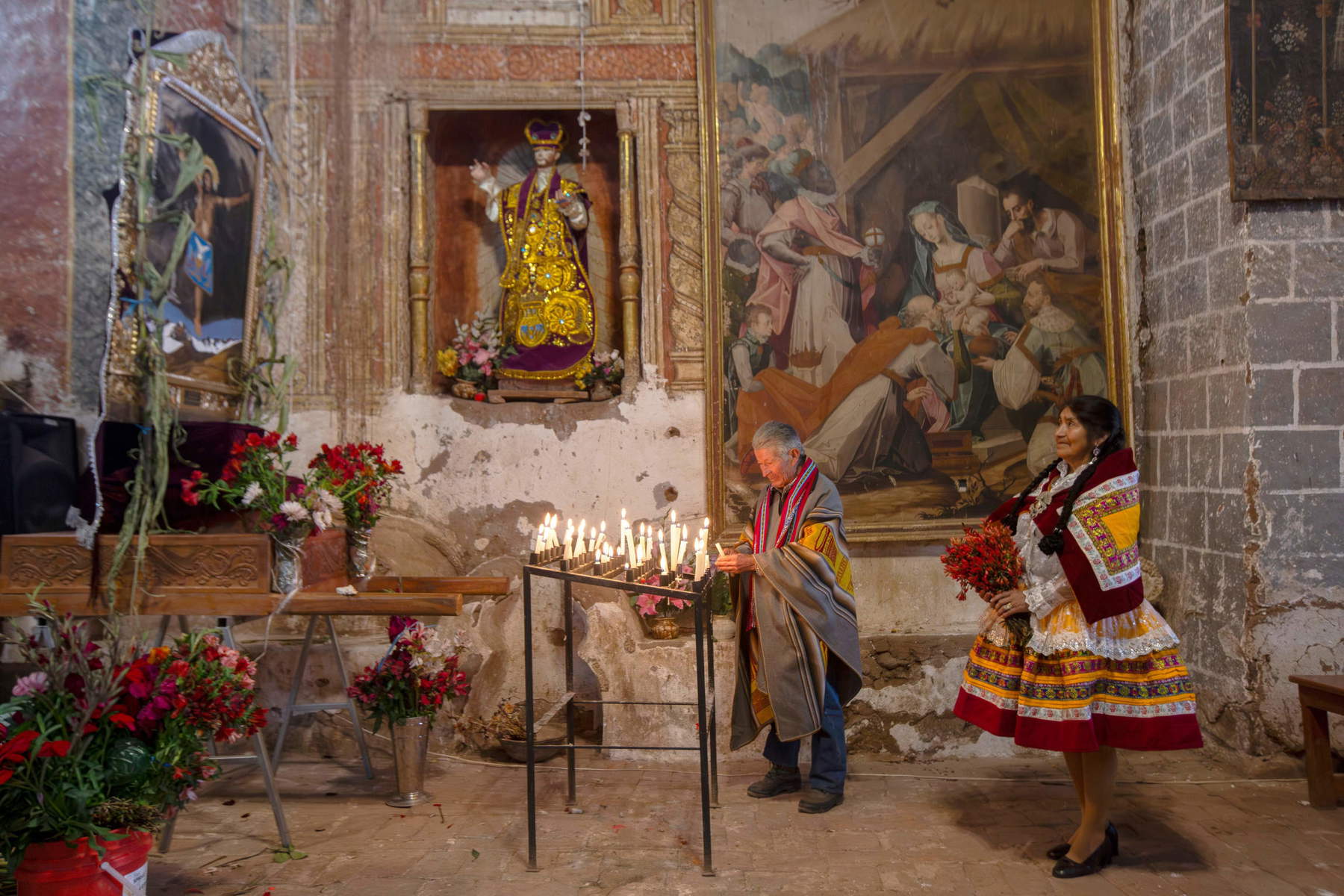
Located in an area particularly prone to earthquakes, the church has structural damage attributable to previous seismic events and other factors, including a lack of regular maintenance. Its preservation is important not only for the building’s historical and artistic value but also for the role it plays in the life of the local community, for whom it serves as a place of worship and gathering.
The building, characterized by a Baroque style and thick walls of adobe ( unfired mud brick), belongs to the tradition of earthen architecture—one of the oldest construction techniques in the world, based on the use of natural materials. The Rondocan Church is one of many religious buildings constructed using this technique in the most remote areas of Peru, which are now particularly vulnerable to earthquakes and the lack of ongoing maintenance.



The project involves experts from various divisions within the Getty, who will collaborate with the Dirección Desconcentrada de Cultura – Cusco (DDC-C), the regional office of Peru’s Ministry of Culture. The goal is to develop a comprehensive conservation and seismic retrofitting plan, involving local professionals and members of the local community so that they can continue to care for the site even after the initiative concludes.
The building’s seismic retrofitting is part of the Getty Conservation Institute’s Seismic Retrofitting Project (SRP), a program that combines advanced analytical techniques and technological tools with locally available materials, expertise, and equipment. The method aims to strengthen the resistance of adobe buildings to seismic forces and to establish monitoring systems and long-term maintenance plans. In the case of Rondocan, the work was preceded by consultations with residents to understand the site’s significance to the community and identify conservation practices compatible with available resources.
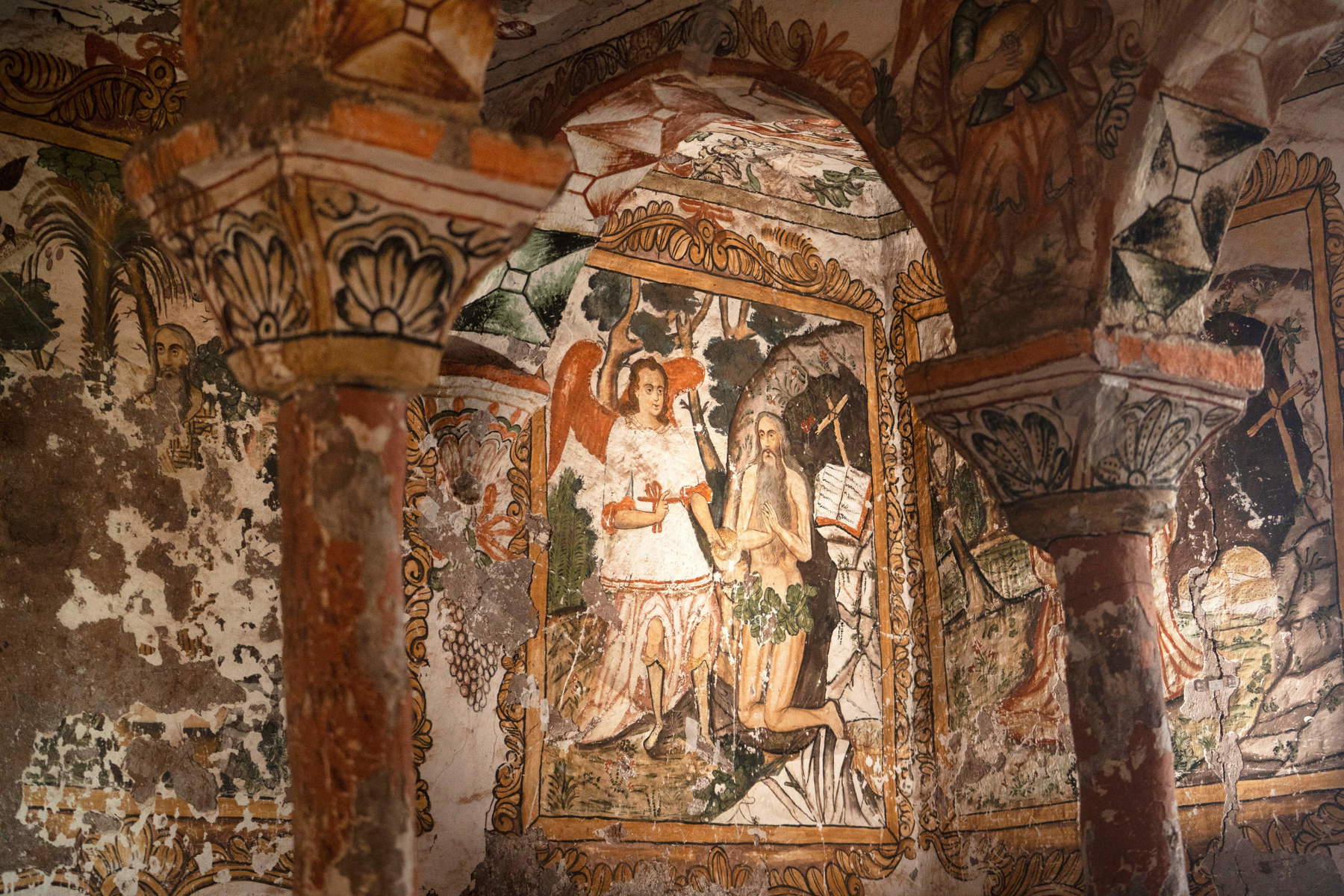
The project will also address the collection housed in the church, consisting of works dating from the 17th and 18th centuries. The collection includes paintings, gilded wooden altarpieces, associated polychrome sculptures, ecclesiastical textiles, and other artifacts. The works will be examined and undergo conservation treatments by the DDC-C, with support from Getty specialists. Guidelines will also be developed for local professionals and the community, providing instructions on sustainable intervention methods and on how to conserve and maintain the collection.
One of the most significant parts of the collection consists of a series of eight paintings by the Italian Jesuit Bernardo Bitti (1548–1610), a central figure in the history of art in the Americas. The cycle, titled *Principales Misterios de la Vida y Muerte de Cristo Nuestro Salvador y de la Virgen Santísima* (The Principal Mysteries of the Life and Death of Christ Our Savior and of the Most Holy Virgin), was created in Cusco, likely between 1595 and 1599. The series was considered lost by most art historians.
Among the works to be included in the project is *La Oración en el huerto* (The Agony in the Garden), one of the eight paintings in the cycle, which will be temporarily transferred to the Getty in 2027 for scientific analysis and conservation treatment. The program will also include the installation of environmental monitoring systems designed to identify potential risk factors and establish measures for the ongoing protection of the collection.
As for the church, the technical documents related to the seismic retrofitting work have already been drafted and approved. Construction is scheduled to begin in 2027: the construction phase will be funded and carried out by DDC-C, while the Getty will assist in monitoring the progress of the work in the coming years. Further information on the Sacred Heritage in the Andes project will be provided as the project progresses. The Getty Museum’s Paintings Council is among the financial supporters of the initiative.
Statements
“Since 2011,” said Claudia Cancino, project manager at the Getty Conservation Institute and coordinator of the Sacred Heritage in the Andes project, “the Conservation Institute has been collaborating in various regions of Peru with local conservation professionals to protect some of the country’s most important adobe buildings. These are places where much of the daily life of the communities in these regions takes place, but whose protection requires specialized interventions. Thanks to this collective effort, we will be able to provide expertise and support to the community of Rondocan, which has cared for the church and its extraordinary collections for generations.”
“Today marks an important step toward protecting one of the most cherished and significant sites for the Rondocan community,” said Fernando López Sánchez, Deputy Minister of Cultural Heritage and Cultural Industries. “This church is much more than a historic building: it is part of the community’s memory, identity, and daily life. At the Ministry of Culture, we are committed to ensuring that this heritage is preserved for future generations. We want to achieve this goal together with the community, recognizing the dedication of those who, for so many years, have cared for the church and kept its cultural and spiritual significance alive.”
“What makes the church’s collection unique—aside from its richness for a religious building located in such an isolated area—is the absence of evidence indicating any restoration work over time,” said Stéphanie Auffret, senior project manager at the Getty Conservation Institute. “This is therefore a rare opportunity to document the artifacts and generate knowledge that will be useful to various stakeholders involved in heritage preservation. The study of the decorative surfaces of the side altars, for example—which preserve original materials that have rarely survived to the present day—will help interpret similar surfaces found in other churches in Peru. This project also offers an important opportunity for dialogue with the local community, which is deeply connected to the site and all its cultural assets, including the sculptures carried in procession during Holy Week. Preserving a collection that is still actively used by the community presents certain challenges, but it also allows for valuable opportunities for dialogue with its members—an experience that does not occur in a museum setting.”
“We are honored that our partners in Peru have entrusted us with this important work by Bernardo Bitti,” said Ulrich Birkmaier, senior curator of paintings at the Getty Museum. “We expect that the results of the in-depth technical study and conservation treatment will provide a better understanding of Bitti’s working methods and the materials he used. In close collaboration with our Peruvian partners in the field of conservation, the Archdiocese of Cusco, and the Ministry of Culture, we are delighted to be able to deepen our knowledge of this enigmatic painter. We also hope that the work on this painting will provide useful insights for the conservation of the other paintings in the same series.”
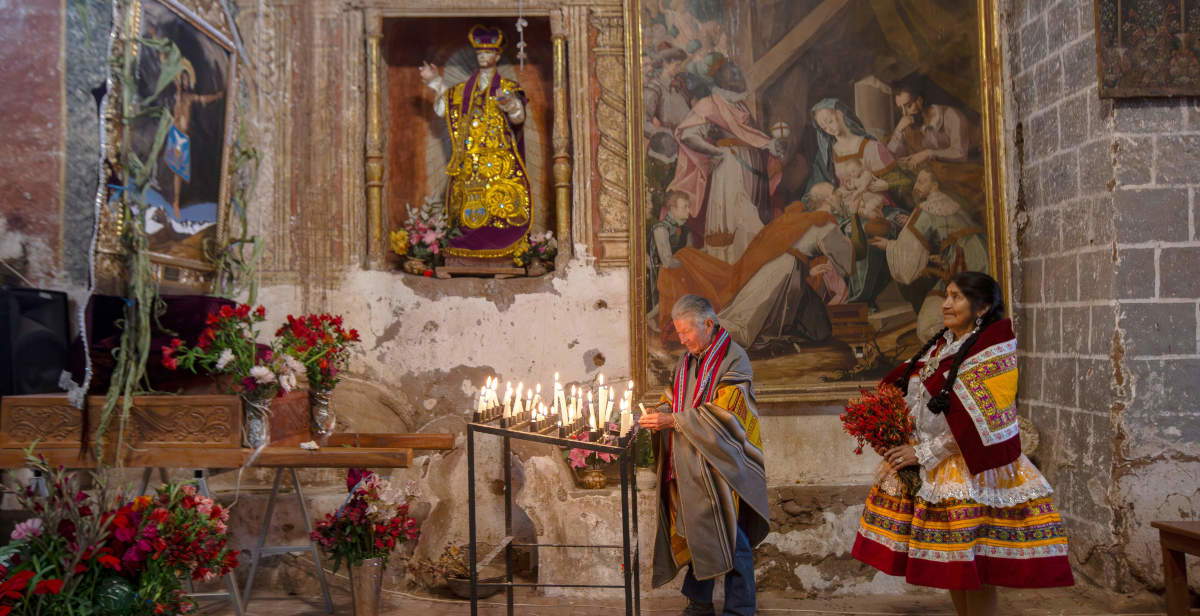 |
| Eight works by an Italian painter who traveled to South America in the 17th century have resurfaced in the Andes |
Warning: the translation into English of the original Italian article was created using automatic tools. We undertake to review all articles, but we do not guarantee the total absence of inaccuracies in the translation due to the program. You can find the original by clicking on the ITA button. If you find any mistake,please contact us.