








The Egyptian archaeological mission of the Supreme Council of Antiquities has unearthed a series of discoveries in recent weeks at Ihnasya el-Medina in Egypt’s Beni Suef province that help redefine the picture of the site’s urban and religious history along a chronological span from Ancient Egypt to the Greco-Roman era. The investigations are being conducted under the direction of Mohamed Ibrahim, general director of the Beni Suef Archaeological Area.
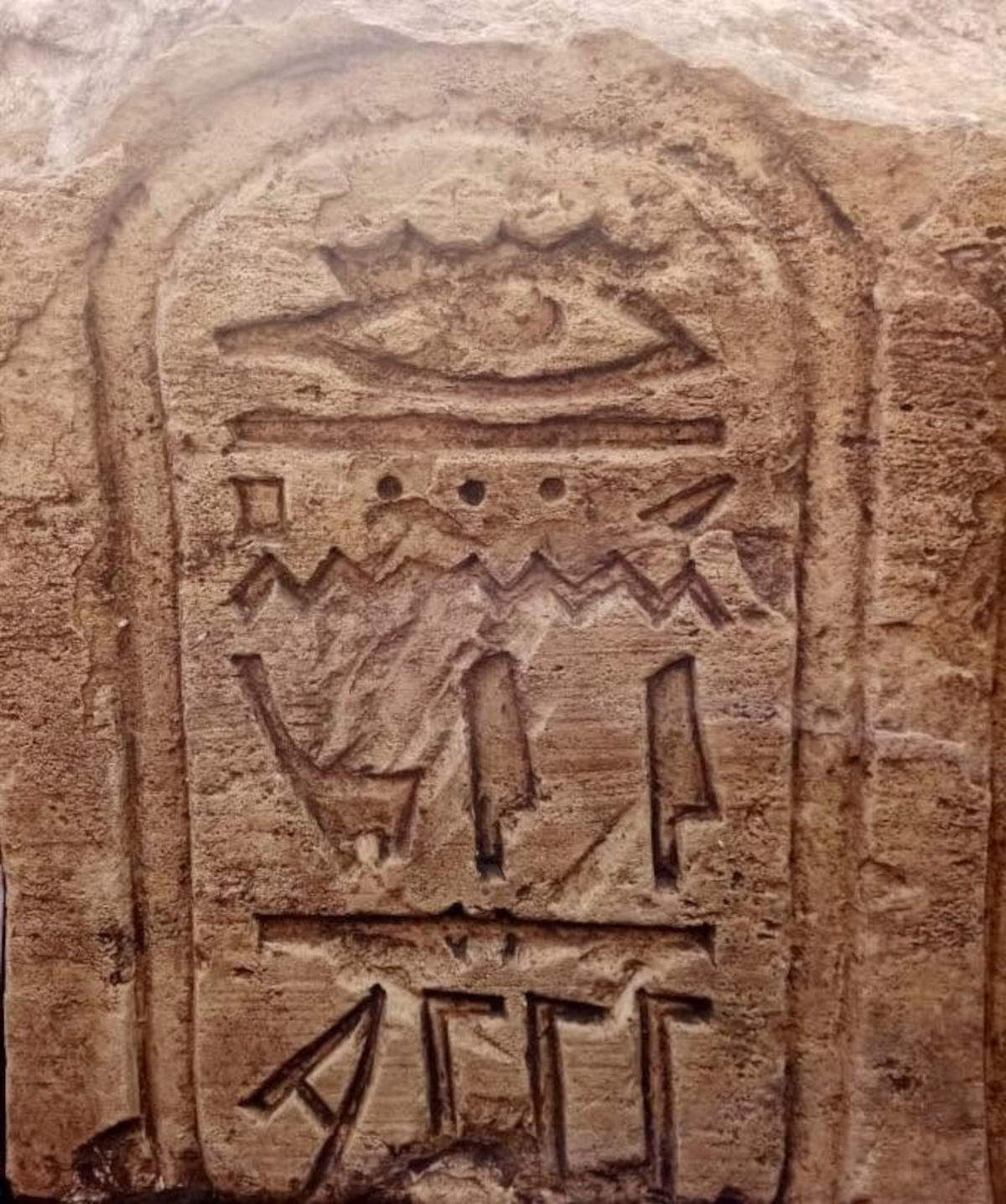
Finds include a reused stone block, on which appears a relief with the name of Pharaoh Senuosret III, including cartouches with his coronation name and birth name. The same context also yielded an additional cartouche referable to the deityOsiris-Naref, a figure worshipped in the Ihnasya el-Medina area during the Pharaonic and Ptolemaic periods.
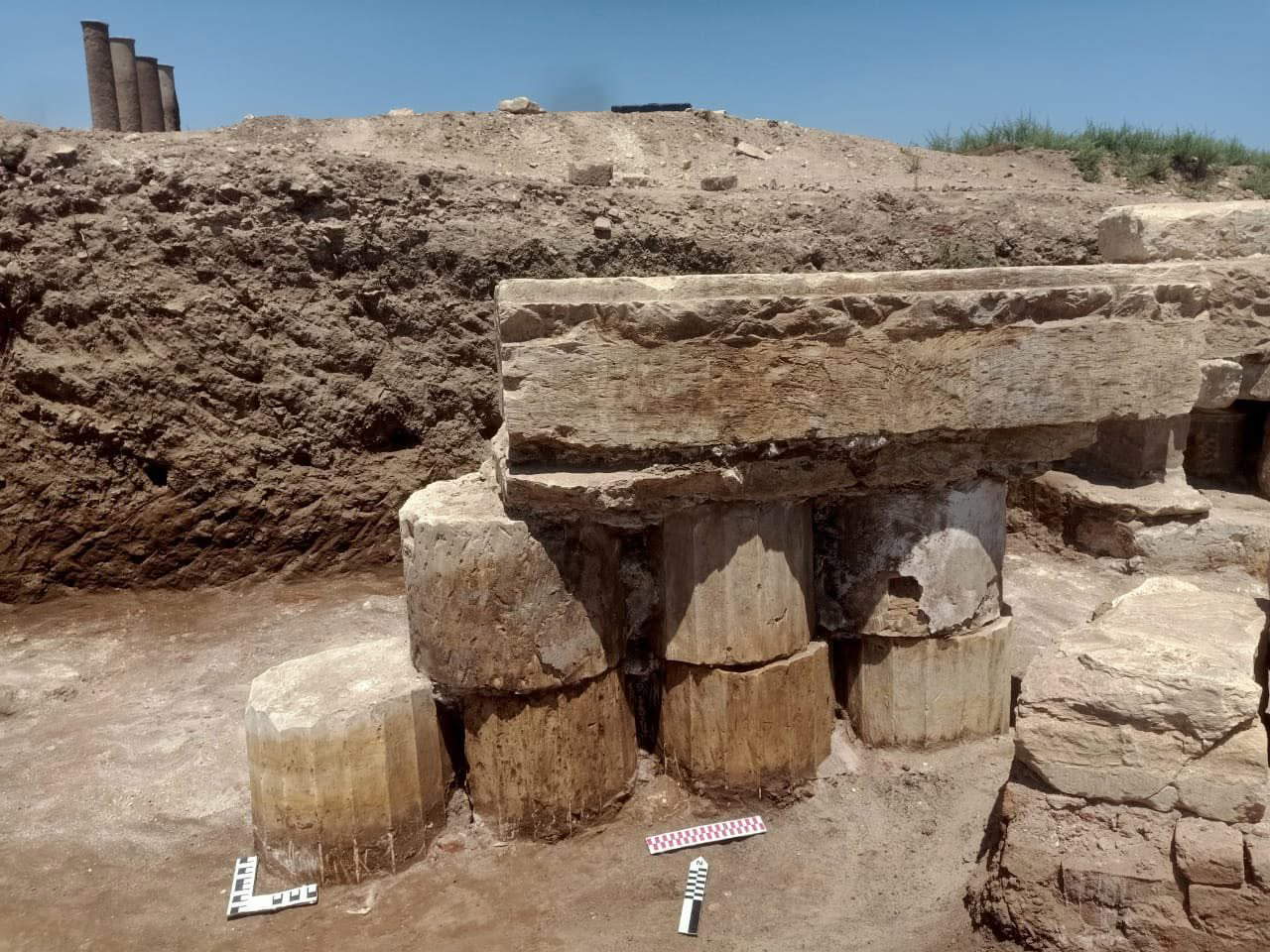
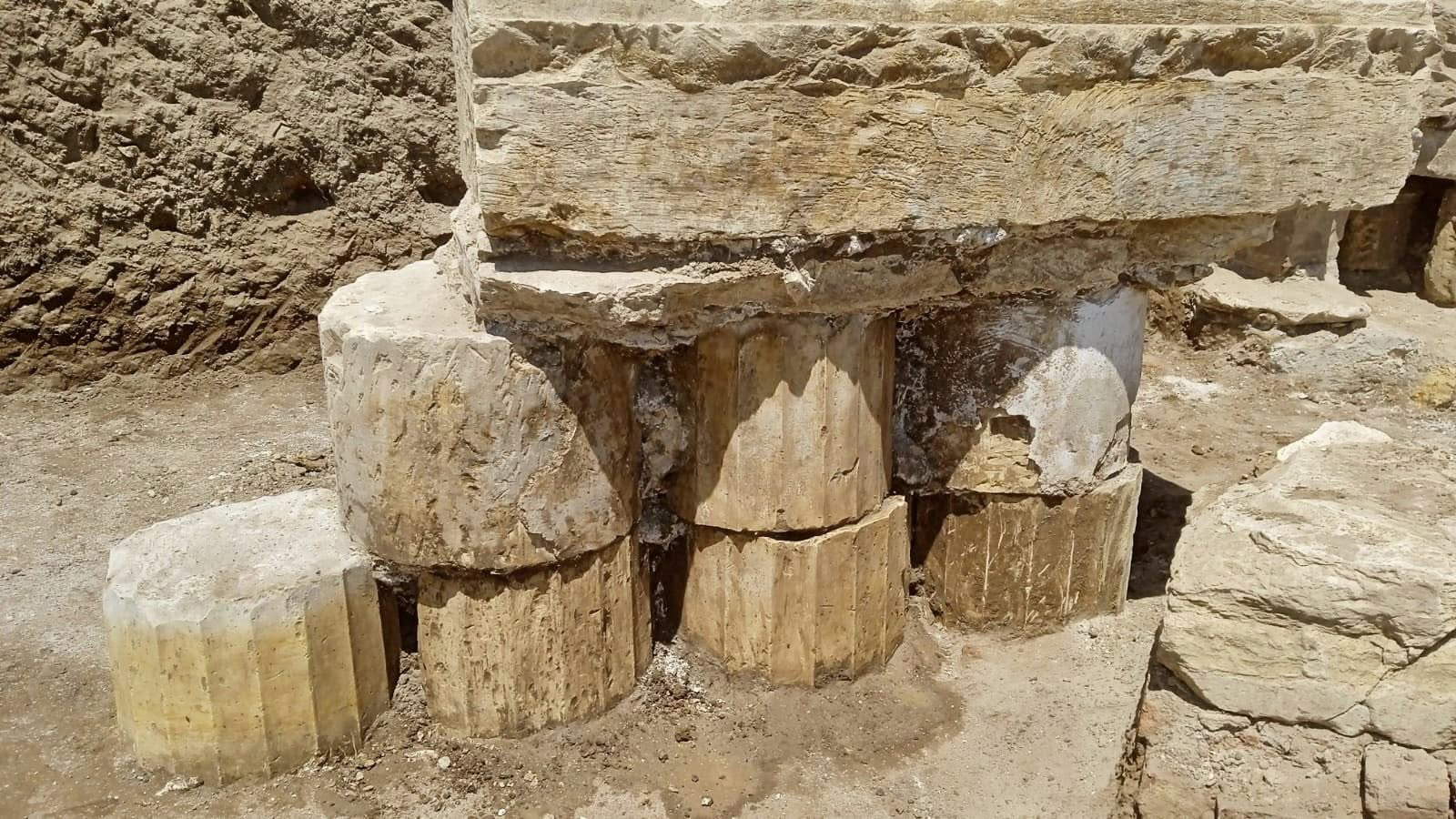
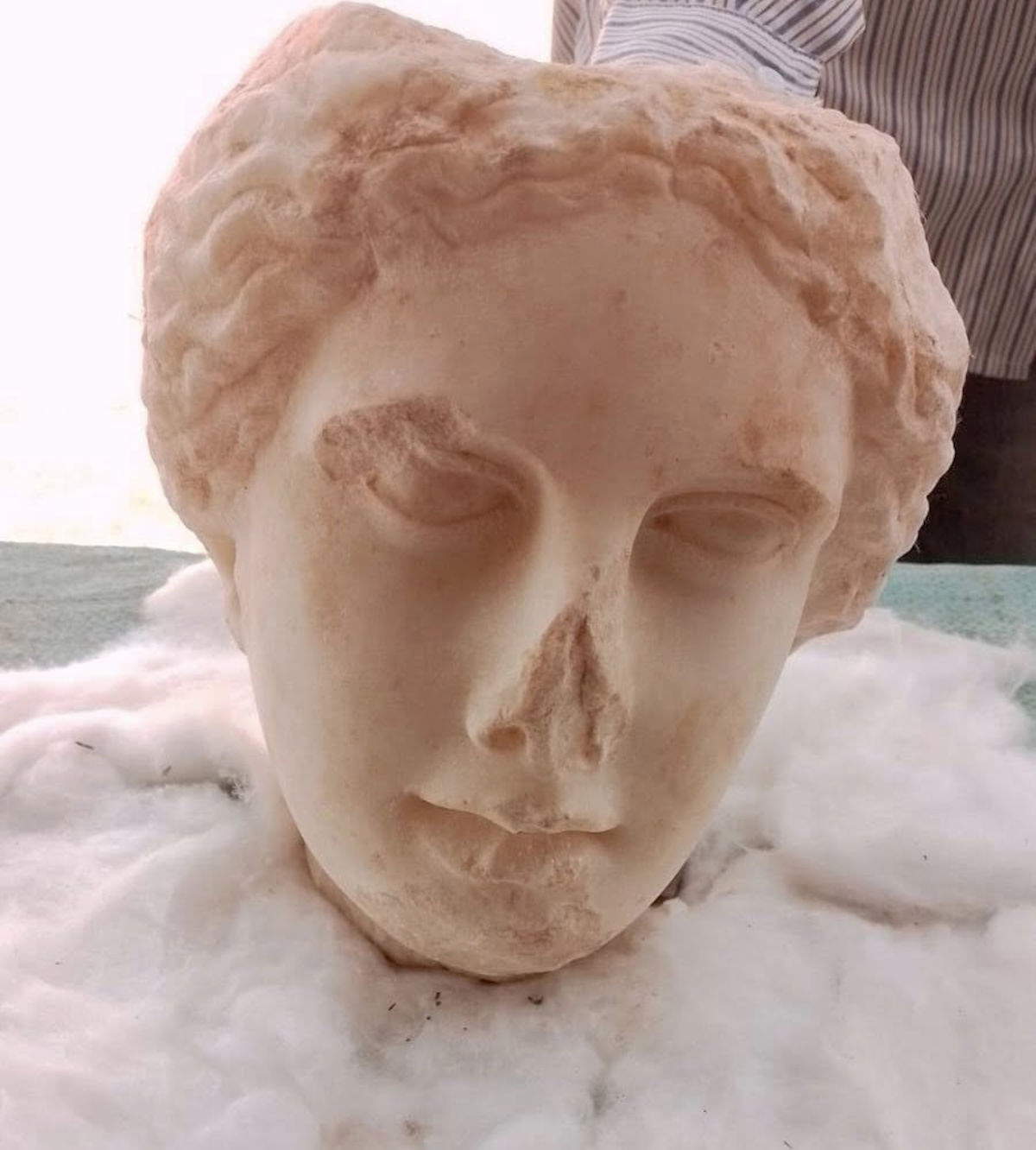
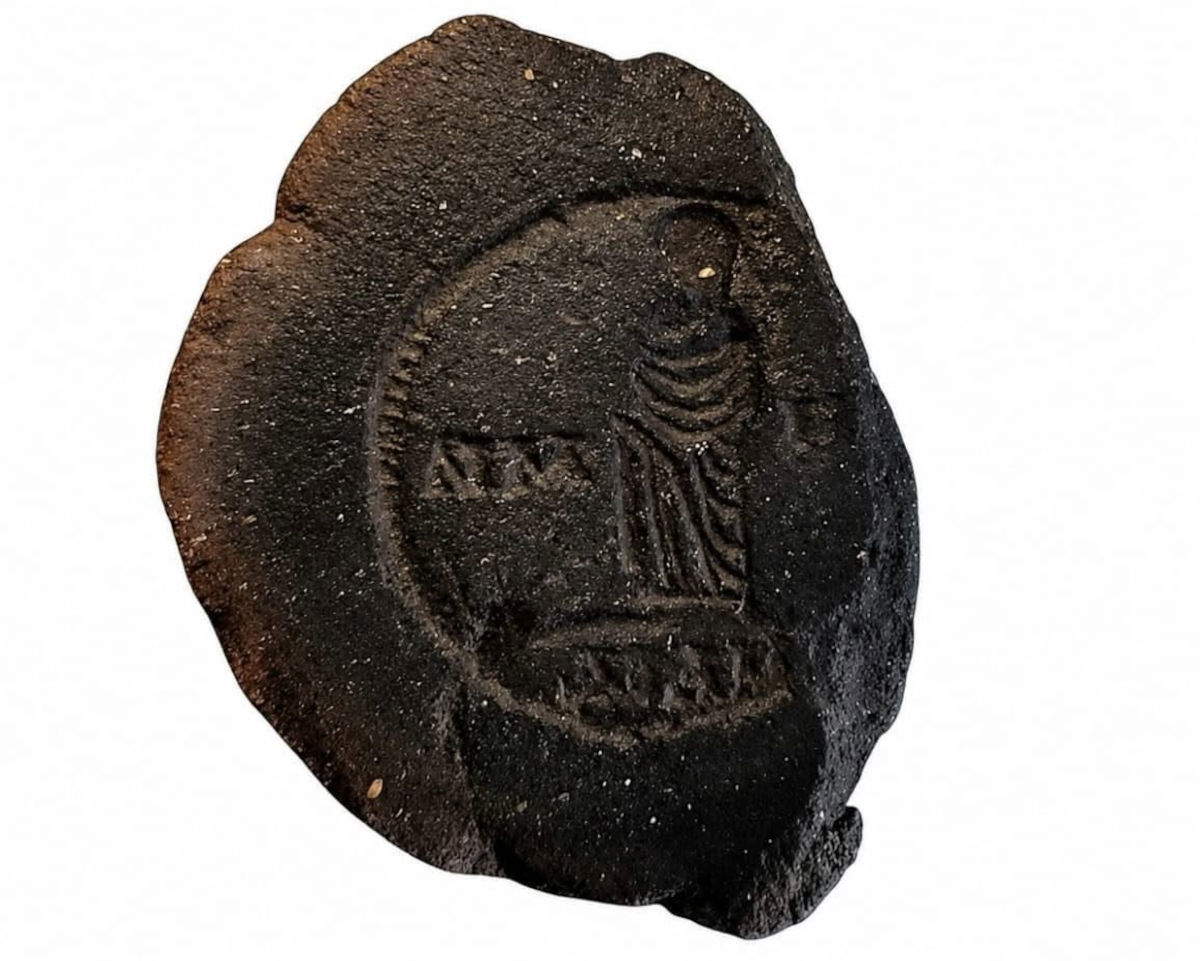
Investigations also identified extensions of a Roman-era basilica, along with remains attributable to an ancient Doric-order temple. A sculptural fragment of particular significance was also found within the same context: a marble head depicting the goddess Aphrodite. The artifact, measuring about 24 by 25 centimeters, presents an accurate rendering of facial features and hair, according to stylistic models traceable to the classical tradition. Fragments of relief statues and clay matrices used for the production of coins were also recovered, elements that fit into the framework of the city’s economic and craft activities in Roman times.
The Minister of Tourism and Antiquities, Sherif Fathi, stressed that the discoveries constitute a relevant scientific contribution to the understanding of the region’s history, highlighting the cultural plurality that has affected Egypt throughout the different eras. The ministry also reiterated its course of action on national archaeological sites, geared toward improving conservation conditions and the possible opening of new areas to public enjoyment, with the aim of expanding the country’s cultural offerings.
Secretary General of the Supreme Council of Antiquities, Hisham el-Leithy, highlighted the importance of the cartouche attributed to Senuosret III, a figure associated with several monumental achievements in the Ihnasya el-Medina area. This element confirms the site’s role as a center of religious prominence as early as the Middle Kingdom and its continuity of frequentation in later periods. In the context of the analysis of monumental structures, he pointed out that the discovery of the extensions of the Roman basilica illustrates the evolution of this architectural type. The basilica was used in Greek times as a public building for meetings and administrative and commercial activities before being transformed during the early Christian era into a church for religious services and ecclesiastical meetings.
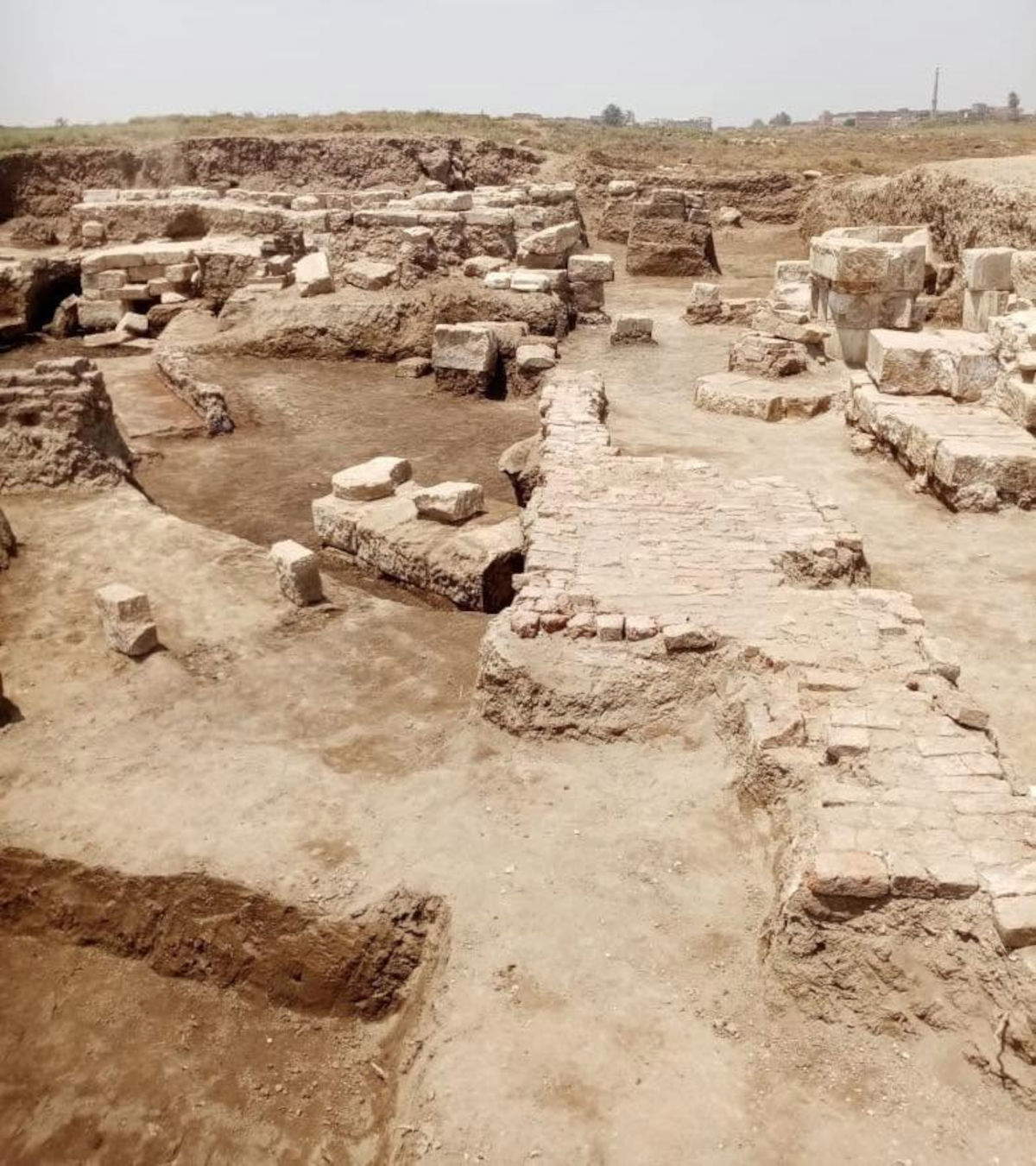
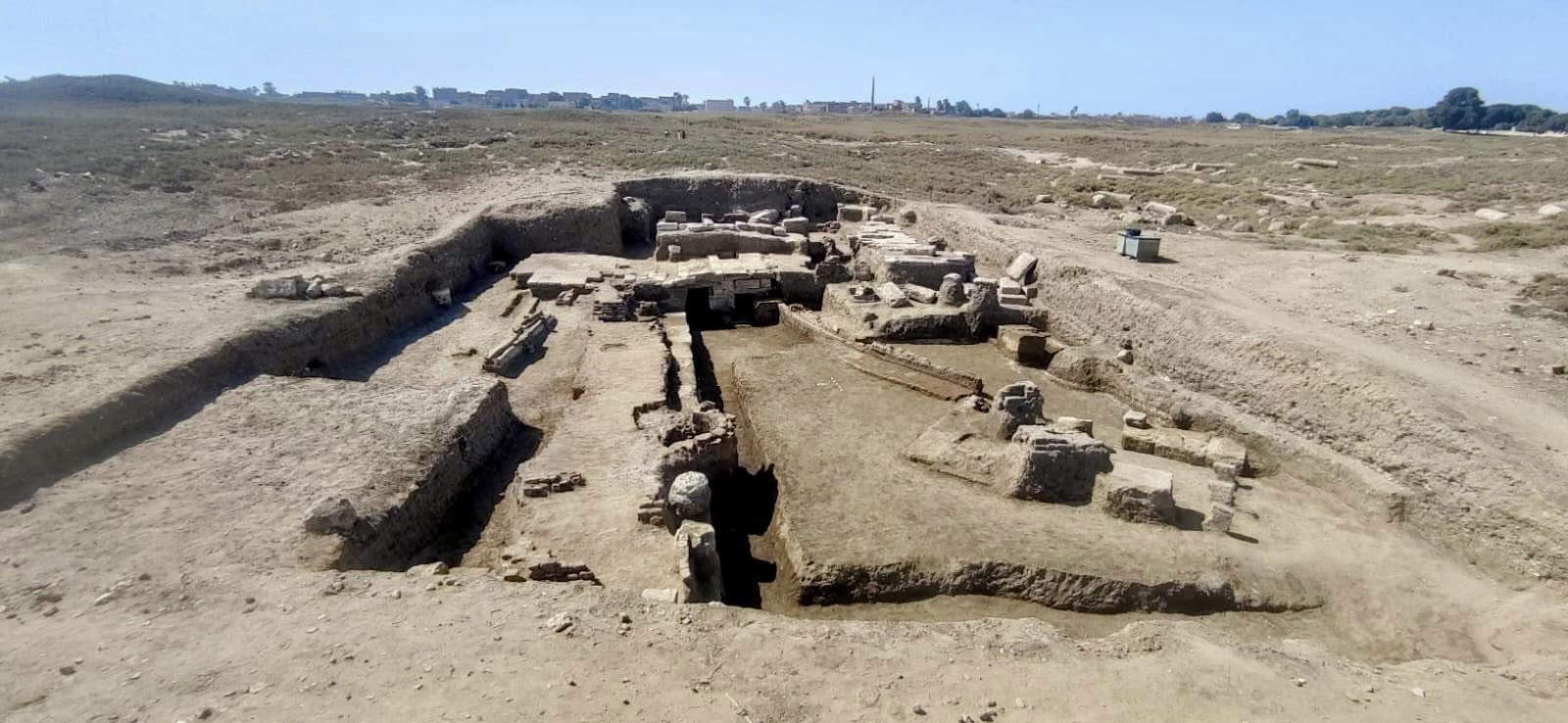
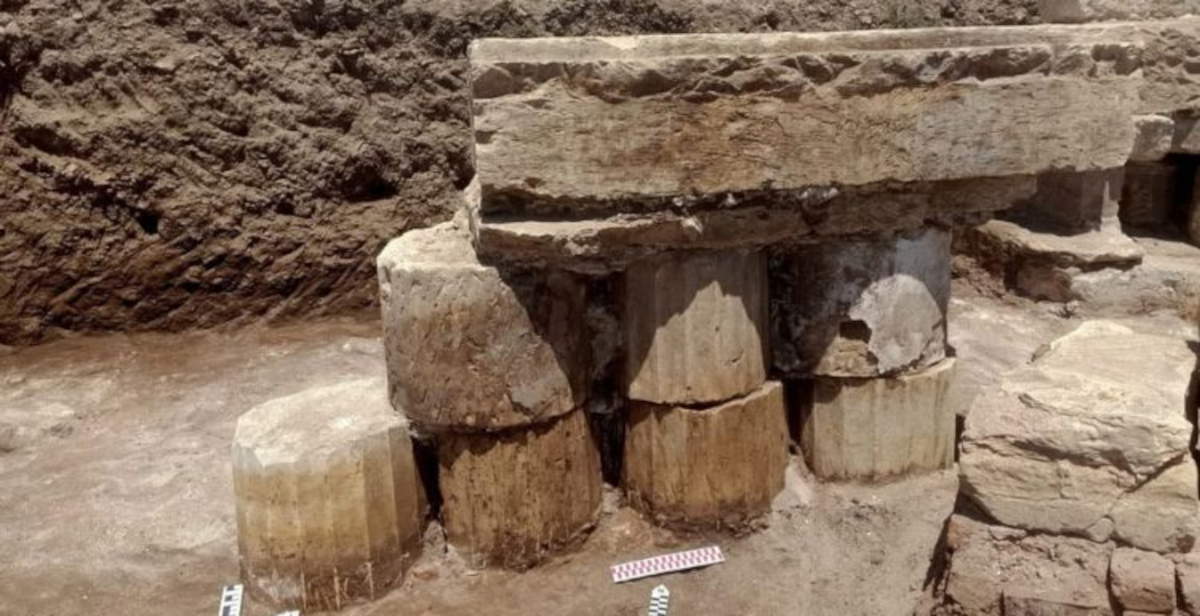
Further details were provided by Muhammad Abdel Badi, head of the Ancient Egypt sector at the Supreme Council of Antiquities. According to reports, preliminary study of the Doric temple suggests a later reuse of its components in the sixth century AD, when the structures were used as foundations and flooring for the Roman basilica. The stones were arranged irregularly to create a stable base designed to support considerable weights. Some of the columns, weighing an estimated 45 tons, still appear to be in situ.
Finally, the director of the Central Egyptian Antiquities Administration, Sami Dardiri, indicated that the sculptural fragments and coinage matrices testify to the persistence of urban prosperity during the Roman period, as well as the continuity of economic and artistic activities. Study and analysis activities on the unearthed materials appear to be still ongoing.
Ihnasya el-Medina represents one of the most important archaeological sites in Egypt. In Pharaonic times it was the capital during the 9th and 10th dynasties and the center of the 20th district (or province) of Upper Egypt. The site also maintained a significant role during the Middle Kingdom, the New Kingdom and the Third Intermediate Period, until it developed a special importance in Greco-Roman times, when it was known by the name Heracleopolis Magna, meaning “Great City of Hercules.” The investigations are part of the activities of the Supreme Council of Antiquities aimed at documenting and studying Egyptian archaeological sites, with the goal of expanding knowledge of historical phases and preserving cultural heritage through systematic research campaigns.
 |
| Beni Suef (Egypt), archaeological discoveries reveal Pharaonic, Greek and Roman layering |

Warning: the translation into English of the original Italian article was created using automatic tools. We undertake to review all articles, but we do not guarantee the total absence of inaccuracies in the translation due to the program. You can find the original by clicking on the ITA button. If you find any mistake,please contact us.

















 IT
IT FR
FR DE
DE ES
ES CN
CN