





On Sunday, August 2 and 9, 2026, MUSE will offer the public the opportunity to visit the Riparo Prà da Stua archaeological site, on Monte Baldo, through guided tours that will provide a close-up look at the research activities and the most recent discoveries made during the summer excavation campaign. The initiative, organized in collaboration withthe University of Trento and the municipalities of Avio and Brentonico, will take visitors on a journey to discover one of the prehistoric sites in the Trentino region, which is set to become one of the museum’s main areas of research in the coming years thanks to the exceptional state of preservation of the artifacts.
Monte Baldo has long been an area of great interest to scholars, who study the evolution of the Alpine landscape and the relationship between humans and the environment throughout prehistory. The investigations conducted by MUSE between 2025 and 2026 focused on the Prà da Stua rock shelter, a rock-shelter located between the municipalities of Brentonico and Avio, which had already been identified in the late 1980s and early 1990s thanks to surveys conducted by Domenico Nisi and the Rovereto Civic Museum.
Following an initial exploratory survey in 2024 and a subsequent research campaign in 2025, archaeologists resumed excavations in recent months with the aim of deepening our understanding of the archaeological deposit and reconstructing how the site was used during prehistory. The investigations have yielded important evidence of the presence of hunter-gatherer groups, who used the rock shelter as a seasonal camp during various phases of the earliest prehistory. Among the artifacts discovered are chipped stone tools, animal bone remains, and traces of ancient hearths—all preserved in exceptional condition and essential for reconstructing the lives of the communities that inhabited Monte Baldo during the Paleolithic and Mesolithic periods.
The materials recovered during the excavation are also being analyzed through sediment washing at the Dossioli Center, made available by the Municipality of Avio. Thanks to the quality of the findings, MUSE and the University of Trento plan to continue their research in the coming years, with the aim of expanding our knowledge of human presence in the Alps during prehistoric times.
Guided tours will take place on Sunday, August 2, with departures at 10:30 a.m. and 3:00 p.m., and on Sunday, August 9, at 3:00 p.m. The meeting point is the open area located beyond the small bridge at the intersection of Provincial Roads SP208 and SP230, in the direction of Madonna della Neve. From there, the site is a short walk of just a few minutes away, and the tour will last about an hour and a half in total.
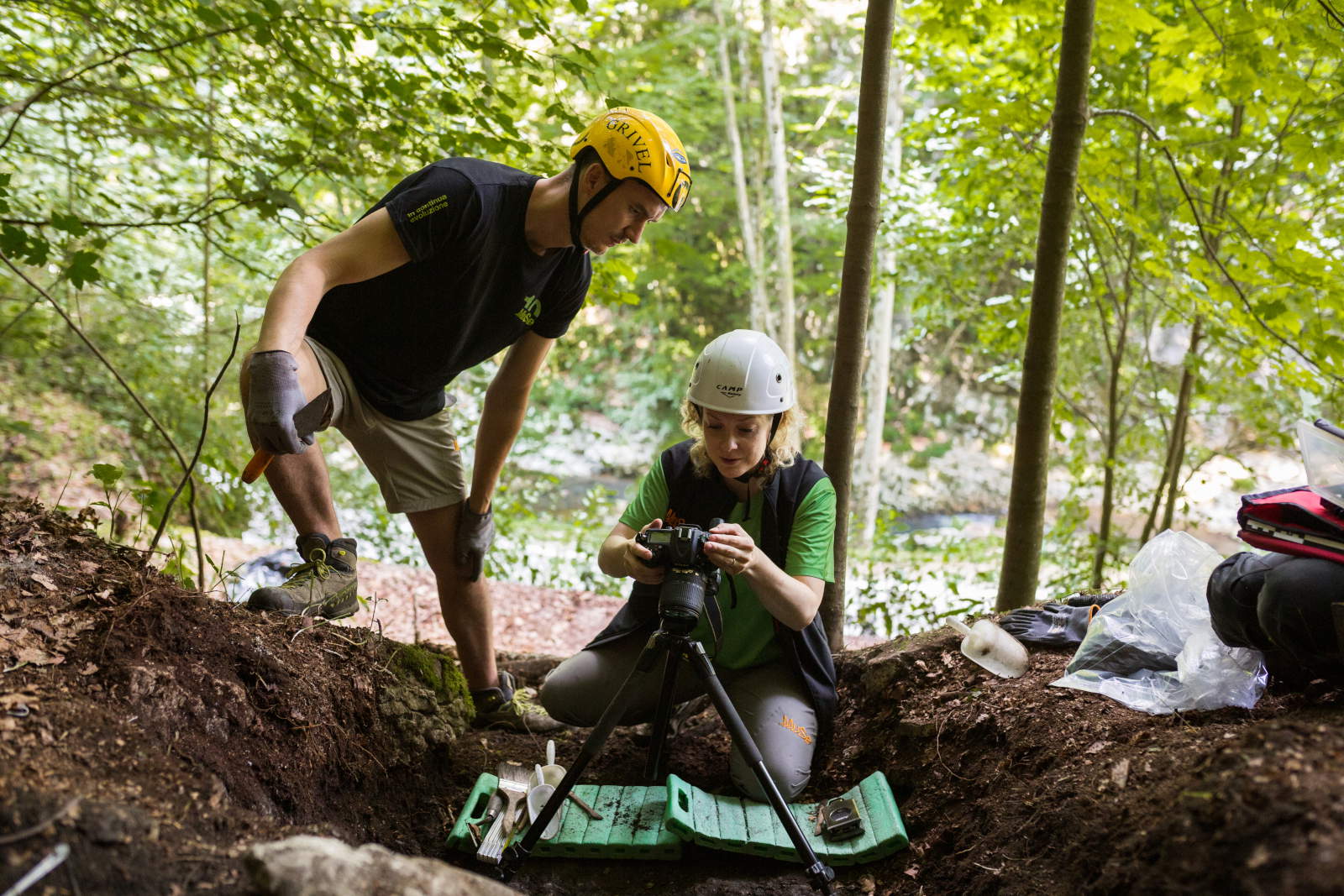
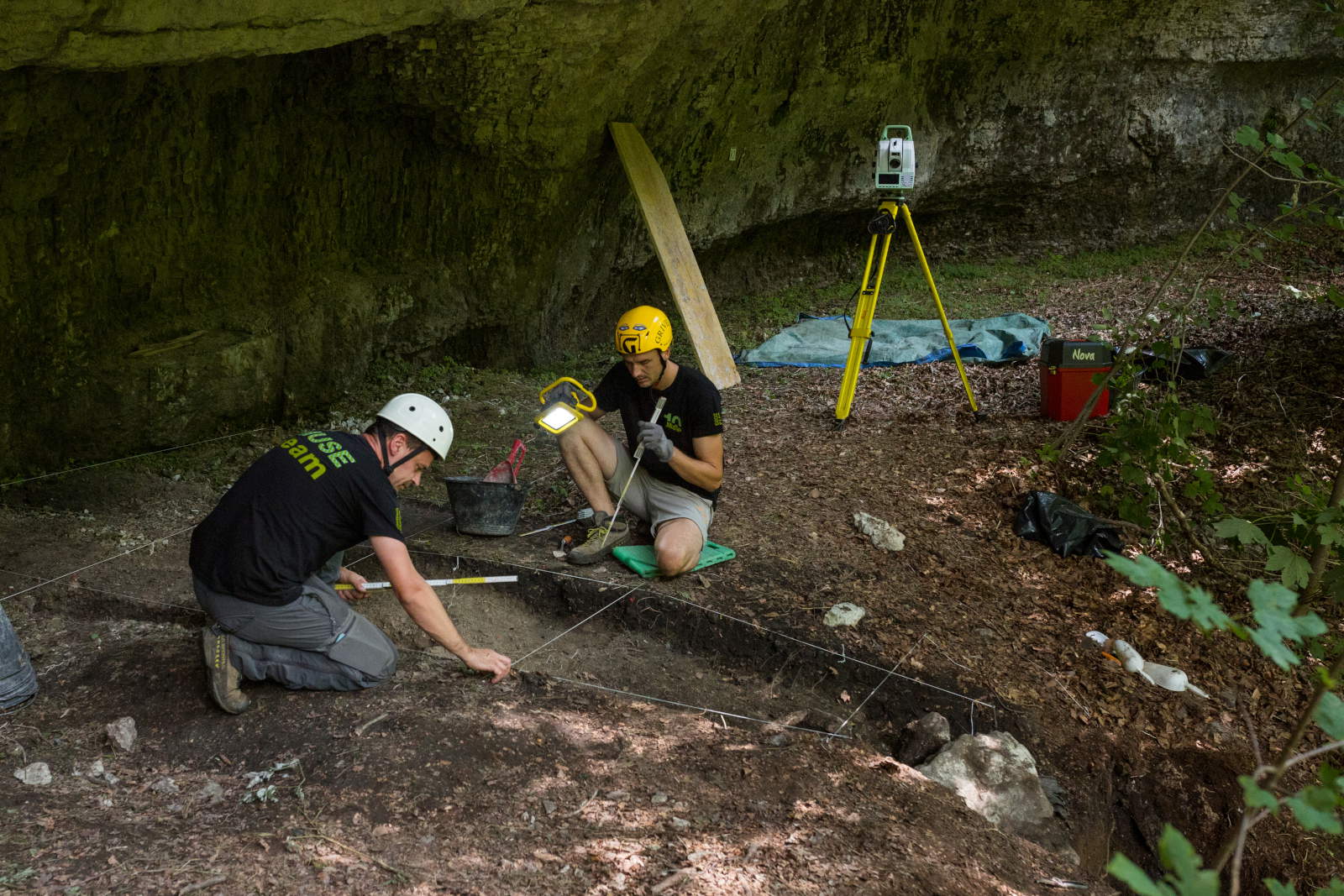
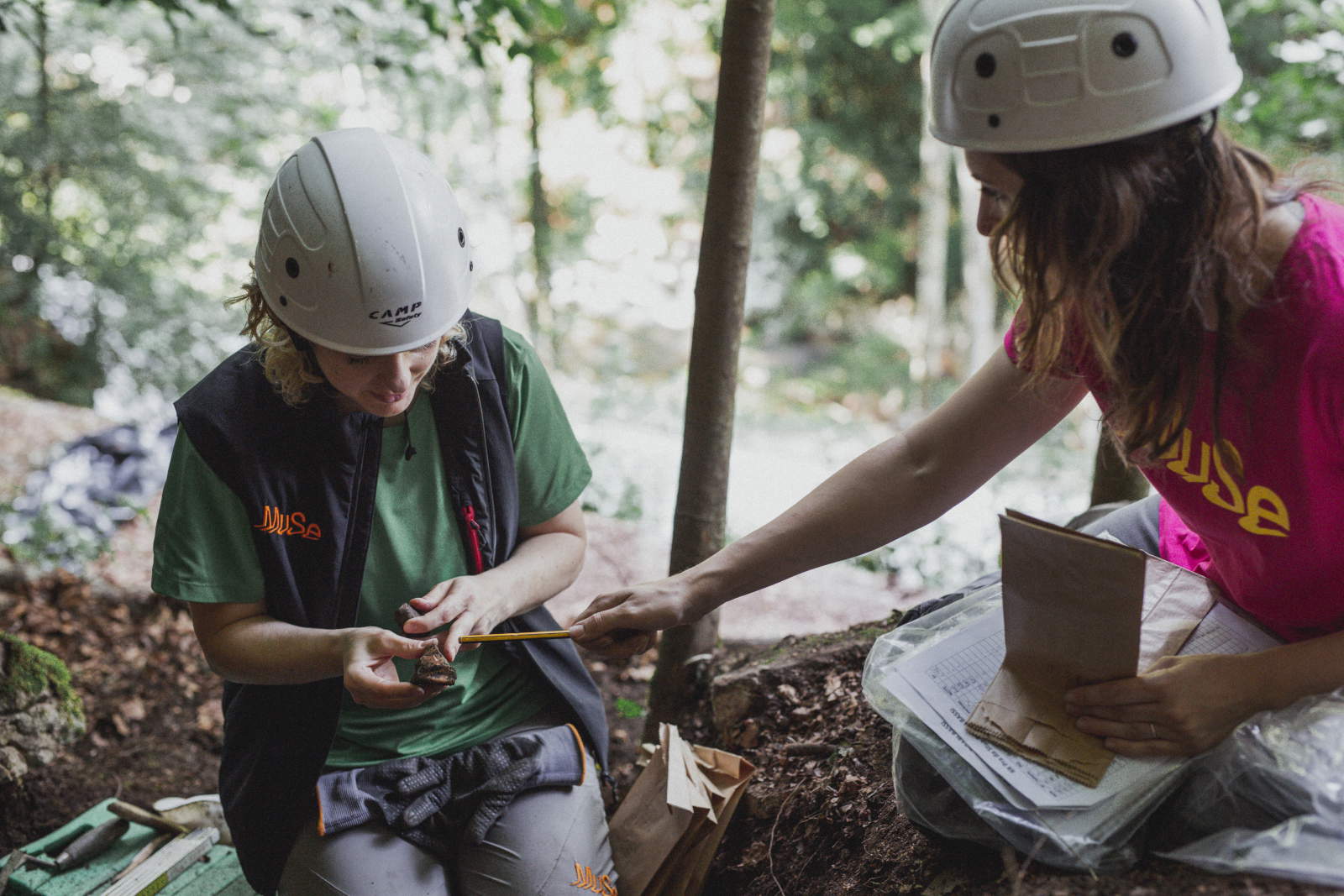
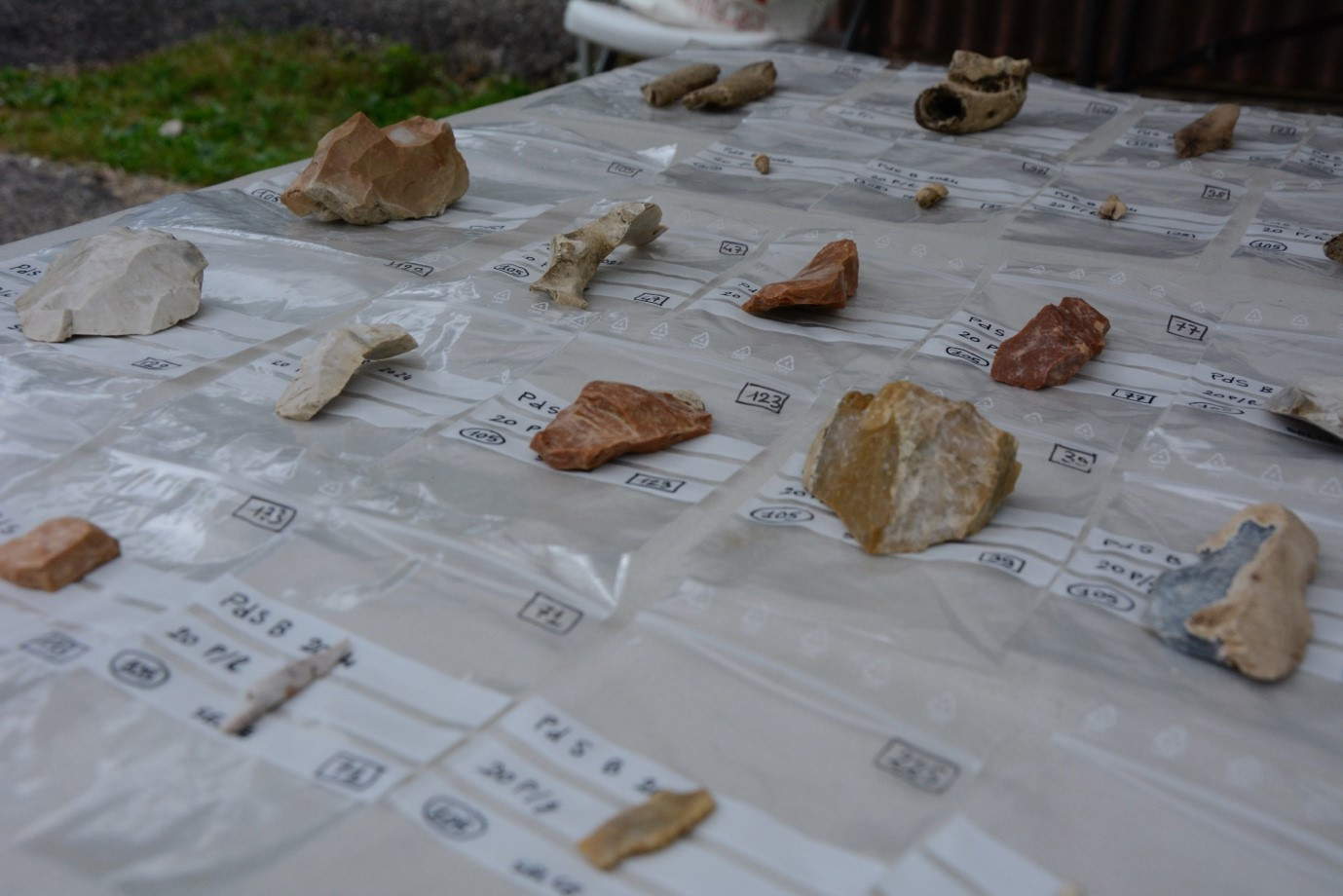
“The Riparo Prà da Stua site,” said Rossella Duches, a MUSE archaeologist and excavation coordinator, “is an extremely important context for reconstructing the lives of our Paleolithic ancestors. These initial excavation campaigns have already revealed how hunter-gatherers returned repeatedly to occupy this rock shelter seasonally, flaking the flint found in the rock formations of Monte Baldo and hunting animals typical of diverse environments, from high-altitude grasslands to the forests that covered the slopes and plateaus at lower elevations. In the coming weeks, we will send some samples to a laboratory to determine the exact age of these human occupations and add a new piece to the history of Monte Baldo, a territory that never ceases to reveal information about our past and the changing yet inseparable relationship between humanity and the Alpine environment.”
“Prà da Stua,” added Diego Angelucci of the University of Trento, “is a site with great potential; studying it will help clarify how the last groups of hunter-gatherers in the Pre-Alpine region reacted to the environmental changes that occurred about 12,000 years ago. And, more broadly, it will also help us understand how we humans can cope with climate and environmental changes.”
|
| MUSE is opening the excavation site at the prehistoric site of Riparo Prà da Stua, on Monte Baldo, to the public on a special basis |

Warning: the translation into English of the original Italian article was created using automatic tools. We undertake to review all articles, but we do not guarantee the total absence of inaccuracies in the translation due to the program. You can find the original by clicking on the ITA button. If you find any mistake,please contact us.























 IT
IT FR
FR DE
DE ES
ES CN
CN


