





The Saudi Heritage Commission has announced the results of the fourth season of archaeological excavations conducted at the Hillit site, in the Al-Dawadmi Governorate, in the Riyadh region. The new discoveries represent another milestone in the research program promoted by the Commission, one of the eleven sectoral commissions under the Saudi Ministry of Culture, which is committed to the promotion, study, and preservation of the nation’s archaeological heritage. The excavation campaign, which concluded in recent days, is part of the Heritage Commission’s ongoing efforts to document and preserve the Kingdom’s historical sites, with the aim of deepening our understanding of the ancient communities that inhabited the territory of present-day Saudi Arabia and highlighting their contribution to the history and culture of the Arabian Peninsula.
The Hillit archaeological site is located about 110 kilometers northwest of the Al-Dawadmi Governorate and is listed in the National Register of Antiquities for the Riyadh region. Scholars identify it as an ancient mining settlement, evidence of the importance that mining held in the area during the early centuries of Islamic history. During the fourth season of excavations, archaeologists applied scientific excavation methods to accurately document the structures and artifacts uncovered. The project revealed a complex structure comprising 18 architectural units, including rooms and passageways of various sizes, which help to clarify the layout of the ancient settlement.
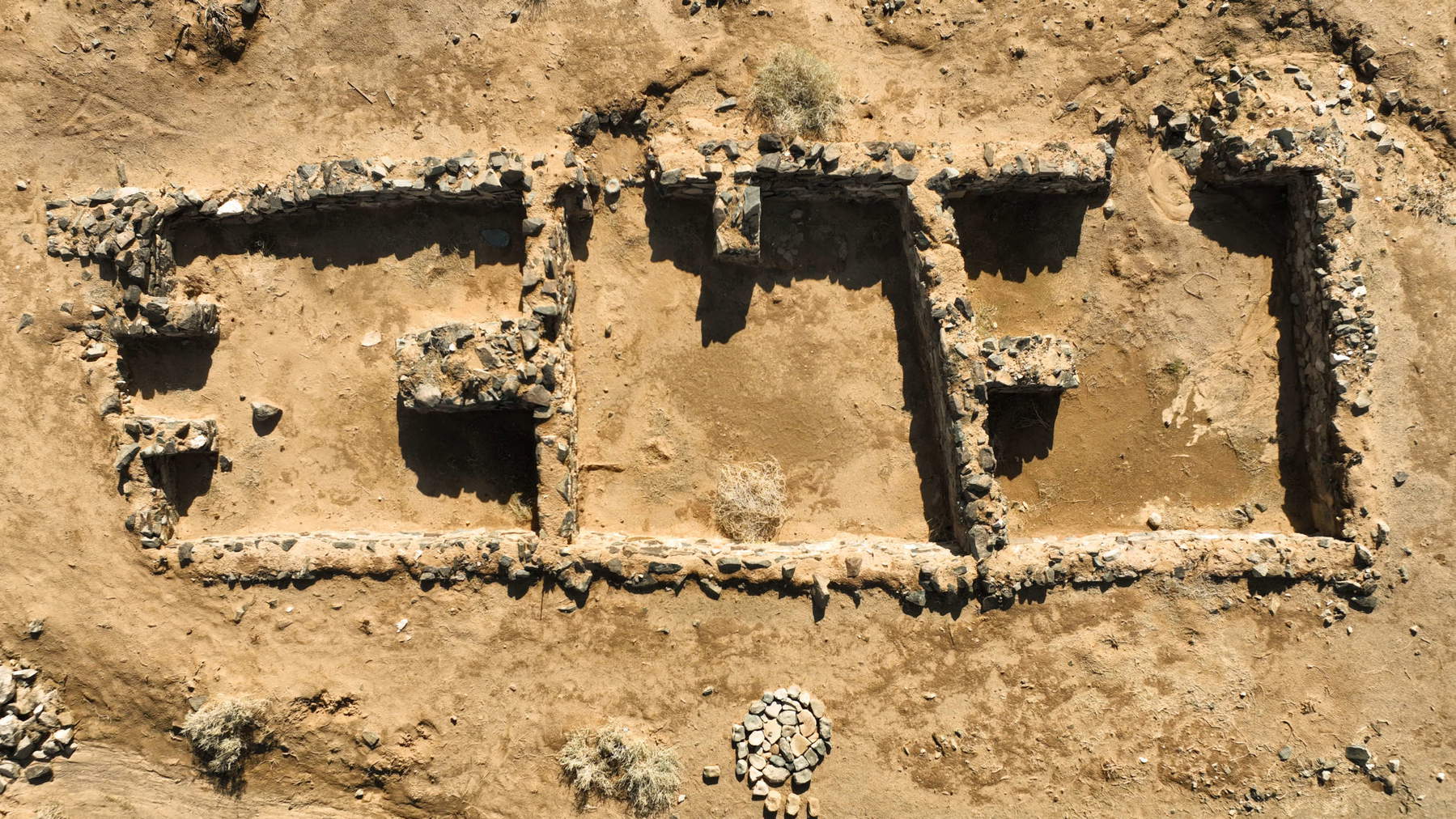
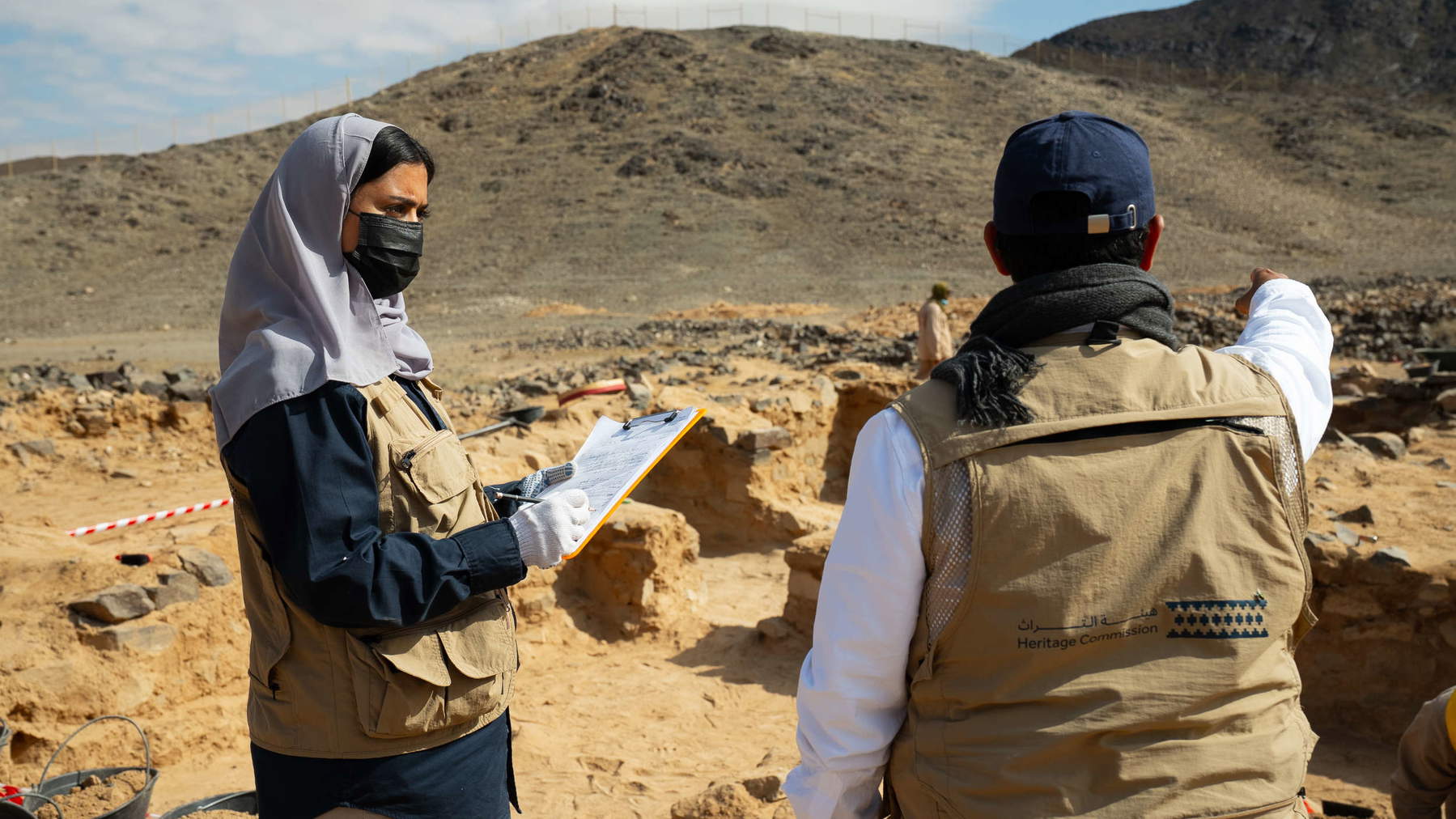
The identified structures provide new insights into the layout of the mining village’s residential and functional spaces and confirm the existence of a complex and stable settlement. The presence of numerous rooms connected by corridors and passageways suggests a planned organization of the activities that took place within the site.
In addition to the architectural evidence, archaeologists have recovered a rich collection of movable artifacts that enhance our understanding of the daily life of Hillit’s inhabitants. The most significant find is a rare stone weight bearing the inscription “ratl,” an ancient unit of weight used in the Islamic world. The inscription is written in the ancient Jazm script, one of the oldest forms of Arabic writing that predated the evolution of classical Arabic calligraphy. According to scholars, the artifact can be dated to the first or second century of the Hijra, a period corresponding to the first decades following the establishment of the Islamic State.
The discovery of the stone weight is of particular historical and archaeological significance, as it attests to the use of standardized measurement systems in the economic activities carried out within the settlement. The inscription also provides new insights into the use of writing in a context related to productive and commercial activities.
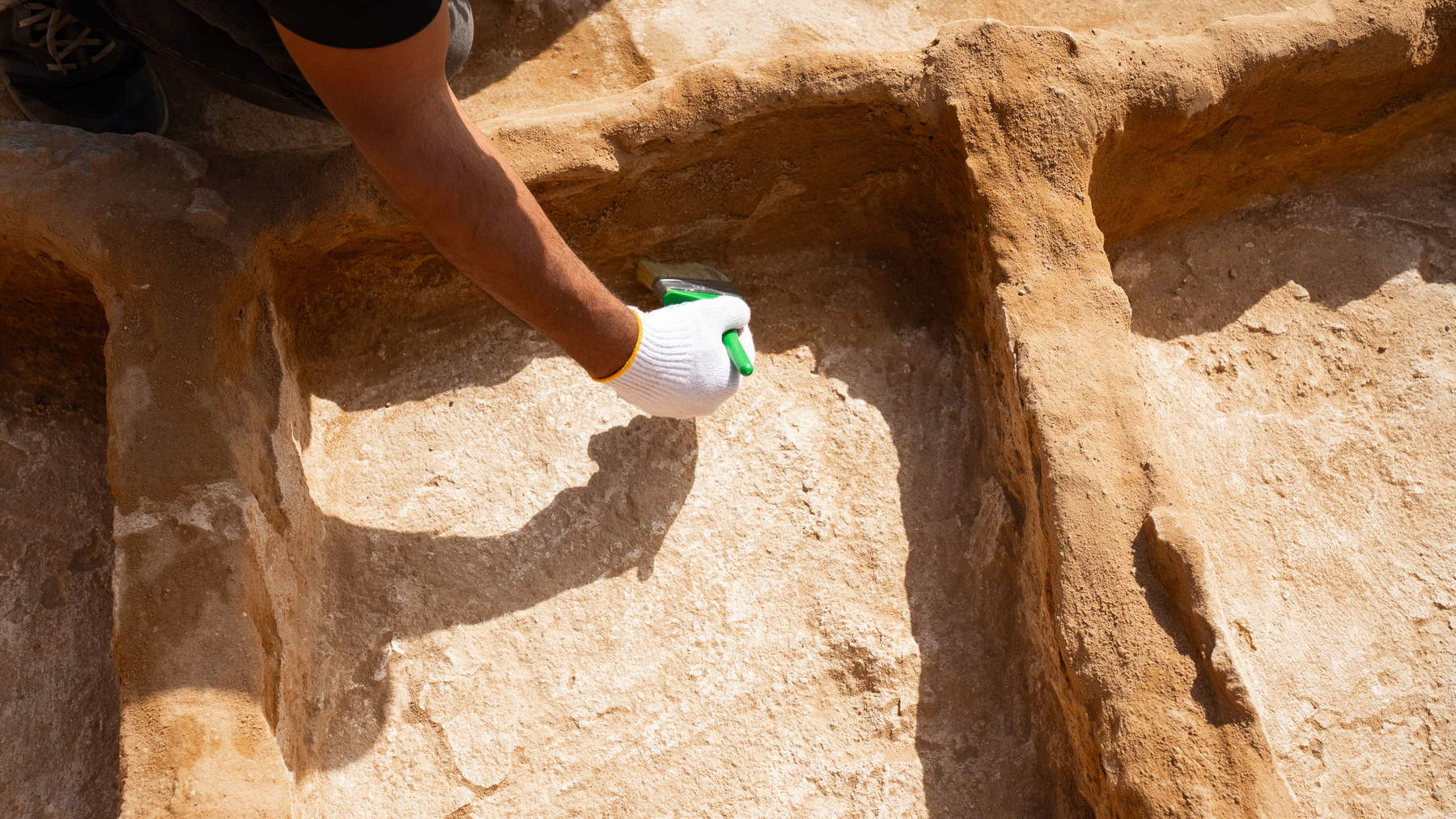
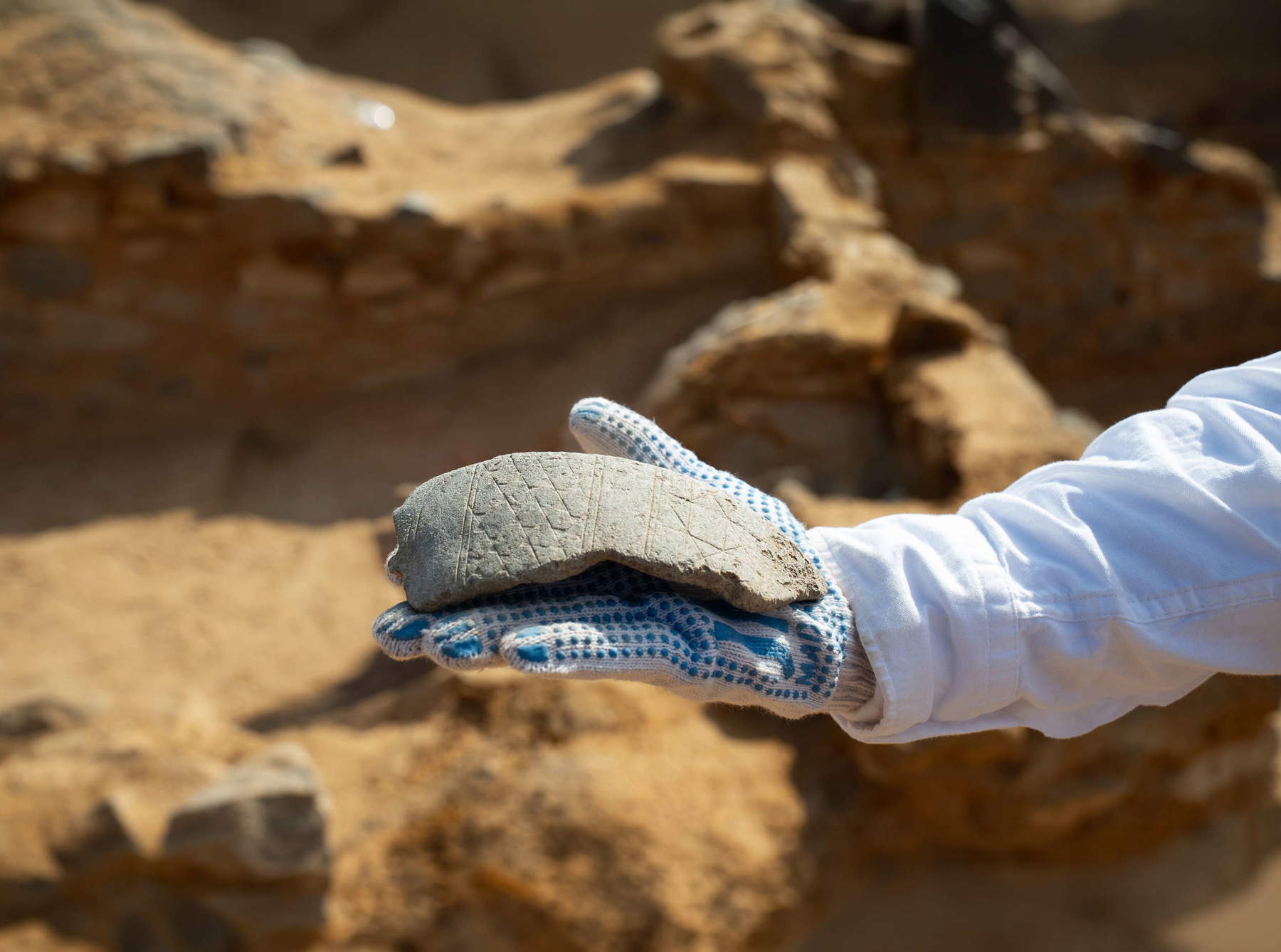
In addition to this particularly interesting find, the excavations have yielded numerous other artifacts that help reconstruct aspects of the material life of the community that inhabited Hillit. Among the finds are items of personal adornment, including part of a metal bracelet and beads of various shapes and colors—evidence documenting the presence of objects intended for clothing and personal decoration by the inhabitants of the ancient mining center.
The investigations also led to the recovery of fragments of both glazed and unglazed pottery, finds that allow for a deeper understanding of the population’s production techniques and domestic habits. Fragments of vessels made of soapstone—a soft stone frequently used in antiquity for making containers—were also discovered, along with pieces of glass bottles. Rounding out the finds are various stone tools used in daily activities, including millstones and pestles—essential tools for processing food and other materials. Together, these artifacts provide concrete evidence of the domestic, artisanal, and productive activities that characterized life in the settlement.
According to the Heritage Commission, the results of the fourth excavation campaign confirm and reinforce what had already emerged during previous excavation seasons. The archaeological evidence gathered in recent years indicates that Hillit experienced a period of particular prosperity in the first century of the Hijra and that the site may have remained occupied into the second century as well.
|
| Saudi Arabia: New Discoveries at the Hillit Archaeological Site |

Warning: the translation into English of the original Italian article was created using automatic tools. We undertake to review all articles, but we do not guarantee the total absence of inaccuracies in the translation due to the program. You can find the original by clicking on the ITA button. If you find any mistake,please contact us.




























 IT
IT FR
FR DE
DE ES
ES CN
CN


