




by Noemi Capoccia 13/07/2026



Categories: Cinema, theater and TV / Disclaimer
On July 16, 2026, “Odyssey,” Christopher Nolan’s new film based on Homer’s epic poem, will hit theaters. From the islands of the Mediterranean to the most extreme landscapes of the North, the production team has transformed various locations into settings for Odysseus’s journey.

The countdown is almost over. On July 16, *Odyssey*, Christopher Nolan’s latest film, will make its theatrical debut. This time, the British director—known for his preference for grand settings and practical effects over computer graphics—has decided to tackle one of the greatest epic tales of all time. The plot of *Odyssey* follows Odysseus’s harrowing journey back to Ithaca after the fall of Troy, amid the horror of Polyphemus, the deceit of the Sirens, the spells of Circe, and the long-awaited reunion with his beloved wife Penelope. To evoke the majesty and mysticism of Homer’s epic, Nolan orchestrated a global production and transformed the Mediterranean into a vast open-air set. The locations where the film was shot are numerous and spread across Italy and the rest of the world. Here they are.

1. The Aeolian Islands: The Realm of the Winds and the Sirens
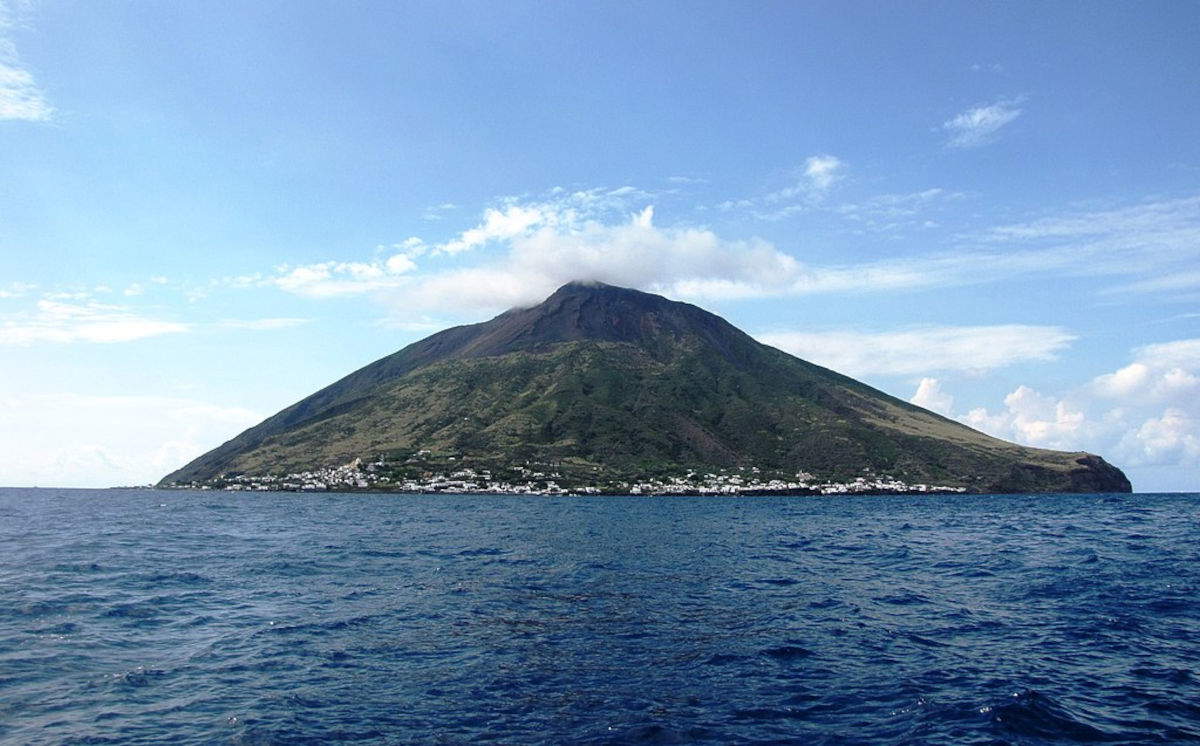
It comes as no surprise that Nolan chose the Aeolian Islands as the setting for his new film, as reported by Italy for Movies, the national portal for film and audiovisual production locations and incentives. In the heart of the Mediterranean Sea, northeast of Sicily, the archipelago—comprising Lipari, Vulcano, Salina, Stromboli, Filicudi, Alicudi, and Panarea—boasts a natural and cultural heritage that has fueled the collective imagination for millennia. Recognized by UNESCO as a World Heritage Site for their geological value, the Aeolian Islands are the result of the ceaseless action of water, fire, and wind—elements that have shaped jagged coastlines, cliffs, sea stacks, and volcanic peaks, leaving a profound mark on the history and identity of the communities that inhabit them.


According to a theory that gained widespread acceptance in the late 19th century, some islands in the Aeolian archipelago were identified as possible stops on Odysseus’s long journey to Ithaca. This interpretation was supported by the English writer Samuel Butler in his book *The Authoress of the Odyssey*, published in 1897. In his study, Butler put forward the idea that the authorof the *Odyssey* was not a Greek poet but a Sicilian woman, placing the poem’s origin in northwestern Sicily and linking the descriptions of the places in the work to the Sicilian territory, as evidenced by historical accounts from after Homer’s time, including those of Thucydides.


In the Odyssey, Homer identifies the archipelago with the kingdom of Aeolus, the ruler capable of controlling the winds. According to tradition, the abode of the king of the winds—described with his majestic palace and large family—corresponds to present-day Lipari, an interpretation that remains the most widely accepted despite the numerous hypotheses formulated over the centuries regarding the geography of the poem, including those that place Odysseus’s journey as far away as the Baltic Sea.
The encounter between the protagonist and Aeolus is one of the most famous passages in Homer’s epic. For the first time, the hero’s fate is in fact jeopardized by the recklessness of his own companions. When Ithaca is now within sight, the sailors—convinced that the wineskin given to them by Aeolus conceals precious riches—open it, driven by envy and suspicion. Inside, however, are all the winds that hinder navigation. Their sudden release unleashes a violent storm that drives the ship far from home, forcing Odysseus to begin his journey anew. For his companions, however, that act marks the beginning of a fate with no return: none of them will ever see their homeland again.
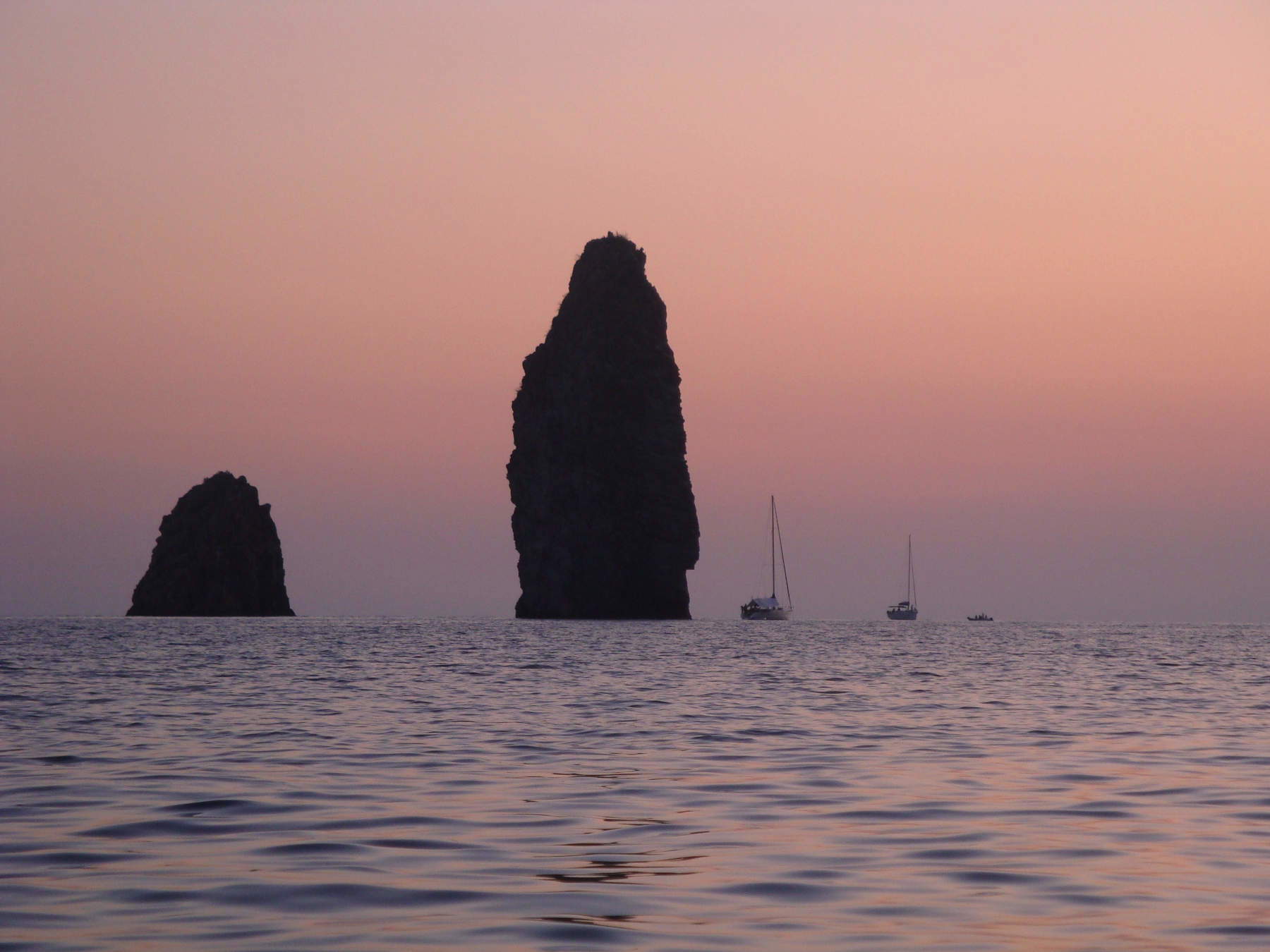
The sea stacks ofPietralunga (or Pietra Lunga) and Pietra Menalda, off the coast of Lipari, were chosen to represent the Wandering Rocks described in Book XIIof the Odyssey. In the waters of the Pietra del Bagno shoal, a reconstruction of an ancient vessel appears to have crossed the stretch of sea that, according to Samuel Butler’s interpretation, was the place from which the Sirens’ song rose—even though the identification of their dwelling has always been a subject of debate. Strabo, in his *Geography*, already noted different traditions that placed their home between Pelorus, the Sirenuse, and the Gulf of Naples, where a monument dedicated to Parthenope, one of the three Sirens, was also preserved. In reality,the *Odyssey* does not provide sufficiently precise geographical details to establish with certainty where Homer imagined their home to be.

In any case, the impression of being in a place characterized by a balance between history, nature, and legend also stems from the archipelago’s geological vitality. The nearly continuous eruptions of Stromboli, with the glow of lava lighting up the night sky, serve as a reminder that the process that gave rise to the islands is still ongoing.
Alongside the grand volcanic landscapes lie stretches of black-sand and pebble beaches, hidden coves, sea caves, seabeds teeming with biodiversity, and small villages overlooking the sea, where seafaring traditions continue to set the rhythm of life. It is precisely this convergence of nature, history, and myth that makes the Aeolian Islands a place capable of preserving the charm of Homer’s epic tales intact.
2. The Island of Favignana in the Egadi Islands
Among the Italian locations chosen by Nolan for his adaptationof the Odyssey are the Egadi Islands, an archipelago off the western coast of Sicily consisting mainly of Favignana, Levanzo, and Marettimo, along with small islets such as Formica, Maraone, the Asinelli Islands, and the Stagnone Islands.
Although there is no definitive consensus on the exact geography ofthe *Odyssey*, the charm of the Egadi Islands lies precisely in their ability to evoke the archaic Mediterranean imagined by Homer. The archipelago, with its islands, islets, and rocks emerging from the sea, retains an authentic and untamed appearance. Rocky coasts and secluded coves create a landscape that naturally evokes the Mediterranean imagined by Homer, and even today lend credibility to the setting of the hero’s adventures.
In particular, Favignana, the largest of the Egadi Islands, holds a special place in Homeric tradition. Also known as the “Island of Goats,” it is often identified as the place where Odysseus and his companions landed to hunt wild goats and stock up on provisions before resuming their journey. Although this identification belongs primarily to interpretive tradition and cannot be considered a historical certainty, it has helped to strengthen the link between the island and the story ofthe Odyssey.
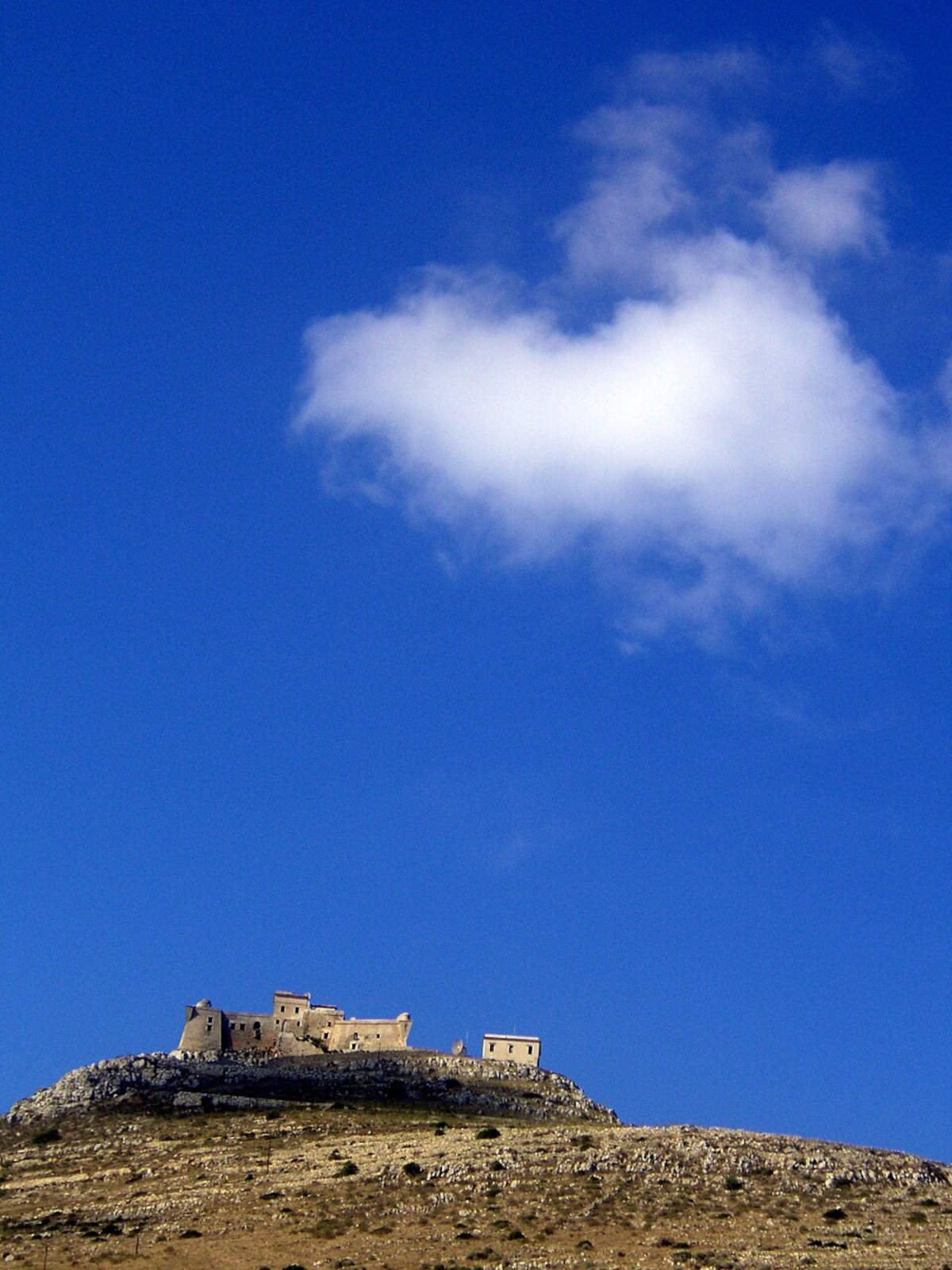

As Italy for Movies also reports, Nolan’s production made use of some of Favignana’s most picturesque views. Cala Rotonda, with its natural cove framed by rock, was chosen as the location for numerous maritime scenes. The small islet of Preveto served as the site for the construction of a village built specifically for the film, while Santa Caterina Castle, on Favignana, was chosen as the prime location for some aerial shots. Situated atop Monte Santa Caterina, at an altitude of about 310 meters, the castle overlooks the entire island and is visible even from the Trapani coast and from Erice. Its history traces back to a watchtower built by the Saracens in the 9th century, later transformed into a fortification by the Normans and expanded in the 15th century by Andrea Riccio, lord of Favignana.
Built of limestone and characterized by a rectangular structure with rooms carved into the rock and a small defensive moat, the castle has undergone various historical phases: during the Bourbon period it was used as a prison, while in 1860 it was partially damaged and converted into a military garrison. Today, despite the site’s charm and its unique panoramic location, the Castle of Santa Caterina lies in a state of neglect, and access presents several challenges.
Even Favignana’s fishing port has been completely transformed: modern docks and boats have given way to an ancient Greek port reconstructed for the occasion, with spectacular life-size ships moored along the pier.
3. Lazio: Industrial Archaeology and Bodies of Water
Filming also took place in Lazio, chosen for the variety of its landscapes, which range from the coastline to the natural environments of the inland areas. As reported by the Italy for Movies portal, filming took place along the Roman coastline, particularly at the Ostia marina and the historic Idroscalo area. This is a region that has always been linked to the sea and the history of Rome: Ostia Antica, in fact, was founded right at the mouth of the Tiber, serving as the city’s maritime gateway and a strategic hub for Rome’s commercial traffic. Over the centuries, the port area has been transformed through the construction of the great imperial harbors of Claudius and Trajan, eventually giving rise to the current marina, built in modern times following a long series of projects and land reclamation efforts.
Moving inland, near Tivoli, Nolan found in the former Pozzolana quarries an ideal setting to evoke mysterious and primordial places. The ancient quarries, with their vast underground chambers carved into tuff and pozzolana (a volcanic material composed of tiny fragments of lapilli, transformed over time by weathering), tell the story of a millennia-old relationship between humankind and the land: these very materials were, in fact, fundamental to the construction of ancient Rome and contributed to the emergence of the city’s architecture.
The somber atmosphere of the quarries chosen by the director is contrasted by the tranquility of the natural landscapes of the Laghi dei Reali in Tivoli, with the aim of creating an optimal visual contrast for the mythological worldof the Odyssey.
4. International Locations
The director’s cinematic journey did not stop at the Italian coast. To convey the geographical scope and scale of Odysseus’s journey, the production also traveled through four foreign countries.
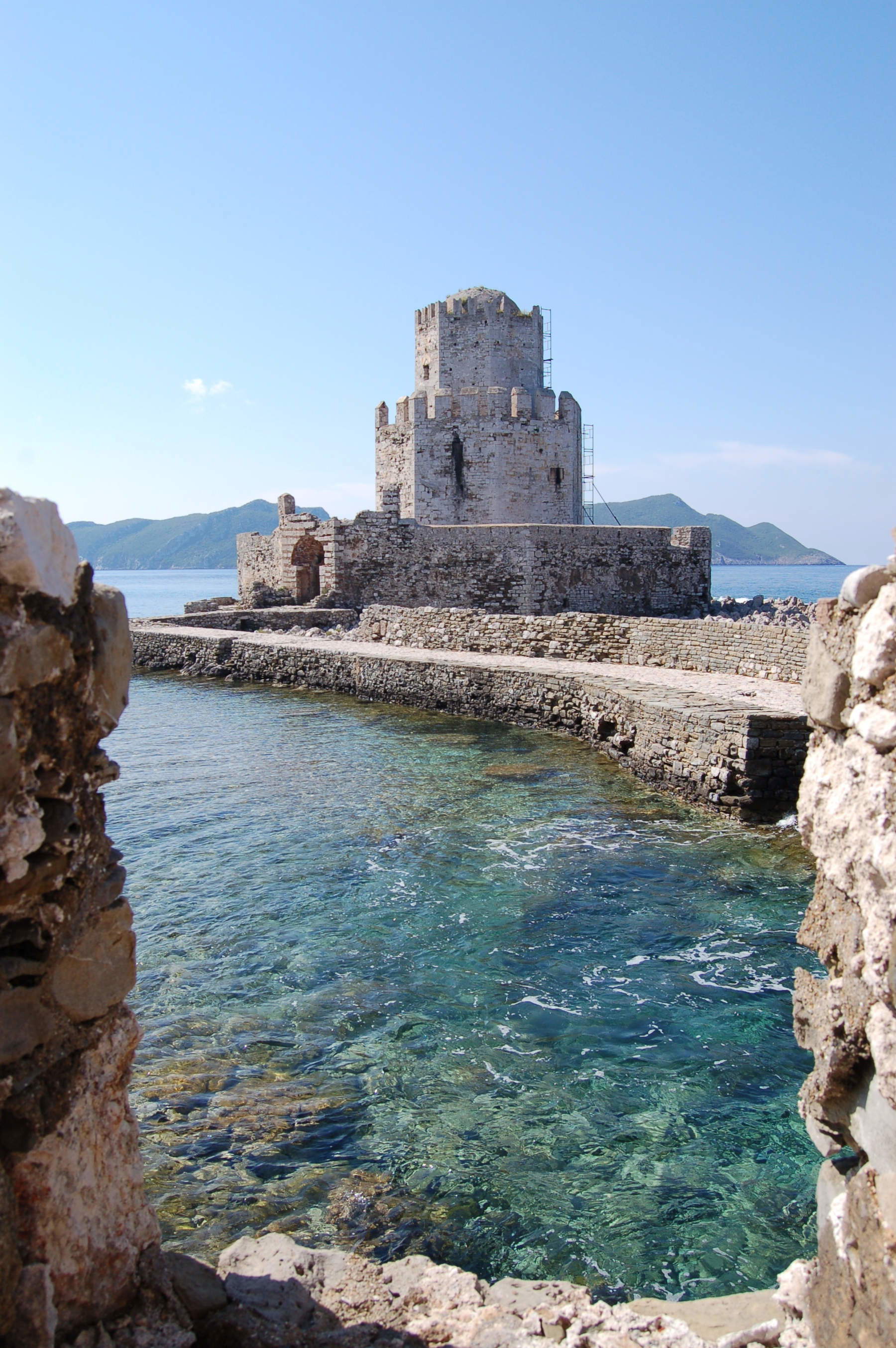
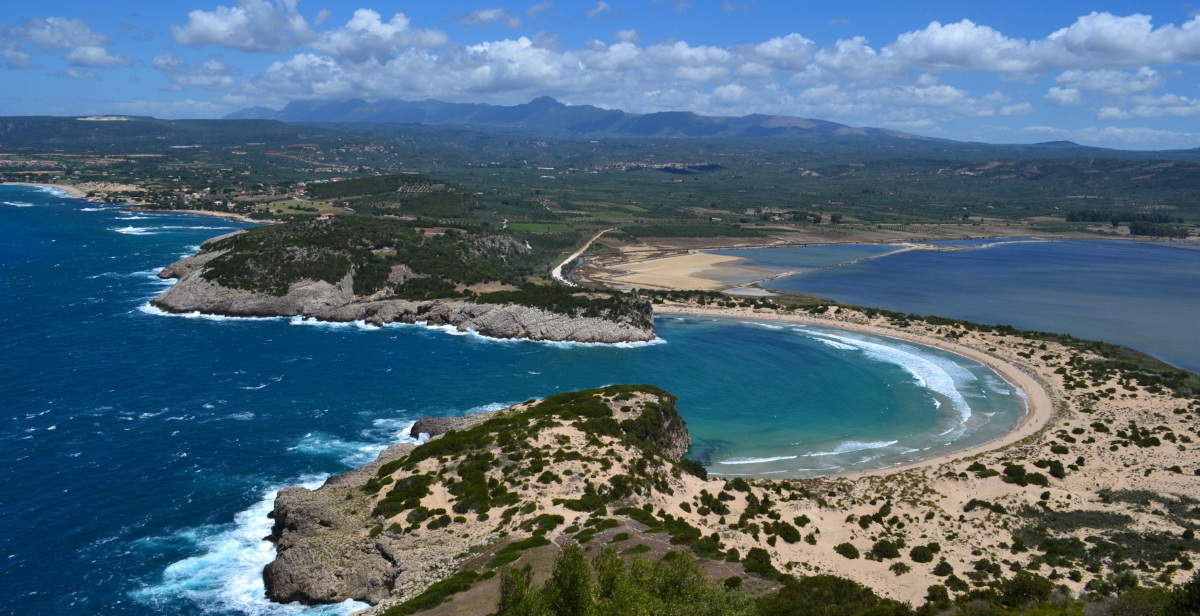
Greece was an essential stop on the journey, both for its direct connection to Homer’s epic and for the richness of its historical and natural landscapes. In the Peloponnese, filming took place at Methoni Castle, one of the region’s most imposing fortresses. Built by the Venetians between the 13th and 15th centuries on an archaeological site spanning over 90 hectares, the castle served for centuries as a major commercial hub on the routes to the eastern Mediterranean, passing repeatedly under Venetian and Ottoman rule. Today, its walls, towers, and seaside location create a landscape of great historical and scenic value. The production also filmed on the beaches ofAlmyros.
Among the locations chosen for filming is also Voidokilia Bay, one of Greece’s most distinctive coves, known for its semicircular shape. Tradition identifies this area with ancient Pylos, the kingdom of Nestor, the wise ruler who, inthe *Odyssey*, welcomes Telemachus upon his arrival in search of news of his father. In the Homeric epics, Pylos is remembered as the homeland of Neleus and his son Nestor—two of the principal figures of the Trojan War—and is the focus of Book IIIof the Odyssey, set precisely in the king’s palace. The exact location of Homeric Pylos has long been a subject of debate, dating back to antiquity, but tradition places it on the western coast of Messenia, opposite the island of Sphacteria, in the area of what is now Navarino Bay.
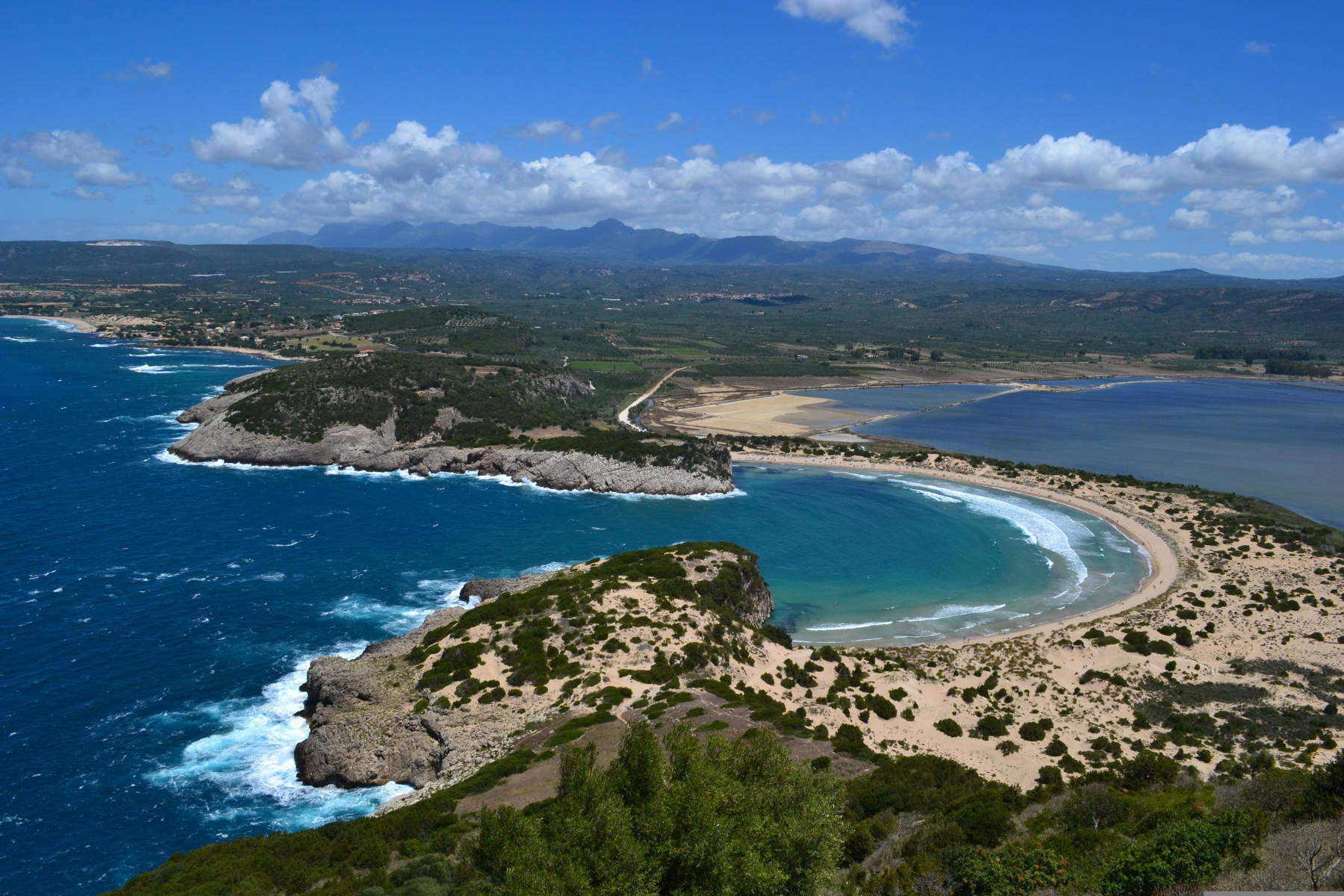
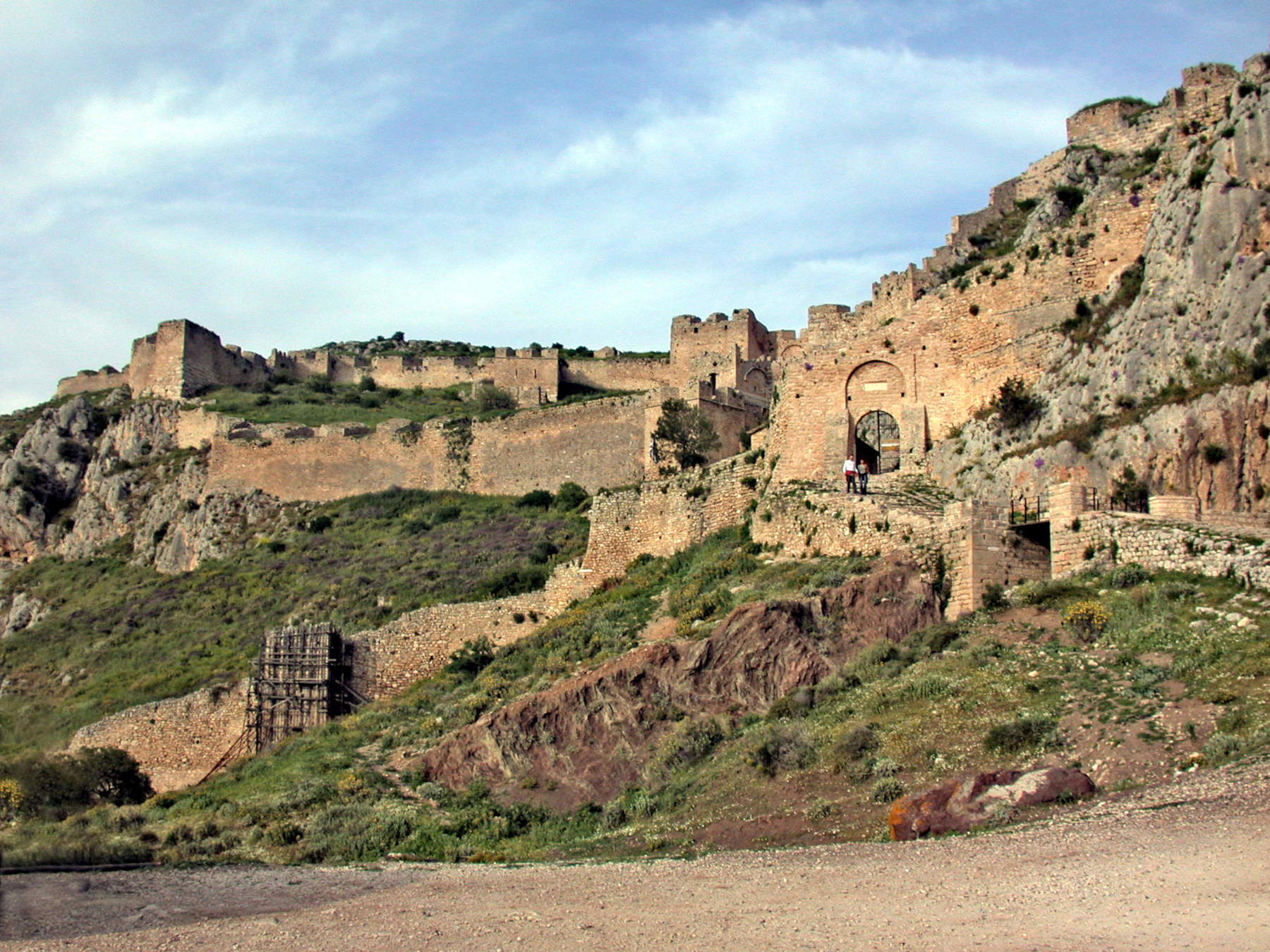
Not far from Voidokilia Bay lies the so-called Cave of Nestor, which has been inhabited since the Neolithic period and, according to mythology, is also linked to the story of Hermes, who is said to have hidden the oxen he stole from Apollo there. Further inland, visitors can also explore the ruins of Nestor’s Palace, one of the most important complexes of Mycenaean civilization, where archaeological excavations have unearthed stone walls, stucco floors, fragments of frescoes, and numerous ceramic artifacts. Ancient Greece also takes center stageat the archaeological site of Acrocorinth, the ancient acropolis of the city of Corinth, situated atop a hill overlooking the surrounding landscape.
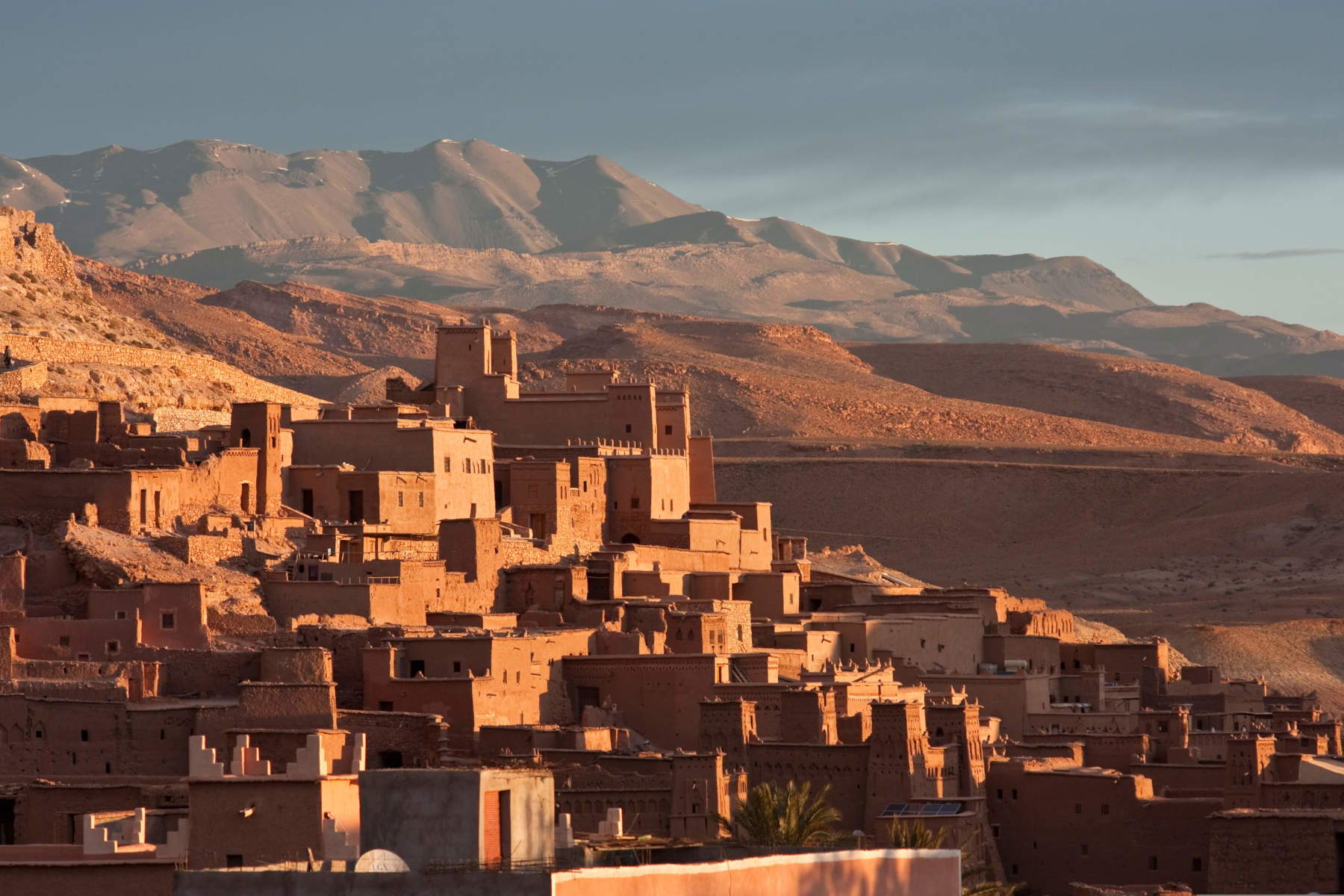
From the eastern Mediterranean, production moved to Morocco, choosing one of the most recognizable settings in international cinema: Aït Benhaddou. The fortified adobe village, designated a UNESCO World Heritage Site in 1987, with its traditional architecture and forms shaped by the desert, has already hosted numerous film productions, including *Jesus of Nazareth*, The Last Temptation of Christ, The Crusades, and some scenes from the television series Game of Thrones. Its atmosphere has, in fact, made it the ideal location for depicting distant lands and ancient civilizations.
The crew’s of the film crew, as Italy for Movies further reports , also took them to the United Kingdom andIceland—two vastly different places united by the power of their landscapes. The British coastline provided natural backdrops for some of the scenes set at sea, while Iceland, with its ice deserts, volcanoes, and wild expanses, served as the backdrop for the otherworldly moments of Odysseus’s journey.
From the waters of the Mediterranean to the most extreme regions of the North Atlantic, the route chosen by Nolan captures the spirit of Homer’s epic: a journey through places that are profoundly different from one another. And it is precisely this variety of settings that conveys the universal dimension of Odysseus’s journey, which even today is capable of transcending the centuries and speaking to distant audiences.
 |
| Nolan's "Odyssey": All the Film's Locations, from the Aeolian Islands to Iceland |
Warning: the translation into English of the original Italian article was created using automatic tools. We undertake to review all articles, but we do not guarantee the total absence of inaccuracies in the translation due to the program. You can find the original by clicking on the ITA button. If you find any mistake,please contact us.