



by Redazione 08/06/2026



Categories: Contemporary art / Disclaimer
ABC-ARTE in Genoa dedicates a solo exhibition to the Emilian duo Bertozzi & Casoni with works that transform ceramics into a tool for reflection on consumption, time and the ambiguity of reality. The exhibition opens June 11, 2026 and inaugurates an exhibition project between Genoa and Milan.
From June 11 to September 10, 2026, ABC-ARTE ’s historic headquarters in Genoa will host What’s the most incredible thing you’ve done?, a solo exhibition dedicated to the duo Bertozzi & Casoni, formed by Giampaolo Bertozzi (Borgo Tossignano, 1957) and Stefano Dal Monte Casoni (Lugo di Romagna, 1961 - 2023). The project, curated by Alberto Mattia Martini, inaugurates a cycle of two exhibitions that will subsequently also involve the gallery’s Milan branch and will conclude with the publication of a volume dedicated to the artists. Founded in 1980 in Imola, the collaboration between Giampaolo Bertozzi and Stefano Dal Monte Casoni has given rise to one of the most original and recognizable paths in Italian contemporary art. Trained within the ceramic tradition of Faenza, the two artists have transformed a medium often considered marginal in the contemporary art system, that of ceramics, into a field of experimentation capable of confronting the main international circuits.
Over the course of more than forty years of activity, Bertozzi & Casoni have developed a sculptural language characterized by extraordinary technical virtuosity and constant critical reflection on contemporary society. Their works stage a subtle balance between irony and criticism of consumerism, between formal splendor and representation of decay, between hyperrealism and perceptual doubt. From their first small-scale sculptures in the 1980s to the monumental installations created in recent decades, the duo has built a quest in which craftsmanship becomes a tool for interrogating the present. Parallel to their artistic production, the two authors have also gone through experiences related to design and the creation of works on an architectural scale, gradually expanding the scope of their practice.


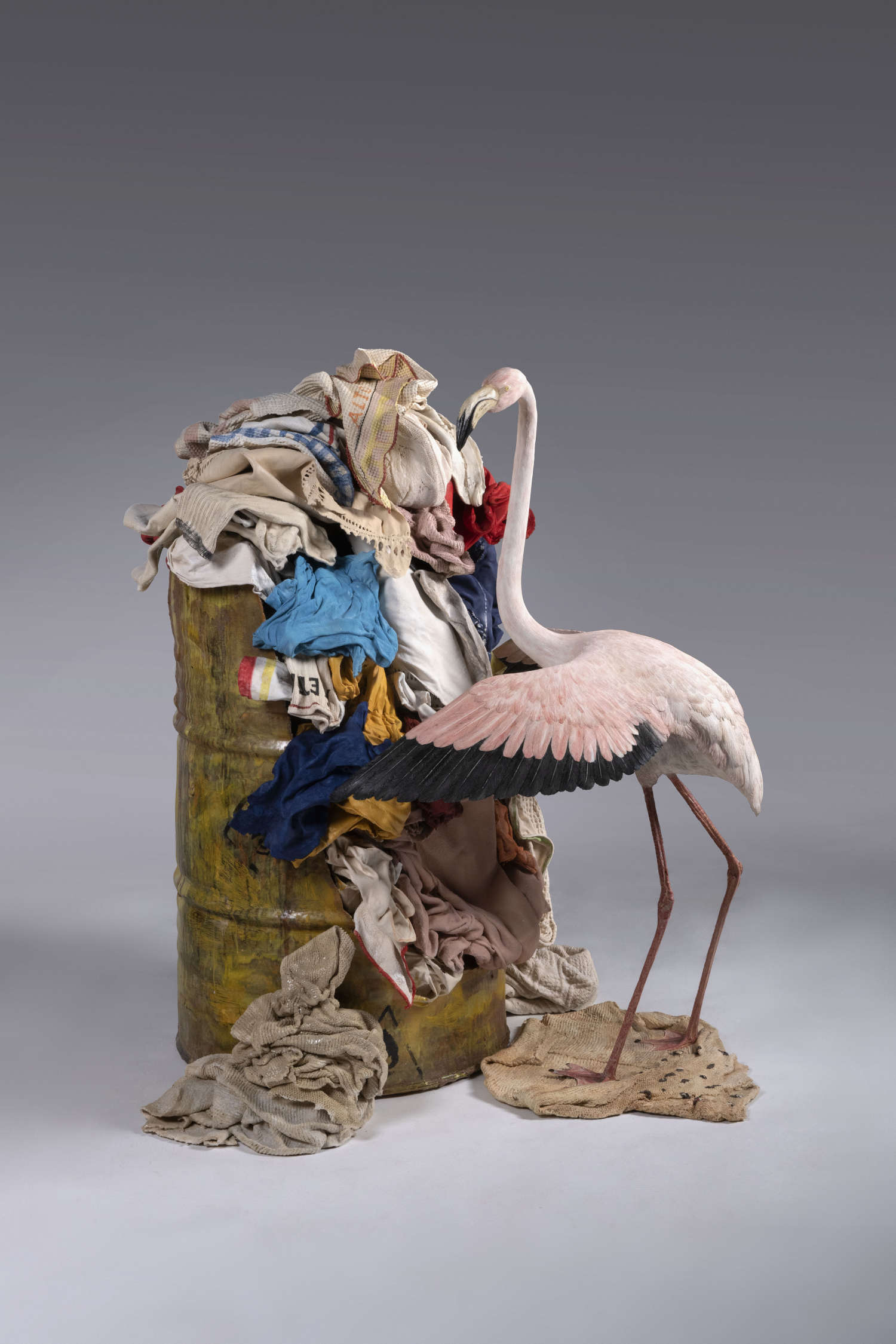
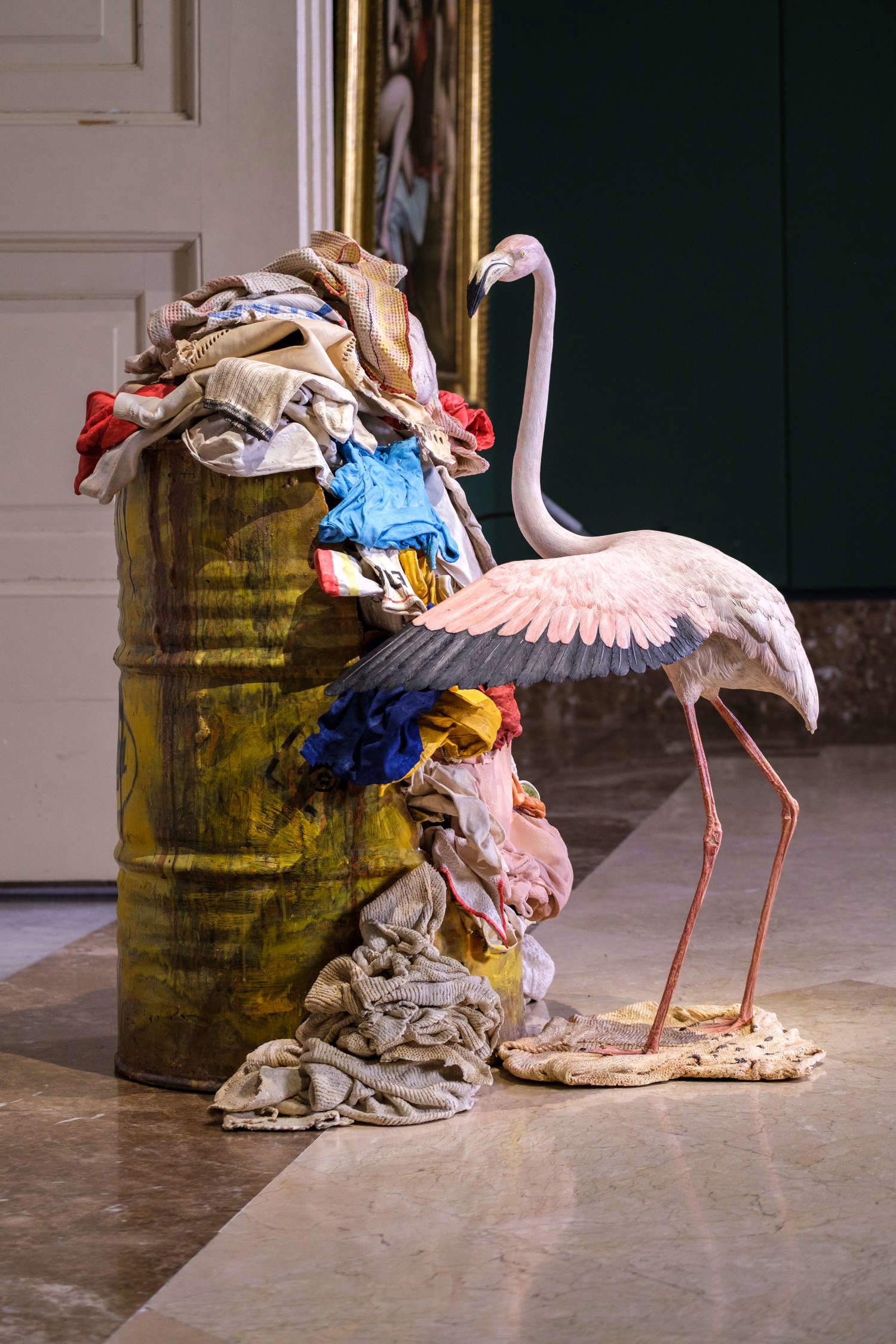
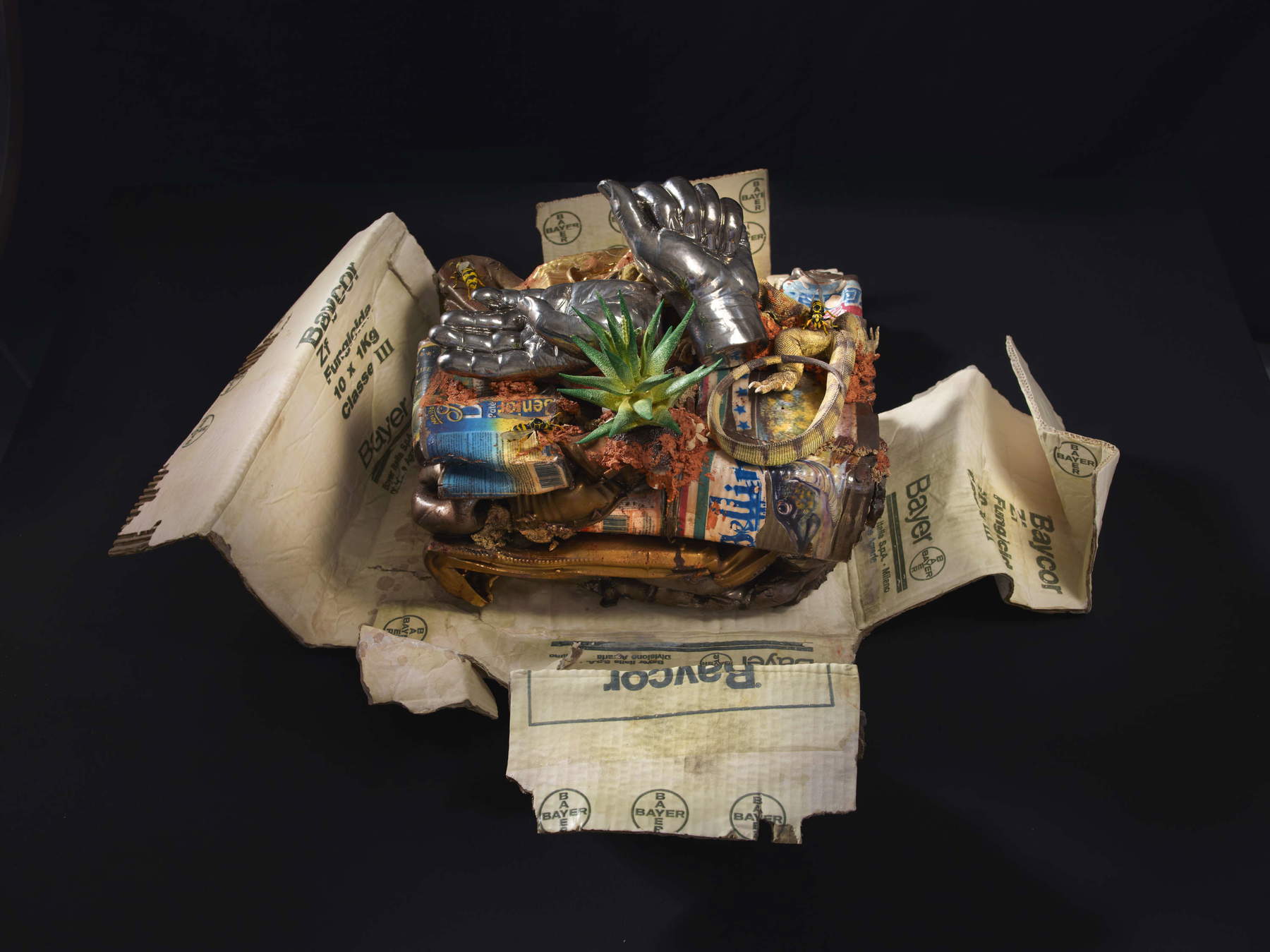
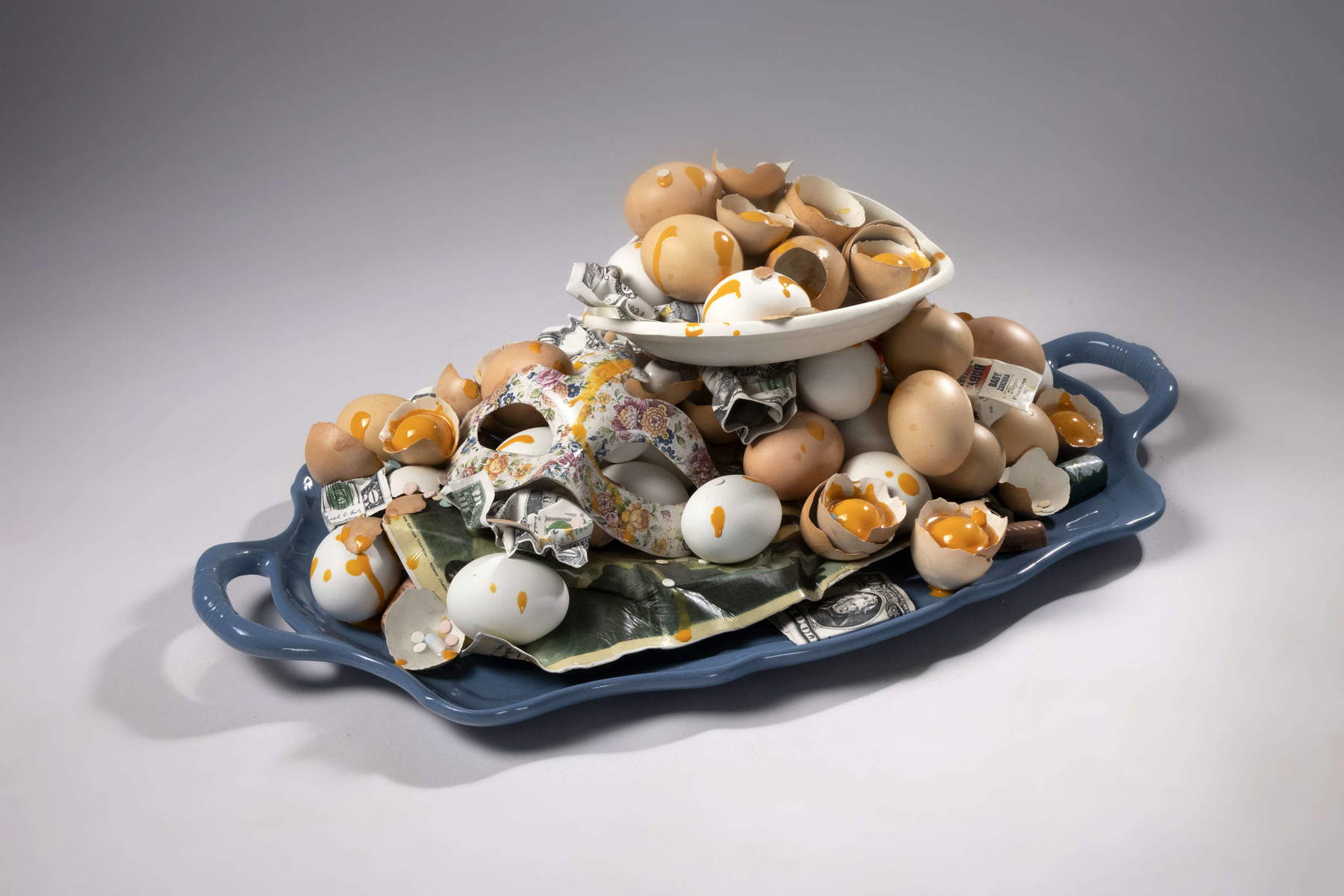
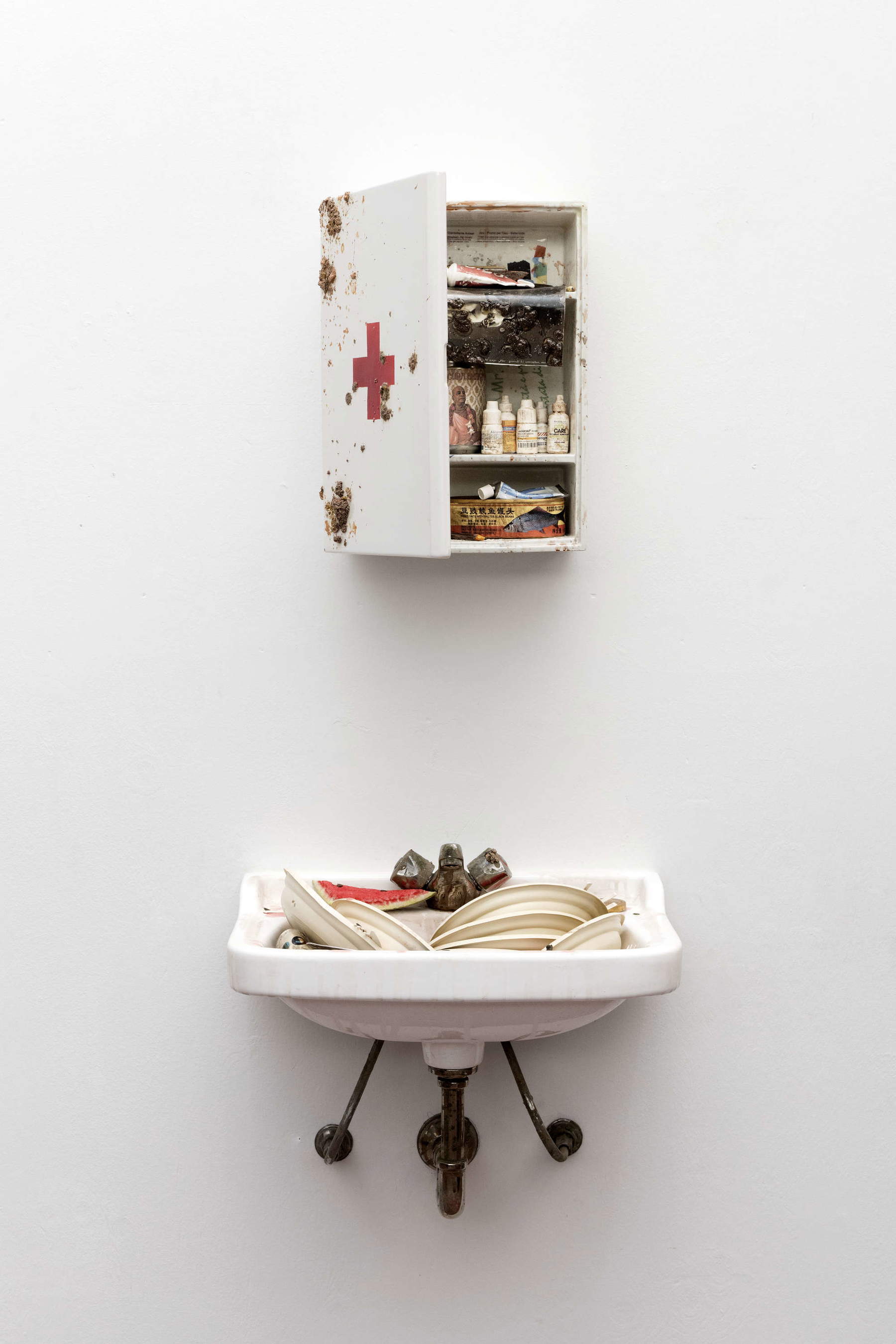
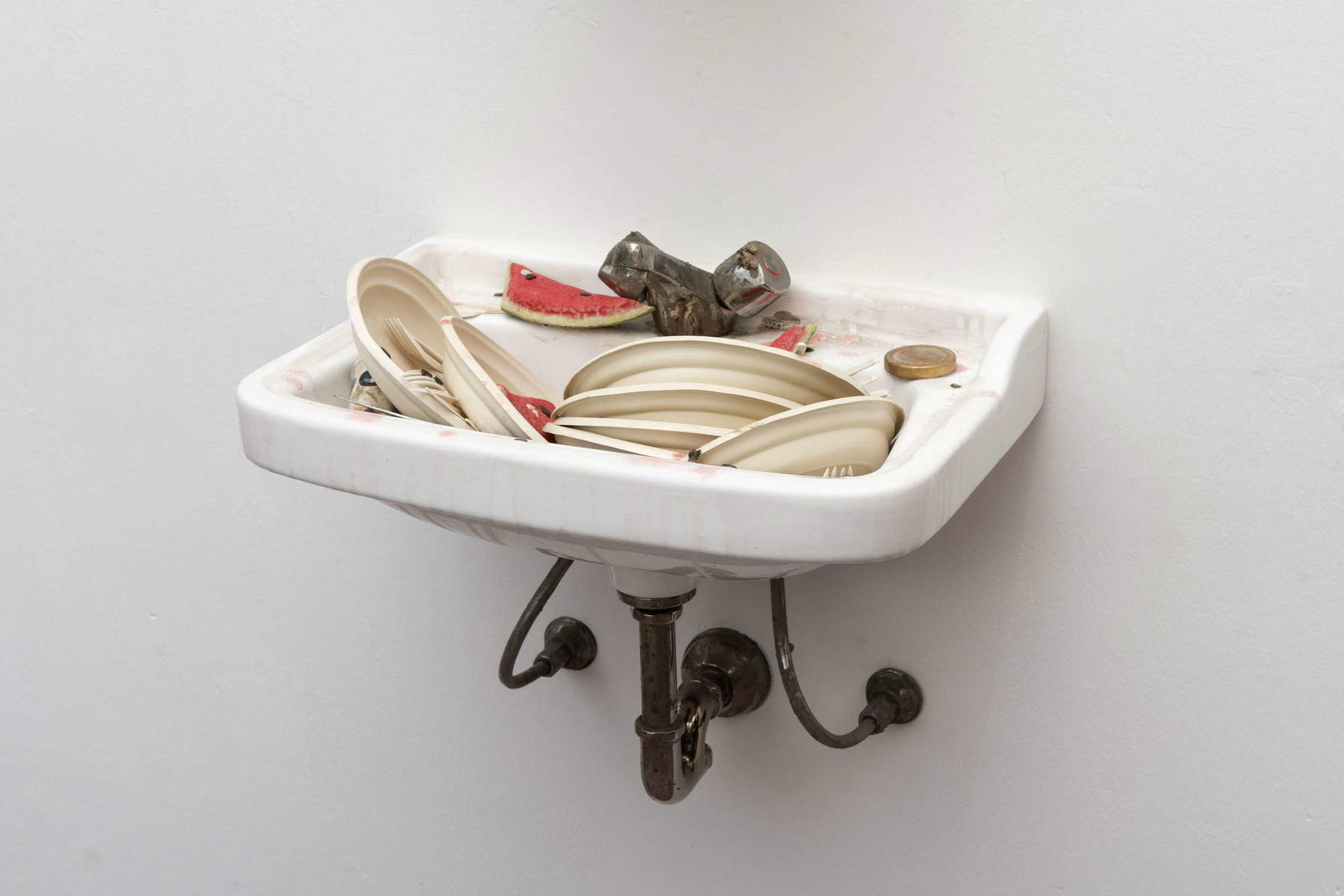
In the 1990s and 2000s their research was further developed, both on the dimensional and conceptual levels. The artists defined their works as “contemplations of the present,” images capable of reflecting on transience, the ephemeral and the continuous transformation of matter. At this stage, the shift from painted majolica to techniques derived from the industrial sphere, such as photoceramics, marked a decisive evolution of their language, accentuating its ability to adhere to reality and at the same time question it.


The title of the exhibition comes from a phrase found in the artists’ studio: What’s the most incredible thing you’ve done? Originally part of an English exercise, that question was transformed into an interpretive key to the entire exhibition project. For curator Alberto Mattia Martini, the word “incredible” not only describes the wonder aroused by the works, but becomes a tool to reflect on the relationship between reality, representation and perception. According to the reading proposed by the curator, Bertozzi & Casoni’s work produces an experience that goes beyond mere technical amazement. The sculptures do not merely imitate the visible world, but intensify it to the point of instability, placing themselves in that ambiguous zone that contemporary theory has termed “hyperreality.” Everyday objects, consumer remnants, natural elements and animal presences are rendered with such precision that they cross the threshold of credibility and turn recognition into doubt. The effect produced in front of the works is a kind of perceptual hesitation. What appears immediately familiar (a vase of flowers, an accumulation of objects, an animal, a set of remains) reveals itself, upon closer inspection, to be radically other. Ceramics, a material traditionally associated with the decorative and domestic sphere, is pushed to such a high level of mimesis that it generates a short circuit between what is seen and what is understood.
In this perspective, the ceramic medium assumes a central role. Its fragility and history as a “minor” material are overturned: it is precisely ceramics that becomes the vehicle for a radical questioning of the visible. The ability to simulate surfaces, textures and details produces a perturbing effect in which what appears familiar turns out to be constructed and what is constructed acquires an almost disturbing presence.
The exhibition is not organized around a single theme, but brings together a plurality of subjects recurring in the duo’s research: floral compositions, everyday objects, industrial elements, animal presences and accumulations of waste. This variety is not dispersive, but highlights a constant: each work seems to exceed its own condition and push the real beyond the limit of recognizability. Particularly significant is the recurrence ofaccumulation: remnants of food, consumed objects and heterogeneous materials aggregate into dense compositions that take on the value of relics of the present. Time seems to condense in these images, suspending the processes of transformation and decomposition. The works thus become layered testimonies in which past and present coexist simultaneously.
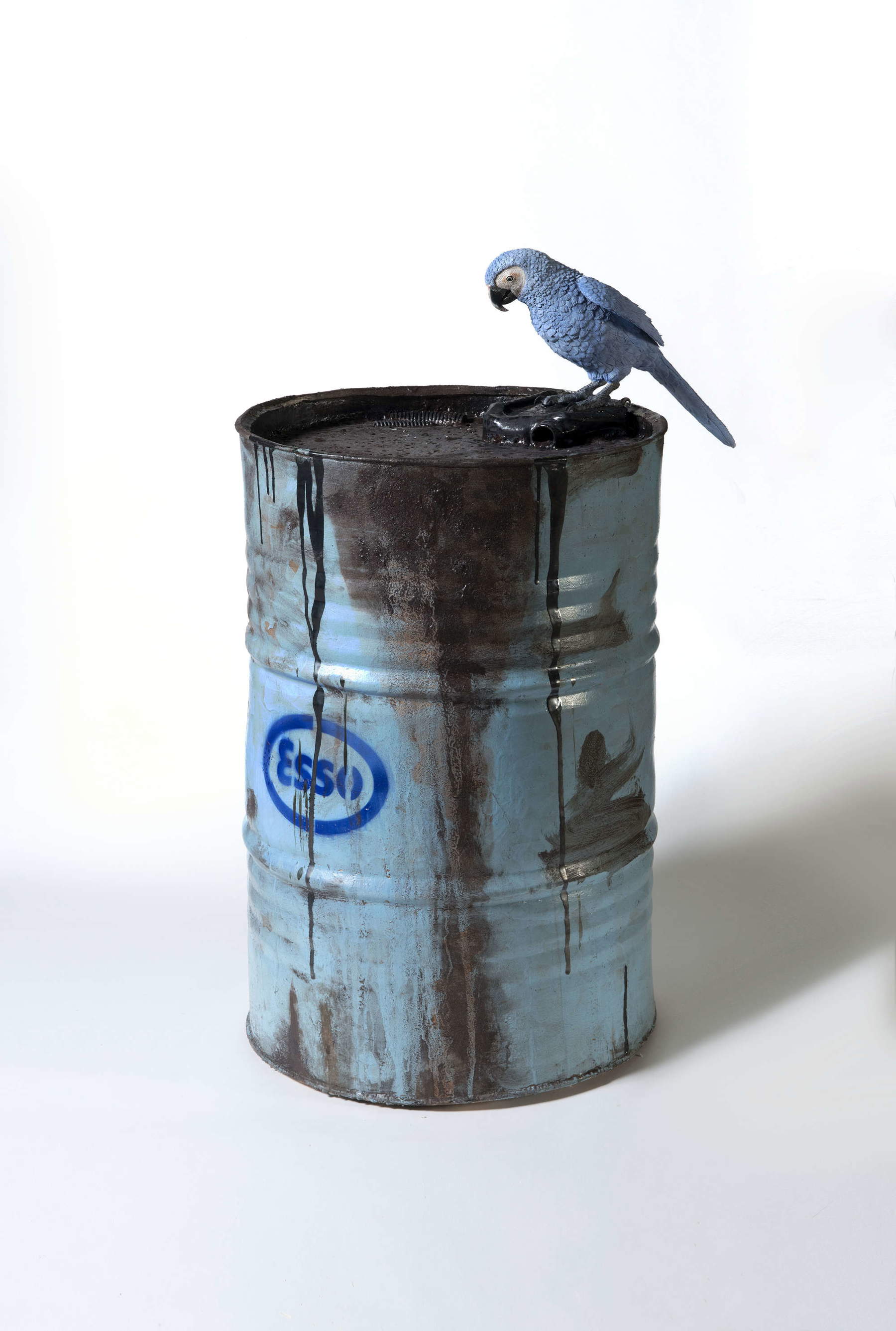
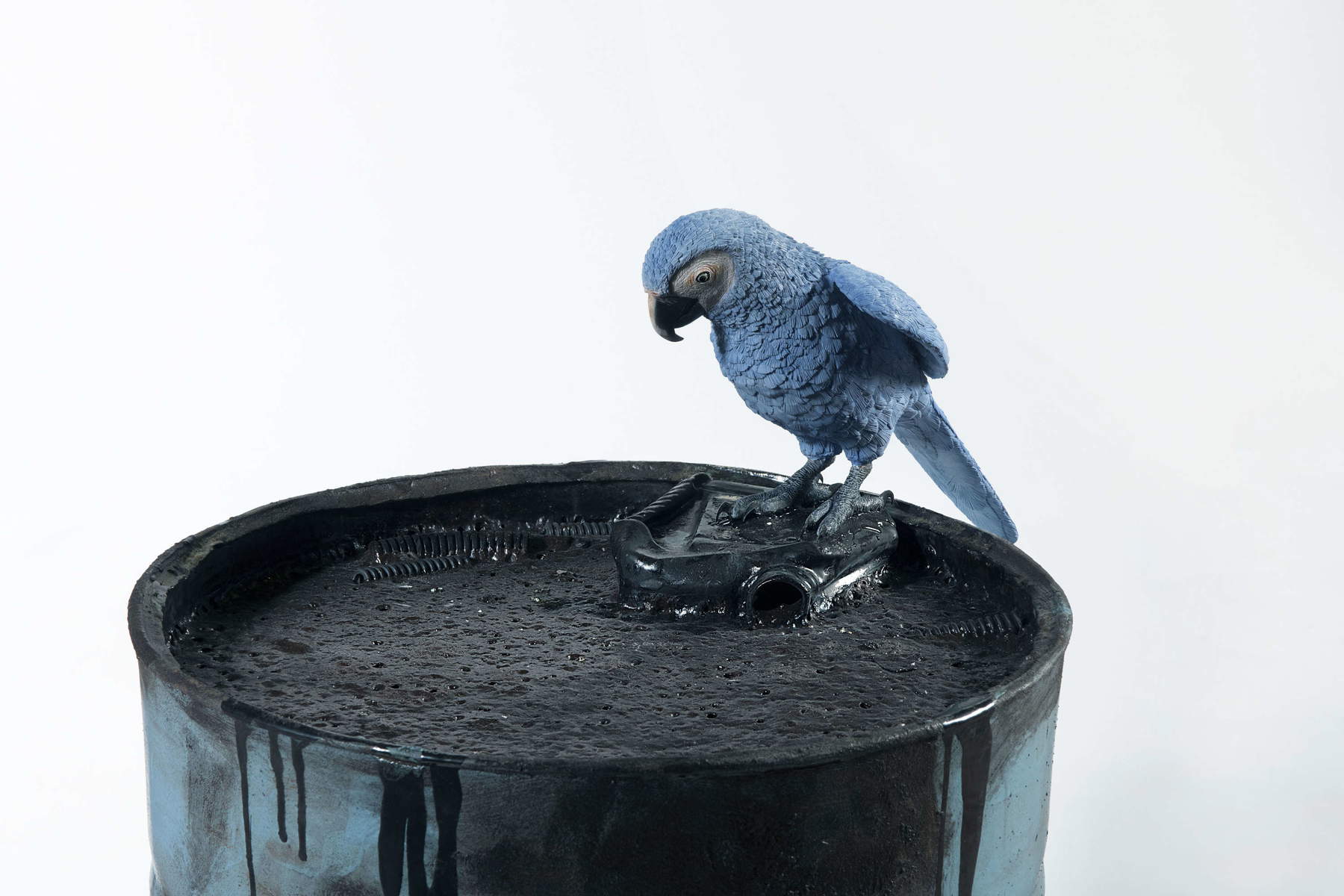
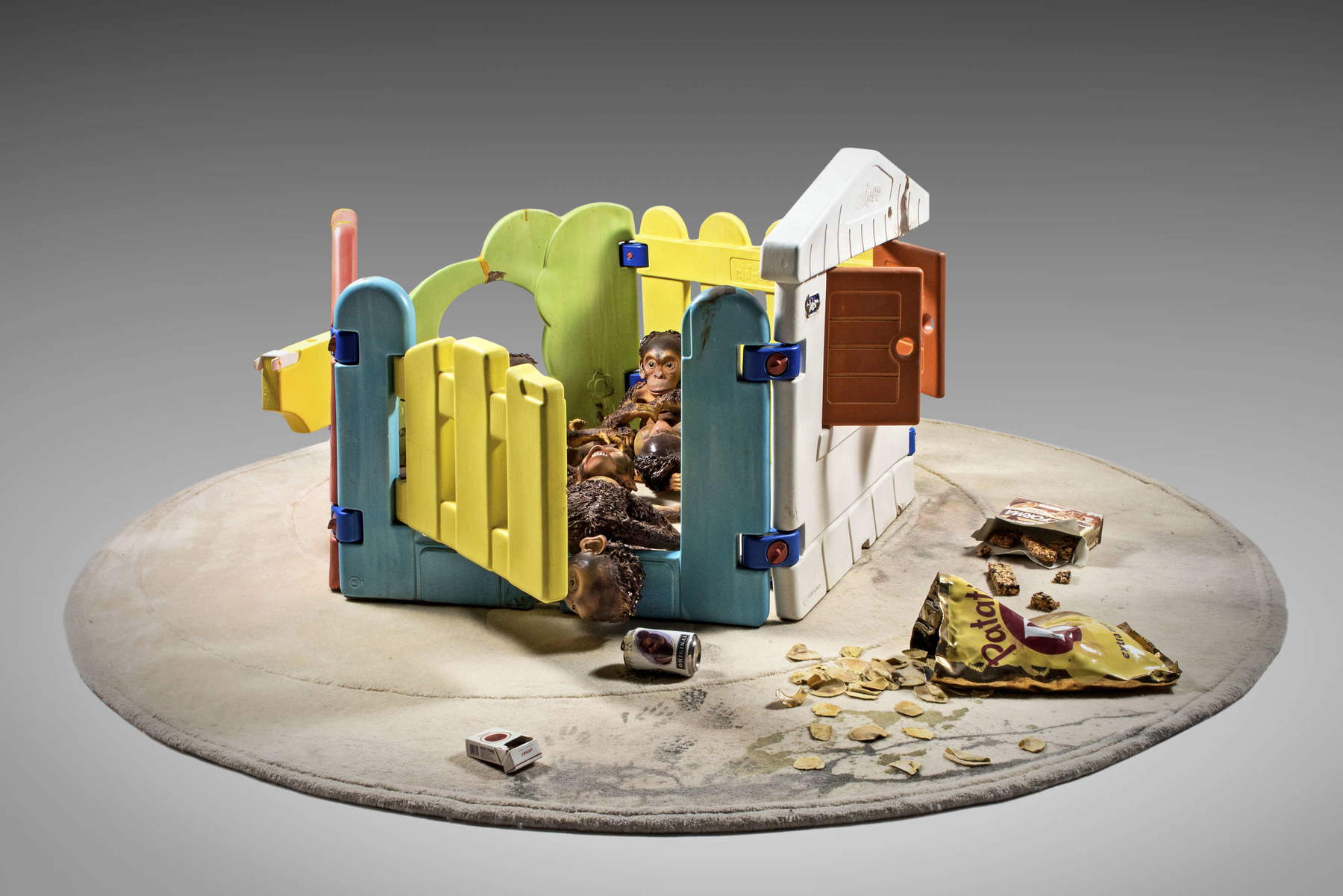
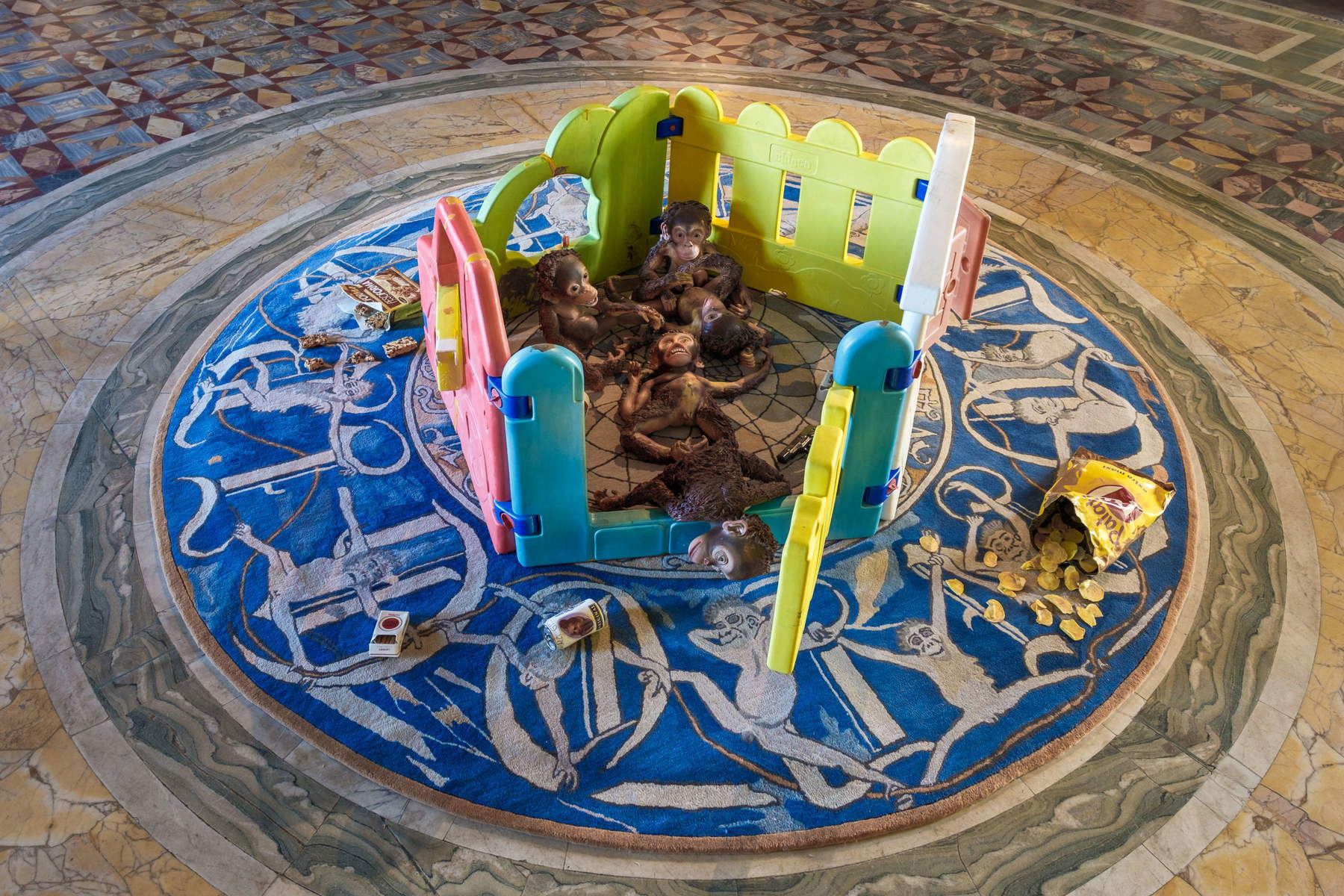
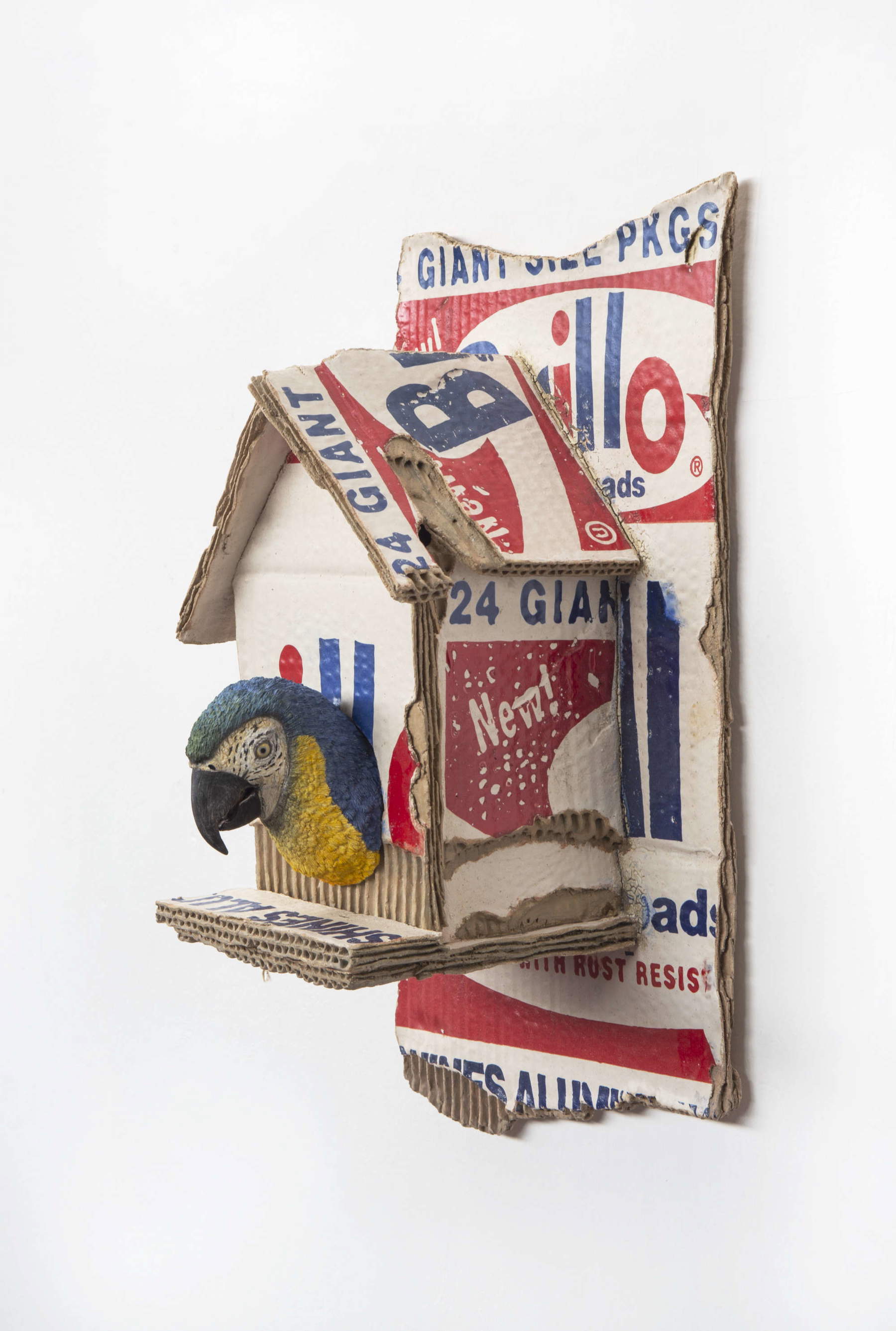
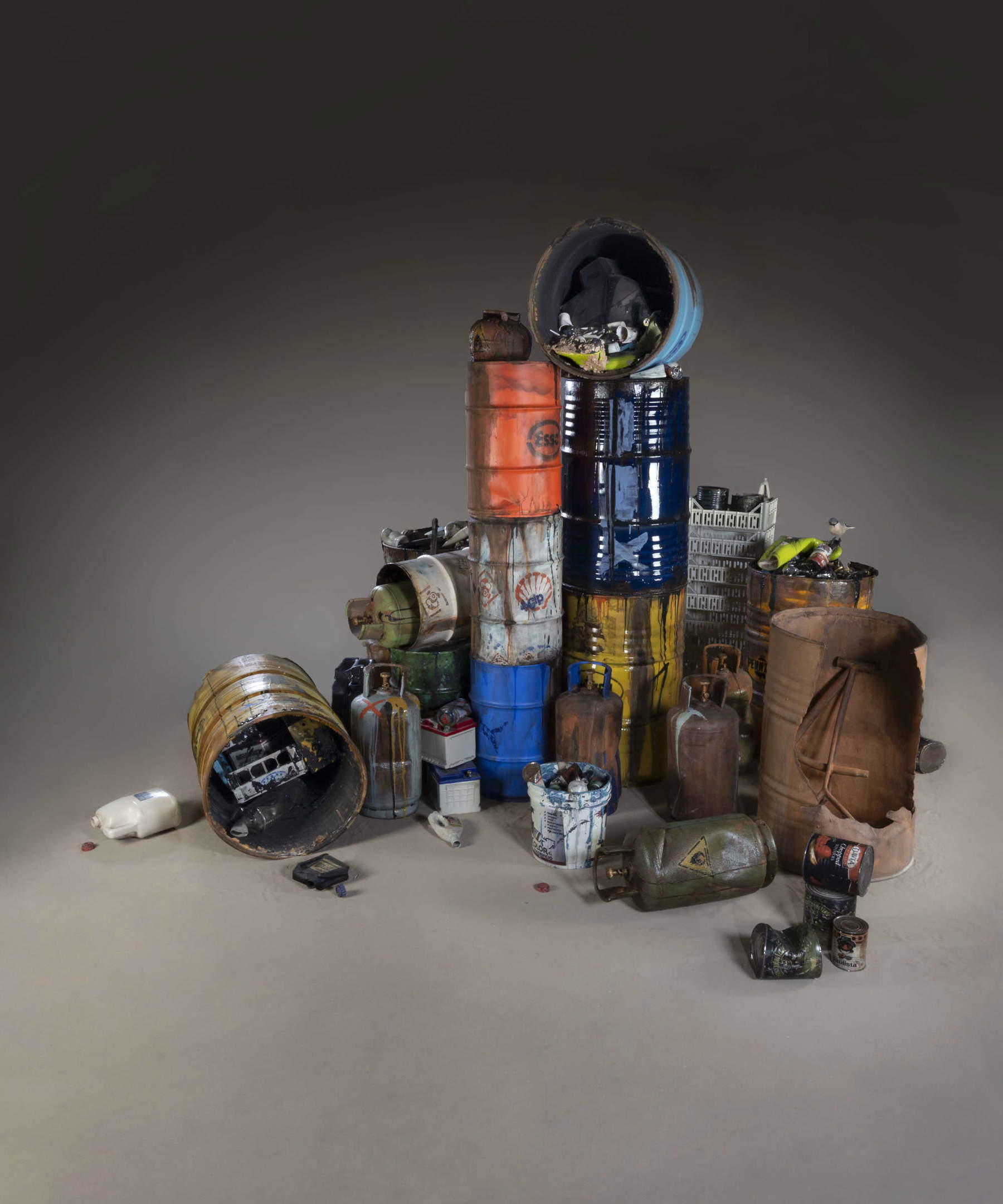
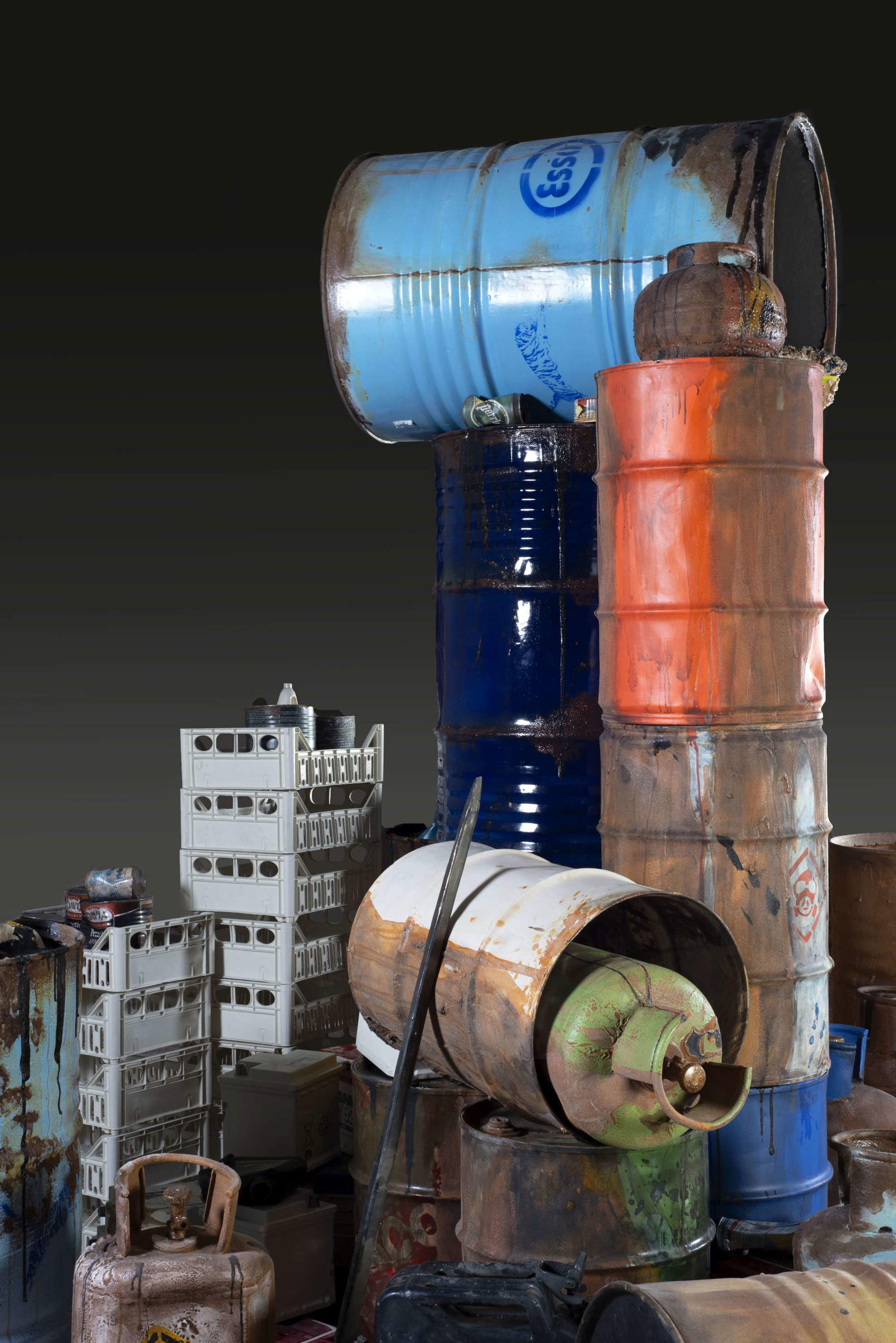
In the compositions of remains, trays filled with leftovers or abandoned objects, the everyday is charged with an unexpected density. On the other hand, the more complex structures (artificial landscapes, barrels, aggregates of materials) suggest a systemic dimension in which natural and artificial are no longer distinguishable but coexist in a condition of continuous contamination. Even animal presences, suspended between vitality and artifice, contribute to an uncertain distinction between what is living and what is built.
The “unbelievable” evoked by the title concerns not only the subjects represented, but the very way in which the real is returned as surplus. Each work arises from a transformation of the material that makes the ceramic almost unrecognizable, capable of simulation, deception and seduction. The viewer is placed in an ambiguous condition, oscillating between attraction and doubt, between wonder and disquiet. To this dimension of intensification of the real is added a reflection on time. The works seem to block processes naturally destined for change - organic decomposition, the wear and tear of objects, the consumption of materials - by crystallizing them into a permanent form. Ceramics thus become the site of a tension between duration and precariousness, between monumentality and fragility: what appears ephemeral is made eternal, while what seems solid reveals its vulnerability.
The duo’s career has been punctuated by numerous participations in exhibitions and institutions of international significance. Venues that have hosted their works include the Tate Liverpool, the Quadriennale in Rome, Sperone Westwater in New York, Ca’ Pesaro in Venice, Castello Sforzesco in Milan, the Venice Biennale, All Visual Arts in London, Museum Beelden aan Zee, Palazzo Te in Mantua, MAMbo in Bologna, GAM in Palermo, Museo di Palazzo Poggi in Bologna, Pinacoteca Civica in Ascoli Piceno, Complesso di Sant’Agostino in Pietrasanta, MART in Rovereto, Labirinto della Masone, and Museo e Real Bosco di Capodimonte.
Their works are part of important international public and private collections, including the Margulies Collection in Miami, the Fondation Bernardaud in Limoges, the M+ Museum in Hong Kong, the Koç Foundation in Istanbul, MASI in Lugano, the Robert Runták Collection in Olomouc, the International Museum of Ceramics in Faenza, Imola Musei, the Pino Pascali Museum in Polignano a Mare, the Museum of Fine Arts in Houston, the Museo Morandi in Bologna, and the contemporary Quirinale project in Rome.
|
| Bertozzi & Casoni on show in Genoa: the incredible between reality and perception |
Warning: the translation into English of the original Italian article was created using automatic tools. We undertake to review all articles, but we do not guarantee the total absence of inaccuracies in the translation due to the program. You can find the original by clicking on the ITA button. If you find any mistake,please contact us.