







From May 30 to June 30, 2026, the spaces of Blocco 13 in Rome will host Qb, the first Roman solo exhibition of Ruggero Baragliu (Nuoro, 1987), curated by Antonello Cuccu and Chiara Manca. The exhibition opens Saturday, May 30, from 6 to 9 p.m. in the spaces of the cultural association dedicated to contemporary art on Via Benzoni, in the Garbatella district, continuing until June 30 by appointment, with openings also in the evenings. The exhibition is part of the “Guests” section of Blocco 13, a project that over the years has welcomed artists such as Pierluigi Fresia, Alessandro Finocchiaro, Luca Caccioni and Gianni Baretta. With Qb, Baragliu brings to Rome a research that combines painting and plastic tension in a series of small-format works, the result of a long process of selection, subtraction and distillation of the pictorial gesture.
In fact, the title of the exhibition, Qb, recalls the expression “how much is enough” and summarizes the principle that guides the artist’s work: a balance built through the reduction of the image to its essential elements, without, however, renouncing the complexity of the pictorial matter. The exhibition presents papers, plates, oils and bas-reliefs that testify to the progressive shift of his research toward a dimension suspended between two-dimensionality and volume.
In the critical text accompanying the exhibition, Antonello Cuccu relates Baragliu’s work to the principle of subtraction elaborated in architecture by Ludwig Mies van der Rohe and to the chromatic and spatial rigor of Piet Mondrian. According to Cuccu, the Nuoro artist works on the canvas as on a “cauldron,” shaking tools and matter until a temporary and precarious equilibrium is achieved, destined to be continually called into question in the next work. In this perspective, each work does not appear as a finished object, but as part of an open process that holds all the works together in a continuous tension. Painting thus becomes a field of transformation in which the original subject is gradually deconstructed until an essential synthesis is allowed to emerge.
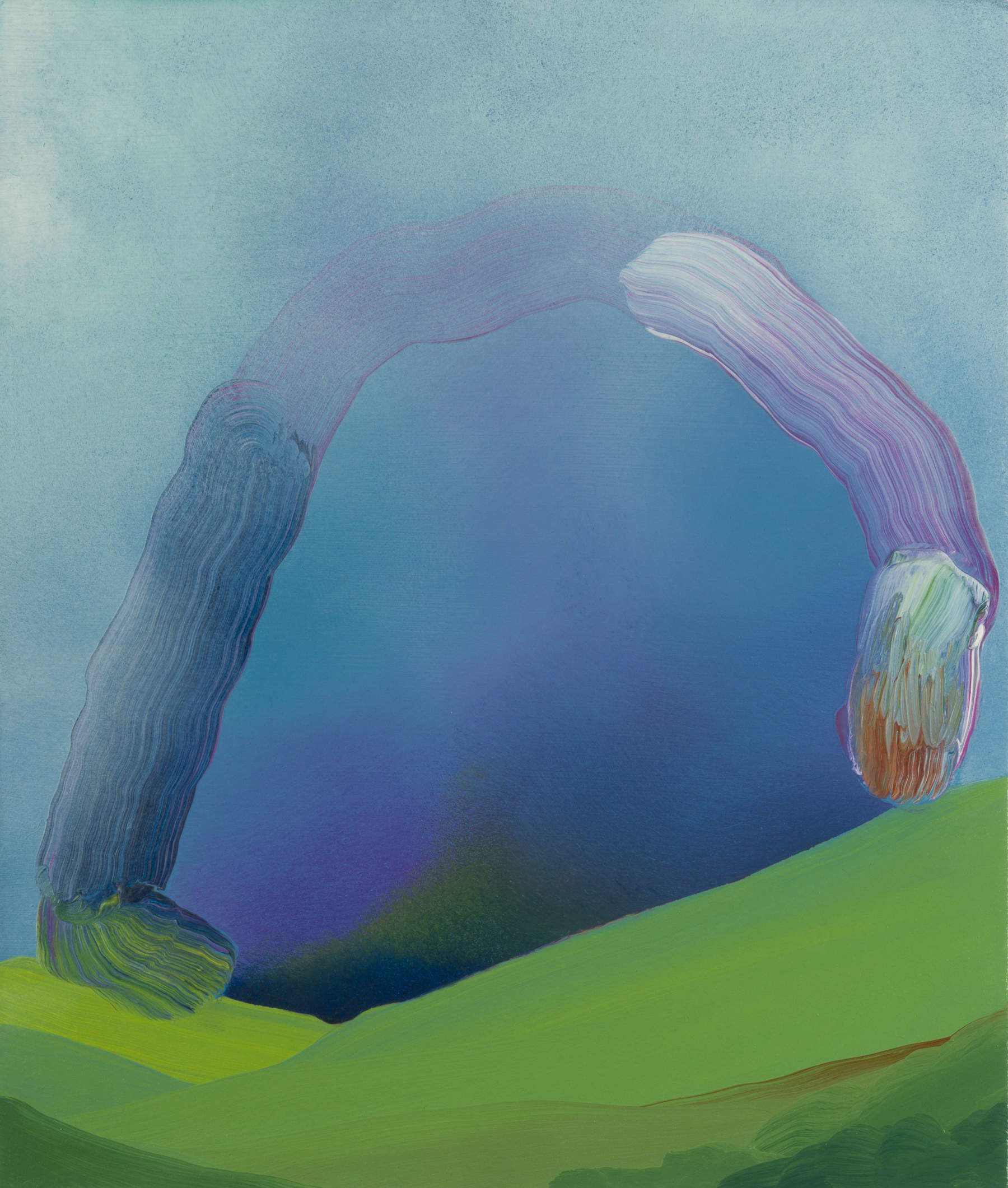
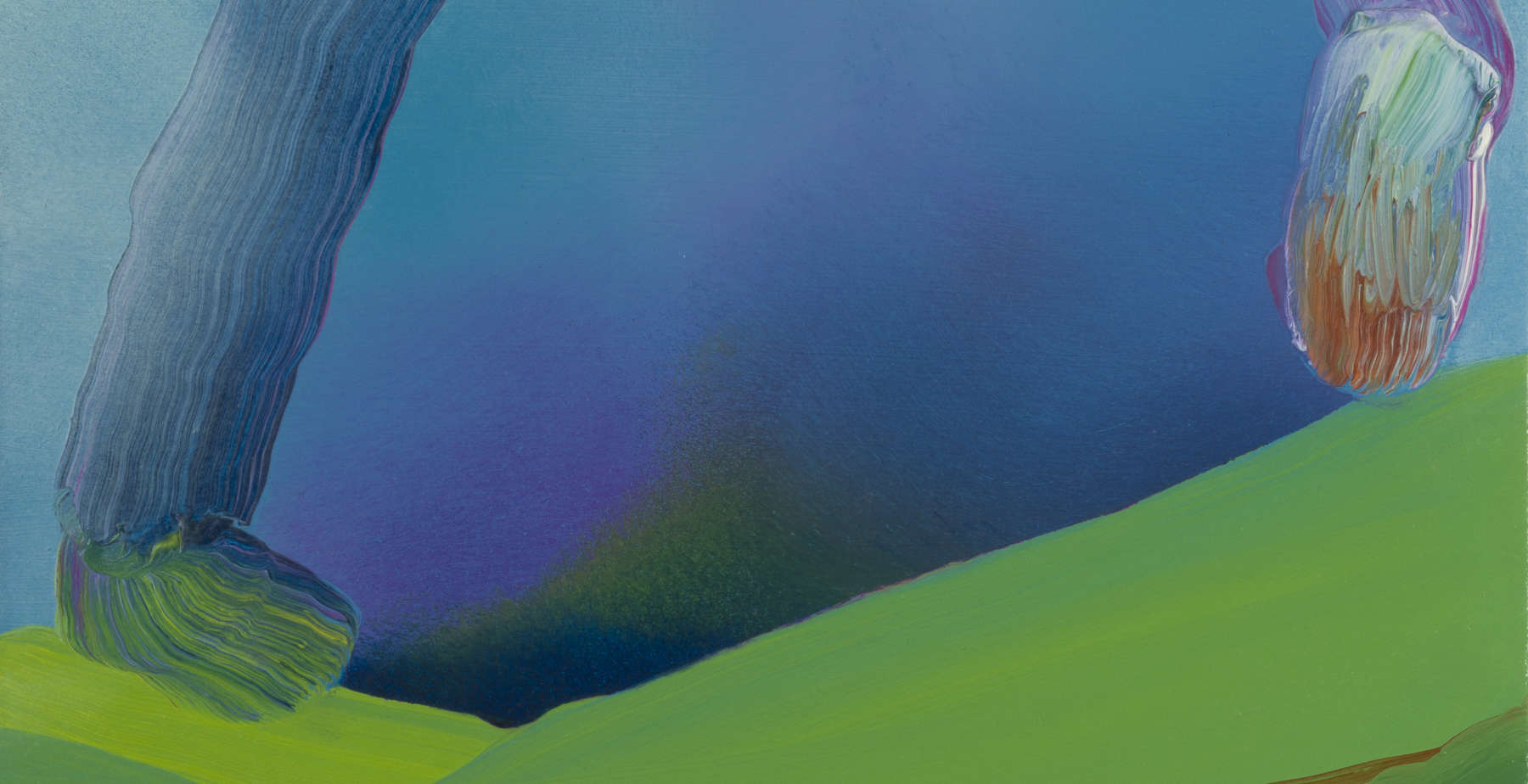
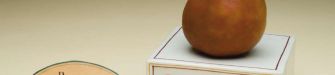
Most of the works on display were made specifically in 2026 for the spaces in Via Benzoni 13. The exception is Untitled with Checkers, a work developed between 2019 and 2024, which introduces some central cores of the artist’s more recent research. Among the small-format oils on panel is Colossus, a work that deliberately plays on the contrast between the small size of the support and the reference to the capital’s symbolic monument. The painting also represents a biographical reference to the city of Rome, where Baragliu completed a fundamental part of his artistic training at the Academy of Fine Arts in Via Ripetta.
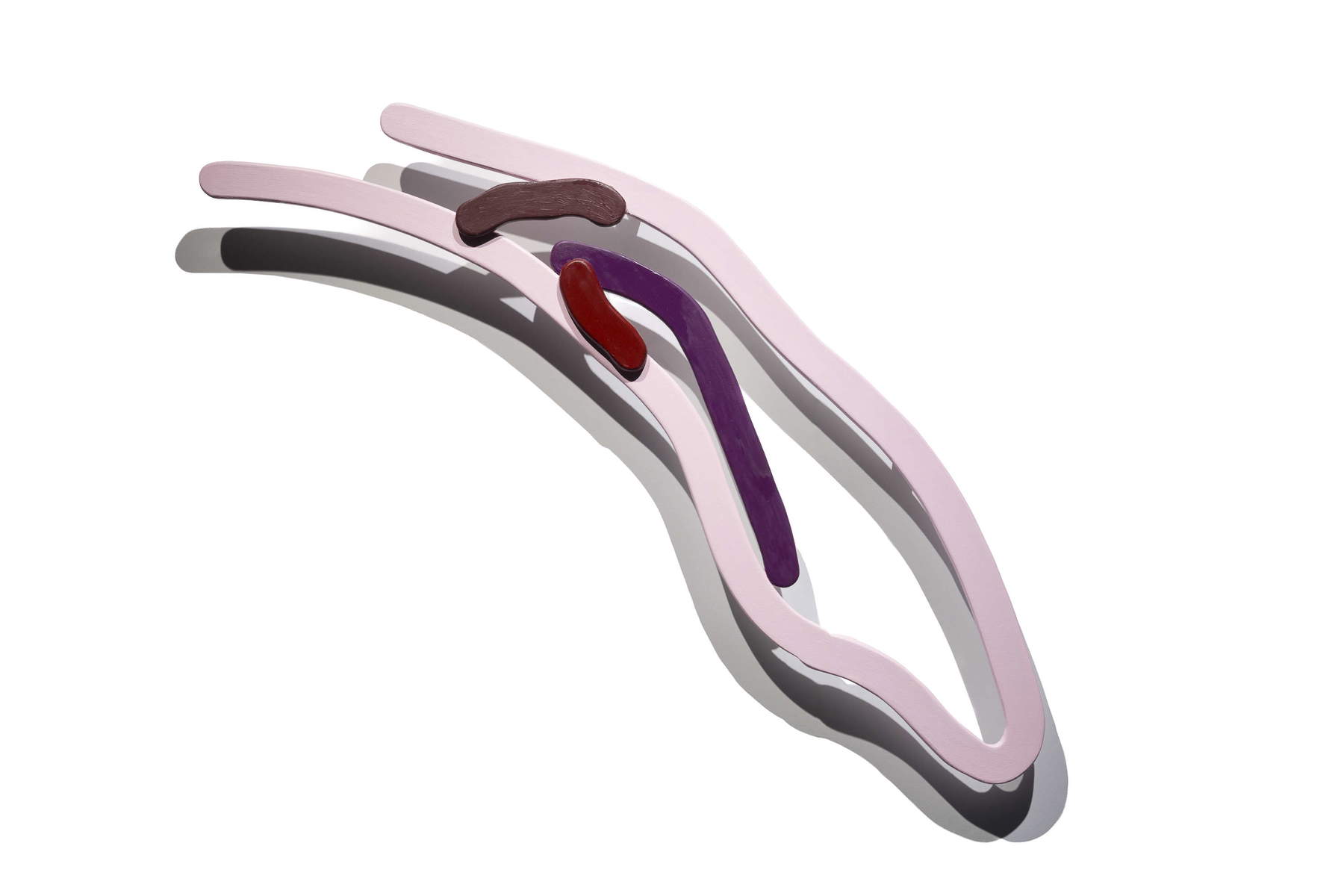
A further homage to the urban context hosting the exhibition is Garbata, a bas-relief in which the pictorial sign takes on a plastic and three-dimensional significance. In this work, the brushstroke is no longer limited to describing the surface, but is transformed into volume, accentuating the dialogue between painting and sculpture that runs through the entire exhibition. Preparing for this evolution toward three-dimensionality are the seven papers in the series Sculpture Hypotheses, in which the colored stroke builds and traverses space through cuts, reliefs and lifts of the surface. The image seems to gradually emancipate itself from its two-dimensional origin, transforming itself into a physical presence.
Baragliu himself, in an interview published in the latest issue of the quarterly “Yesterday, Today and Tomorrow,” described his approach to painting as a search for total vision of the image. “When I paint on canvas or board,” the artist says, "it is as if I imagine a brushstroke that can be observed from multiple points of view: a 360-degree view of painting.
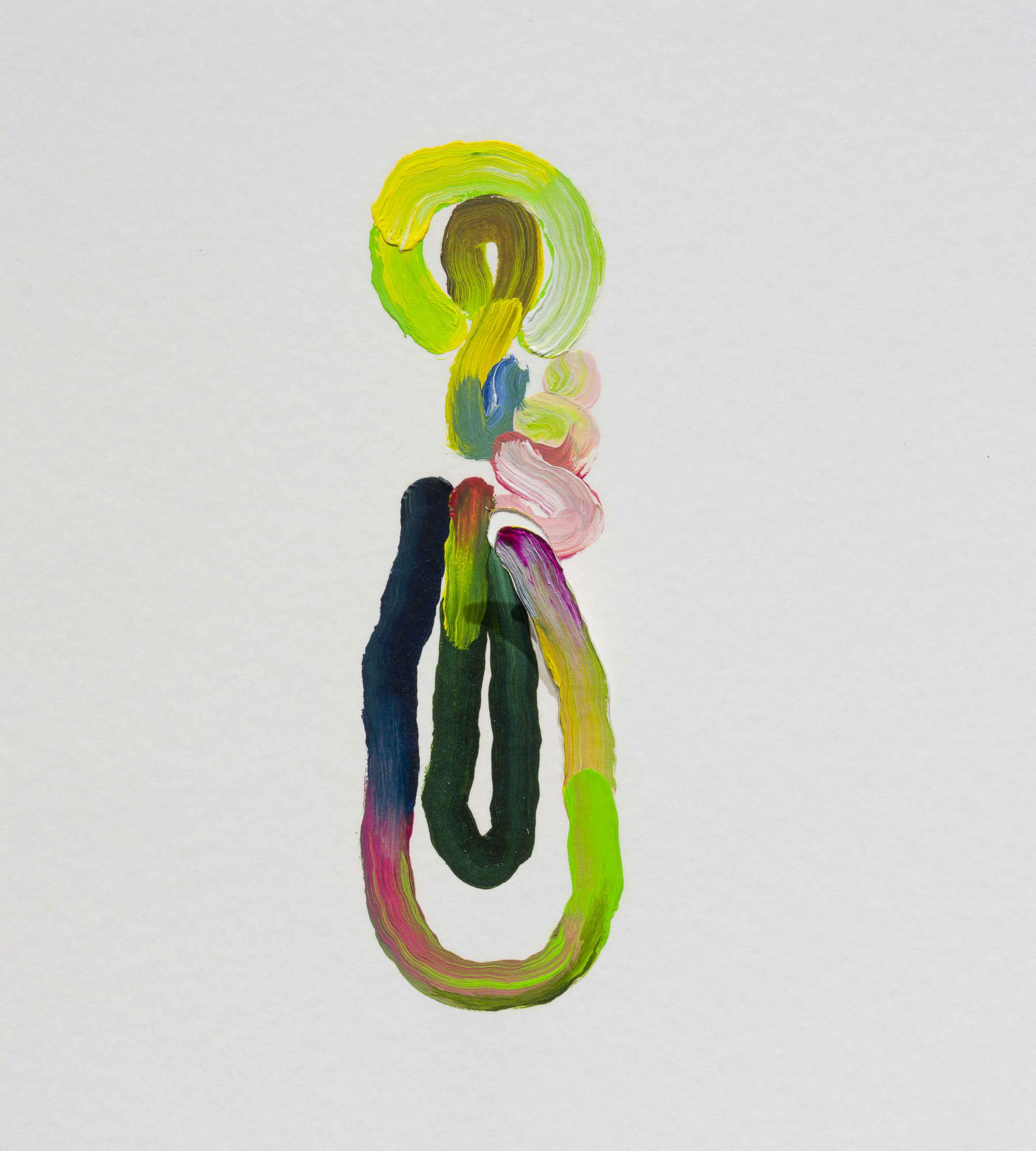
In fact, the artist’s research stems from a constant confrontation with the very structure of the image. The subject undergoes a process of reduction and recomposition that preserves only its essential elements, but relocates them within a new pictorial and sculptural scene. What Baragliu is interested in is not the mimetic representation of reality, but the possibility of bringing forth an autonomous form, capable of maintaining a link with the original datum without being completely dependent on it.
Born in Nuoro in 1987, Ruggero Baragliu lives and works between Turin and Sardinia. His training initially sinks into the language of writing, an experience that leaves traces in the gestural and layered construction of his painting. At the same time he develops a rigorous study of oil technique, which becomes the core of his artistic practice. After graduating from the Academy of Fine Arts in Rome under the guidance of Enzo Orti, he continued his studies at the Albertina Academy of Fine Arts with Marco Cingolani and Arcangelo Esposito, consolidating a personal language characterized by a continuous tension between abstraction and figurative presence. Since 2017, his research has also been intertwined with the work of the IDEM Studio collective, founded together with artists Angelo Spatola and Samuele Pigliapochi. Through the collective Baragliu develops site-specific projects and collaborative practices that further fuel the project dimension of his work.
In 2019 he presents the solo show Fade out at Spazio E_Emme, followed in 2024 by Visione apparente, both curated by Anna Oggiano. Instead, in 2020 he exhibits at MANCASPAZIO gallery in the show Frammenti, curated by Cecilia Mariani and Chiara Manca. In recent years, the artist has also participated in several fairs and group exhibitions, including Roma Arte in Nuvola and (Un) Fair Milano. In 2023, precisely during Roma Arte in Nuvola, the MANCASPAZIO gallery received the Best Stand Prize. In 2024 Baragliu returns to both Roma Arte in Nuvola and (Un) Fair Milano, where one of his works is selected for an exhibition curated by the fair board. Also in 2024 he takes part in several group shows, including Connections at Candy Snake Gallery, curated by Andrea Lacarpia, This is (not) the end for the Molineddu Arts Festival in Ossi, and “8 seconds” at Moitre Gallery. The Rome exhibition is produced in collaboration with MANCASPAZIO and is accompanied by a catalog featuring the works on display and texts by the two curators.
 |
| Ruggero Baragliu brings the painting of "how much is enough" to Rome |

Warning: the translation into English of the original Italian article was created using automatic tools. We undertake to review all articles, but we do not guarantee the total absence of inaccuracies in the translation due to the program. You can find the original by clicking on the ITA button. If you find any mistake,please contact us.












 IT
IT FR
FR DE
DE ES
ES CN
CN