





The hometown of Gino Severini (Cortona, 1883 - Paris, 1966), where his remains are also preserved, is dedicating a major international exhibition to the painter sixty years after his death. Gino Severini. Modernity as Dialogue, hosted from July 5 to Nov. 1, 2026 at the Museum of the Etruscan Academy and the City of Cortona in Palazzo Casali, is part of the rediscovery of the link between the artist and his home territory, with a special focus on his cultural heritage and the places of his formation. The exhibition’s scientific approach was curated by Daniela Fonti and Margherita d’Ayala Valva, with an exhibition itinerary constructed to highlight the dynamics of cultural exchange that run through the artist’s entire career.
The exhibition, conceived as a research project with a critical slant, addresses the role Severini played in the early 20th century as a mediator between Italy and France, between different figurative languages and between the avant-garde and traditions. The project brings together more than 80 works, including paintings and drawings, from Italian and international museums and prominent private collections. Lenders include the Centre Pompidou in Paris, the Estorick Collection in London, the Musée d’Art et Industrie in Saint-Etienne, the Museo del Novecento in Milan, the Pinacoteca Vaticana and the MART in Rovereto, as well as the Romana Severini and Franchina Collections. The exhibition corpus is complemented by original documents that contextualize the artistic debate of the period, the relationships between protagonists of the period, and the theoretical reflections accompanying Severini’s production.
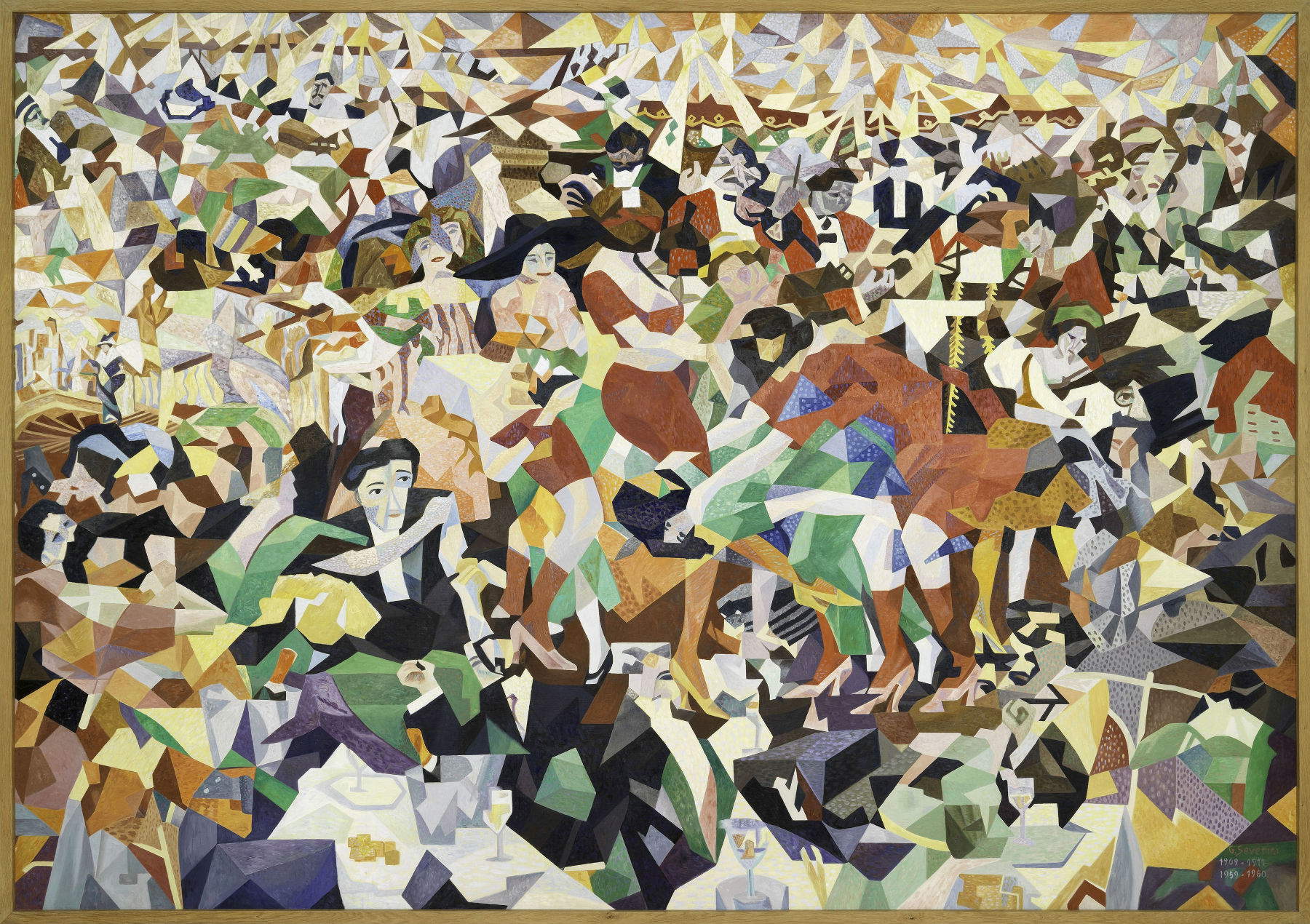
An additional layer of the exhibition is the documentation of the artist’s frescoes in numerous churches in French-speaking Switzerland, the central phase of his journey after his return to the Christian faith in 1923. Sketches, preparatory studies and unpublished photographic materials make it possible to reconstruct this activity, while a multimedia installation created by LimenXR offers an environmental restitution of the visual world of the early 20th century interpreted by Severini.
Among the major works on display in Cortona is the monumental painting La danse du Pan Pan in Monico (1911-1960), from the Centre Pompidou in Paris. The large-scale work returns to Italy for the second time since its creation, after more than thirty-five years. The canvas represents a late reworking of a now lost 1911 work, reconstructed by the artist in later years through iconographic sources and printed clichés.
The exhibition project benefits from the collaboration of numerous public and private institutions. The initiative is promoted by the Municipality of Cortona and MAEC, with co-production by the Ministry of Culture and support from the Region of Tuscany, Fondazione CR Firenze and Banca Popolare di Cortona. The overall organization is entrusted to Villaggio Globale International, while the installation and graphic design is by Studio di Architettura in Rome. The catalog is published by Cimorelli Editore and includes contributions from a group of scholars, including Giovanni Casini, Alessandro Del Puppo, Alice Ensabella, Alessandra Franchina, Maria Rosa Lanfranchi, Francesca Piqué and Alessandra Tiddia. Research on Swiss murals was developed in collaboration with SUPSI, University School of Italian Switzerland. A relevant role is also attributed to the artist’s daughter, Romana Severini, who actively contributed to the project of rediscovering and enhancing her father’s work, supporting the Cortona initiative.
The title of the exhibition synthesizes the interpretative approach of the entire itinerary: Severini is presented as a figure of connection between different cultural systems, capable of operating a continuous mediation between artistic experiences, national contexts and visual languages. Born in Cortona in 1883 and active mainly between Italy and France, the artist in fact develops an intermediate position between cosmopolitanism and Tuscan roots, building a network of relationships that crosses the main currents of his time. According to the curators, his position can be defined as a form of “cultural bilingualism,” manifested in his ability to observe his homeland from an internal and external perspective at the same time. This condition is reflected in his role as an intermediary between artists, movements and institutions, contributing to the circulation of ideas between different contexts.
The exhibition itinerary is divided into five chronological and thematic sections, which follow the main phases of the artist’s production. Early works document the formative phase, with family portraits and a youthful self-portrait made in Paris, alongside Divisionist works such as the 1903 Landscape. The comparison with the painting of Vittore Grubicy de Dragon and the social and urban researches of the period are evident in this phase.
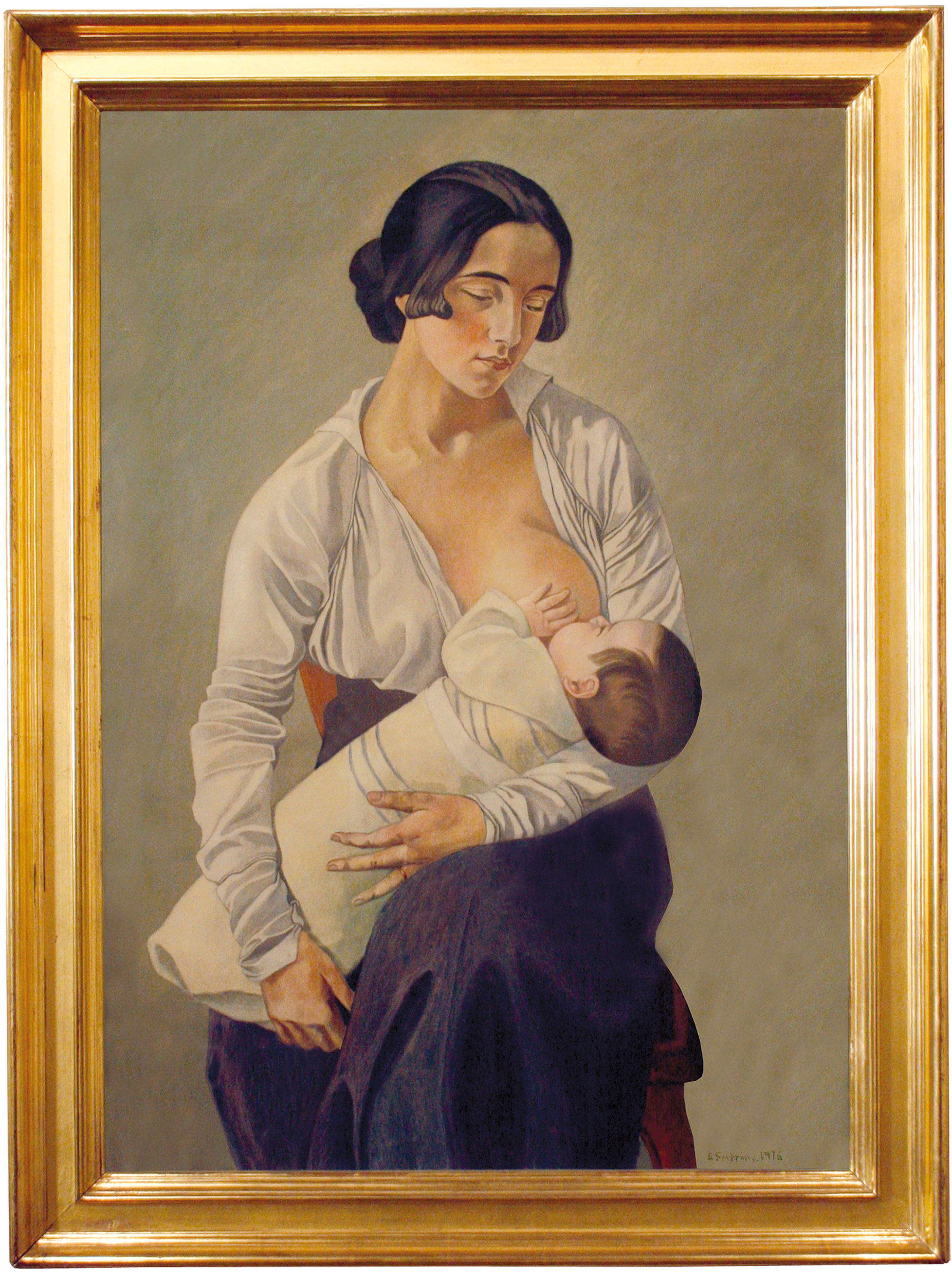
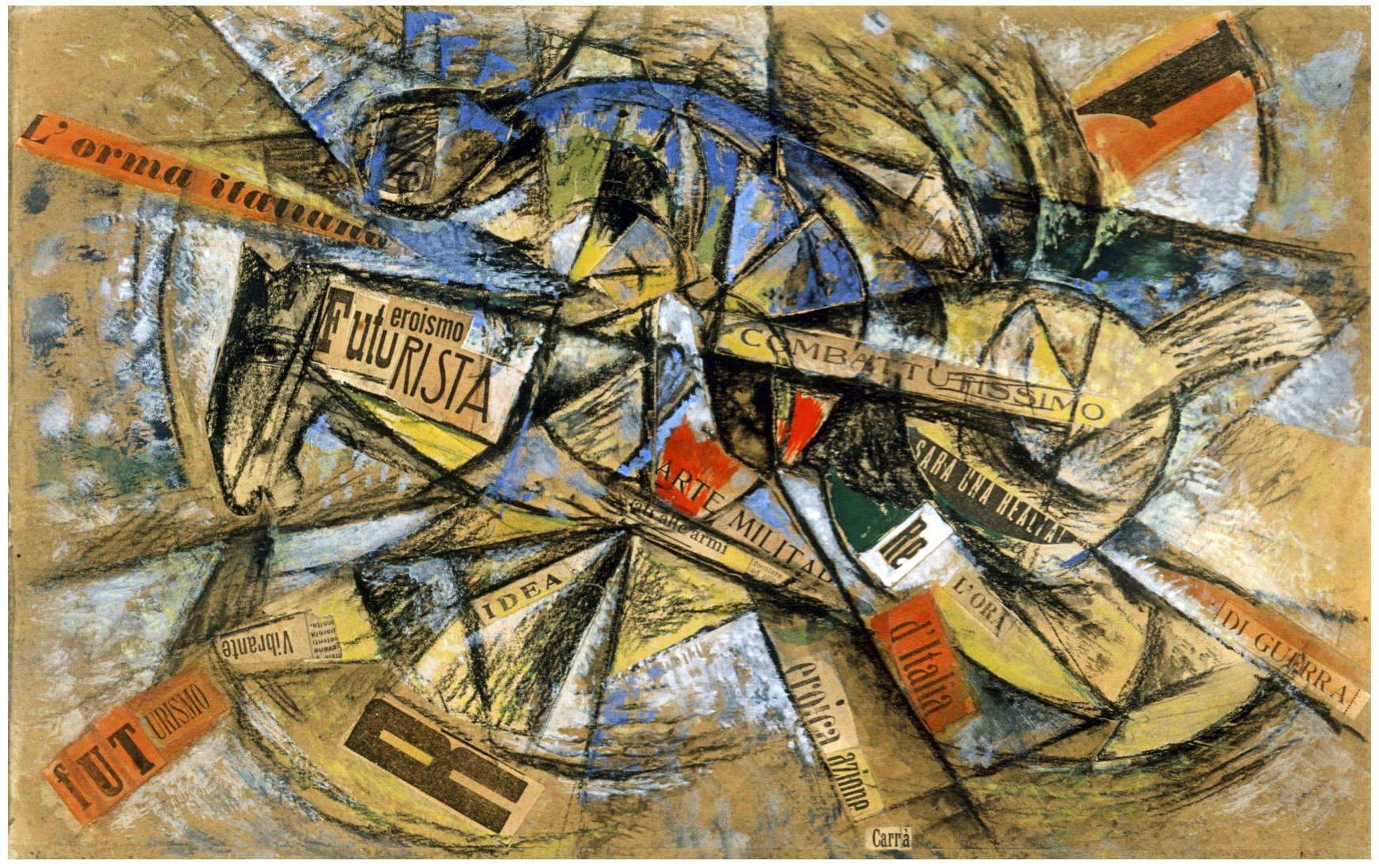
Subsequent adherence to Futurism is documented through such seminal works as theSelf-Portrait of 1913 and the Plastic Portrait of July 14, along with the Danseuses series, in which the movement of dance becomes a structural principle of the composition. Severini’s role as a mediating figure between the Milanese and Florentine Futurist groups also emerges in this context, documented in a 1912 letter and the subsequent organization of an exhibition at the Gonnelli Gallery in Florence. The dialogue between Futurism and Cubism constitutes a further junction of the path. The artist also intervenes through editorial activities, such as curating an issue of Valori Plastici magazine dedicated to French Cubism. At the same time, the approach to Classicism developed, with works such as the Maternity of 1916 and Cubist still lifes made between 1917 and 1920, including Le pot bleu and Bohémien jouant de l’accordéon.
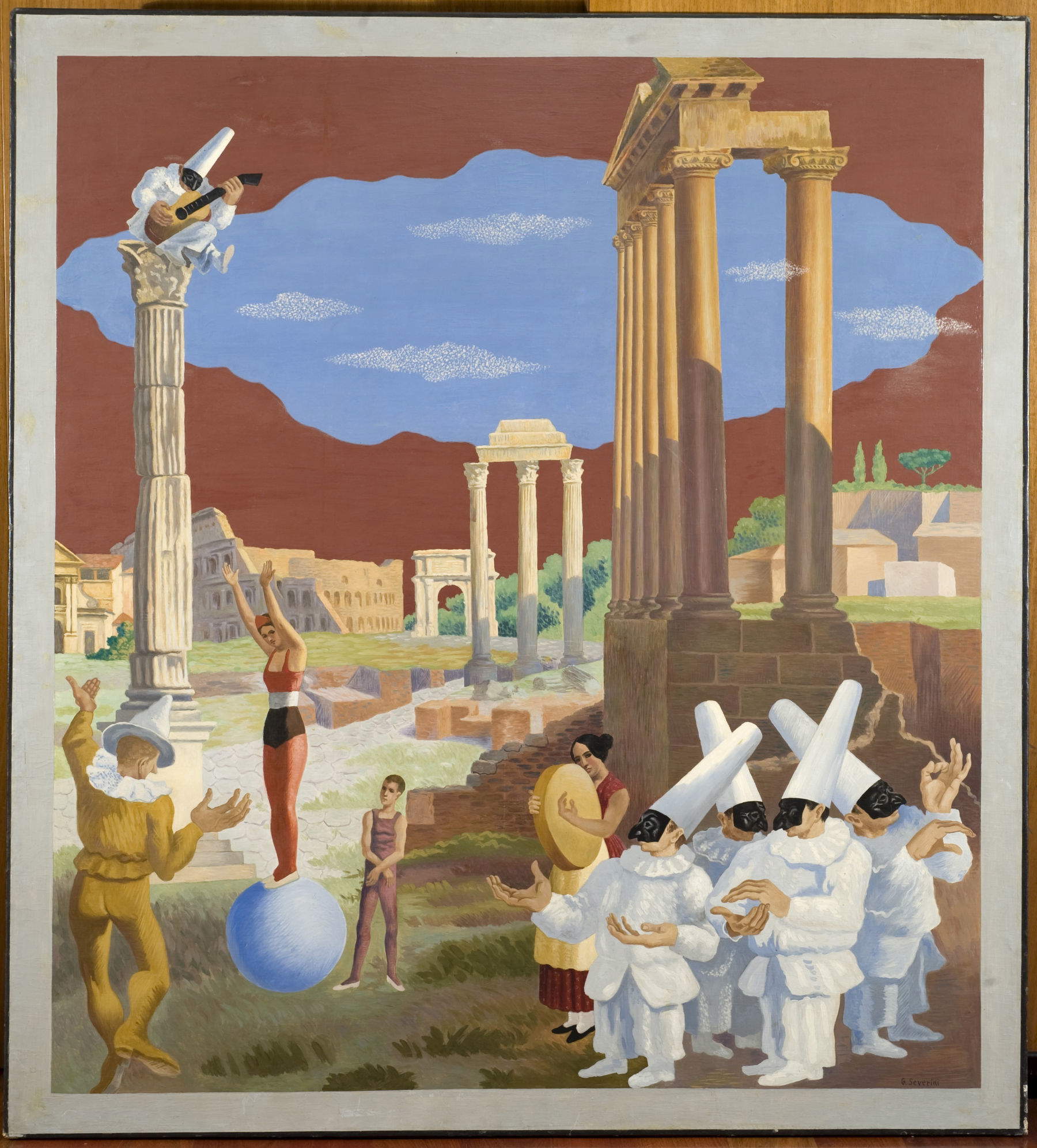
The exhibition also takes an in-depth look at the mural production created in Montegufoni and his interest in the Commedia dell’Arte, themes that are intertwined with his relationship with Tuscan figurative culture and the Parisian avant-garde. A further core concerns the panels intended for the house of the merchant Léonce Rosenberg, in which figures inspired by the Roman Forums and a theatrical imagery shared with artists of the period appear.
The final phase of the itinerary focuses on the dialogue between modern art and the Church, developed by Severini between 1925 and 1947. Here the artist worked in Switzerland in the decoration of several churches, with an approach that integrates mural painting, geometric research and references to the Italian medieval tradition. The comparison with the Giottesque exhibition of 1937 and medieval works preserved in Florence helps to redefine the relationship between modernity and spirituality. The itinerary closes with the creation of the Via Crucis in Cortona, which marks the artist’s return to his hometown and the recomposition of the link with the family and cultural context. The theme of the return to Cortona, together with his interest in Etruscan art and local tradition, represents the last step in Severini’s research, which is now at the center of the exhibition project and itineraries dedicated to his figure in the territory.
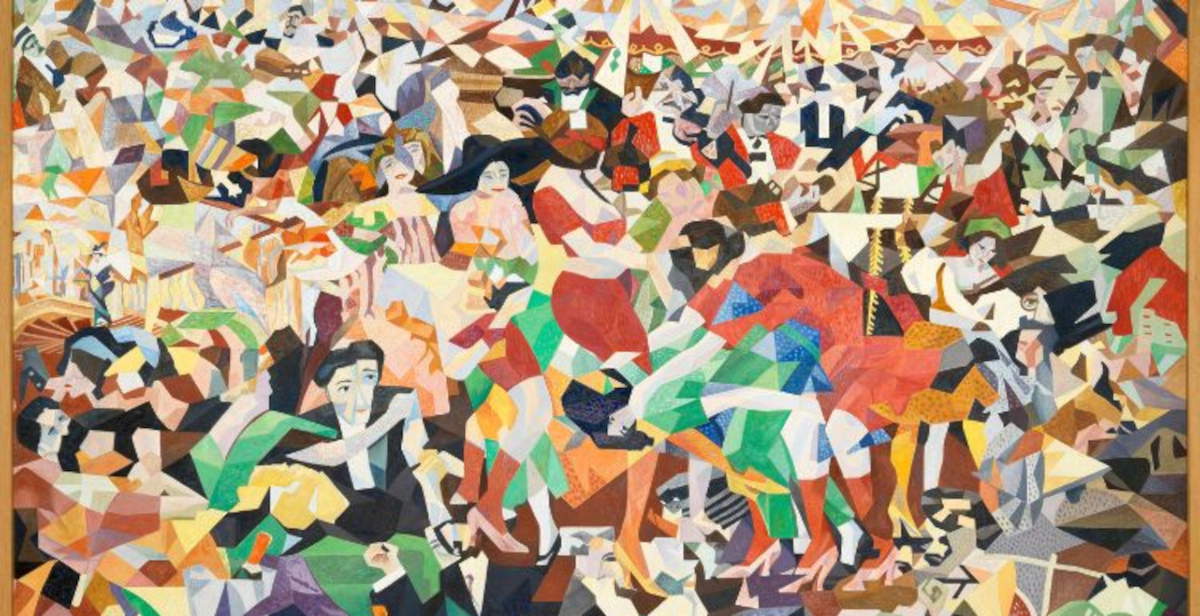 |
| A major exhibition on Gino Severini in Cortona with more than 80 works |

Warning: the translation into English of the original Italian article was created using automatic tools. We undertake to review all articles, but we do not guarantee the total absence of inaccuracies in the translation due to the program. You can find the original by clicking on the ITA button. If you find any mistake,please contact us.

















 IT
IT FR
FR DE
DE ES
ES CN
CN


