



by Noemi Capoccia 25/04/2026



Categories: Interviews / Disclaimer
How does an archive make its subject matter come alive? Ilaria Pescini, head of archives for the Tuscany Region, tells us about the Artisan's Exhibition, which is celebrating its 90th anniversary. From the birth of the Ente Mostra in 1938 to the challenges of digitization, here is how documentary heritage becomes a living tool for interpreting productive, cultural and social transformations.
With the new edition of The Exhibition on Display. Ninety Years Between History and the Future, scheduled to take place in Florence from April 25, 2026 at the Fortezza da Basso (Florence), the narrative of the Handicrafts Exhibition confronts an anniversary that calls for a reading of its documentary heritage. In this path is the contribution of Ilaria Pescini, head of the documental system and archives of the Region of Tuscany, called to restore the sense of a history that spans almost a century of productive, cultural and institutional transformations. The archivist coordinates the office that deals with both the document system of digital archives, linked to the documentation produced today by the regional offices in the performance of their functions, and the preservation of historical paper archives, built up over the decades by the administrations of the territory. Inserted in the Information Systems Directorate of the Tuscany Region, his work develops between memory and future: on the one hand the preservation of historical documents, on the other hand the management of what will become archival heritage tomorrow. An activity that requires selection, study, description and valorization of sources, reconstructing their provenance, functions and internal relationships.
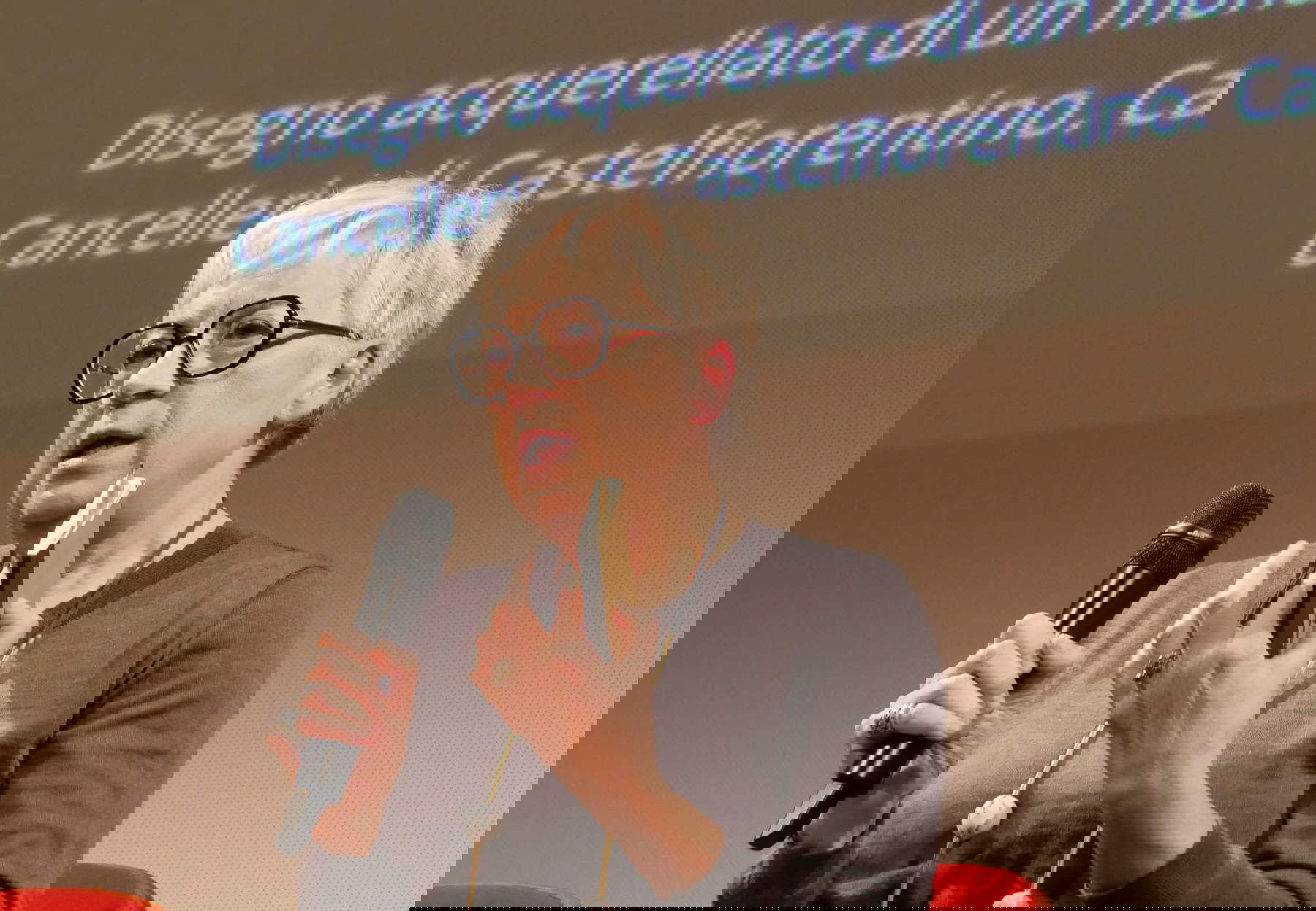
Ilaria Pescini has been vice-president of the Italian National Archival Association, has participated in national tables and working groups on archival issues and has taught Computer Archivistics at the University of Pisa, contributing to the formation of new skills in the field. His scholarly activity is reflected in numerous publications in Italian and international journals and in collected volumes, with a focus on the description and interpretation of historical fonds. His works include the inventory of thePre-Unitarian Historical Archives of the Municipality of San Casciano Val di Pesa and thePre-Unitarian Archives of the Municipality of Castelfiorentino, published by Olschki Editore in the series dedicated to the valorization of Tuscan sources. In this interview, Pescini presents a reflection on the value of the archive as a living tool for interpreting the Craftsman Exhibition, highlighting the relationship between sources and the transformations of craft work over time, up to the more recent possibilities offered by digitization and intelligent document management systems.


NC. You are the head of the document system and archives for the Region of Tuscany. What are the main activities in the management of an archive and how is your work articulated in the management and protection of the entity’s documentary heritage?
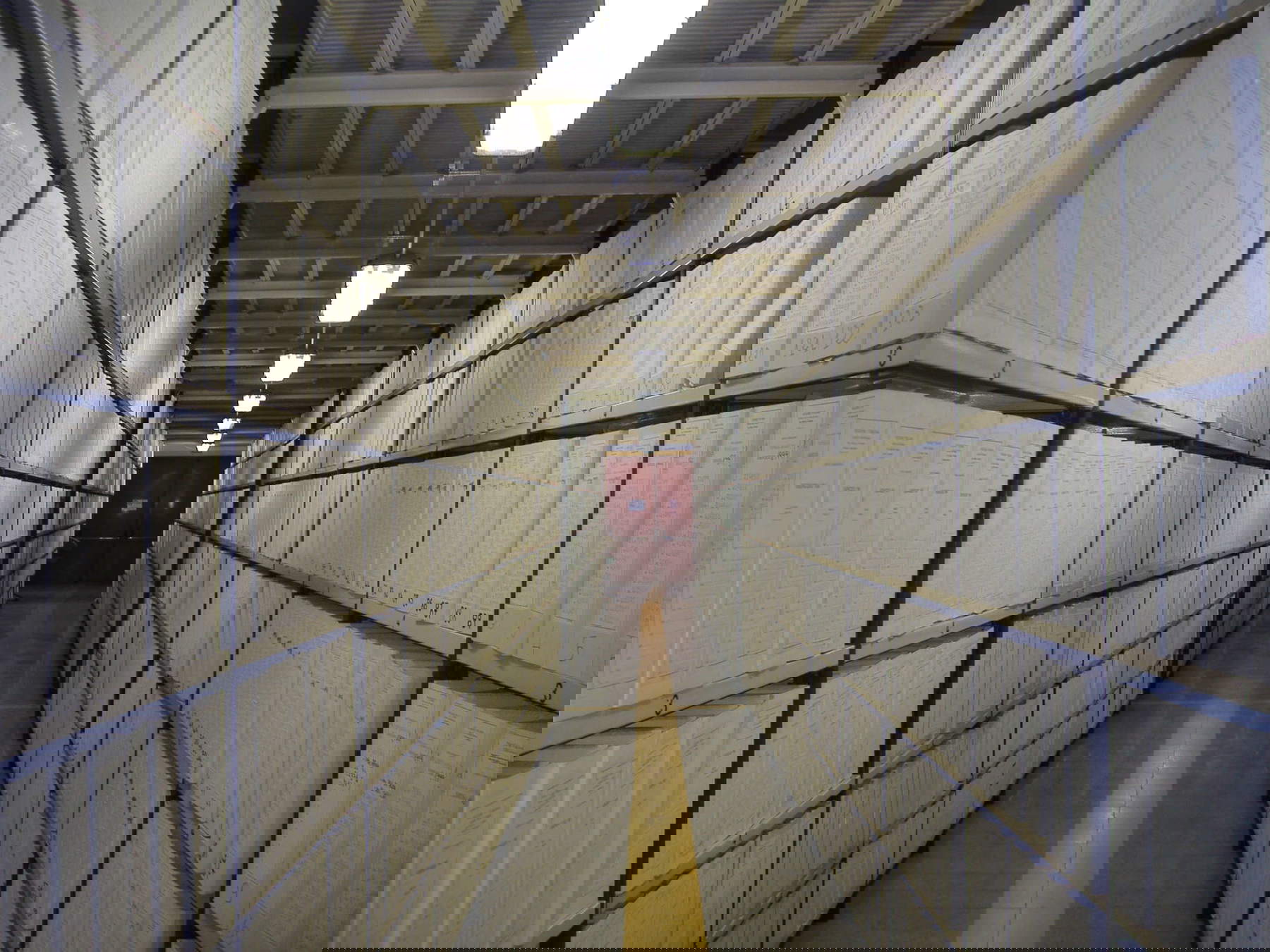
IP. The office whose activities I coordinate takes care of the document system of digital archives, that is, all the documentation that is produced today by the regional offices in the performance of their functions. In parallel, it also takes care of the preservation of historical paper archives, that is, the documentation accumulated over the years and decades by the offices of the region and beyond. The office is organizationally embedded in the Information Systems Directorate of the Tuscany Region. What do we do? Regarding the historical part of the archives, understood in the more traditional sense of the term, we have the task of preserving and enhancing documentation. Archivists like to define themselves as a two-faced Janus: on the one hand, they look at the past, through the historical documents they preserve; on the other hand, they look at the future through the documentation that is produced today and that tomorrow will in turn become historical memory. And this is precisely the function of our office. We interface daily with all regional offices, picking up the documentation produced, which, once physically transferred, is stored in our historical archive. The first step is to select the material that is to be kept as a permanent memory, available to the community and citizens of the future. Once we determine which documents should be preserved, we proceed with a precise description and in-depth study of the material: we analyze how it was produced, by whom, for what purposes, and what relationships exist with other documentation in our archives. Today all this constitutes a documentary heritage that occupies almost 30 linear kilometers of shelving, distributed in three repositories located between Florence and Grosseto. Of course, preservation also means making it accessible. That is why we make the documentation available to citizens and scholars through study rooms, where we welcome our users, and promote enhancement projects. Particularly important among these at this time are projects to digitize paper materials, which are also being carried out in collaboration with other directorates of the regional administration, including the Directorate of Culture. The goal is to improve management methods and ensure effective use of the archival heritage. Indeed, archives represent the memory of an administration, the memory of a society and the very identity of a community. They are also the place where citizens’ rights are protected and, precisely for this reason, they must be preserved and passed on to future generations.
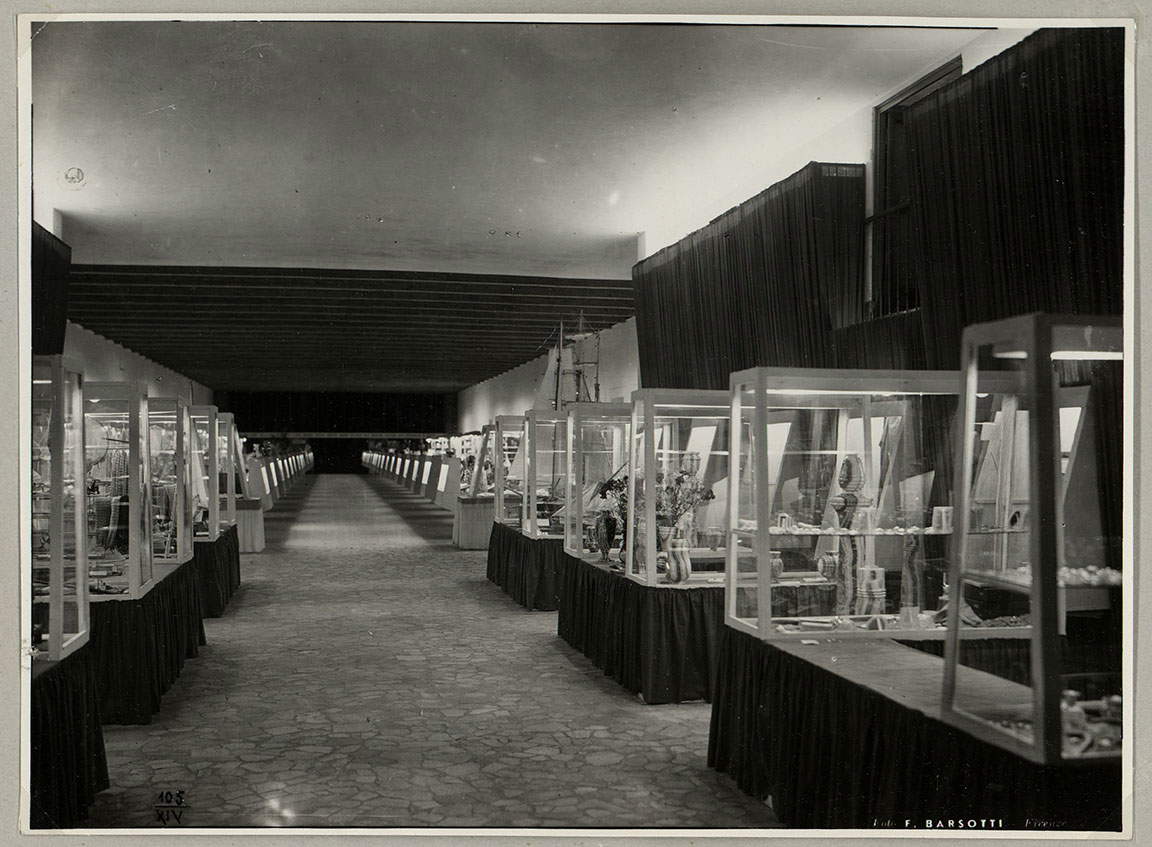
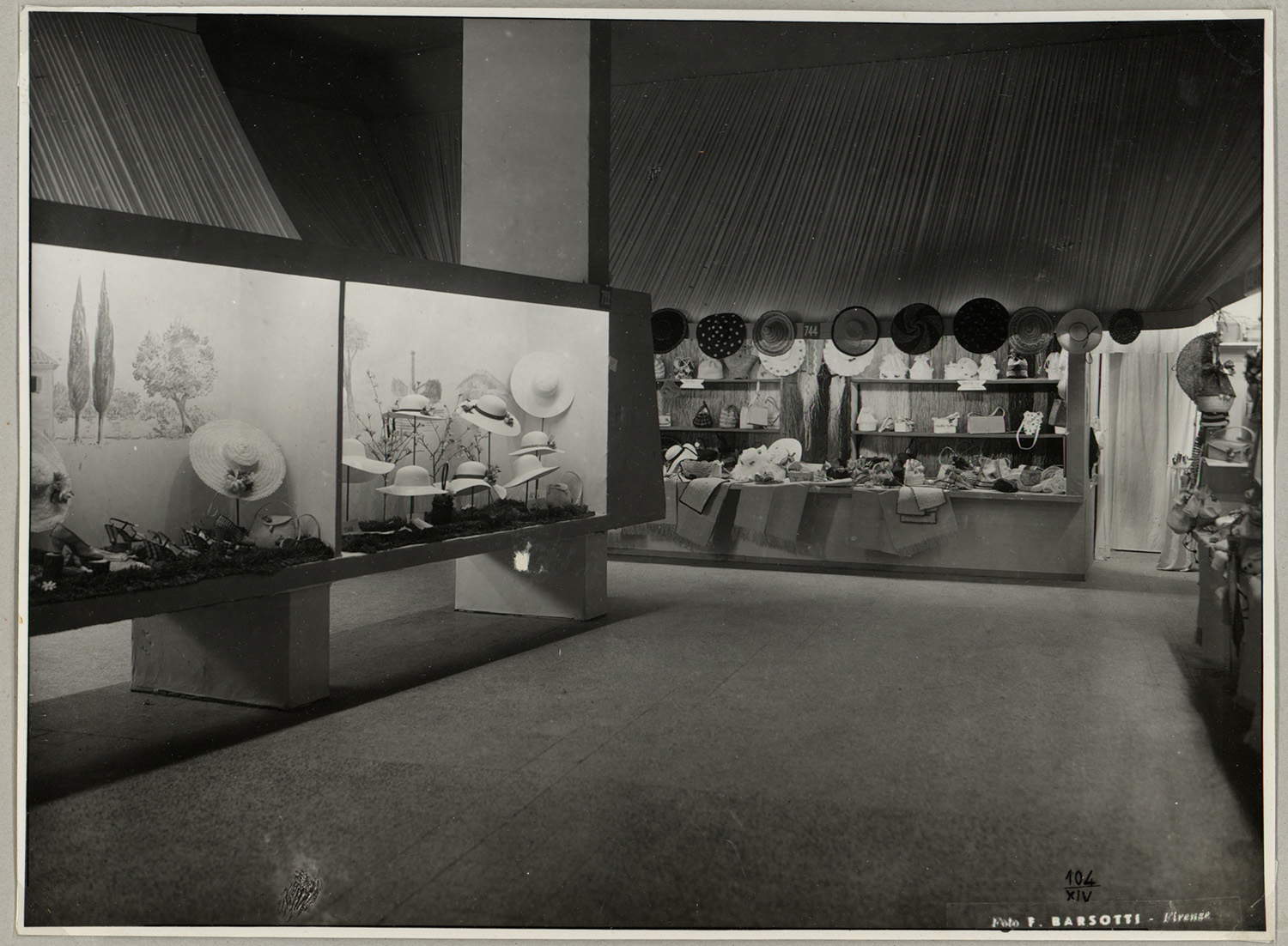
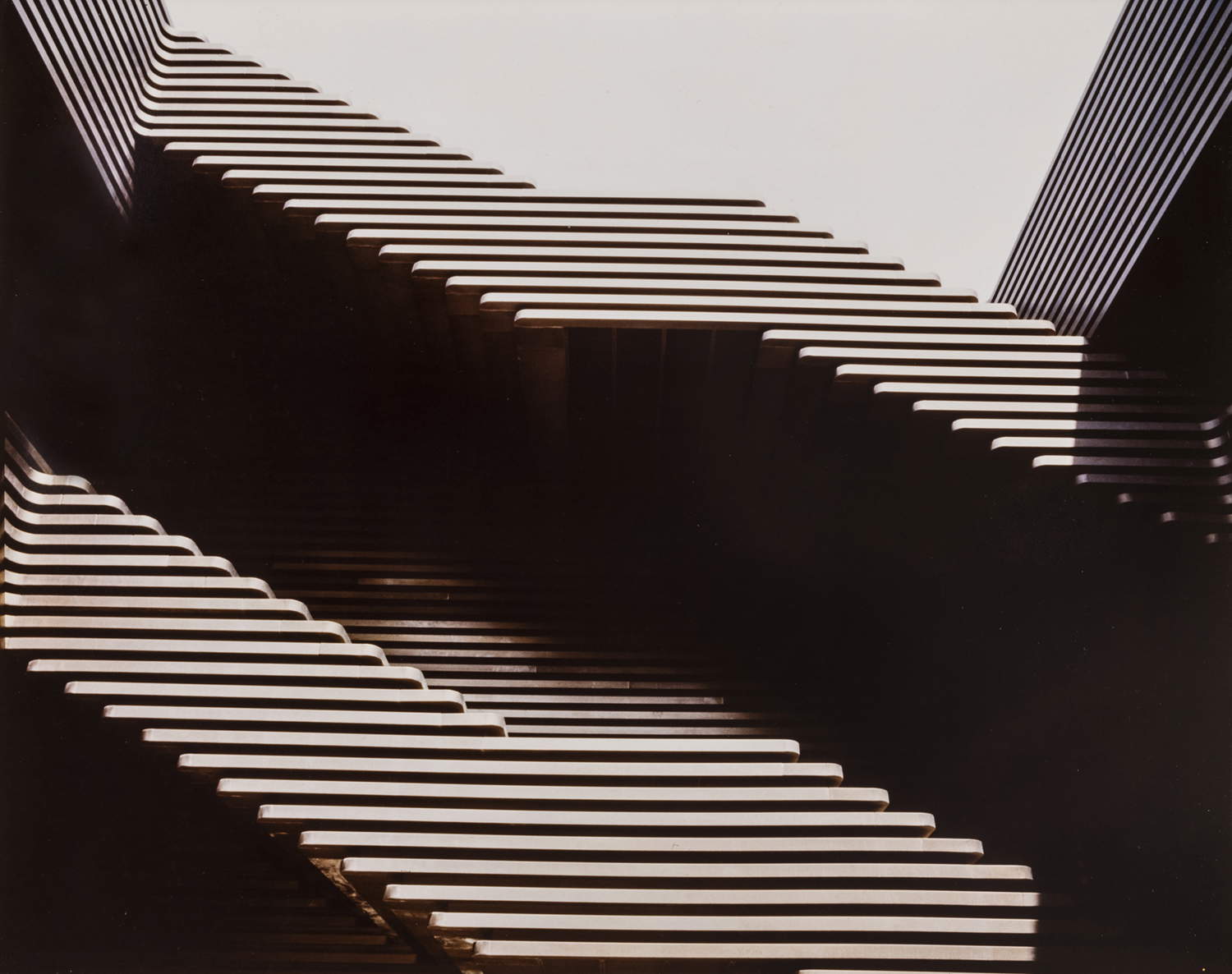
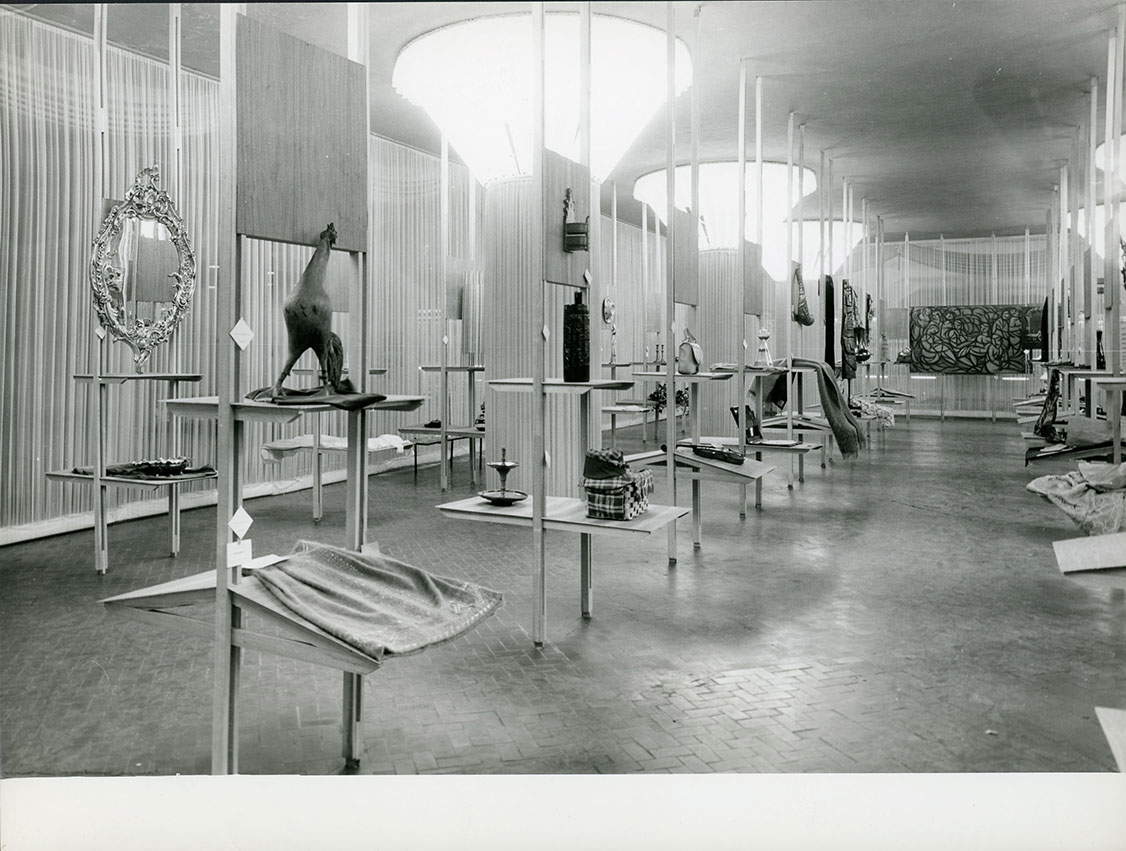
The Exhibition on Display.Ninety Years Between History and the Future returns to Florence from April 25, 2026 with an important anniversary. According to you, as head of the Region of Tuscany’s document system and archives, how does the new edition change the outlook from previous ones, and what does it mean today to tell ninety years of craftsmanship through the archives?
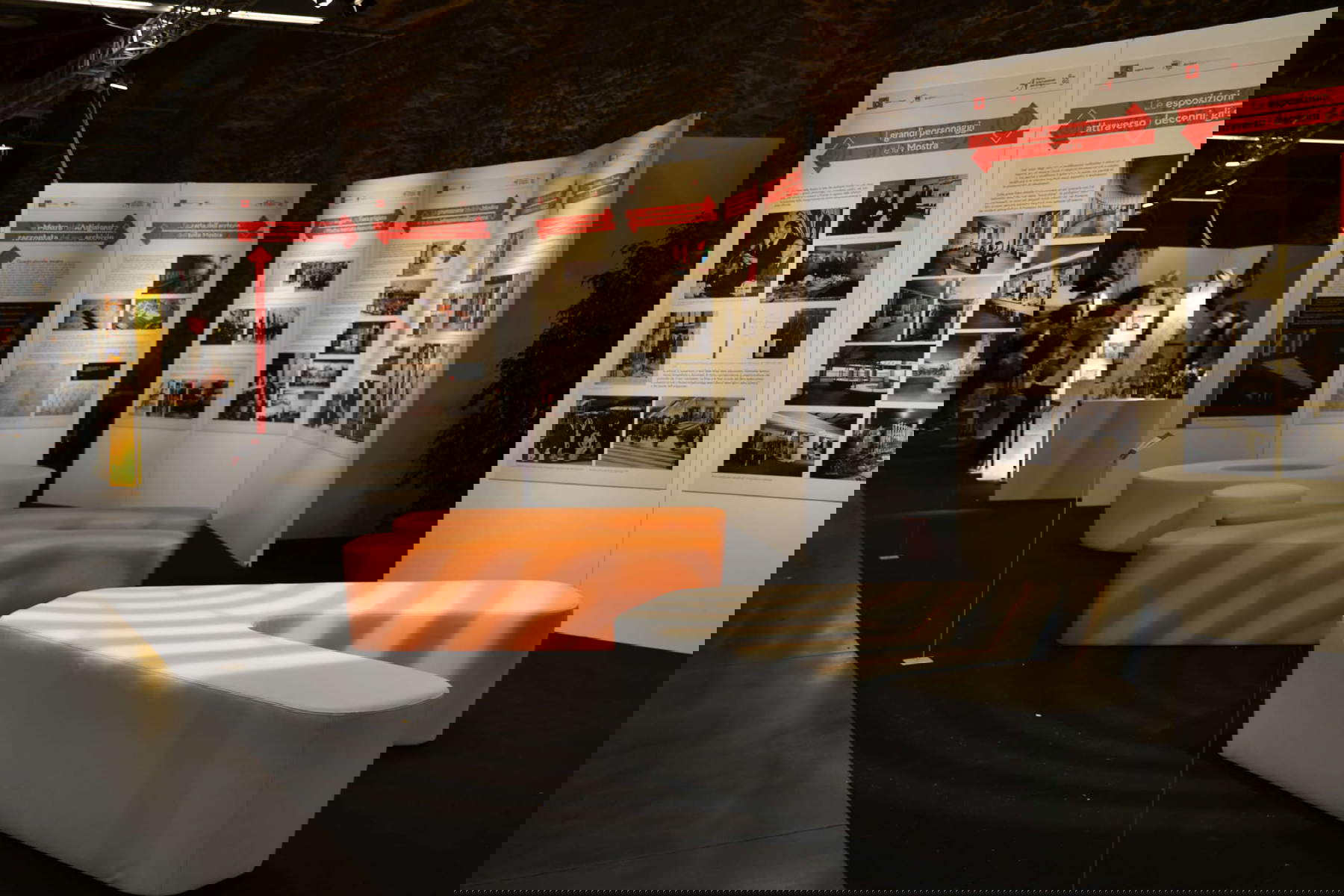
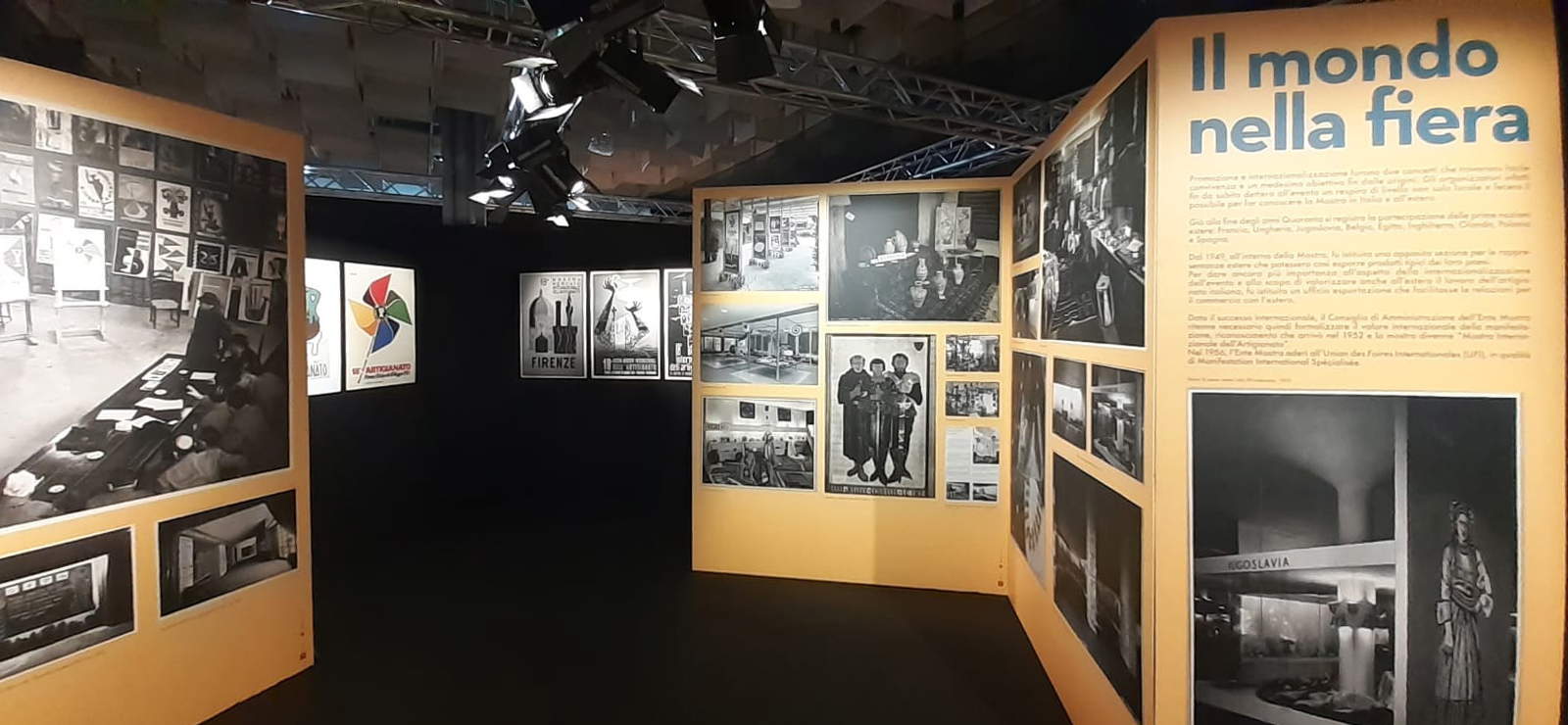
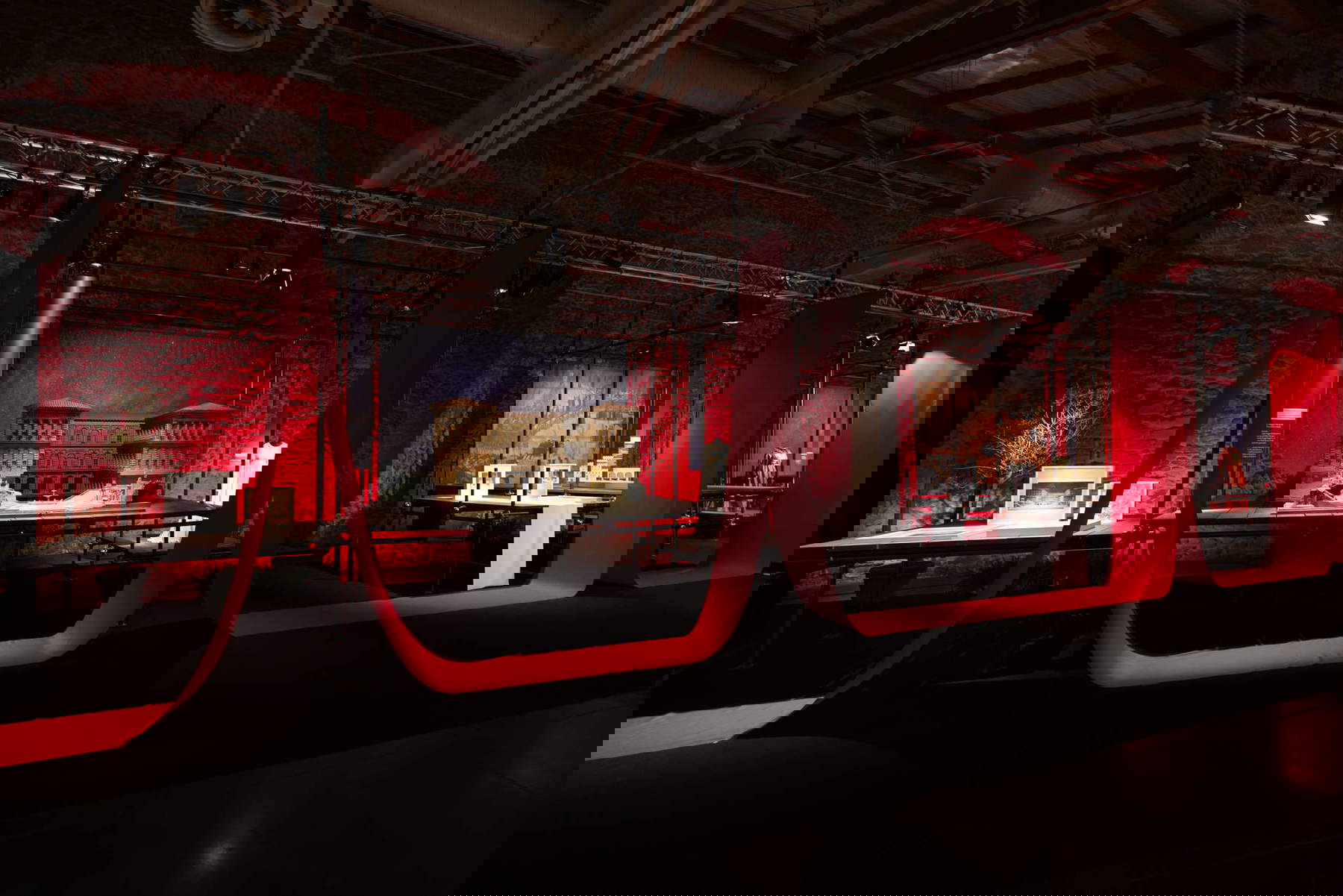
The craftsmanship exhibition, now in its 90th edition, is an important event. Already in 2016, on the occasion of the 80th anniversary, a first exhibition had been created, built from the materials preserved in the Historical Archives of the Tuscany Region. In the following years it was decided to continue along this line, adopting a recurring title, from time to time declined according to the contents and insights proposed. The current edition focuses precisely on the 90th anniversary of the event. The starting point remains the archival records kept in the historical archives of the Region of Tuscany, which form the basis for the historical reconstruction. The reading of these papers also inevitably orients the narrative setting of the exhibition, influencing the way in which the history of the event and, more generally, of craftsmanship is rendered. In 2022, an initial exhibition of a documentary nature, articulated through photographic and textual panels, had been created, tracing the entire chronological span from the first edition in 1931 to the 1980s. The current project, on the other hand, chooses to continue the narrative up to the present, focusing on the overall ninety years of the event through a different exhibition key. The decision was to organize the route into three major chronological sections, each corresponding to about thirty years of history. In this way the visitor, through the images selected from the rich photographic section of the archives, can grasp with immediacy the transformations that have occurred over time: the change in taste, the evolution of the exhibition venues, the variations in craft productions, and, more generally, the cultural and economic changes that have passed through the event. The history that emerges from the documents is an objective history, based on the sources, but its interpretation inevitably passes through the ideas, the choices of those who use the sources and through the ways in which it is told and presented. In this edition, the language chosen is that of large images, which can directly highlight the transformations of production, spaces and aesthetic sensibilities over time. These are flanked by short, essential texts focused on certain particularly important moments, with the aim of accompanying the reading without overloading it, letting the images above all restore the depth of historical change. To the images of the historical photographs, the archive speaks through other documents on display: the exhibition catalogs, posters, postcards, as well as the projection of two films, one taken from the Luce archives, the other made by the Region’s historical archives on fashion at the Craftsmen’s Show.
What is the document or archive core that most restores the transition from craftsmanship as a local tradition to an international phenomenon?
The part of the archive most immediately accessible to a general public is undoubtedly the photographic part, to which special attention is paid. It is a very vast heritage, consisting of thousands of images preserved from the 1930s until today. This section represents one of the most important nuclei of the archive also because it is easy to read for the contemporary public, which is increasingly accustomed to a visual rather than textual approach. Indeed, the image has a capacity for direct communication: it arouses immediate emotion, recalls memories and allows quick access to historical content without complex mediations. For these reasons, the photographic component is widely used in the exhibition itinerary. Alongside it, however, documentation of a more technical and administrative nature also makes it possible to reconstruct some fundamental steps in its evolution. From its origins, the Handicrafts Exhibition has turned its gaze to foreign countries and international craft productions. The decisive moment came in 1952, when it was decided to transform the nature of the Exhibition into an international one, and the event officially took on the name International Handicrafts Exhibition. This passage marks an important evolution, which consolidates the international vocation of the event and redefines its identity. From then until today, the structure of the exhibition reflects this approach. The exhibition spaces are divided between a section dedicated to foreign exhibitors and one reserved for Italian craftsmanship.
The Historical Archives of the Region of Tuscany collects materials spanning more than a century of history, from the Unification of Italy to the birth of the Region, and up to the present. How do we build a unified narrative from such a stratification of administrative, cultural and social memories, and what does the archive of the transformation of the territory and its institutions concretely give back today?
The historical archive of a large administration, such as the regional one, can be interpreted on several levels and according to different keys, depending on the different skills and purposes of those who consult it. It is a complex documentary system, born in a time well before the birth of the Region itself. Although the Region of Tuscany is a relatively young institution, established in the early 1970s in implementation of the Republican Constitution, it has in fact inherited by law a much older documentary heritage, produced by administrations, entities and offices that operated in the territory before its establishment. These entities include, for example, the Ente Mostra, which had been in operation for some forty years even before competence was transferred to the Region. Similarly, many other bodies have generated over time a documentary stratification that has now been brought together in the regional archives, which covers about thirty linear kilometers of documents and continues to be enriched, including through progressive digitization. This structure allows different ways of reading the archive. On the one hand, it is possible to follow a vertical perspective, linked to specific interests: the history of crafts, a territory, an institution or a social phenomenon. On the other, the archive can be understood in its organic and historical dimension, observing its formation, stratification and the ways in which documentation was produced, transferred and preserved over time. In this sense, the archive is a source for reading the administrative and social history of Tuscany. Through official acts, documents, images and heterogeneous materials, it is possible to reconstruct the ways in which the territory was governed, transformed and organized over time. One example is the detached section of Grosseto, where the historical archive of the Maremma land reform is preserved. Through this documentation one can follow a path from the Unification of Italy to the 1960s and 1970s, reconstructing the different phases of land reclamation and transformation of the territory. The story emerges of a profound transformation: that of the Maremma as it is known today, the result of successive interventions that radically altered the landscape and living conditions. The maps, together with photographs and documents produced by those who worked in that context, provide an understanding of a development that often, in contemporary perception, seems taken for granted and taken for granted, but is actually the result of complex and layered historical processes.
What is and what did the Ente Mostra deal with?
The Ente Mostra was established in 1938, in a historical context well before the birth of the Tuscany Region. In fact, the Craftsmen’s Exhibition was born even earlier as an initiative promoted by the confederations of artisans, who initiated its organization in defense of the guilds but registering considerable success right from the start. The growing importance of the event leads to the decision to establish a specific entity, with the task of managing the organization of the event in a structured way. The establishment of the Entity occurred during the Fascist era and was inevitably affected by the aims and logic of that period, including the needs for cultural, economic and identity propaganda. In spite of this context, the Ente’s main activity is consolidated precisely in the promotion of the Handicrafts Exhibition, with the aim of enhancing and disseminating Tuscan and Italian handicrafts nationally and internationally. This function remained central for several decades, until the birth of the Region of Tuscany, when competencies in craftsmanship were gradually transferred to the regional administration. In the mid-1970s the Ente Mostra was then divested and its functions, including the organization of the event, which until then had always been held at the Parterre in Florence, passed to the Region. In those same years the new venue at the Fortezza da Basso was designed and built. In particular, the large space designed by architect Pierluigi Spadolini becomes the centerpiece of the fair system of the city of Florence and continues to this day to represent its main exhibition center. This is the setting for the Mostra dell’Artigianato, along with numerous other events, fairs and meetings.
Today we often talk about artificial intelligence, automatic cataloging or intelligent digital archives. In your opinion, what role can technology play in the enhancement of a heritage such as that of the Mostra, without risking flattening the human dimension of archival research?
The ability to correctly interpret archival documents, together with knowledge of the historical context in which an event was born and developed, as well as of the ways in which an archive is formed and the responsibilities of the people who contribute to it, constitute an indispensable element in enhancing a complex documentary heritage such as this, even towards an external public. Today, thanks to the digital tools available, it is possible to greatly expand the ways in which these materials can be accessed and understood. In this sense, new technologies, including those based on artificial intelligence, can make a relevant contribution both in terms of dissemination and in terms of enhancing the information content of archives. The archives of the Tuscany Region, in fact, have already been largely catalogued, inventoried and digitized, with particular attention to the photographic component, precisely to make them accessible online to scholars, enthusiasts and citizens. In any case, advanced data analysis and processing tools could represent a further level of development. On the one hand, such systems can support a more articulate and dynamic description of individual documents; on the other, they can help relate materials held in different fonds, or found in different archives, even outside the institution. In this way, it could become relatively easy to build connections between documents concerning craftsmanship, the economy, the history of fairs, the history of Florence and, more generally, the multiple fields that can be investigated from a documentary heritage of this kind. This opens up the possibility of integrating the archives with other information systems and digital platforms.
In light of the sources preserved in historical archives, what does Italian craftsmanship tell the world today and what do we risk losing if we stop reading it through its archives?
Having the opportunity to study a historical archive that documents the birth, development and transformations of the world of craftsmanship means having a wealth of information of great value. It is a condition that allows one to acquire a deeper awareness with respect to what is being observed, an awareness that cannot emerge without systematic study work on historical sources and processes. In the absence of this perspective, the risk is to reduce craftsmanship to an abstract dimension, disconnected from the concrete reality in which it is situated. We thus end up describing it only through general categories such as beauty, quality of manual labor or refinement of taste, elements that are certainly relevant but not sufficient to restore its complexity. Handicrafts, on the contrary, is a concrete economic sector that lives by production dynamics, historical transformations and precise material conditions. For this reason it also needs to be supported through knowledge of its history. Indeed, the historical dimension makes it possible to identify moments of crisis and growth, to recognize features to be enhanced, and to understand elements that have required adaptation or revision over time. In this sense, archives serve not only to return an aesthetic or celebratory narrative. They also make it possible to read the economic-productive component of craftsmanship, which is an equally important aspect of it. Through documentation, it is possible to observe how production processes evolved, how markets changed and what transformations affected the different commodity sectors. An example of this approach was taken in the 2023 exhibition, when the choice was made to compare historical products documented in the photographs in the regional archive with those made today by artisans belonging to the same commodity categories. The comparison made it possible to highlight continuity and discontinuity, transformations in taste and techniques, but also elements of persistence that cross time. In this perspective, the archive becomes an instrument of knowledge that tells the story of the beauty of craftsmanship, but above all, restores its real complexity.
Warning: the translation into English of the original Italian article was created using automatic tools. We undertake to review all articles, but we do not guarantee the total absence of inaccuracies in the translation due to the program. You can find the original by clicking on the ITA button. If you find any mistake,please contact us.