





Artemisia Gentileschi’s*Annunciation*, on loan from the Capodimonte Museum and Royal Park, will be the Masterpiece for Milan 2026. The work will be on view at the Carlo Maria Martini Diocesan Museum in Milan from October 27, 2026, to January 31, 2027, in an exhibition curated by Mario Epifani, curator of the 17th-century paintings and sculptures department at the Capodimonte Museum and Royal Park, and by Nadia Righi.
The exhibition is made possible with the support of the Bracco Foundation, the initiative’s main partner, which also funded a campaign of scientific analyses of the work. Other participants include sponsors Eni and the Monte di Lombardia Foundation, as well as supporters Gi Group Holding, the Rocca Foundation, Manageritalia Lombardia, and Perelli Consulting; Trenord is the exhibition’s travel partner.
Dated 1630, as indicated by the cartouche in the lower right corner, and painted in oil on canvas,the Annunciation is the first known work by Artemisia Gentileschi (Rome, 1593 – Naples, after 1653) , following her arrival in Naples around 1629 after her stay in Venice. The large-scale painting (257 × 179 centimeters) is considered one of the most significant examples of the artist’s full maturity, reflecting the experiences she gained in Rome, Florence, Venice, and finally in Naples. The original intended use of the canvas, however, remains uncertain: its format suggests an altarpiece, although it cannot be ruled out that it was intended for a private chapel. The work entered the collections of what was then the Royal Bourbon Museum in 1815.
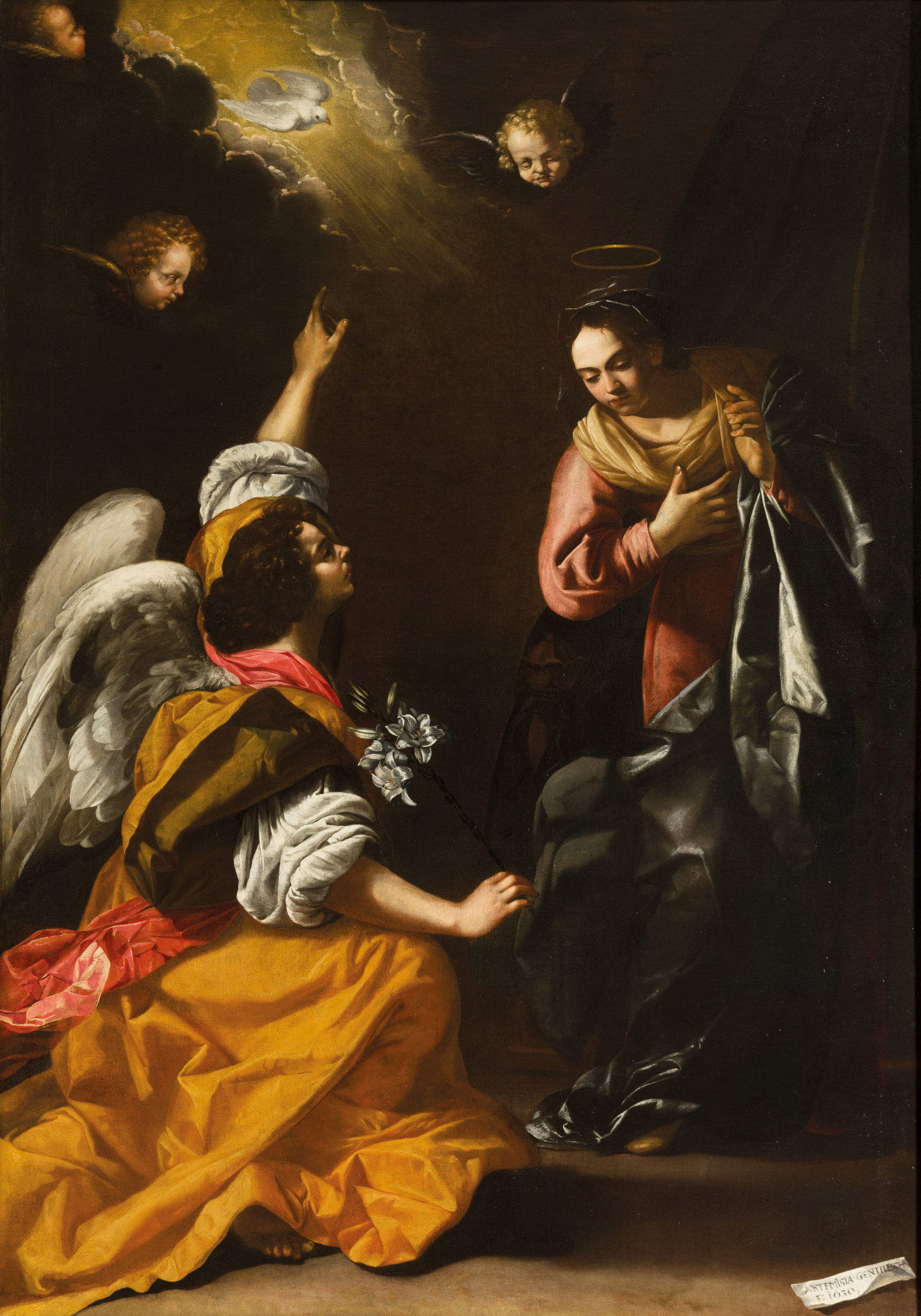
The composition is built on a strong contrast of light that makes the monumental figures of the archangel and the Virgin stand out against a dark background reminiscent of Caravaggio. The supernatural light surrounding the dove of the Holy Spirit pierces the clouds and bathes Mary, while gestures, colors, and the play of light combine to create an intense emotional focus.
Stylistically, the work echoes the altarpieces dedicated to the same subject painted by his father, Orazio, for Genoa and Turin. Also evident are the influences of the French Caravaggists she encountered in Rome, particularly Simon Vouet, alongside early developments in Neapolitan painting, especially that of Massimo Stanzione, an exponent of moderate naturalism. Finally, the sumptuous silk drapery enveloping the protagonists reflects the influence of Nicolas Régnier, whom Artemisia had met during her stay in Venice.
On the occasion of the exhibition, the results of a campaign of non-invasive diagnostic investigations—sponsored by the Bracco Foundation in collaboration with DeepTrace Technologies, the University of Milan-Bicocca, the University of Milan, and the “La Venaria Reale” Foundation for the Conservation and Restoration of Cultural Heritage. The analyses will provide new data on the painting techniques and materials used by the artist. A catalog published by Dario Cimorelli Editore will accompany the exhibition.
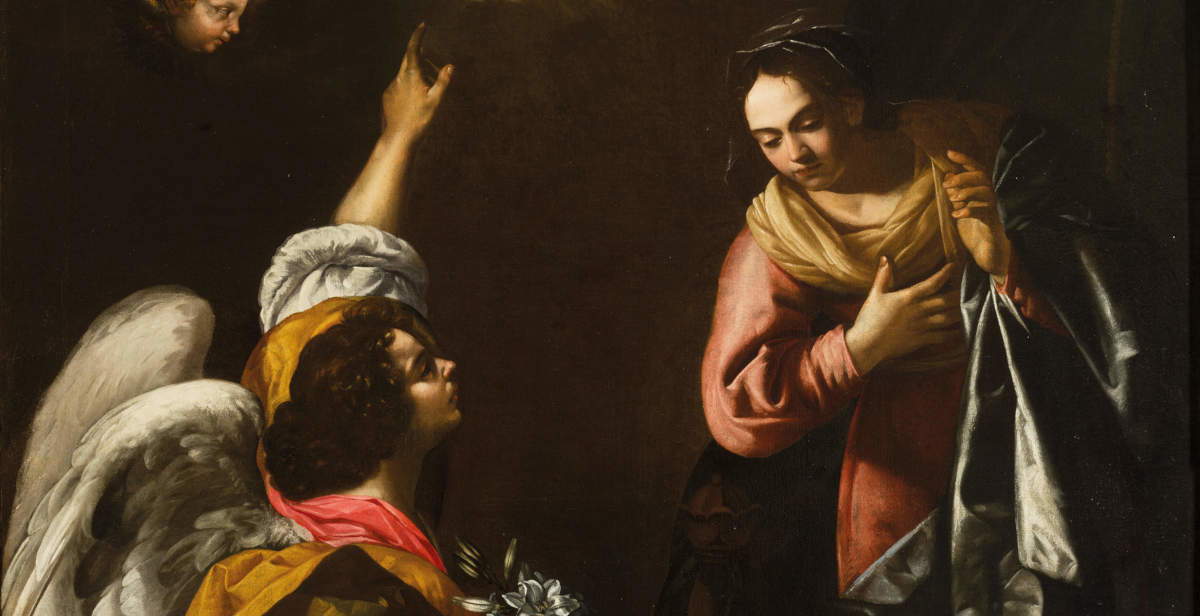 |
| Artemisia Gentileschi’s *The Annunciation* is the Masterpiece for Milan 2026 |

Warning: the translation into English of the original Italian article was created using automatic tools. We undertake to review all articles, but we do not guarantee the total absence of inaccuracies in the translation due to the program. You can find the original by clicking on the ITA button. If you find any mistake,please contact us.



















 IT
IT FR
FR DE
DE ES
ES CN
CN


