




Forli is preparing to host an exhibition dedicated to the Baroque. From February 21 to June 28, 2026, the San Domenico Civic Museum will host Baroque. The Grand Theater of Ideas, an exhibition that will feature about 200 masterpieces from such internationally renowned institutions as the Albertina in Vienna, the Museo del Prado in Madrid, the Vatican Museums, the Gallerie Nazionali di Arte Antica in Rome, the Uffizi in Florence and the Museo e Real Bosco di Capodimonte in Naples. The exhibition, organized by the Fondazione Cassa dei Risparmi di Forlì, will offer the public an itinerary that connects the 17th century with the 20th century, proposing a dialogue between two distant but intimately linked eras.
The Baroque, a cultural phenomenon spanning the seventeenth century, is characterized by its restless form, alternating rhythm, unruliness and exaltation of celebration, configuring itself as a theater of existence. It is in this context that modern science and the primacy of consciousness are born, elements that help delineate the coordinates of our modernity. The exhibition aims to return a comprehensive view of Baroque culture, analyzing the role of Rome and the European courts, the protagonists who shaped its forms, the patronage that supported its development and the strategies of representation of power that determined its evolution. The exhibition will start from the confrontation with the depiction of drama in the Hellenistic age and the spatial experiments of late Mannerism, moving on to Caravaggio’s radical realism, which focuses attention on a more intimate dimension. Rome, the fulcrum and cradle of the Baroque season, constitutes the starting point of a narrative that then extends to Europe, following the spread of the Baroque language and the evolution of the international political context, with particular attention to the second half of the seventeenth century.
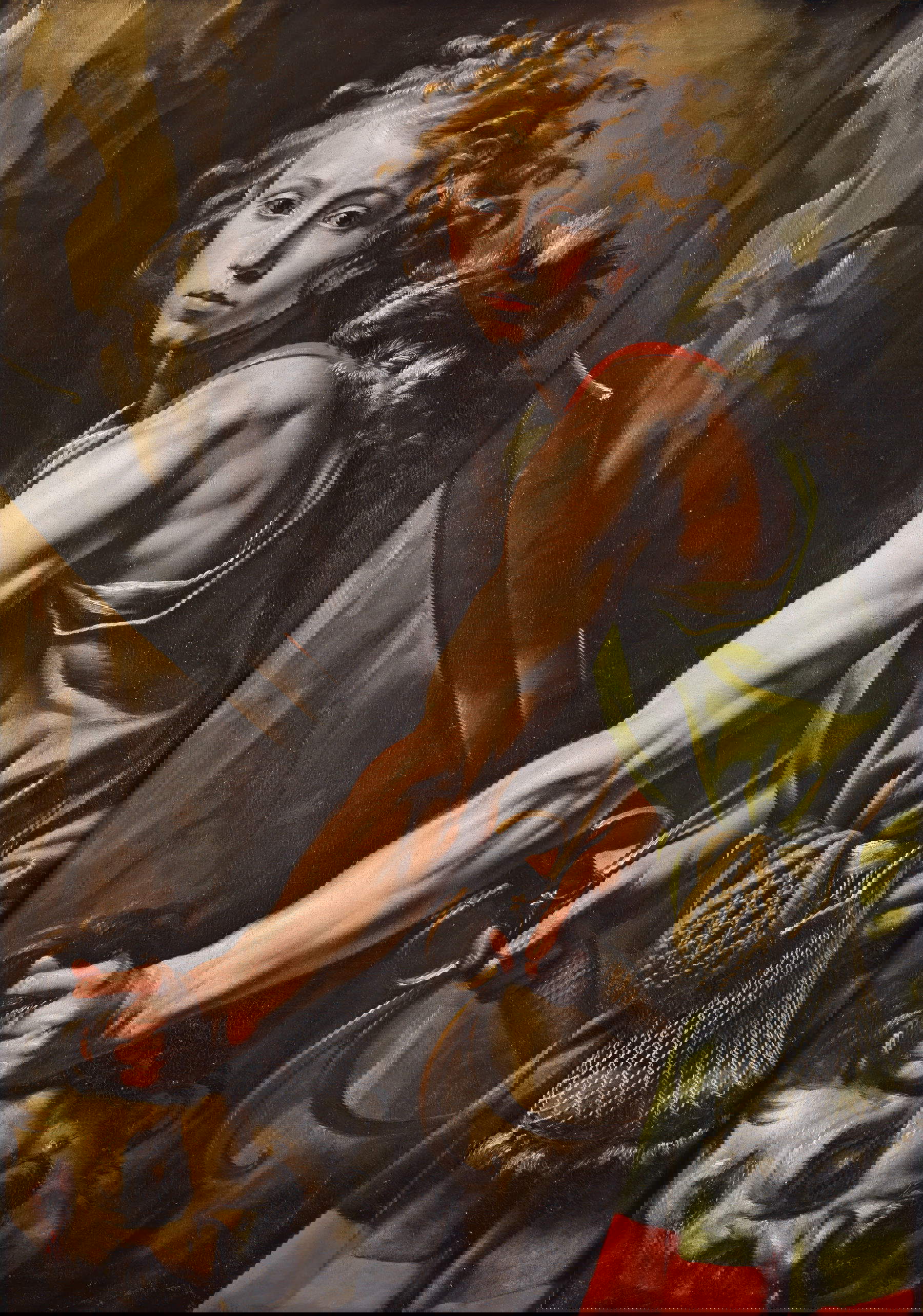
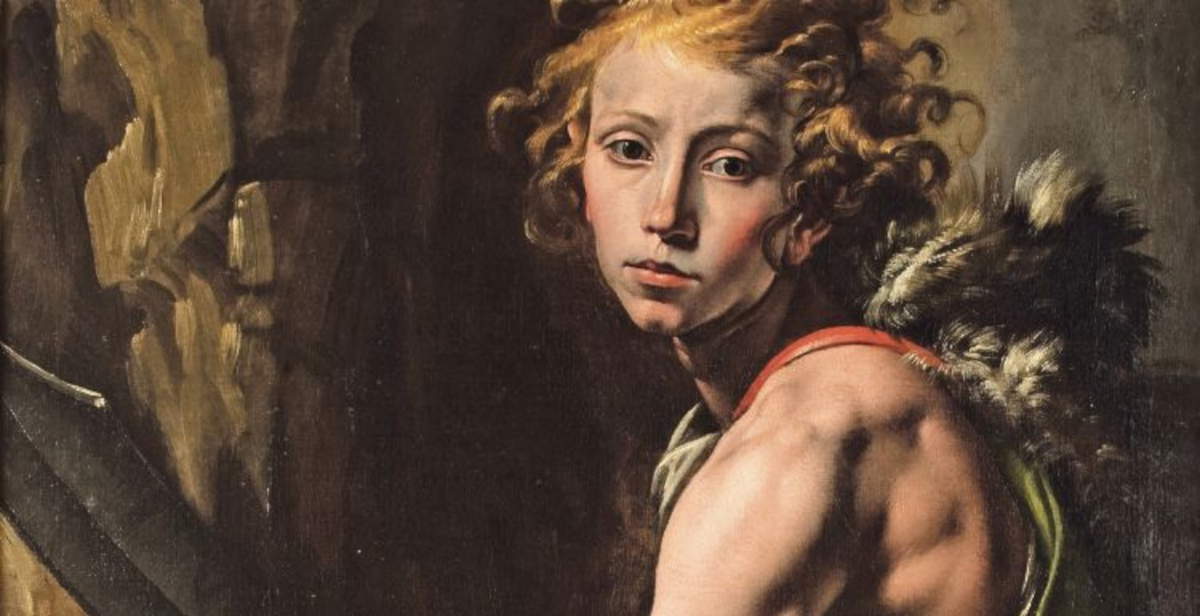
Masterpieces by artists who defined the Baroque and determined its language will be on display: Gian Lorenzo Bernini, Francesco Borromini, Pietro da Cortona, the two Gentileschi, Luca Giordano, Guercino, Guido Reni, Van Dyck, Andrea Pozzo, Nicolas Poussin, Peter Paul Rubens and Francisco de Zurbarán. The selection also includes works documenting the 20th-century rediscovery of the Baroque, from Vienna to Dresden to Italy in the 1930s, highlighting the influence of this season on the artistic revolution of the early 20th century. The tour continues with works by Lovis Corinth, Francis Bacon, Giovanni Boldini, Giorgio de Chirico, Lucio Fontana, Giuseppe Ducrot, Fausto Melotti, and Umberto Boccioni. These works offer a novel perspective on the dialogue between two distant but connected eras, showing how the formal and existential restlessness of the Baroque found resonances in modern artistic research. The exhibition is divided into ten sections set up in the spaces of the Museo Civico San Domenico, guiding visitors through a journey that starts from the ancient and reaches contemporary expressions.
The exhibition also analyzes the function of patronage and collections, fundamental tools for understanding the expansion and spread of this artistic language. The Baroque is configured as an invigorating fever involving princes and sovereigns, stimulating the renewal of visual arts, literature, urban planning and architecture. Baroque. The Grand Theater of Ideas thus represents an opportunity for the public and scholars alike, highlighting the complexity of the Baroque season and its impact on European art history. The exhibition confirms the role of the San Domenico Civic Museum as a major cultural center, capable of hosting exhibitions of international scope and providing tools for in-depth analysis of the artistic heritage. The exhibition itinerary, combining historical and modern works, returns a complete picture of the continuity of formal research and aesthetic tensions that run through the history of art, offering a rich and articulate experience to visitors of all ages.
 |
| Baroque in Forlì: 200 masterpieces between the 17th and 20th centuries at the San Domenico Museum |

Warning: the translation into English of the original Italian article was created using automatic tools. We undertake to review all articles, but we do not guarantee the total absence of inaccuracies in the translation due to the program. You can find the original by clicking on the ITA button. If you find any mistake,please contact us.





















 IT
IT FR
FR DE
DE ES
ES CN
CN


