




by Redazione 19/06/2026



Categories: Exhibitions / Disclaimer
From Botticelli to Michelangelo, from Titian to Dürer, an exhibition at the Gallerie d’Italia in Milan explores the relationship between beauty and ugliness in the Renaissance.

From July 10 to October 18, 2026, the Gallerie d’Italia in Milan will host the exhibition *Beauty and Ugliness: Ideal, Real, and Caricatural in the Renaissance*, curated by Chiara Rabbi Bernard in collaboration with Bozar – Bozar-Centre for Fine Arts Brussels.

The exhibition aims to explore the relationship between Beauty and Ugliness from the late 15th to the 16th century, analyzing how these two aesthetic categories—which have always been closely intertwined—took on new meanings during the Renaissance. While in the early Renaissance the concept of beauty continued to be based on the classical ideal, ugliness was generally interpreted as a deviation from these ideal models. At the same time, however, a growing interest in the realistic representation of true nature emerged. In the sixteenth century, the role of the artist underwent a profound change. Art gradually broke free from the mere imitation of nature, andartifice became an autonomous creative tool, capable of reinventing, transforming, and even distorting Nature. In this context, beauty and ugliness ceased to be rigidly opposed categories and began to engage in an increasingly complex dialogue.


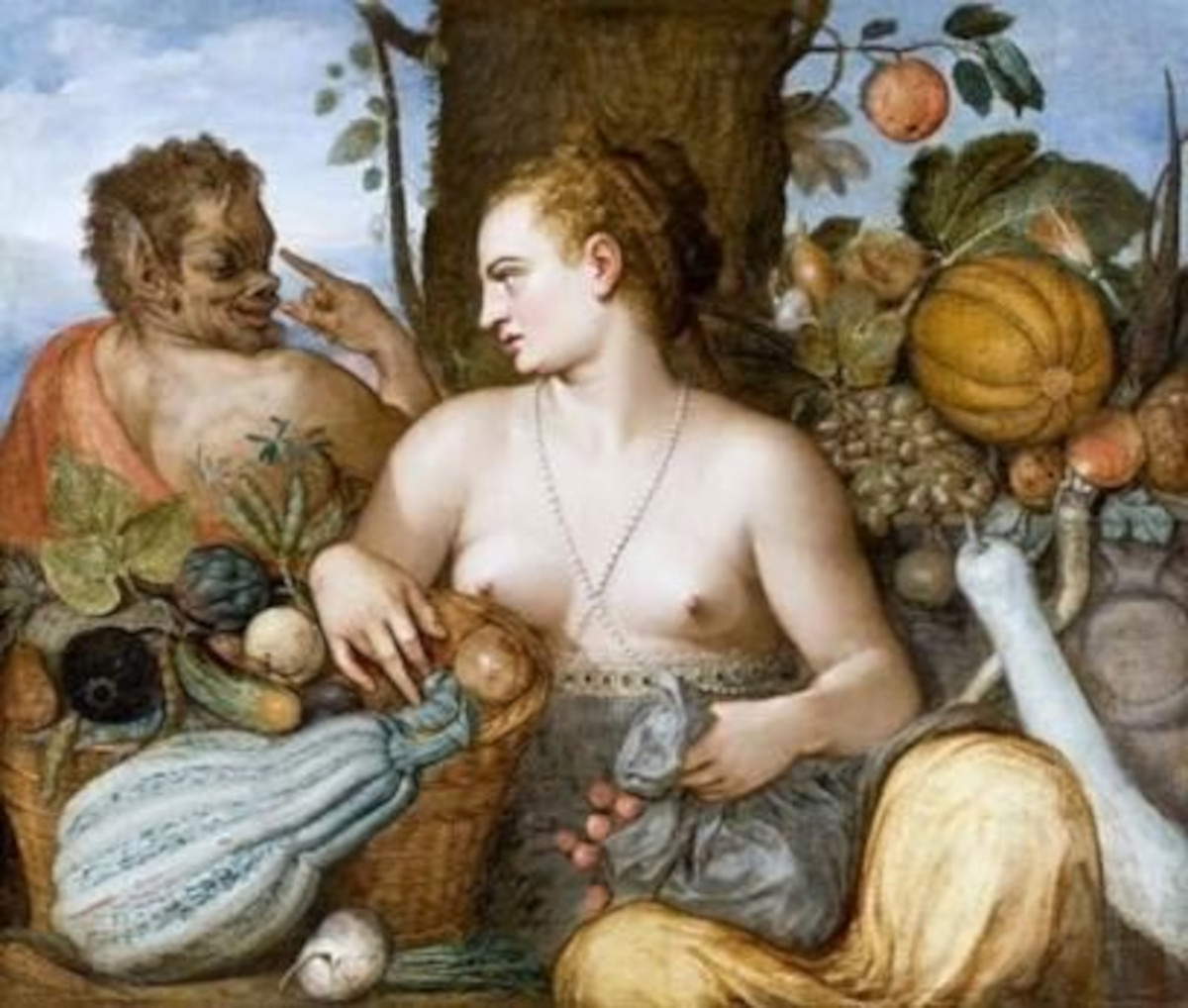
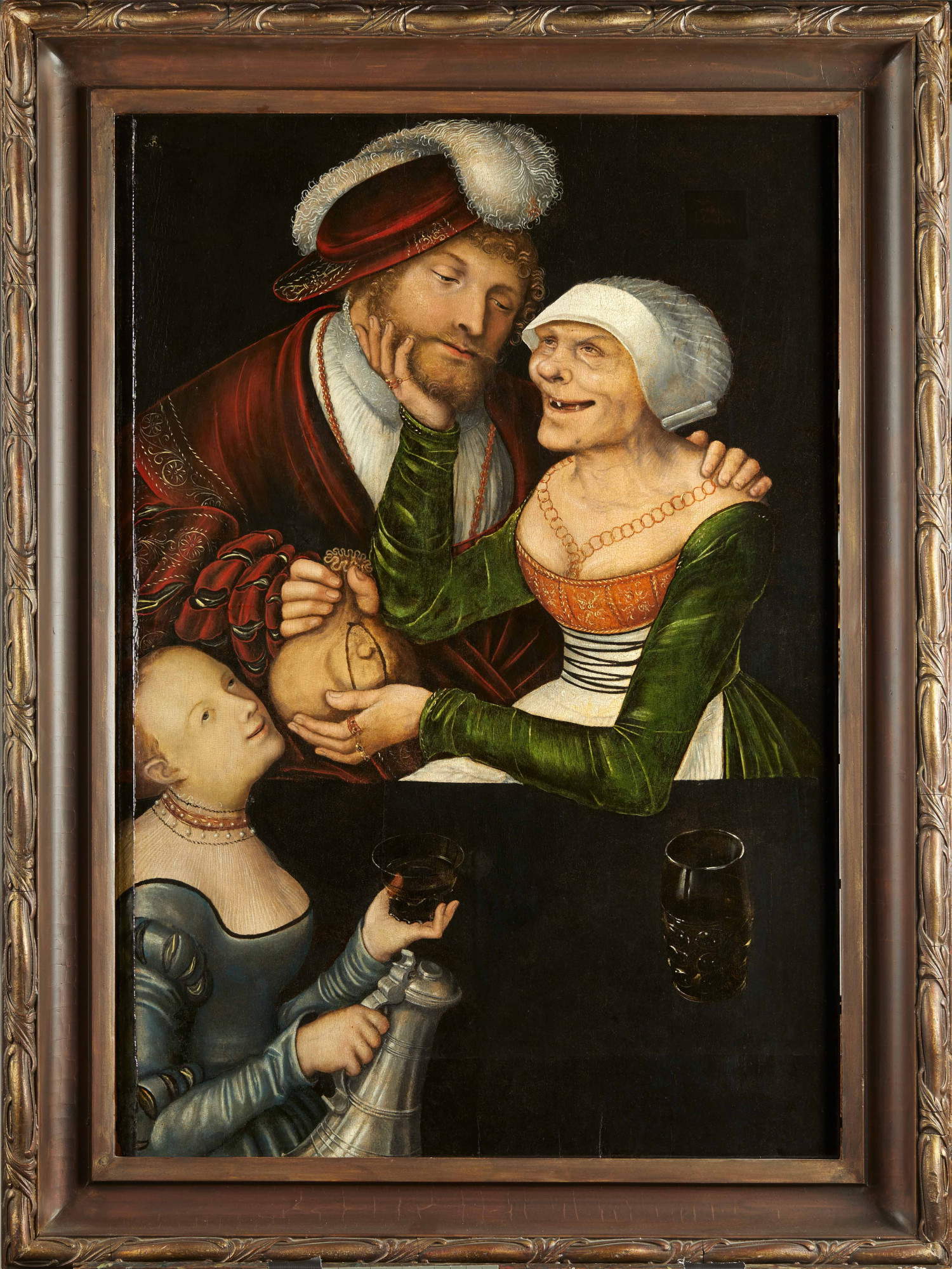
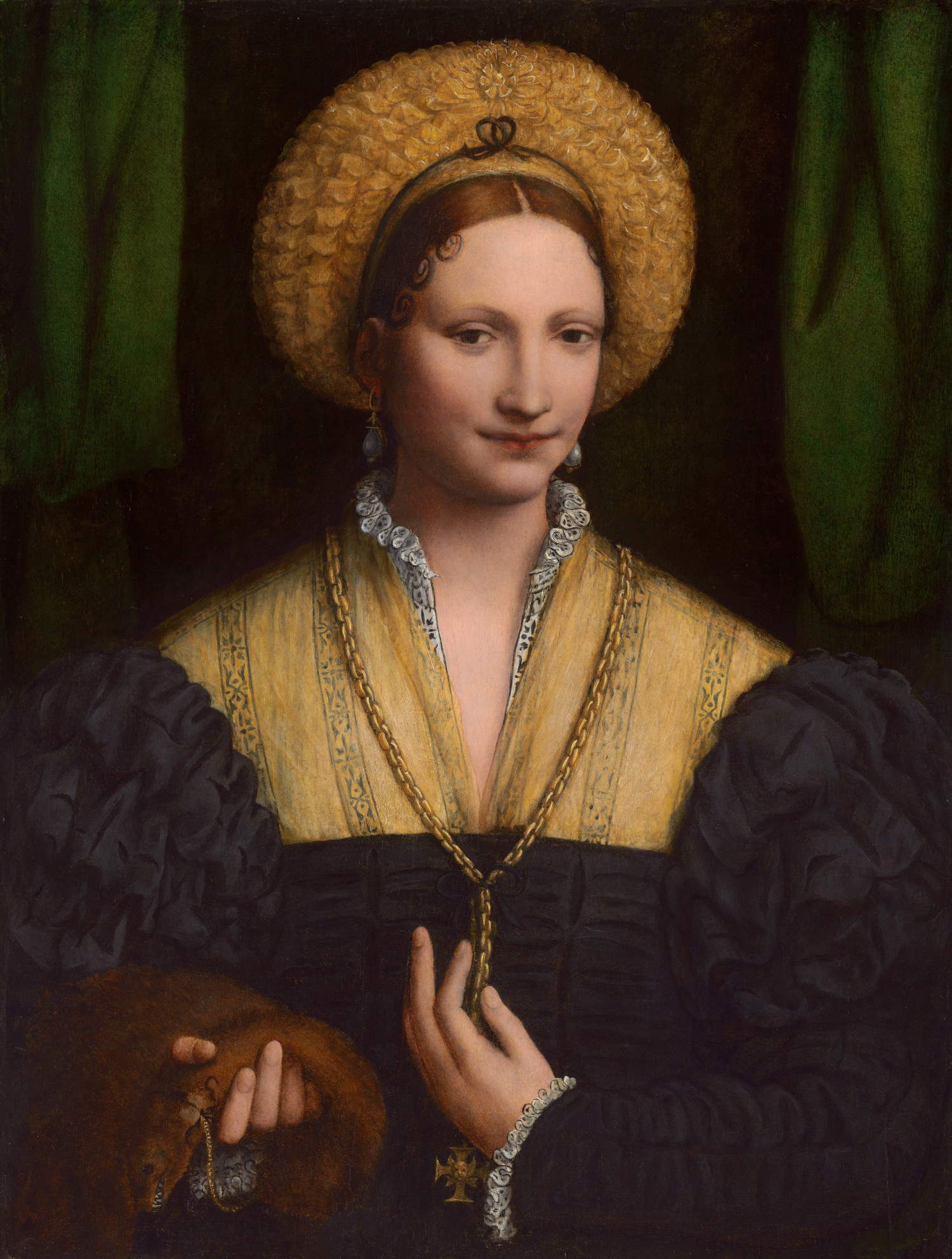
Through works by great masters such as Sandro Botticelli, Michelangelo Buonarroti, Titian Vecellio, Albrecht Dürer, and Lucas Cranach, the exhibition compares Italian figurative art with that of Northern Europe—particularly the Flemish tradition—highlighting similarities and differences in taste and style.
The exhibition unfolds through a series of themes ranging from the legacy of antiquity to realistic portraiture, from figures of muses and monsters to grotesque and caricatural images. Particular attention is given to art’s ability to transform flaws, anomalies, and deformities into expressive tools endowed with their own aesthetic power.
The exhibition concludes with a reflection on the coexistence of beauty and ugliness within the same image—a concept that, in the height of the sixteenth century, led to the recognition of artistic value even in what appears imperfect or disharmonious. It is within this perspective that the idea of “beautiful ugliness” takes shape—an idea capable of transcending traditional aesthetic oppositions and broadening the very concept of beauty.
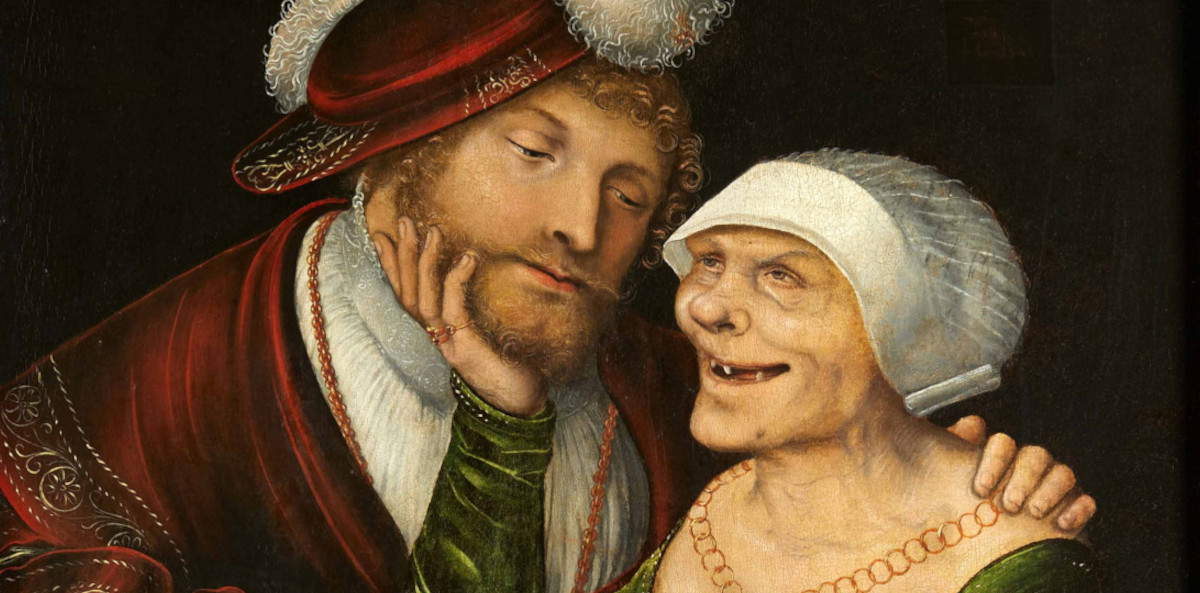 |
| Beauty and Ugliness in the Renaissance: An Exploration of the Ideal and the Caricature at the Gallerie d'Italia in Milan |
Warning: the translation into English of the original Italian article was created using automatic tools. We undertake to review all articles, but we do not guarantee the total absence of inaccuracies in the translation due to the program. You can find the original by clicking on the ITA button. If you find any mistake,please contact us.