



by Redazione 17/06/2026



Categories: Exhibitions / Disclaimer
Palazzo Cucchiari is hosting an exhibition titled *Le Signore dell’Arte*, featuring 131 works by 42 Italian female artists from the 19th and 20th centuries. The exhibition explores the role of women in art and the influence of family relationships on their professional success.

After dedicating its previous exhibition seasons to the sea, the 20th century, the Belle Époque, and games, the galleries of Palazzo Cucchiari in Carrara are reopening to present an exhibition for the summer and fall of 2026 that focuses on recognizing the role of women in the development of Italian artistic modernity. From June 27 to October 25, visitors can explore *Le signore dell’arte. La parità del talento nell’arte italiana moderna*(The Ladies of Art: Equality of Talent in Modern Italian Art), an exhibition curated by Massimo Bertozzi and sponsored by the Giorgio Conti Foundation. The exhibition presents a comprehensive exploration of female artists active between the mid-19th and mid-20th centuries—a period marked by profound social, cultural, and professional transformations that substantially altered the status of women. Through a comprehensive itinerary featuring 131 works—including paintings and sculptures—by 42 female artists, the exhibition aims to help dispel certain clichés still deeply rooted in the narrative of art history, restoring full prominence to figures who have often remained in the shadows compared to their male counterparts. Alongside the works by the female artists, the exhibition also includes three paintings by Giacomo Balla and four works by Felice Casorati, whose presence helps enrich the cultural and artistic context within which the careers of the artists featured in the exhibition unfolded.
At the heart of the project is the desire to offer a “gender-based” perspective on the history of modern Italian art. The goal is not only to highlight the work of artists often overlooked by traditional art history, but also to analyze the role that family relationships played in their artistic development, in the formation of their professional identities, and in the recognition of their talent. Many of the artists featured in the exhibition were, in fact, daughters, wives, sisters, or partners of famous artists. This circumstance, while in some cases facilitating their access to artistic training, often also contributed to relegating their work to a subordinate position relative to that of the men within their own family circles.


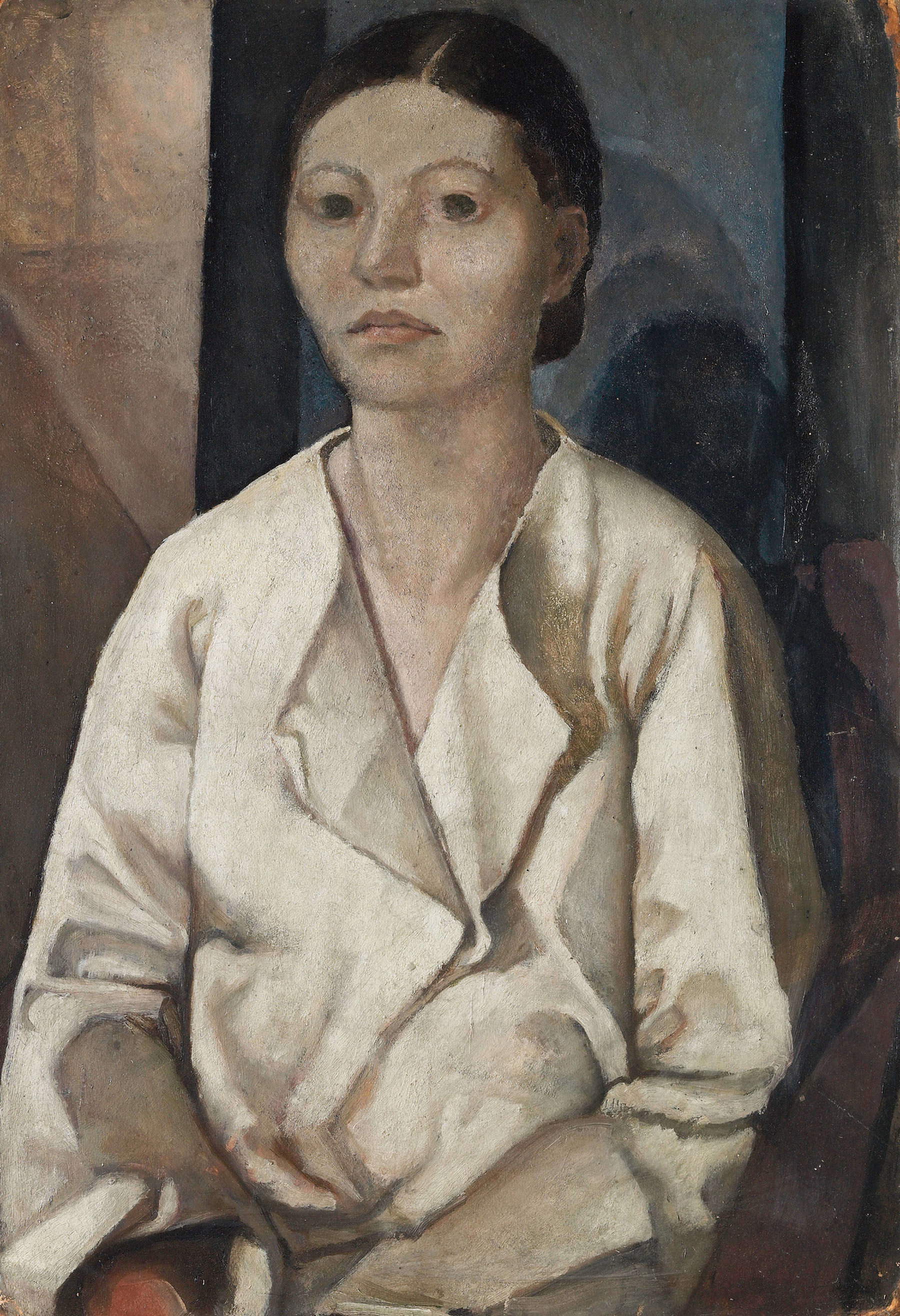
The exhibition therefore aims to bring these figures back into the spotlight, presenting them not as supporting characters in the history of Italian art but as independent protagonists, endowed with original artistic languages and a full expressive awareness. Through the interweaving of their personal and professional stories, a collective narrative emerges that recounts the slow but steady conquest of spaces of freedom and self-affirmation within a cultural system traditionally dominated by men.
The loaned works come from institutions such as the Quirinale, the Chamber of Deputies, the Bank of Italy, the Uffizi Galleries in Florence, the National Gallery of Modern Art in Rome, the Sabauda Gallery in Turin, and the Leonardo da Vinci National Museum of Science and Technology in Milan. Thanks to these contributions, the public will have the opportunity to admire works rarely exhibited together and to follow a journey that spans many of the major artistic movements that developed in Italy between the 19th and 20th centuries.
Among the figures to whom the exhibition devotes particular attention is Antonietta Raphael, an artist of Lithuanian origin who became a naturalized Italian citizen and a leading figure in 20th-century figurative art. The wife of Mario Mafai and one of the founders of the Roman School alongside Mafai himself and Scipione, Raphael represents one of the most significant examples of an artist capable of asserting an independent identity even within an environment dominated by strong male personalities. A painter and later a sculptor of European stature, Antonietta Raphael was described by Cesare Brandi as “the only Italian female sculptor.” On view is *Mario in the Studio (Homage to Mafai)*, a painting created in 1966 that serves both as a personal tribute and a reflection on the relationship between art and shared life.
Another important section of the exhibition is dedicated to Adriana Pincherle. Born into a family of great cultural prominence, sister of the writer Alberto Moravia and wife of the painter Onofrio Martinelli, Pincherle developed an artistic career strongly influenced by Post-Impressionism and, in particular, by the teachings of Henri Matisse, to whom she remained faithful throughout her career. The exhibition features her 1932 Self-Portrait, on loan from the Uffizi Galleries, one of the most significant works of her career. Alongside this painting, a portrait of her husband, Onofrio Martinelli, will also be on display, offering visitors the opportunity to explore the dialogue between her private life and her artistic practice that characterized her work. Far from the high-society salons of Rome at the time, Adriana Pincherle chose to move to Florence, pursuing an independent and personal artistic path.
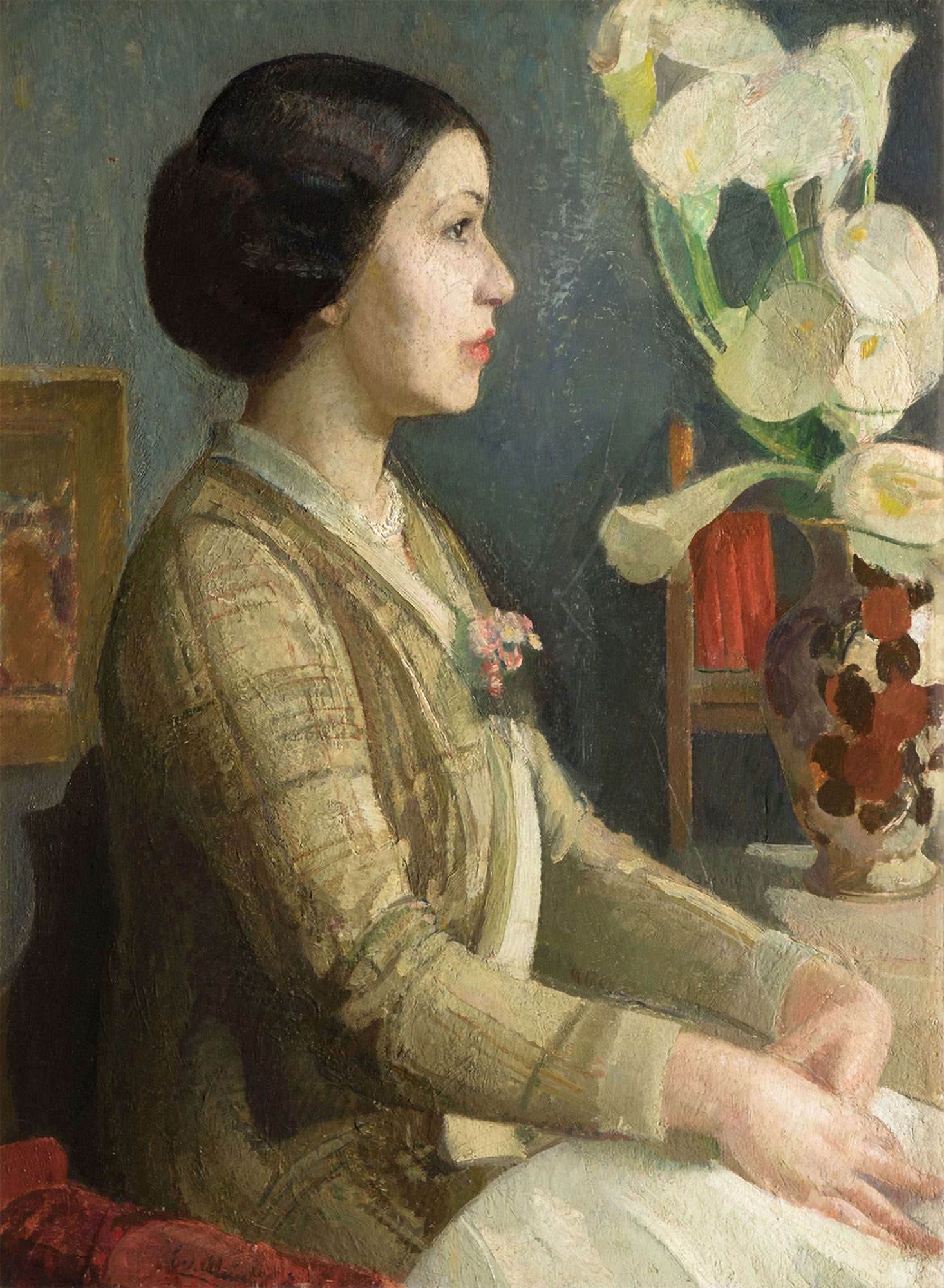
Among the exhibition’s featured artists, Leonor Fini also stands out as an extraordinarily complex and nonconformist figure. Born in Buenos Aires in 1907, Fini was a painter, set designer, costume designer, and writer, as well as being considered the only authentic Italian exponent of Surrealism. Her artistic career unfolded in stark contrast to the dominant trends of 20th-century Italian art. After moving to Paris, Leonor Fini found in the French capital the ideal environment to express creativity free from convention and became one of the leading figures of the European cultural scene in the second half of the century. The work chosen to represent her in the exhibition is *Portrait of the Young Writer André de Mandiargues*, a testament to a romantic relationship the artist experienced in 1932 and, at the same time, a significant example of her refined psychological and narrative sensibility.
The exhibition runs from June 27 to September 13, 2026, Tuesday through Thursday and Sunday from 9:30 a.m. to 12:30 p.m. and 4:00 p.m. to 8:00 p.m., Fridays and Saturdays from 9:30 a.m. to 12:30 p.m. and 4:00 p.m. – 11:00 p.m., and from September 15 to October 25, 2026, Tuesday through Sunday from 9:30 a.m. to 12:30 p.m. and 3:00 p.m. to 8:00 p.m. Closed on Mondays. Special opening hours: Thursday, September 10, 2026, from 9:30 a.m. to 12:30 p.m. and 4:00 p.m. to 11:00 p.m. From October 20 to 25, 2026, early opening at 2:30 p.m. Tickets: full price €12.00, reduced price €10.00; free for young people up to age 18, people with disabilities, and journalists with a national press card.
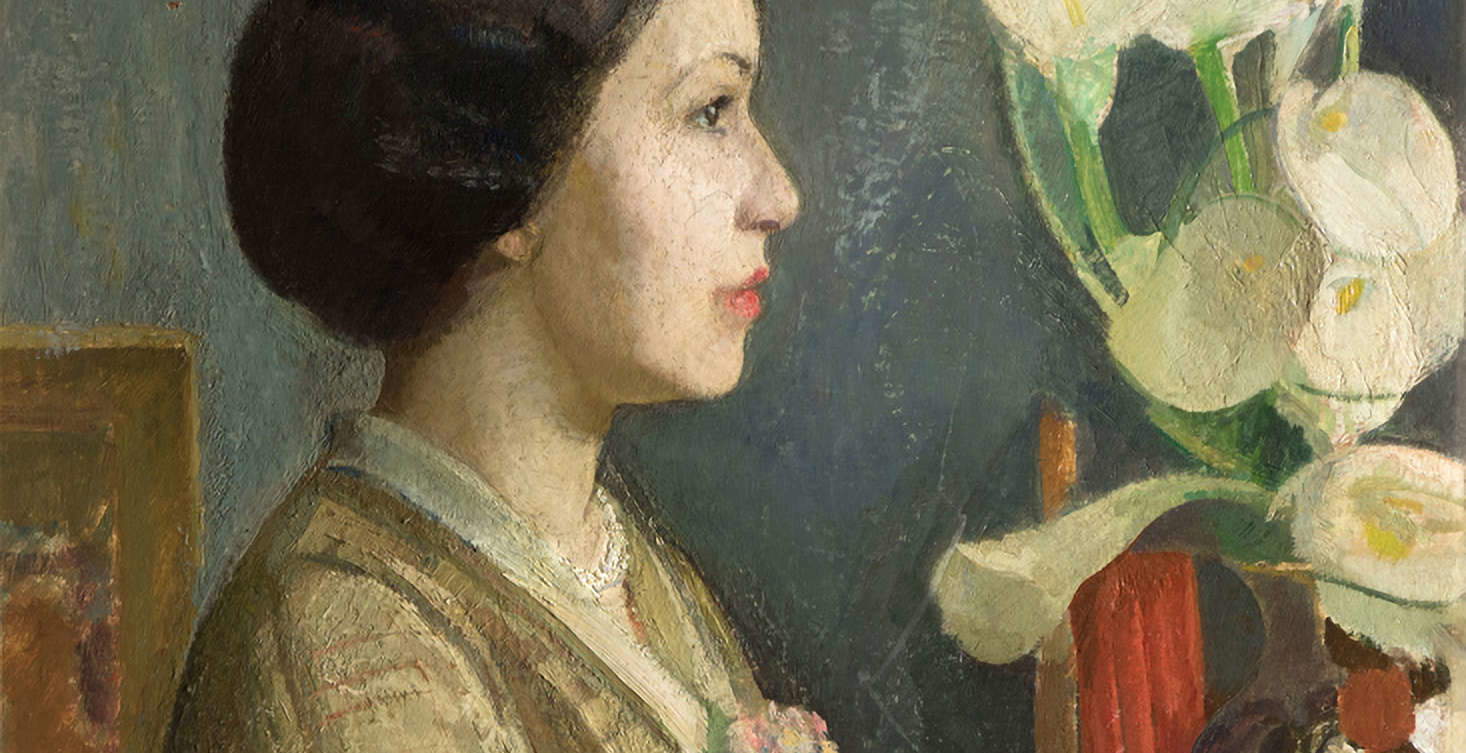 |
| Carrara: "The Ladies of Art," an exhibition at Palazzo Cucchiari featuring female artists from the 19th and 20th centuries |
Warning: the translation into English of the original Italian article was created using automatic tools. We undertake to review all articles, but we do not guarantee the total absence of inaccuracies in the translation due to the program. You can find the original by clicking on the ITA button. If you find any mistake,please contact us.