




by Redazione 07/07/2026



Categories: Exhibitions / Disclaimer
From October 14, 2026, to March 7, 2027, Palazzo Blu will present a major exhibition dedicated to Edward Hopper, organized by the Whitney Museum of American Art in New York in collaboration with MondoMostre. The exhibition traces the artist’s entire career through paintings, drawings, prints, and archival materials.

From October 14, 2026, to March 7, 2027, Palazzo Blu in Pisa will host the exhibition “Edward Hopper,” an international exhibition dedicated to one of the leading figures in 20th-century American painting, Edward Hopper (Nyack, 1882 – Manhattan, 1967). The project, sponsored by the Fondazione Palazzo Blu, is organized by the Whitney Museum of American Art in New York in collaboration with MondoMostre and with the support of Fondazione Pisa. The exhibition is curated by Kim Conaty, Nancy and Steve Crown Family Chief Curator at the Whitney Museum of American Art, and Barbara Haskell, a curator at the same museum.
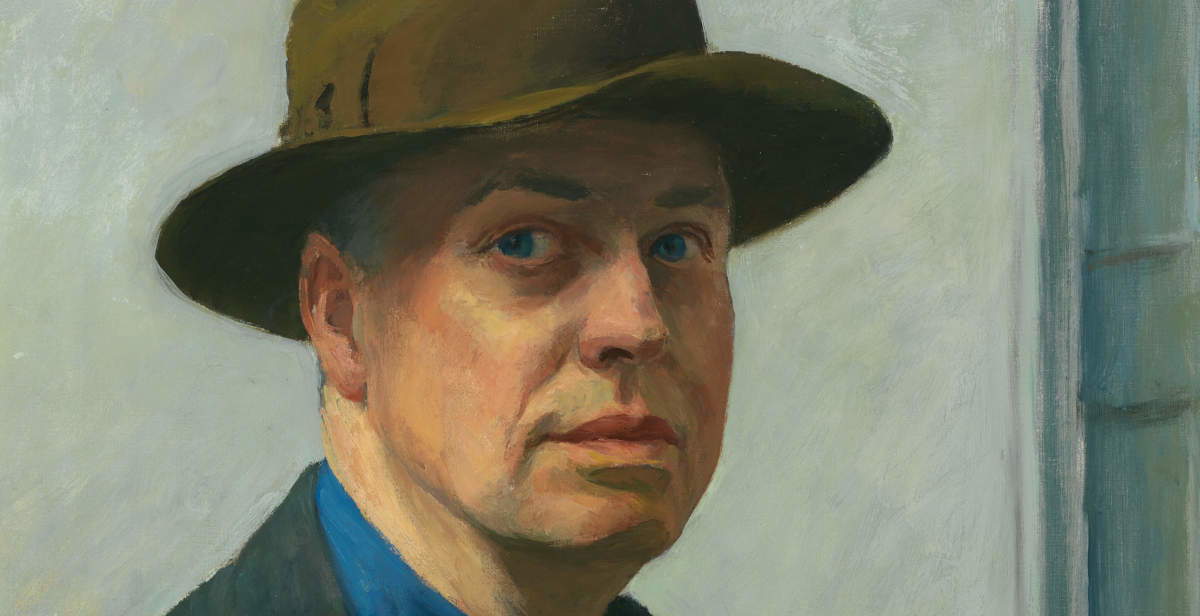
The exhibition offers a journey through the entire career of Hopper, an artist who profoundly influenced the representation of modernity, urban life, and the American landscape in contemporary art. The exhibition brings together over 150 works from the collections of the Whitney Museum of American Art, including oil paintings, drawings, etchings, watercolors, and other works that document the various phases of the artist’s creative development.
Alongside Hopper’s works, the exhibition also features comparative works by his contemporaries and materials from the Sanborn Hopper Archive, which the Whitney Museum acquired about ten years ago. The archive includes documents, photographs, correspondence, diaries, and printed ephemera that shed light on lesser-known aspects of the artist’s life and creative process.


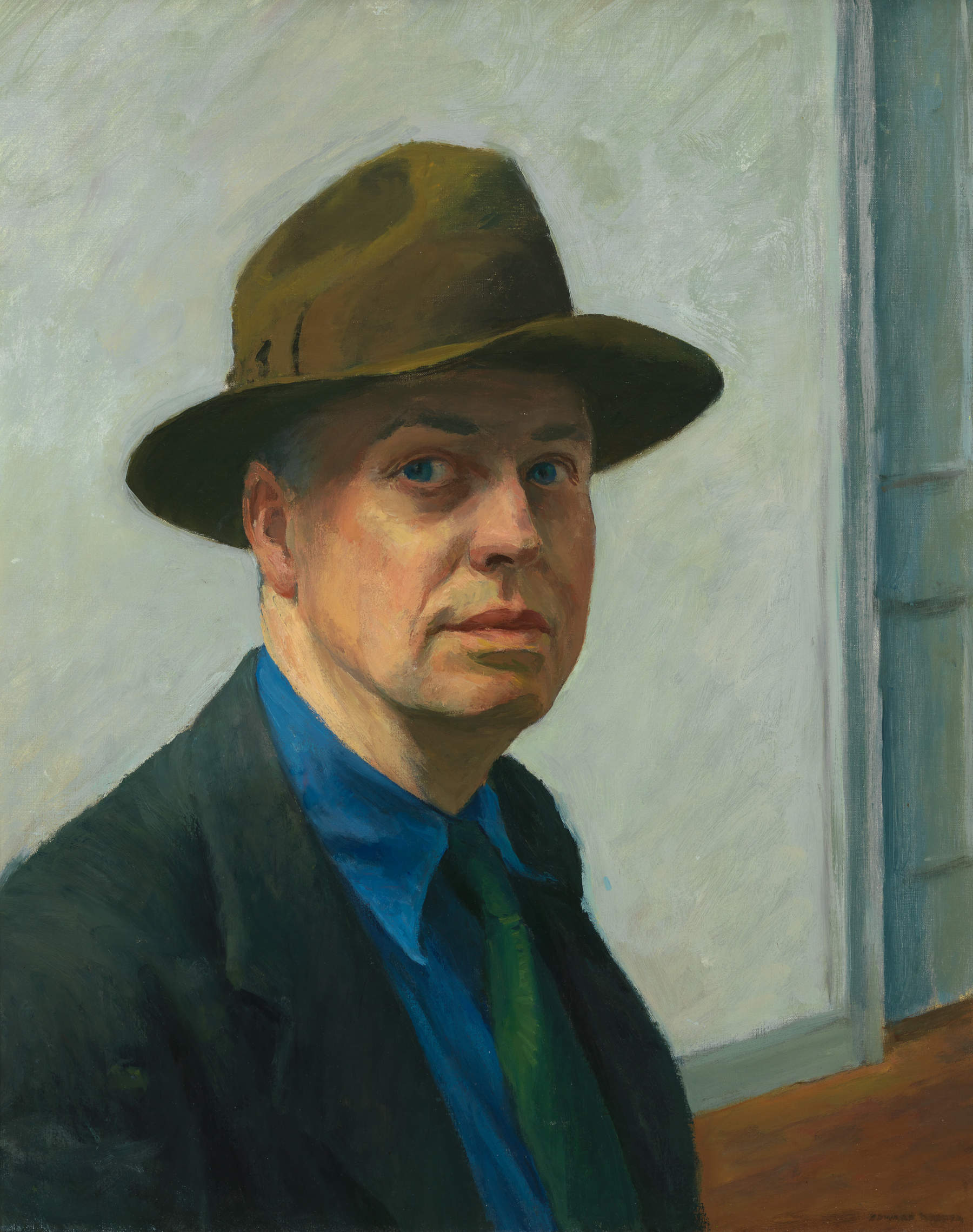
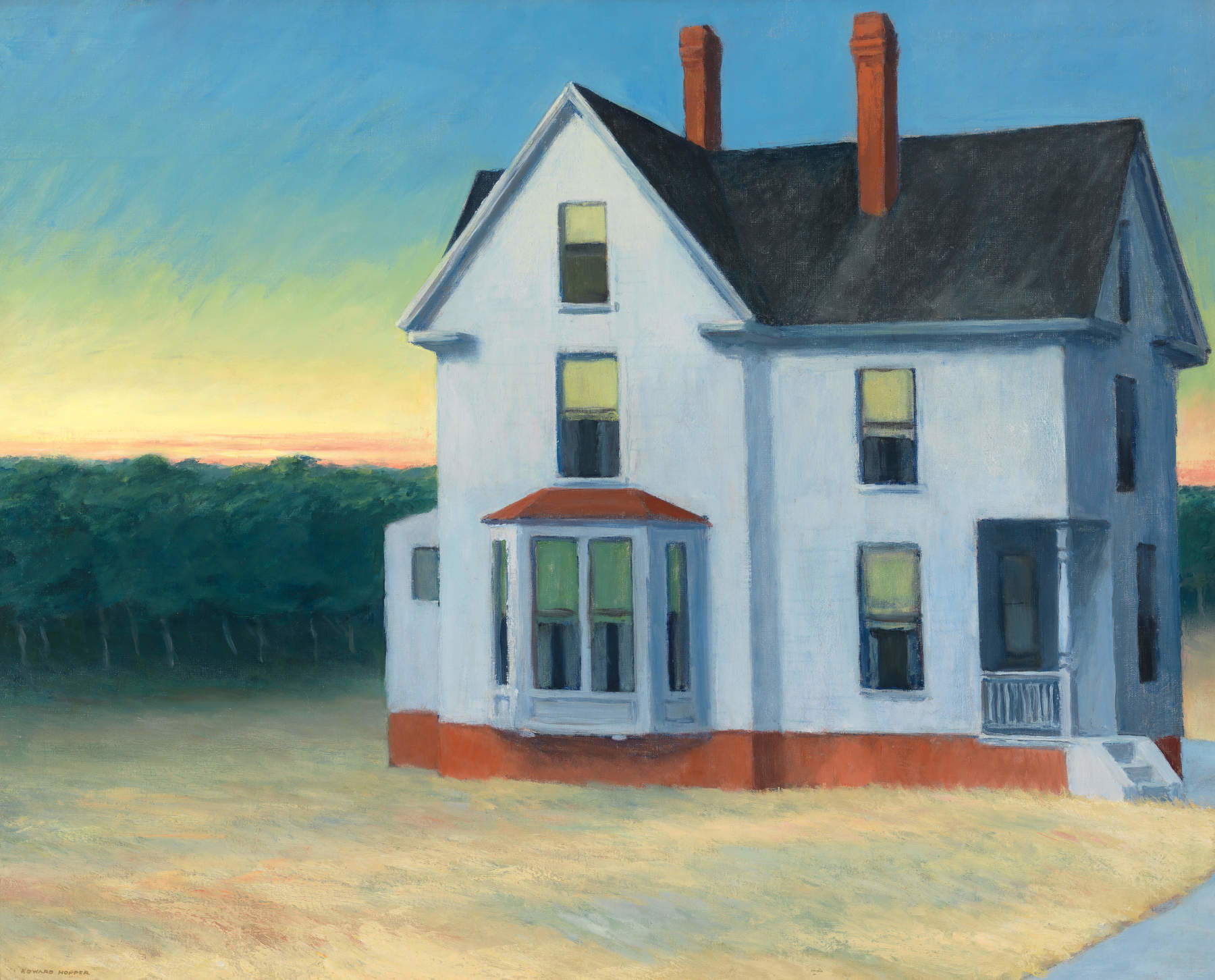
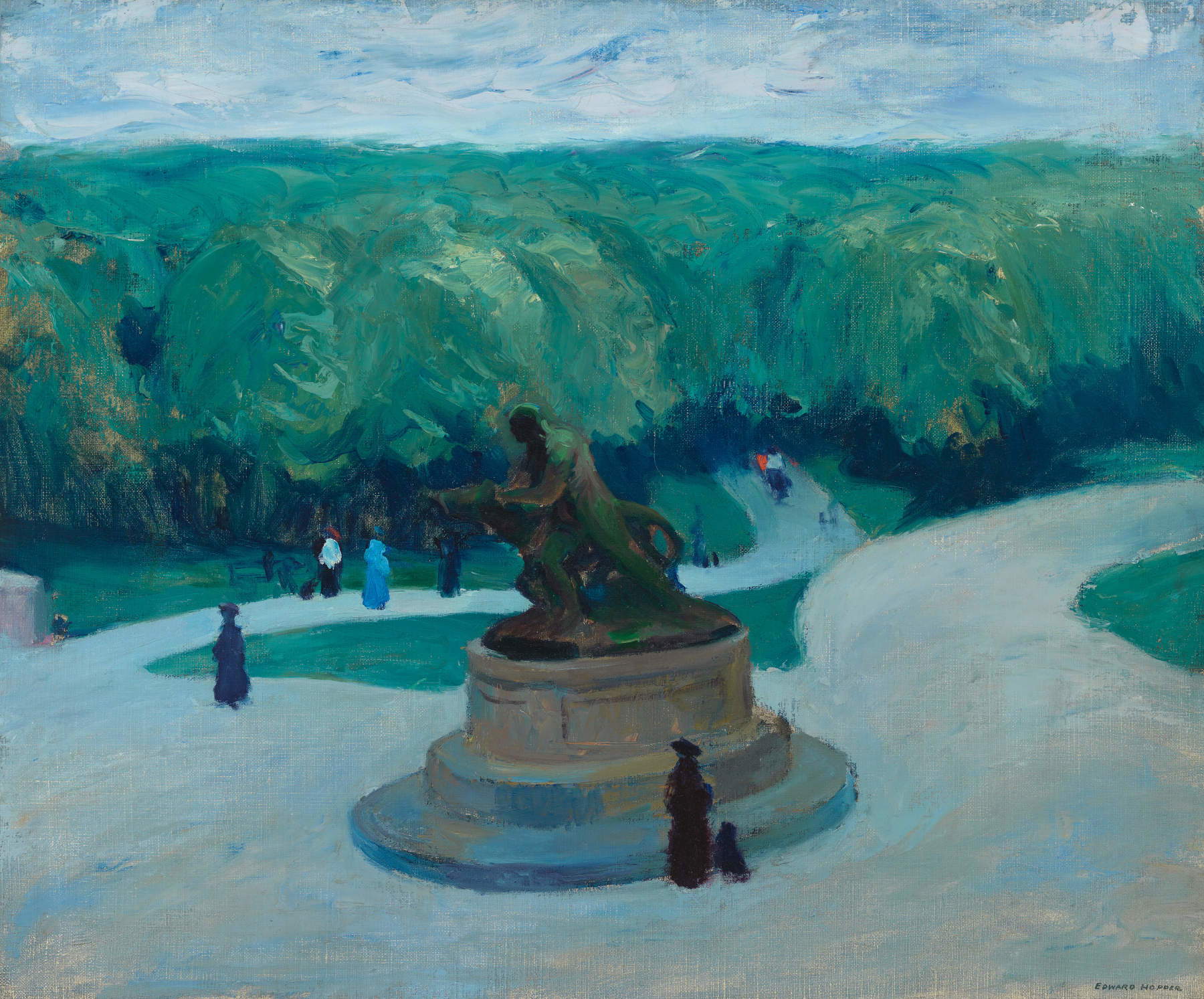
The exhibition narrative traces Hopper’s career through his relationship with the places that shaped his development and his artistic vision: New York, Paris, and New England. New York City represents the center of the artist’s creative activity; he lived there for nearly sixty years. Paris, on the other hand, played a fundamental role in the early stages of his artistic development. Hopper stayed in the French capital on three separate occasions, engaging with European modernity. New England subsequently became a place of observation and experimentation, particularly through the landscapes of Gloucester, Maine, and Cape Cod—regions where the artist developed a significant part of his exploration of light, space, and composition.
Through a geographical and chronological journey, the exhibition analyzes how Hopper constructed a personal artistic vision based on the observation of reality, an attention to light, and the definition of compositional balance. From his early experiences as an illustrator and engraver through to his mature painting, the exhibition highlights the evolution of an artistic language that spans the entire 20th century in America and demonstrates how the places the artist frequented provided opportunities for technical and formal exploration.
The exhibition is divided into five sections: Early Years, Paris, New York, New England, and Jo and Edward. These sections chronicle, respectively, the beginning of his career, his time in France, his long association with New York, his experiences in New England, and the role of the relationship between Edward and his wife, Jo Hopper.
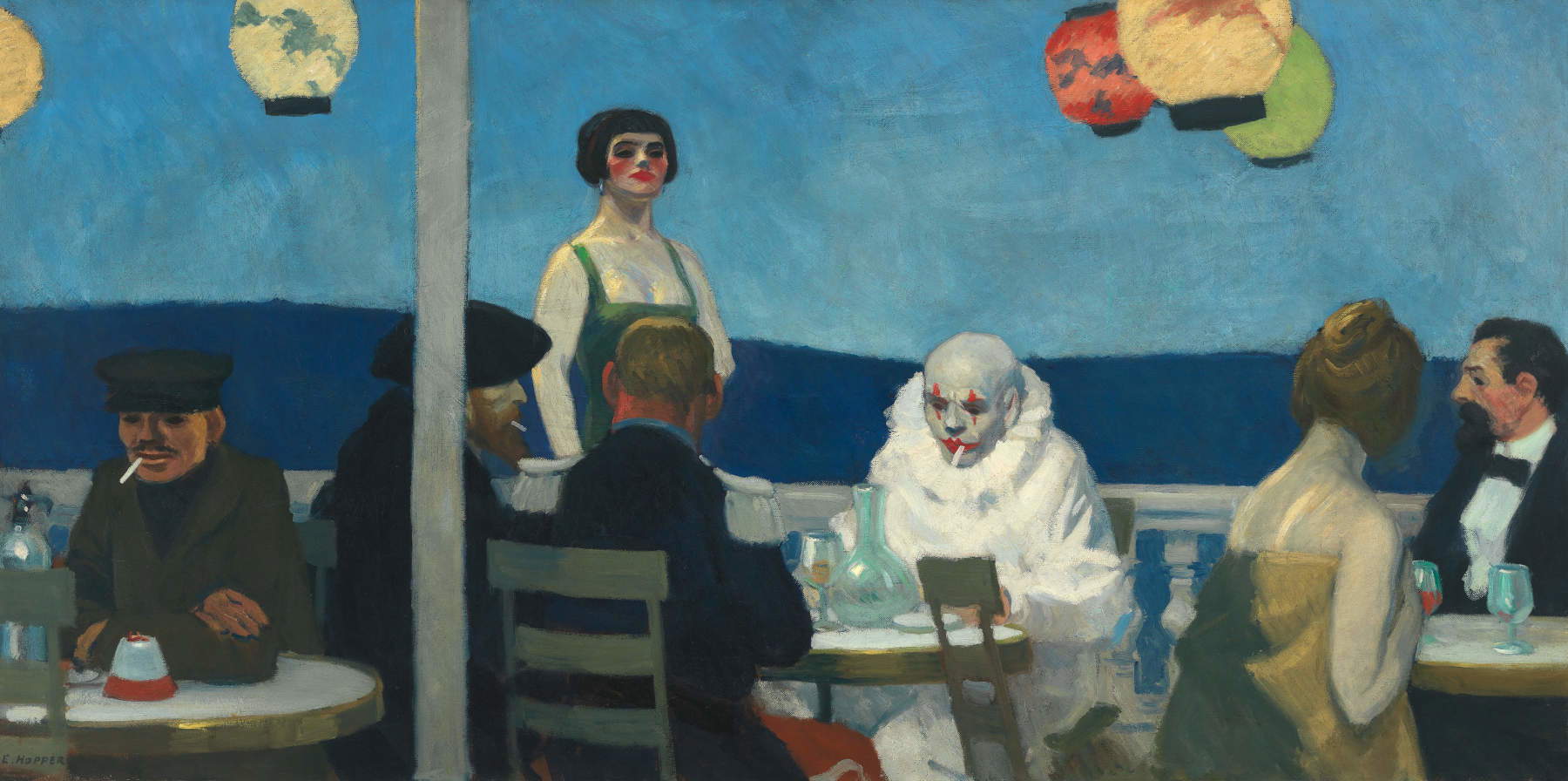
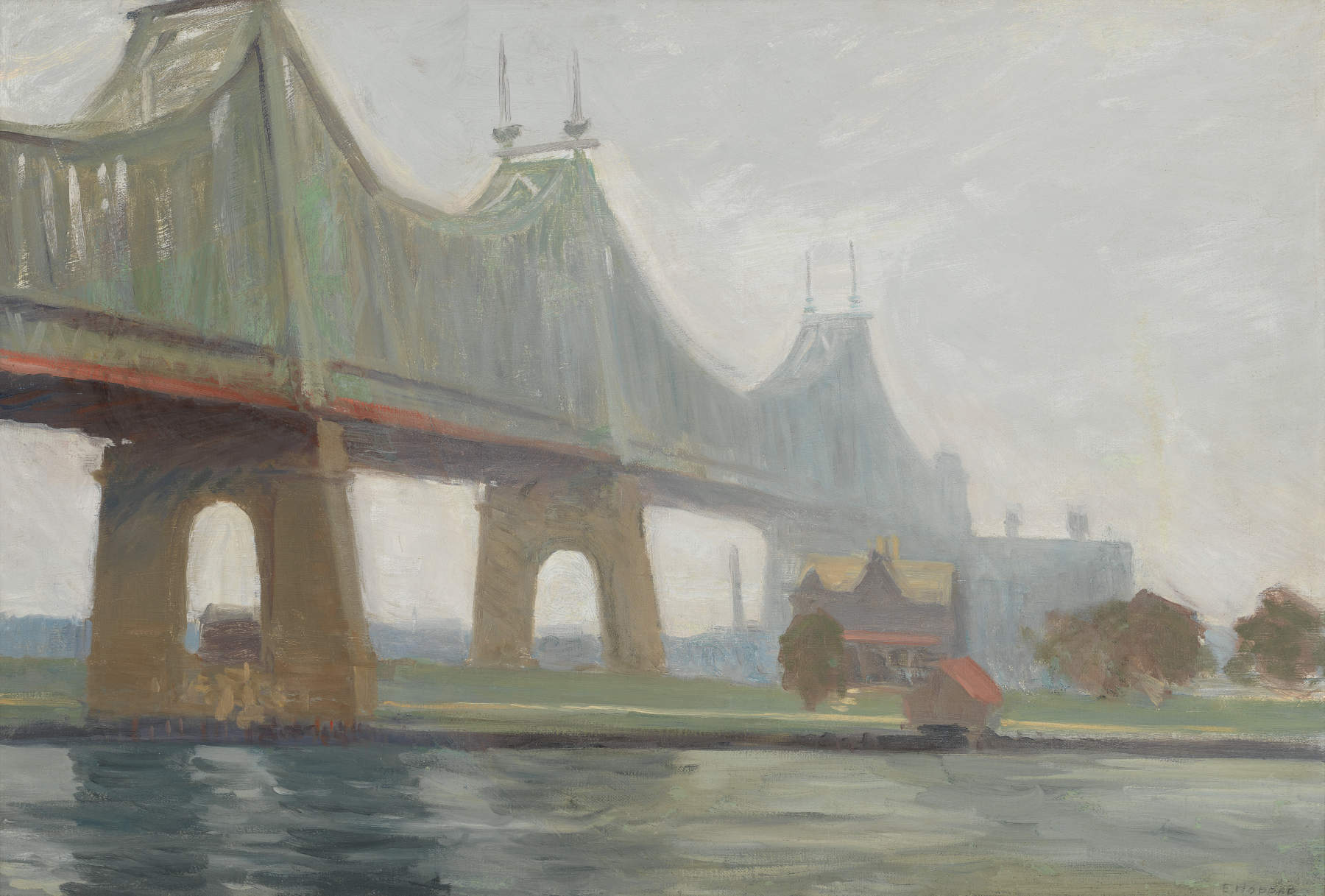
Jo Hopper, an artist and a central figure in preserving the legacy of her husband’s work, played a decisive role in building the artist’s archive. Through notes, drawings, and documentary materials, she helped document Edward Hopper’s creative process and the relationship between his private life and his artistic production. The exhibition thus offers a comprehensive overview of the artist’s work, extending to the experiences, relationships, and contexts that helped shape his artistic vision. Works and archival documents come together to paint a picture dedicated to the creation of one of the most recognizable visions in 20th-century art.
The arrival of the exhibition at Palazzo Blu is part of the cultural promotion initiative led by the Fondazione Palazzo Blu with the support of the Fondazione Pisa, and it reinforces Pisa’s role in the landscape of major initiatives dedicated to international art. The project also serves as an opportunity for collaboration with local and regional cultural institutions, fostering in-depth engagement and participation throughout the region. The exhibition dedicated to Edward Hopper also continues the collaboration between Palazzo Blu and MondoMostre, which began over a decade ago and has been marked by the presentation in Pisa of exhibitions dedicated to some of the leading figures in art history.
 |
| Edward Hopper Comes to Pisa: Palazzo Blu Hosts Over 150 Works by the American Master |
Warning: the translation into English of the original Italian article was created using automatic tools. We undertake to review all articles, but we do not guarantee the total absence of inaccuracies in the translation due to the program. You can find the original by clicking on the ITA button. If you find any mistake,please contact us.