




by Redazione 03/06/2026



Categories: Exhibitions / Disclaimer
Palazzo dei Diamanti in Ferrara is hosting from September 19, 2026 to January 10, 2027 the exhibition "From Monet to Van Gogh to Kandinsky. New Looks at Nature and Modernity. Masterpieces from the Museum Boijmans Van Beuningen and Other Important Collections."
From September 19, 2026 to January 10, 2027, Palazzo dei Diamanti in Ferrara hosts the exhibition From Monet to Van Gogh to Kandinsky. New Looks at Nature and Modernity. Masterpieces from the Museum Boijmans Van Beuningen and Other Important Collections, curated by Sandra Kisters and Vasilij Gusella. The exhibition, promoted by the Ferrara Arte Foundation in collaboration with the Museum Boijmans Van Beuningen and the Ferrara Galleries of Modern and Contemporary Art, aims to analyze the profound transformations that affected European painting between the 19th and 20th centuries, a period characterized by a radical change in the way reality was observed and represented.
Through the theme of landscape, understood in both its natural and urban dimensions, the path will highlight the evolution of the relationship between artist and the visible world. Nature, the city and modern life thus become the main tools for understanding how artists have progressively abandoned an objective representation of reality to develop increasingly personal and innovative languages.


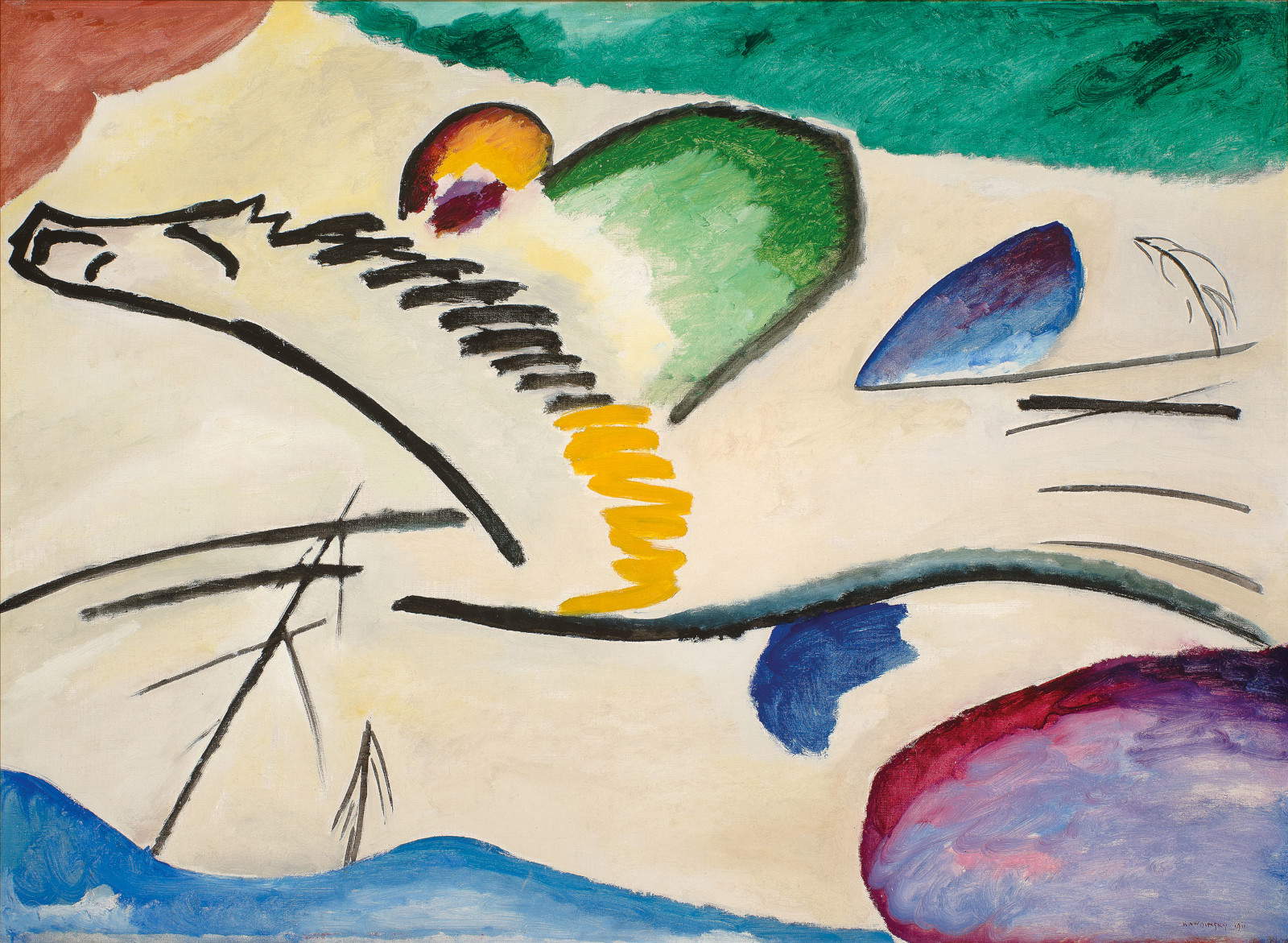
The exhibition project reconstructs this complex process through nine sections that accompany the visitor from the naturalistic research of the second half of the 19th century to the abstract experiences of the first decades of the 20th century. What emerges is a narrative of an extraordinarily rich season of experimentation in which the foundations of modern art were laid. The protagonists of this journey are some of the most significant names in European painting, artists who decisively marked the transition from tradition to modernity. They include Claude Monet, Vincent van Gogh, Vasilij Kandinsky and Piet Mondrian, alongside personalities such as Gustave Courbet, Camille Pissarro, Auguste Renoir, Edgar Degas, Paul Gauguin and Pablo Picasso. Their works testify to the gradual overcoming of naturalistic representation and the establishment of new conceptions of space, color and form.
In the space of less than eighty years, in fact, European painting underwent an unprecedented transformation: from direct observation of nature, it gradually moved to a vision in which the real datum was reinterpreted, simplified and, in some cases, completely dissolved, paving the way for the avant-garde and abstraction.
The exhibition brings together a total of about 120 works including paintings, drawings and etchings. Most of the works come from the collections of the Museum Boijmans Van Beuningen in Rotterdam, flanked by a selection of works from prestigious Italian public and private collections.
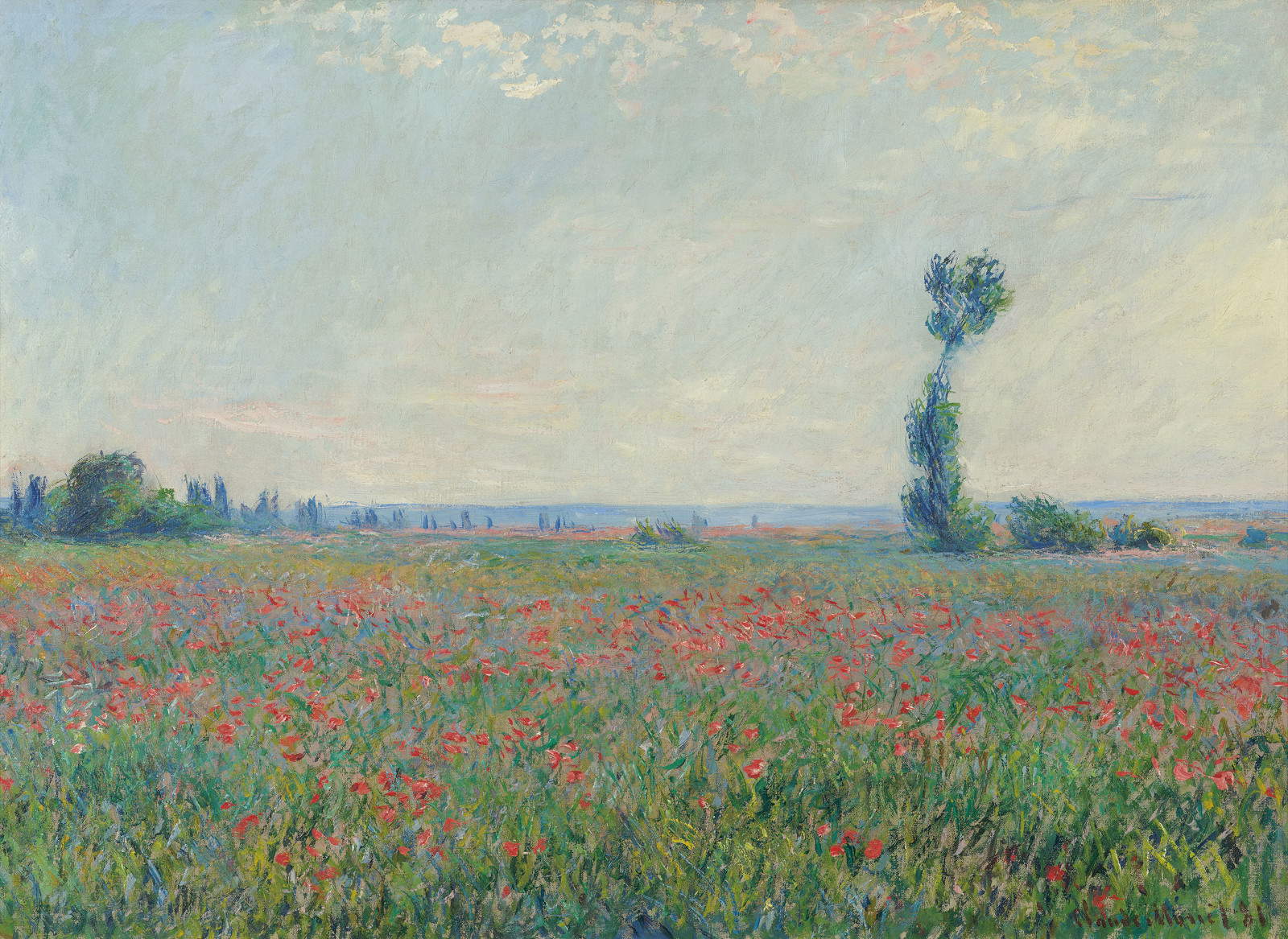
The journey begins with the Barbizon School, which developed a naturalist sensibility based on direct observation of the landscape. This experience exerts a strong influence on the Italian Macchiaioli, protagonists of research focused on the effects of light and color.Impressionism established a new conception of painting, capable of capturing immediate visual impressions and instantaneous perception of reality. In the Netherlands, the artists of the Hague School reinterpreted these principles through a more measured and atmospheric vision, characterized by restrained tones and a focus on light variations.
Beginning in the 1880s, the protagonists of postimpressionism questioned the idea of a faithful representation of nature. Their research developed in different directions: color and form acquired a growing expressive autonomy, space was rethought according to new compositional logics, and the image became charged with symbolic meanings, while the chromatic component took on an increasingly emotional and subjective function. In Italy these instances found a specific elaboration in pointillism, a movement that enhanced light and its vibrations through a language of strong lyrical intensity. In the same period, the modern city and urban life emerge as central themes to narrate the profound economic, social and cultural transformations of contemporaneity. At the beginning of the twentieth century, futurism celebrated the speed, dynamism and energy of the modern metropolis, while other artistic currents moved toward a recovery of order, measure and classical tradition, giving rise to different but equally significant paths of expression.
At the same time, in different European contexts, abstract research takes shape. In fact, many artists begin to progressively simplify the forms of reality to the point of dissolving its recognizable references, elaborating an autonomous language independent of the representation of the natural datum.
The exhibition aims to restore the richness of a season characterized by extraordinary cultural ferment, innovative experimentation and leading artistic personalities.
|
| Ferrara showcases masterpieces by Monet, Van Gogh, Kandinsky, Mondrian from Museum Boijmans Van Beuningen |
Warning: the translation into English of the original Italian article was created using automatic tools. We undertake to review all articles, but we do not guarantee the total absence of inaccuracies in the translation due to the program. You can find the original by clicking on the ITA button. If you find any mistake,please contact us.