



by Redazione 14/05/2026



Categories: Exhibitions / Disclaimer
At the Gamba Castle in Châtillon, an exhibition reconstructs the connection between Gio' Pomodoro and Aosta through sculptures, sketches, and never-built projects dedicated to urban space and the symbol of the sun.
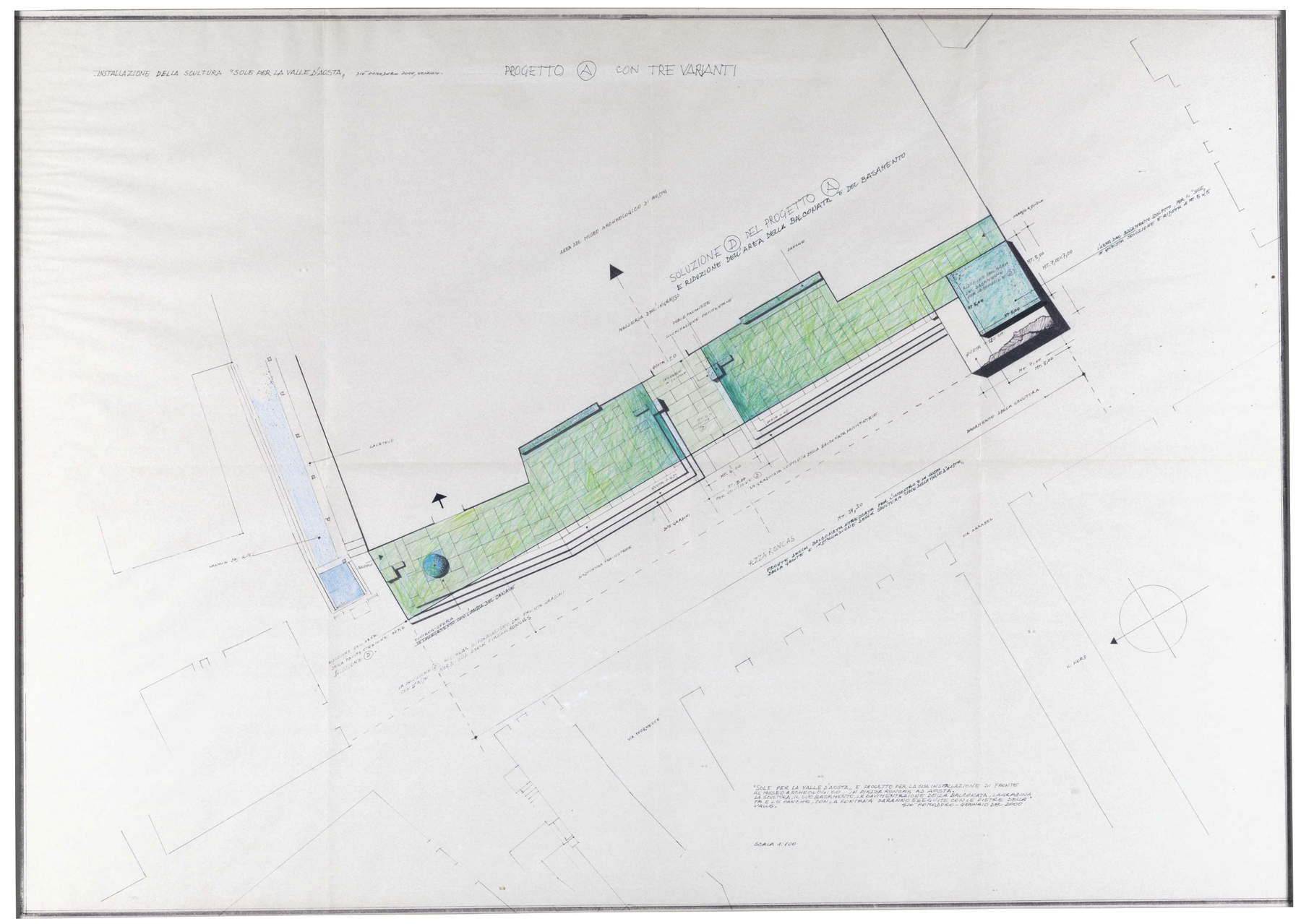
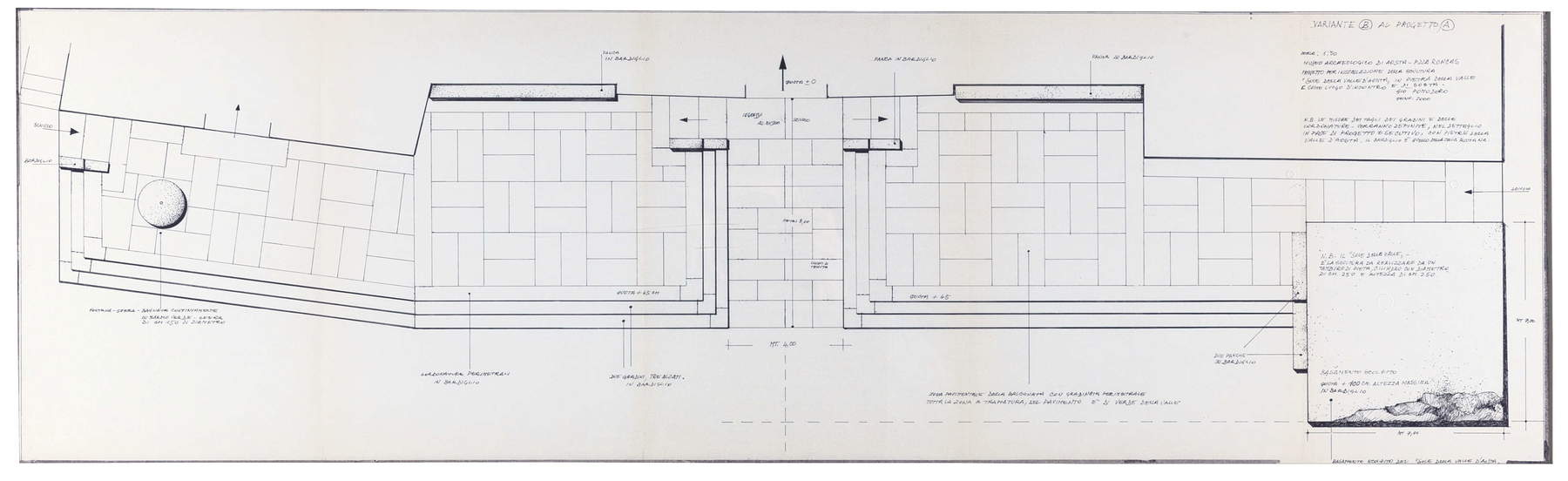
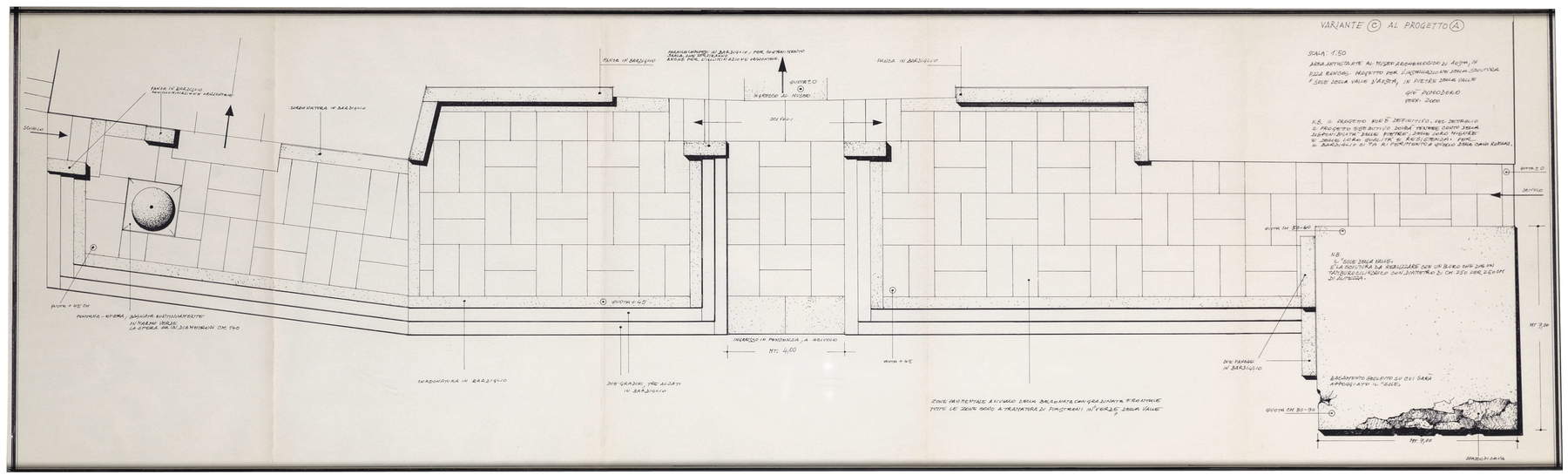
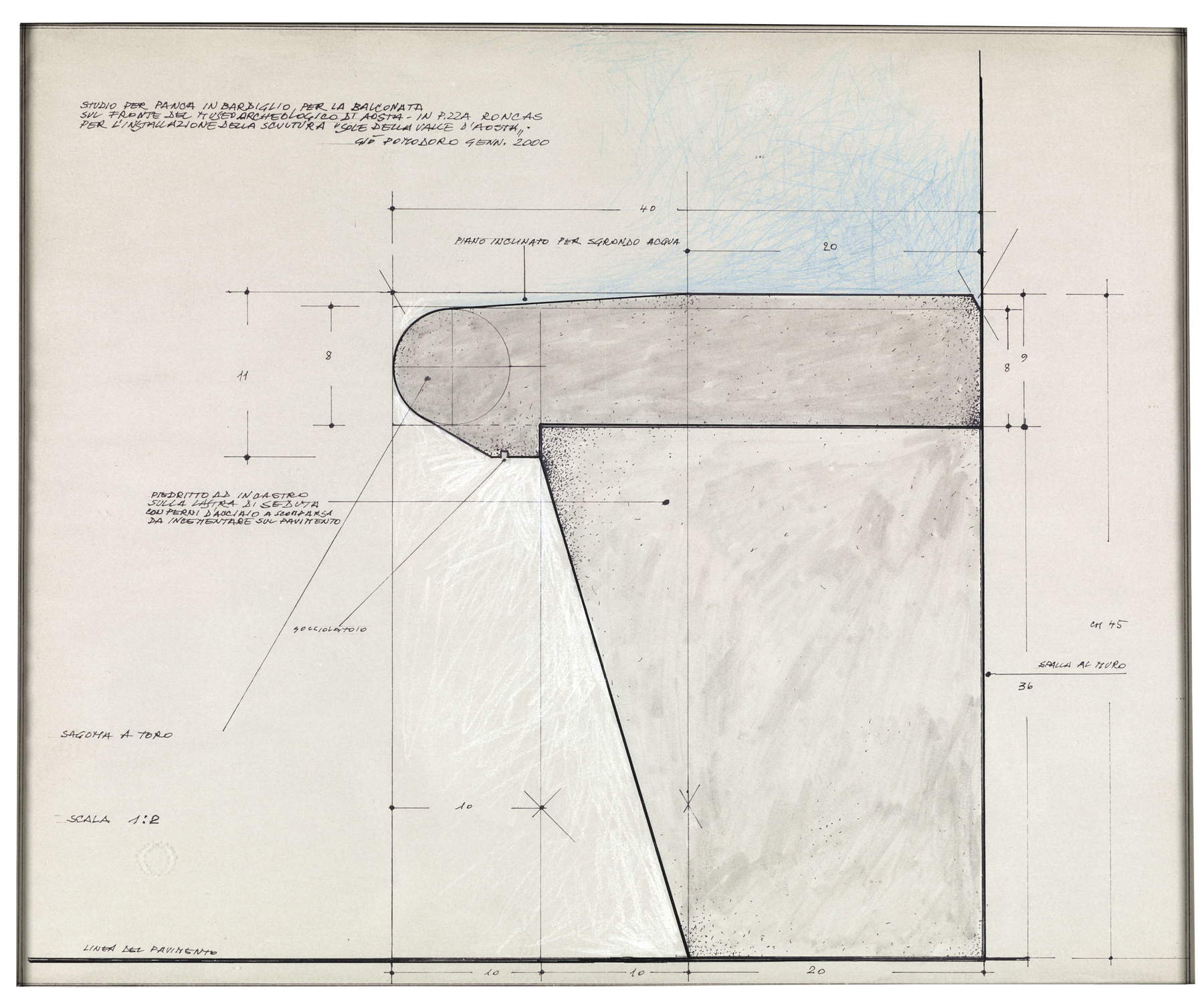
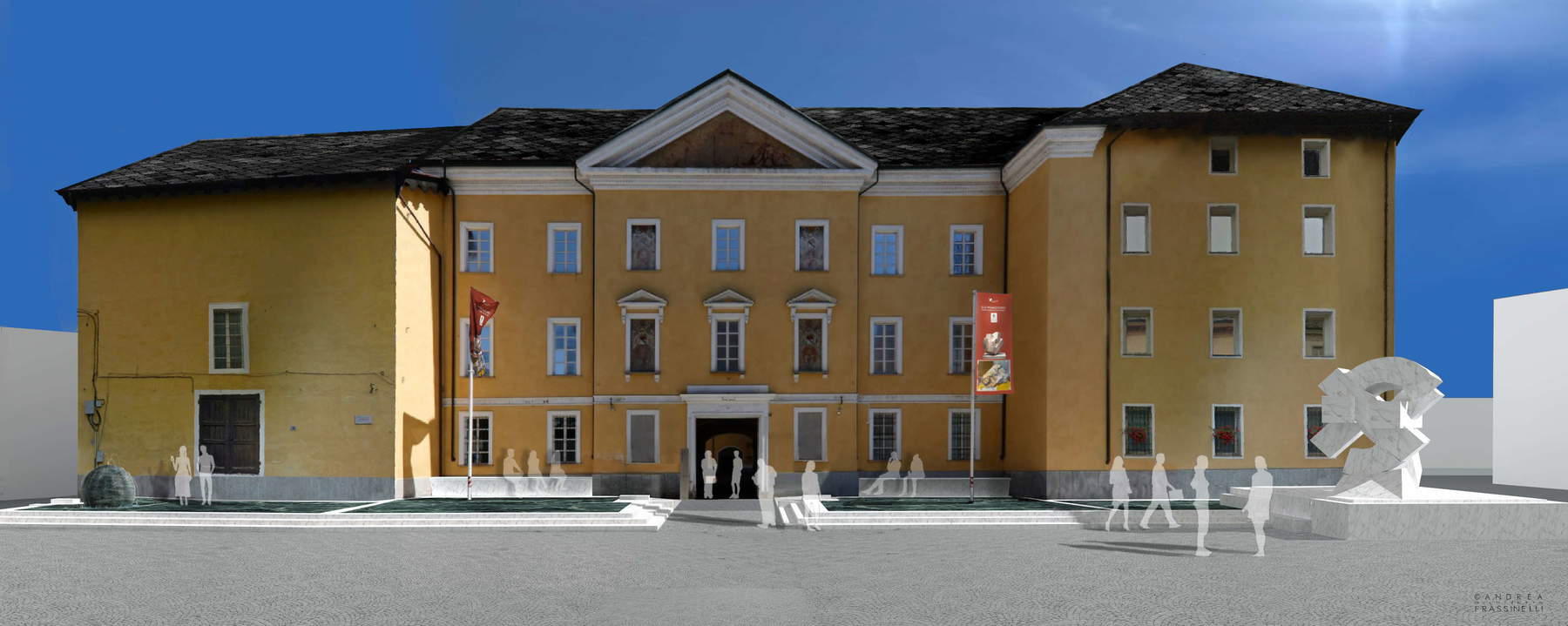
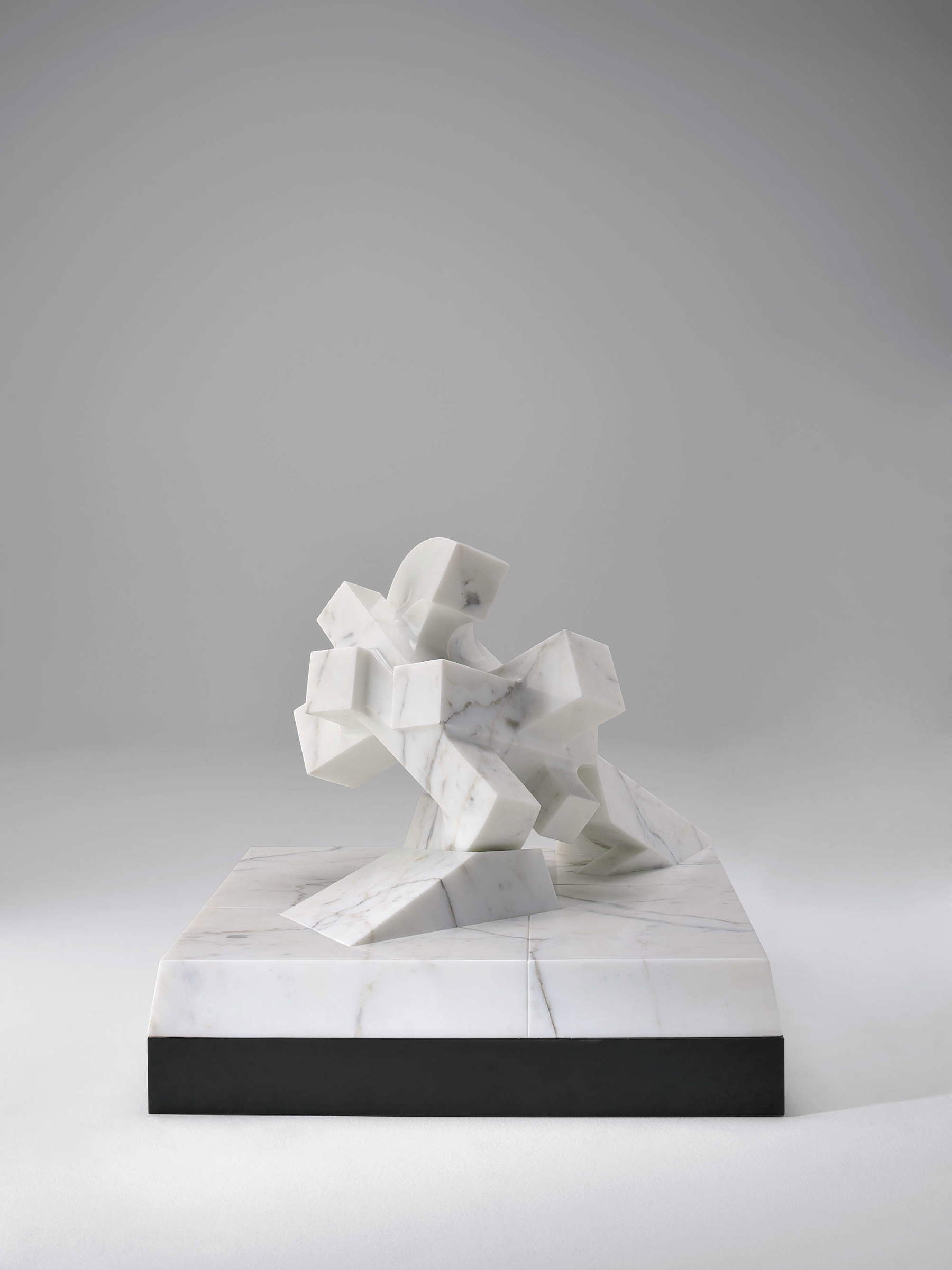
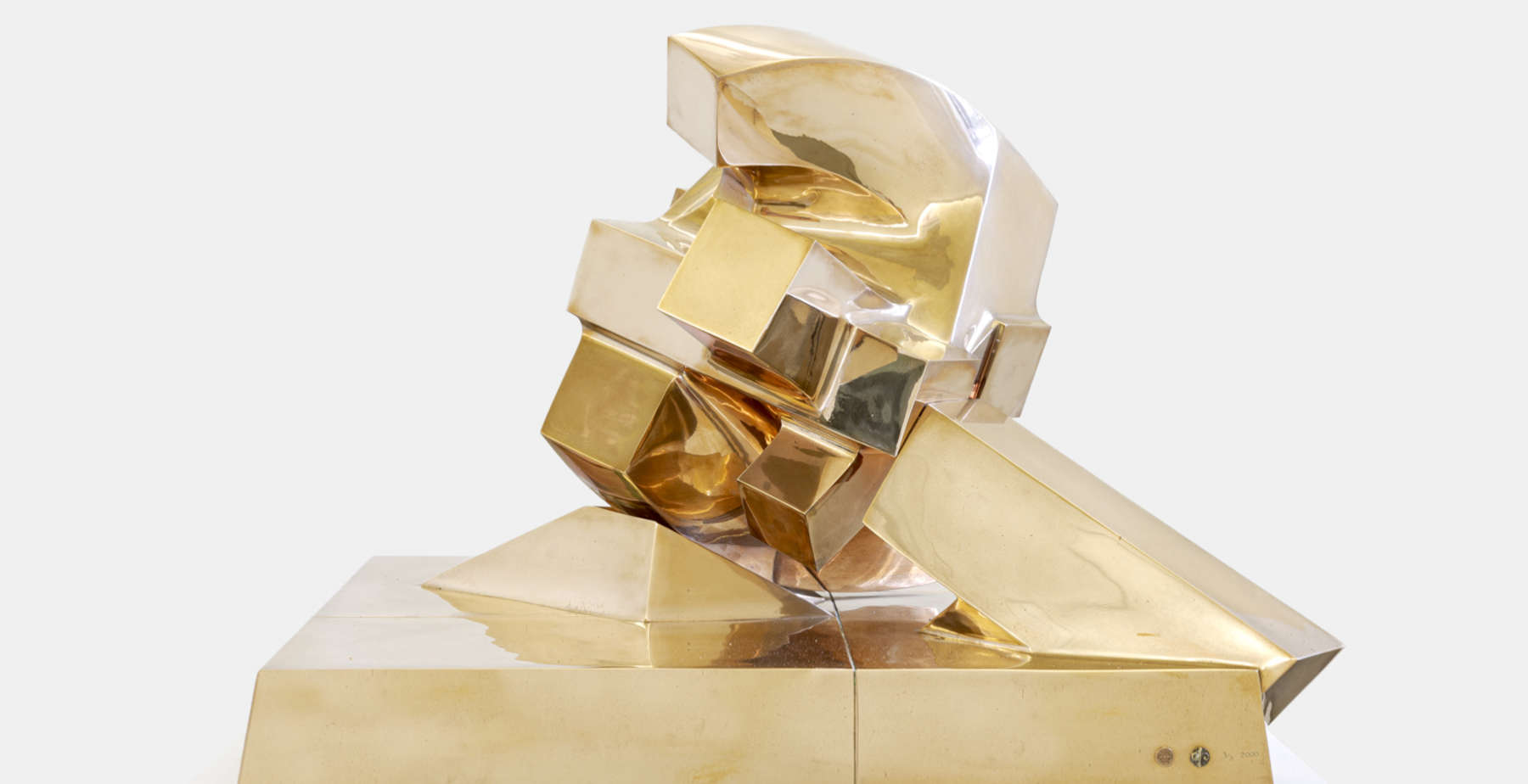
From April 19 to June 21, 2026, the halls of the Gamba Castle in Châtillon (Aosta) will host an exhibition that explores the artistic and personal relationship between Gio’ Pomodoro (Giorgio Pomodoro; Orciano di Pesaro, 1930 - Milan, 2002), a central figure in 20th-century sculpture, and the Valle d’Aosta region. The initiative, entitled Sole caduto Aosta. Gio’ Pomodoro, included in the exhibition project called Détails, was created with the intention of enhancing the museum’s permanent artistic heritage through targeted thematic insights. Curated by Stefano Bruzzese, the exhibition reconstructs a significant chapter of the Marche-based master’s activity, focusing on a series of works that testify to his constant attention to the Aosta Valley landscape and public space. The centerpiece of the entire itinerary is the study for a redevelopment project for Piazza Roncas in Aosta, an architectural and plastic vision conceived between 1998 and 2002 that, due to the artist’s passing, remained in the state of an ideal proposal without ever finding concrete implementation. For the first time, the public has the opportunity to admire materials previously stored in the museum’s deposits and never previously exhibited, including the imposing model of Sole caduto Aosta made of Trani marble, the work at the center of the exhibition. Presented alongside this structure are four drawings executed in India ink that illustrate the genesis of the idea, allowing visitors to understand how the artist intended to transform a then-degraded urban junction into a place of rest and social gathering.
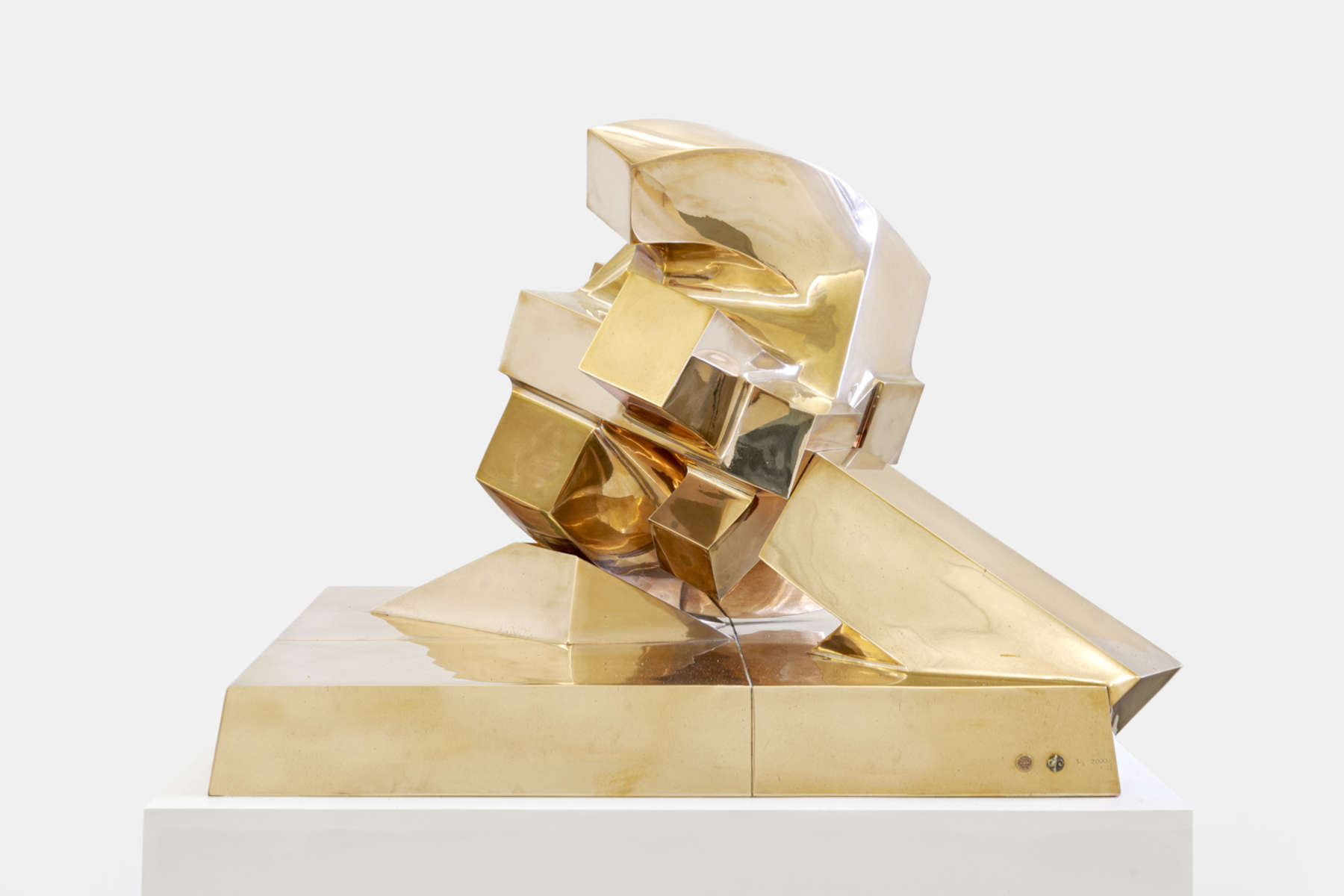
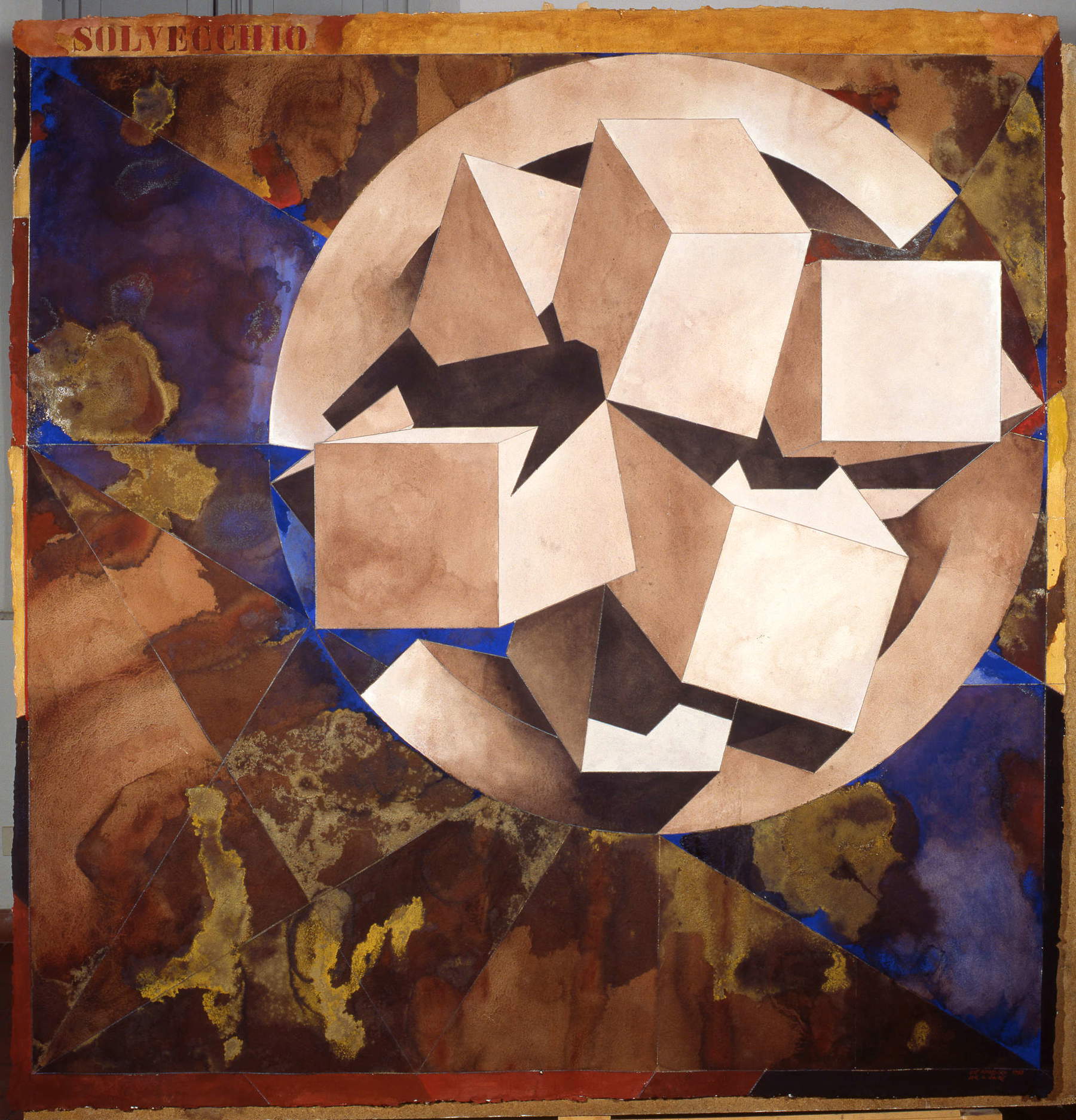
The exhibition does not limit itself to documenting the intervention, however, but delves into the ideas behind the sculpture Sole caduto Aosta, a marble work that was to form the central element of the new city space. Contributing to the narrative are loans from private collections and the Gio’ Pomodoro Archive, such as a polished bronze version of the sun and the large watercolor Solvecchio, made in 1998 for the Cairo Biennale. The exhibition is the result of a close collaboration between the Historic-Artistic Heritage Structure of the Regional Superintendency, directed by Viviana Maria Vallet, and the artist’s heirs, particularly his son Bruto Pomodoro. In addition to the traditional visit, the programming includes a series of side events, including guided tours with the curator and educational workshops designed to introduce children to the plastic language of sculpture. Through these documents and works, the review restores the image of an artist who was able to dialogue with the ancient history of the city of Aosta, seeking to integrate his contemporary forms with the archaeological remains of the Roman gate below the square. The event is thus an opportunity to rediscover not only the greatness of an international sculptor, but also the cultural vitality of an area that has been able to attract and inspire the major protagonists of modern art. The choice to exhibit these “details” from the regional collection confirms the mission of Castello Gamba as a dynamic research and conservation center, capable of resurfacing stories of ambitious projects and utopian visions that continue to interrogate the present of our cities.


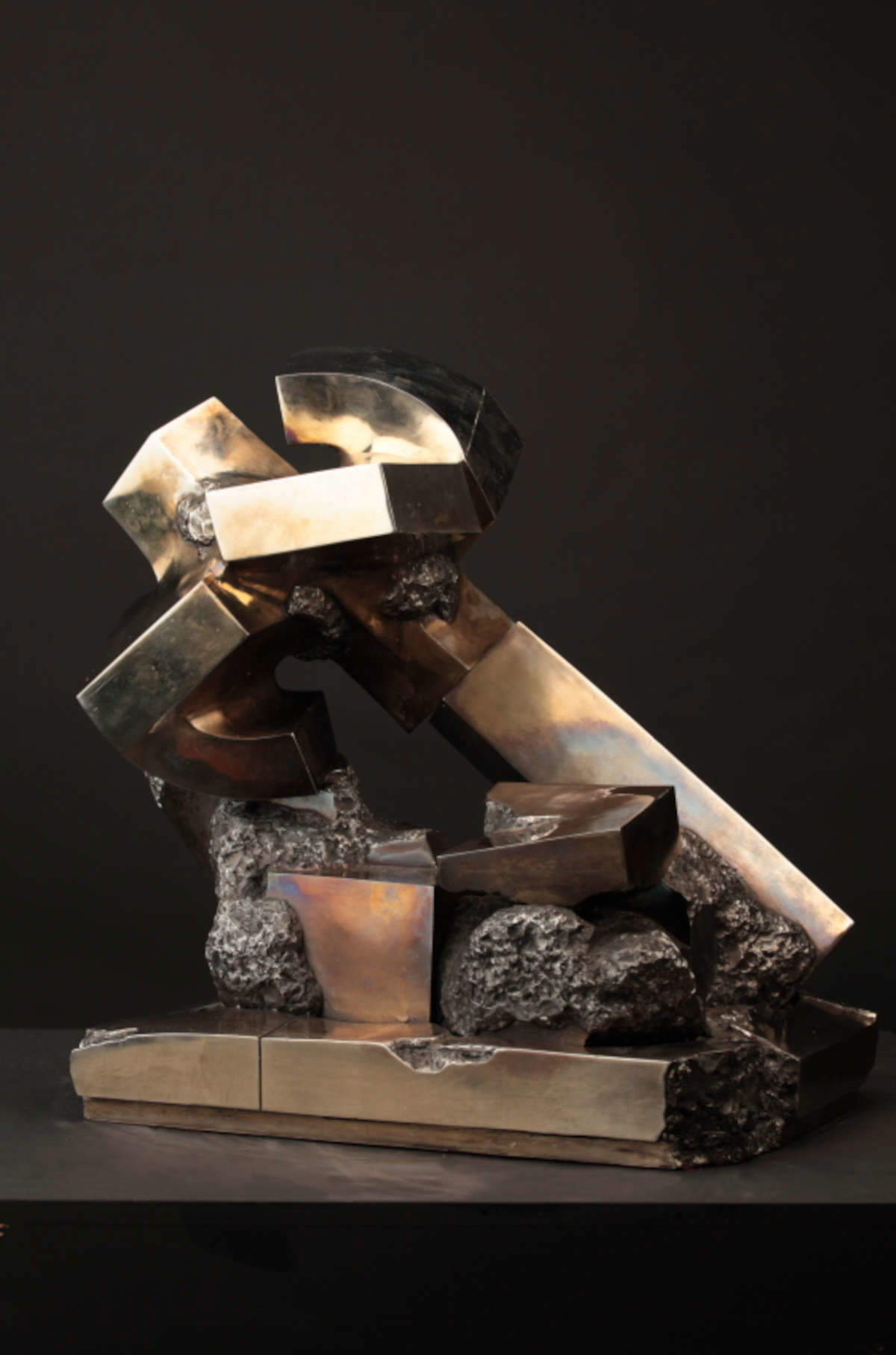
Gio’ Pomodoro’s plastic research has found in the theme of thesolar star a conceptual and symbolic pivot around which a fundamental part of his production has developed since the early 1970s. For the sculptor, the sun represented not only a figurative subject, but was understood as an energy-generating principle and a universal measure capable of regulating the rhythms of the cosmos and human existence. The artist defined his solar figures as a factory without owners, a metaphor that emphasized the free and collective nature of a light source that belongs to all and cannot be subject to individual possession. This vision, laden with ethical and social implications, led Pomodoro to conceive of his interventions not as isolated objects, but as sculpted places, viable spaces where the community could come together and experience art in an everyday, shared way. Within this vast cycle, the artist explored the forms of the star through rigorous geometric and mathematical applications, distilling the complexity of the universe into three fundamental directions: the vertical line, the horizontal line and the circle. The works born from this investigation often appear as geometric solids that seem to spring from a formless mass, evoking the dynamic forces that govern matter. Pomodoro deliberately spoke of suns in the plural, recognizing that the image of the star constantly changes according to the sensibility of the observer and the cultural contexts in which it is celebrated.
His research pushed him to analyze ancient traditions and symbolic systems, as evidenced by iconographic references starting with the 1971 Cerveteri Sun and ending with dedications to scientists and philosophers such as Galileo Galilei and Kepler. In these works, the precision of astronomical calculations merges with a very high poetic tension, translating the abstraction of number into a tangible and monumental form. A crucial aspect of this experimentation concerns the contrast between the sun’s ascending motion toward the zenith and its deposition on the horizontal plane.
If some sculptures celebrate the vertical impetus of the star, works such as Sole caduto Aosta represent the opposite polarity: a sun that rests on the ground, not to indicate defeat, but to mark a moment of cyclical transition similar to sunrise or sunset. In these creations, marble or metal is worked to enhance the dialogue between perfectly polished surfaces and chipped or unfinished areas, an obvious reference to Michelangelo’s lesson of the unfinished. This material contrast symbolizes the constant tension between the geometric order of thought and the original cataclysm of nature. Through the cycle of suns, Pomodoro has thus constructed a universal language that speaks of rebirth and vital energy, transforming stone into a field of visible forces. The presence of these works in the Aosta Valley collections underscores how the artist considered the mountainous territory an ideal environment for his public statuary, capable of harmonizing with local materials such as the green marble of the valley. Ultimately, Pomodoro’s suns remain testimonies of a contemporary humanism that seeks to restore the measure of the world to the scale of man and his inhabitation of common space.
Also on view is the work Sole Serpente, which occupies an exceptionally prominent place in Gio’ Pomodoro’s oeuvre, representing both a technical and historical turning point in his connection with the Aosta Valley. Realized in 1988, this sculpture marks the only occasion on which the artist tried his hand at working with steel, a material that required specific industrial skills and a different plastic approach than marble or bronze. The genesis of the work is linked to a singular event in the history of Italian art: the participation of Valle d’Aosta in the forty-third edition of the Venice Biennale with its own dedicated pavilion, a unique case of a regional community admitted among the major national representations. The initiative had stemmed from the regional administration’s desire to respond to the crisis in the steel sector by focusing on the marriage of art and industry. Pomodoro was invited to collaborate with the historic DeltaCogne steelworks in Verrès, where he spent a period of intense activity working closely with local workers to experiment with the ancient process of lost-wax casting applied to stainless steel. The result was a series of castings that succeeded in giving the industrial metal the same expressiveness and plastic quality usually reserved for bronze.

From an iconographic point of view, Sole Serpente develops a complex investigation of the mythological theme of the conflict between the eagle and the serpent, universal symbols of the contrast between spirit and matter, between light and darkness. In Pomodoro’s vision, the sun manifests itself as the aerial element heroically trying to free itself from the grip of the chthonic, or terrestrial, element, represented by the serpentine coils that still hold fragments of formless matter. The structure of the sculpture is characterized by a spiral twist that imparts a sense of dynamism and upward momentum, recalling the apparent motion of the star toward the zenith. This composition also served as a preparatory study for Sole Aerospazio, the monumental bronze work commissioned by the Aeritalia company and donated to the city of Turin in 1989. The version of Sole Serpente preserved at Castello Gamba, in patinated steel, allows us to fully appreciate the artist’s sensitivity to reflective material, which transforms the sculpture into a kind of luminous relic capable of capturing and returning the surrounding light. The comparison between this metal edition and the Carrara marble models highlights how Pomodoro was able to decline the same plastic concept through different material languages, keeping intact the expressive power of a work that seems to translate the lesson of Michelangelo’s Prigioni into the vocabulary of twentieth-century informal. The Region’s acquisition of the sculpture at the end of the Venice Biennale definitively sanctioned the entry of this masterpiece into the collective heritage of Valle d’Aosta, testifying to a season of extraordinary cultural fervor in which art was used as a means of redemption and enhancement of the technical excellence of the territory. Sole Serpente thus remains a symbol of sculpture’s ability to dialogue with productive reality, transforming a product of steelmaking into an object of the highest poetic and philosophical tension.
"The exhibition Fallen Sun Aosta. Gio’ Pomodoro,“ says Superintendent Laura Montani, ”offers an opportunity to explore a significant chapter in the presence of the artist from the Marche region in our territory and to enhance some materials of particular interest preserved in the regional collections. After the casting at DeltaCogne of the work Sole Serpente in 1988, Pomodoro’s bond with the Valle d’Aosta grew stronger until it resulted in the redevelopment project of Piazza Roncas in Aosta, of which the Region now preserves a valuable design model, along with preparatory drawings and a sketch for the sculpture Sole caduto Aosta. Roncas Square, moreover, is overlooked by the palace of the same name, decorated with precious fresco cycles, the subject of a recent restoration and re-functionalization project and currently home to the Superintendency of Cultural Heritage and Activities. Through the presentation of these materials, placed side by side with the works already present in the museum itinerary, the exhibition allows the public to be given back a significant testimony to Pomodoro’s plastic research and his dialogue with the urban space and architecture of the city. At the same time, the exhibition confirms the importance of the study, conservation and enhancement work carried out by Castello Gamba on its collections, making accessible to the public documents and works that contribute to enriching the knowledge of the recent artistic history of the Aosta Valley."
“At the dawn of the new millennium, following the 1998 solo exhibition held at the Saint-Benin Center,” Bruto Pomodoro recalls, “Gio’ proposed to the Regional Council to intervene in the redevelopment project of Piazza Roncas, right in front of the Archaeological Museum. Unfortunately, the ’sculpted place’ - as my father liked to call the squares he went to design - remains to this day a utopian site, along with two other major public works that were never realized, commissioned by the municipalities of Colle di Val d’Elsa and Taranto, due to my father’s untimely death in December 2002. Fortunately, an exhaustive documentation of this ’passage’ remains, which is now the core of the exhibition project curated by Professor Stefano Bruzzese; to these works the Gio’ Pomodoro Archive has placed alongside another iconic ’Sun’ of the sculptor’s plastic production (Sole Aosta in polished bronze) and a large watercolor paper entitled Solvecchio, works coeval with the design of Piazza Roncas. Visitors will thus be guided through a carefully researched itinerary, accompanied by synoptic tables to aid a scientific interpretation of the sculptor’s work, centered on the figure of the great star - the Sun - a common factory without owners that radiates energy and light to all people.”
 |
| Gio' Pomodoro and the Aosta Valley: the unfinished sun shines again |
Warning: the translation into English of the original Italian article was created using automatic tools. We undertake to review all articles, but we do not guarantee the total absence of inaccuracies in the translation due to the program. You can find the original by clicking on the ITA button. If you find any mistake,please contact us.