





The CIAC in Foligno (Italian Center for Contemporary Art) presents the exhibition *Guidi - Tancredi: An Invisible Knot*, dedicated to Virgilio Guidi and Tancredi Parmeggiani, two leading figures in 20th-century Italian art. The exhibition, sponsored and organized by the Fondazione Cassa di Risparmio di Foligno, will be open to the public from June 28 to September 27, 2026. The opening is scheduled for Saturday, June 27, at 6:00 p.m.
The exhibition, curated by Italo Tomassoni and Giovanni Granzotto, brings together over seventy museum-quality works, selected to draw parallels between two artistic trajectories that differ in generation, artistic language, and aesthetic approach. The exhibition layout fosters a dialogue between Guidi’s works—created primarily in the 1920s and 1930s—and Tancredi’s more radical pieces, dating from the 1950s and 1960s.
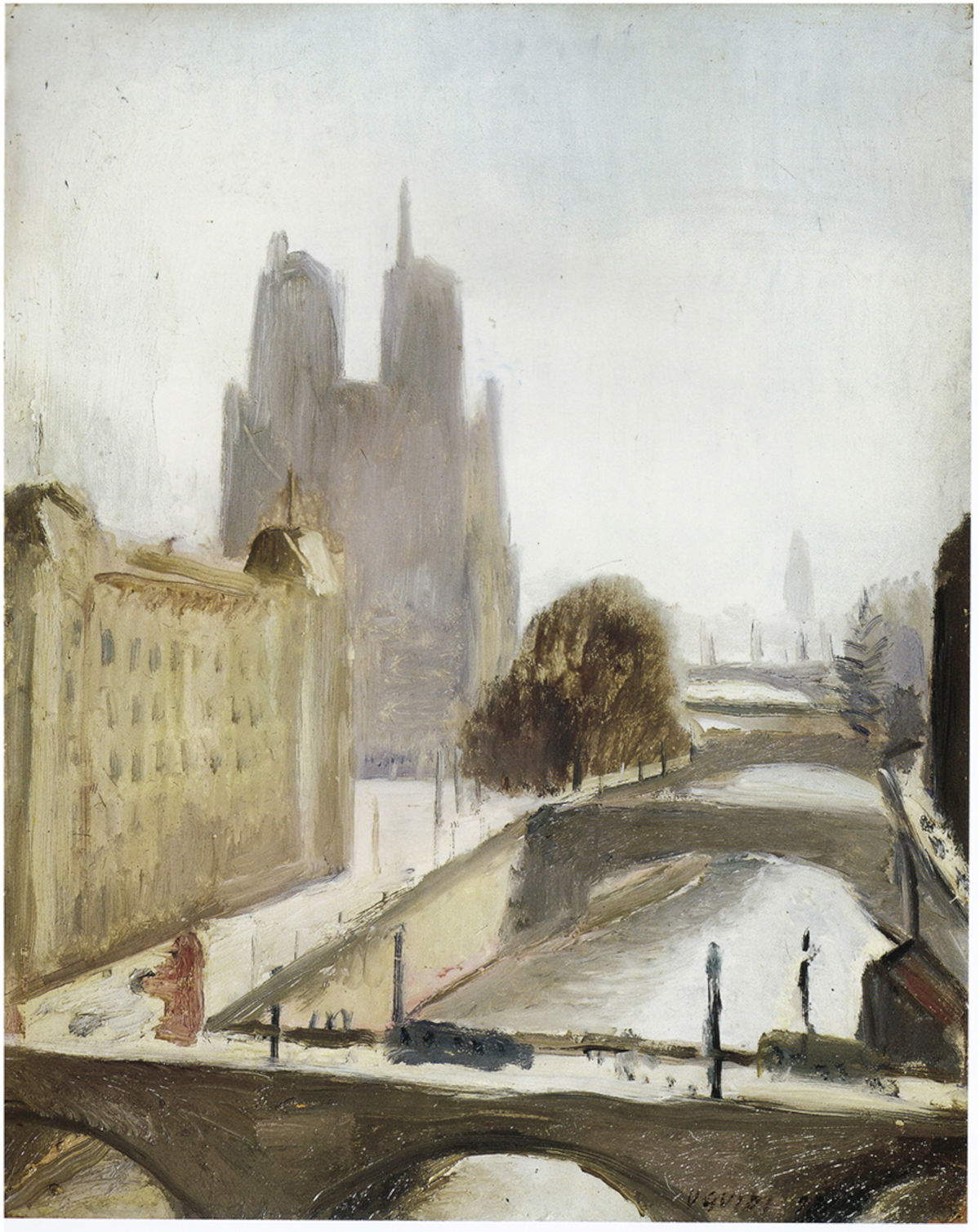
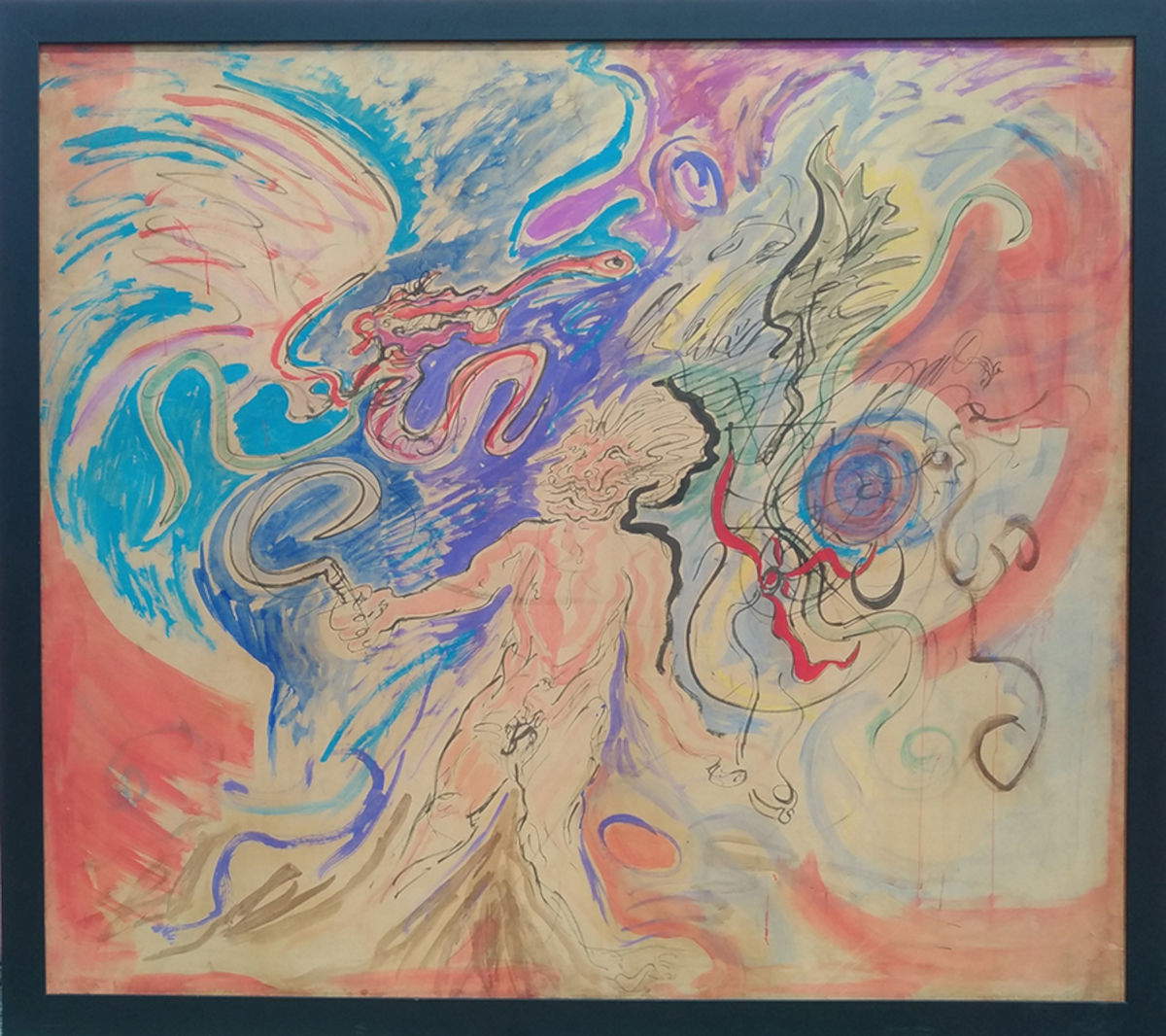
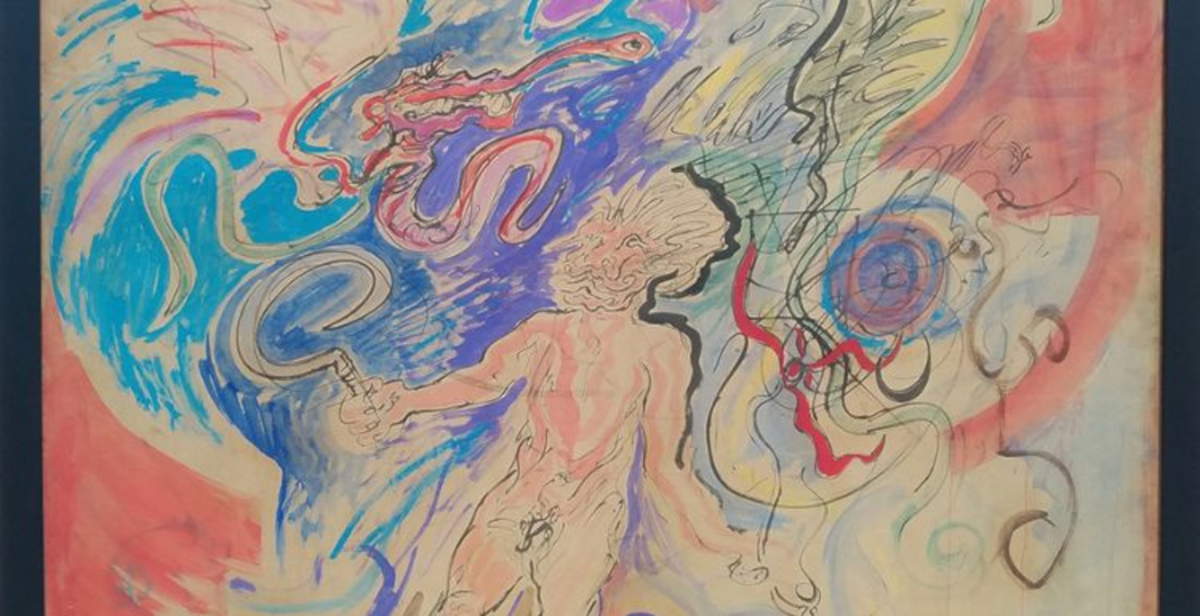
The exhibition stems from a critical inquiry into the possibility of identifying a link between two artists considered distant in sensibility and vision. The subtitle *An Invisible Knot* refers precisely to a connection that is not immediately evident, interpreted as an underlying relationship that transcends stylistic and temporal differences. In the proposed comparison, Guidi’s painting is based on a balance between light, form, color, and space, with a lyrical tension that runs through much of his work. Tancredi’s work, on the other hand, unfolds as a field marked by inner energy, fragmentation, and expressive urgency, with a use of line and color oriented toward an introspective and dynamic dimension.
The exhibition highlights two distinct conceptions of painting and reality. Guidi’s artistic practice spans the 20th century while maintaining a connection to Italian tradition, with particular attention to Venetian light and a poetic construction of pictorial space. Tancredi Parmeggiani, supported by Peggy Guggenheim and closely associated with the Spatialist movement, developed a visual language characterized by strong visual tension, in which the brushstroke takes on an emotional and perceptual function.
The CIAC project prompts a reflection on the role of the artwork. In the contemporary context, marked by technical reproducibility and the progressive dematerialization of images, the exhibition draws attention to the physical presence of the artwork and its uniqueness. The comparison between Guidi and Tancredi thus also becomes an opportunity to examine the persistence of the artwork’s aura in the present.
The relationship between the two artists also has documented historical parallels. A bond of mutual respect is attested as early as 1949, when Guidi introduced Tancredi at his first solo exhibition in Venice. Another significant milestone occurred in 1953, during an exhibition at the Galleria del Naviglio in Milan—supported in part by Peggy Guggenheim—which marked a pivotal moment in the young artist’s rise to prominence.
Through an exhibition design structured as a close confrontation between differences and asymmetries, *Guidi – Tancredi: An Invisible Knot* offers a nuanced interpretation of two distinct artistic trajectories which, despite their distance from one another, continue to provide food for thought on the language of painting and its evolution in the 20th century.
“The dialogue between the two artists can be interpreted through the metaphor of the ‘Borromean Knot’ developed by Jacques Lacan: an intertwining of the real, the symbolic, and the imaginary that becomes a key to accessing the depths of being and artistic creation,” says curator Italo Tomassoni. “In Guidi’s work, this structure is harmoniously organized in the synthesis of light, form, color, and space; in Tancredi’s, however, it contracts until it transforms into an extreme psychological tension, in a style of painting that captures the drama of existence and the instability of contemporary consciousness.”
“Guidi traversed the twentieth century, seeking the truth of nature in light without ever becoming its hostage: he lived in the contemporary world with his eye turned toward history and his thoughts projected toward the future. Tancredi, on the other hand, was ‘a gentle hurricane,’” emphasizes curator Giovanni Granzotto. “He transformed space into a mental field traversed by energy, anguish, and freedom. It is in this distance that their invisible point of contact emerges: the profound need to make painting an absolute form of inner truth.”
Opening hours: Thursday through Sunday, 10:30 a.m.–1:00 p.m. / 3:30 p.m.–7:00 p.m.
Admission: Full price €8.00; Reduced price A €6.00
 |
| Guidi and Tancredi at the CIAC in Foligno: A Comparison of Two Approaches to 20th-Century Painting |

Warning: the translation into English of the original Italian article was created using automatic tools. We undertake to review all articles, but we do not guarantee the total absence of inaccuracies in the translation due to the program. You can find the original by clicking on the ITA button. If you find any mistake,please contact us.





















 IT
IT FR
FR DE
DE ES
ES CN
CN


