




From October 17, 2026, to January 17, 2027, the Pilotta Monumental Complex in Parma will host the first major monographic exhibition dedicated to Giorgio Gandini del Grano (Parma, 1498 – 1538), one of the most fascinating and, at the same time, most enigmatic figures of the Emilian Renaissance. The exhibition, titled Giorgio Gandini del Grano. The Enigma of a Master in the Footsteps of Correggio, is an event destined to leave a lasting mark on scholarship regarding the Parma-born artist, thanks to a project that brings together, for the first time, the entire corpus of his known paintings and a significant selection of his graphic works. Curated by Stefano L’Occaso, director of the Palazzo Ducale in Mantua, and Denis Ton, director of the Pilotta, the exhibition aims to restore full visibility to an artist who, despite the recognition he received from his contemporaries, has remained on the margins of Italian art history for centuries. The scarcity of biographical evidence and the extremely small number of surviving works have, in fact, contributed to shrouding the figure of Giorgio Gandini del Grano in mystery; he was a leading figure in the 16th century within what art historians have termed the “Parma School, ” the group of painters that developed around the artistic legacy left by Antonio Allegri, known as Correggio.
The exhibition represents an exceptional opportunity, as it brings together, for the first time, all nine paintings considered by critics to be authentic works by the artist. This is a finding of particular scientific significance that will allow scholars and the public to directly compare the artist’s entire known body of work, discerning its stylistic characteristics, evolutions, and expressive peculiarities. The exhibition project, however, is not limited to the presentation of the works alone: the exhibition will in fact be accompanied by important new documentary material that helps redefine the artist’s historical profile, as well as by the publication of the first monographic catalog entirely dedicated to Gandini del Grano. This work aims to fill a gap in studies of the Emilian Renaissance and to offer new tools for exploring an artistic figure who remains relatively unknown.
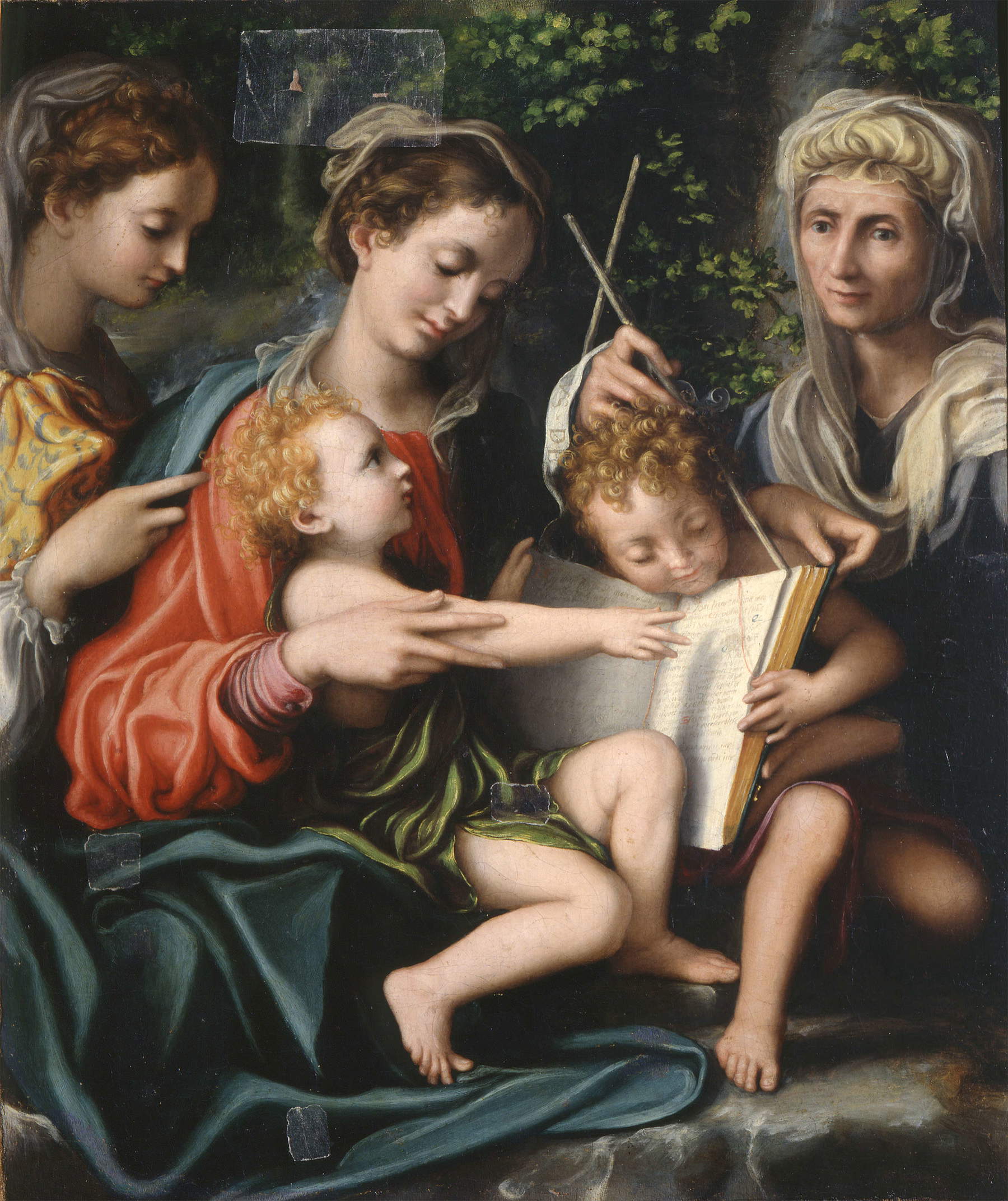
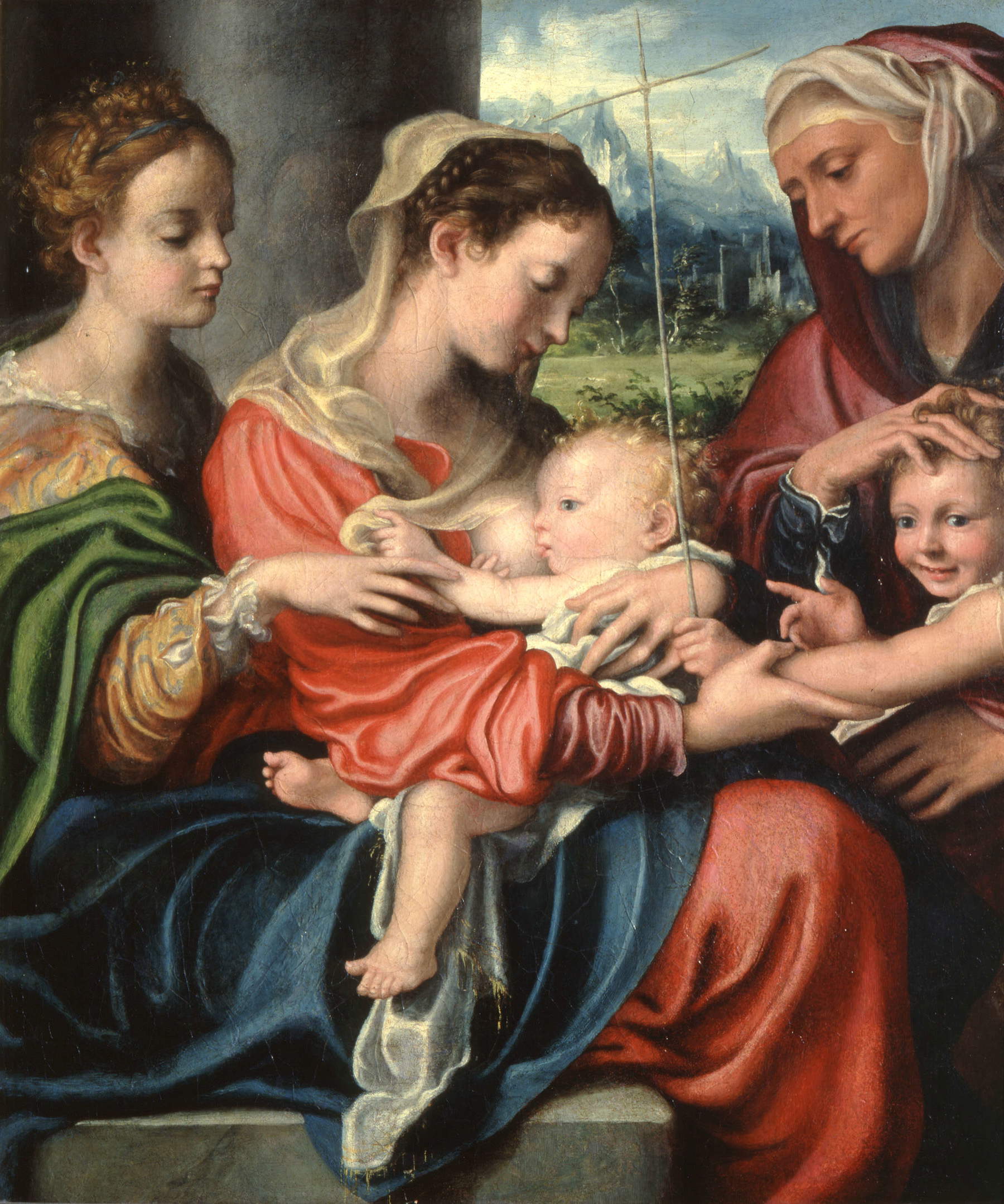
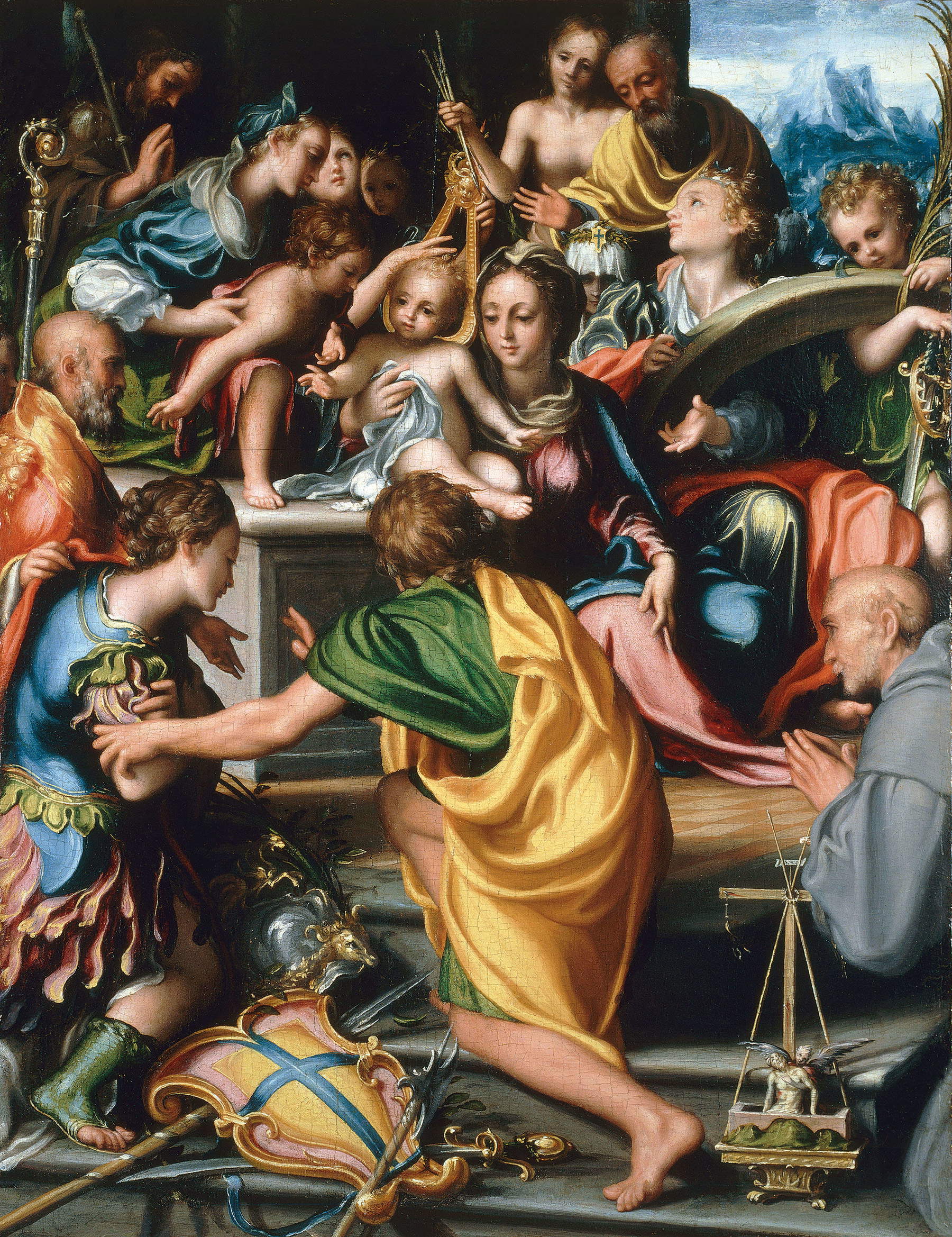
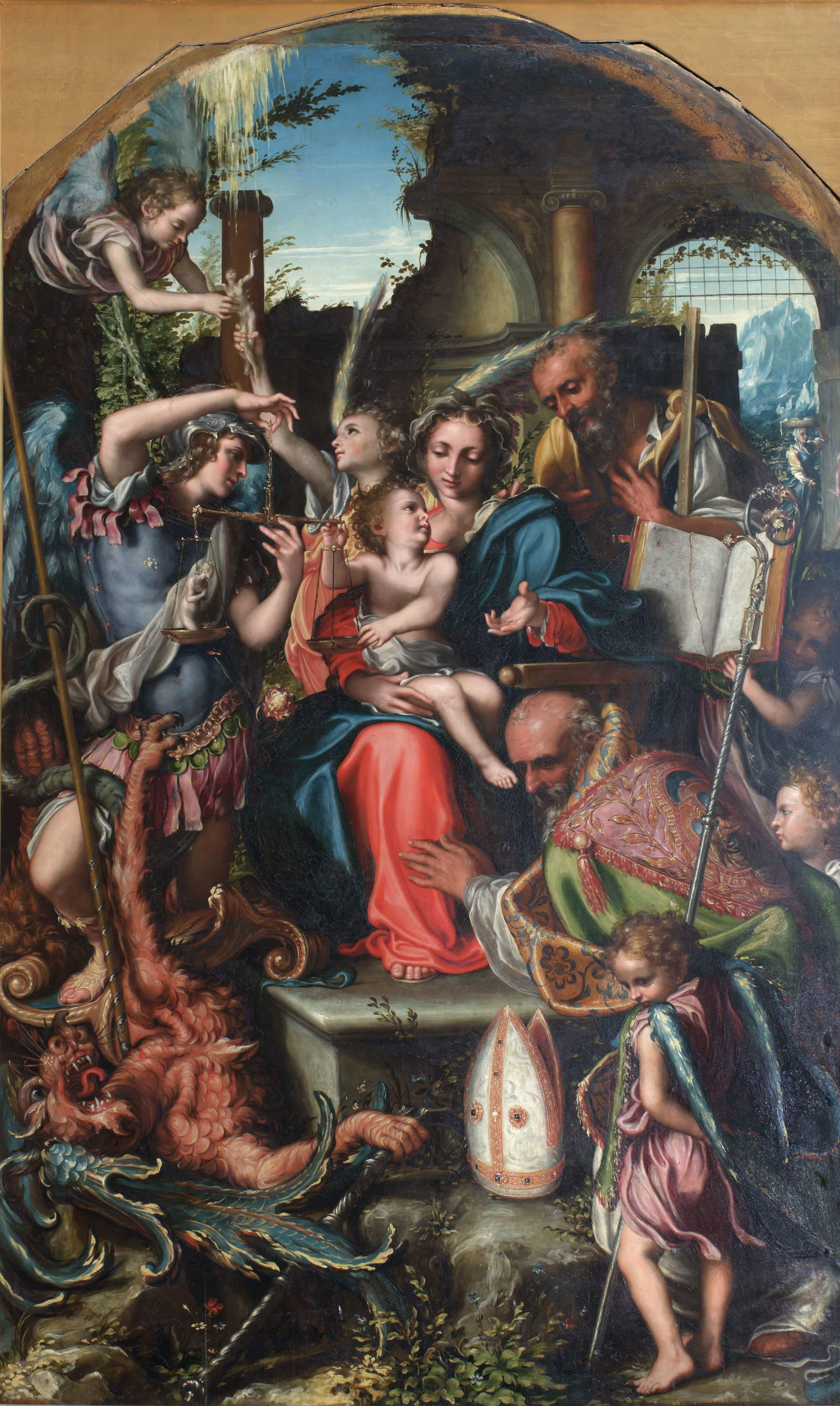
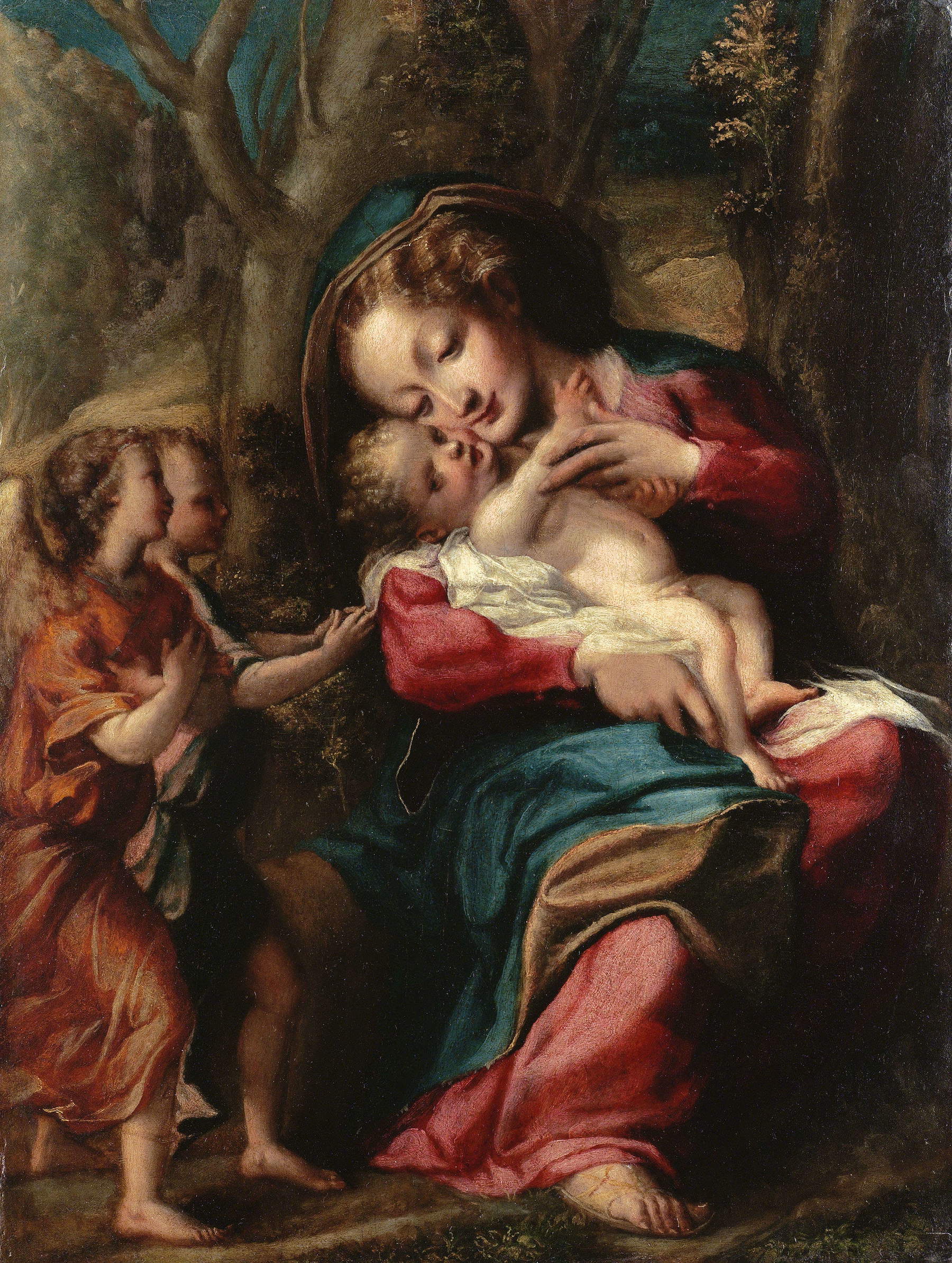
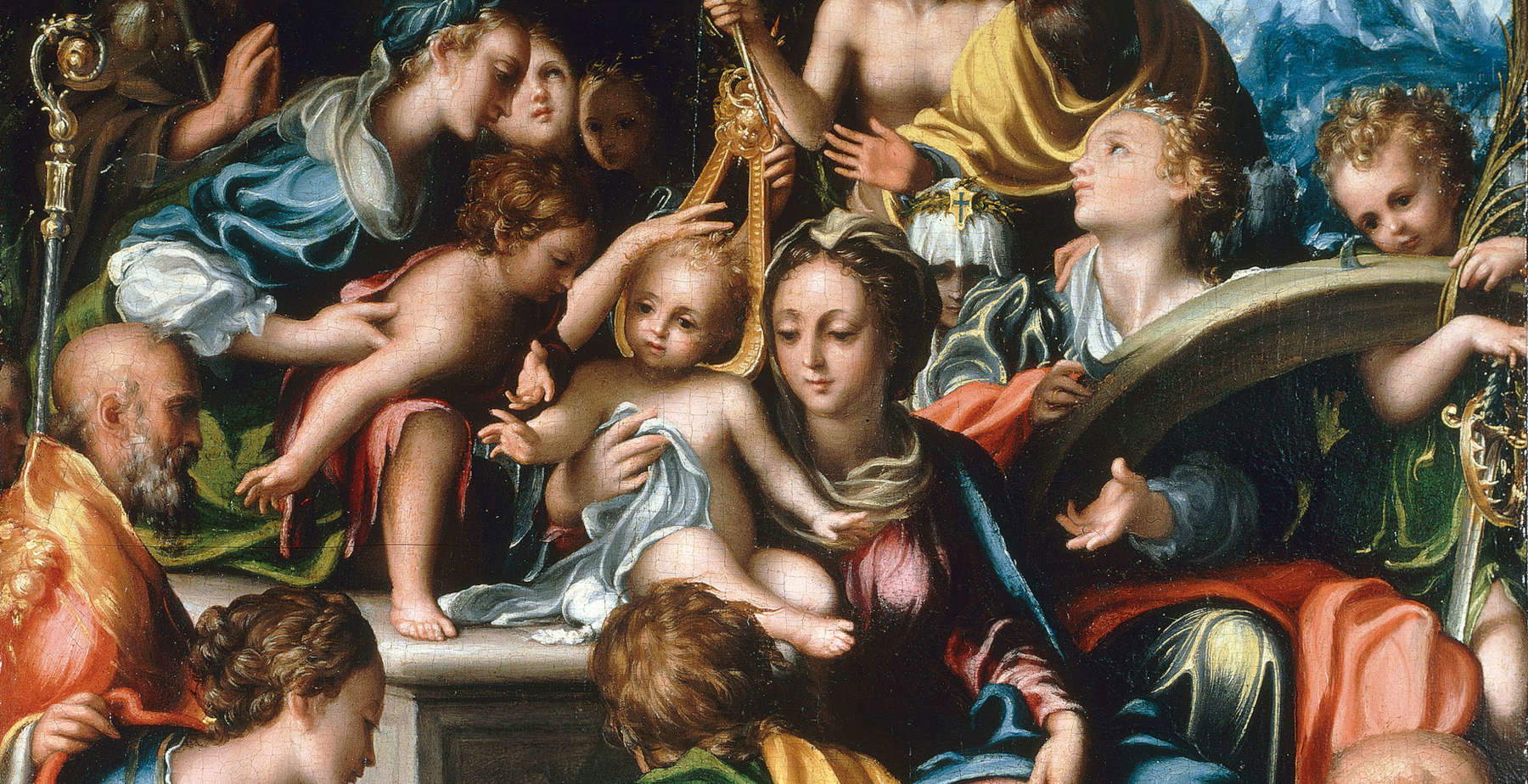
Among the works on display, the Altarpiece of San Michele, housed at the Pilotta, naturally stands out; it will be displayed alongside the artist’s only other altarpiece, now housed at the Palazzo Pitti in Florence. This is a particularly significant comparison, as the two major works offer insight into the ambitions and compositional skills of an artist who, despite working in a context dominated by the towering figure of Correggio, managed to develop his own artistic identity. Alongside the two altarpieces, seven small-format paintings will be presented, completing the artist’s pictorial body of work. Three of these works belong to the National Gallery of Parma, one is housed at the Pinacoteca of the Academy of Fine Arts in Turin, two are part of private British collections, and one is housed at the Sinebrychoff Art Museum in Helsinki. The bringing together of works normally scattered among public institutions and private collections in various countries is one of the most significant aspects of the entire initiative.
For this occasion, the paintings held by the National Gallery of Parma will be exceptionally brought together in a single room alongside the works on loan from the other venues. This curatorial choice will highlight the similarities, differences, and internal developments within a body of work that is quantitatively limited but extremely significant from a qualitative standpoint. The physical proximity of the works will also allow visitors to more clearly grasp the artist’s creative journey and the way in which he addressed themes, subjects, and formal solutions throughout his career. According to scholars, one of the characteristics that distinguishes Gandini del Grano from many of his contemporaries is precisely his search for original, sometimes eccentric and daring solutions: his painting, in fact, reveals a constant drive toward innovative compositional approaches, capable of combining Correggio-inspired elements with a personal narrative sensibility.
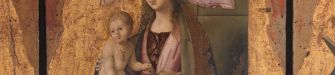
A particularly significant example of this approach is *The City of Parma Presented to the Virgin*, a panel painting acquired by the Pilotta in 2024. The work stands out for its ability to develop the devotional theme through a complex and articulate compositional structure, in which the religious dimension is interwoven with a refined symbolic allusion to the city of Parma. The painting attests not only to the artist’s technical skill but also to the deep bond that tied him to the urban context in which he carried out his entire career.
His connection to Parma is, in fact, one of the key factors for understanding Gandini del Grano’s artistic career. His career unfolded entirely in the Parma region, during a period of extraordinary cultural and artistic vitality. It was precisely this deep local connection that led him to secure one of the most prestigious commissions of his time: the continuation of the decorations in Parma Cathedral following Correggio’s death. In 1535, one year after the great master’s death, Gandini del Grano was identified as a possible successor to continue the decorative work on the Duomo. The commission represented an extraordinary vote of confidence and confirmation of the prestige the artist had achieved among his contemporaries. However, between the signing of the contract and his death in 1538, the painter was unable to complete the project.
All that remained of this ambitious undertaking were a few preparatory drawings: this failure to complete the work has, over time, sparked numerous reflections among scholars, who have hypothesized that Gandini del Grano’s artistic language found its most effective expression in works of modest dimensions, where he could develop his inventiveness and the finesse of his line with greater freedom. The exhibition explores precisely this aspect through a large collection of graphic works that offer a glimpse into the artist’s creative workshop: while his paintings attest to his ability to craft refined and sophisticated compositions, his drawings reveal the characteristics of his artistic temperament even more clearly.
According to the curators, both Gandini del Grano’s paintings and his graphic works are permeated by an internal tension that lends the pieces an almost nervous, tormented, and intensely expressive quality: a stylistic hallmark that yields results of the highest caliber, but which likely made it more challenging to manage monumental, large-scale projects such as the Parma Cathedral. To document this aspect of his work, the exhibition will feature numerous drawings on loan from some of Europe’s most important museums. Among the lenders are the Albertina in Vienna, the Musée du Louvre in Paris, the Gallerie dell’Accademia in Venice, and the Uffizi Galleries in Florence. The inclusion of these drawings is of extraordinary interest, as it allows visitors to observe the artist’s creative process up close and to gain a deeper understanding of his techniques and figurative language.
Displayed alongside the paintings, the works on paper will offer a more comprehensive view of Gandini del Grano’s oeuvre, highlighting the ongoing dialogue between graphic invention and painterly execution. Through sketches, preparatory studies, and finished drawings, visitors will be able to trace the artist’s creative journey and better understand the role that drawing played within his artistic practice.
The exhibition also takes on particular significance in light of recent documentary discoveries that have helped clarify certain fundamental aspects of the artist’s biography. Giorgio Gandini del Grano was born in Parma in 1498, as attested by recently discovered archival documents that have made it possible to identify his baptism with certainty and to resolve the uncertainties that had long surrounded the reconstruction of his origins. These new findings allow us to sketch a more precise portrait of a refined painter, trained in Parma’s vibrant artistic milieu and capable of deeply assimilating the influences drawn from Correggio’s work. His career spanned a relatively short period, from 1528 to 1538, but was marked by public and religious commissions of considerable importance.
The commission he received in 1535 to complete the frescoes in the Duomo represents the high point of his career and attests to the prestige he enjoyed among his contemporaries. His premature death in 1538, however, cut short his artistic career and likely contributed to his subsequent marginalization in art history. Yet, observing the works now gathered at the Pilotta, the personality of an artist capable of creating an original synthesis of formal elegance, expressive intensity, and attention to light effects clearly emerges. These elements make Gandini del Grano a significant figure in the artistic landscape of the early sixteenth century and justify the renewed critical interest in him.
The exhibition in Parma therefore aims to restore full historical and artistic dignity to what can be considered a true “petit maître” of the Emilian Renaissance. This definition should not be interpreted as a downplaying of his value, but rather as a recognition of his greatness, expressed through works of modest scale that stand in contrast to the monumental works of the period’s most celebrated figures.
 |
| Parma: The Pilotta Hosts the First Exhibition Dedicated to Giorgio Gandini del Grano |

Warning: the translation into English of the original Italian article was created using automatic tools. We undertake to review all articles, but we do not guarantee the total absence of inaccuracies in the translation due to the program. You can find the original by clicking on the ITA button. If you find any mistake,please contact us.















 IT
IT FR
FR DE
DE ES
ES CN
CN


