




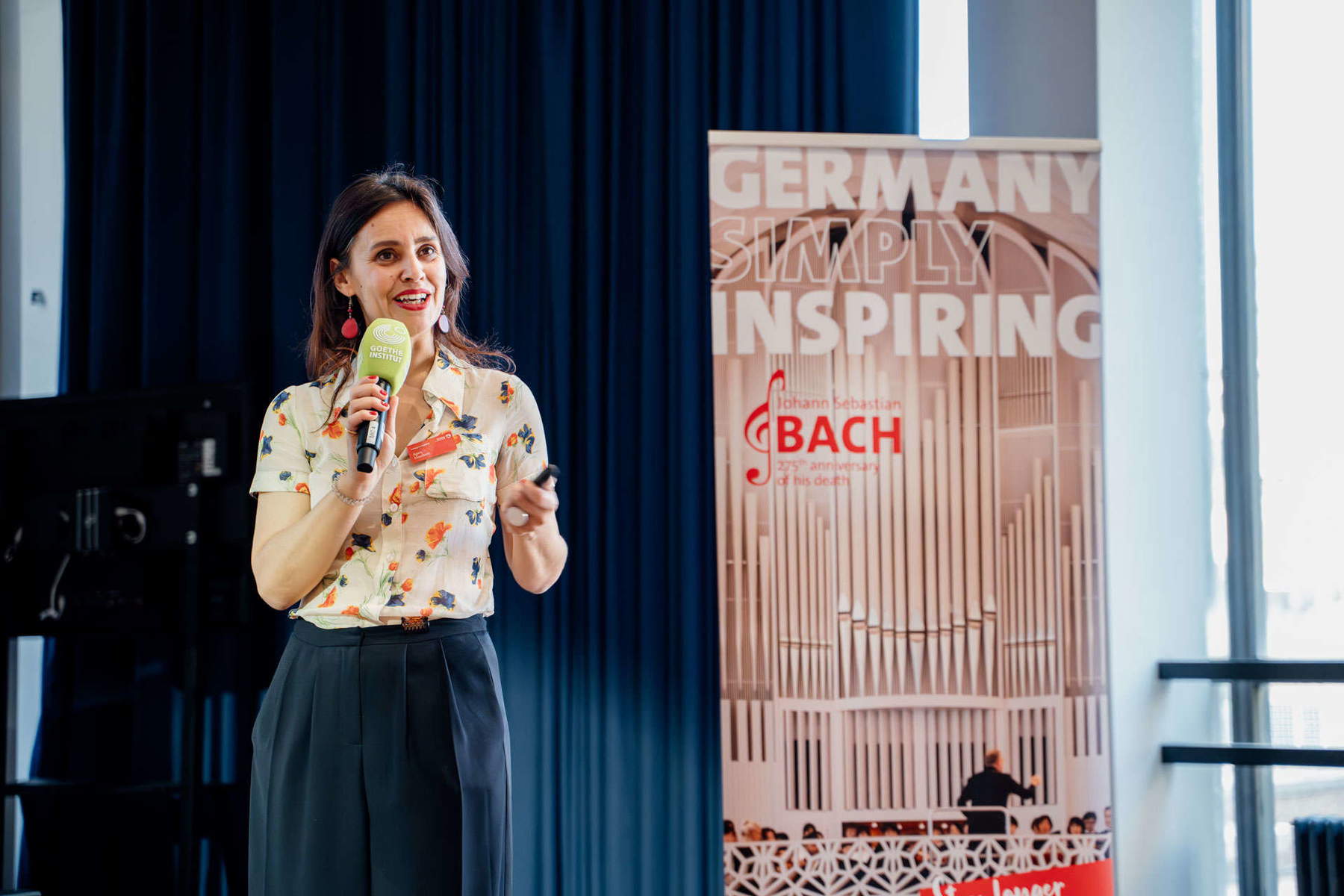
Agata Marchetti is the director of the German National Tourist Board Italia, the German National Tourism Board, where she has been responsible for promoting Germany in the Italian market since 2024. With over nineteen years of experience within the organization, she has overseen Germany’s destination marketing strategies over the years, keeping pace with the evolution of international tourism and travelers’ behaviors.
In this interview with Noemi Capoccia, Marchetti analyzes the relationship between Italy and Germany from a tourism perspective, starting with the growing interest among Italian travelers in a destination that combines cultural heritage, major cities, nature trails, and regional experiences. Marchetti describes how the way people travel in Germany has changed, with a greater focus on themed itineraries, longer stays, and forms of tourism extending beyond major urban centers, while also highlighting the strategies adopted to manage tourist flows and address the phenomenon of overtourism. The conversation also centers on the transformations currently affecting the sector: from the effects of climate change on the geography of destinations to the growth of food and wine tourism, and the role of artificial intelligence in travel planning and tourism communication. A discussion on the future of European tourism and the new ways in which countries are shaping their image among international visitors.
NC. According to the eDreams ODIGEO report, Italians in 2026 show a strong propensity for traveling abroad, with a mix of major European capitals such as Paris, Barcelona, and Amsterdam among the most-booked destinations and long-haul destinations such as New York, Tokyo, and Bangkok among the most-searched destinations. In 2025, however, the most-booked destinations include Barcelona, Paris, Tirana, Catania, Olbia, London, Madrid, Amsterdam, Ibiza, and Tenerife. Against this backdrop of strong international travel, where does Germany stand today in the choices of Italian travelers? And what kind of perception emerges compared to other destinations that are more central to the tourist imagination?
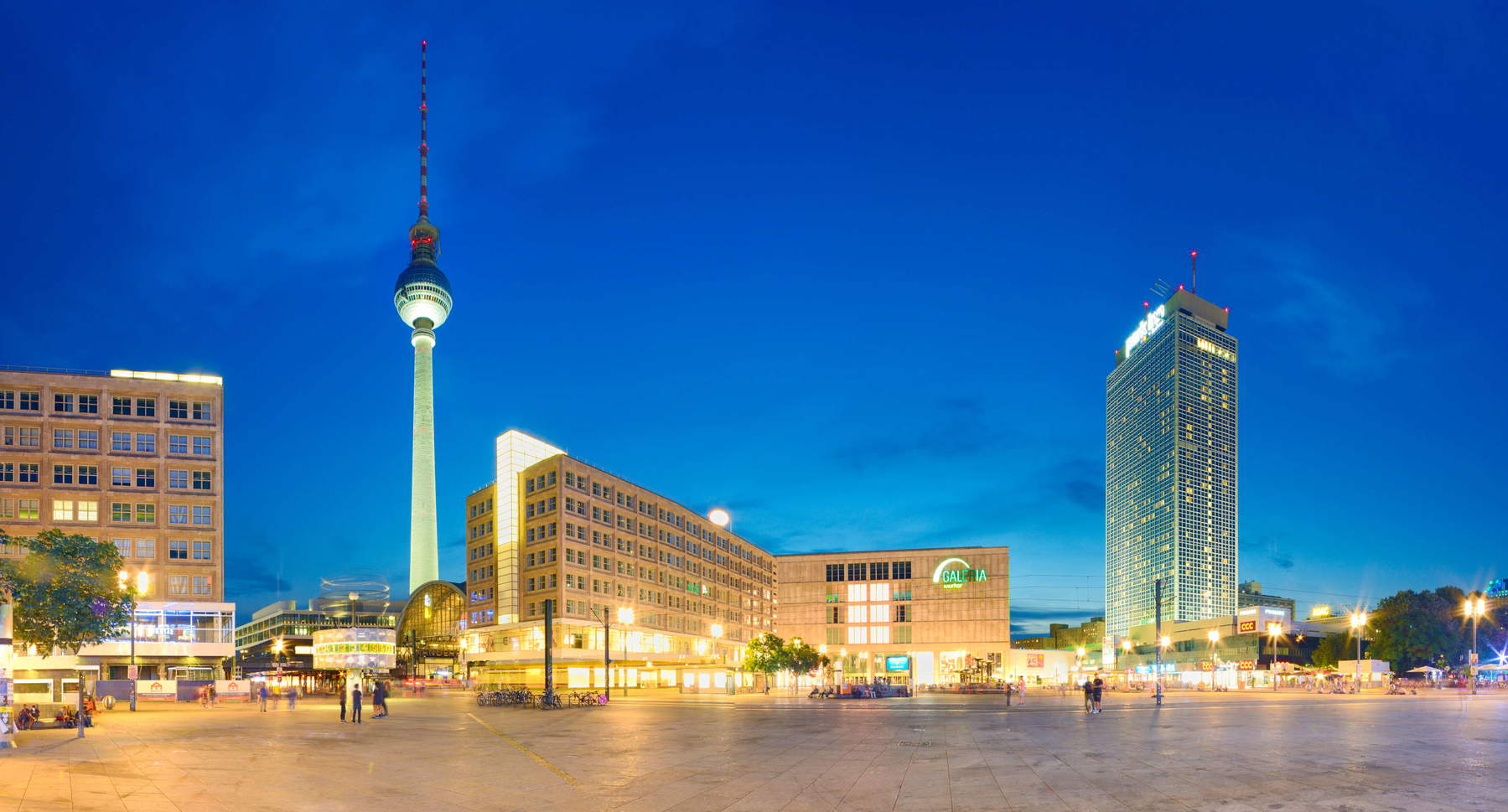
AM. Germany is the third most popular European destination among Italians, after Spain and France. This is naturally due to the appeal of the capital— —Berlin, which often serves as Italians’ very first introduction to Germany as a destination, but also to the fact that Germany is a nearby destination, easily accessible via short flights, by car, and—increasingly—by train. It is precisely this last mode of transportation that has seen an exponential increase in travel from Italy over the past two years (+17% compared to 2025 and +140% compared to 2024!). Another distinguishing feature of Italian travelers who choose Germany is that 66% of them are so-called “repeat visitors,” meaning they have already visited the destination several times. I should note that these are purely leisure trips, i.e., vacations.
Currently, what are the main reasons driving Italian tourists to choose Germany as a destination?
The combination of a rich cultural offering, major cities, and picturesque villages—along with excellent opportunities to enjoy nature—is highly appealing to Italian visitors, who also find that the destination offers excellent value for money.
How do Italian tourists travel in Germany today? What experiences do they prioritize during their trips?
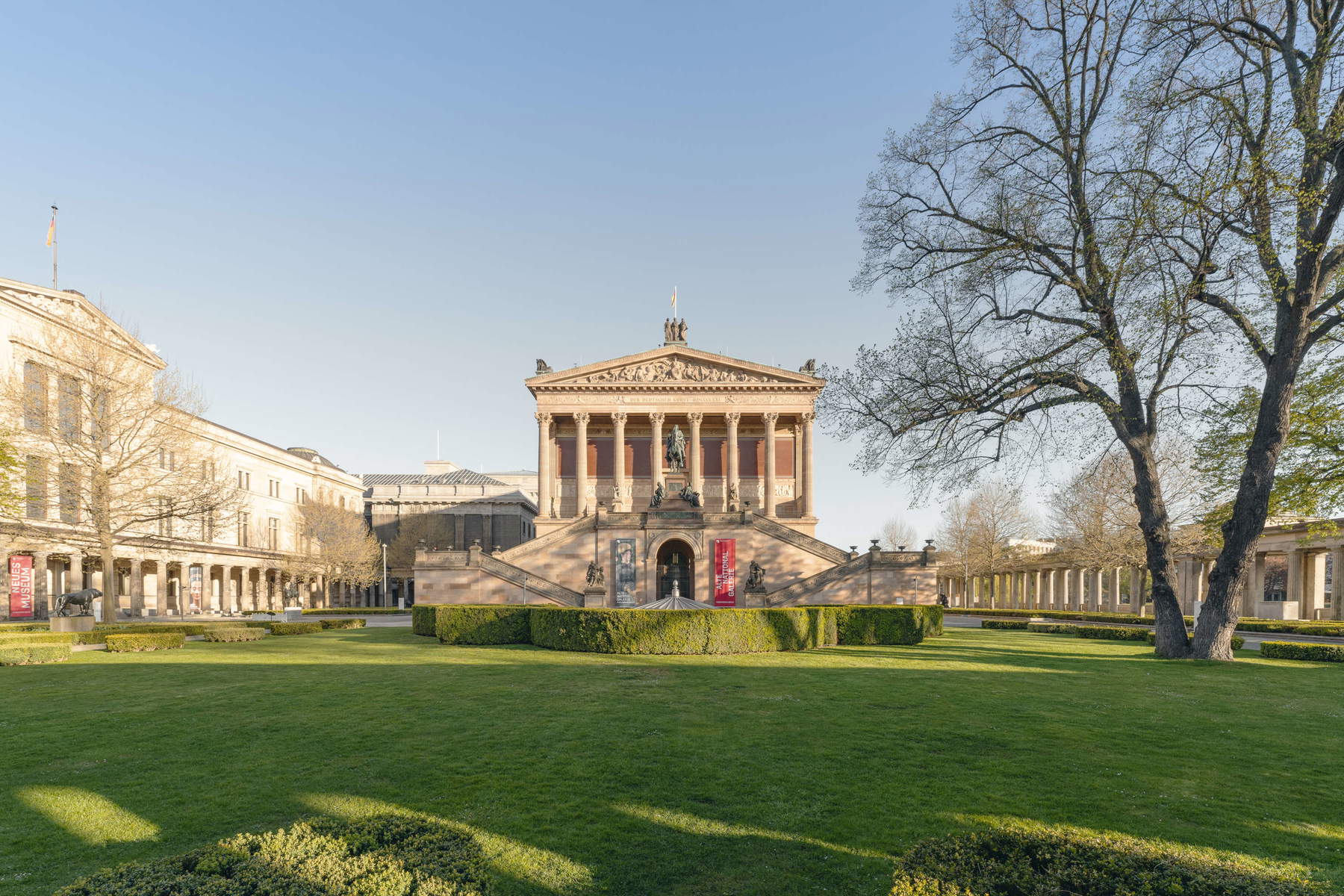
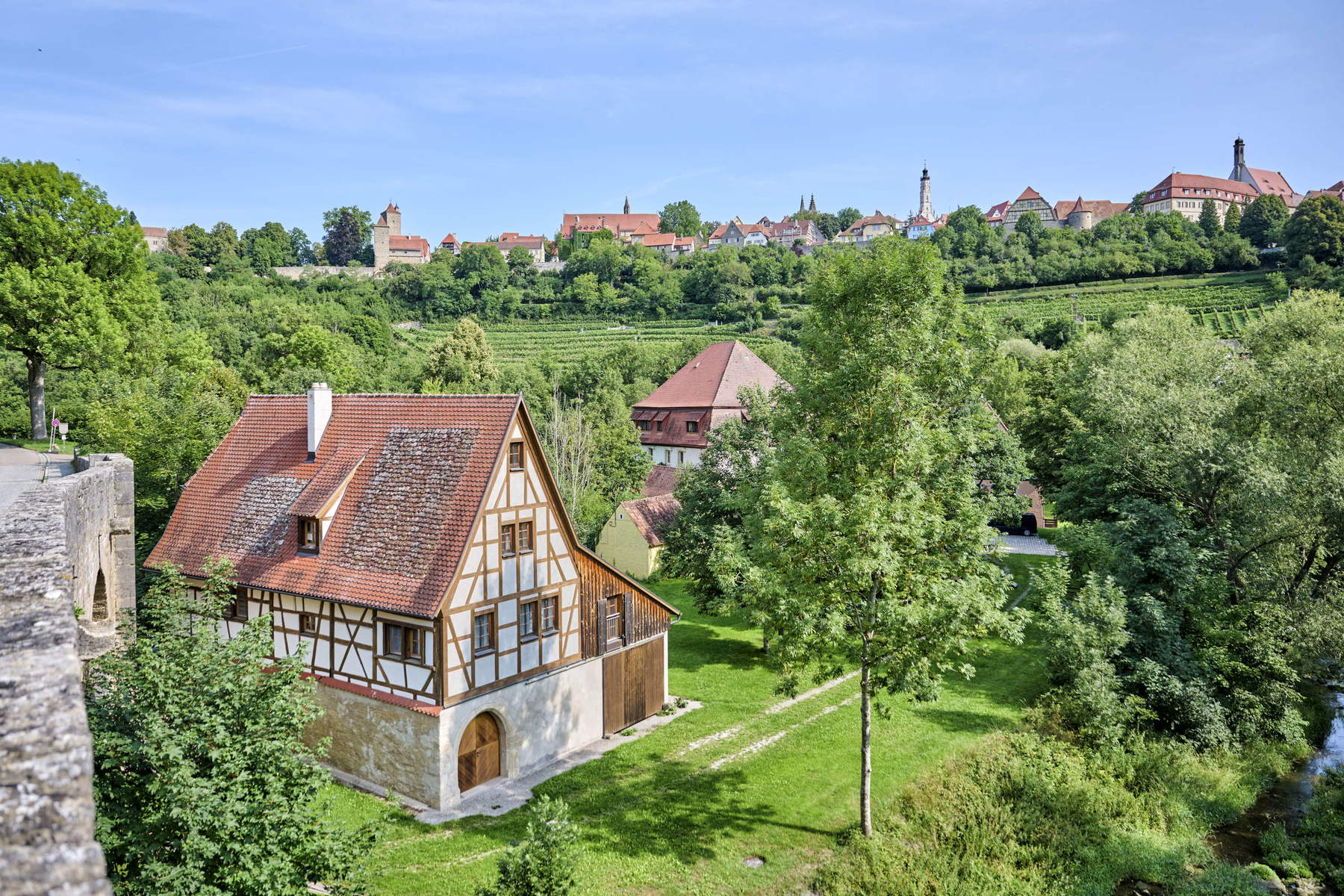
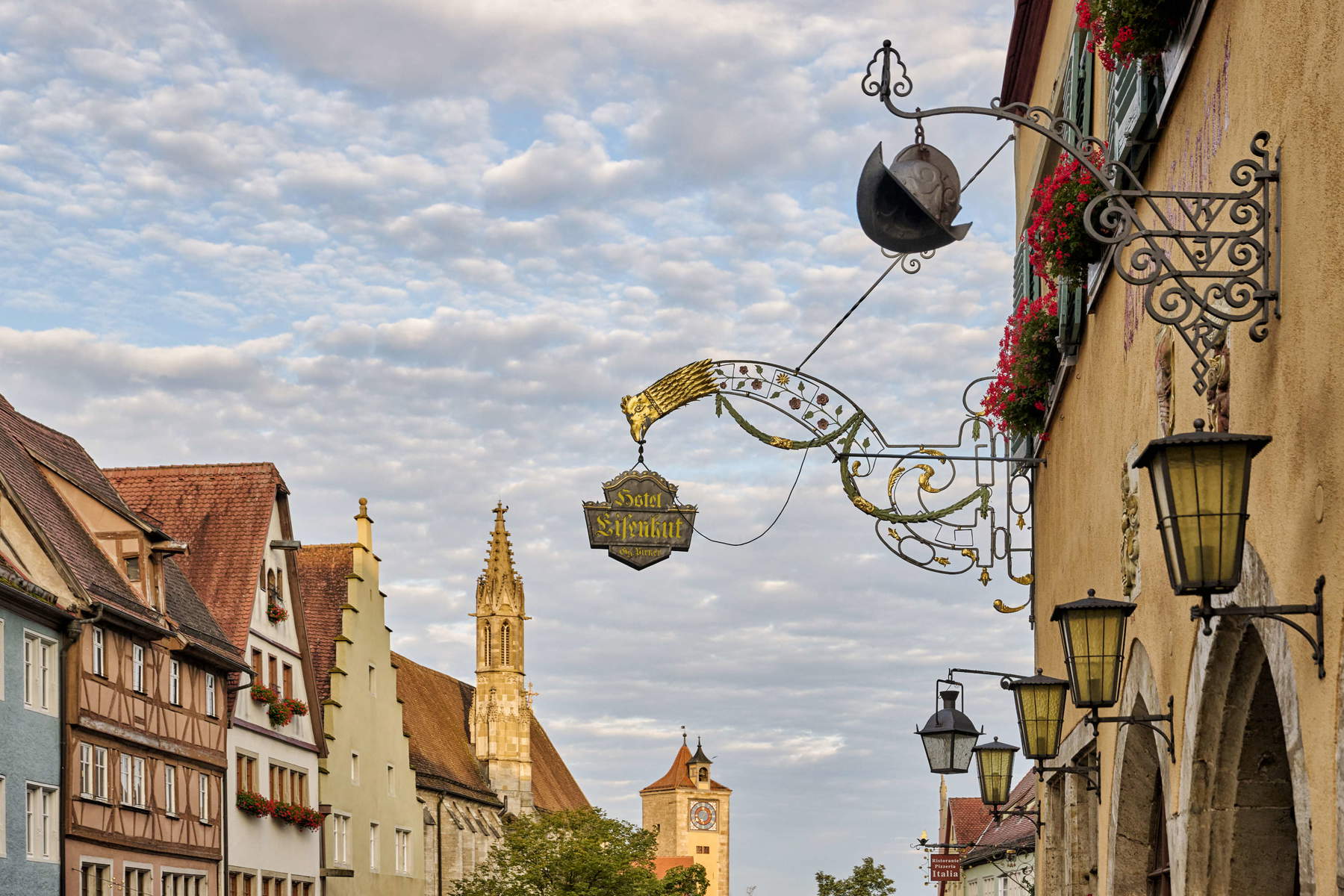
In recent years, Italian tourists in Germany have been extending their stays at their destinations, and in addition to the classic long weekends in cultural capitals such as Berlin, Munich, Hamburg, and Frankfurt, trips along Germany’s numerous tourist routes are increasingly in demand— I’m thinking of the many cycling routes, the much-loved Romantic Road, the Fairy Tale Road, the wine and beer routes, or those exploring UNESCO World Heritage Sites (Germany is the third-most-visited destination in the world for World Heritage Sites after Italy and China), and many others—itinerant journeys, in short, in search of a combination of cultural, culinary, and natural elements.
If we broaden our perspective to the international context, is Germany succeeding in establishing its own recognizable tourism identity, or does it lack a narrative as strong as that of other European countries?
Germany’s image from a tourism perspective is in excellent shape; the relationship between Italy and Germany is very strong in many respects: economic, cultural, and tourism-related. Certainly, compared to other European destinations, Germany’s image is more susceptible to fluctuations that have nothing to do with the destination’s tourism offerings or hospitality, but firsthand experience ultimately dispels any doubts quite easily.
While Germany still struggles to establish itself in the Italian tourist imagination as a top-tier destination, cities like Munich and natural attractions such as Lake Eibsee in Bavaria are experiencing increasingly intense tourist pressure, as reported by RSI Swiss Radio and Television. In this seemingly contradictory balance, is Germany now also grappling with the phenomenon of overtourism?
Overtourism in Germany is clearly not comparable to what Italy is experiencing, but for years now, major cities like Munich and Berlin have implemented targeted and forward-thinking strategies to manage tourist flows—such as marketing campaigns that promote all neighborhoods in these two cities with the aim of relieving congestion in the historic centers.
Climate change is clearly altering seasons and travel habits. In your opinion, could Germany become an unexpected summer destination, thanks to milder temperatures and the opportunity to experience the North Sea and the Baltic Sea in a different way? How is the German summer changing—or how will it change—in the context of international tourism?
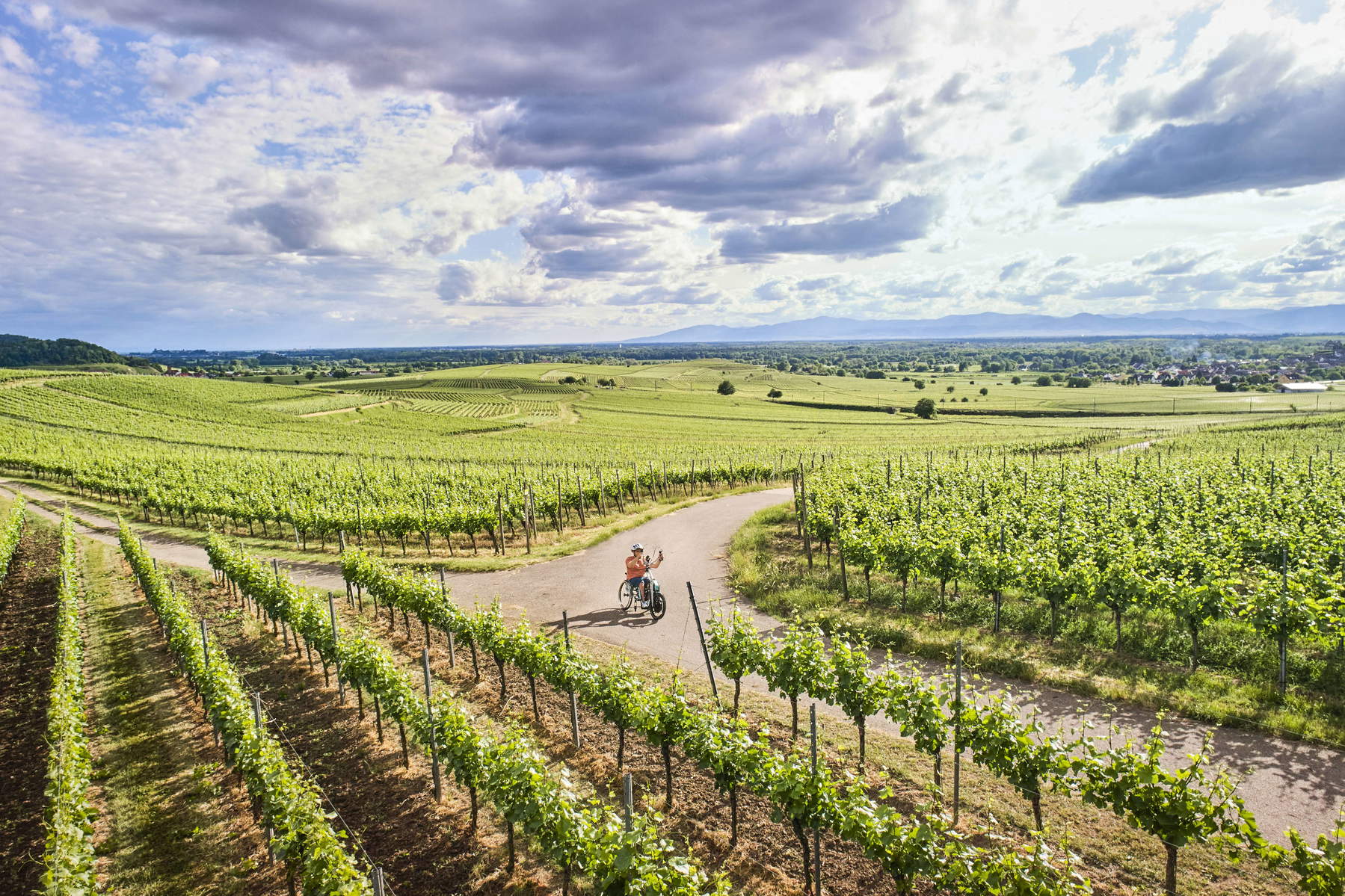
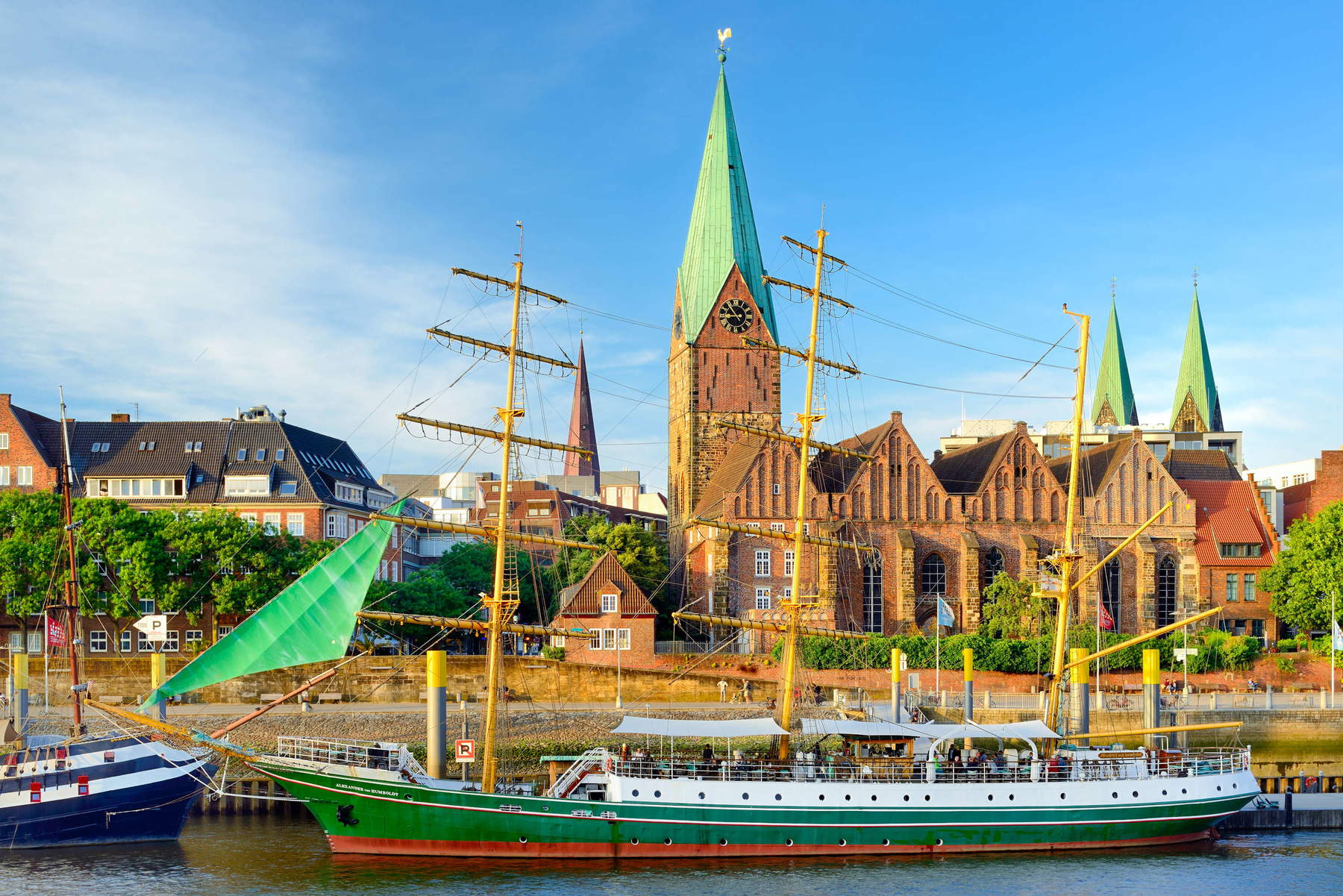
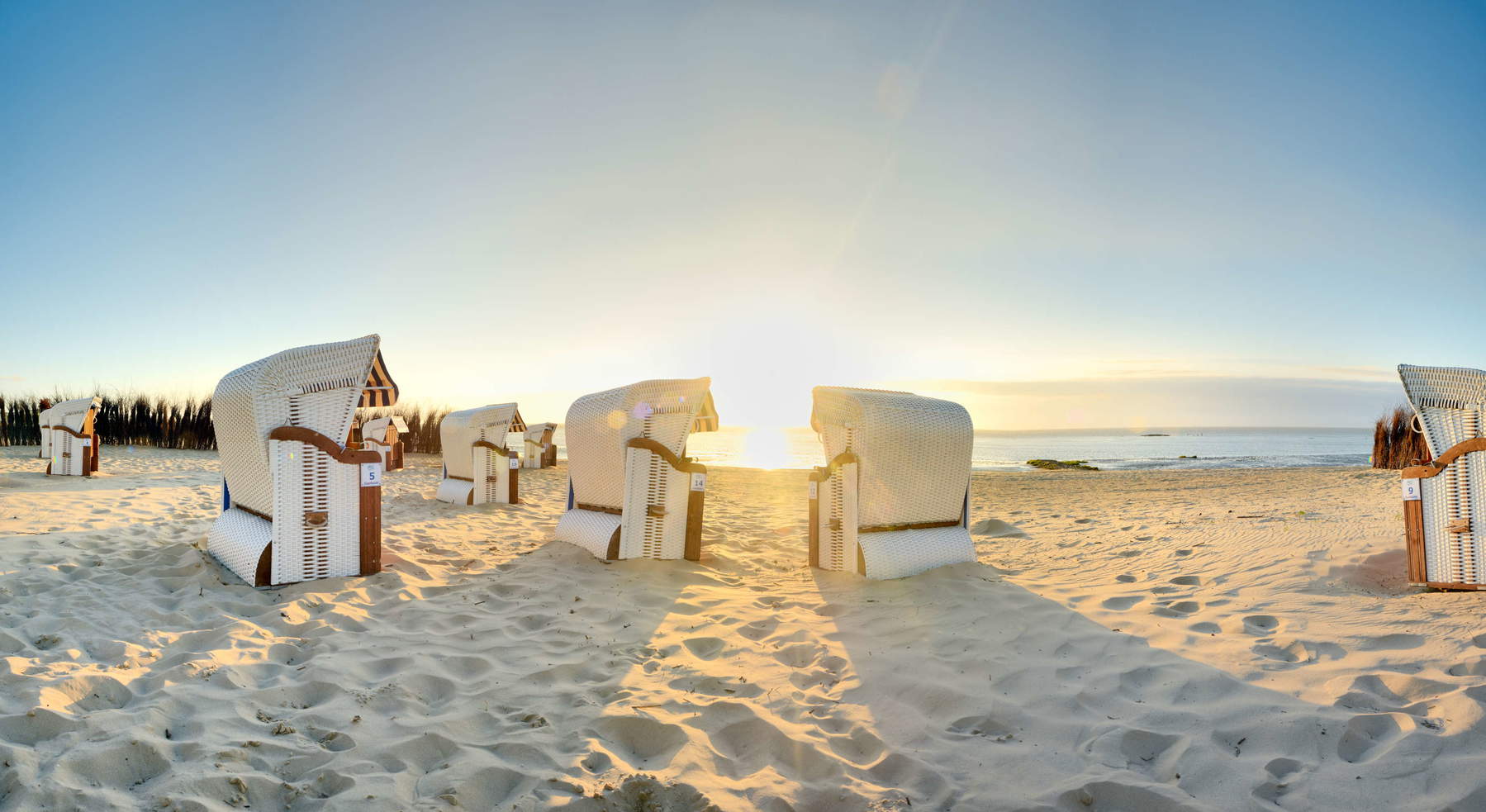
So far, climate change has had—it must be admitted—very pleasant effects, especially on the distribution of grape varieties that were once unthinkable to find north of the Alps and that have allowed for the refinement of wine production with excellent results. Germany has 13 wine regions that, in recent years, have been offering an increasing number of tourist experiences—including wine tastings and highly popular vineyard tours—which are also in growing demand among Italian travelers. The Baltic Sea and the North Sea coast, with their large, snow-white beaches—often pristine because they’re protected areas—have a somewhat exotic appeal for Italians, as do the Hanseatic cities.
Artificial intelligence is also radically changing the way people plan their trips, which are increasingly being organized using AI tools. How is an organization like the German National Tourist Board responding to this change? Does it still make sense to invest primarily in traditional channels such as social media, or is a new phase beginning?
Artificial intelligence isn’t a thing of the distant future—it’s already here—and communication strategies must keep pace with this change and adapt their language. No change has ever happened as quickly as this one. Since 2021, we’ve been developing a major open-data project that’s part of this shift, which we’ve made available on our website, germany.travel, as well as on social media. Specifically on Instagram, we’ve launched our @germanytourism channel using artificial intelligence, creating one of the first digital influencers. Our star is named Emma, and you can follow her by searching for the account EmmaTravelsGermany. Of course, Emma wasn’t created to replace real-life influencers, who remain a key element of our promotion and through whom we aim to share authentic, reliable experiences that are accessible to anyone who wants them. Emma is a source of inspiration, information, tips, and the unique atmospheres that characterize the diversity of Germany’s tourism offerings. Take a look—I’m sure you’ll be surprised by her travels and her suggestions.


The author of this article: Noemi Capoccia
Originaria di Lecce, classe 1995, ha conseguito la laurea presso l'Accademia di Belle Arti di Carrara nel 2021. Le sue passioni sono l'arte antica e l'archeologia. Dal 2024 lavora in Finestre sull'Arte.Warning: the translation into English of the original Italian article was created using automatic tools. We undertake to review all articles, but we do not guarantee the total absence of inaccuracies in the translation due to the program. You can find the original by clicking on the ITA button. If you find any mistake,please contact us.

























 IT
IT FR
FR DE
DE ES
ES CN
CN


