





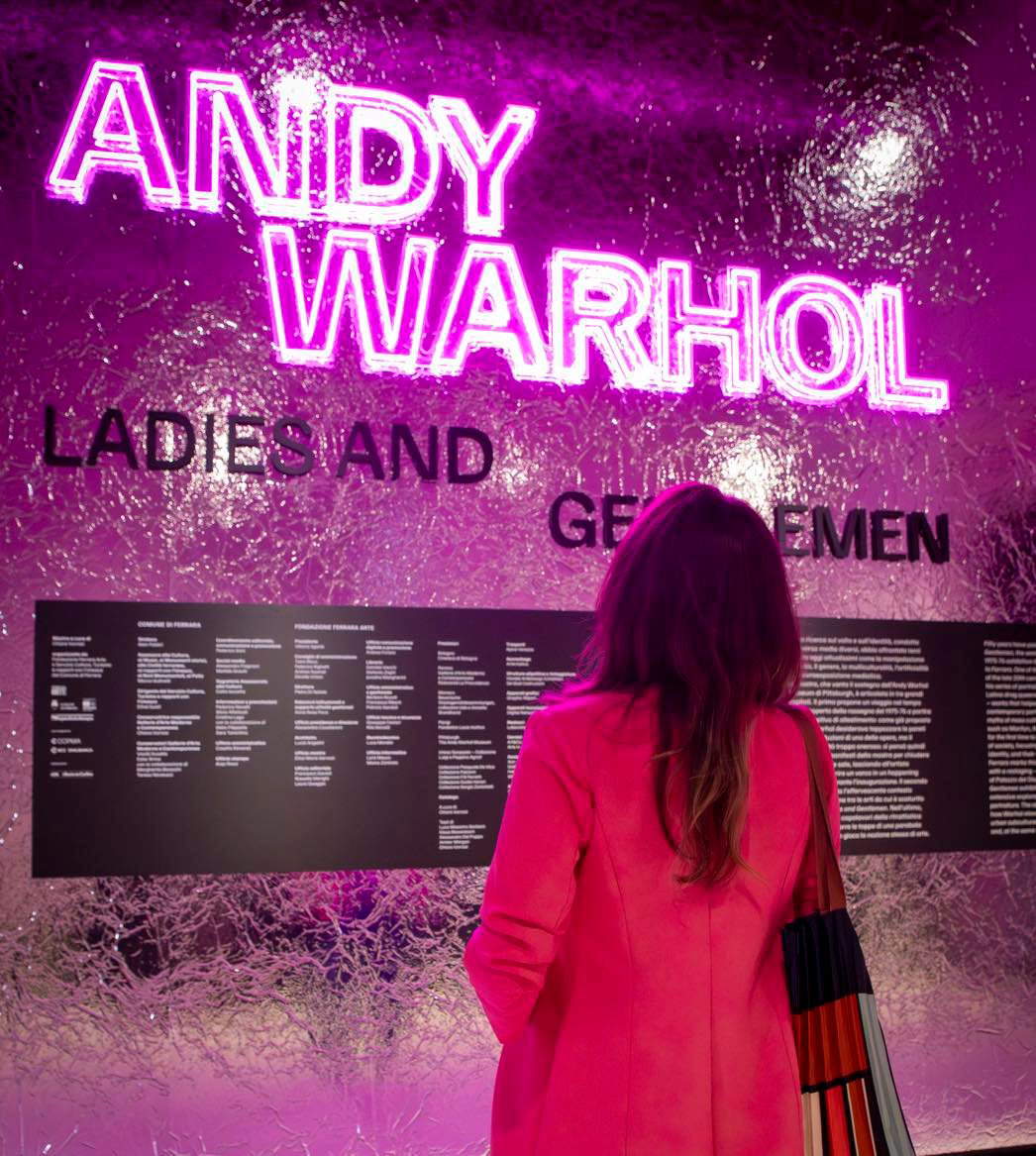
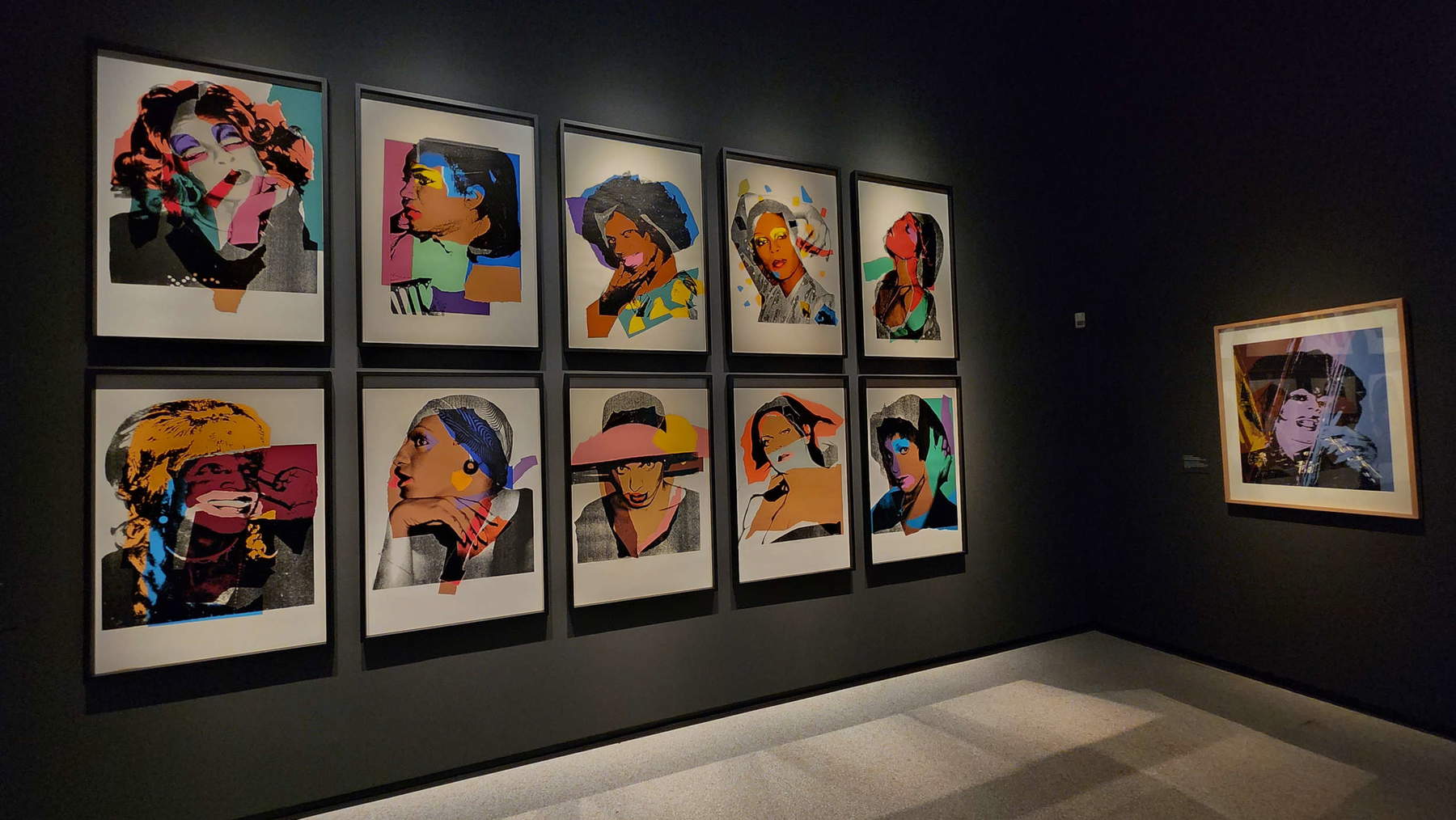
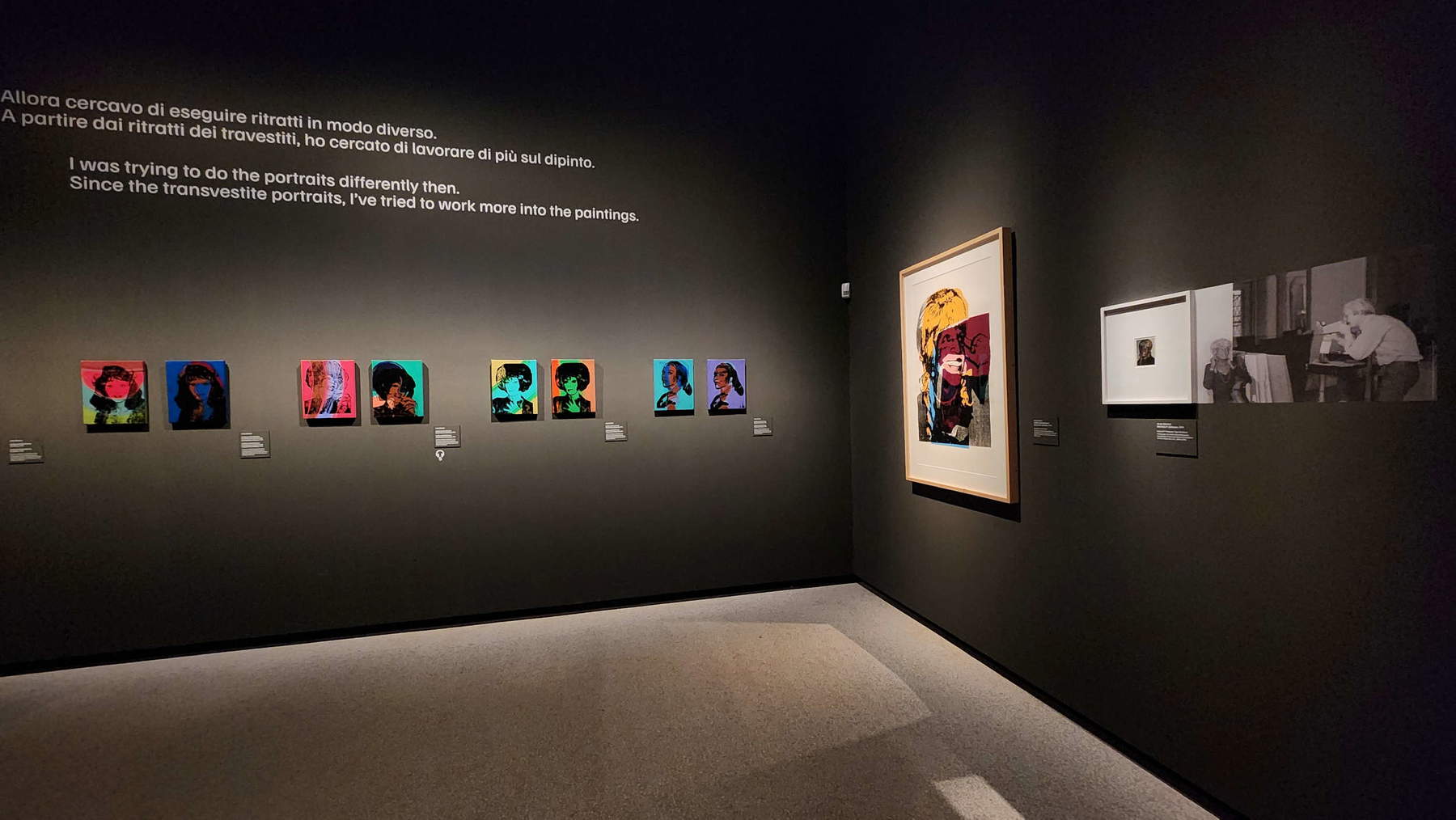
Until July 19, 2026, Palazzo dei Diamanti in Ferrara is hosting the exhibition Andy Warhol. Ladies and Gentlemen, which recalls the exhibition with which in 1975 the great American artist presented his celebrated series precisely at Palazzo dei Diamanti for the first time, thanks to the interest of the then director of the Galleria Civica d’Arte Moderna of Ferrara, Franco Farina. Ladies and Gentlemen represents a turning point in the production of the American artist, in which the gaze shifts from the star system to the marginal identities of underground New York: the works dedicated to African American and Latin American drag queens in fact open a new front in the reflection on identity, representation and languages of contemporary visual culture. The current exhibition reconstructs not only the original core of the cycle, but also the historical and curatorial context that made Ferrara an international center of contemporary art in the 1970s. Curator Chiara Vorrasi tells us about it in this interview with Federico Giannini.
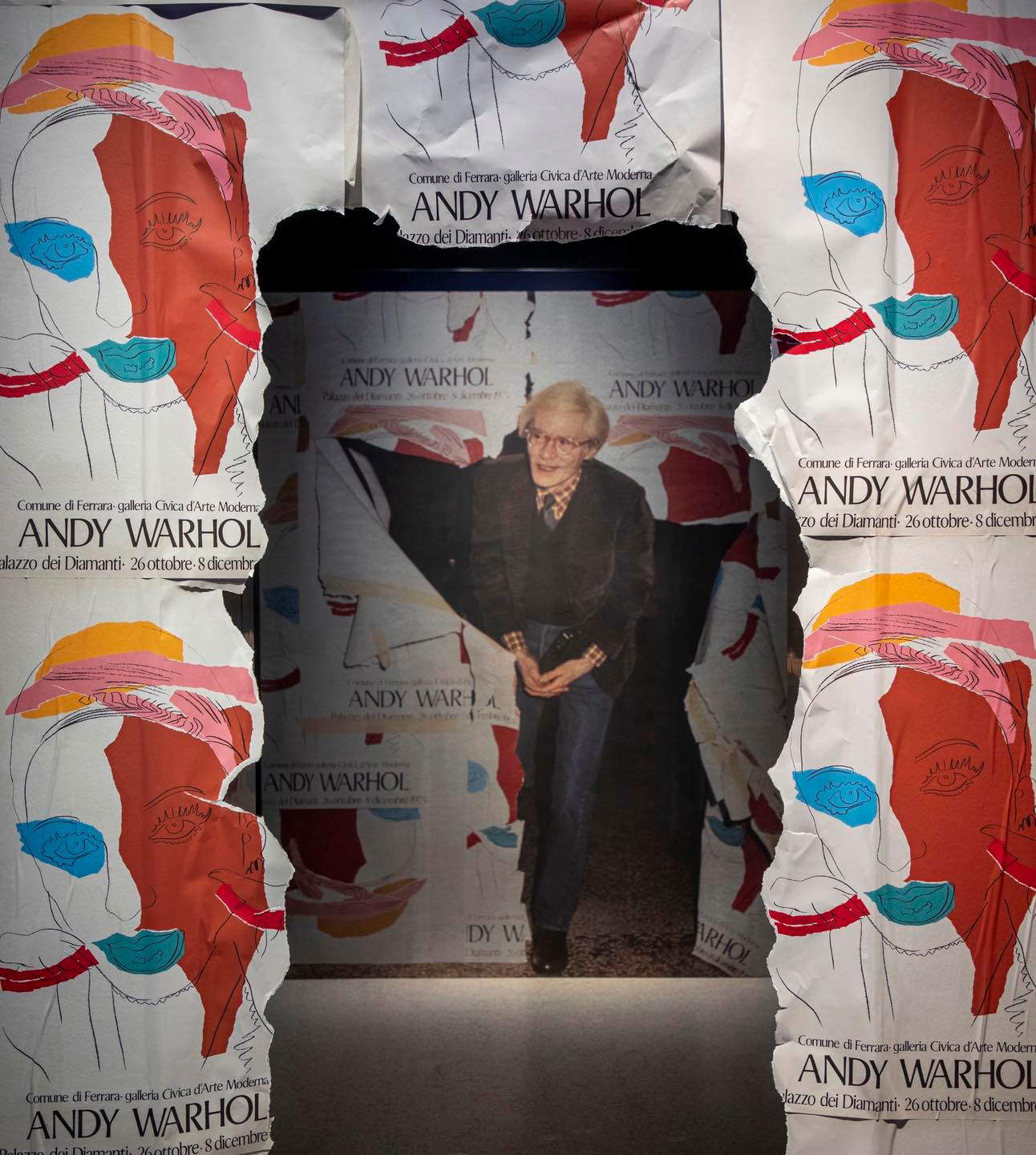
FG. The exhibition on Andy Warhol is organized on the occasion of the 50th anniversary of the exhibition with which the great American artist first presented his Ladies and Gentlemen series, one of his best known and most important works. It was 1975, and the exhibition was held right here in the Palazzo dei Diamanti. Thanks above all to Franco Farina, the then director of the Galleria Civica d’Arte Moderna, who managed to bring to Ferrara many of the world’s greatest artists, who came here to exhibit their most recent research, often as premieres. Was it an unrepeatable season? How did Farina manage to make Ferrara one of the most important Italian centers, if not the most important tout court, for contemporary art?
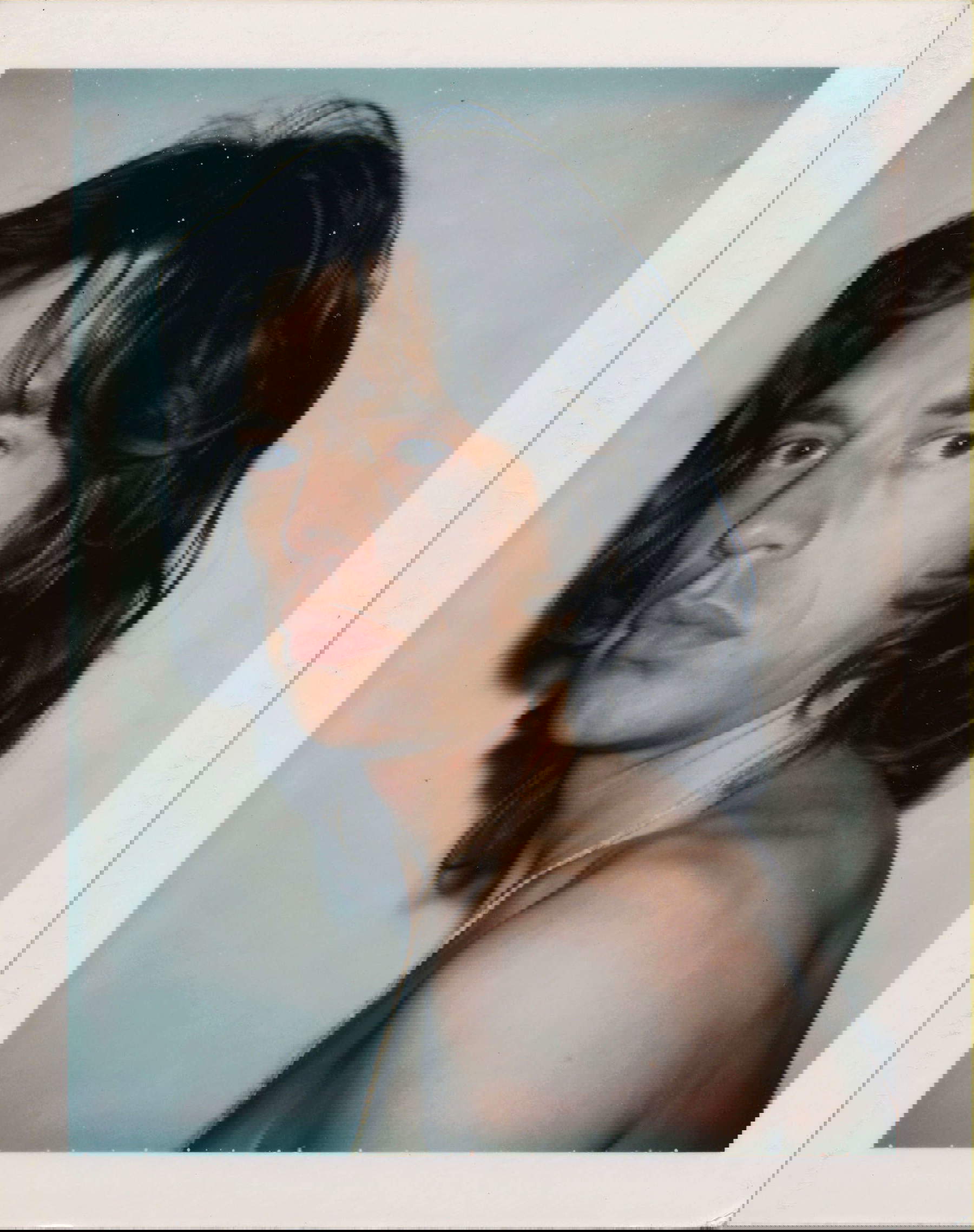
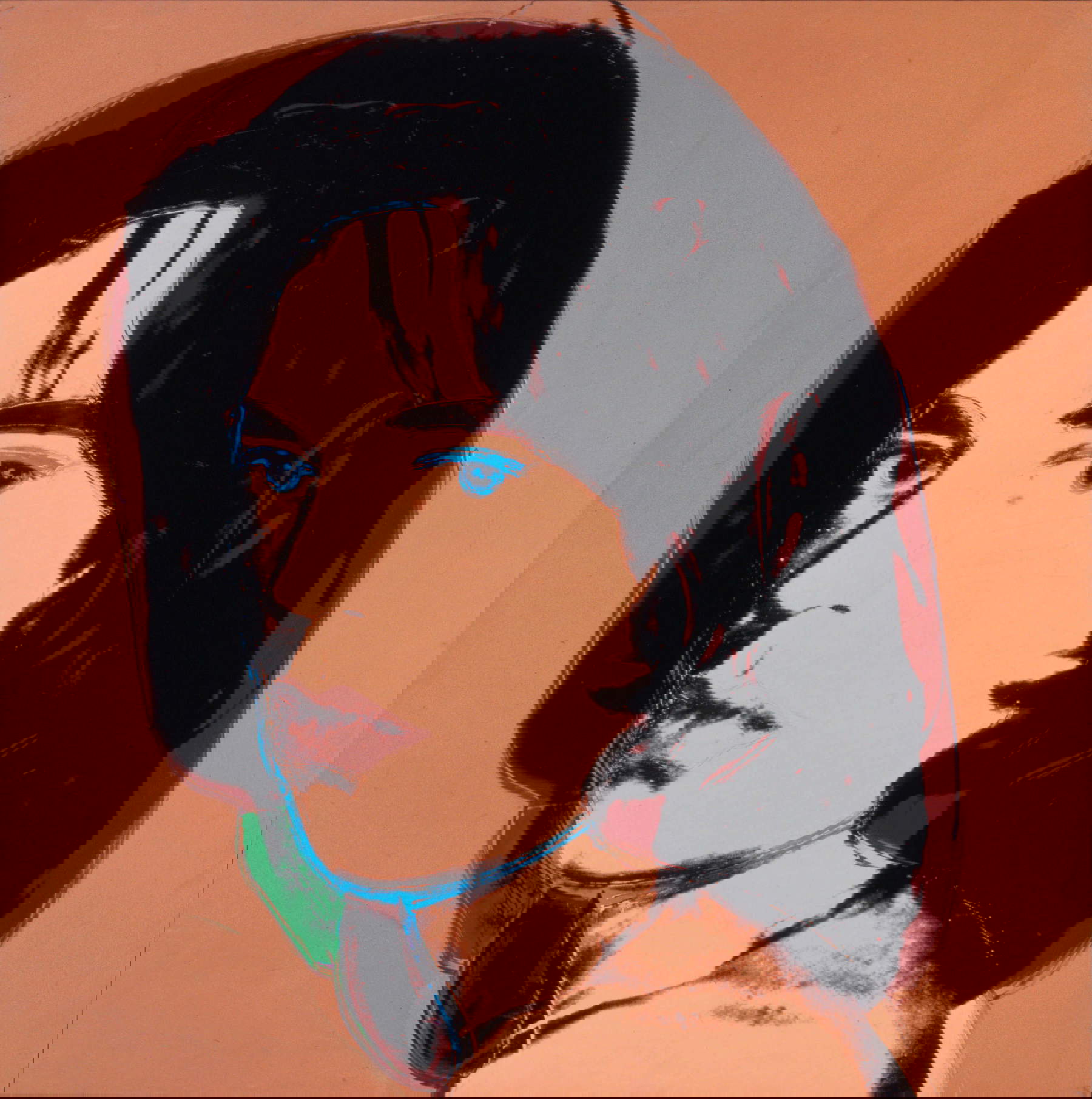
CV. It is indeed a very important anniversary for Ferrara and we wanted to commemorate it with an exhibition that traces the entire portrait parable of Andy Warhol around the core of Ladies and Gentlemen exhibited in 1975-76. Undoubtedly, Franco Farina’s work at Palazzo dei Diamanti has been a propulsive model in the Italian contemporary scene. Since the 1960s the programming alternated between more or less historicized figures, such as Giovanni Boldini, and postwar protagonists, such as Emilio Vedova, to new trends in the pop, kinetic or conceptual spheres, mobilizing militant critics and gaining the support of the local and regional government around a project of the museum as a democratic place of education and experimentation. By the 1970s the project had become more radicalized: a pioneering Video Art Center and a space dedicated to performance art opened their doors, and the exhibition horizon broadened to include the international scene, from the doyens Duchamp and Man Ray to the superstars of contemporary art, namely Andy Warhol and Robert Rauschenberg, who came in person to Ferrara to present their recent works. In Warhol’s case, Ladies and Gentlemen had been scheduled at the Rotonda della Besana in Milan but the city administration had backed out at the last moment. Farina had long nurtured a desire to bring Warhol to Ferrara and was delighted to welcome that exhibition, which heralded a real change of course. Warhol had abandoned the repertoire of the star system from which immortal icons such as Marilyn and Liz had sprung and turned the spotlight on anonymous figures from Manhattan’s underground scene: African and Latin American drag queens. The ironic and provocative vitality of these emerging urban cultures is reflected in the Warholian painting technique, which takes on an entirely new energy. These are works that seem to herald the pictorial vehemence of the neo-expressionism of the 1980s. Not to mention the forward-looking choice to stage the individual and his or her identity, like a reality or social media. This Farina could not have known but the media and public success of the exhibition had already proven him largely right.
Is the memory of that important exhibition still alive in Ferrara today? Or was this 50th anniversary exhibition a bit of a surprise for the people of Ferrara as well?
Ladies and Gentlemen certainly left a living and indelible mark. Every person who was in Ferrara in those years has memories of it, and even among younger people we are registering a lively interest. The witnesses we interviewed in the course of preliminary research have supported us enthusiastically, helping us to restore the atmosphere of the event in the halls of the Palazzo dei Diamanti. For example, Carlo Ansaloni, author of the video Warhol in Ferrara in collaboration with Lola Bonora, recalls the arrival of the superstar and his reserved but always subtly ironic attitude during the crowded opening. In the exhibition now open at the Diamanti, some sequences from the video take us back to that historic moment: upon his arrival Warhol signs a panel and draws two of his famous Campbell soup cans adding, with a sly smile, the word “spaghetti.” We had also made contact with architect Maurizio di Puolo, creator of the memorable arrangement for the 1975-76 exhibition that we wanted to recall. Warhol had imagined wallpapering the walls of the Palazzo dei Diamanti with one of the exhibition’s silkscreens, but the project turned out to be too expensive. Di Puolo came up with the idea of closing the passageways between the rooms, leaving Warhol himself, on the evening of the opening, with the task of ripping them open and kicking off the exhibition with that breaking gesture. In his recollection, the artist enjoyed playing along.
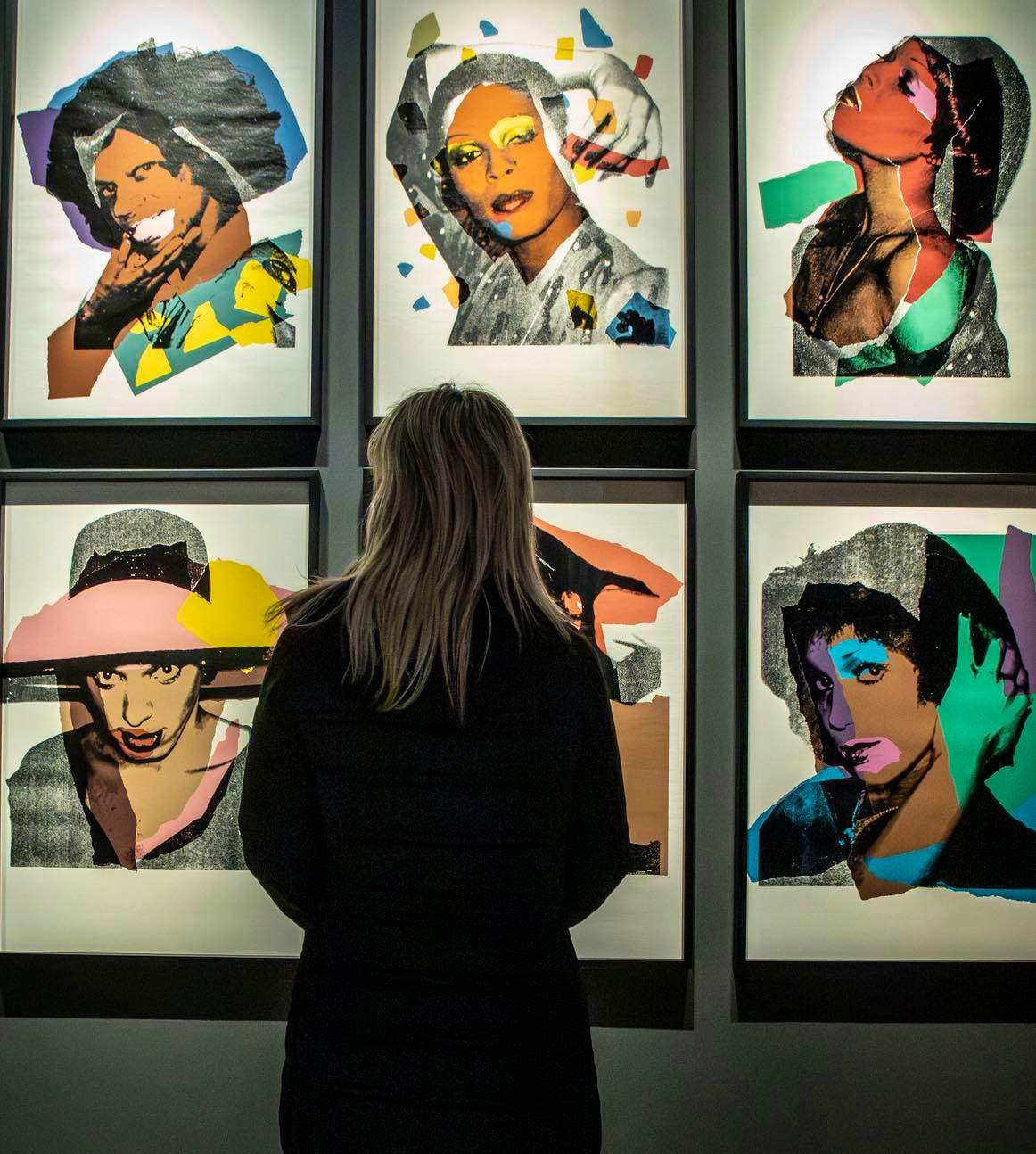
The curator of the 1975 exhibition, Janus, interpreted the Ladies and Gentleman series as a work of denunciation: She recalled that, for Janus, “cross-dressing embodied the extreme manifestation of centuries-old racial oppression by the hegemonic white bourgeoisie, and the unprecedented Warholian stylistic impetuosity sealed its indictment.” Not only that: the Andy Warhol series, it is clear, was part of a cultural movement that was extremely significant for the claims of the gay and queer community (think only of disco music, although the successes of landmark artists, from Sylvester to the Village People, would come later, although 1975 is still the year of two seminal pieces such as Donna Summer’s Love to Love you baby and Valentino’s I was born this way ). Can we say that Andy Warhol’s series plays a relevant role in civil rights history?
The Ladies and Gentlemen cycle was an expression of New York urban cultures that had no direct counterpart in Italy, and it was complex for critics in our country in the 1970s to bridge that gap. Janus connected with the classics of African American literature that denounced racial exploitation but was probably not as familiar with the emerging civil rights movement. Some of the cycle’s protagonists such as Marsha P. Johnson had been key players in the Stonewall Riots, which broke out in New York City on June 28, 1969, and marked the first rebellion of LGBTQ+ communities against constant police raids in a context where homosexuality was a crime. Others, like Wilhelmina Ross, were performers who staged their identities according to that theatrical aesthetic called camp, about which Susan Sontag and Ester Newton had written. They certainly lived in a condition of marginalization but could hardly see cross-dressing as an imposition of white hegemony: rather, it represented the banner of an identity they chose to interpret. Warhol was able to capture and render on canvas or in silkscreens the extraordinary gallery of personalities and ethnicities he had encountered; he gave form and color to their identity expression. In doing so he gave visibility to figures we had never had access to in art history, and this is considered by many to be a crucial contribution to the history of civil rights.
Interesting, also because it is almost opposite to Janus’ reading, is Roberto Tassi’s interpretation, which can be read in an article reproduced in the exhibition displays: for Tassi, Ladies and Gentleman was not a series of denunciation, but rather a kind of exercise in realism. A work that reproduced America as it was, “squalor and myth,” to sum it up in his formula. For Tassi, in short, Ladies and Gentleman was a kind of document.
Yes, I think Tassi came much closer to what Warhol stated in his Philosophy and in his many interviews. Warhol was considered and saw himself as an unapologetic mirror of the society of his time: he had obsessively portrayed the myths and traumas of consumer and entertainment society and had mimicked the cruel banality of the “American dream” to the point of unmasking its ephemeral nature, but he had never expressed overt denunciation. In the current exhibition, one example is the series of 10 Marilyn, where the photo of the departed diva is crystallized into a translucent media icon and offered for mass consumption. In the video interview recorded in Ferrara in 1975, Warhol is insistently asked for a political stance, and his friend Bob Colacello responds instead with an illuminating phrase: “When you’re so busy observing, it’s really hard to judge.”
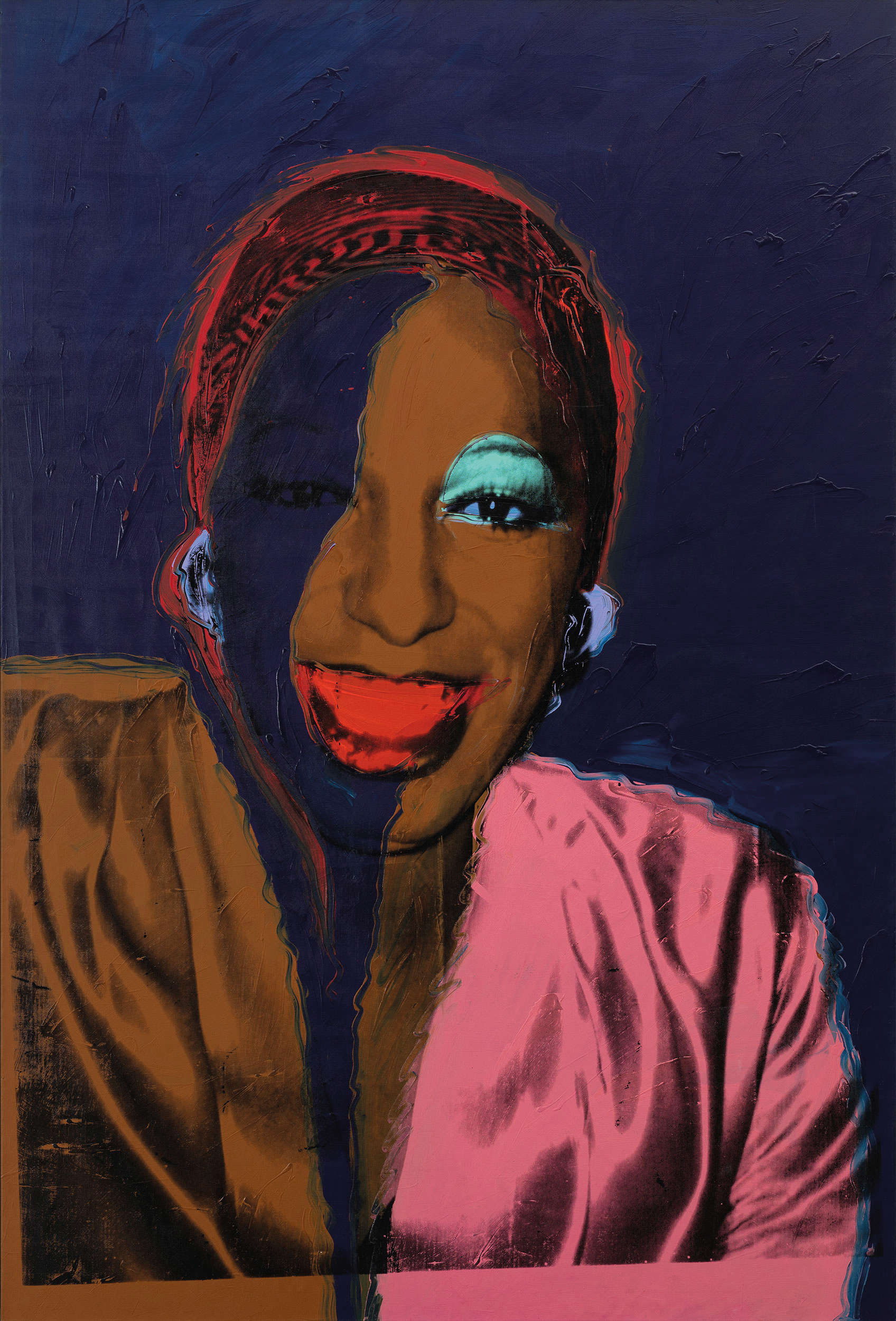
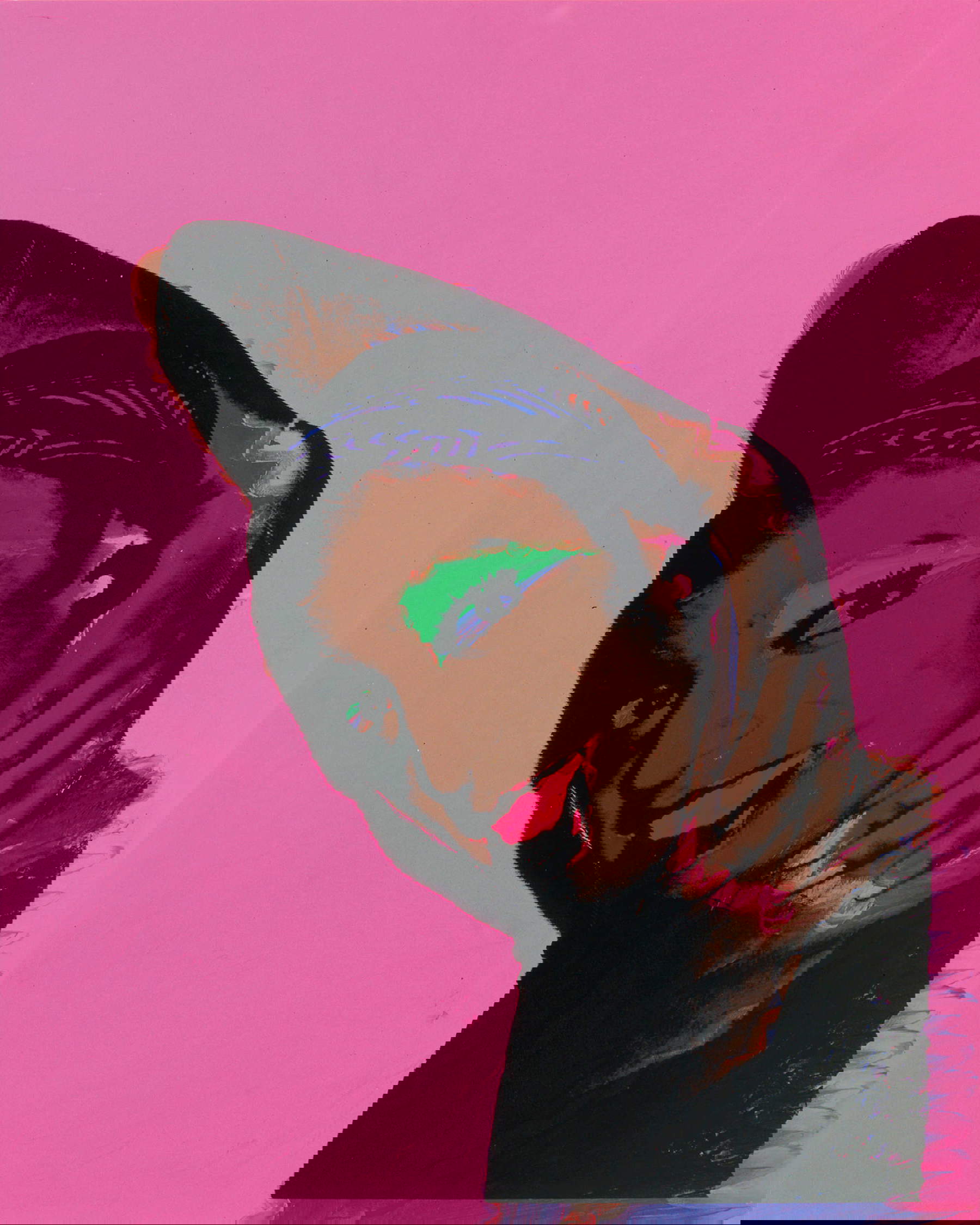
Visiting the exhibition, moreover, I found that one of the rooms where the audience lingers the longest is the one where you have gathered photographs of the models in Ladies and Gentleman, with biographies. Usually exhibitions on Andy Warhol, when they display the works in the series, hardly dwell on the biographies of the people who posed for him, or recall just the main figures, such as Marsha P. Johnson or Wilhelmina Ross. What considerations prompted you to tell the lives of the Ladies and Gentlemen in such detail?
Initially, the fourteen models remained anonymous and were almost all identified by the Warhol Foundation in the course of preliminary research for the catalog raisonné, released in 2014. Naturally, this opened a reflection on the legitimacy of updating the titles of the works and disclosing the biographical events they concealed, at the risk of “betraying” the artist’s expressed intentions. We discussed this with the Andy Warhol Museum, which has supported our project from the beginning, and we agreed that it was incumbent upon us to bring to light the identities and histories of those people who are the protagonists of the cycle. The iconic force of Ladies and Gentlemen, its pictorial power, arose from the artist’s encounter with the models’ performances. If Warhol did not recognize this fifty years ago it may have depended on a number of factors, such as the economic arrangements made, or the desire to stage common “street” individualities, but the social stigma and criminalization that accompanied expressions of the queer community probably also weighed in. And with respect to this we think it is time for moral and cultural redress.
On the subject of the identities of the models, one might speak of Pasolini’s reading of them, who, upon seeing Ladies and Gentlemen, believed that the “triumphalism,” as he put it, of these “transvestites” was a vain effort, since such triumph was guaranteed to them as long as the transvestite did not step “out of a behavior that makes him recognizable and tolerable.” For Pasolini, in essence, did a series like this also confirm the essentially repressive character of consumer society?
Exactly. Pasolini appears to be Warhol’s most lucid Italian interlocutor, perhaps the only real interlocutor, not only because of his critical-literary stature, but because of the comparison established with the American context. Pasolini and Warhol had several affinities: Catholics and homosexuals, they had promoted a cinema that photographed “live” the most uncomfortable realities, facing fierce censorship. But they had antithetical positions toward theAmerican dream and the media. Pasolini had cried out for “cultural genocide,” denouncing the homogenization produced in Italy by the spread of consumerist models. So in the face of Ladies and Gentlemen he assumes a critical distance that allows him to get to the heart of the matter: could that spectacular expression of identity actually give social visibility to diversity? Or was its viability actually confined to a ghetto? The conclusion is entrusted to an image of rare poetic power and equal bitterness: Pasolini compares the portraits in Ladies and Gentlemen to Byzantine dignitaries in a Ravenna mosaic, as glittering as they are indistinguishable.
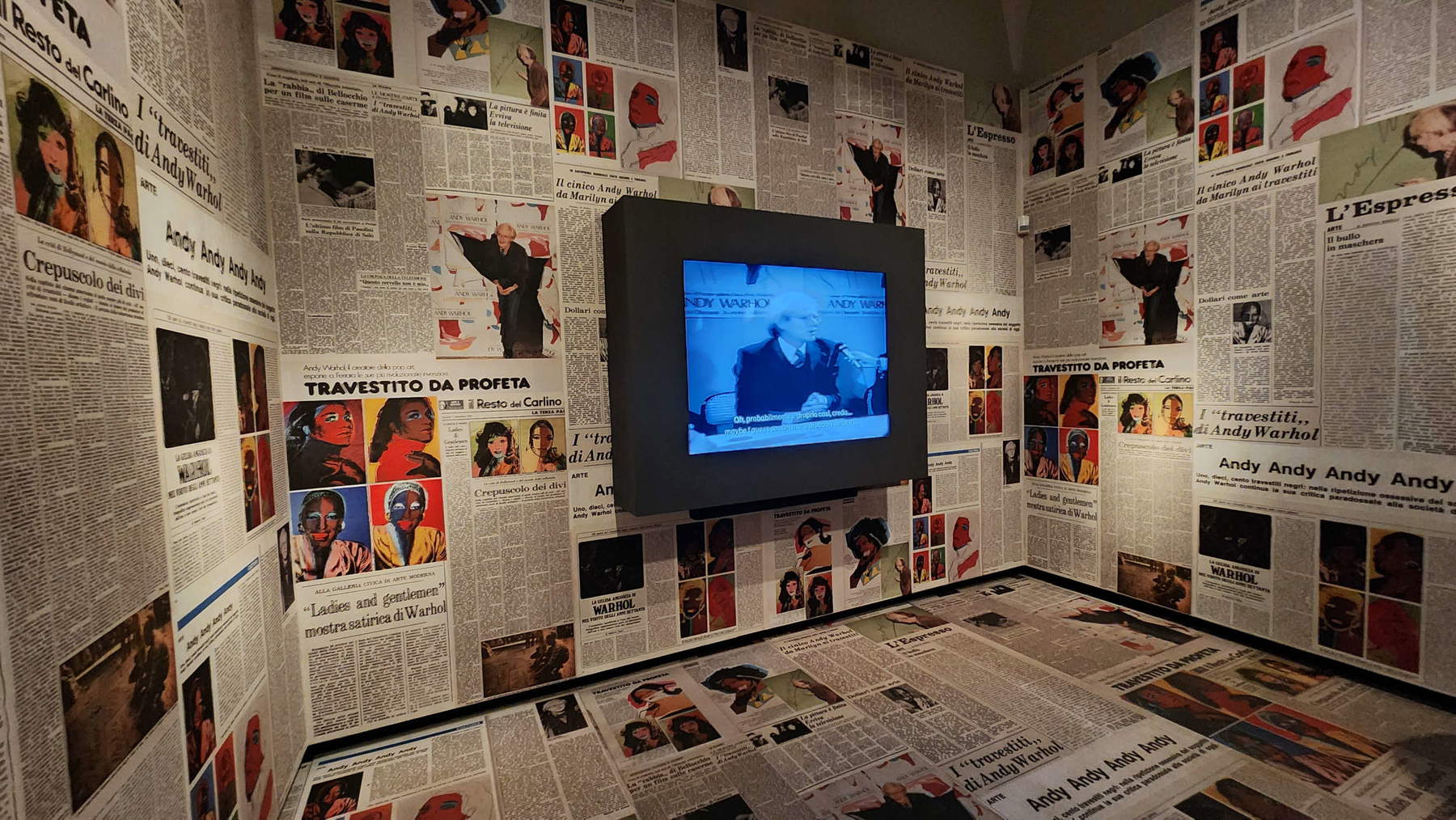
One of the most appreciable elements of this year’s exhibition is its ability to recreate context. Meanwhile with the arrangements, which partly reproduce those of the 1975 exhibition. And then the music in the background, the room papered with newspaper articles of the time--are these caresses for the nostalgic or, as is very easy to imagine, is there something deeper going on?
We actually worked hard to reconstruct settings and atmospheres. We brought back works exhibited in 1975-1976, first and foremost one of the five monumental canvases that formed the heart of the exhibition and are now scattered around the world, namely the super glam version of the Fondation Louis Vuitton. Architect Lucia Angelini repurposed some of the staging devices from that exhibition and other events, such as the famous Mao series exhibition in Paris in 1974, or the explosive collaboration with Mick Jagger. The idea-guide was to offer the visitor the experience of a time travel but the purpose was not “nostalgic.” Immersing oneself in that climate of creative effervescence could invite questions about the relevance of Warhol’s message. That is why we followed the reconstruction of the context with a sequence of portraits and self-portraits in which the reflection on identity comes to dialogue with digital media. Again for this perspective, the exhibition closes with a wall of monitors broadcasting Andy Warhol. Fifteen minutes, which aired on MTV between 1986 and 1987: still a mirror of that 15-minute celebrity we experience when we update our social profiles.
What do you think is the most important legacy that Andy Warhol’s Ladies and Gentlemen series has left us?
That cycle evokes themes of debate whose scope has been fully revealed in the globalized dimension of the third millennium, just think of multiculturalism, gender identity, aesthetic manipulation, and media overexposure. Perhaps the most important legacy that Ladies and Gentlemen gives us is the invitation to consider identity, our own and that of those around us, not as a codified and immutable entity, but rather as something that is produced whenever we relate to others or tell ourselves through a profile. This leads us to privilege the dimension of listening and observation. Warhol after all had stated it in no uncertain terms, “I just watch, observe the world.”

The author of this article: Federico Giannini
Nato a Massa nel 1986, si è laureato nel 2010 in Informatica Umanistica all’Università di Pisa. Nel 2009 ha iniziato a lavorare nel settore della comunicazione su web, con particolare riferimento alla comunicazione per i beni culturali. Nel 2017 ha fondato con Ilaria Baratta la rivista Finestre sull’Arte. Dalla fondazione è direttore responsabile della rivista. Nel 2025 ha scritto il libro Vero, Falso, Fake. Credenze, errori e falsità nel mondo dell'arte (Giunti editore). Collabora e ha collaborato con diverse riviste, tra cui Art e Dossier e Left, e per la televisione è stato autore del documentario Le mani dell’arte (Rai 5) ed è stato tra i presentatori del programma Dorian – L’arte non invecchia (Rai 5). Al suo attivo anche docenze in materia di giornalismo culturale all'Università di Genova e all'Ordine dei Giornalisti, inoltre partecipa regolarmente come relatore e moderatore su temi di arte e cultura a numerosi convegni (tra gli altri: Lu.Bec. Lucca Beni Culturali, Ro.Me Exhibition, Con-Vivere Festival, TTG Travel Experience).
Warning: the translation into English of the original Italian article was created using automatic tools. We undertake to review all articles, but we do not guarantee the total absence of inaccuracies in the translation due to the program. You can find the original by clicking on the ITA button. If you find any mistake,please contact us.


























 IT
IT FR
FR DE
DE ES
ES CN
CN


