





In her new role (assumed on February 4) as regional director of the National Museums of Tuscany, Carlotta Paola Brovadan is tasked with leading the region’s museum network, coordinating institutions ranging from the major museums in Florence to those scattered throughout the region. Born in 1987 in Milan but deeply connected to the cultural life of Tuscany, Brovadan studied art history at the University of Florence, continuing her education at the “Roberto Longhi” Foundation and earning her doctorate at the University of Rome “Tor Vergata,” with research focused on 17th-century Medici cultural diplomacy. Her career has spanned both research and cultural administration, from the Opificio delle Pietre Dure to the Fondazione Scuola dei beni e delle attività culturali, leading to management roles in public administration and her successful completion of the competitive selection process for technical directors at the Ministry of Culture.
In this interview, Brovadan emphasizes that the priority for the first few months is to listen to the network of museums, directors, staff, and local communities, within a context comprising institutions that vary greatly in size and identity. The work of the leadership, she explains, is based on building an ongoing dialogue with local communities and strengthening institutional relationships, with the goal of fostering greater connectivity among the 24 museums in the network. At the heart of her vision lies a concept of the museum in which research and management are integral parts of the same process: scientific knowledge as the foundation for a high-quality visitor experience, and cultural programming as a tool for translating that knowledge into exhibition, educational, and accessible experiences. Among the priorities identified are the issue of accessibility—understood in a cognitive sense—and the need to make museum experiences more understandable and inclusive. Brovadan also emphasizes the importance of a museum network capable of engaging with communities and promoting even those museums that lie outside the main tourist circuits, through shared itineraries, participatory projects, and educational initiatives. From this perspective, the museum takes shape as an active public space, where the relationship with the local area becomes an integral part of its cultural function.
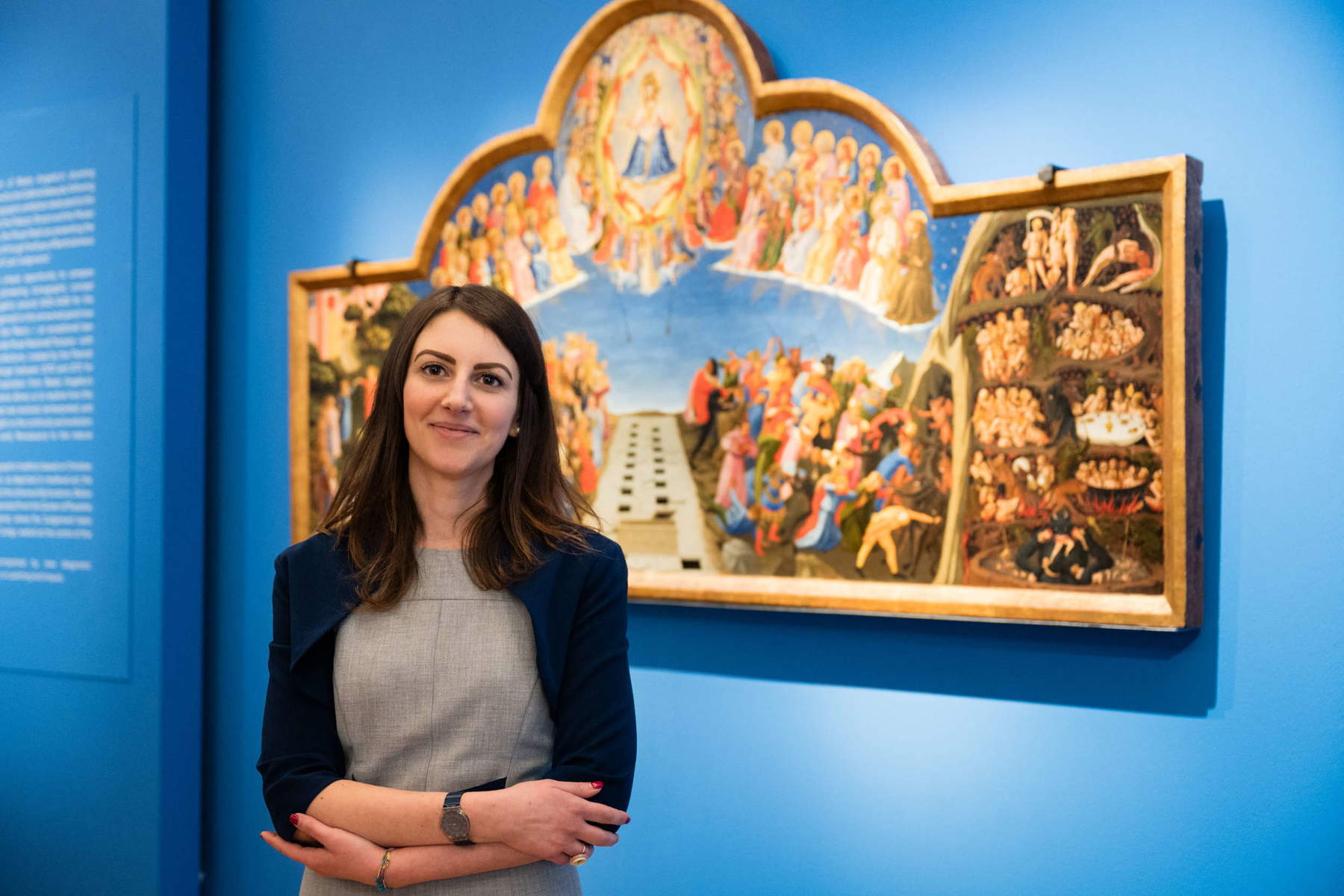
NC. What will be the priorities of your leadership during the first few months of your term?
CPB. In the first few months, my goal is first and foremost to get to know the Regional Directorate’s network of museums, their directors, staff, and the regions where they operate even more closely. These are very diverse institutions in terms of size, collections, and contexts, and I believe that listening is the starting point for developing any strategy. At the same time, it will be important to strengthen relationships with local institutions and communities, consolidate projects already underway, and identify common areas of focus that will allow the 24 museums in the network to engage in ever-greater dialogue with one another, highlighting the richness and variety of Tuscany’s cultural heritage.
Your experience spans from historical research to cultural management. How do you plan to integrate these two aspects into the day-to-day work of the museums?
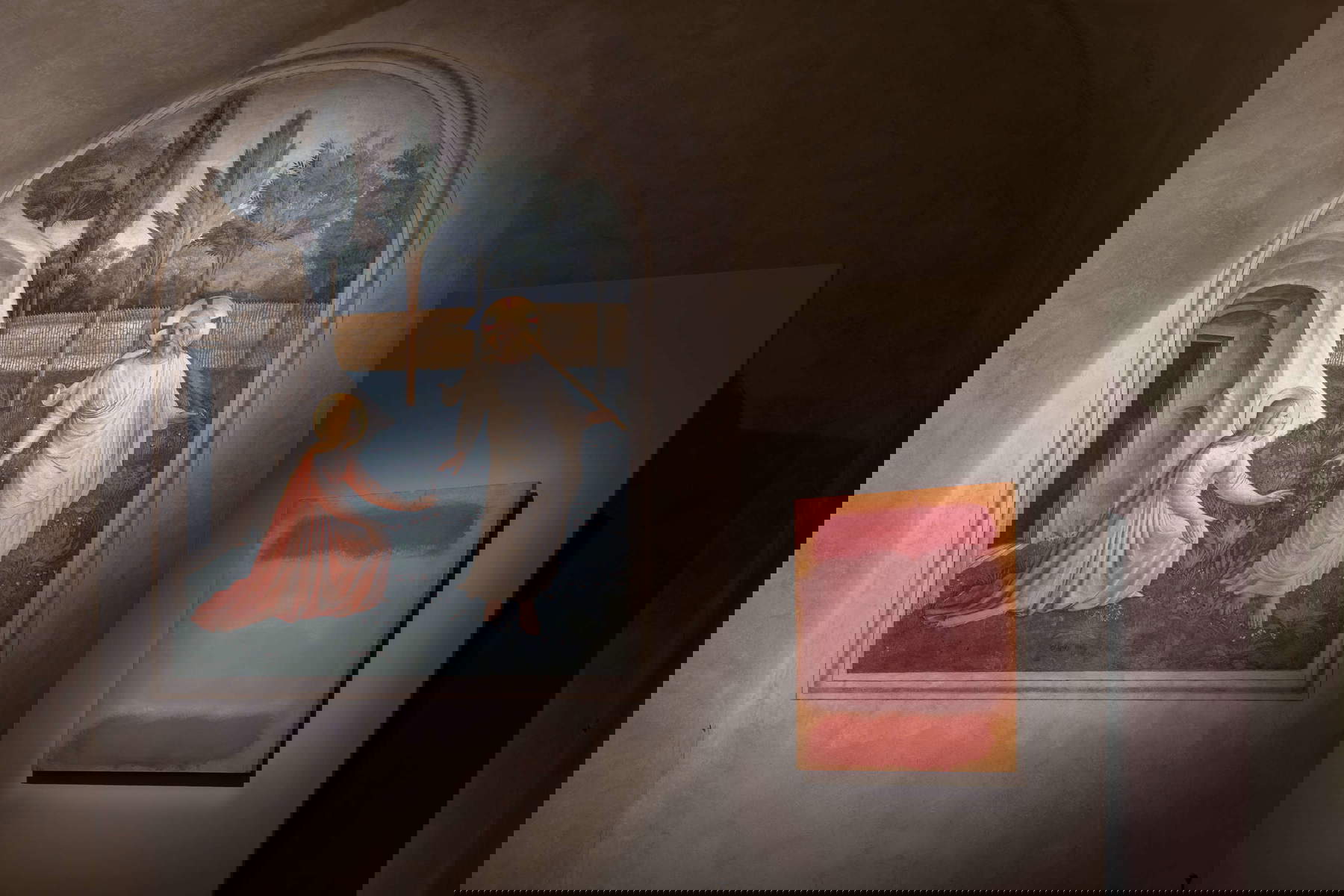
For me, research and management are not separate fields, but two dimensions that reinforce one another. Museums are, first and foremost, places of knowledge, and scientific research is what enables us to better understand, preserve, and interpret the works. At the same time, cultural management allows us to translate that knowledge into concrete projects: exhibitions, educational activities, and new exhibition itineraries. A very significant example is the recent redesign of the Sala dell’Angelico at the Museo di San Marco, which stems precisely from the desire to incorporate the findings of the most recent studies into the visitor experience, offering a clearer and more coherent interpretation of the works. Initiatives of this kind demonstrate how research can have a direct impact on the quality of the public’s experience.
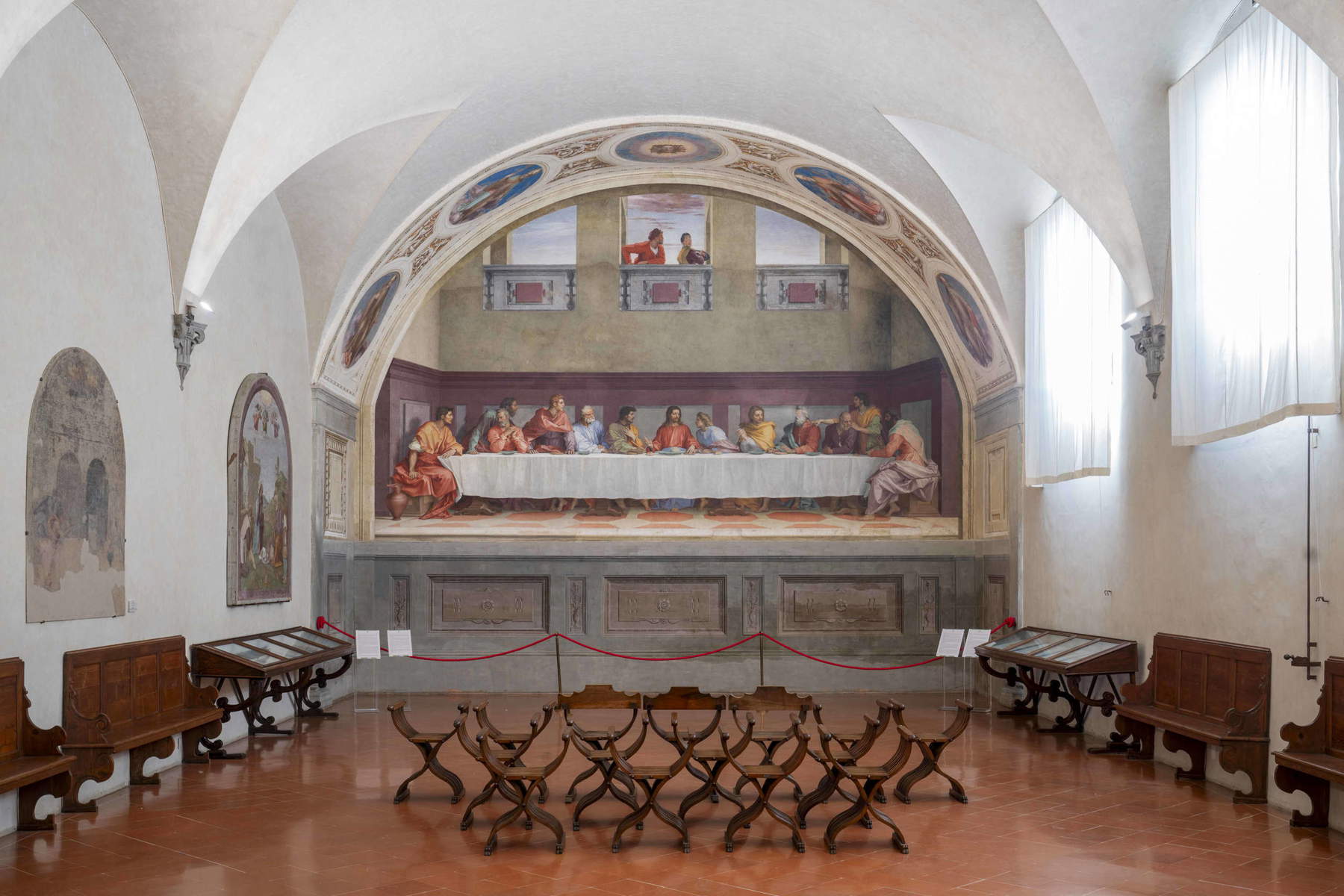
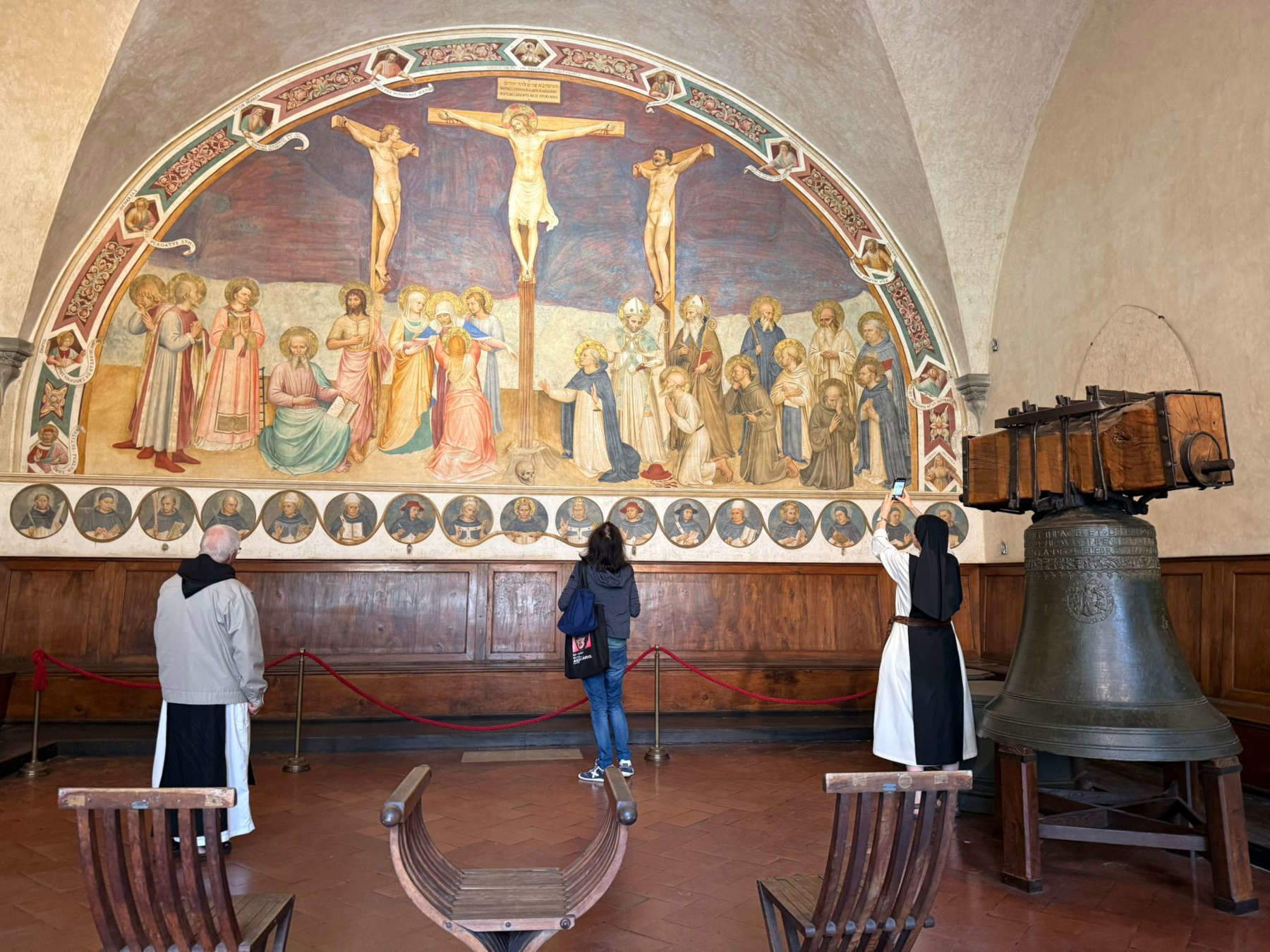
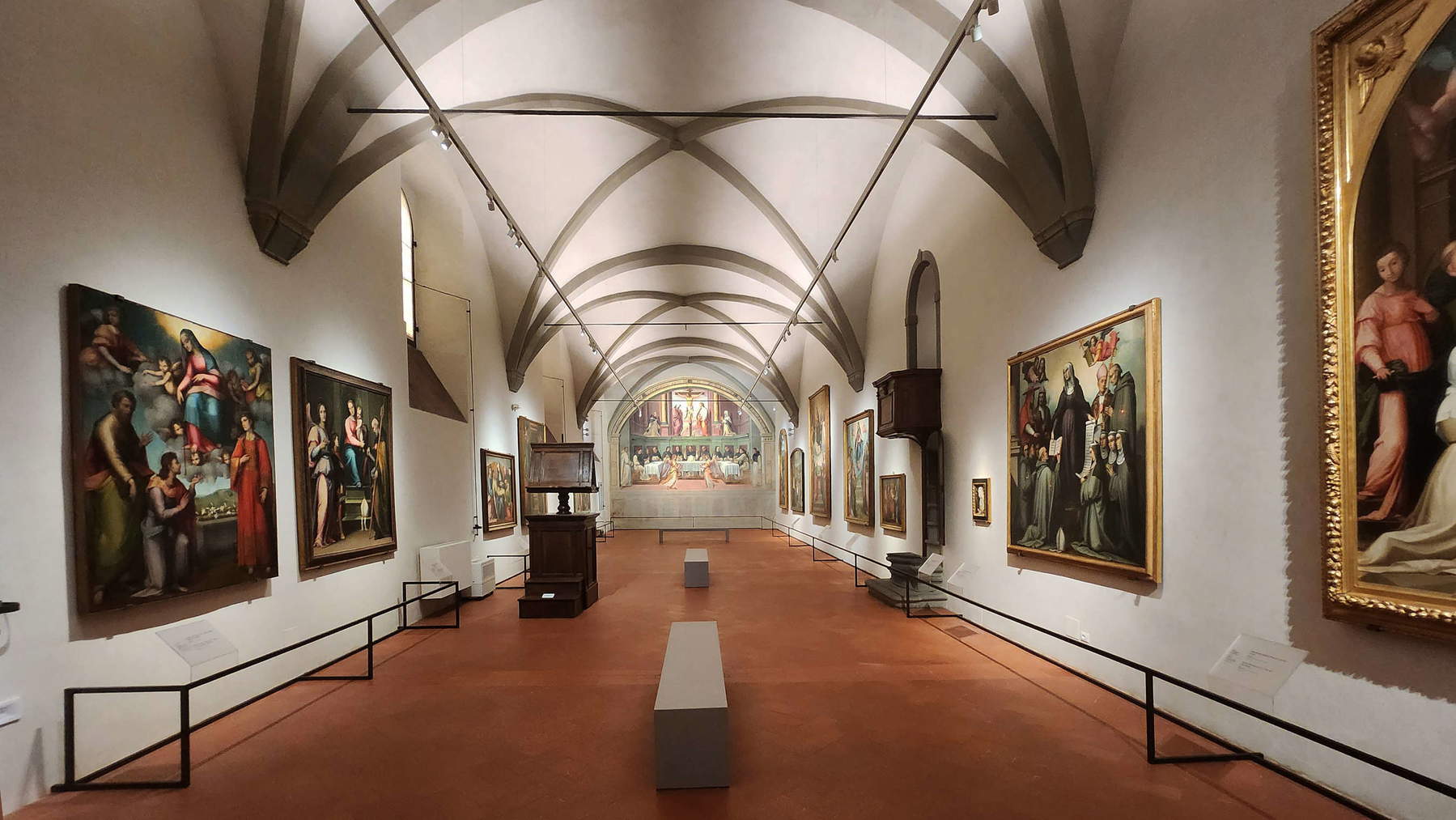
In your opinion, what are the most urgent issues to address in the management and promotion of Tuscany’s state museums today?
One of the most urgent issues is striking a balance between preservation, accessibility, and sustainability. Museums must be open and welcoming places, but at the same time they must ensure the conservation of works that are often extremely fragile. Another key issue is promoting museums outside the major tourist circuits: Tuscany isn’t just made up of major hubs like Florence, but also of extraordinary museums that deserve greater visibility. Significant attention is also being paid to the issue of accessibility—not only physical but also cognitive. Many museums in the network are working toward this goal, thanks in part to initiatives under the National Recovery and Resilience Plan (PNRR), including the removal of architectural barriers, improved signage, and new tools for cultural mediation. The goal is to make the museum experience increasingly inclusive and accessible to diverse audiences.
Are there any innovations or new initiatives you plan to introduce into the museum’s exhibition itineraries or activities?
I strongly believe in projects that foster dialogue between different artistic languages and historical periods, creating new ways for the public to interpret them. In this sense, initiatives such as the project that brought several works by Mark Rothko to the Museum of San Marco—in dialogue with Beato Angelico’s frescoes in the convent’s cells—represent an interesting example of how it is possible to build bridges between eras and artistic sensibilities separated by time. At the same time, we are working on revamping the exhibition itineraries so that they reflect the most up-to-date scholarship and offer a clearer and more engaging experience of the collections.
How do you intend to strengthen relationships with the local communities in the areas where the network’s museums are located?
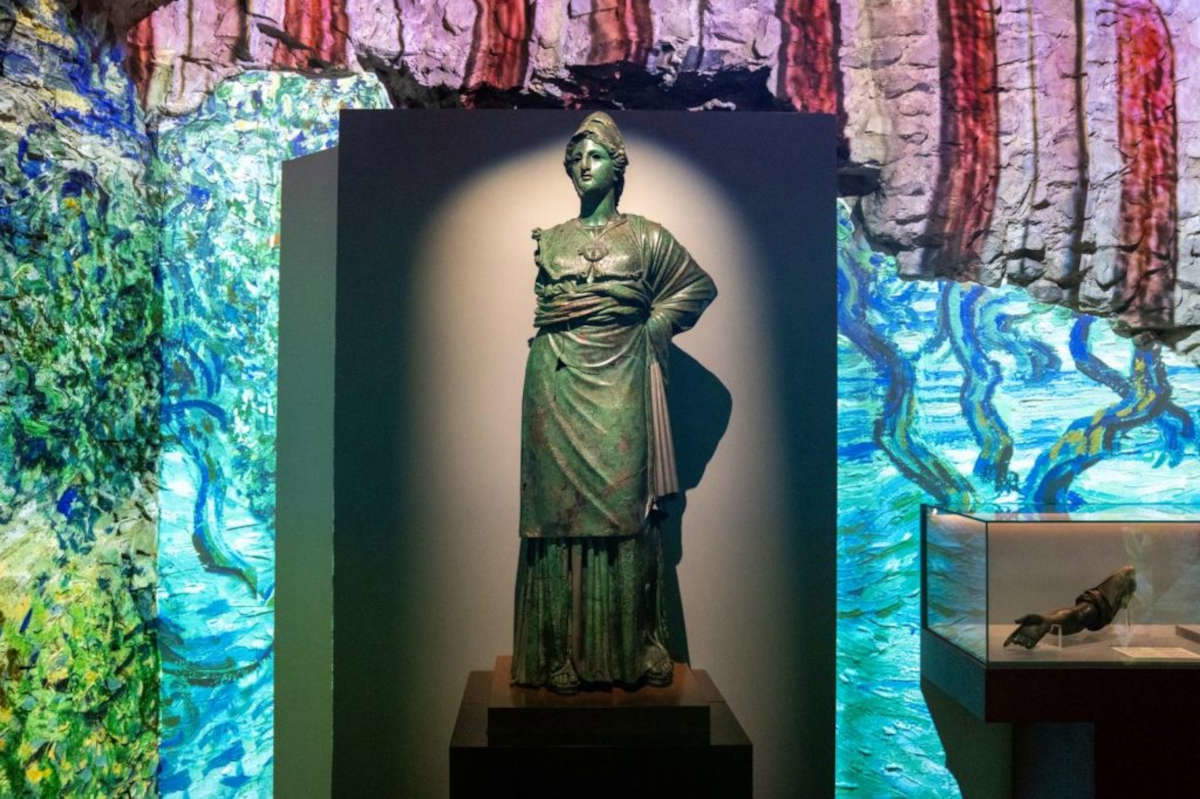
Museums truly thrive when they are perceived as a living part of the community. That is why I believe it is essential to work in close collaboration with schools, universities, associations, and local governments. I’m thinking of participatory projects, educational activities, shared cultural initiatives, and opportunities for dialogue with citizens. Strengthening this dialogue also means fostering the sense of belonging that many communities feel toward their heritage. The entire Minerva exhibition project at the National Archaeological Museum of Arezzo and its accompanying public program are the most concrete example of this today. The title is *La Minerva di Arezzo: A Story of a Rediscovered Community *, and it marks the first event of the Ministry of Culture’s national project *Semi di comunità – Olivetti Plan for Culture*. The program includes three participatory calls open to artists, designers, goldsmiths, and creatives; third-sector organizations; and all citizens of Arezzo and its province, along with a comprehensive program of guided tours, inclusive tours with an Italian Sign Language (LIS) interpreter, a podcast workshop, and initiatives dedicated to elementary schools.
How do you intend to promote collaboration between Tuscan museums and other national and international cultural institutions?
Collaboration is one of the most effective tools for enhancing cultural heritage. An essential starting point will be dialogue with the museums that are part of the National Museum System promoted by the Ministry of Culture—which is accessible to the public through the Museitaliani app—as well as with all the new independent museums in Tuscany. I’m thinking of shared research projects, exhibition loans, training programs, and exchanges between institutions. Tuscany enjoys extraordinary international visibility, and I believe this can be an opportunity to strengthen relationships with museums, universities, and research centers in Italy and abroad, creating ever-wider networks of collaboration.
Data show that between 2023 and 2024, Tuscany’s major art centers saw an exponential increase in tourist traffic. How can we balance the preservation of museums and citizens’ quality of life with these high visitor numbers?
The issue of tourist flows is complex and affects not only museums but the entire urban and regional system. One possible approach is to work on distributing visitor numbers by promoting cultural itineraries that also highlight lesser-known museums and sites, as is already the case with the itineraries proposed and featured on the Museitaliani app. This can help both improve the public’s experience and reduce pressure on the most-visited sites. At the same time, it is important to continue investing in reservation systems, access management, and information tools that enable a more balanced and sustainable visitor experience.
Do you believe special measures are needed to protect the artworks inside museums without compromising visitor access and the visitor experience?
Protecting the artworks is, of course, an absolute priority. In recent years, museums have already stepped up measures to ensure security and control, but I believe it’s also important to work on raising public awareness. A museum is a space for sharing and respect, and the quality of the experience also depends on visitors’ behavior. The goal must be to strike a balance between protecting the artworks and ensuring accessibility, avoiding overly intrusive solutions while still guaranteeing maximum security.
What strategies can be adopted to enhance the economic and cultural value of even smaller museums?
Museums improperly labeled as “minor” are anything but. In fact, they often house treasures of great value, even if they are less well-known. One possible strategy is to incorporate them into thematic or regional itineraries that connect them with other cultural institutions, creating networks and routes. Furthermore, it is important to develop cultural and educational activities and events that make these places increasingly vibrant and popular, even among the local public. Enhancing their value depends not only on large visitor numbers but also—and above all—on the quality of the experiences offered.
What criteria guide decisions regarding ticket prices once temporary exhibitions have ended?
Pricing policies take several factors into account: the value and complexity of the cultural offering, the available services, the local context, and, of course, the guidelines from the Ministry of Culture. Temporary exhibitions may require temporary adjustments to ticket prices, but the goal is always to maintain a balance between financial sustainability and accessibility for the public. In the case of the recent increases in admission fees for St. Mark’s, these are not linked to the Beato Angelico exhibition, but rather to the opening of new galleries and spaces that have made the visitor experience richer and more complete.
Are there any specific projects aimed at younger generations that you’d like to develop?
The younger generations are essential to the future of museums. In March, we presented several proposals and projects from our museums at the Didacta fair in Florence, including the serious game *Ars et Anima*. This innovative educational project was made possible thanks to the support of the Franchi Foundation and a collaboration between the lower secondary school of the Istituto Comprensivo Galluzzo and the Museum of San Marco, combining civic education, cultural heritage, and digital technology. By devising the plot, characters, and storyboard, the students collaborated on the creation of a video game in which, taking on the role of Beato Angelico, they will be invited to solve puzzles in English and Latin. Through this initiative, the school and the museum become laboratories for citizenship, creativity, and innovation. I would like to further strengthen our relationships with schools and universities by developing an ever-increasing number of educational activities and workshops that make the museum a space for discovery and participation. Educational services will also play an important role; in many museums within the network, these services are expanding their offerings with programs designed for families, students, and young visitors. The goal is to guide the public in discovering the collections using tools that are accessible yet scientifically rigorous.
Looking to the future, how do you envision the role of Tuscan museums in promoting cultural heritage and shaping identity?
Museums play a fundamental role not only in preserving heritage but also in building a shared memory and a sense of belonging to communities. In a region like Tuscany, rich in history and artistic traditions, museums can serve as meeting places where the past and present converge, and where local communities and international audiences come together. I envision museums that are increasingly open, inclusive, and capable of presenting heritage as a living resource—one that engages with the present and addresses the challenges of the future.

The author of this article: Noemi Capoccia
Originaria di Lecce, classe 1995, ha conseguito la laurea presso l'Accademia di Belle Arti di Carrara nel 2021. Le sue passioni sono l'arte antica e l'archeologia. Dal 2024 lavora in Finestre sull'Arte.Warning: the translation into English of the original Italian article was created using automatic tools. We undertake to review all articles, but we do not guarantee the total absence of inaccuracies in the translation due to the program. You can find the original by clicking on the ITA button. If you find any mistake,please contact us.




















 IT
IT FR
FR DE
DE ES
ES CN
CN


