





The Archaeological Park of Pompeii is taking a new step toward the future of cultural promotion with the launch of Portyl, an augmented reality app that allows users to explore the ancient city as it appeared before the catastrophic eruption of Vesuvius in 79 A.D. Through a combination of scientific rigor, advanced technologies, and immersive reconstructions, the project aims to offer the public a unique experience.
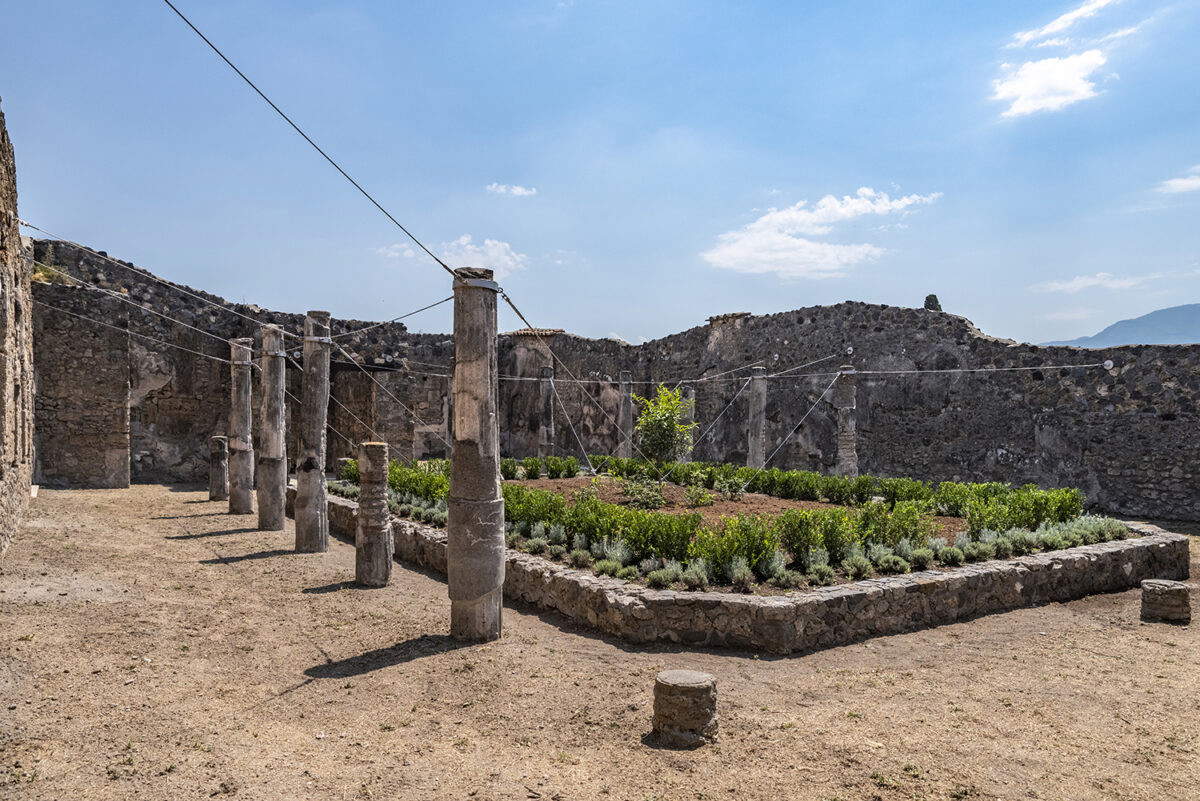
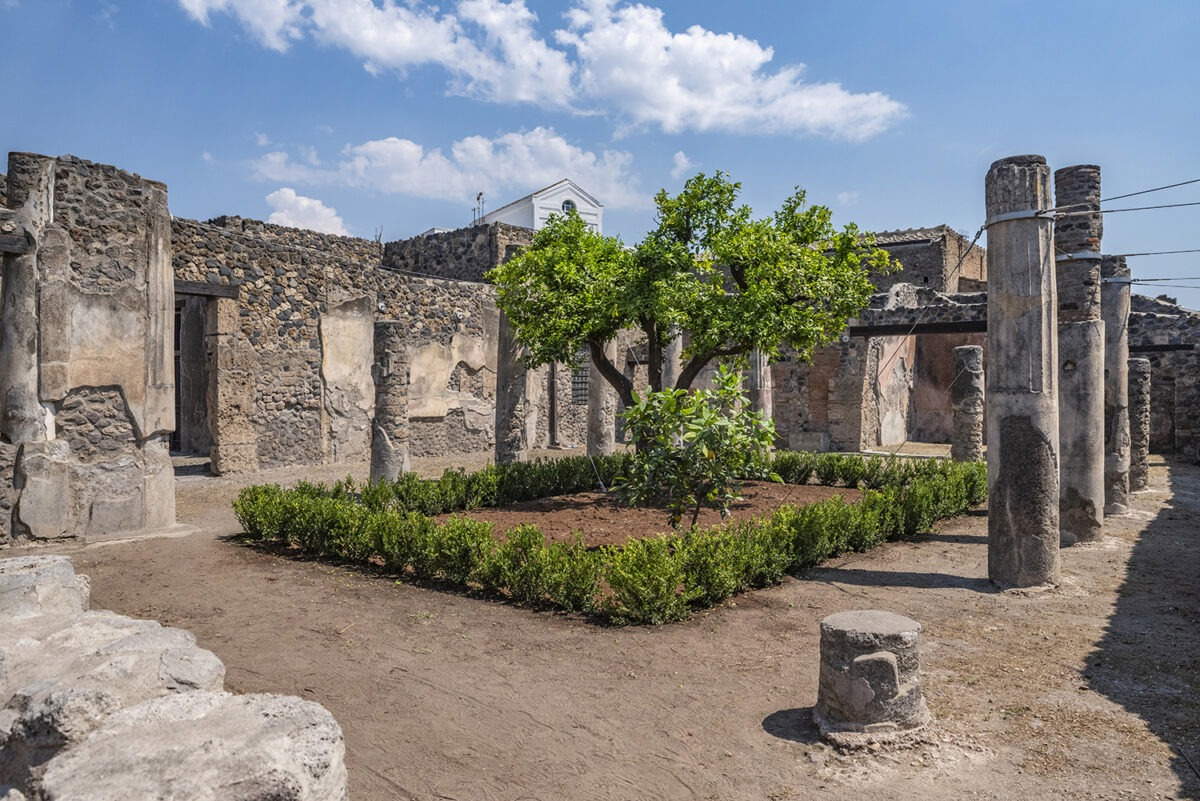
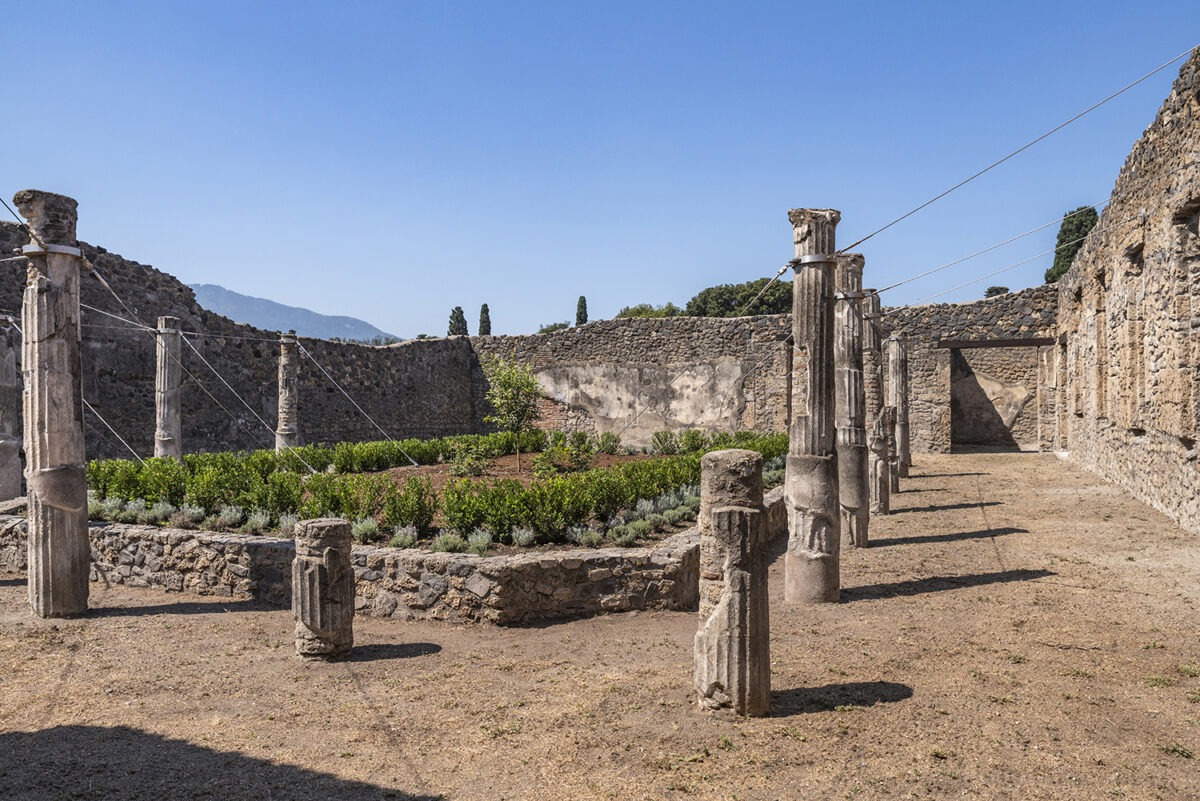
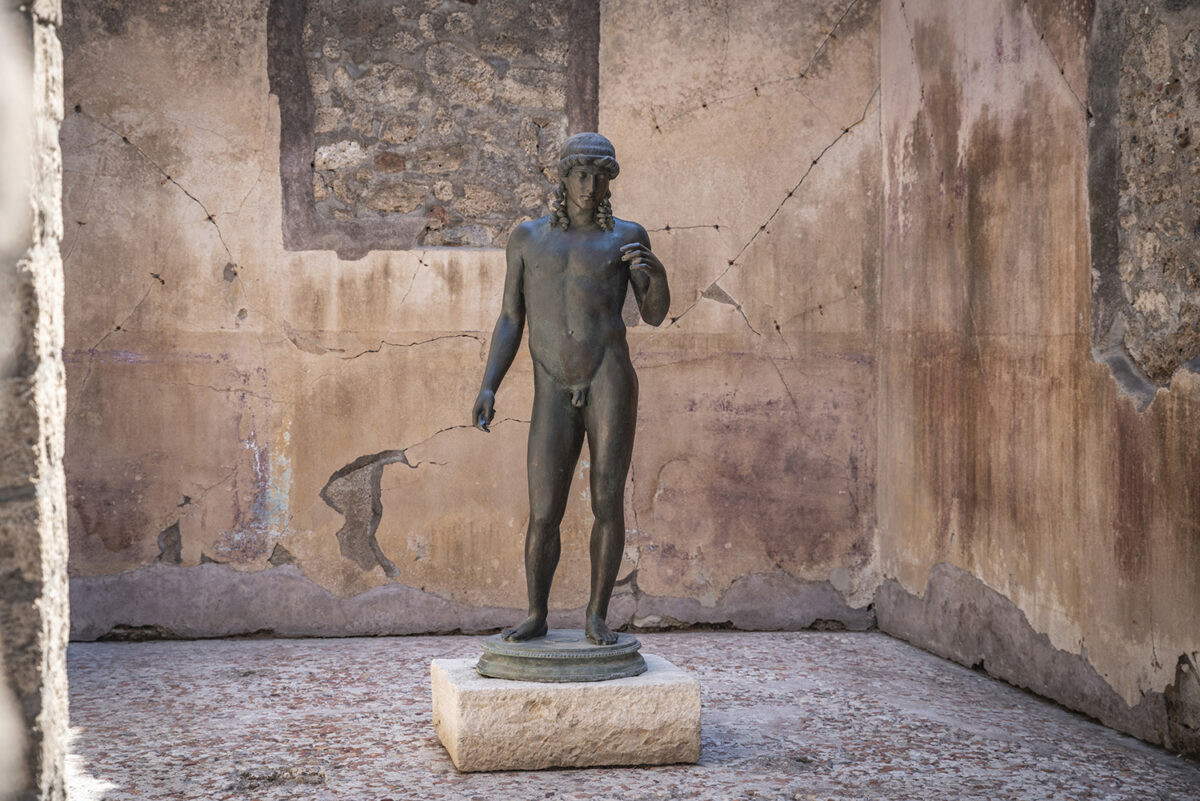
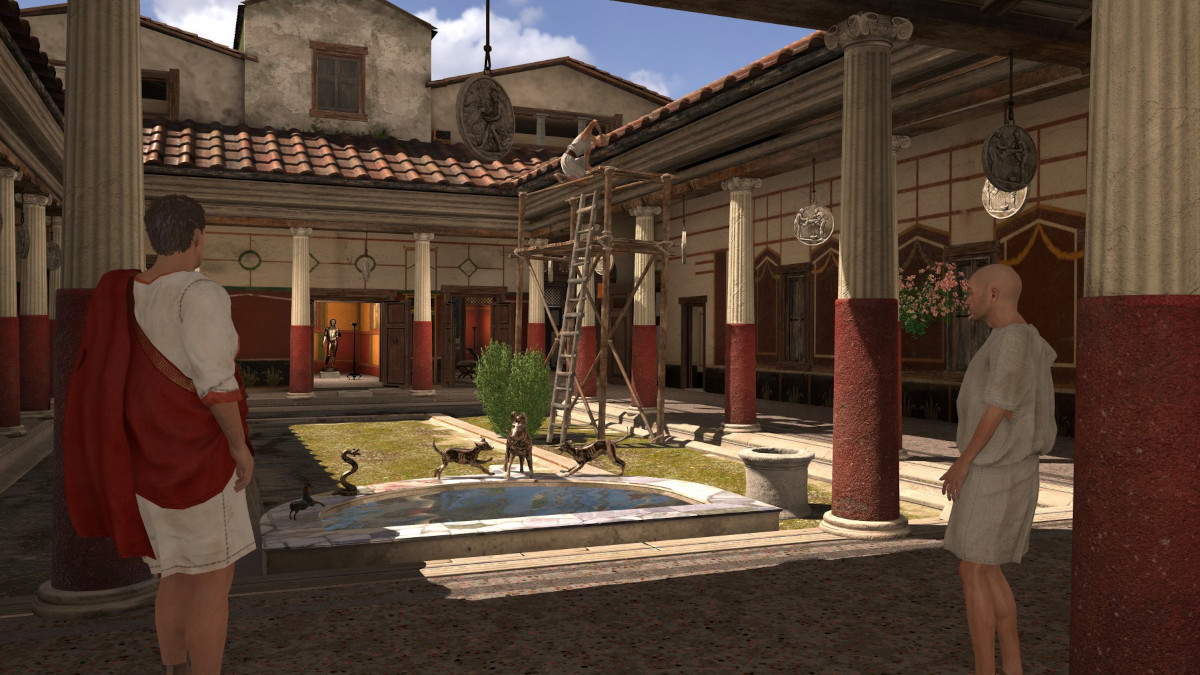
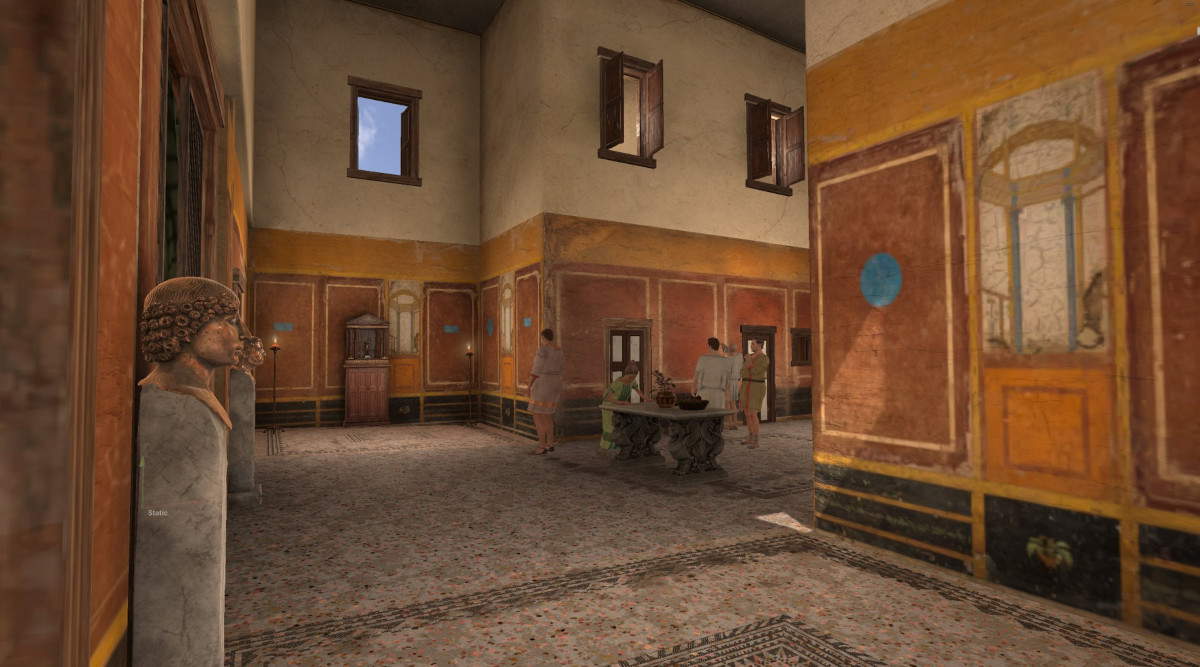
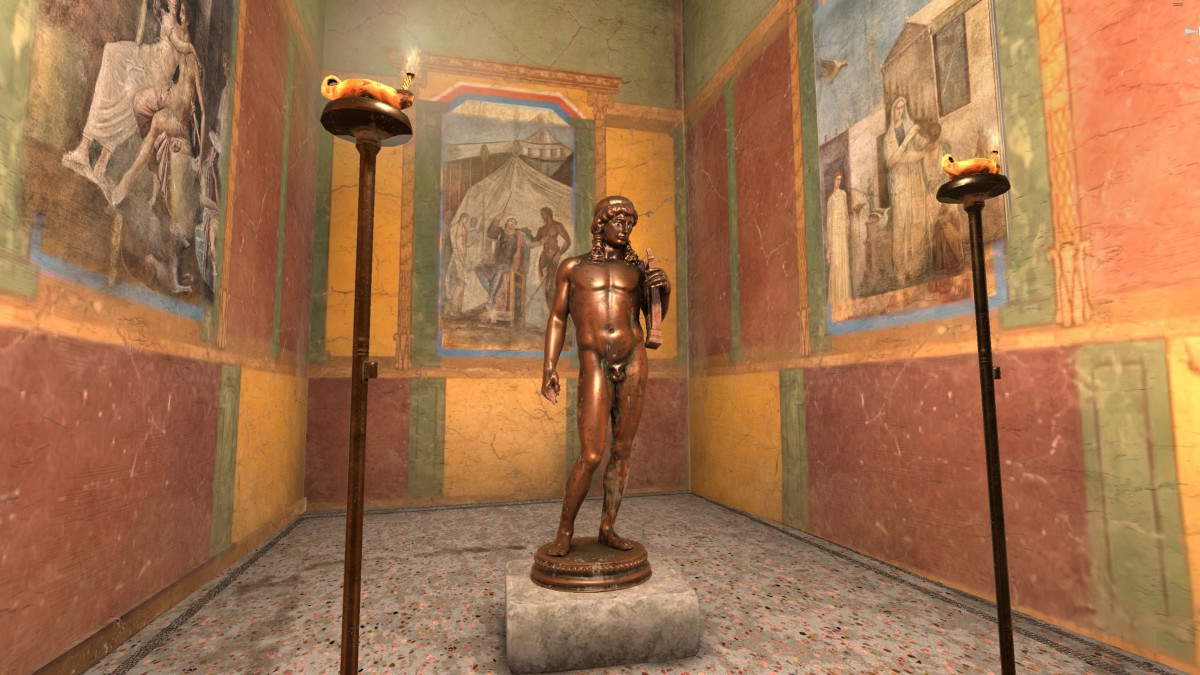
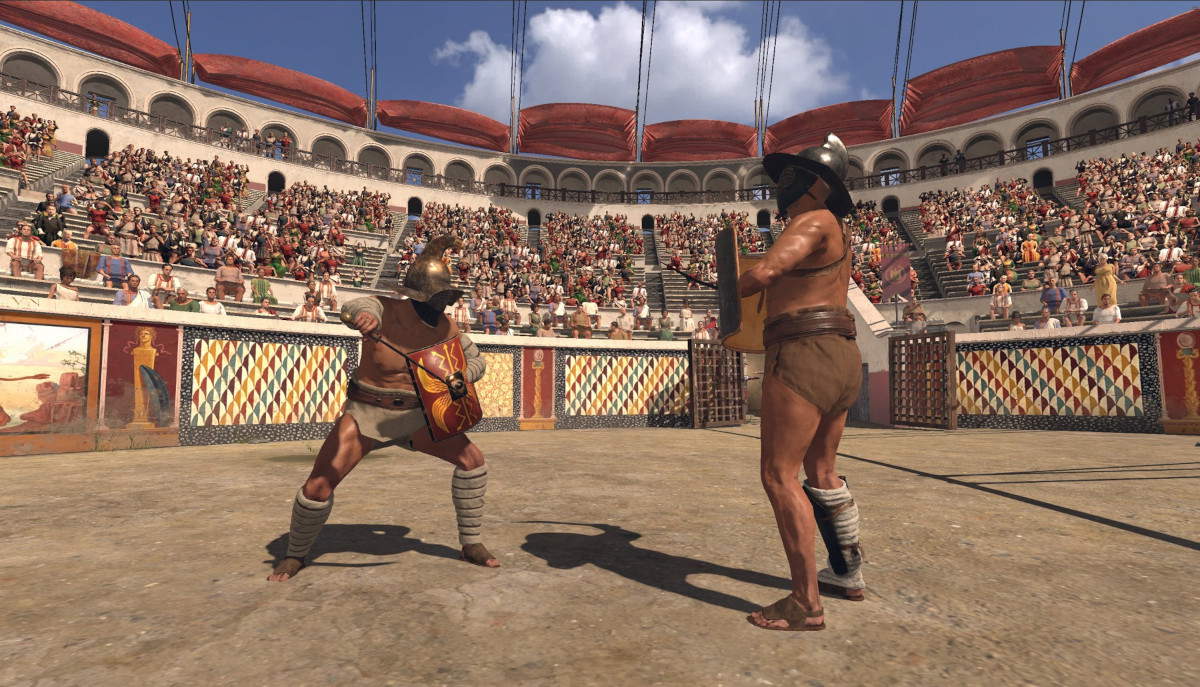
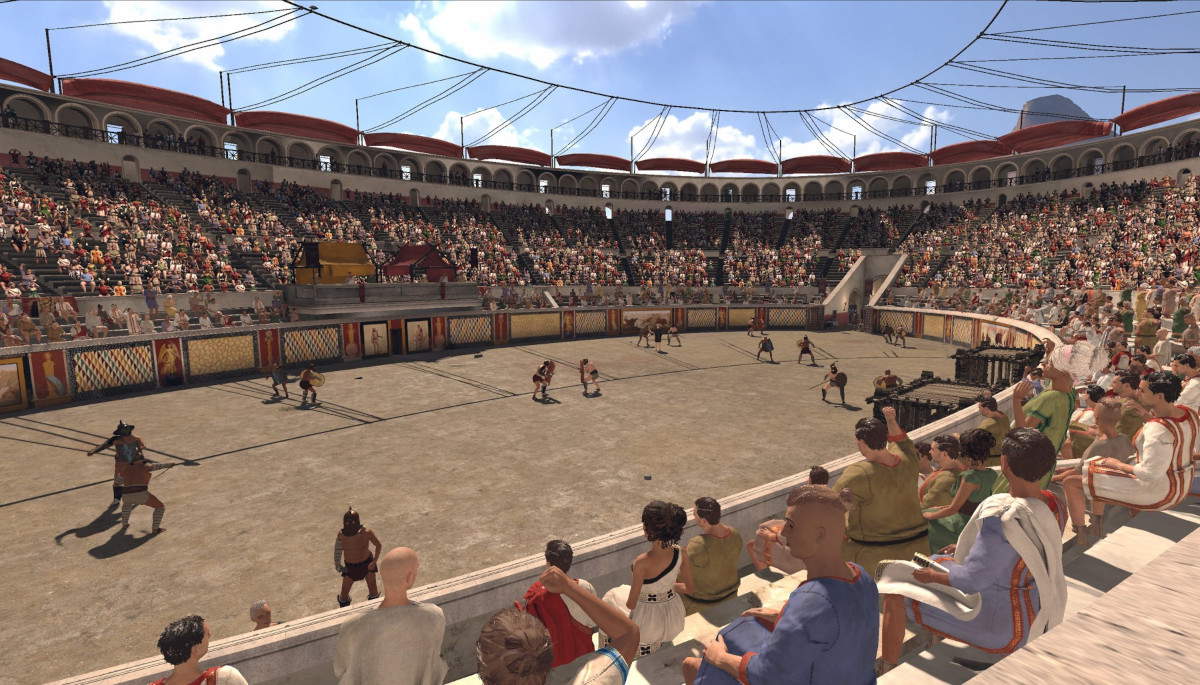
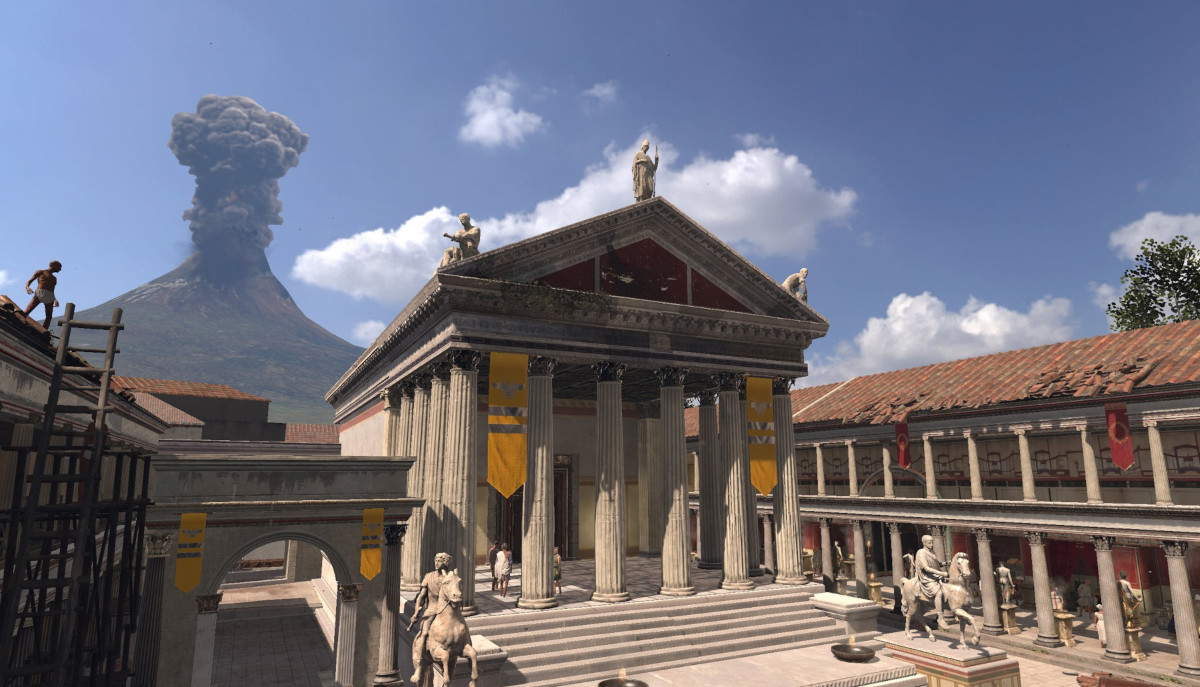
The project kicks off with the reopening to the public, on June 24, 2026, of the House of the Lyre Player, one of the largest houses in Pompeii. The building becomes the first site included in the initiative and is transformed into a digital archaeology laboratory, where historical research, virtual reconstruction, and storytelling intertwine to shed new light on a complex archaeological context. Famous for the statue of Apollo the Lyre Player—from which the domus takes its name—the house now offers visitors the chance to explore digitally reconstructed rooms, furnishings, and scenes of daily life. The experience, however, is not limited to this building: famous sites such as the Forum, the Amphitheater, the Great Theater, and the Odeon (the Small Theater) can also be explored through augmented reality. Available for iPhone, Android smartphones, or tablets, Portyl allows users to view the buildings as they originally appeared through detailed and historically accurate digital reconstructions, and to observe not only the architecture but also the people, animals, and activities that brought the city to life. Users can virtually attend theatrical performances, gladiator fights, and even relive moments from the eruption of Vesuvius.
The platform was developed by Histoury Inc. using advanced technologies based on LiDAR, photogrammetry, and generative artificial intelligence. Each area involved in the project was subjected to high-precision digital scans and reconstructed based on in-depth archaeological and historical research. The app can be downloaded for free via QR codes available at the entrances to the Archaeological Park and in the areas covered by the experience. Until July 15, 2026, Portyl will be free for all visitors. After that, certain routes will remain free, including the Basilica, the Quadriportico, and the exterior of the Amphitheater, while full access to the immersive reconstructions will be available for 15 euros. The sites included in the full experience are: the Forum, the Domus of the Citarist, the Great Theater, the Odeon, and the Amphitheater. For visitors who do not have compatible devices, it will also be possible to rent tablets equipped with the app—with all content unlocked—for 20 euros at the ticket office, the bookshop, and the information points managed by Opera Laboratori Fiorentini.
One of the most innovative aspects of the project is the use of GPS-based geofencing technology, which allows the app to recognize the visitor’s exact location and precisely overlay virtual reconstructions onto real-world spaces. In this way, users can view the ancient environment exactly where they are standing, achieving a perfect integration of the present and the past. The app will also be accessible remotely, allowing for virtual exploration of Pompeii even outside the archaeological site.
The initiative is part of a broader innovation strategy aimed at transforming the way archaeology is presented and understood. “The introduction of artificial intelligence and digital technologies marks a crucial turning point,” said Director Gabriel Zuchtriegel. “These tools are set to revolutionize the preservation, research, and enjoyment of cultural heritage. However, this revolution is not neutral; its outcome depends on how we use it. AI represents an extraordinary opportunity if directed toward the democratization of knowledge, making complex and often difficult-to-understand content accessible to everyone. It can broaden the audience, engage new generations, and break down cultural and physical barriers. At the same time, there is a risk: that technology will become trapped in a self-referential loop, ultimately producing content for its own sake, without a genuine connection to scientific research and authentic heritage. This is precisely where the role of archaeology comes into play. Archaeologists must not become passive spectators of machines that process data and generate reconstructions, but rather active stewards of heritage transmission. The challenge is to guide these technologies, ensuring that every digital reconstruction is grounded in solid, verifiable, and widely accepted foundations, while maintaining a balance between spectacle and scientific rigor.”
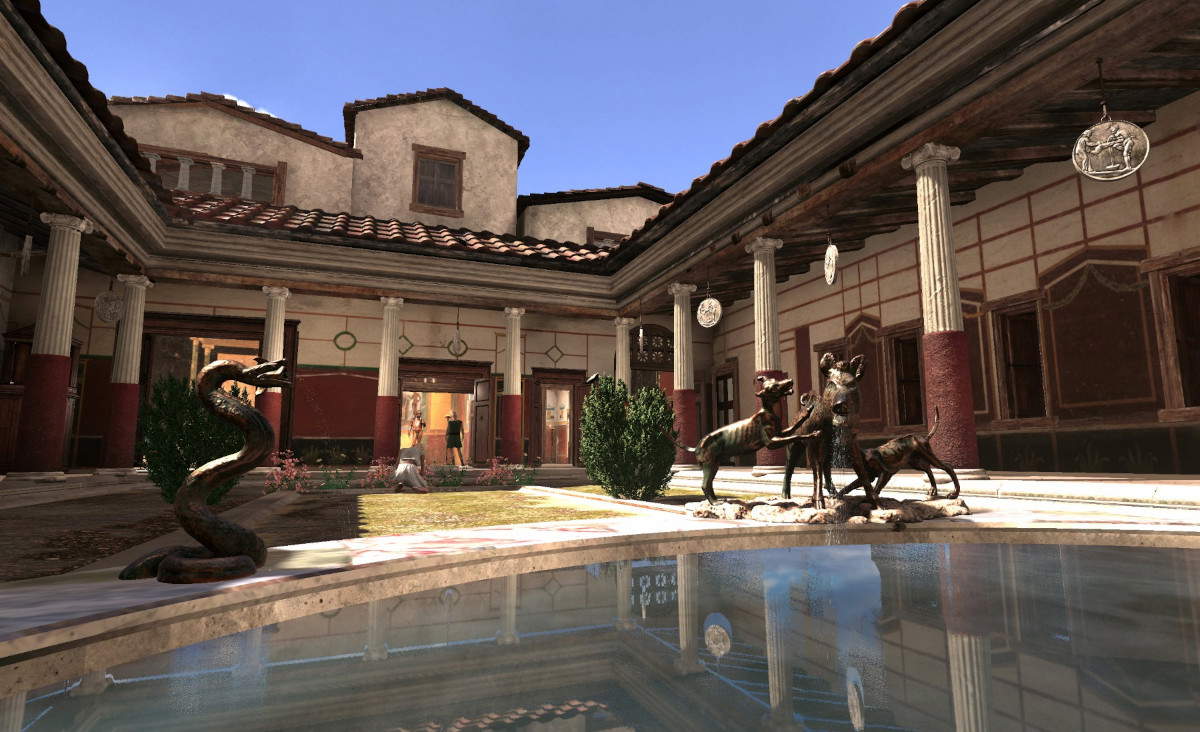
Alongside the reopening of the House of the Citharist, the social and cultural project Parvula Domus—the Park’s cultural and social farm, managed by the “Il Tulipano” cooperative—also continues. Starting July 1, every Wednesday, the young people of Parvula Domus will guide visitors on a journey of discovery through the domus via guided tours and themed workshops.
The augmented reality project stems from multidisciplinary research focused specifically on the House of the Zither Player, which was first excavated in the mid-19th century and is now difficult to interpret in its entirety, as many frescoes and artifacts were transferred to the National Archaeological Museum of Naples in accordance with the museographic practices of the time. The research, coordinated by Park Director Gabriel Zuchtriegel, led to the creation of a new digital model of the house thanks to a collaboration between the Department of Industrial Engineering at the University of Salerno, led by Francesco Colace, and the Polytechnic University of Milan, with Luisa Ferro from the School of Architecture. The model was constructed using artificial intelligence tools and provided a scientific basis for the app, which is now available to the public. In addition, a book titled *The Apollo of Pompeii: Reconstruction of a Classical Masterpiece, edited by the director and featuring an appendix by contributors Anna Civale and Alessandro Russo. Published by Giunti and Sillabe—the official publishers for Pompeii—the book offers a new interpretation of the famous statue of Apollo the Lyre Player. According to scholars, the work is a faithful copy of a Greek original from the 5th century B.C., of which about ten other copies survive. Among these, the statue from Pompeii is the only one made of bronze, while the others are made of marble. Through “critique of copies”—the method developed by nineteenth-century archaeology to reconstruct Greek originals based on Roman copies—and a careful analysis of the house’s context, the authors seek to demonstrate how the Pompeian domus is a magnificent reenactment of Augustus’s house on the Palatine Hill, at the center of which stood the temple of Apollo, a deity to whom the emperor was deeply devoted. Furthermore, considering that Augustus had owned a statue of Apollo created by Myron, an Athenian sculptor of the 5th century B.C., it is hypothesized that the Apollo the Lyre Player of Pompeii descends from a famous classical archetype.
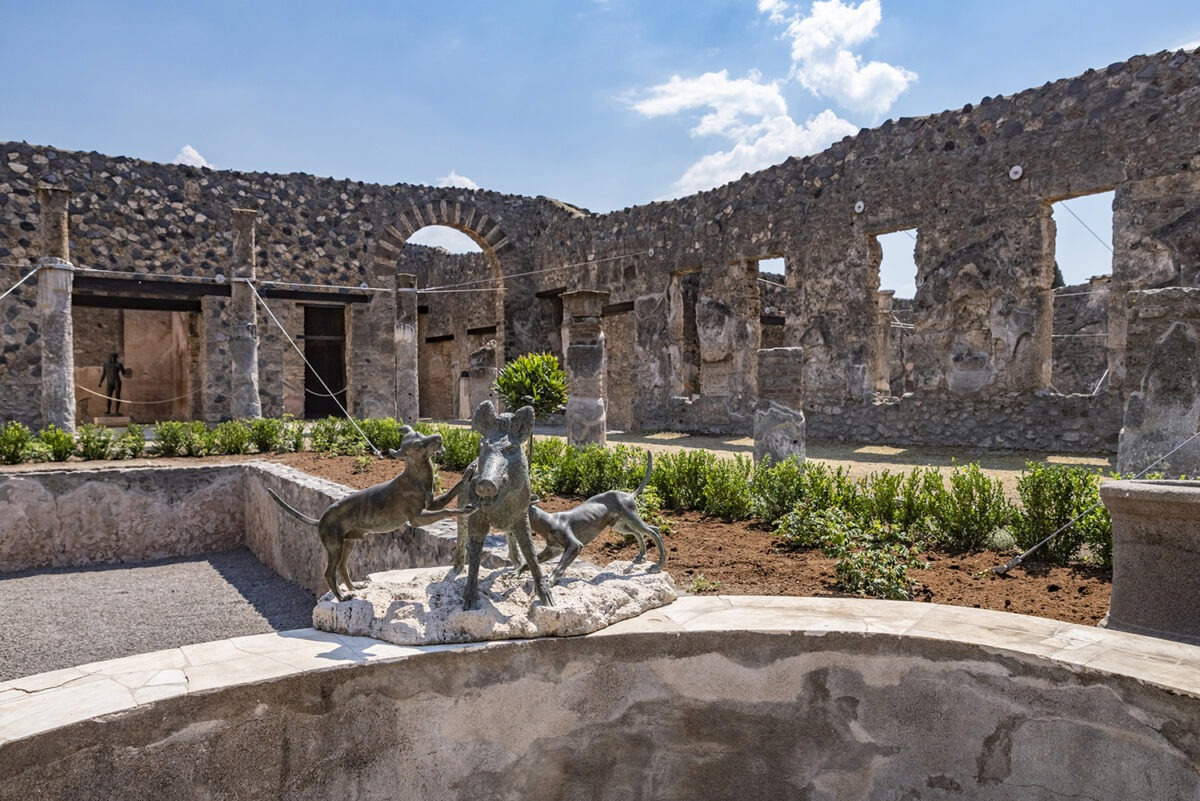
The House of the Lyre Player also continues to be the subject of archaeological and archival research conducted by Annette Haug and Asja Müller of the University of Kiel, Germany, aimed at clarifying the complex architectural evolution of the residence, which originated from the union of several originally separate residential units. In recent years, the domus has undergone major consolidation, restoration, and accessibility improvement work carried out by the Ales Scheduled Maintenance Team and the restorers of Ales S.p.A. The work involved the restoration of the masonry, the consolidation of the columns in the peristyles, and the removal of major architectural barriers, in line with the “Pompeii for All” program. Particular attention was also given to the restoration of the famous bronze replicas created by the historic Chiurazzi foundry, including the statue of Apollo the Lyre Player, the serpent, and the group depicting dogs and a wild boar. The works underwent a meticulous conservation process aimed at preserving their historic patinas. Finally, the domus’s garden was redesigned based on archaeological evidence and enriched with a botanical reconstruction featuring Laurus nobilis, the laurel sacred to Apollo. This element helps restore the house’s original atmosphere and strengthen the connection between archaeology, landscape, and historical memory.
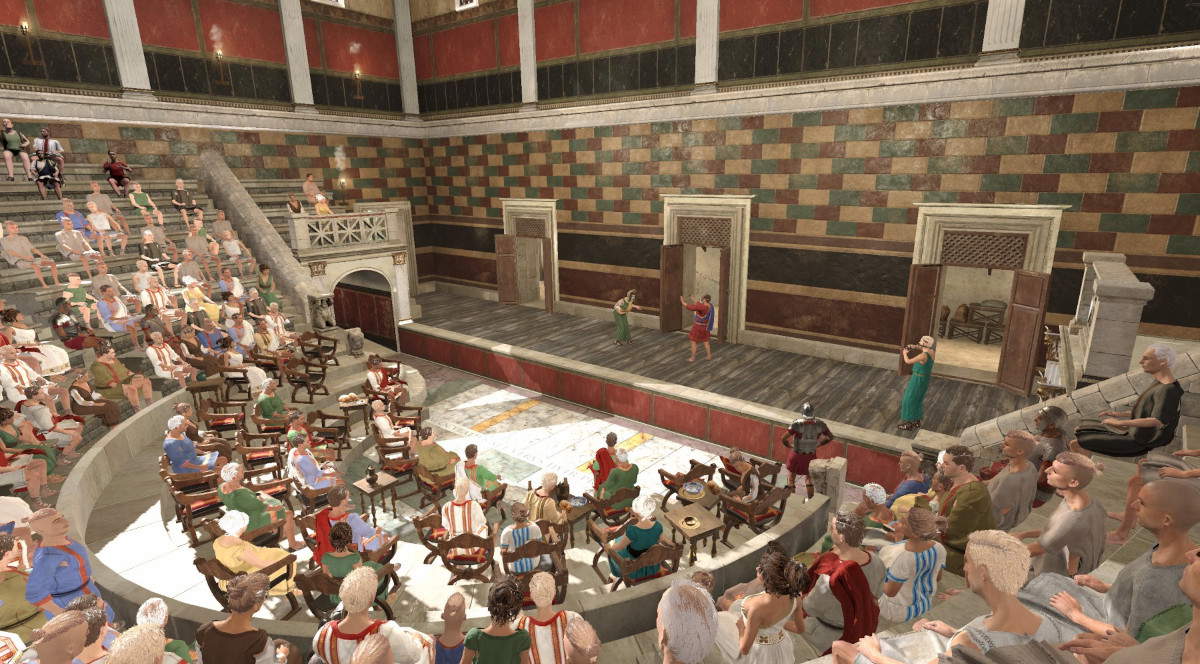
|
| Pompeii in Augmented Reality: The Portyl App Is Launched, Showing What the Ancient City Looked Like Before the Eruption |

Warning: the translation into English of the original Italian article was created using automatic tools. We undertake to review all articles, but we do not guarantee the total absence of inaccuracies in the translation due to the program. You can find the original by clicking on the ITA button. If you find any mistake,please contact us.




























 IT
IT FR
FR DE
DE ES
ES CN
CN


