




by Redazione 28/02/2026



Categories: Museums / Disclaimer
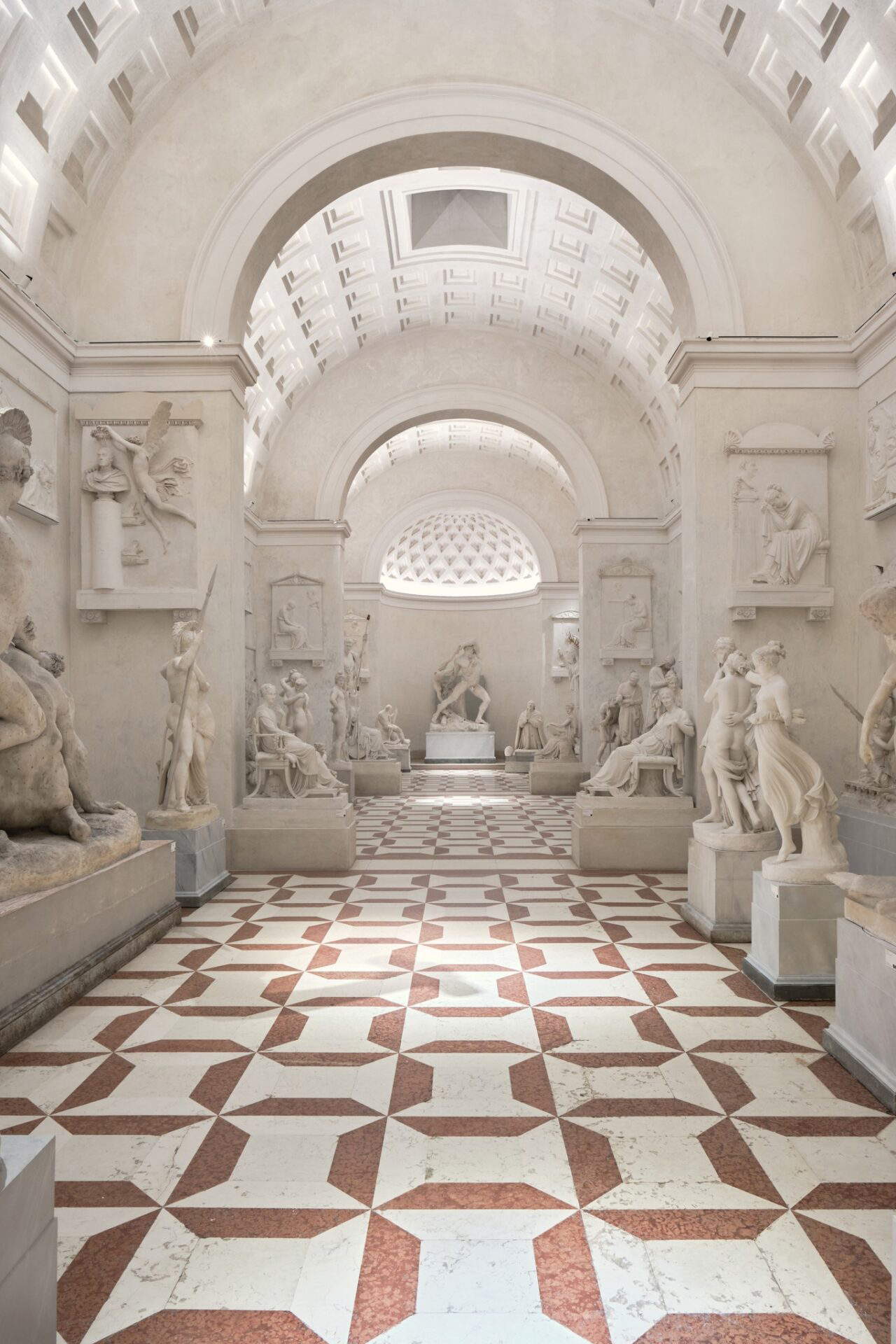
The Gypsotheca Antonio Canova Museum in Possagno presents its 2026 program with exhibitions dedicated to Carlo Scarpa and Canova, restorations, educational activities, cultural events and special projects. The Scarpa Wing will also reopen in April.

The Gypsotheca Antonio Canova Museum in Possagno, Treviso, Italy, presents a 2026 program full of exhibitions, restorations, educational activities and special projects, capable of addressing different audiences and promoting interdisciplinary dialogue. “2026 confirms a high-profile program, built with ambition and a sense of responsibility,” says Moira Mascotto, director of the Museo Gypsotheca Antonio Canova. “It is the result of a choral work between the Board of Directors of the Canova Foundation, the Municipality of Possagno, collaborators, staff and stakeholders: a network that shares vision and expertise to generate cultural value and strengthen the Museum’s role nationally and internationally.”

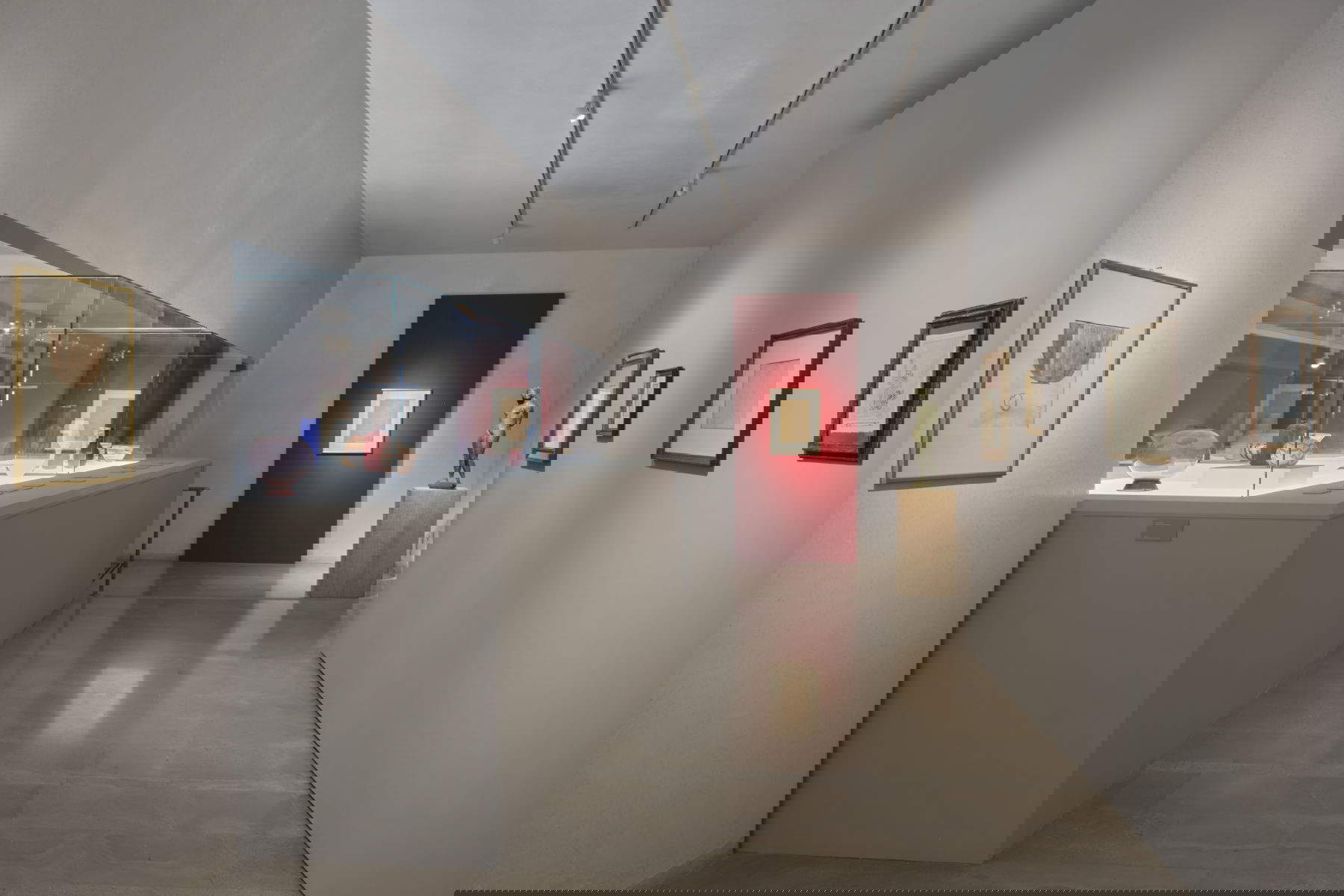
The year opens with a focus on Carlo Scarpa, among the most influential figures in twentieth-century architecture and exhibition design. The exhibition Carlo Scarpa and the Arts at the Biennale will be on view until June 2, 2026. Works and Glass from the Gemin Collection, curated by Mario Gemin and Orietta Lanzarini. The exhibition documents the connection between Scarpa and the arts at the Venice Biennale, highlighting how this relationship affected his design research. Among the works featured are paintings, drawings and sculptures by Gustav Klimt, Paul Klee, Giorgio Morandi, Arturo Martini, Alberto Viani and Osvaldo Licini, along with glassware made for Cappellin and Venini, autograph drawings and three sculptures exhibited at the 1968 Biennale, from the collection of architect Luciano Gemin, Scarpa’s student and collaborator.


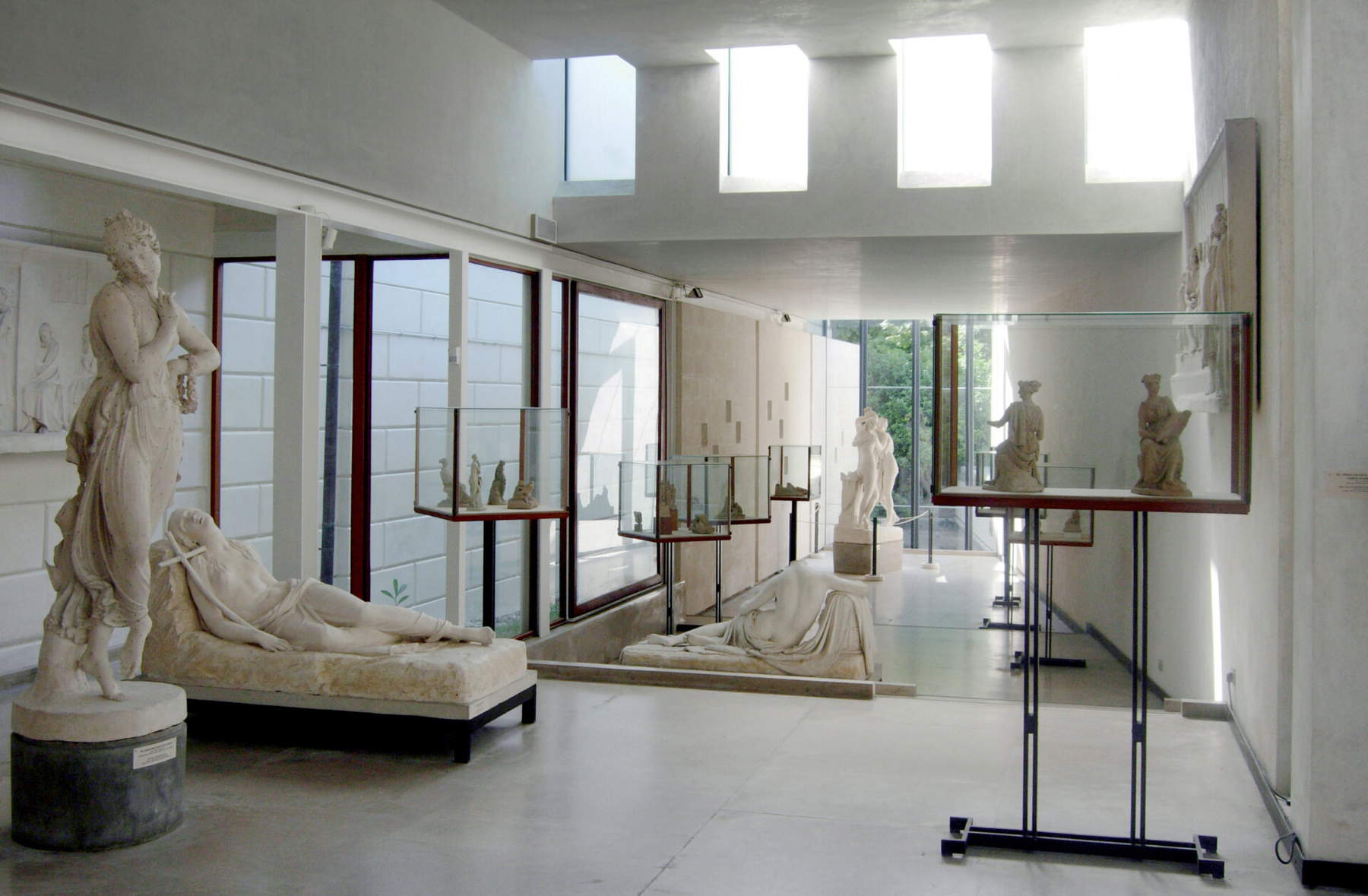
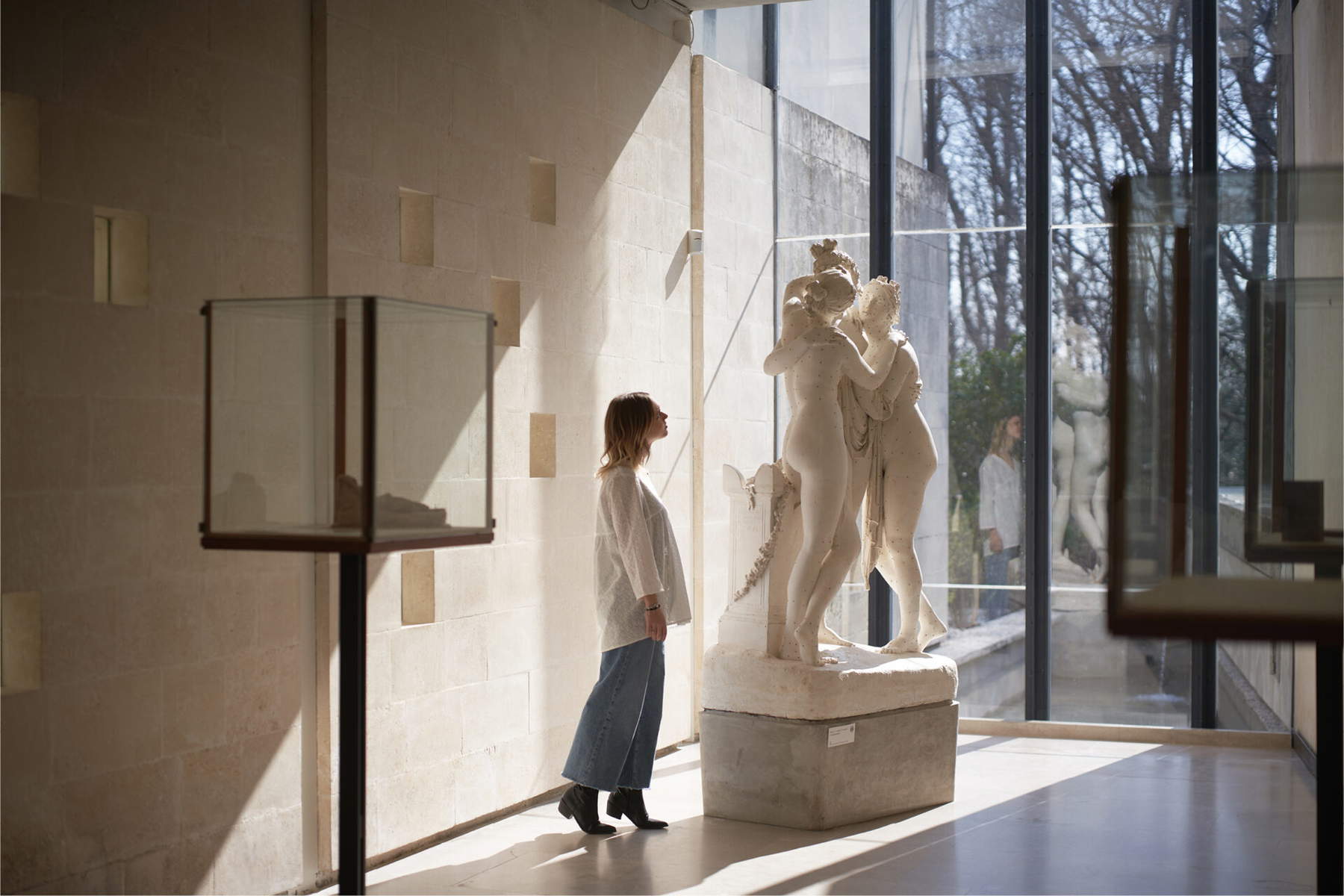
In early April 2026, the museum will reopen theScarpa Wing, which is undergoing restoration work on a portion of the extension designed by the Venetian architect. The operation, conducted by the Soprintendenza Archeologia, Belle Arti e Paesaggio for the provinces of Belluno, Padua and Treviso in collaboration with the Municipality of Possagno and the Iuav University of Venice, and funded by the Ministry of Culture, aims to ensure the preservation of one of the Museum’s best-known architectural spaces.


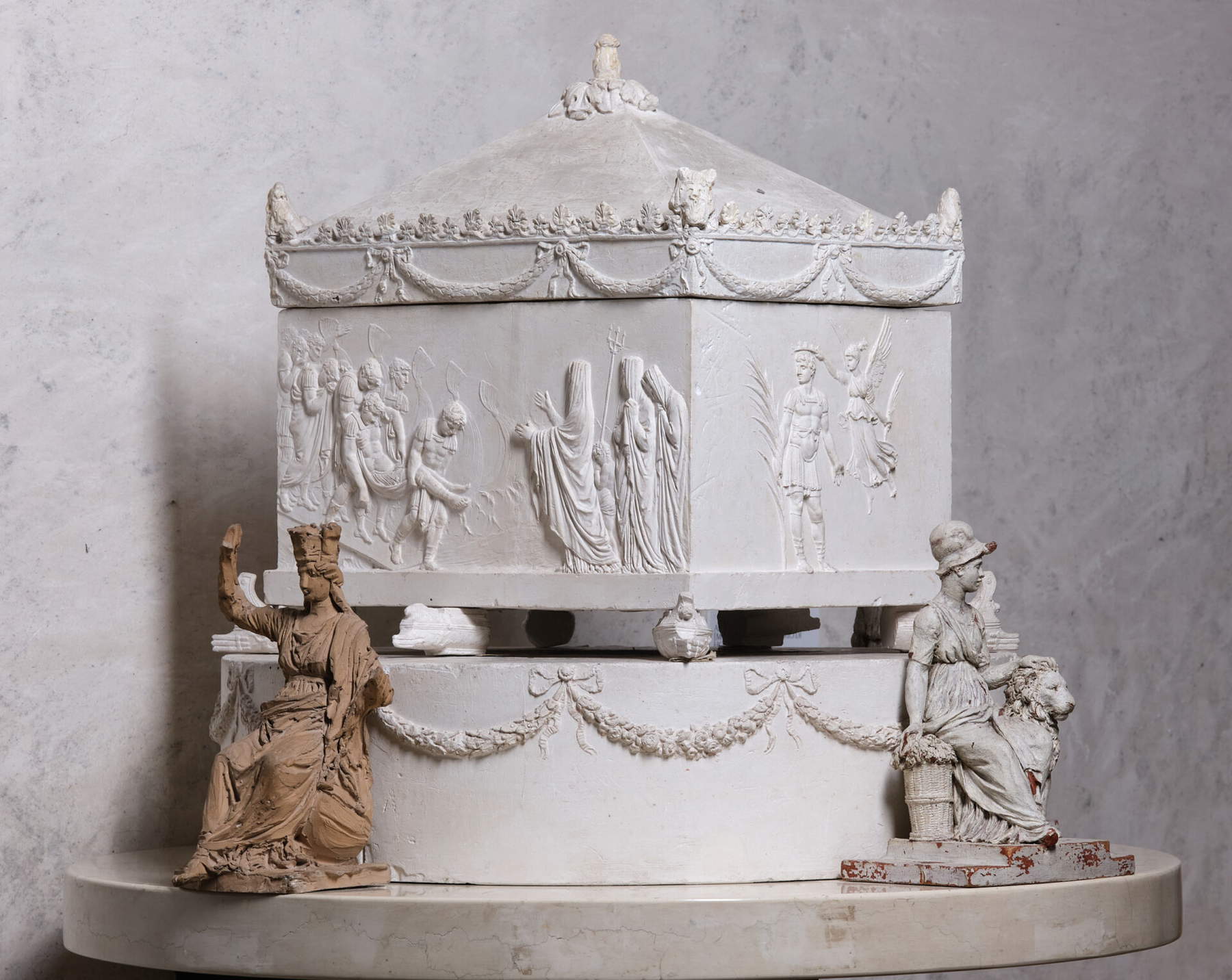
Protection of the Canovian heritage remains a priority. Among the interventions planned for 2026 is the restoration of theAmorino (Prince Henryk Lubomirski), a plaster model from 1785 that anticipates the marble version preserved in Łańcut, Poland, and depicts the young prince in the guise of Eros. The project, carried out in collaboration with the City of Treviso, involves diagnostic investigations, chemical analysis, cleaning and consolidation, with attention to structural stability and the preservation of materials, according to criteria of minimal invasiveness and reversibility. In parallel, three red wax models on slate, related to the funerary monument for Admiral Horatio Nelson, will undergo recovery. The bas-reliefs, allegories of the hero’s birth, death and glorification, will be consolidated and secured to ensure their legibility. These interventions confirm the museum’s focus on lesser-known but highly valuable works of documentary value, which are fundamental to understanding Canova’s working method and figurative culture. To support the restorations, a fundraiser will be launched in the coming weeks in collaboration with Italia Patria della Bellezza.
From November 1, 2026 to March 28, 2027, the Museum will host the exhibition Antonio Canova and the Monument to Horatio Nelson, curated by Professor Paolo Mariuz, a member of the Scientific Committee of the Canova Foundation. The exhibition will offer a philologically grounded reconstruction of the artist’s creative process, allowing visitors to follow the evolution of the monumental idea, from the early design stages to intermediate materials, with loans from national and international institutions. The main section will be devoted to the monument project and will allow visitors to observe the different operational steps adopted by Canova.
An in-depth section will contextualize the project, linking it to other works such as Napoleon as Peacekeeping Mars, the Equestrian Monument of Napoleon and Hector, to highlight the artist’s reflection on the contemporary hero and the epic and mythological tradition. The last part will be reserved for the historical figure of Nelson, with the exhibition of a portrait of him and the engraving of the Funeral Monument made by John Flaxman and placed in St. Paul’s Cathedral in London in 1818, offering a comparison between two European interpretations of the monumental celebration. The exhibition takes the form of a scholarly investigation capable of combining philological rigor, art-historical insight and popular value.
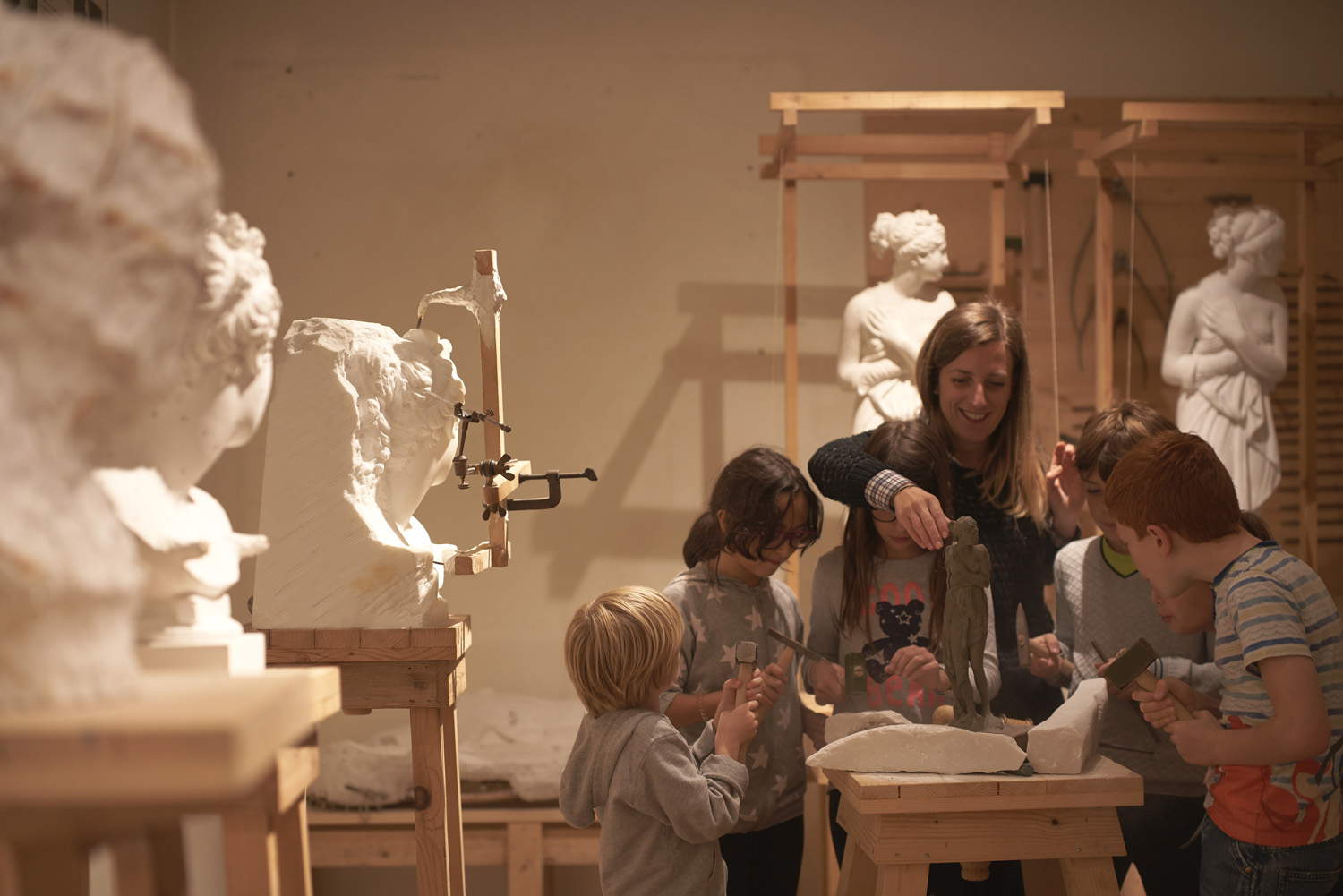
The Canova Museum also continues to pay special attention to the new generations. The 2026 educational proposal includes workshops, garden activities, tactile paths and interventions with LIS interpreters to ensure accessibility. In-depth lectures, concerts, dance performances, evening guided tours by candlelight and participation in European events such as Museum Night will be organized throughout the year. A five-year theatrical review, structured as an annual event, will begin, retracing important moments in Canova’s life. Each edition, in collaboration with theLa Chiave di Sophia Association, will offer a contemporary interpretive reinterpretation, bringing Canova’s artistic and human story into dialogue with current sensibilities. Finally, the return day of the cultural welfare project Bellezza che cura: arte e salute in dialogo, developed in 2025 with the contribution of the Veneto Region, Ulss 2, Provincial School Office and other local entities, will be celebrated. The meeting will present the results of the experimental path, aimed in particular at young people in situations of fragility, and offer insights into the role of culture as a tool for well-being, inclusion and growth, in order to lay the groundwork for future developments in the Museum’s programming.
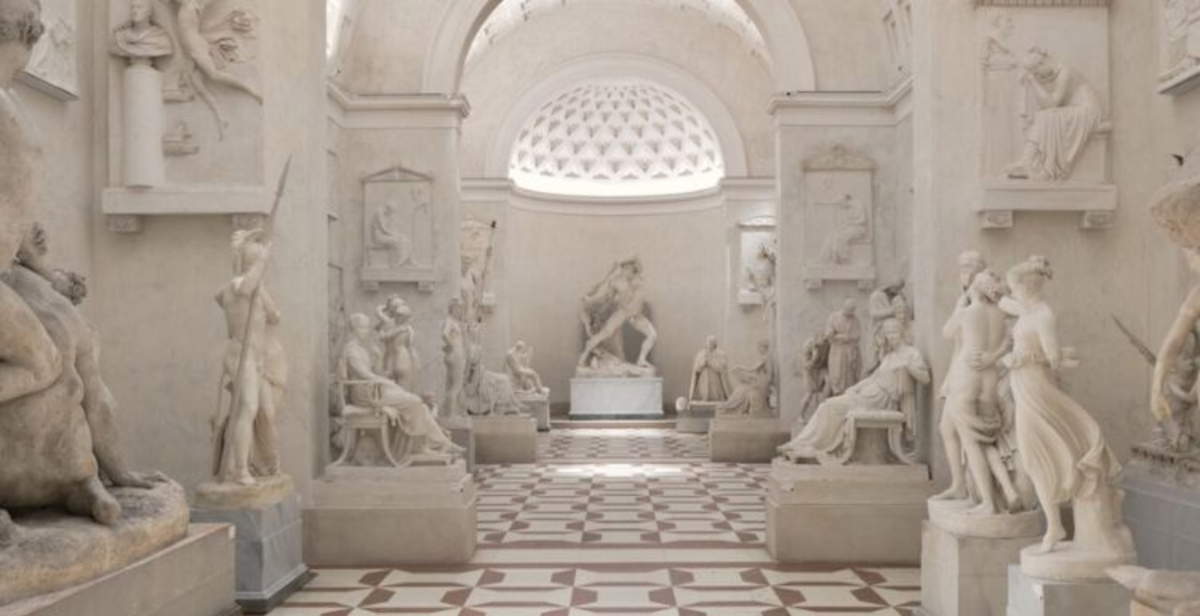 |
| The 2026 of the Gypsotheca Museum in Possagno is dedicated to Carlo Scarpa and Canova |
Warning: the translation into English of the original Italian article was created using automatic tools. We undertake to review all articles, but we do not guarantee the total absence of inaccuracies in the translation due to the program. You can find the original by clicking on the ITA button. If you find any mistake,please contact us.