





The World Monuments Fund (WMF) today announced theopening of its Italian office, thus opening a new phase in one of the organization’s most enduring and relevant relationships established with a single country. At the same time, the first intervention promoted by the new office was also presented: the restoration of the Gilded Hall of the Poldi Pezzoli Museum in Milan. The opening of the Italian office represents a symbolic return to the country that contributed to the birth and development of the World Monuments Fund, as well as confirming the importance of the historic Italian community of restorers, architects and scholars, whose contribution has been instrumental in defining international standards for the protection of cultural heritage. Leading the new office will be Fiorella Ballabio, Chair of the World Monuments Fund’s Advisory Council in Italy, and Silvia Beltrametti Krehbiel, President of the World Monuments Fund in Italy.
The WMF ’s work in Italy originated in a particularly difficult period. After the devastating flood that hit Venice in 1966, which caused severe damage to historic buildings, works of art and archives, Colonel James Gray, founder of the organization, worked to quickly coordinate international economic resources and technical expertise to support the lagoon city. From that experience was born the Venice Committee, which operated for about ten years and was destined to become a model of shared intervention in the preservation of cultural heritage, thanks in part to the involvement of local realities and the introduction of methodologies that would influence preservation globally. Through more than thirty projects carried out in Venice, the World Monuments Fund contributed decisively to the protection of historic buildings and works of art after floods, developing coordinated and participatory strategies that still represent an international reference in the management of heritage-related emergencies.
Since the 1960s, the WMF has allocated more than $23.5 million to 84 interventions distributed throughout Italy, including archaeological sites, synagogues, cathedrals, museums and cultural landscapes. After the first operations in Venice, the organization’s activities gradually expanded to other Italian cities, with major restoration and conservation campaigns in Rome, Florence and several other historic centers.
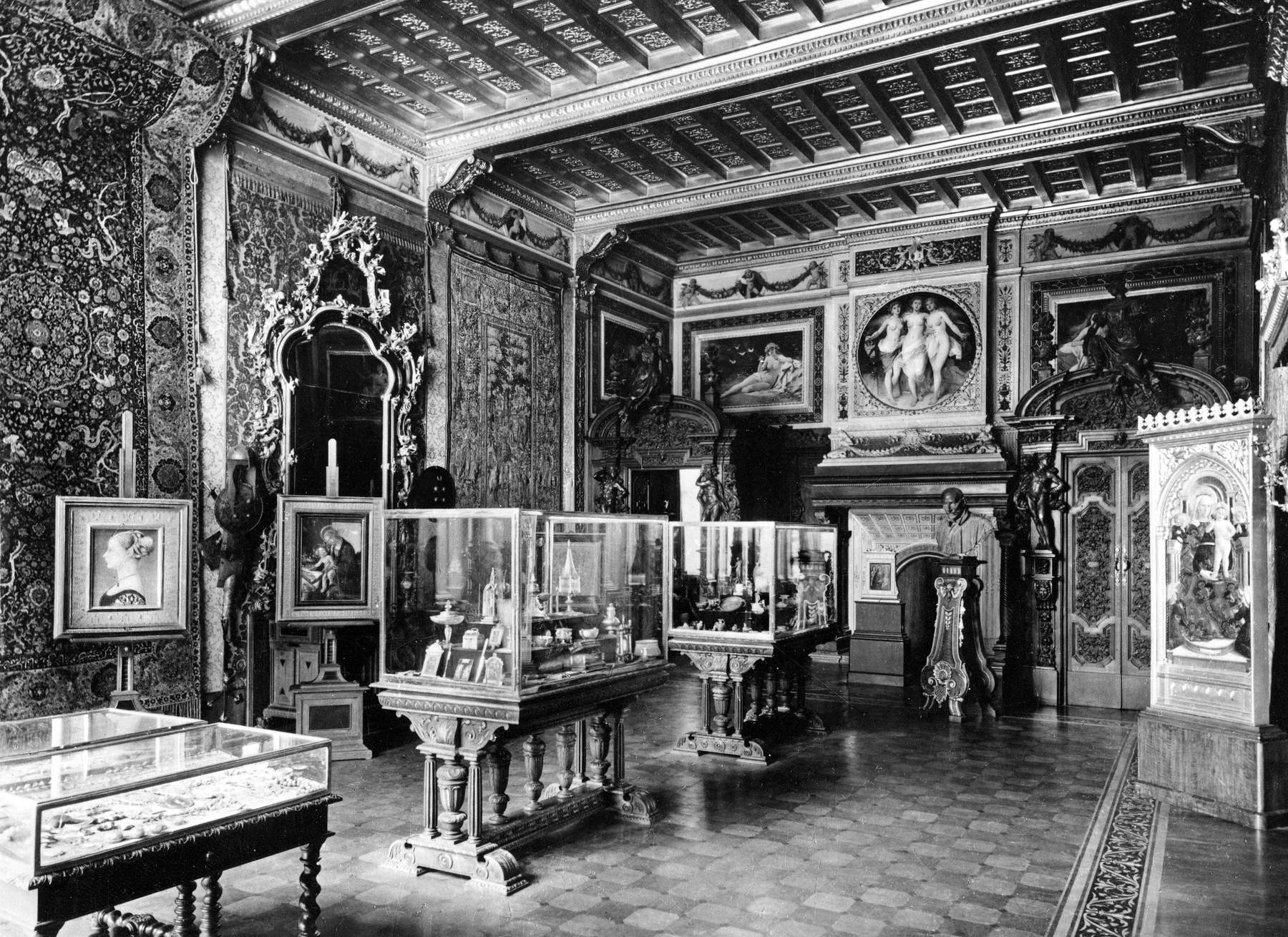
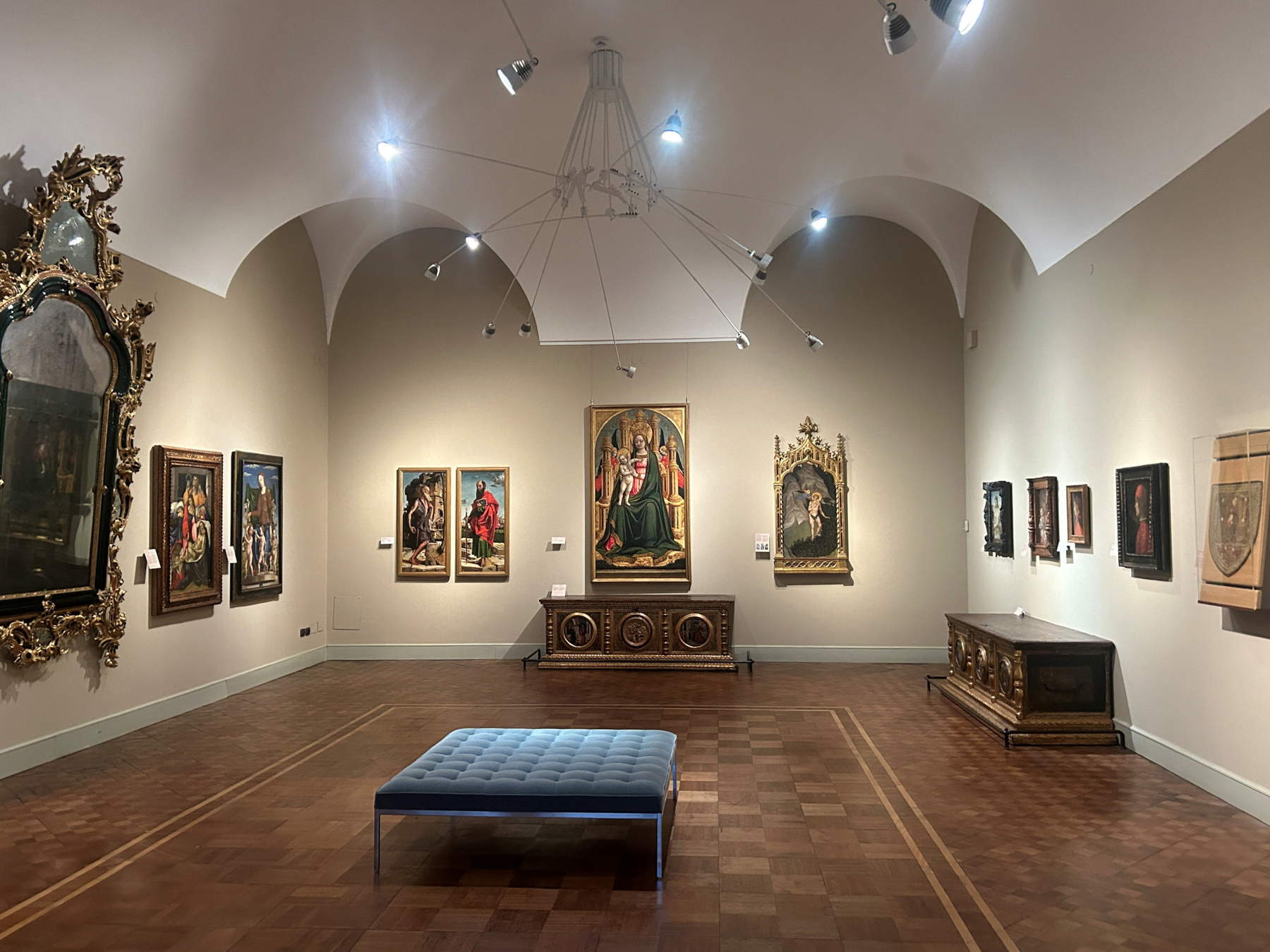
The first project launched after the opening of the new Italian office will concern the Salone dorato of the Poldi Pezzoli Museum in Milan, a central element of the nineteenth-century museographic innovation desired by collector Gian Giacomo Poldi Pezzoli. Conceived as an architecturally and artistically harmonious space to house Renaissance masterpieces, the house museum was a pioneer in the use of stylistic languages and artistic techniques inspired by the past, transforming its rooms into refined caskets for ancient paintings, sculptures, furniture and decorative arts. Since the 1950s, in fact, the mansion became a true creative laboratory, helping to make Milanese decorative arts a model of excellence recognized in Europe and capable of influencing institutions such as the Isabella Stewart Gardner Museum in Boston and the Frick Collection in New York. The Golden Salon suffered heavy damage during the bombings of 1943, was rebuilt in the 1950s and later modified in the 1970s.
“The opening of the Italian office represents an important moment for the World Monuments Fund’s field work,” said Fiorella Ballabio, Director of the World Monuments Fund in Italy. “From the achievements of the ancient Romans to the artistic innovations of the Renaissance and the legacy of modern Italy, this office reaffirms the WMF’s commitment to preserving the richness, complexity and imperishable value of Italy’s history for future generations.”
“This new chapter builds directly on World Monuments Fund’s deep experience in Italy and reaffirms our longstanding commitment to protecting the world’s cultural heritage,” said Bénédicte de Montlaur, President and CEO of World Monuments Fund. “Establishing a permanent presence in Milan strengthens our ability to develop relationships with Italian partners and implement meaningful projects at important historic sites. We see this office both as a recognition of Italy’s central role in the history of preservation and as a strategic step in building our future in this country and around the world.”
“Today more than ever, it is necessary to reiterate that the protection of cultural heritage is a shared responsibility that requires the joint efforts of governments, local authorities, the private sector and civil society,” stressed Alessandra Quarto, Director of the Poldi Pezzoli Museum. “The collaboration with the World Monuments Fund is part of the path we have taken in recent years in which the focus has been on recovering, through archival research, restoration work and rearrangements, the soul of the house-museum that the founder Gian Giacomo Poldi Pezzoli created.”
The World Monuments Fund (WMF) is the leading independent organization dedicated to safeguarding the world’s most precious places to enrich people’s lives and build mutual understanding between cultures and communities. The organization is headquartered in New York City with offices and affiliates in Cambodia, China, France, India, Italy, Peru, Portugal, Spain and the United Kingdom.
|
| The World Monuments Fund will open its Italian office. It will restore the Golden Salon at the Poldi Pezzoli |

Warning: the translation into English of the original Italian article was created using automatic tools. We undertake to review all articles, but we do not guarantee the total absence of inaccuracies in the translation due to the program. You can find the original by clicking on the ITA button. If you find any mistake,please contact us.























 IT
IT FR
FR DE
DE ES
ES CN
CN


