




by Redazione 15/07/2026



Categories: Museums / Disclaimer
The strategic guidelines for the Triennale Milano’s 2026–2030 four-year period have been presented. President Vincenzo Trione outlines the institution’s new vision; the role of creative director has been established, with renowned designer Michele De Lucchi appointed to the position; and the new scientific committee has been named.
An increasingly international, interdisciplinary, and research-oriented Triennale Milano, capable of bringing together architecture, design, art, photography, fashion, film, theater, and music within a single cultural project. This is the vision outlined on Tuesday, July 14, by President Vincenzo Trione and General Director Carla Morogallo, who presented the institution’s strategic guidelines for the 2026–2030 quadrennium, along with the new scientific organization and the appointment of Michele De Lucchi as the Triennale’s first-ever creative director, as well as head of the Museum of Italian Design.
The meeting marks the first major step in the new governance of the Milanese cultural institution following the appointments made official on June 4. On that date, Vincenzo Trione was appointed president of Triennale Milano, while Carla Morogallo was confirmed in her role as general director, ensuring continuity in the administrative and organizational management of the institution. Among the main changes in the new structure is, as previously announced, the introduction of the position of creative director, entrusted to architect, designer, and artist Michele De Lucchi, who will also assume responsibility for the Triennale’s Museum of Italian Design. This new role will be tasked with contributing to the institution’s cultural identity by coordinating a design vision capable of fostering dialogue between different disciplines and strengthening the Triennale’s role on the international stage.


During the presentation, Vincenzo Trione outlined the Triennale’s vision for the next four years: “A Triennale that, in dialogue with Milan and the international context, presents itself as a ‘world-work’; as a cultural infrastructure in which contemporary cultures, knowledge, practices, and media engage and intermingle; as a complex system that brings architecture, design, art, photography, fashion, film, theater, and music into resonance; as a space dedicated to bringing to light the reasons behind the present; as a venue for exhibitions and events, but also for study, conservation, and promotion; as a center for advanced education and research, in collaboration with universities; but, above all, as an institution committed to bringing the public into contact with the evolution of contemporary design and visual languages; as a stable institution that is, at the same time, open to the tumultuous events unfolding today before our very eyes; finally, as a engine of critical thought, posing questions about some of the defining issues of our time and offering possible, thought-provoking answers, free from any ideological bias. With one ambition: to occupy a central place in the life of a great city, a community, a country, and Europe.”
The cultural vision outlined by the president is complemented by the organizational vision presented by General Director Carla Morogallo: “The Triennale is an institution in constant evolution. Over the years, it has proven capable of responding to the challenges and opportunities facing the cultural world, of understanding the needs of its audiences, and of engaging with ever-changing projects. We approach this new chapter with an awareness of the work accomplished to date and with enthusiasm for the projects and activities to come. This evolution will also encompass aspects of strategic and managerial development, to expand and diversify forms of support and further strengthen our international standing.”
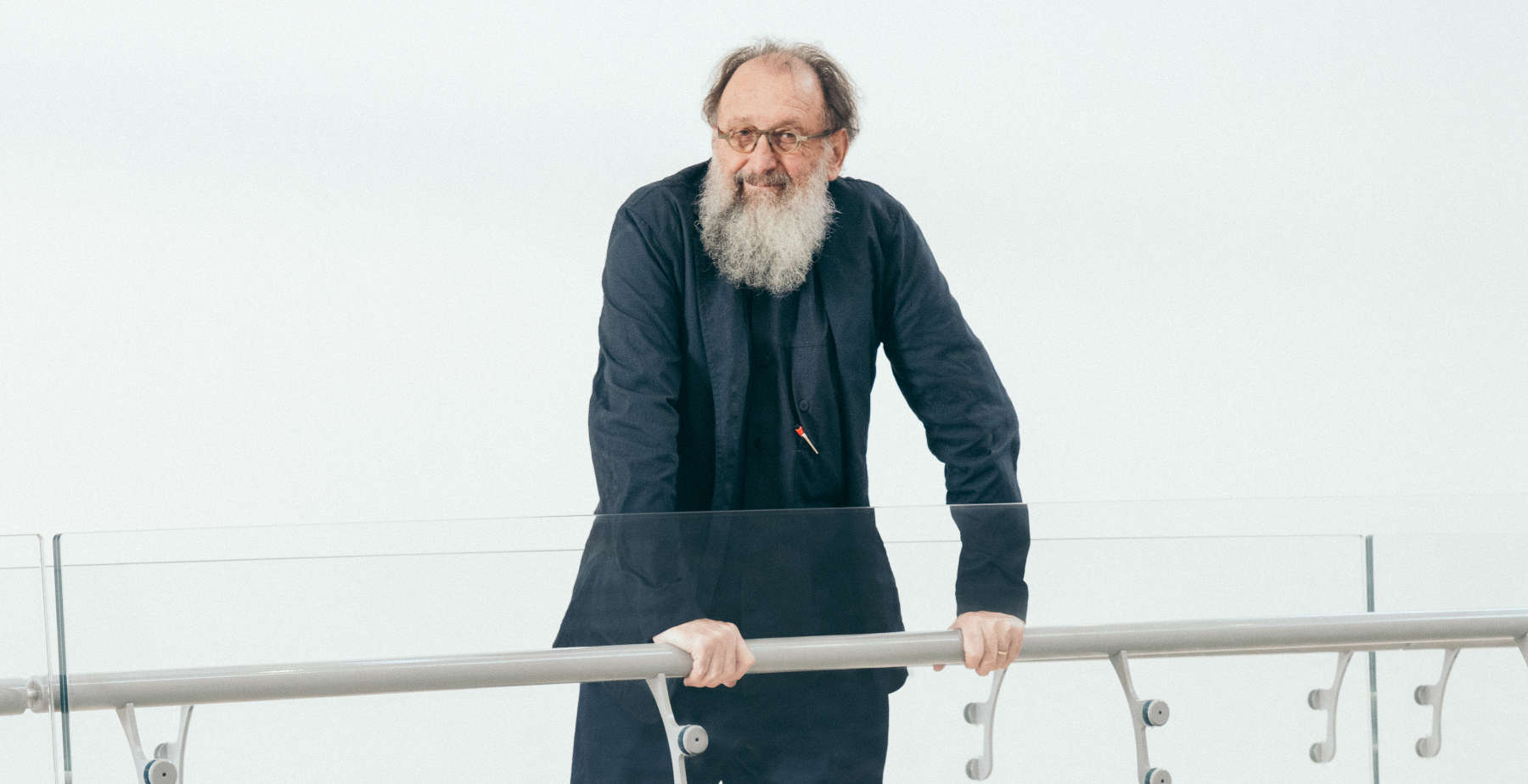
Michele De Lucchi, for his part, explained the significance of his new role, highlighting his desire to transform the Triennale into a space capable of stimulating creativity and reflection: “I thank the President and gladly accept the title of Creative Director, because it is the role that suits me best: that of a designer. I would like to transform the Triennale into a laboratory of vitality. A project is not a static act; today more than ever, it is the conception of a positive scenario, capable of guiding us through the great contradictions: between past and future, between the concrete and the virtual, between the human and the digital, between disciplines and divergent visions. I have in mind a path that will lead us to build and experience the concept of ‘sustainability of the collective imagination.’”
De Lucchi’s appointment is one of the central pillars of the new organization. Born in Ferrara in 1951, the architect, designer, and artist isone of the most influential figures in contemporary Italian design. After studying in Florence under Adolfo Natalini, he was a leading figure in the Alchimia and Memphis movements, making a decisive contribution to the renewal of Italian design in the 1970s and 1980s. From 1988 to 2002, he headed Olivetti Design, a period during which he created some of the company’s most iconic projects. Among his most famous works are the Tolomeo lamp created for Artemide and the Ink Jet printer designed for Olivetti, both of which were awarded the Compasso d’Oro in 1989 and 2001, respectively.
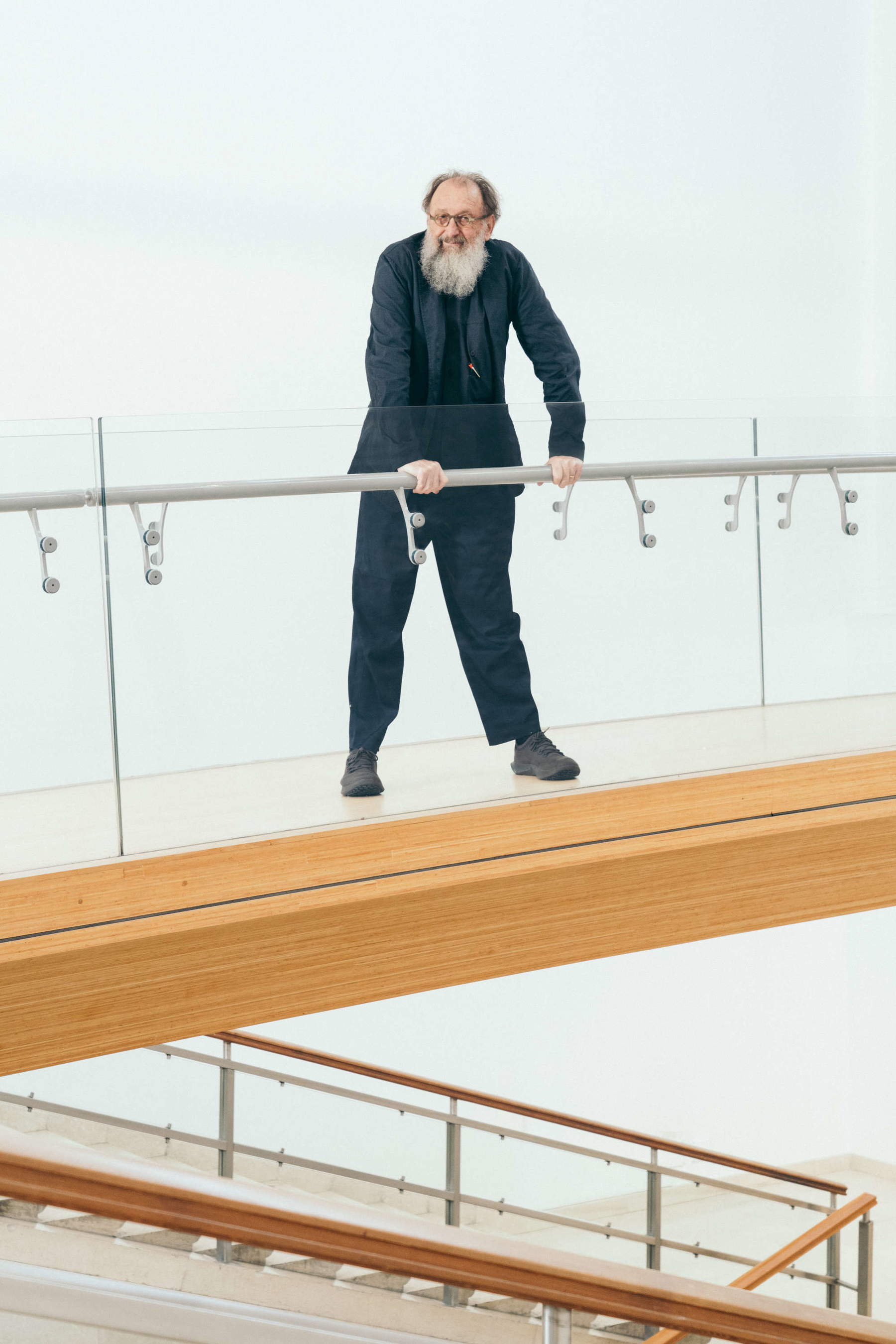
Through his studio, he has developed architectural projects in Italy and abroad in the cultural, corporate, industrial, and residential sectors, collaborating with some of the leading Italian and international design firms. Alongside his professional work, he has maintained an active academic career, being appointed full professor at the IUAV in Venice in 2001 on the basis of his distinguished reputation and teaching at the School of Design at the Politecnico di Milano since 2008. Throughout his career, he has also delivered lectures, keynote speeches, and taught courses at numerous international universities, including Harvard, Buenos Aires, Cairo, Tbilisi, Shanghai, Hong Kong, and Tokyo, contributing to the global dissemination of design culture. Since 2003, he has pursued a personal artistic practice through drawing, painting, and the creation of wooden models, which he regards as tools for exploring the essence of architectural form and as a source of inspiration for design. Some of his works have been acquired by the Centre Pompidou in Paris, while others are housed in major museums in Europe, the United States, and Japan.
Among the numerous honors he has received are the title of Officer of the Italian Republic conferred by President Carlo Azeglio Ciampi in 2000, an honorary degree from Kingston University in 2006, his appointment as a member of the National Academy of San Luca in 2008, the Golden Fleece Order conferred by Georgia in 2009, the Presidential Order of Excellence of Georgia in 2010, the Compasso d’Oro Lifetime Achievement Award in 2022, his appointment as a member of the Accademia delle Arti del Disegno in Florence and as an Officer of the Order of Arts and Letters by the French Ministry of Culture in 2024, as well as the title of Asahikawa Special Design Ambassador, which he received in 2025.
The Triennale’s New Scientific Committee
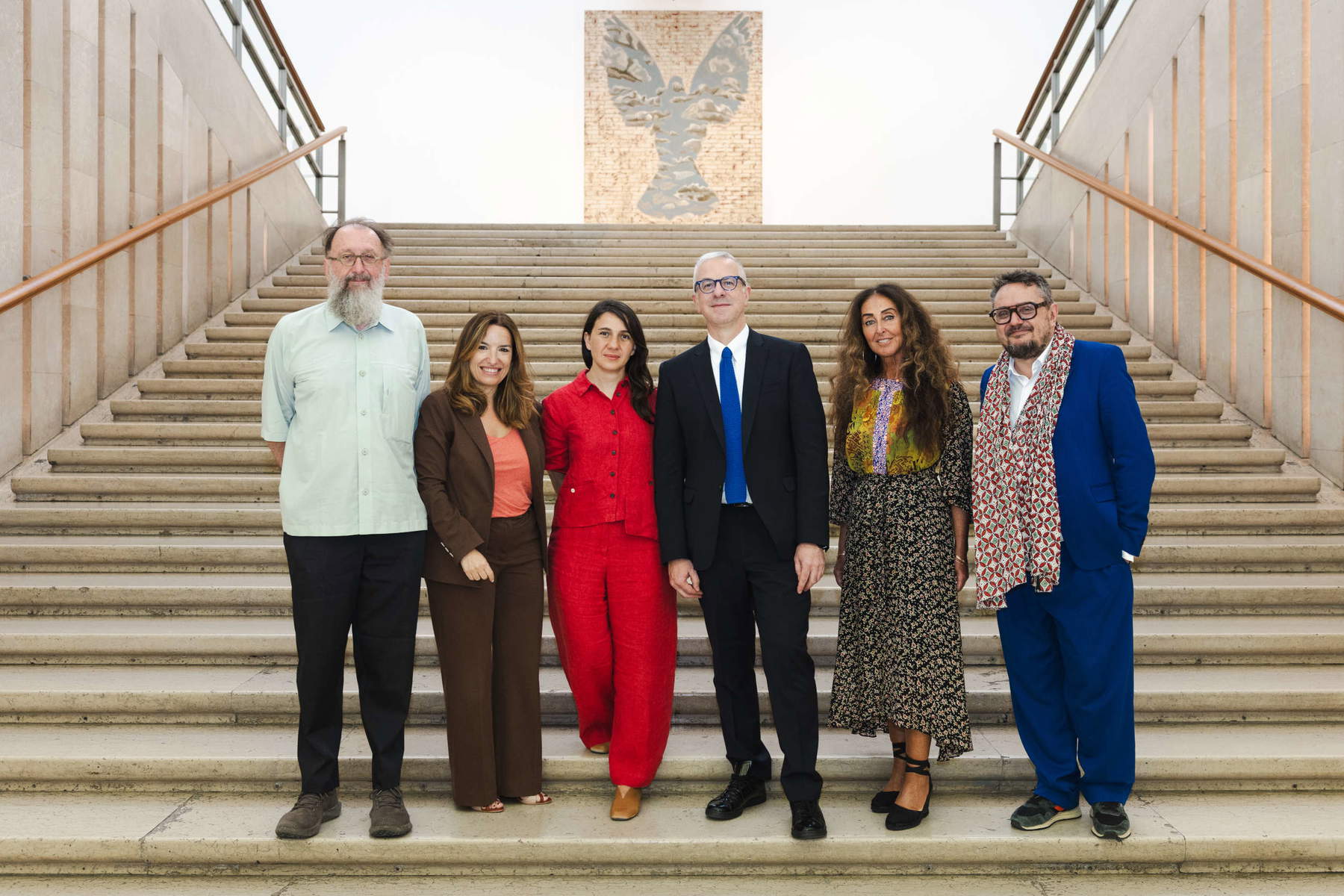
During the press conference, the Triennale’s new scientific committee was also presented; it has been tasked with developing the institution’s cultural programming. Its members include Michele De Lucchi, who will oversee the design sector and direct the Museum of Italian Design; Manuela Lucà-Dazio as curator of architecture; and Andrea Viliani as curator of contemporary art.
Working alongside the committee will be scientific advisors specializing in various disciplinary fields. To strengthen the focus on cinema, Paolo Mereghetti has been brought on board, while Carlo Antonelli will continue to oversee music and Luca Stoppini will oversee fashion . Chiara Spangaro will serve as the scientific coordinator of the Triennale Archive. Umberto Angelini will retain his role as artistic director of the theater, Damiano Gullì will oversee the public program and publishing activities, and Marco Sammicheli will serve as Design Week Exhibition Program Lead. Luca Cipelletti, meanwhile, will be the architectural director of the Palazzo dell’Arte.
The selection of curators and consultants reflects the desire to entrust cultural programming to Italian professionals with established international experience, capable of developing projects open to engagement with the global scene.
Strategic Directions for the 2026–2030 Four-Year Period
The strategic guidelines presented for the 2026–2030 four-year period call for a program built around a major annual theme expressed in the form of a question. Each year, the Triennale will identify a crucial issue of our time, which exhibitions, talks, publications, research initiatives, and public programs will seek to address from different perspectives. This thematic framework will serve to strengthen the cultural coherence of the entire program and foster dialogue across disciplines.
The exhibition program will include both thematic exhibitions and monographic shows dedicated to leading figures in art, architecture, design, and fashion, all of which will be linked to the conceptual framework identified each year. Reviving a tradition rooted in the Triennale’s history, public art installations will also return to the space in front of the Palazzo dell’Arte, commissioned on a case-by-case basis to internationally renowned designers, architects, and artists.
Significant attention will also be given to the Museum of Italian Design. The permanent collection will be progressively expanded through an acquisitions policy that will make it possible to document even the most recent developments in Italian design. In Michele De Lucchi’s vision, the museum will not merely be a space dedicated to exhibiting objects, but a place designed to tell the story of the ideas that have made Italian design an international benchmark, exploring the cultural roots, social contexts, and design methodologies that gave rise to its greatest successes.
The public program will be enriched by the introduction of the “Lezioni milanesi,” an annual series of talks featuring leading figures in Italian and international cultural discourse. These will be complemented by the “Work in Progress” series, conceived as a prelude to the 25th International Exhibition in 2028 and dedicated to figures from the worlds of the arts, film, and literature. Among the guests already announced is Asma Mhalla, a Franco-Tunisian specialist in the politics and geopolitics of technology. Meetings and seminars dedicated to the role of cultural institutions in contemporary society are also planned.
The Theater and Voice sector will also be increasingly integrated with the rest of the cultural programming, fostering the blending of artistic languages and different modes of expression.
A central role will be entrusted to the Triennale Study Center, founded in 1935, active until 1990, and reactivated in 2024 as part of the Cuore project. Chaired by Vincenzo Trione, the Center will identify the theme of the next International Exhibition in 2028 and the interdisciplinary issues that will guide the annual program, while also coordinating research activities and scholarly publications. It will also promote a hub dedicated to incubating ideas and projects aimed at young designers, architects, and creatives who will periodically use the Triennale’s spaces.
Supporting the Research Center will be an Advisory Board composed of writer Melania Mazzucco, geographer Franco Farinelli, sociologist Nathalie Heinich, physicist Carlo Rovelli, theologian and philosopher Father Paolo Benanti, and writer and essayist Giuliano da Empoli, who will offer interdisciplinary insights and original perspectives on major contemporary issues.
Activities dedicated to the archives will be strengthened through new research projects, outreach initiatives, and collaborations with other cultural institutions. The Triennale Archive will be promoted through dedicated exhibitions and new digital communication strategies aimed at making documents and materials increasingly accessible.
Also as part of the Cuore project, advanced training initiatives developed in collaboration with Italian and international universities and research centers will be integrated. A specialized program dedicated to curation, exhibition design, cultural communication, and public engagement will be launched, while the Triennale PhD Program will be established to offer new doctoral programs and fellowship initiatives aimed at scholars, curators, architects, artists, and designers selected through international calls for applications.
The publishing sector will also be completely reimagined with an integrated line comprising three series dedicated to catalogs, books, and albums. The magazine *Lotus* will follow the research guidelines defined by the Research Center, while the online magazine will be revamped and the production of podcasts and digital content will be expanded.
Finally, among the strategic objectives is the strengthening of support for institutional activities. The Patron Program will be further enhanced, and a study will be launched to create a Board of Trustees—modeled after leading international museums—designed to support the Triennale’s strategic development.
The new program will gradually take shape over the coming months. The exhibitions, projects, and all activities planned for 2027 will be presented during a press conference scheduled for November 2026, when the first complete calendar of the Triennale, designed by the new leadership, will take shape.
 |
| Triennale Milano Unveils Its 2026–2030 Plan and Names Michele De Lucchi as Its First Creative Director |
Warning: the translation into English of the original Italian article was created using automatic tools. We undertake to review all articles, but we do not guarantee the total absence of inaccuracies in the translation due to the program. You can find the original by clicking on the ITA button. If you find any mistake,please contact us.