





The principle of free admission to national museums in the United Kingdom may be coming to an end, or at any rate entering a new phase. Indeed, in the British government’s response to theArts Council England ’s independent review of arts management in the country, there emerges an explicit openness to the possibility of introducing forms of ticketing for international visitors, with the aim of strengthening the economic sustainability of the cultural system without compromising access for domestic audiences. At the moment, as is well known, the United Kingdom’s forty or so state-owned museums in fact provide free access for all to permanent collections (a ticket is charged instead to visit temporary exhibitions).
The measure is among the recommendations put forward by the review led by Baroness Margaret Hodge, which the government has decided to accept in full. The document points out that the current model, based on extensive free admission, is a pillar of access to culture, but at the same time requires new solutions to ensure the financial viability of institutions in the long run.
The government, led for the cultural sector by Minister Lisa Nandy, points out that the introduction of tickets for foreign visitors could generate significant benefits. In particular, this measure would provide financial support for national museums and galleries while helping to maintain and potentially expand free access for residents.
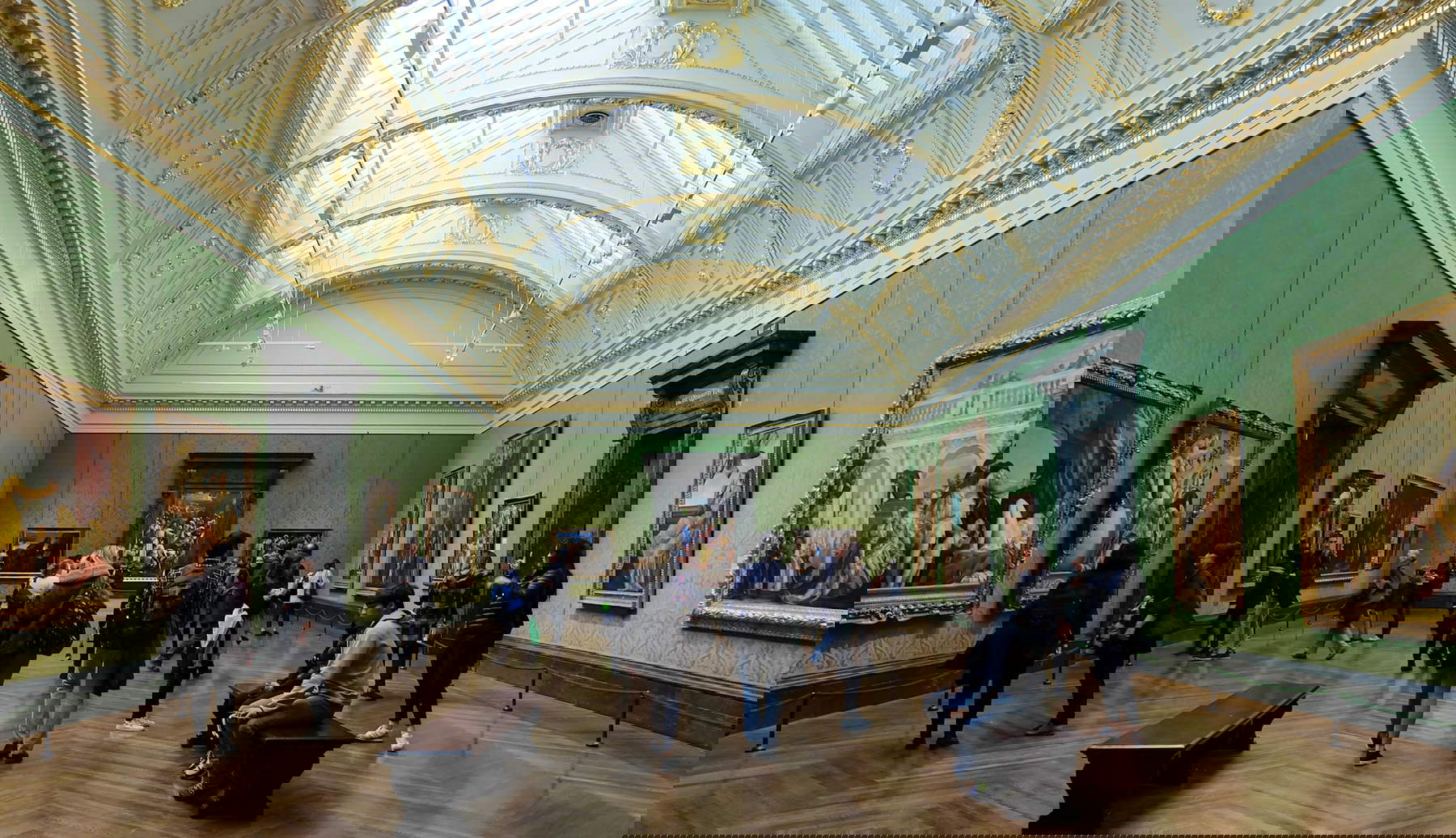
The text makes it clear that the possible introduction of tickets is not yet a final decision, but will be the subject of an in-depth discussion with the museum sector. Indeed, the government intends to work together with operators to assess the most effective ways of implementation, the timing and the overall impact of the measure. The goal is to strike a balance between economic sustainability and the public mission of cultural institutions.
The reflection starts from a broader observation: the British cultural system, while representing one of the most advanced and influential in the world, is under increasing financial pressures. In recent years, many organizations have faced difficulties related to rising costs and the need to maintain high standards of cultural offerings. In this context, the issue of revenue becomes central. The idea of introducing an economic contribution for international visitors is therefore part of a broader strategy to diversify funding sources. The government stresses that such a measure could help strengthen the financial resilience of institutions, enabling them to continue investing in cultural programs, heritage preservation and educational activities.
At the same time, the desire to preserve theprinciple of widespread access to culture is reiterated. Free access for national audiences is seen by the government as a key element in ensuring equity and participation, especially in a context where, as the document points out, access to the arts is still not equally distributed among different segments of the population.
The government also points out that the introduction of possible tickets for foreign visitors could also have a positive impact on the distribution of resources at the territorial level. Indeed, the revenues generated could be reinvested to support cultural offerings across the country, helping to reduce disparities between different areas and strengthen the role of the arts in local communities.
This proposal ties in with other initiatives planned in the response to the review, which aim to build a more inclusive and sustainable cultural system. These include exploring new forms of funding, such as tourism-related contributions, and strengthening collaboration between cultural institutions and territories. The paper also highlights the need to carefully assess the impact of each measure, taking into account the possible consequences on visitor flow and the international image of the British museum system. Indeed, the United Kingdom has built a solid reputation over time partly thanks to the free admission of its great museums, which are one of the country’s main tourist attractions.
For this reason, the government is committed to proceeding with caution, basing decisions on thorough analysis and ongoing dialogue with the sector. An update on the ongoing evaluations is expected by the end of the year, when more precise indications on how tickets may be introduced may emerge.
In the meantime, the desire to maintain culture as an accessible and shared asset remains confirmed. The possible introduction of tickets for international visitors is not presented as a renunciation of the free model, but as a means of preserving and strengthening it over time.
|
| U.K., toward end of free museums for all: foreigners' tickets considered |

Warning: the translation into English of the original Italian article was created using automatic tools. We undertake to review all articles, but we do not guarantee the total absence of inaccuracies in the translation due to the program. You can find the original by clicking on the ITA button. If you find any mistake,please contact us.


























 IT
IT FR
FR DE
DE ES
ES CN
CN


