





The Directorate-General for Digitization and Communication of the Ministry of Culture, the National Research Council – Institute of Cultural Heritage Sciences (CNR ISPC), and E-RIHS ERIC (European Research Infrastructure for Heritage Science) have signed a strategic agreement aimed at strengthening collaboration in the fields of research, digitization, and the promotion of cultural heritage. The agreement aims to develop a joint program dedicated to enhancing innovative tools, infrastructure, and methodologies, fostering cooperation among public institutions, research bodies, and European scientific infrastructures. The initiative is part of national and European strategies for the digital transition of the cultural sector and represents an important step toward greater integration between scientific research and heritage management.
One of the main objectives concernsthe interoperability of digital systems. The Ministry of Culture’s platforms will be progressively integrated with the digital infrastructures of research laboratories, enabling the sharing and coordinated use of scientific data related to the monitoring, diagnostics, conservation, and restoration of cultural heritage. Particular attention will be given to the development of tools basedon artificial intelligence. Advanced digital tools and AI-based solutions will be created to better leverage research data. Intuitive interfaces capable of helping experts monitor the condition of a statue or painting in real time. The agreement also aims to strengthen Italy’s role in major European programs dedicated to cultural heritage, fostering coordinated participation in international projects and calls for proposals, and increasing funding opportunities and expertise in the cultural heritage sector.
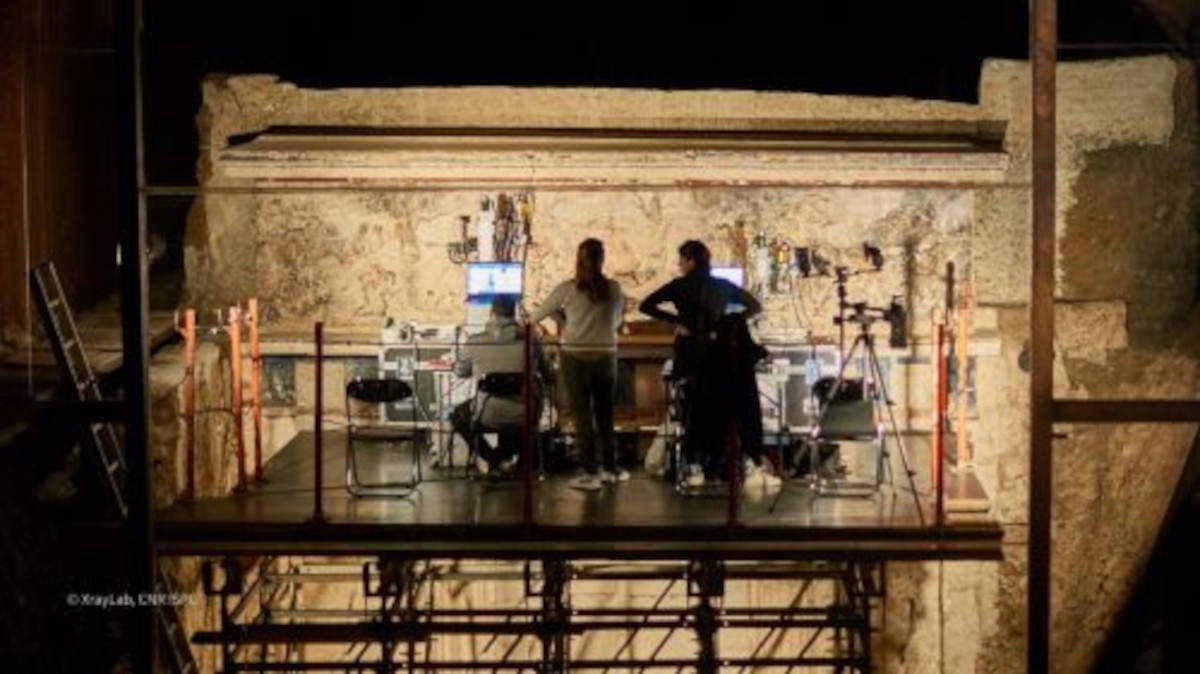
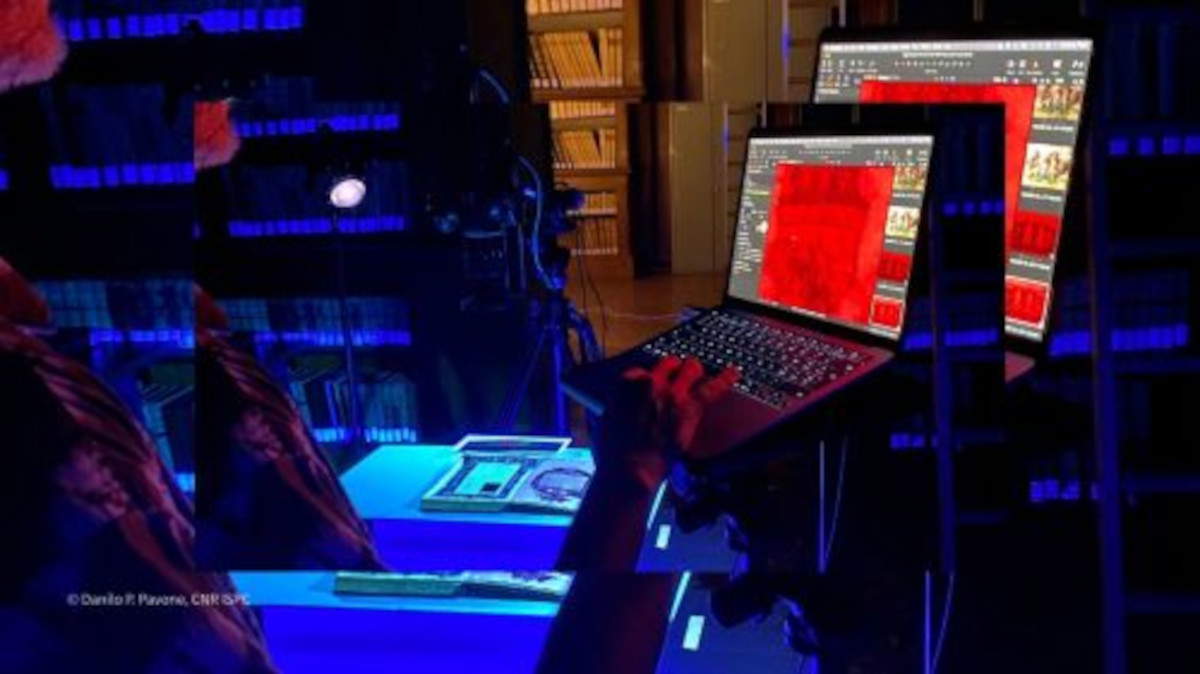
Another priority is the training of new professionals. Innovative training programs will be promoted to develop specialized skills in digital technologies applied to the conservation, management, and enhancement of cultural heritage. A further central element of the agreement concerns the promotion of open science for all. Through the use of artificial intelligence and innovative digital tools, the results of the studies will be made more accessible to a broad and international audience. At the same time, participatory science initiatives will be encouraged, with the aim of actively involving citizens and making cultural heritage inclusive.
The agreement, signed by Andrea De Pasquale on behalf of the Directorate General for Digitization and Communication of the Ministry of Culture, by Costanza Miliani, Interim Director of CNR ISPC, and by Vania Virgili, Director General of E-RIHS ERIC, will have an initial duration of three years. A coordination committee will be tasked with planning activities and monitoring results.
The initiative will also contribute to the development and integration of European digital infrastructures, including the Common European Data Space for Cultural Heritage,the European Collaborative Cloud for Cultural Heritage, andthe European Open Science Cloud, promoting greater data interoperability and broader accessibility to cultural heritage.
|
| Cultural and Digital Heritage: Agreement Signed Between the Ministry of Culture, the National Research Council (CNR), and E-RIHS ERIC |

Warning: the translation into English of the original Italian article was created using automatic tools. We undertake to review all articles, but we do not guarantee the total absence of inaccuracies in the translation due to the program. You can find the original by clicking on the ITA button. If you find any mistake,please contact us.




























 IT
IT FR
FR DE
DE ES
ES CN
CN


