





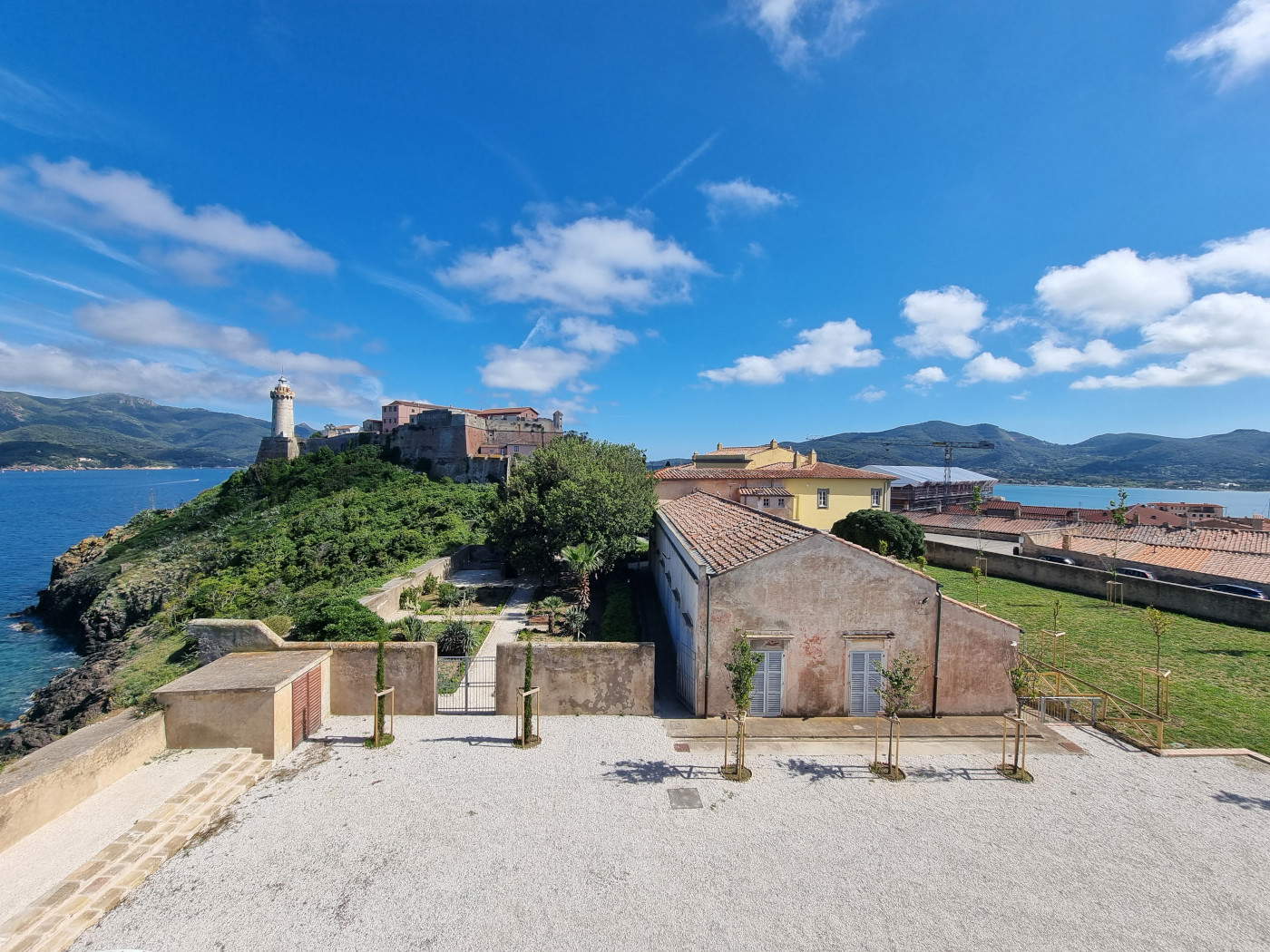
The Island of Elba has reclaimed one of its most precious historic sites thanks to a major restoration project involving the Napoleonic Residences. Following an extensive restoration project funded by the PNRR, the completely renovated gardens and the Palazzina dei Mulini have reopened to the public. The project made it possible to restore the gardens, large sections of pathways, ramparts, and green spaces that had been inaccessible or damaged for years.
The opening day also coincided with the launch of “50 Years of Creation,” an exhibition dedicated to Andrea Roggi that, through a journey winding through the Palazzina dei Mulini, Villa San Martino, and the Molo Elba in Portoferraio, celebrates half a century of his artistic career.
The Napoleonic Residences are thus once again welcoming visitors starting Saturday, June 20, marking the beginning of a new phase for one of the iconic sites of Elba’s history and culture.
The project was supported by the Ministry of Culture as part of PNRR Investment 2.3, “Programs to Enhance the Identity of Places: Historic Parks and Gardens,” with total funding of 1,999,980 euros.
Villa San Martino and the Palazzina dei Mulini were selected as among the most significant national projects for the restoration of historic gardens, due to their cultural, landscape, and historical value linked to Napoleon Bonaparte’s stay on Elba between 1814 and 1815. The project’s objective was to restore clarity and accessibility to this unique monumental complex by expanding accessible spaces and strengthening the connection between the Napoleonic residences and the surrounding area. The project was grounded in historical, archival, and landscape research, which made it possible to reconstruct the evolution of the two residences and their gardens, highlighting the central role that Napoleon attributed to green spaces as venues for representation and control over the territory.
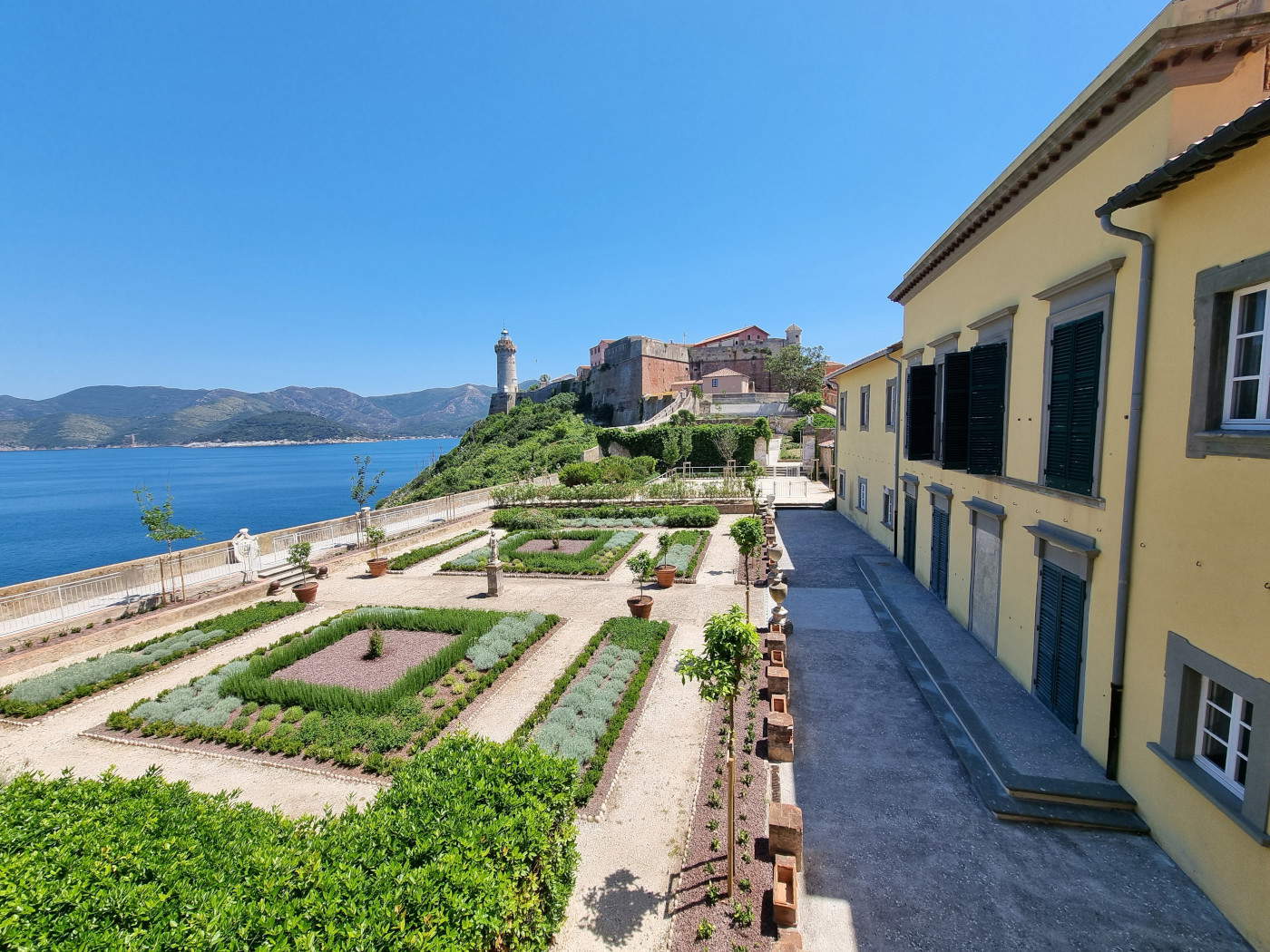
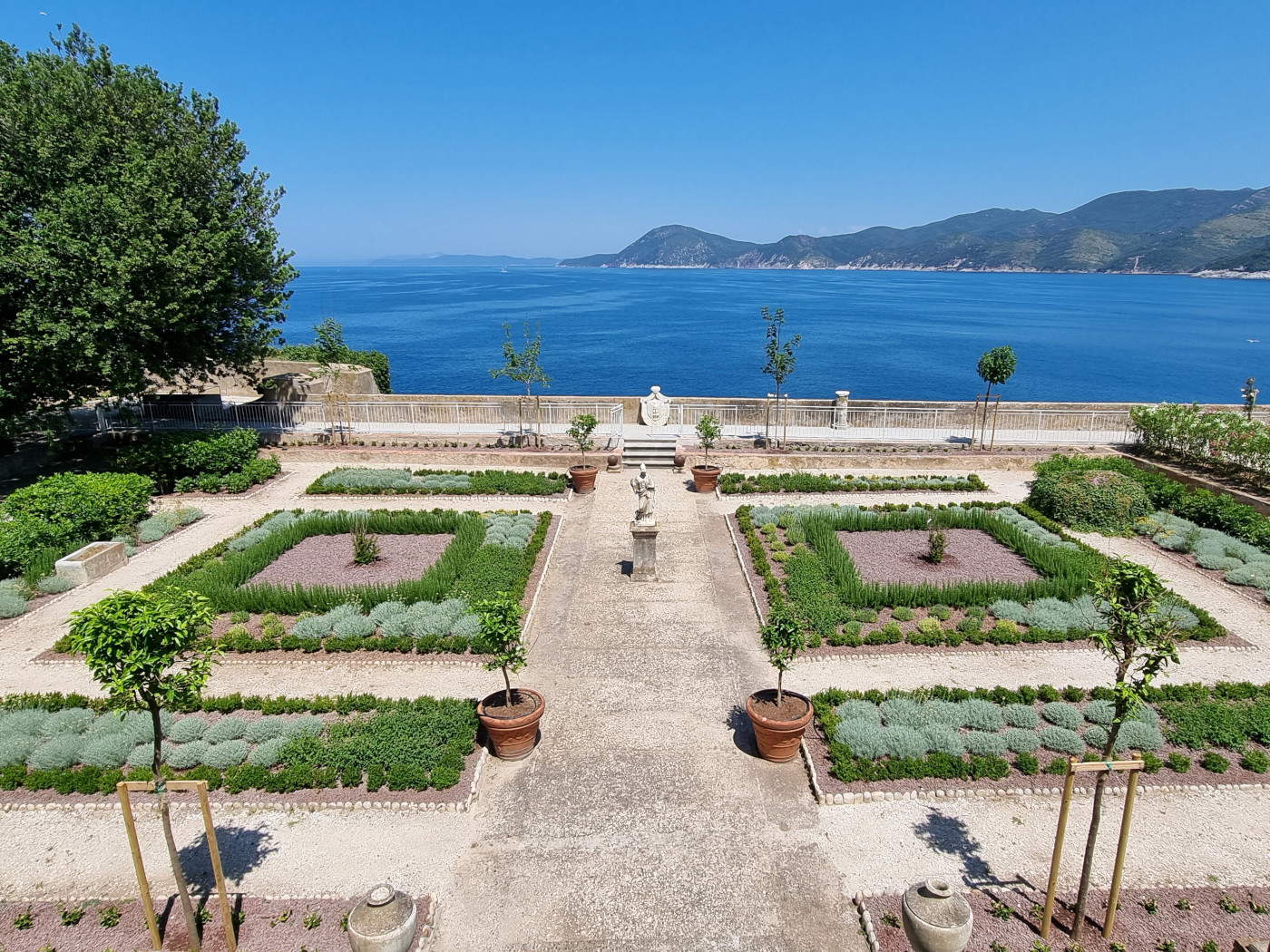
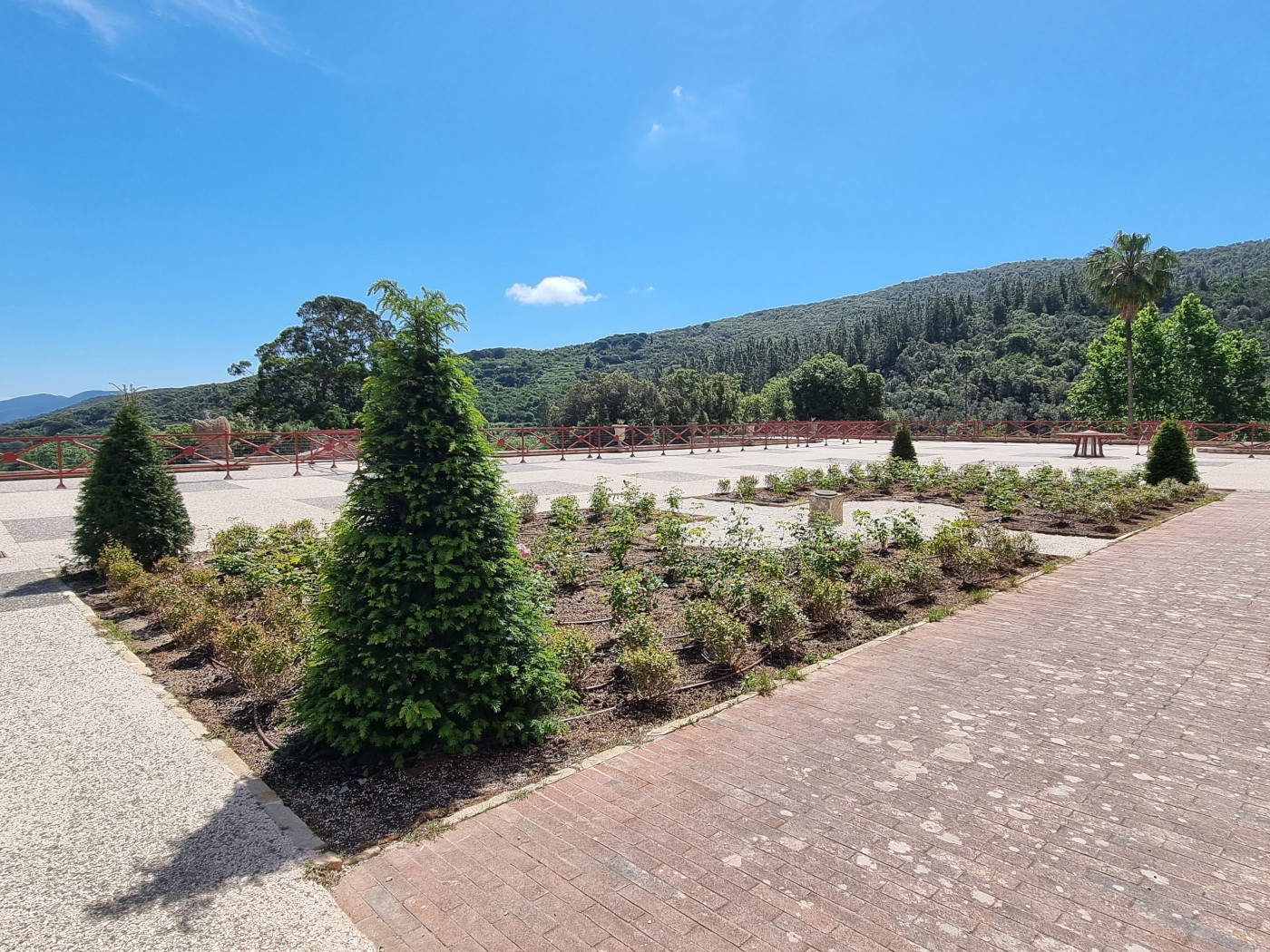
The restoration of the gardens at the Palazzina dei Mulini, located in the heart of the Medici citadel of Portoferraio, was carried out according to rigorous philological criteria, based on the analysis of historical documents, 19th-century prints, and archival sources relating to the garden’s original layout during Napoleon’s stay. The project made it possible to restore the historic layout of the Italian-style garden, reclaiming paths, terraces, scenic viewpoints, and botanical areas, as well as reintroducing plant species documented in sources from that period. Particular attention was paid to the relationship between the garden and the system of Medici bastions, reestablishing continuity between architecture, landscape, and historic fortifications.
Visitors will once again be able to explore over 5,000 square meters of gardens overlooking the harbor of Portoferraio and the sea, an integral part of the imperial residence.
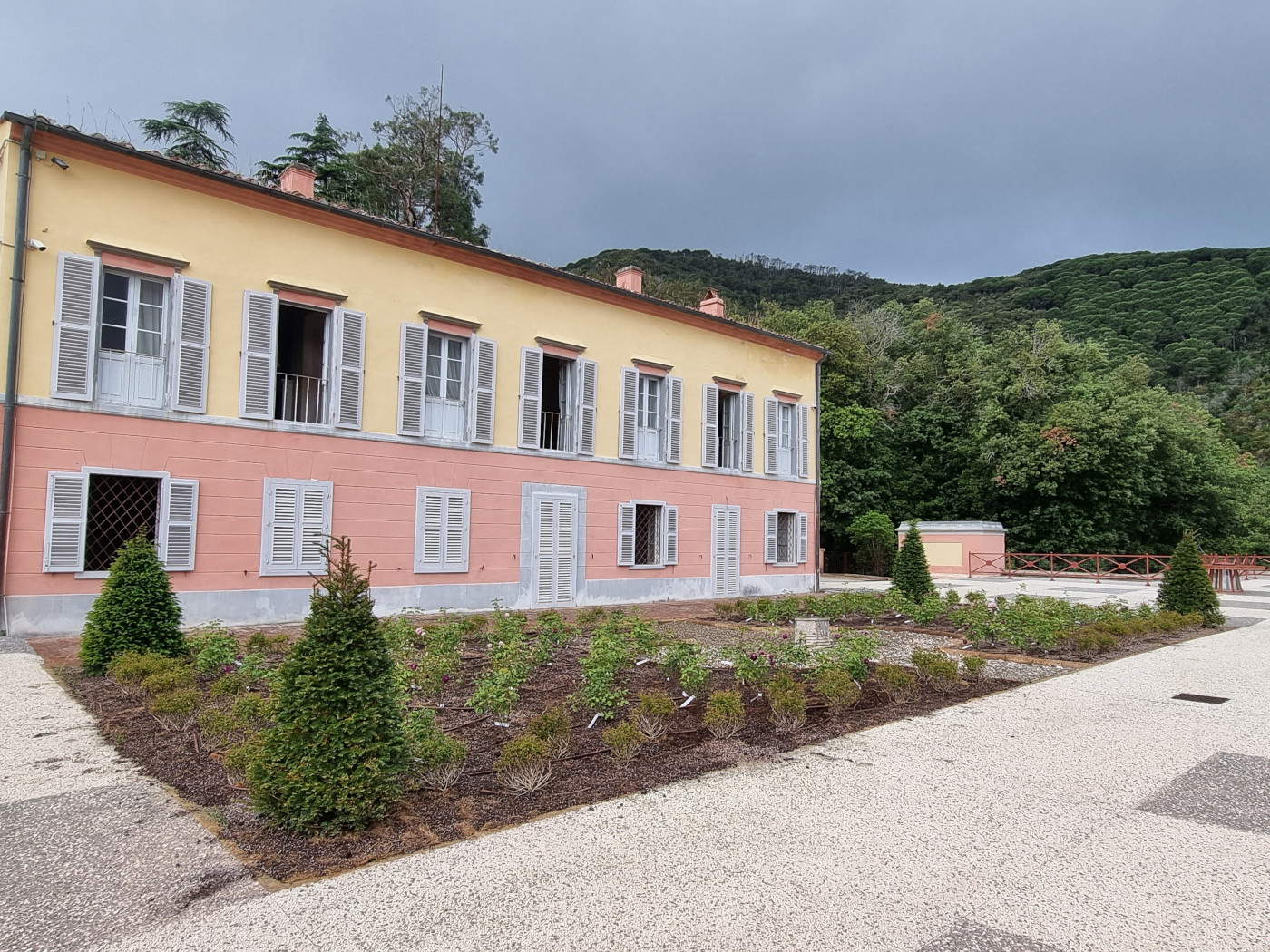
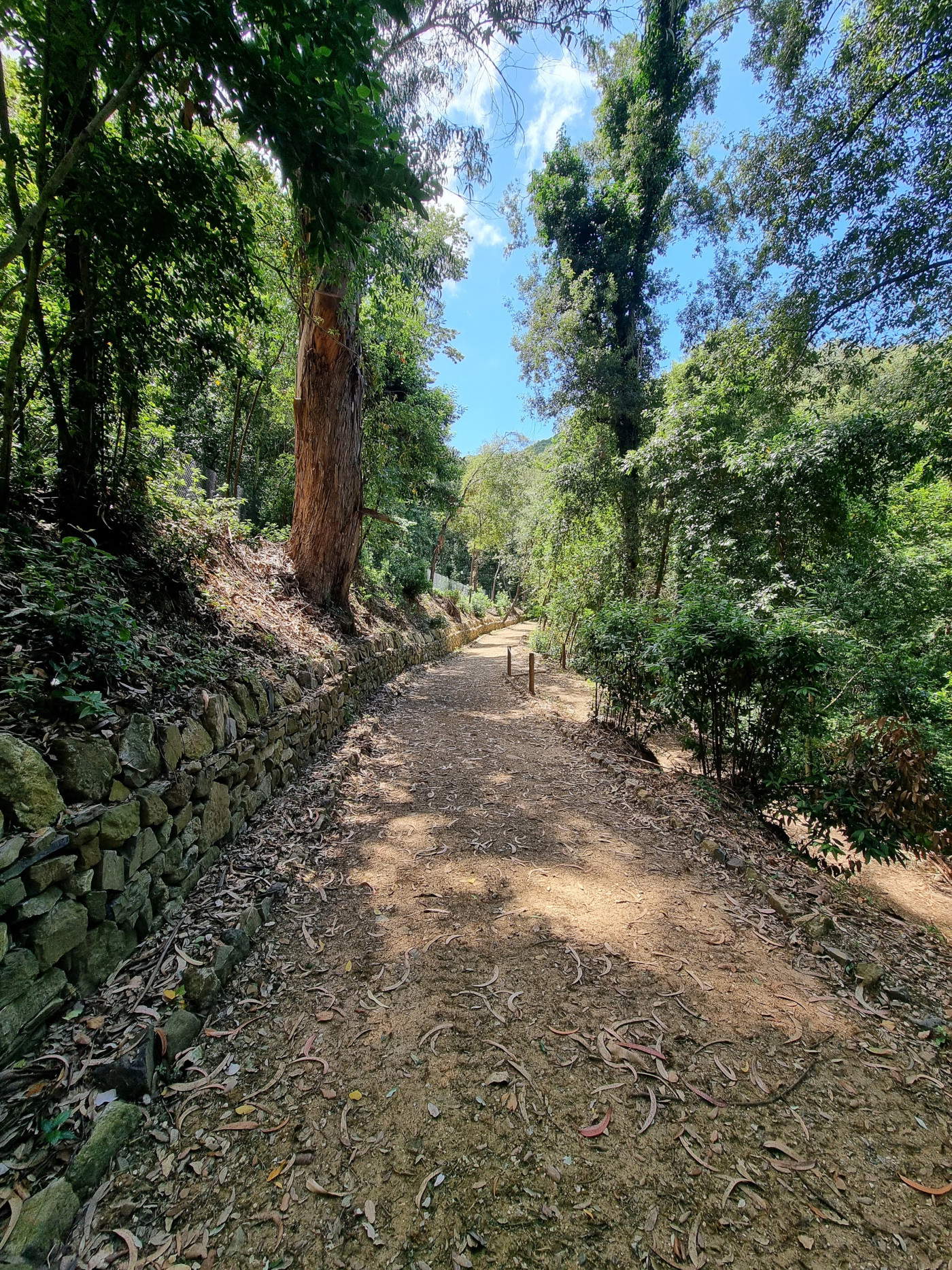
At Villa San Martino, the project focused primarily on the relationship between the residence and its natural surroundings, restoring the original concept of the Napoleonic estate as a place for recreation, agricultural experimentation, and interaction with the landscape. The historic pathways were restored, safety in the green areas was improved, and the architectural and natural elements within the park were enhanced. The project also involved the restoration of the plant architecture, historic species, paving, and key scenic views. The network of trails, ornamental fountains, historic basins, stone benches, and the Napoleon Fountain were also revitalized, restoring a historic park of approximately 35,000 square meters to the public.
Great attention was also paid to accessibility and to improving the visitor experience at the two museum complexes.
The project is the result of an extensive process of historical, archival, and landscape research that allowed for a deeper understanding of the history of the two residences and their outdoor spaces. The philological and historical studies were overseen by Andrea Camilli, Director of the Napoleonic Villas; the process was managed by Project Manager Luca Gullì in collaboration with Luciana Linzalone and Francesca Bacci, while the design and scientific direction of the garden restoration work were entrusted to the Bellesi Giuntoli firm.
The entire design process is detailed in the book *The Gardens of the Napoleonic Residences on the Island of Elba: History and Restoration Project*, edited by Andrea Camilli and Luca Gullì and published by Pacini Editore.
This project represents one of the most significant investments made in recent decades in Elba’s Napoleonic heritage and marks a fundamental milestone in the effort to enhance these two museum residences, which are among the most visited cultural destinations in Tuscany.
The reopening thus marks not only the return of important historical and landscape spaces to the community but also the completion of a project focused on preservation, research, and regeneration that restores new meaning to the sites of Napoleon’s exile on Elba. Work will continue with additional projects focused on renovating visitor routes, creating new entrances, and implementing new initiatives to enhance the buildings and areas that make up the museum complex.
Special openings for the inaugural weekend
Palazzina dei Mulini and Villa San Martino
Saturday, June 20, and Sunday, June 21, 2026, 9:00 a.m. – 6:30 p.m. (last admission at 6:00 p.m.)
Thereafter, the usual alternating opening hours for the two museum sites will take effect.
Palazzina dei Mulini:
Monday and Thursday, 2:00 p.m.–6:30 p.m. (last admission at 6:00 p.m.);
Tuesdays: Closed;
Wednesdays and Fridays 9:00 a.m.–1:30 p.m. (last admission at 1:00 p.m.);
Saturday, Sunday, and holidays: 9:00 a.m.–1:30 p.m. (last admission at 1:00 p.m.).
Villa di San Martino:
Closed on Mondays;
Tuesday and Thursday 9:00 a.m.–1:30 p.m. (last admission at 1:00 p.m.);
Wednesday and Friday 2:00 PM–6:30 PM (last admission at 6:00 PM);
Saturday, Sunday, and holidays 9:00 a.m.–1:30 p.m. (last admission at 1:00 p.m.).
|
| Elba: The gardens of the Napoleonic Residences have been restored and reopened; the PNRR project, costing nearly 2 million euros, has been completed |

Warning: the translation into English of the original Italian article was created using automatic tools. We undertake to review all articles, but we do not guarantee the total absence of inaccuracies in the translation due to the program. You can find the original by clicking on the ITA button. If you find any mistake,please contact us.
























 IT
IT FR
FR DE
DE ES
ES CN
CN


