





A special public-private partnership promoted by the Pinacoteca di Brera was unveiled today. This project—the first of its kind to involve a state-run museum in the city of Milan —aims to enhance the spaces of the Pinacoteca and Palazzo Citterio by providing assistance, reception, and hospitality services for the public. The initiative is part of the “ Grande Brera” project, which led to the expansion of the museum complex with the opening of Palazzo Citterio on December 7, 2024, after more than fifty years of waiting.
The new model was created with the goal of introducing a structured form of collaboration with private entities, which are called upon to participate in the design of enhancement strategies alongside the public institution. The special public-private partnership, provided for under Article 134 of the Public Contracts Code, represents a different form of engagement compared to traditional service concessions or sponsorships, as it allows private partners—companies, associations, and third-sector organizations—to contribute to the definition of projects from the very beginning.
The launch of the Grande Brera is therefore seen as the beginning of a new model of cultural governance. The system, introduced by Pinacoteca Director Angelo Crespi, is based on the integration of public and private expertise, managerial autonomy, and the ability to build an ecosystem capable of generating cultural, social, and economic value.
The partnership focuses on enhancing the Pinacoteca di Brera, along with institutions such as the Academy of Fine Arts, the Braidense Library, the Astronomical Observatory, and the Botanical Garden), as well as Palazzo Citterio, now the heart of Grande Brera and destined to become a hub dedicated to 20th-century art. The goal is to create an organizational model in which the public administration continues to play a guiding and coordinating role, while simultaneously encouraging private entities to contribute to the preservation and promotion of public cultural heritage.
Among the project’s stated objectives are strengthening the promotion and public access to the museum through an innovative and inclusive management model, establishing forms of shared responsibility in heritage management, and consolidating the relationship between the public and private sectors. The partnership also aims to strengthen the identity of these sites, improve citizens’ quality of life and well-being, develop new ways of accessing culture, and promote the protection of cultural diversity.
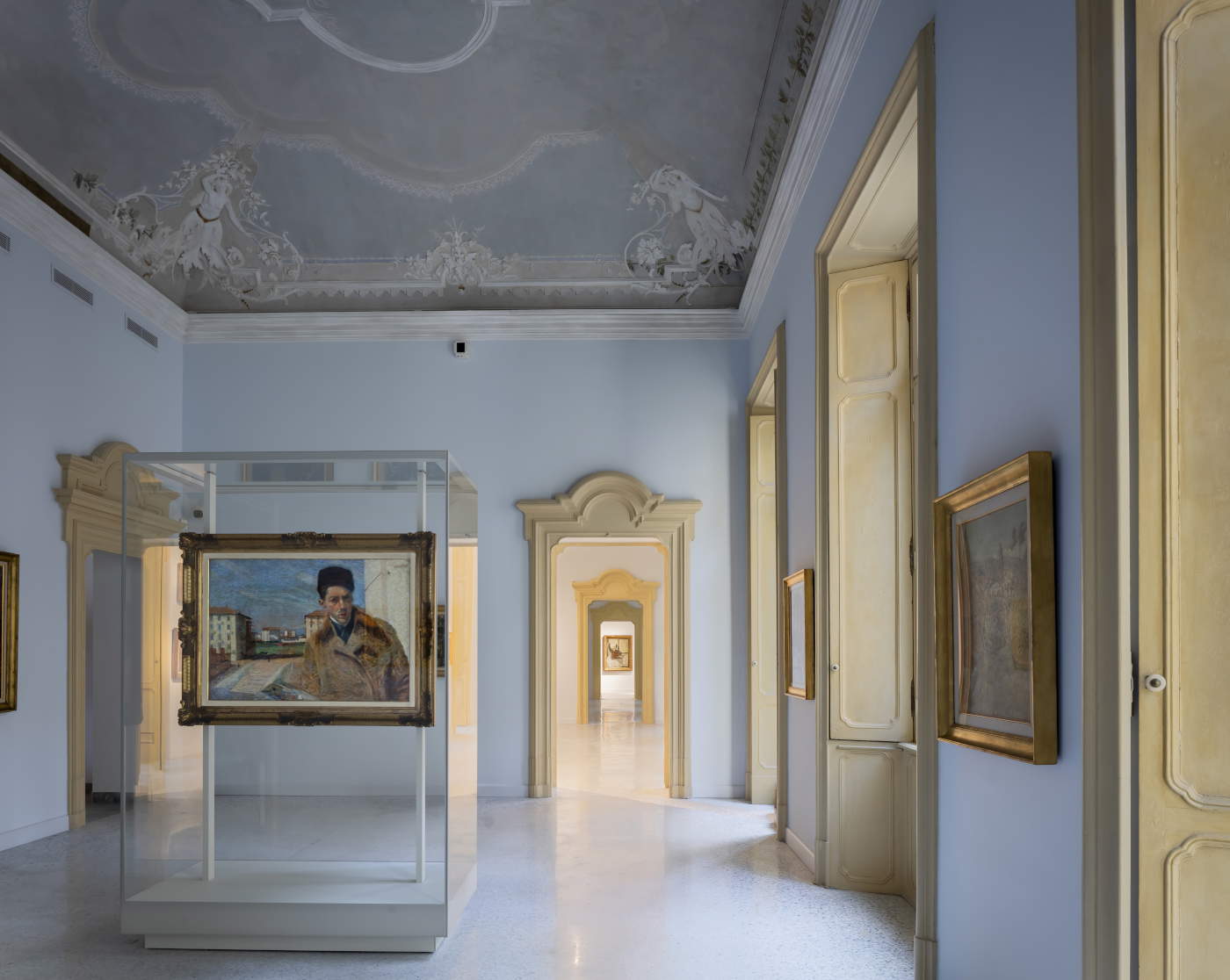
The interventions will involve some of the most iconic spaces within the Grande Brera complex. These include Bar Fernanda, located inside the Pinacoteca, and the Citterio Garden—the garden of Palazzo Citterio—which is intended to host multifunctional activities, cultural events, and the new Grande Brera Design Store.
The Design Store itself is one of the central elements of the project. The space is conceived as a cultural hub capable of extending the visitor’s experience through publications, reproductions, and design objects consistent with the values and identity of Grande Brera. The model cited as a reference is that of major international museum stores, starting with the MoMA Design Store in New York.
The partnership also includes the management of Bar Fernanda, which will offer coffee and refreshments within the Pinacoteca, and the Citterio Garden, where a reception area featuring a high-end bistro is planned, with a particular focus on environmental sustainability.
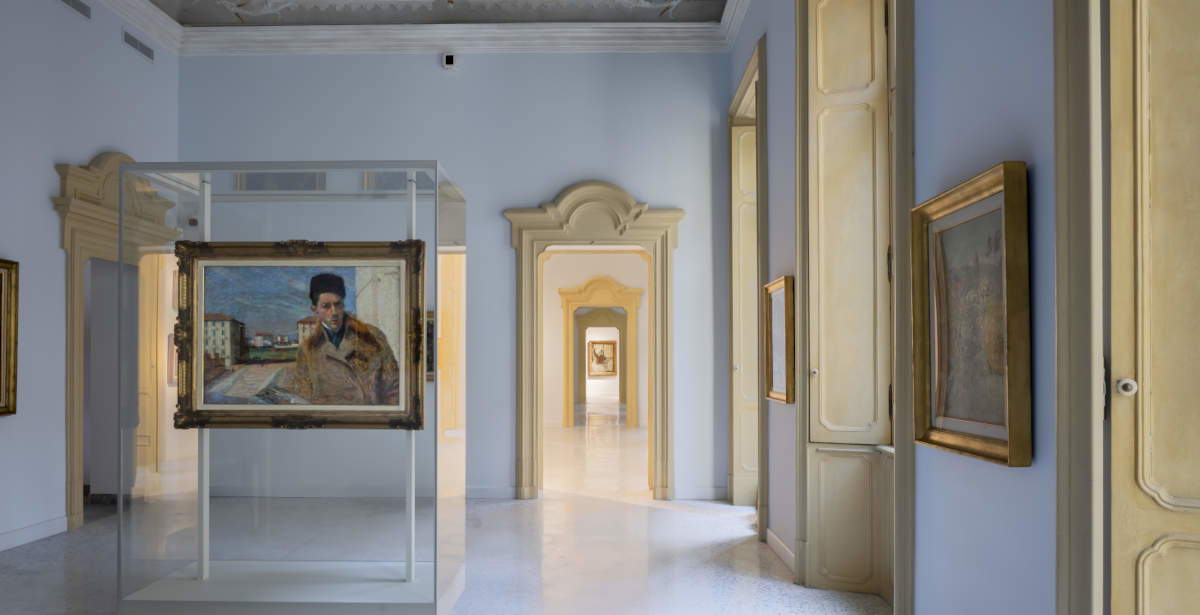
Palazzo Citterio will also host cultural events and activities aimed at diverse audiences. The program may include cultural activities, live performances featuring theater, music, and dance, conferences, workshops, book presentations, exhibitions, and site-specific events dedicated to contemporary art.
The activities planned under the partnership are aimed at enhancing the visitor experience and broadening cultural participation, with a particular focus on young and international audiences. The project also aims to contribute to the institution’s economic and operational sustainability, while maintaining respect for the historical, artistic, and monumental value of the spaces involved as a central element.
In fact, every initiative must be carried out in line with the institutional identity of the Grande Brera and in accordance with the requirements for the protection, safety, and conservation of the heritage. Collaboration with the private sector must therefore be carried out through qualified operators with expertise in the fields of hospitality, food service, cultural programming, communications, museum retail, and the management of spaces open to the public.
The parties involved will be asked to propose concepts that are recognizable and consistent with the historical and artistic value of the sites, working in collaboration with the Administration to create an integrated experience of the Grande Brera. The project is thus part of the strategy to enhance the Milanese museum complex, with the goal of consolidating its role as a leading cultural hub, even on an international level.
“In recent decades, the view of cultural heritage has undergone a radical change: it is no longer merely a collection of assets to be protected, but rather a resource to be managed with a strategic, informed, planned, and future-oriented vision,” states Angelo Crespi, director of the Grande Brera. “In this sense, the creation of Grande Brera, with the inauguration of Palazzo Citterio, marked the transition from a conservative approach to a generative one regarding the heritage itself. In this process of transformation, which is currently reshaping our museums, collaboration with the private sector plays a key role. Tools such as the special partnership represent a significant shift, as they allow for a solid balance between economic sustainability, the collective interest, and the protection of cultural identity, ensuring that heritage continues to be a common good accessible to present and future generations.”
 |
| Grande Brera Opens Its Doors to the Public: A Partnership Is Formed to Promote the Pinacoteca and Palazzo Citterio |

Warning: the translation into English of the original Italian article was created using automatic tools. We undertake to review all articles, but we do not guarantee the total absence of inaccuracies in the translation due to the program. You can find the original by clicking on the ITA button. If you find any mistake,please contact us.



























 IT
IT FR
FR DE
DE ES
ES CN
CN


