




A project funded by the Ministry of University and Research under PRINs, the Projects of Significant National Interest, born out of a collaboration between the University of Pisa, Ca’ Foscari University Venice and ICCOM-CNR, in partnership with the National Roman Museum, investigated how the great sculptures and architecture of ancient Rome were assembled, repaired and fixed. This is the HARMOGE project (Hellenistic and Roman Methods of Joining. Exploring the Joins and Attachments of Freestanding Sculpture and Architectural Decoration, 2nd century BCE - 3rd century CE), which aims precisely to investigate the techniques and materials used in the Hellenistic and Roman worlds to assemble, fix and restore statues and marble works between the 2nd century BCE and the 3rd century CE.
The focus of the study is on metal joints, i.e., the metal connecting elements used in sculptures, architectural decorations and funerary monuments that today represent a fundamental testimony to the construction and conservation techniques adopted in antiquity.
The research can rely on the exceptional holdings preserved in the Roman National Museum’s premises. During the first campaign of analysis, the team examined important works such as the Discobolus of Castel Porziano, theSleeping Hermaphrodite and numerous portraits from the imperial age, as well as columns, capitals and decorative elements that preserve valuable traces of ancient construction techniques.
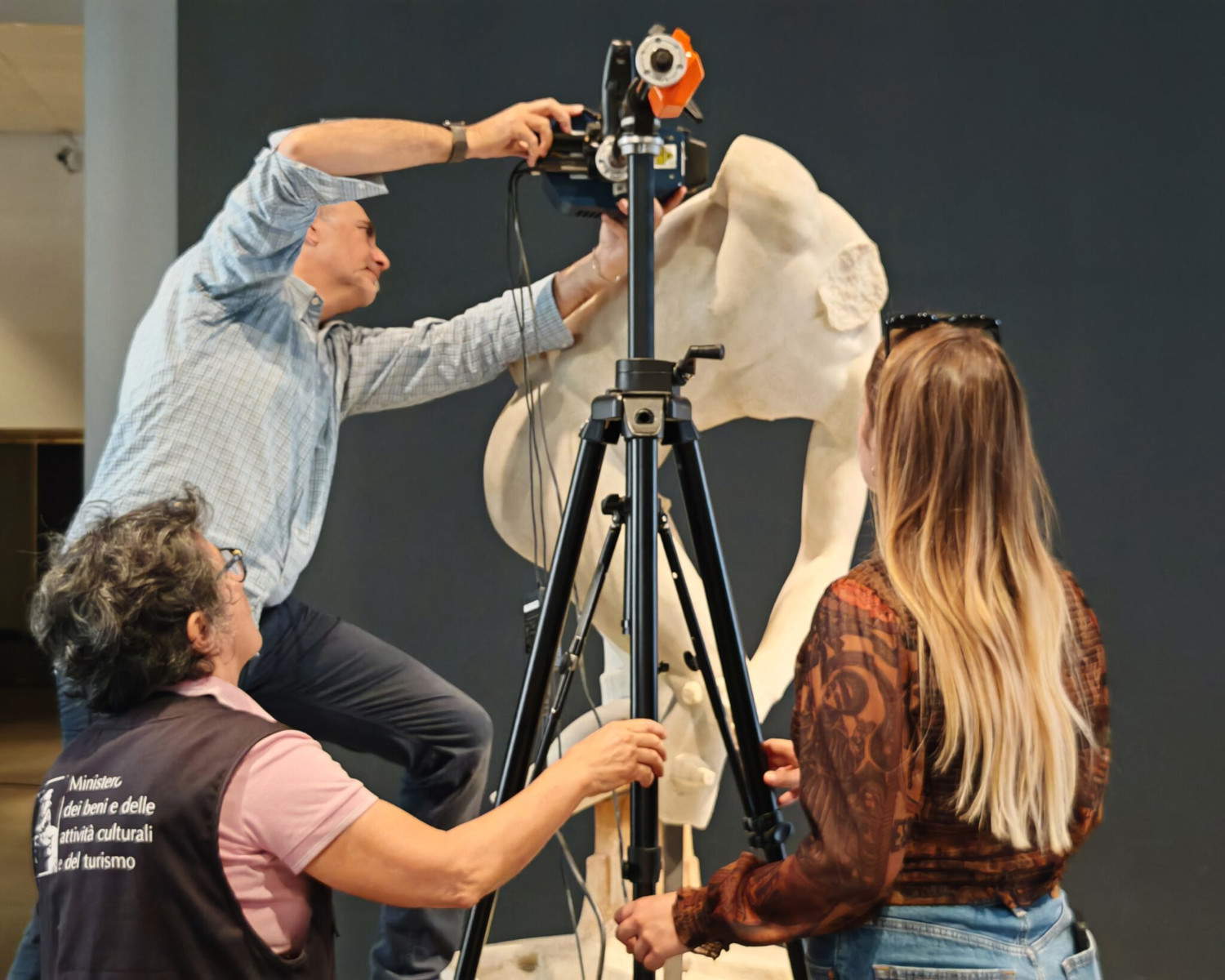
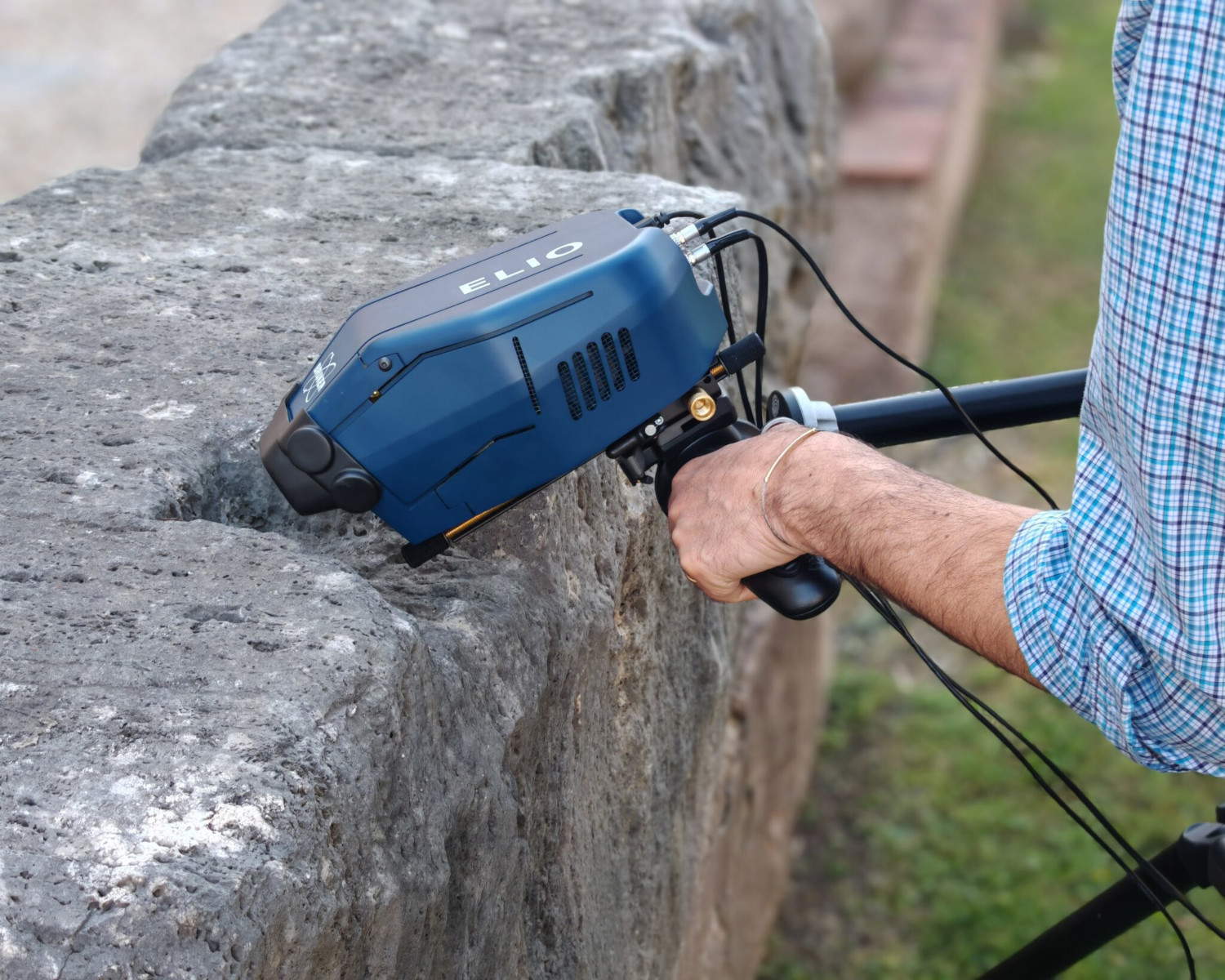
To study the materials without damaging the works, the researchers used state-of-the-art noninvasive diagnostic technologies. These included X-ray fluorescence (XRF), carried out with a Bruker Elio portable spectrometer directly on the works, and Raman spectroscopy, which made it possible to analyze corrosion layers and identify organic degradation phenomena. A central element in the project is the archaeometric analysis work carried out by the CNR-ICCOM team in Pisa. “Through tools such as XRF we will be able to build a first database of the pins used by Roman sculptors, architects and restorers and investigate their archaeological aspects thanks to new data,” explained Stefano Legnaioli.
“For the first time,” say Anna Anguissola and Luigi Sperti, professors of Greek and Roman archaeology at the Universities of Pisa and Ca’ Foscari Venice, respectively, “techniques such as working in separate parts and assemblages are the subject of a wide-ranging initiative, integrating the expertise of different institutes and scholars. The sculptural and architectural heritage that we can investigate thanks to the collaboration with the National Roman Museum is representative of a varied casuistry of the utmost importance, because it allows us to enter the heart of ancient Rome.”
“The National Roman Museum is honored to collaborate on a research project dedicated to the study of the technologies and materials used in antiquity for assembling, fixing and restoring statues and stone artifacts,” commented the museum’s director, Federica Rinaldi. “The initiative represents an important opportunity to delve into the technical practices of Roman art, contributing to a better understanding of constructional but also conservation processes and solutions adopted by ancient artisans. As part of this collaboration, the Museum has made its collections of statues, numerous elements of architectural decoration and other artifacts available to scholars, offering a privileged context for direct analysis of the materials and techniques used. The National Roman Museum confirms its commitment to the promotion of scientific research, fostering dialogue between museum institutions and the academic world, also with a view to better enhancing the cultural heritage.”
The HARMOGE project is implemented with funding from the Ministry of University and Research as part of the Call for Proposals related to the scrolling of the final rankings of the PRIN 2022 call.
|
| How were sculptures assembled and repaired in the Hellenistic and Roman worlds? A study investigates the topic |

Warning: the translation into English of the original Italian article was created using automatic tools. We undertake to review all articles, but we do not guarantee the total absence of inaccuracies in the translation due to the program. You can find the original by clicking on the ITA button. If you find any mistake,please contact us.






















 IT
IT FR
FR DE
DE ES
ES CN
CN


