





The Rike Concert Hall in Tbilisi, Georgia—one of the most recognizable structures designed by Massimiliano and Doriana Fuksas—is set to be demolished. The Department of Architecture of the Georgian capital’s municipal government has issued a permit authorizing the building’s private owner to begin demolition work, which, according to local press reports, is scheduled to be completed by December 25, 2026. This brings to a close a saga that has lasted over a decade and involves one of the most ambitious architectural projects undertaken in Georgia in the years following independence. Costing approximately 40 million euros and conceived as a symbol of the country’s modernization, the structure never became operational. Although construction was essentially completed in 2012, the complex has remained unused within the central Rike Park, without ever having been opened to the public.
The city administration’s decision was justified by Tbilisi Mayor Kakha Kaladze, who explained that the building had fallen into a state of disrepair. Speaking to reporters, the mayor described the structure as “a dump,” explaining that the extent of the deterioration had made the private owner’s decision to proceed with demolition inevitable. According to the mayor, the complex was by then completely unusable. “This is private property: a building that had become completely non-functional. It had become a dump, so to speak, and was in terrible condition. It was no longer functional, and therefore the private owner decided to proceed with its demolition.”
The mayor added that the demolition was authorized in consultation with the city’s Culture Council. Once the demolition is complete, the city will wait for the owner to submit a proposal for the future use of the area. At the moment, however, no project has been submitted to the city administration. “We have given the owner the opportunity to proceed with the demolition. Afterward, we will wait for a new project to be submitted to the city and will discuss its development,” Kaladze explained. “At the moment, no proposal or project has been submitted. As soon as one is filed, the public will be informed. This is a site of great importance, and for this very reason, any future development must be appropriate for the surrounding urban context. I am confident that, with the involvement of specialists in the field, one of the best projects will be realized.” In the past, there had been talk of transforming the area by building a hotel, but as of now, there are no official plans regarding the site’s future.
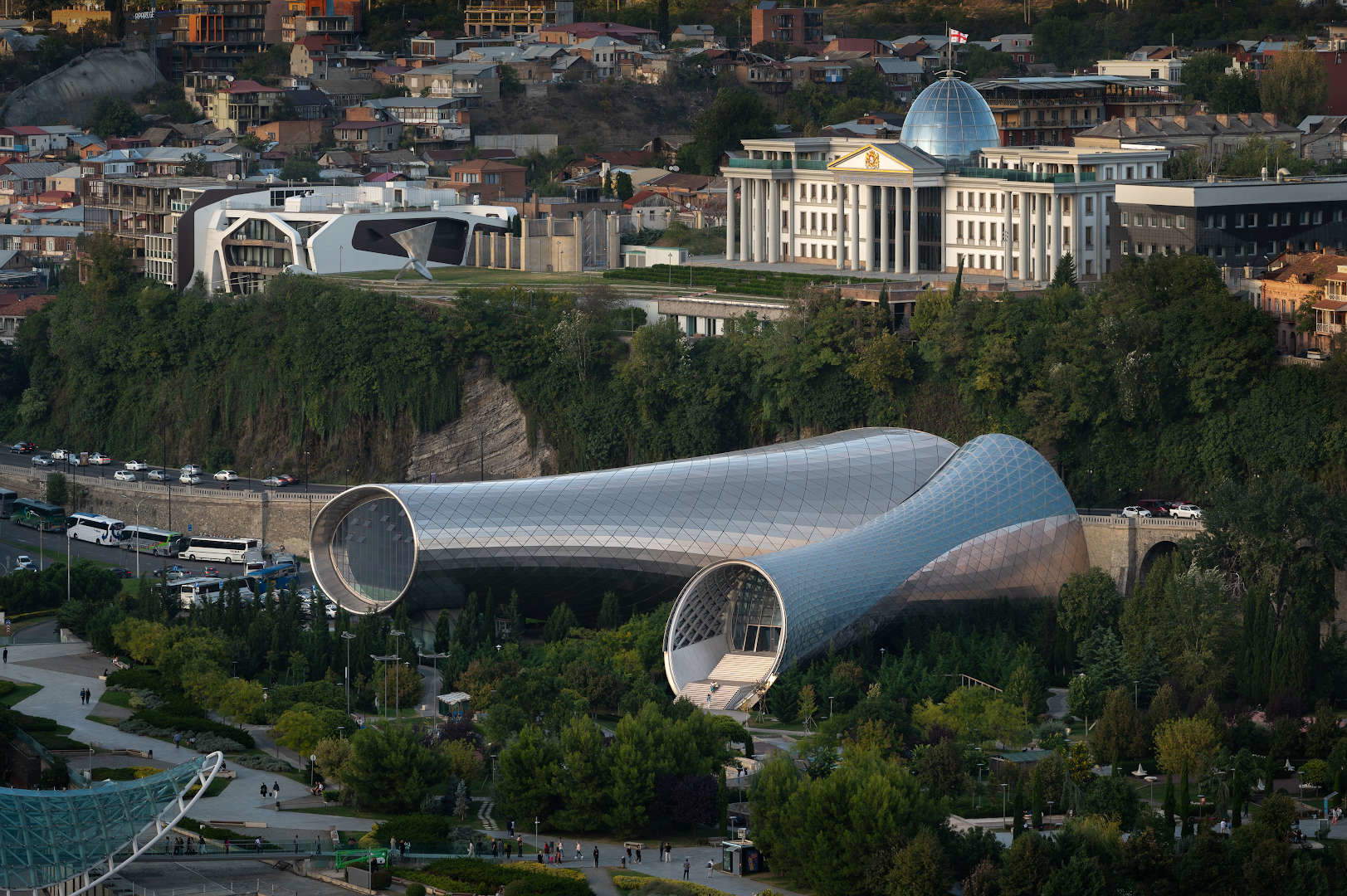
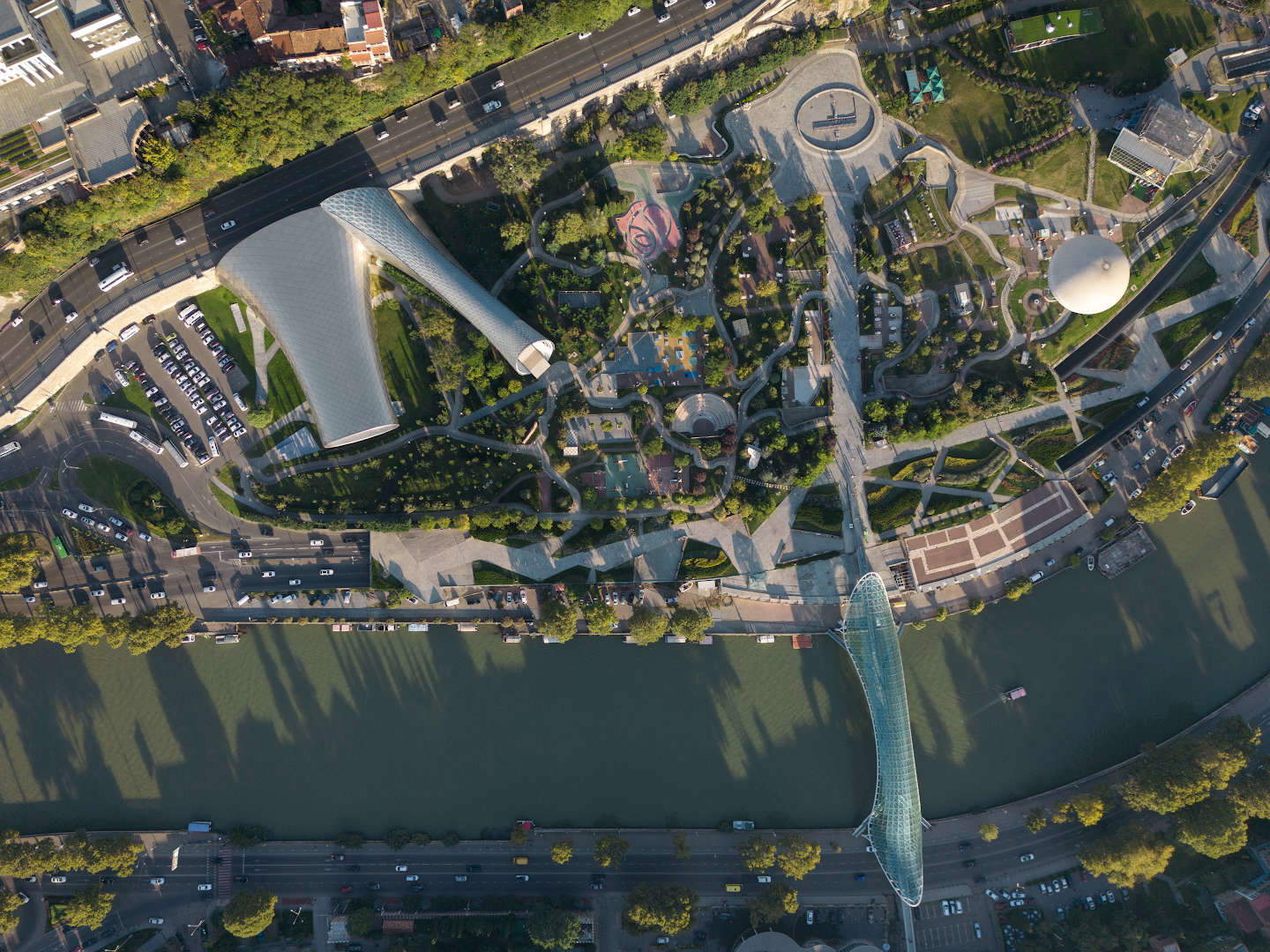
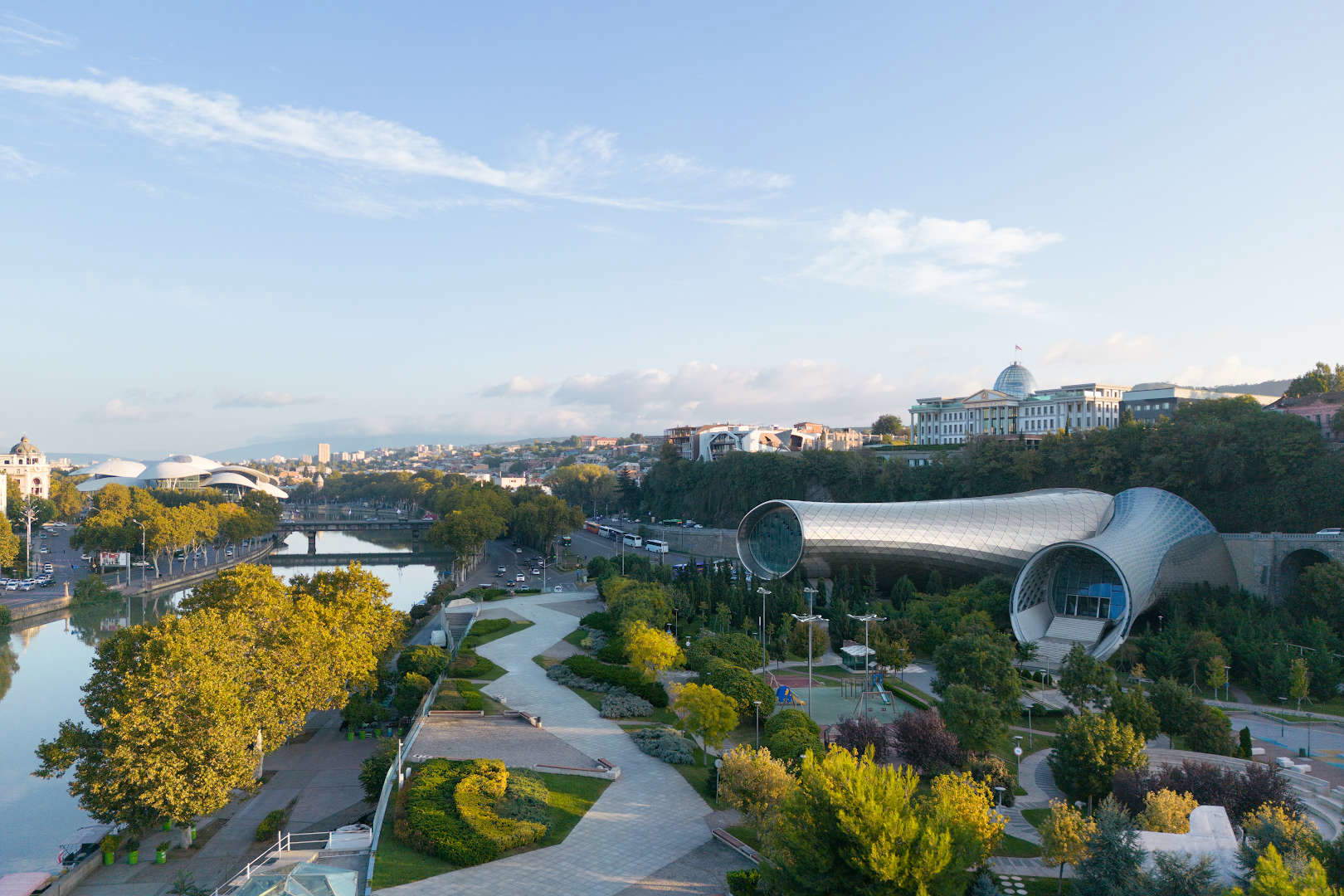
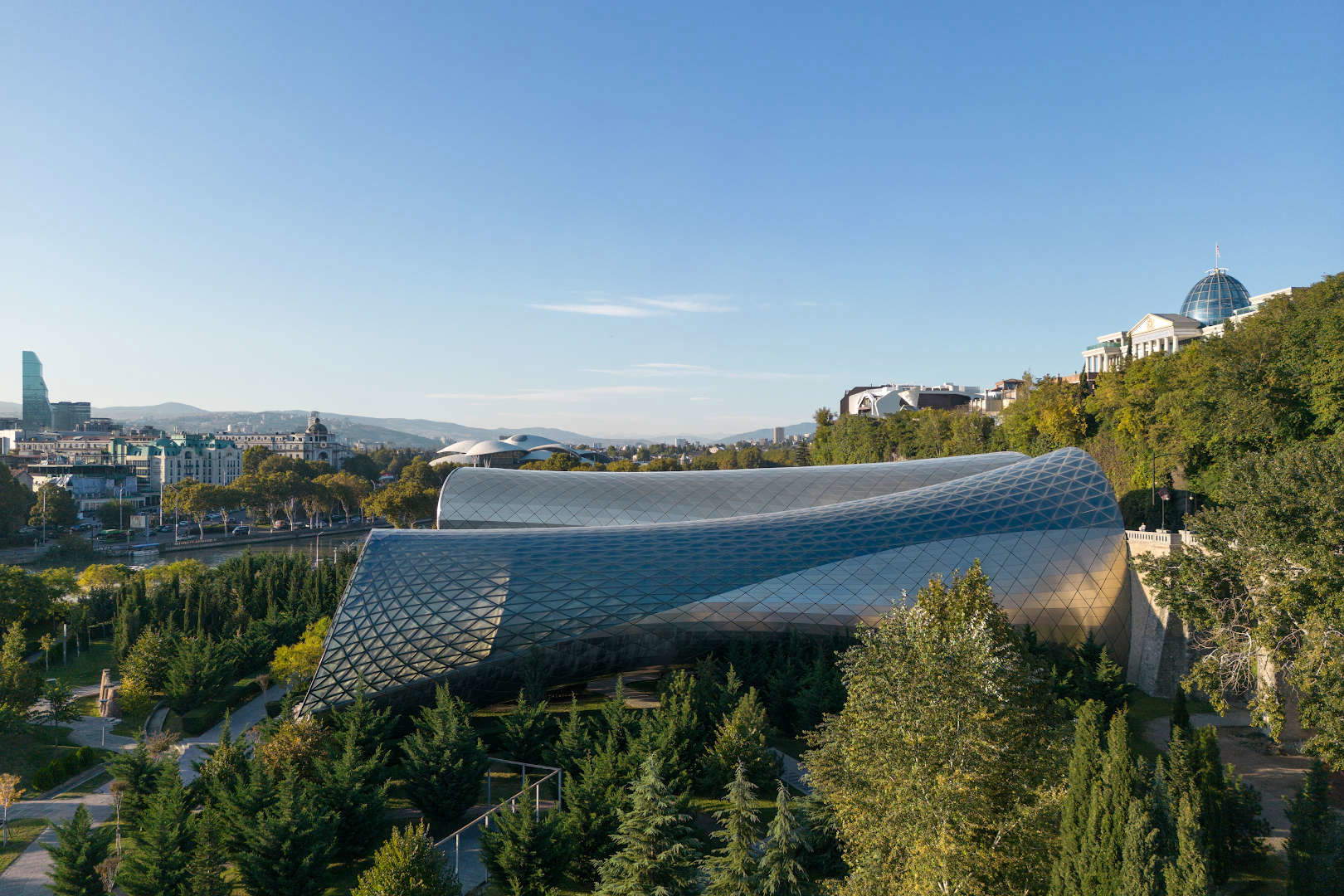
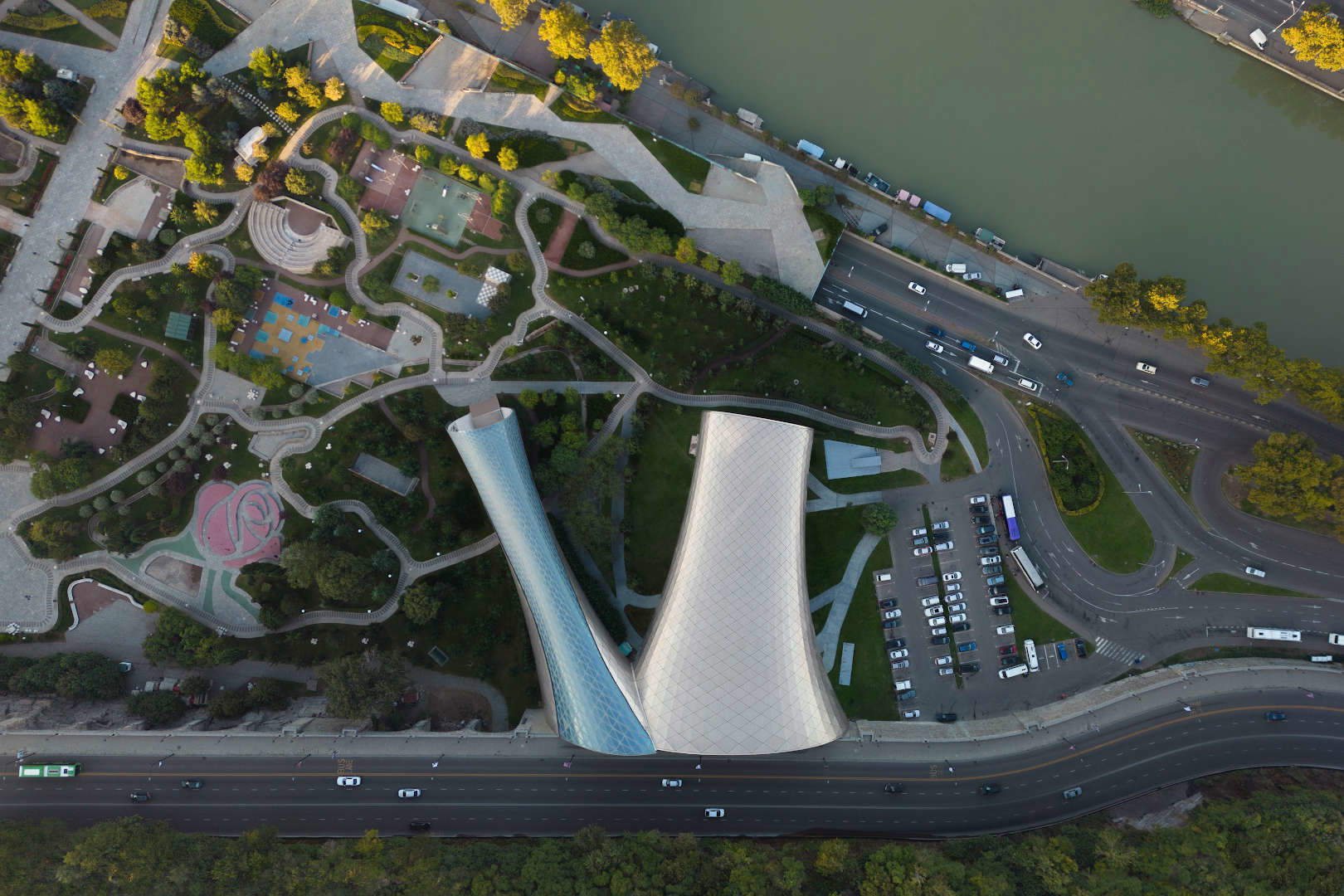
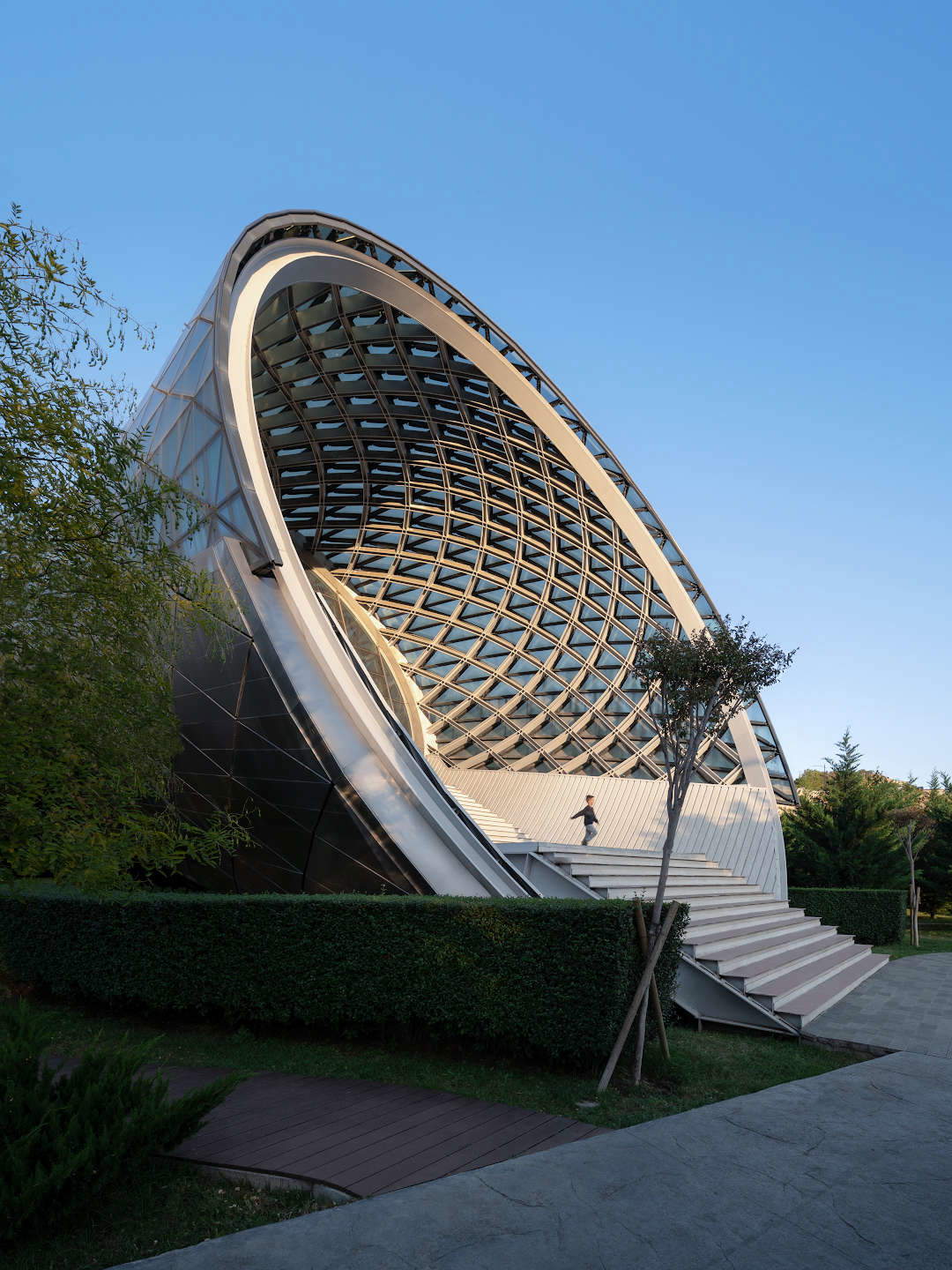
However, some believe that this demolition has strong political implications. The Rike Concert Hall is, in fact, one of the symbols of pro-European Georgia—a country that looks more toward Brussels than toward Moscow: the structure had in fact been commissioned from Fuksas as part of a major urban renewal program for the capital, strongly promoted by the government of Mikheil Saakashvili, who intended to transform the city’s landscape with various buildings designed by leading contemporary architects. Currently, the country is led by former soccer player Mikheil Kavelashvili, an independent but close to the pro-Russian Georgian Dream party, of which the current mayor of Tbilisi is also a member—and, curiously, he too is a former professional soccer player (in Italy, he is remembered for his long tenure with Ancelotti’s AC Milan). There is therefore concern that the cancellation of Fuksas’s project is also symbolic: one of the symbols of pro-EU Georgia will be demolished at a time when Putin’s Russia is trying to bring the country back into its orbit.
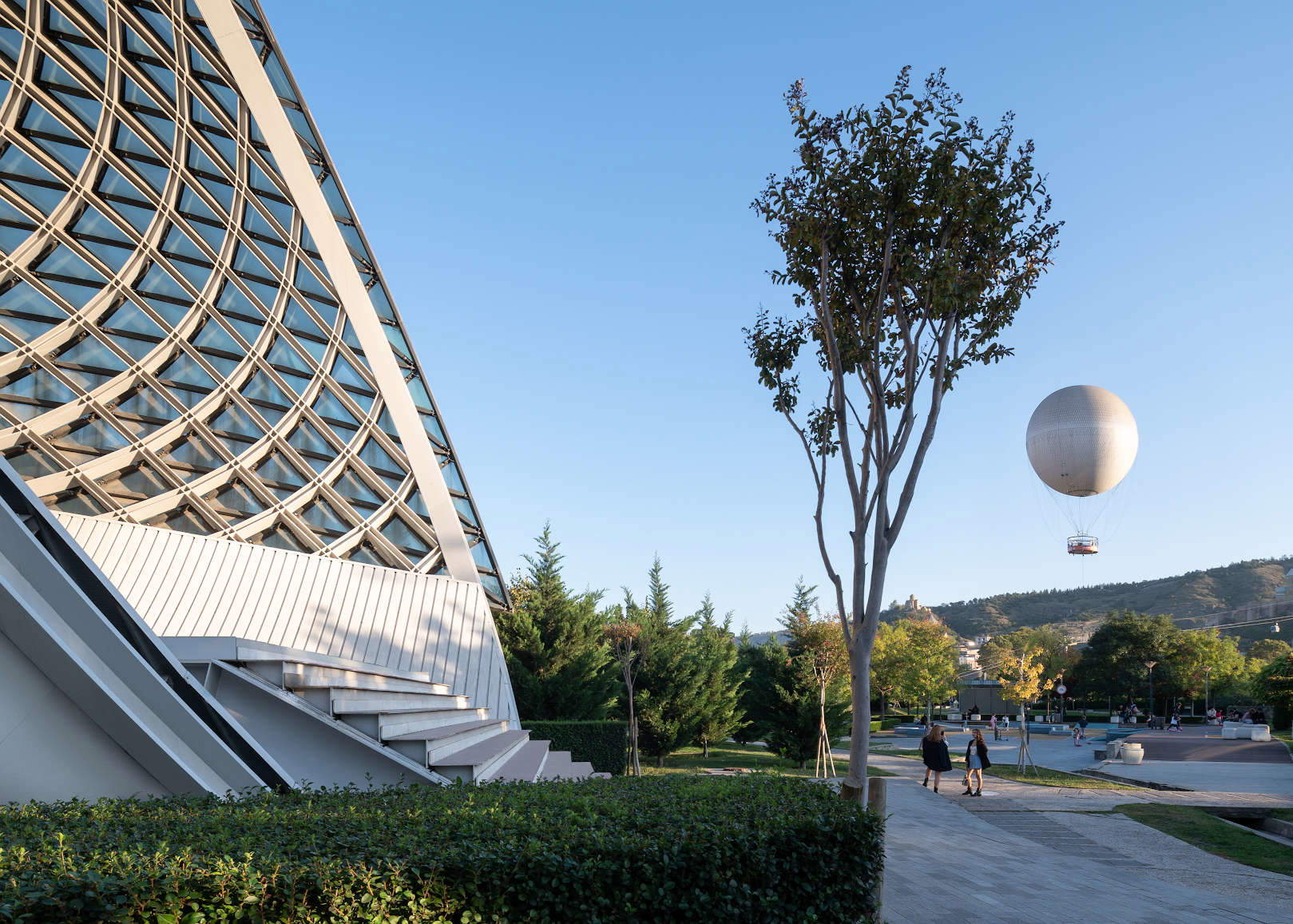
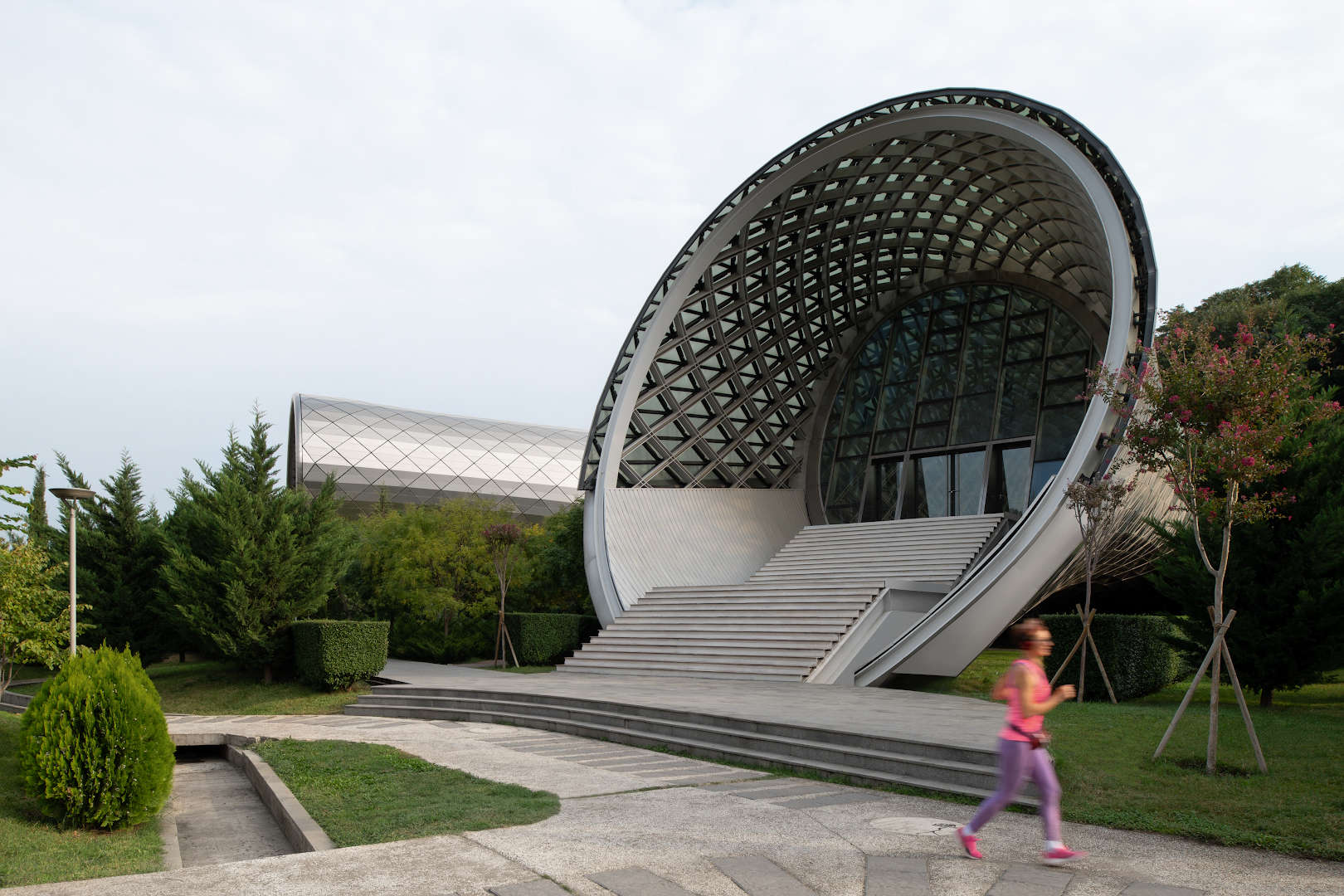
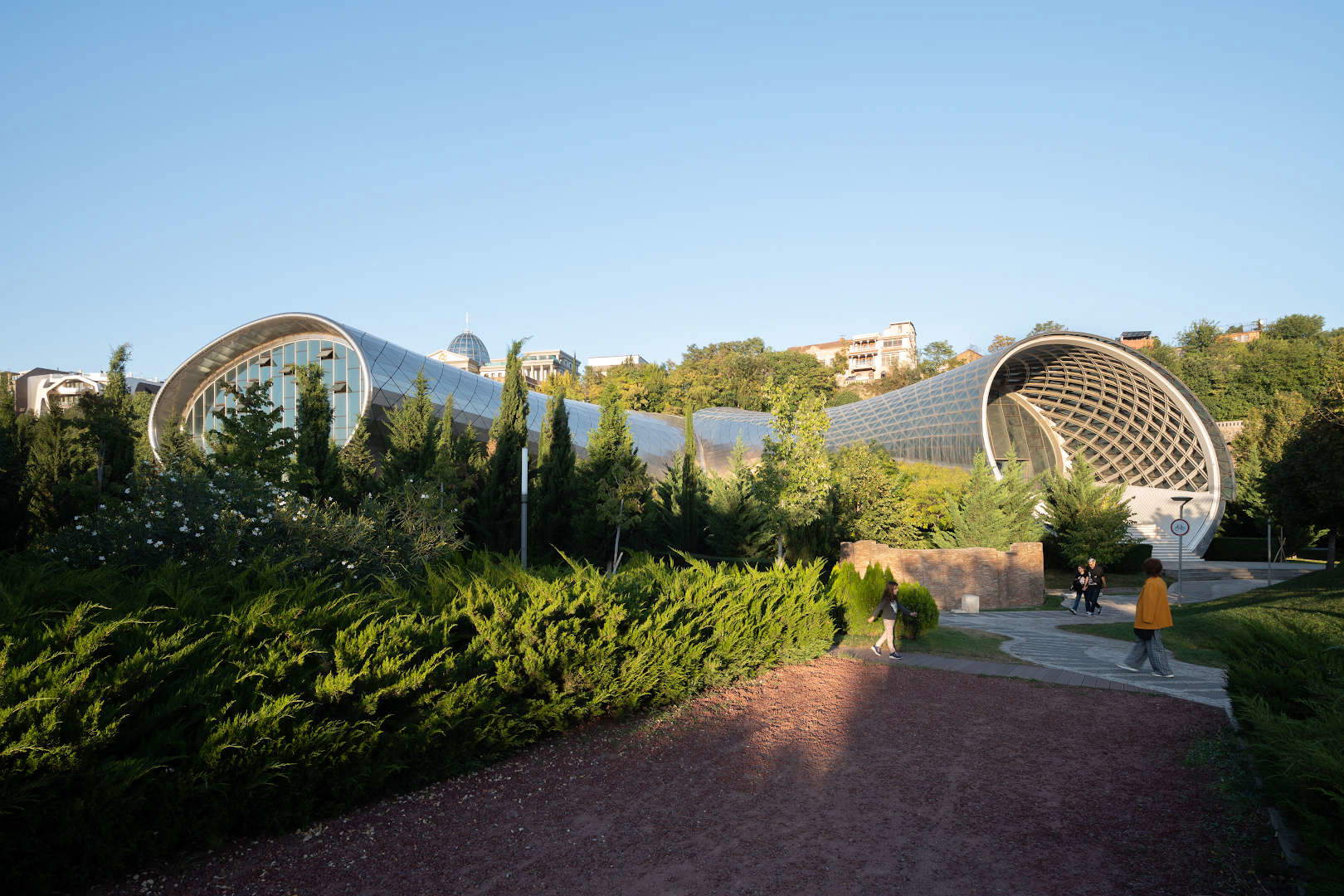
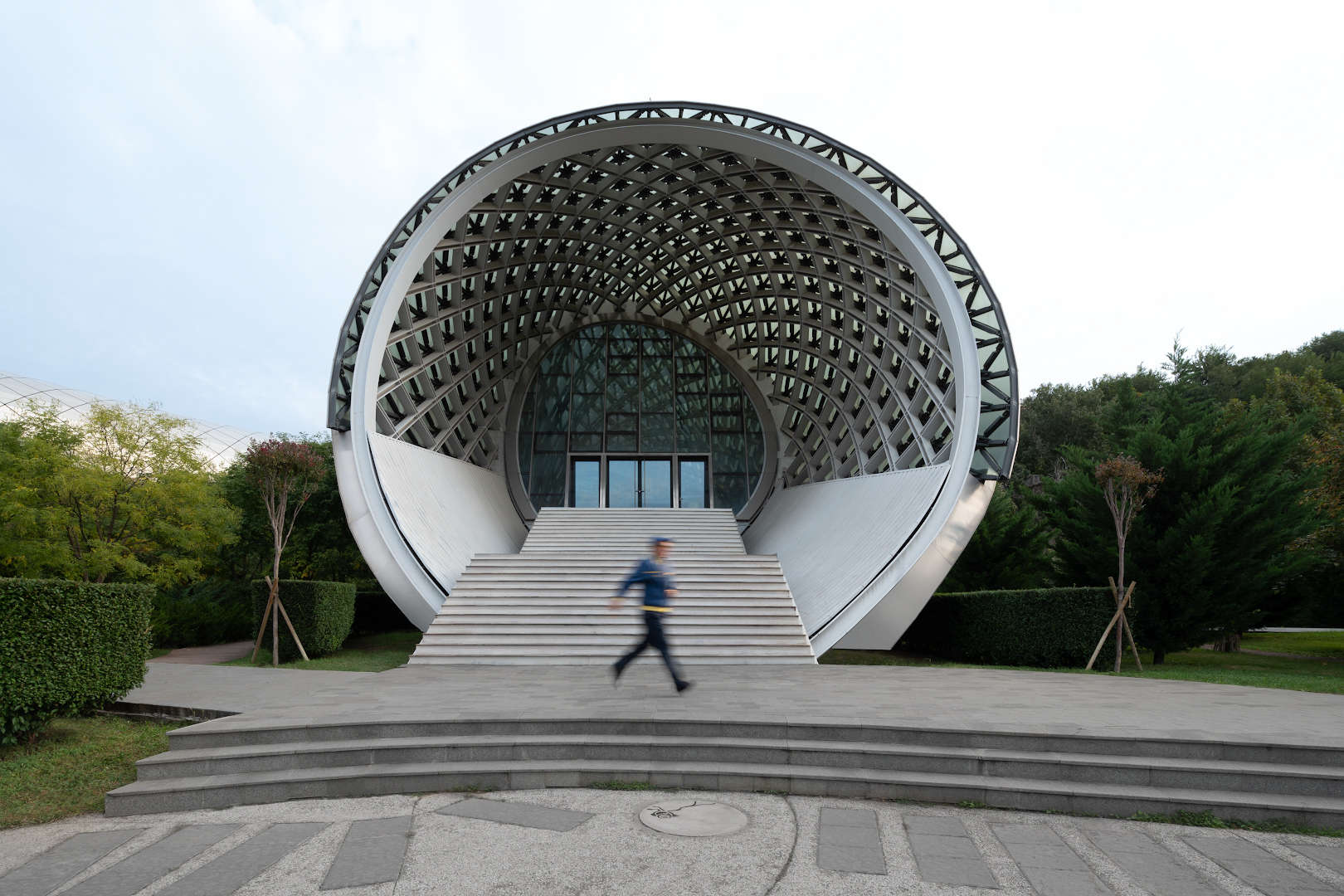
The Rike Park Musical Theater and Exhibition Hall was designed by Studio Fuksas as a cultural complex consisting of two large tubular volumes with soft, organic forms, connected by a shared infrastructure integrated into the park’s retaining wall. The two elements serve different functions: the northern structure houses the musical theater with a 566-seat auditorium, the foyer, technical spaces, storage areas, and stage equipment. The second volume, on the other hand, is designated as an exhibition space, featuring a large entrance served by a ramp connecting street level to the interior of the building.
One of the project’s defining features was the theater itself, whose foyer rose above ground level, allowing audience members to look out over the river and the city skyline. According to the architects, the building was conceived as a sort of urban periscope capable of framing the historic center of Old Tbilisi and establishing a direct dialogue with the surrounding landscape. The project was built as part of Rike Park, one of the iconic urban developments of the transformation initiated by Georgia in the early 2000s. However, the change in government in 2013 halted the facility’s opening, and it has remained unused ever since: not even during the five years of Saloumé Zourabichvili’s administration—she, too, a pro-European—was the project revived; thus, over the years, the building’s fate has remained uncertain, while its gradual abandonment has contributed to the deterioration of its condition.
Studio Fuksas responded firmly to the decision to proceed with demolition, sending a lengthy statement to the architecture magazine Dezeen in which it calls on Georgian authorities to halt the demolition and open a dialogue on the possible restoration of the building.
According to the architects, the demolition would represent “a cultural step backward” and would deprive Tbilisi of an important piece of public infrastructure that could still be salvaged. The firm notes that, over the past year, it has attempted on several occasions to contact both the Tbilisi City Council and the current owners of the structure to discuss possible alternative solutions, but has received no response. “In recent months, the firm has repeatedly offered its cooperation to the Georgian authorities to explore alternative solutions that could preserve and repurpose this iconic building, avoiding what we believe to be a premature and irreversible demolition,” reads the statement released by the architects. “Unfortunately, these proposals have not received any response.”
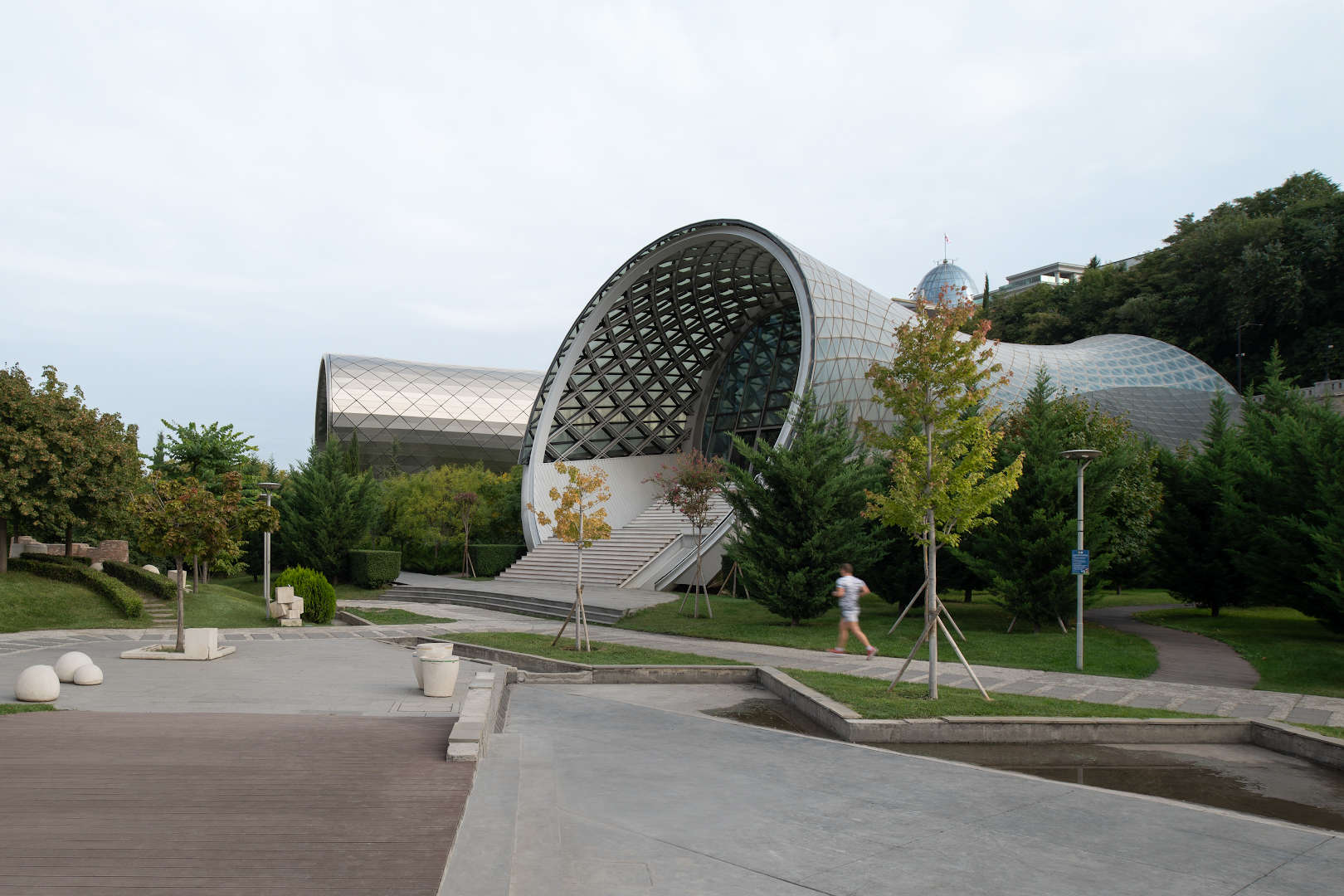
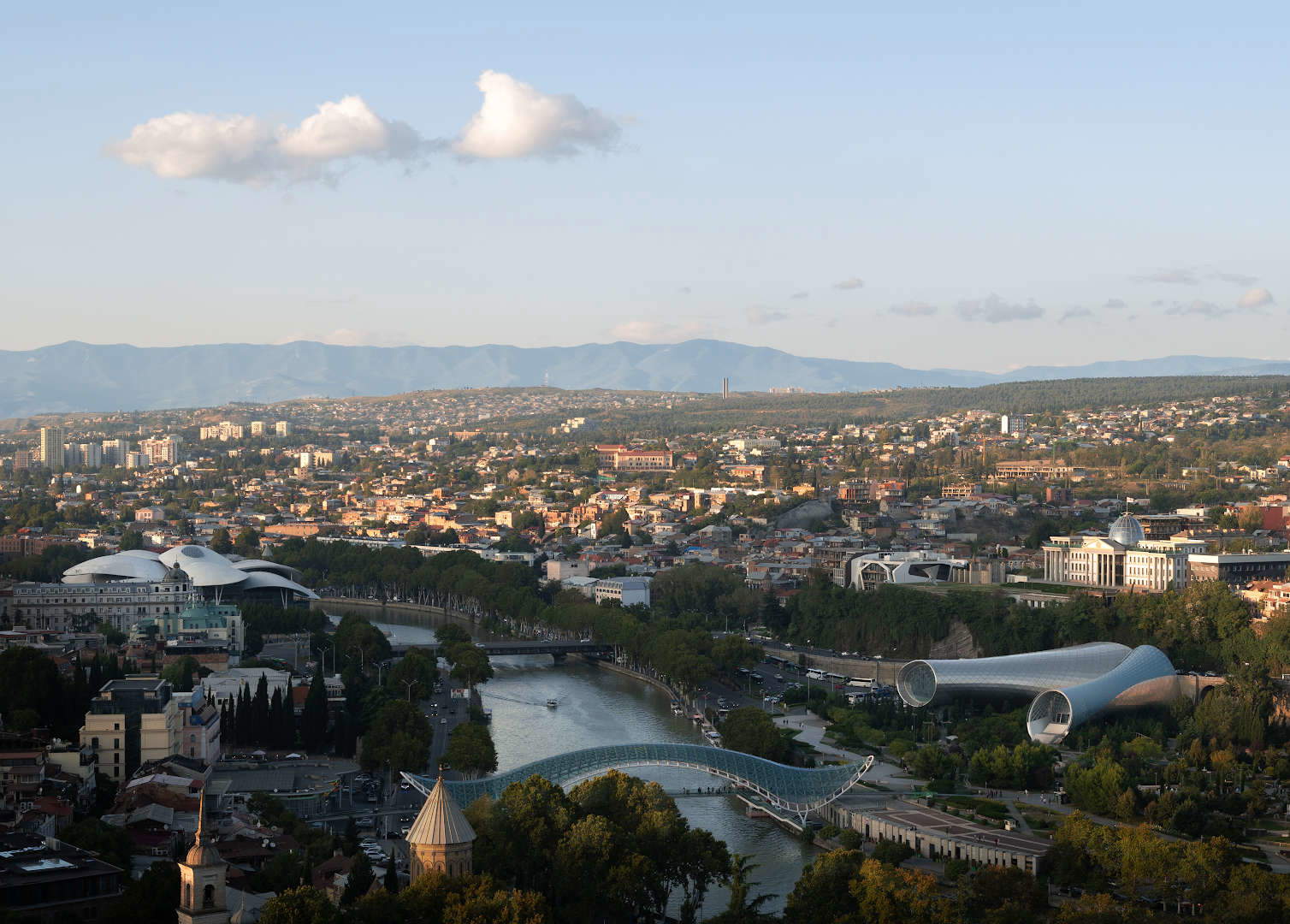
Studio Fuksas also points out that the building was constructed with public funds and that its demolition will entail additional economic costs, whereas a restoration project would make it possible to capitalize on the investment already made. Instead, “its demolition will require additional financial resources rather than exploring the potential for its reuse and regeneration.” Not only that: for Fuksas, “Demolishing the auditorium would mean giving up a cultural heritage unique to Tbilisi: a concert hall dedicated to classical music and an important space for contemporary art that could still serve future generations through a comprehensive redevelopment program.”
Massimiliano and Doriana Fuksas also highlight an aspect they consider particularly significant: “In over sixty years of professional practice, this is the first time Studio Fuksas has faced the demolition of one of its own projects without ever having been invited to discuss possible alternatives. Neither the public authorities nor other parties involved have initiated any dialogue with the firm, despite our repeated willingness to collaborate. Studio Fuksas firmly opposes both the demolition of the building and the lack of open dialogue regarding its future.” The statement concludes with an appeal to Georgian institutions so that the situation may still take a different turn: “Tbilisi still has the opportunity to transform an unfinished project into a symbol of regeneration, innovation, and international openness. Let this opportunity not be wasted.”
If the announced timeline is followed, by December 25, 2026, one of the most important buildings of contemporary architecture ever constructed in Georgia will disappear—a structure that never became operational but has, over the years, become a symbol both of the country’s ambitions for renewal and of the difficulties that have prevented its full realization.
|
| Pro-Russian Georgia will demolish Fuksas's Rike Concert Hall, a symbol of the country's modernization |

Warning: the translation into English of the original Italian article was created using automatic tools. We undertake to review all articles, but we do not guarantee the total absence of inaccuracies in the translation due to the program. You can find the original by clicking on the ITA button. If you find any mistake,please contact us.
























 IT
IT FR
FR DE
DE ES
ES CN
CN


