




by Redazione 01/07/2026



Categories: News / Disclaimer
The National Association of Art Historians points out the absence of the position of “technical art historian” in Sicily’s new regional professional classification system. According to AStArte, this omission undermines the protection of the historical and artistic heritage.


The National Association of Art Historians – National Association of Art Historians - AStArte (here is our interview with Silvia Mazza, President of AStArte) has expressed concern over the absence of the “technical art historian” position in the Sicilian Region’s new Professional Matrix, as part of the process to revise and update the regional professional system.


This issue is part of the process to adapt the Sicilian Region’s Professional System, launched to implement the provisions of the current Regional Collective Bargaining Agreement for non-executive staff and within the framework of the process to modernize and enhance the administration’s human capital. The new definition of professional roles will be the subject of discussions between the Department of Public Administration and the labor unions at a meeting originally scheduled for July 1 but subsequently postponed to a date to be determined.
According to AStArte’s findings, the Methodological Note of the Professional System provides for the position of technical archaeologist within the Regional Department of Cultural Heritage, while the position of technical art historian does not appear. This circumstance, according to the association, creates an imbalance in the structure of expertise dedicated to the protection of the region’s cultural heritage.


The cultural heritage sector is described as a highly technical and specialized field, tasked with ensuring the conservation and promotion of Sicily’s historical and artistic heritage. In this context, the role of the art historian is defined by specific competencies set forth in regional and national legislation—with reference to the Sicilian Region, beginning with Regional Law 80/77—and by the professional requirements outlined in Ministerial Decree 244/2019.
AStArte emphasizes that the role not included in the new organizational structure performs activities considered central to the management of historical and artistic heritage. These include the identification and evaluation of movable and immovable assets of historical and artistic interest, the planning of conservation and restoration interventions, the scientific supervision of works, and the drafting of related projects. Also included are activities such as high-level monitoring, condition reports, insurance appraisals, and expert assessments of the value of cultural heritage assets.
Additional responsibilities include authorization procedures related to the export of cultural heritage and the activities provided for by the Code of Cultural Heritage and Landscape of the Italian Republic, with particular reference to Legislative Decree 42/2004. The role also includes verifying the appropriateness of restoration interventions, overseeing inventory and cataloging work, and providing historical-critical analyses of the cultural heritage.
According to the association, art historians also participate in the planning of exhibitions and museums, the drafting of scholarly publications, and collaboration with universities and national and international research institutions. This also includes participating in conferences and managing assessments of cultural significance and restrictions on private heritage, as provided for in Articles 12 and 13 of Legislative Decree 42/2004.
AStArte therefore interprets the absence of this role in the new professional framework as a critical flaw in the heritage protection system, as it would exclude a figure considered central to the management of the region’s historical and artistic heritage. The association also highlights its role as a professional representative body at the national level, pursuant to Law No. 4 of January 14, 2013, on unregulated professions. The press release also notes that on June 12, AStArte joined the first general strike in the cultural sector, aligning its position with a broader set of demands for the recognition of professional roles in the field.
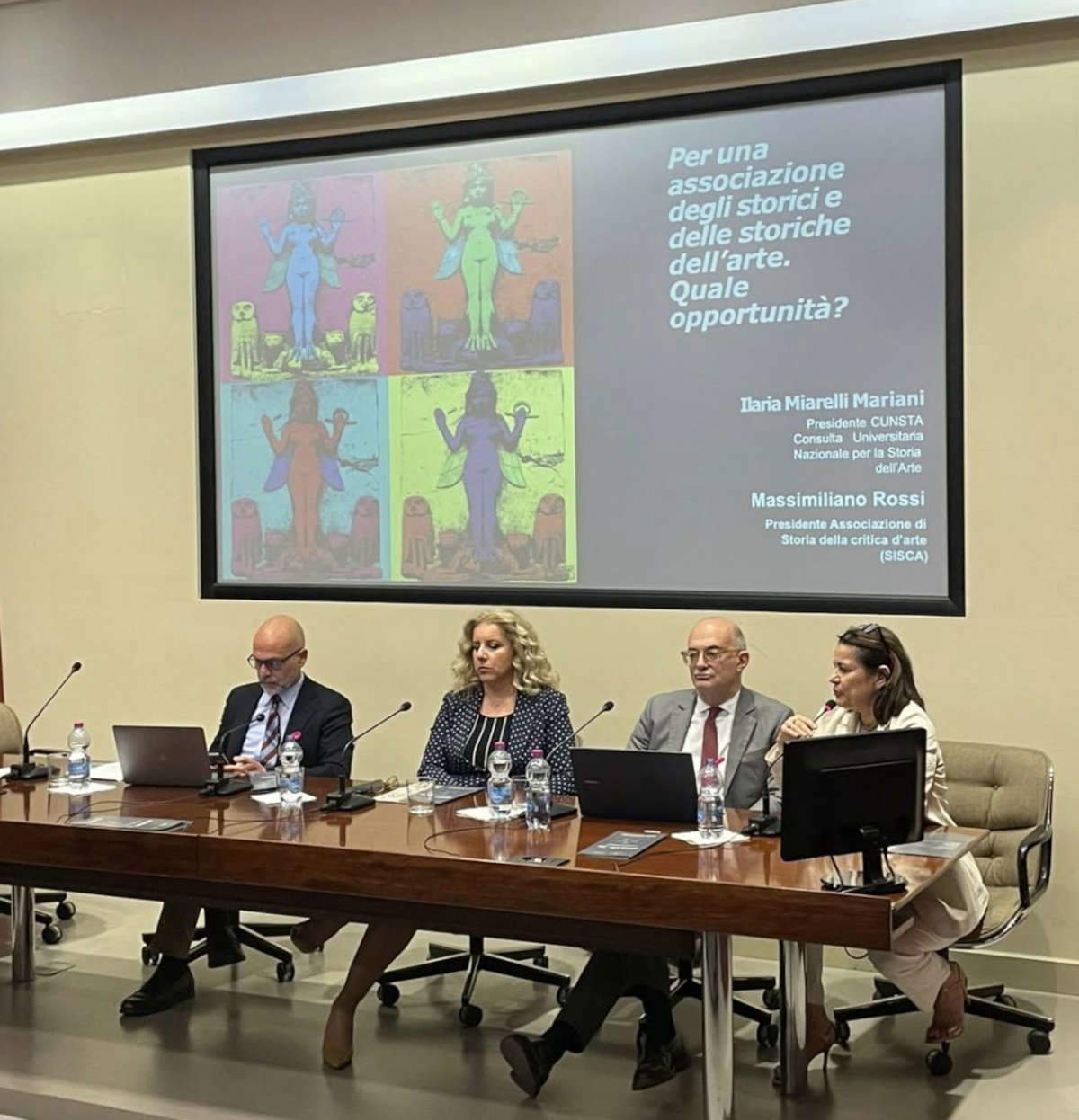
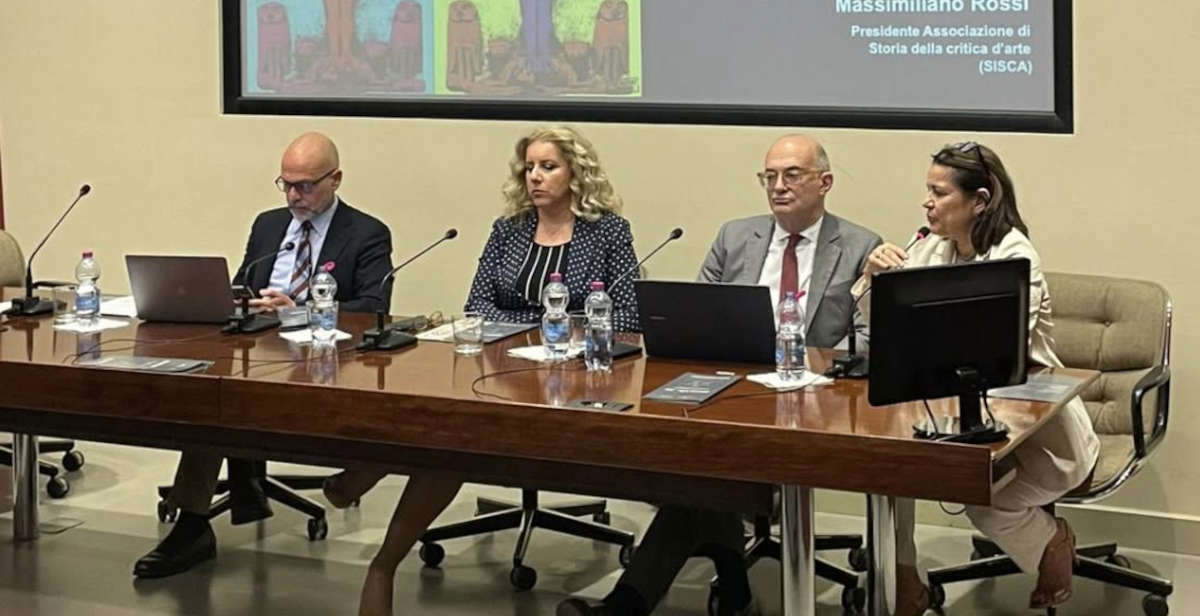
“The Association,” states President Silvia Mazza, “was founded on April 28, 2026, and officially launched in Palermo at Villa Zito, headquarters of the Fondazione Sicilia, on May 22 following the conference ‘The National Association of Art Historians (AStArte) Is Born: Specialists in Dialogue, under the patronage of the Department of Cultural Heritage and Sicilian Identity, is taking a stand right here in Sicily alongside the art historians of the regional department responsible for the protection, promotion, and public access to Sicily’s immense cultural heritage— the leading region in Southern Italy in terms of the number of cultural institutions, according to the “Sistema Cultura Sicilia” report conducted last year by THEA Group. The amnesia that seems to selectively affect art historians is, unfortunately, nothing new. Already in the request to amend the Regional Council’s Resolution of October 29, 2020, titled “Matrix of Professional Profiles and Dictionary of Competencies,” the only profile provided for was that of an archaeologist. However, the profile of the art historian was not included, nor—as noted in a letter last December from Confprofessioni to the Public Administration—were those of archivists, librarians, demographers and anthropologists, physical anthropologists, cultural heritage restorers, and cultural heritage restoration assistants, experts in diagnostics and in sciences and technologies applied to cultural heritage—that is, the profiles recognized by Article 9bis of the Code of Cultural Heritage and Landscape as competent for interventions related to the safeguarding, protection, conservation, enhancement, and enjoyment of cultural heritage. Furthermore, last December saw the first competitive exam in 25 years—the first since the last one—for the permanent hiring of ten technical archaeologists for the Department of Cultural Heritage. Once again, art historians were not included.”
 |
| Sicily: AStArte Complains That Art Historians Are Missing From the New Regional Professional Classification System |
Warning: the translation into English of the original Italian article was created using automatic tools. We undertake to review all articles, but we do not guarantee the total absence of inaccuracies in the translation due to the program. You can find the original by clicking on the ITA button. If you find any mistake,please contact us.