





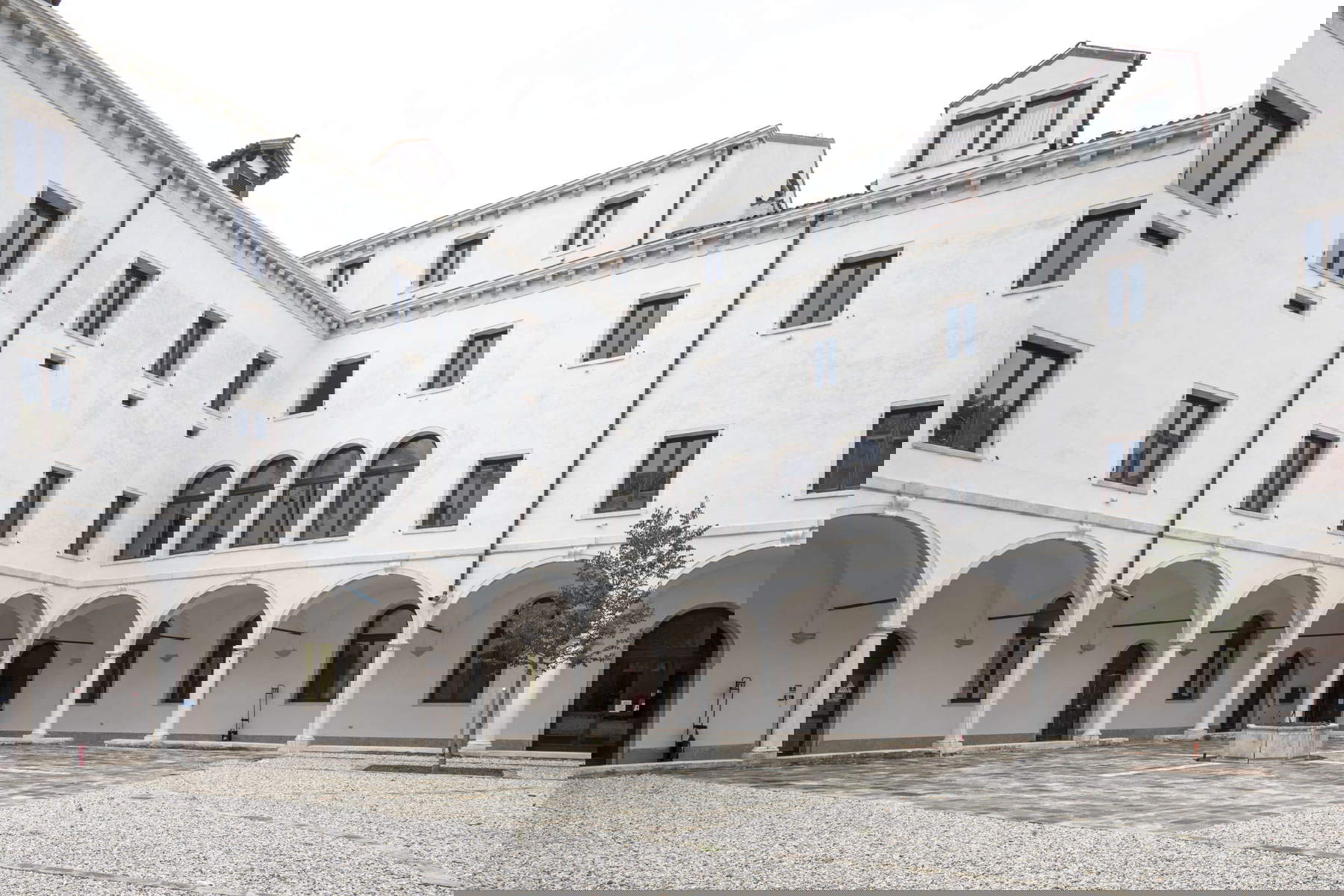
The restoration and functional adaptation of theformer Santa Teresa Convent, known as the Terese complex, was inaugurated today in Venice in the presence of the rector of the Iuav University of Venice, Benno Albrecht, theregional councillor for education Valeria Mantovan, MEP Elena Donazzan, Mayor Luigi Brugnaro, and Renato Brunetta, president of CNEL and the Venice Sustainability Foundation, as well as a former professor at Iuav. The intervention, promoted by the Iuav University of Venice, is a significant example of integration between the protection of historical-architectural heritage and the application of advanced technologies for environmental sustainability. The project transformed a building of great historical value into a contemporary infrastructure embedded in a campus energy system and designed to reduce environmental impact.
The complex, an integral part of Venice’s urban history, was the subject of an intervention that combined preservation and innovation, with a focus on energy transition. The objective was to preserve the historical and material identity of the building, intervening with solutions compatible with the pre-existing architectural features, while at the same time introducing advanced plant engineering systems capable of improving the energy performance and comfort of the spaces.
The restored building, which covers a total area of 9,071 square meters, now houses 75 studios for 184 faculty members, eight classrooms for teaching and laboratory activities, and 100 workstations for male and female students. The redevelopment has thus strengthened the university’s academic offerings, expanding the spaces dedicated to teaching and research.
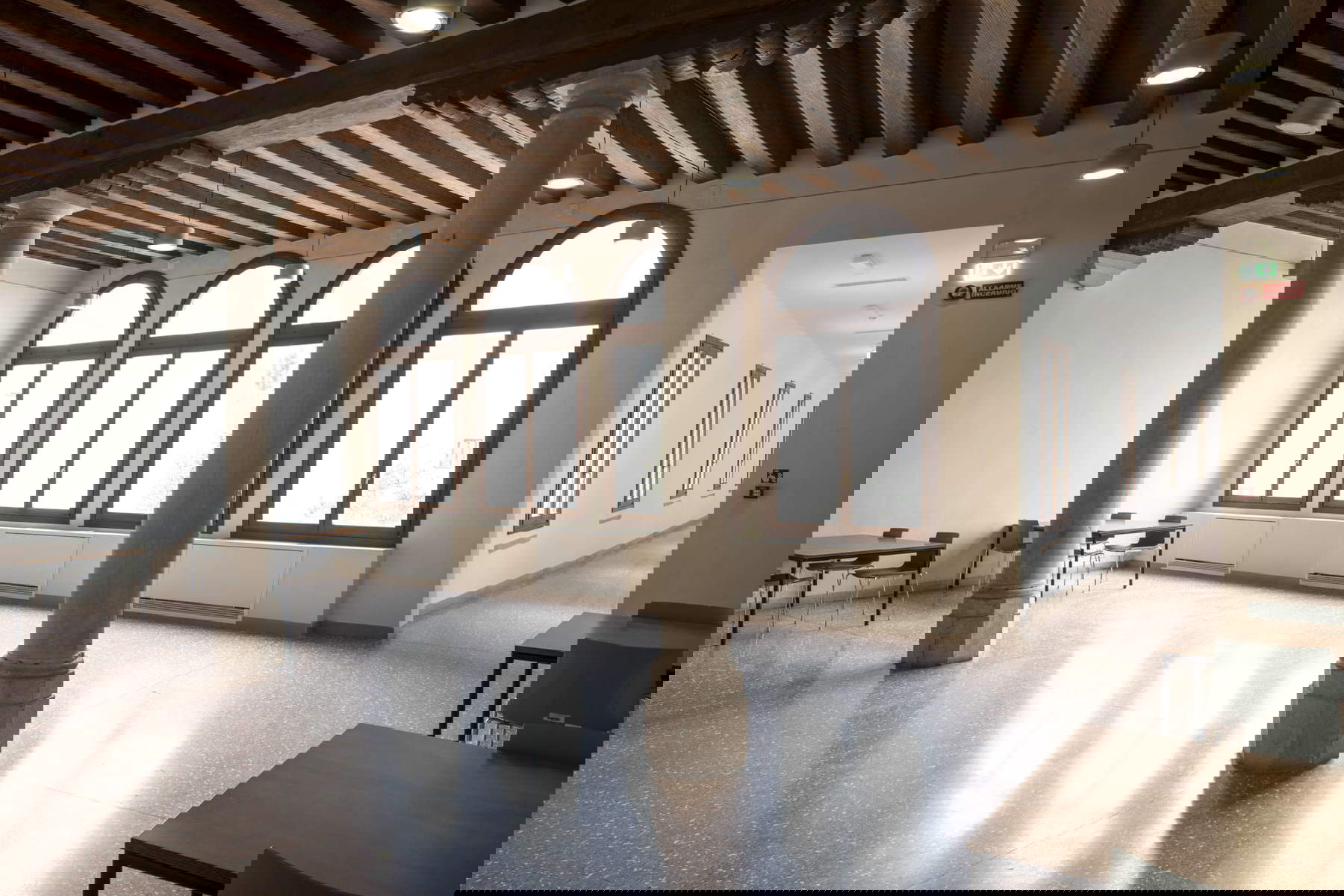
From a technical point of view, the intervention included the complete renovation of the electrical systems, the replacement of lighting fixtures with high-efficiency LED technology systems and the introduction of advanced solutions for air conditioning and intelligent energy management. The former Terese Convent was also integrated into a campus energy system that also includes the Venetian Cotton Mill and Warehouses 6 and 7, contributing to an overall reorganization of the energy infrastructure.
In this context, high-efficiency heat pumps have been installed, a geothermal field constructed, and a district cooling network developed alongside the existing district heating network. The system enables the simultaneous supply of thermal and cooling energy, improving management flexibility and optimizing consumption. The solutions adopted allow a significant reduction in carbon dioxide emissions and energy consumption related to air conditioning, with benefits also in terms of thermo-hygrometric comfort and indoor environmental quality.
A central element of the project is the Building Management System, which enables integrated and centralized control of the technological infrastructure. Through continuous monitoring of performance and real-time analysis of consumption, the system makes it possible to optimize operating parameters, configuring the building as an intelligent energy system capable of ensuring efficiency and continuous improvement.
Of particular importance is the geothermal field, which harnesses renewable energy from the subsurface for space heating and cooling. The system, which is closed-loop and has no on-site combustion, achieves very low levels of emissions while ensuring stability, reliability and reduced noise impact. The integration of geothermal energy with other technologies is a strategic choice to reduce dependence on fossil fuels and contain energy costs in the long run.
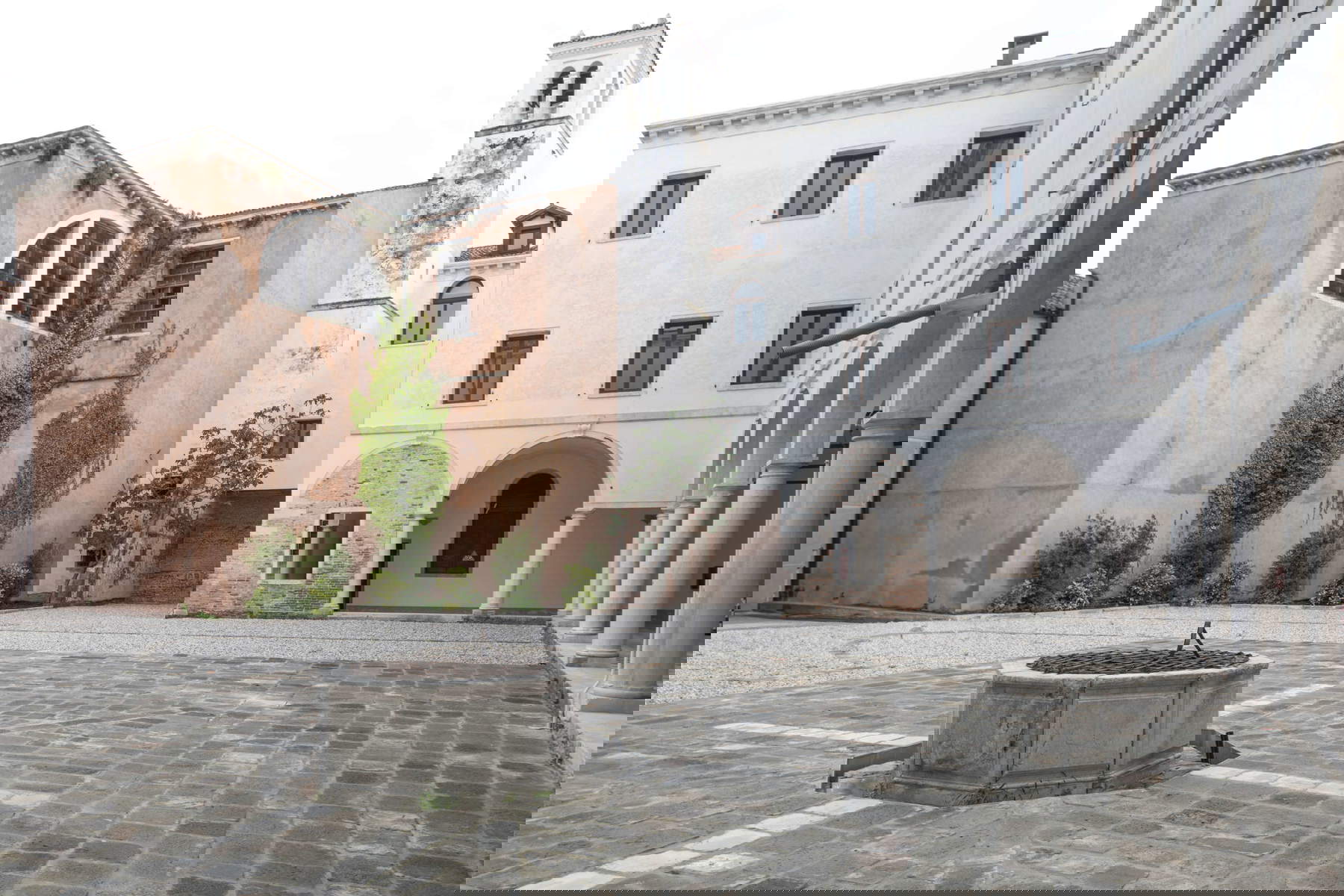
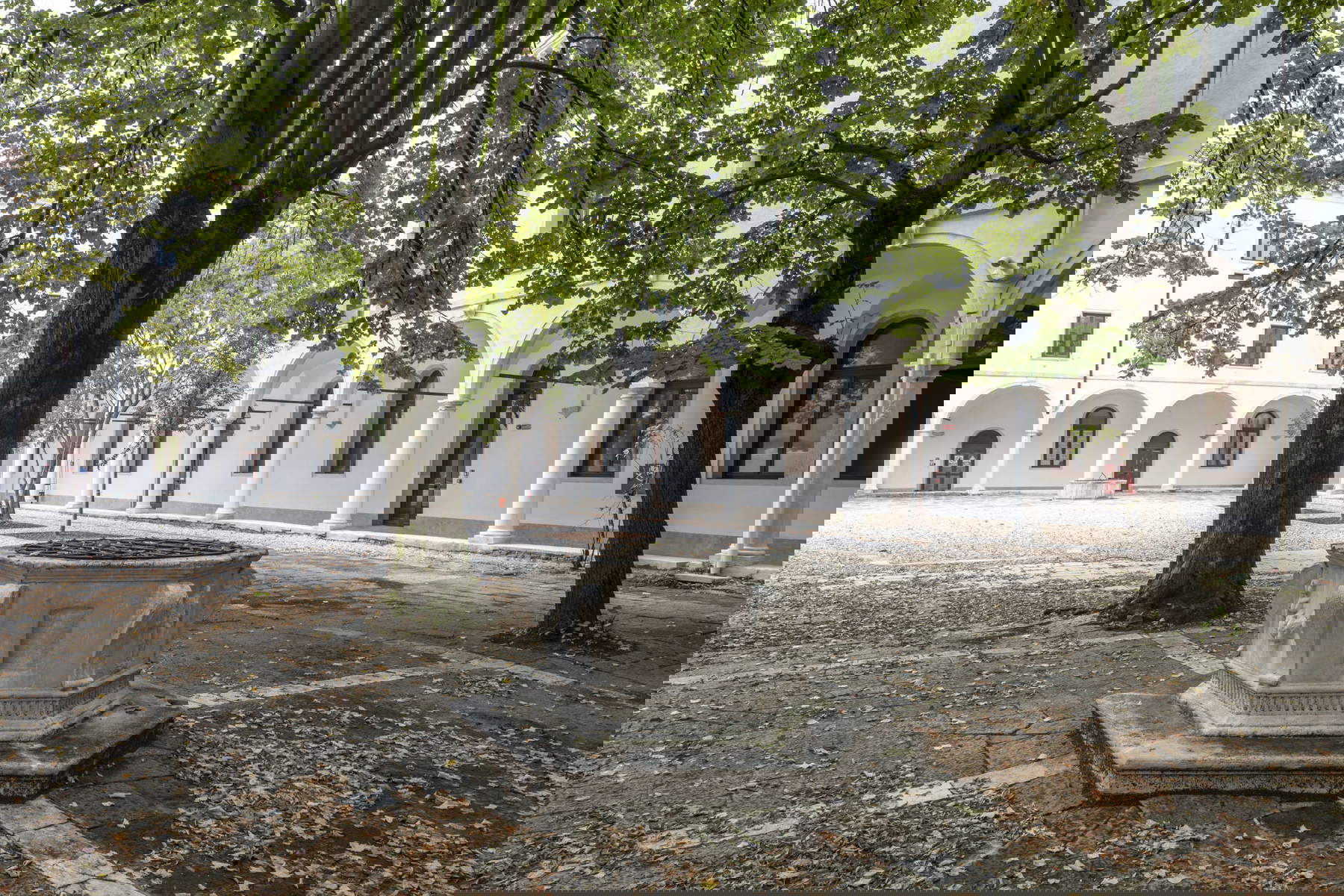
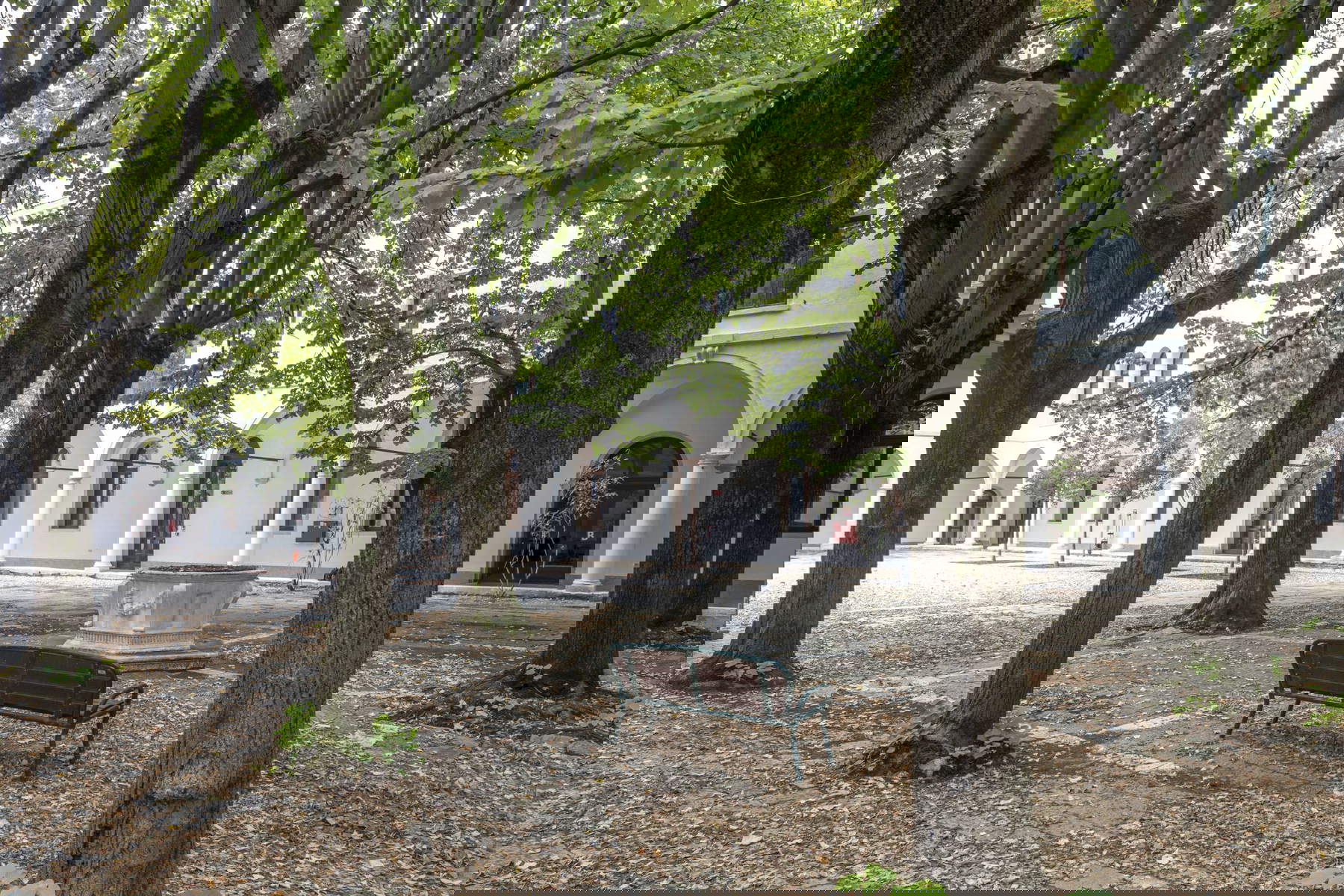
The project does not end with the intervention just completed. A path for the redevelopment and enhancement of the Terese church, an integral part of the complex, has already been started. The initiative stems from the collaboration between the City of Venice, Iuav University, the Venice Foundation for Peace Research and the Patriarchal Diocese of Venice, with the aim of allocating the spaces to an academic and cultural project dedicated to the themes of peace, reconstruction and regeneration of conflict-affected territories.
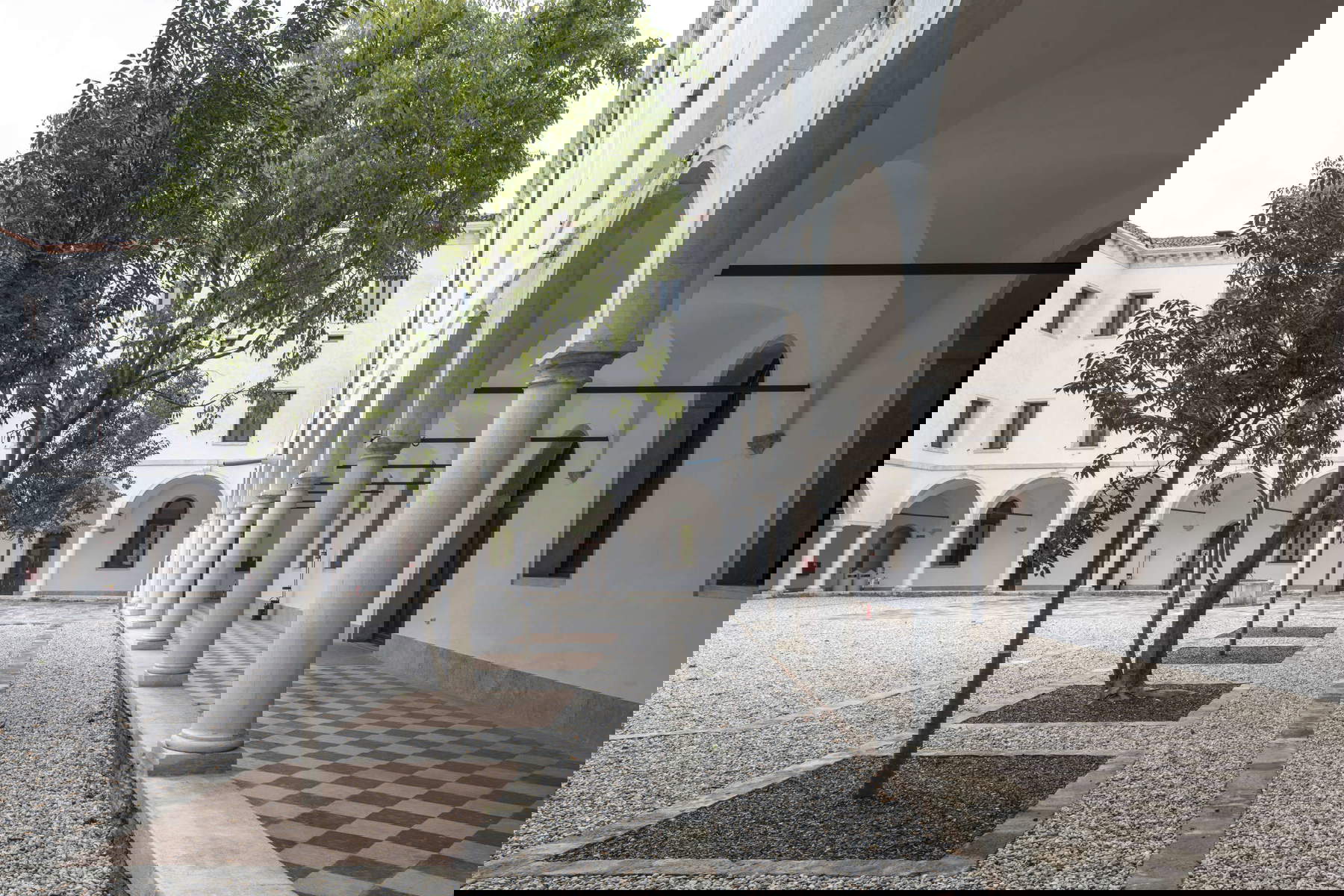
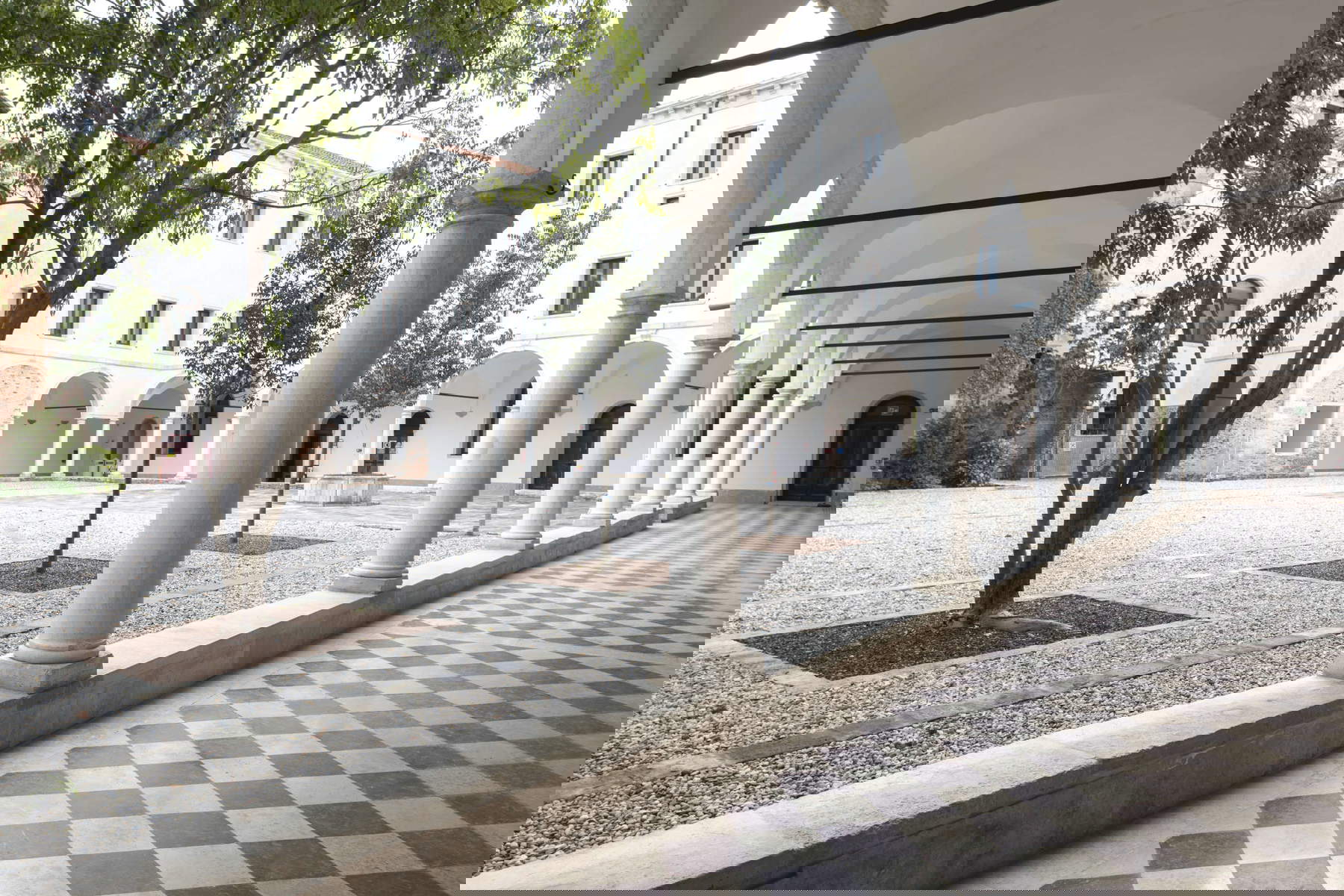
The restoration is part of a long and complex history. The convent of Santa Teresa was built in the second half of the seventeenth century in the Dorsoduro sestiere, opposite the church of San Nicolò dei Mendicoli, designed by architect Andrea Cominelli to house a community of Discalced Carmelite nuns, known as Terese. The complex developed around a large cloister with arcaded porticoes and loggias, according to the typical convent structure of the time. The adjoining church, consecrated in 1688, preserves Baroque decorations and coeval paintings. After the suppression of the convent in 1810, the spaces were gradually reused with different functions, including orphanage and dormitory for homeless people, adapting to the needs of the city while retaining part of its original identity. In the late 1990s and early 2000s, the building had already undergone an initial restoration promoted by Iuav, aimed at hosting teaching and research activities. The intervention inaugurated today represents a further step in this path of valorization, updating the complex to contemporary needs and the challenges of sustainability.
|
| Venice, former Terese Convent restored: new sustainable hub of Iuav |

Warning: the translation into English of the original Italian article was created using automatic tools. We undertake to review all articles, but we do not guarantee the total absence of inaccuracies in the translation due to the program. You can find the original by clicking on the ITA button. If you find any mistake,please contact us.



























 IT
IT FR
FR DE
DE ES
ES CN
CN