





The traditional image of the museum as a “temple of culture,” distant and almost unchanging, is giving way to a profoundly different reality. Michele Lanzinger, founder of Trento’s MUSE and its director from 2013 to 2024, as well as president of ICOM Italy from 2022 to 2026, had intercepted these changes. To remember Michele Lanzinger, we republish a contribution he wrote in 2020 for the quarterly paper Finestre sull’Arte, in which the scholar proposed a museum model he called an “activist museum”: no longer just a temple of culture, but also a social engine.
The museum, in its most iconic representation, the one we find on street address signs, is represented by a very classic temple, to be approached by climbing steps and passing through a pronaos well defended by mighty columns. Hardly an ode to accessibility. Yet the notion of a museum today is rapidly changing. If museums are still and very often considered a “world-a-side,” further back or further away from real life, they are now, in an attempt to redefine their roles and engage with contemporary society, putting in place new policies to first and foremost foster new relationships with their audiences and accepting that it is the very function of the museum that needs to be challenged.
There is first of all to observe that museums are expanding their services for the public rather than expanding their collections and are increasingly focused on the visitor experience, as if to say that they are transforming themselves from being primarily about something to being for someone. Not only that, museums are reflecting on a paradigm shift, to go and intercept a new function that we might call, that of the “activist museum,” for which the museum can become the place where the big problems of the contemporary world are being addressed (and perhaps helped to solve). It is as if a clear call is emerging to abandon a kind of sublime indifference that, in the face of the challenges of a world in perpetual transformation and crisis, risks taking on, even for museums, the character of a kind of immorality of inaction. A new commitment that translates first and foremost into seeking and promoting encounters with visitors by going beyond counting visitors and seeking an increasingly participatory dimension of its offering itself to its users.
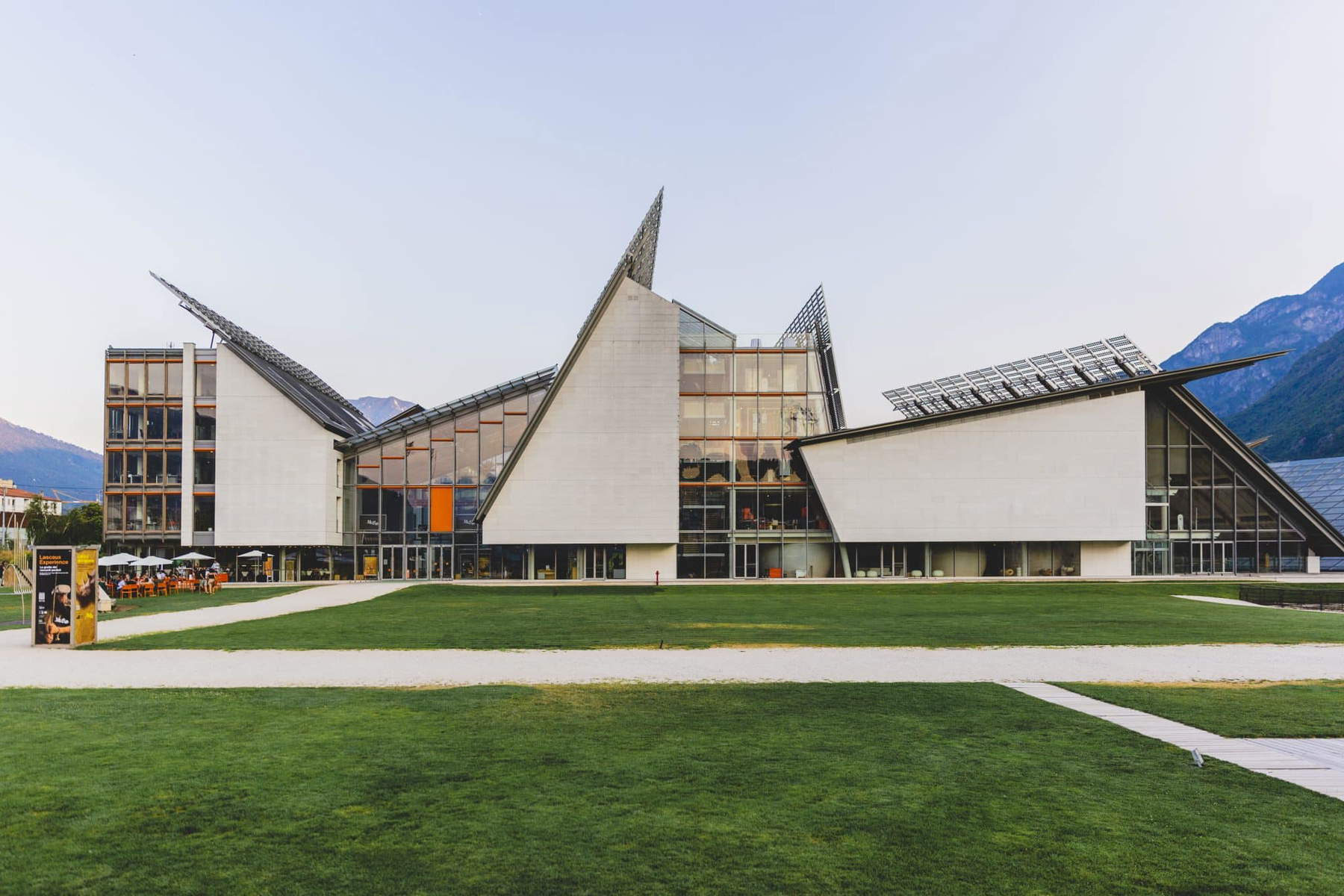
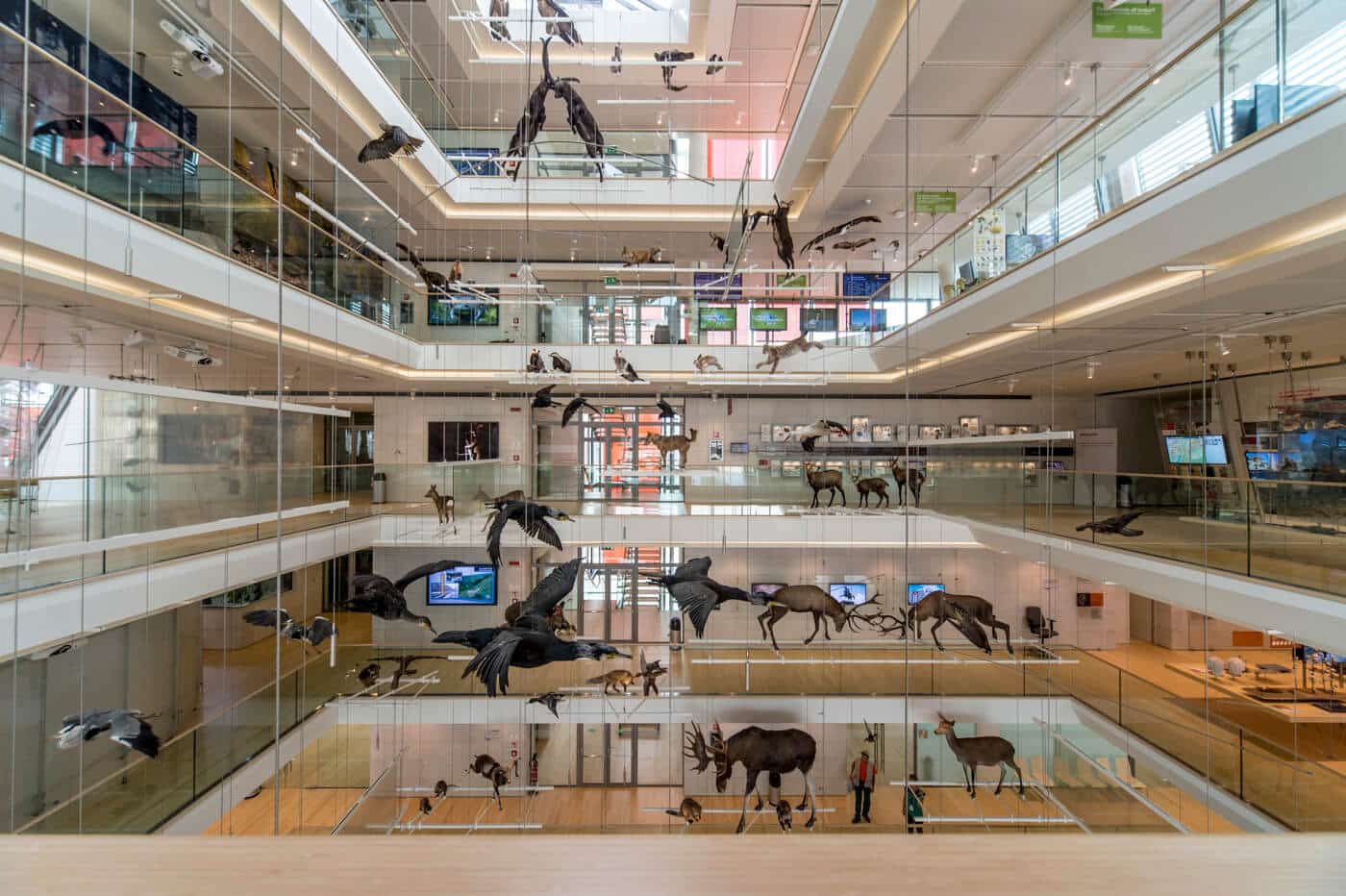
A new role then that transforms the museum from a detached observer to a place of participation and a partner in development and social improvement. No longer just keen observers and wise commentators, but active players within their communities, to work with them, understand problems and seek effective solutions. With this in mind, museums are committing themselves to: adopt a civic attitude and promote strategies that museum professionals can adopt to foster participation, involvement and civic engagement with the commons, understood as tangible, intangible and natural assets and their declination in the spatial dimension of cultural landscapes and that of the digital; develop empathy by embracing multiple truths, histories and different modes of access to knowledge; develop engagement with their communities of reference by interpreting and developing their interests and needs in the cultural and civic domains; become a friendly and open environment where curiosity, critical thinking, sense of responsibility and awareness can be translated into behaviors and actions sustained with responsibility and participation.
Reclaiming a perhaps outdated concept, that of philanthropy, if one believes that access to culture belongs fully in the category of citizen well-being. These are in effect new tasks for a global citizenship for which cultural knowledge and experiences foster people’s understanding and concern for a more sustainable, equitable and inclusive world. A perspective that fits into and finds fundamental references precisely in the 2030 Agenda for Sustainable Development adopted by the member states of the United Nations in 2015. It defines seventeen Sustainable Development Goals that are a call to action for all nations, developed and developing for a global partnership.
They recognize that ending poverty and other deprivations must go hand-in-hand with strategies that improve health, education, reduce inequality, and promote economic growth while keeping in mind and combating climate change and efforts to conserve oceans and forests. But it’s not just about “global issues” and science museum stuff. A recent Guide for Local Governments and Museums produced by ICOM and OECD found that museums: generate jobs and revenues; increase the attractiveness of places for talent and businesses; are at the center of urban regeneration strategies that together with local governments breathe new life into places and create new territorial identities; are a source of innovation and creativity; aim to increase the level of knowledge of the population; support inclusion and even provide platforms for intercultural dialogues and promote the integration of migrant populations; and work to increase well-being and health. All of this together results in an interesting new framework for museums. Theact locally applies to all museums, because they all operated within a local specificity, just as the think globally applies, because all museums have a common responsibility for humanity in its entirety.

Warning: the translation into English of the original Italian article was created using automatic tools. We undertake to review all articles, but we do not guarantee the total absence of inaccuracies in the translation due to the program. You can find the original by clicking on the ITA button. If you find any mistake,please contact us.


























 IT
IT FR
FR DE
DE ES
ES CN
CN


