





There is a silence you don’t truly perceive until you stand before a work by Lee Ufan. It is not stillness; it is a dense suspension, made of matter, distance, and breath. A steel plate captures the light and reflects it back coldly; an irregular stone bears an ancient weight; a subtle brushstroke on a light-colored canvas vibrates like a gesture still present. Time changes its texture—it slows down, it expands. What remains are the gaze and the body, called upon to participate.
Lee Ufan was born in 1936 in South Korea and trained in Seoul and Japan, where he became a central figure in the Mono-ha movement in the late 1960s. In that context, matter takes on a new centrality: stone, iron, glass, space, and light enter the work with their concrete identities, without disguise. Ufan develops this sensibility in his own unique way, intertwining artistic practice with philosophical reflection, and each work becomes a field of living relationships, in which objects, space, and the viewer share the same moment in time.
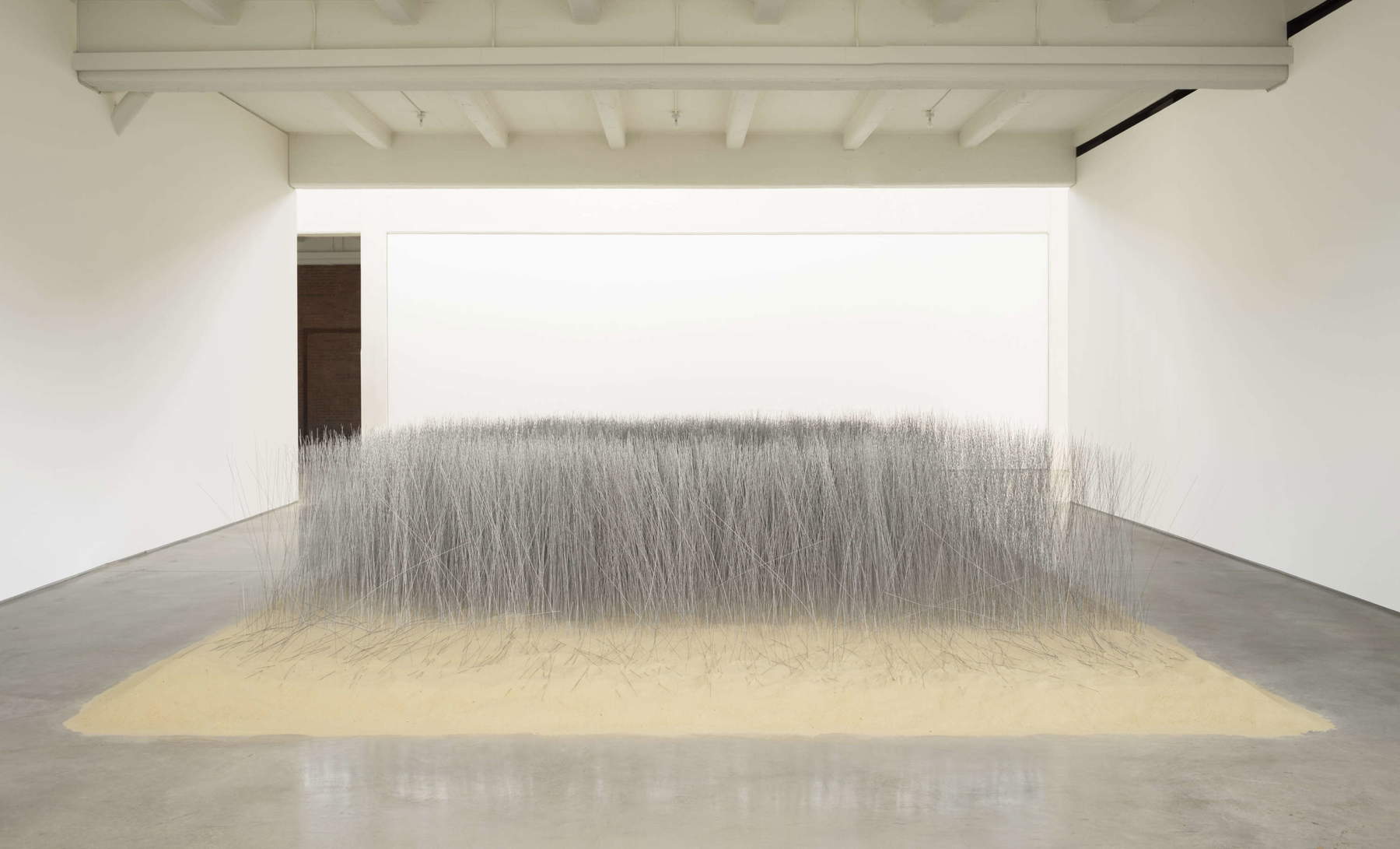
Upon entering a room with one of his installations, the first impression is physical. A natural stone rests on the floor, a steel plate not far away. Between the two elements, a precisely calibrated distance—the air itself seems part of the composition. This is the logic behind the Relatum series, launched in 1968 and continued for decades: each element exists through its relationship with what lies beside it—weight and lightness, opacity and reflection, stability and tension are perceived as one walks, shifting one’s viewpoint, and measuring the space with one’s own steps.
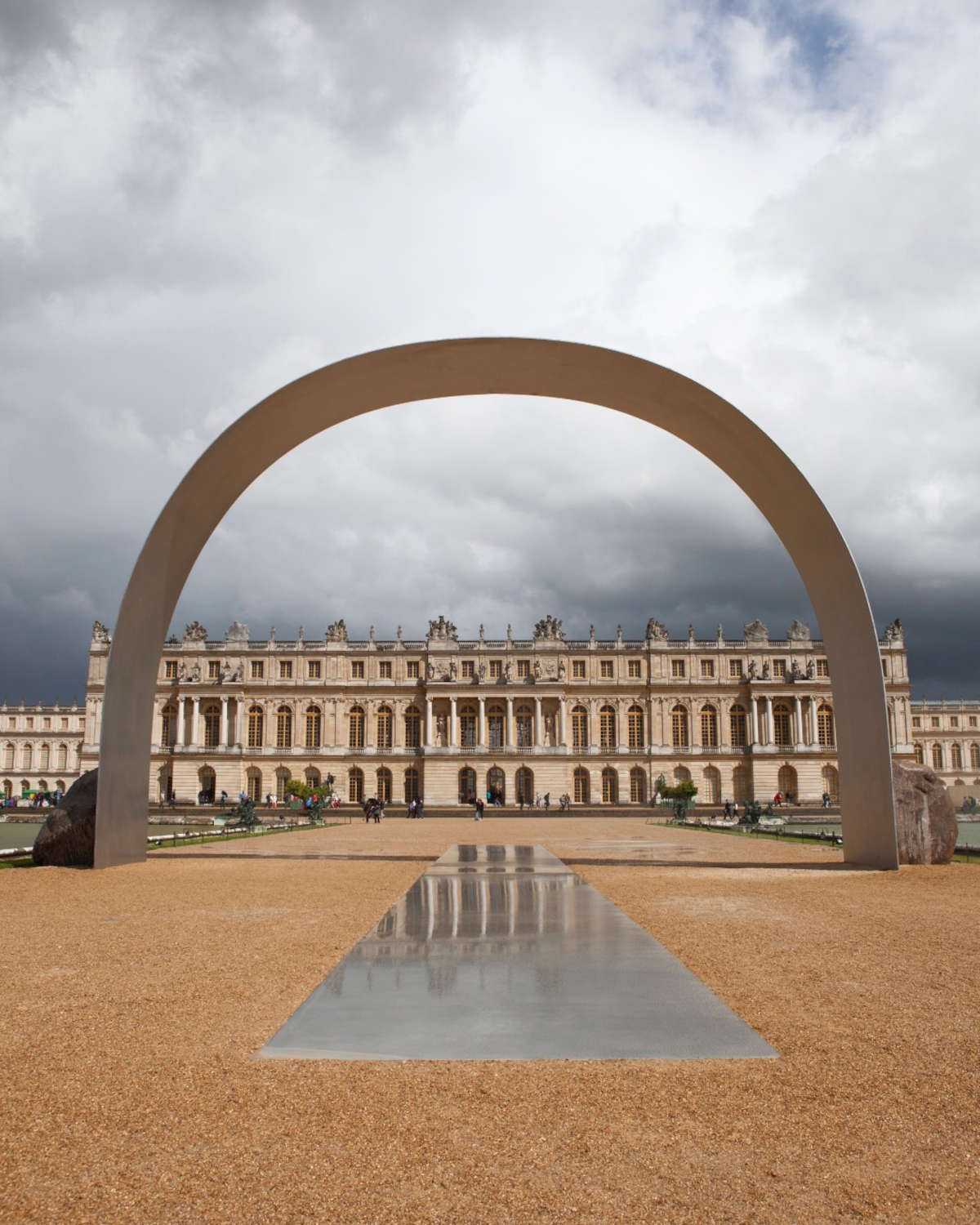
In *Relatum – The Arch of Versailles* (2014), created within the French palace, large curved metal slabs and boulders enter into a dialogue with the historic architecture, subtly and profoundly altering the perception of the space. The polished surfaces reflect the surroundings, the stones absorb the light, and the visitor moves through the work as if exploring a territory. Each step redefines balances, aligns perspectives, and creates unexpected connections between past and present. However, it is the void that plays a decisive role: the distances between the elements generate silent tensions, pauses charged with energy. Space does not serve as a backdrop; it becomes invisible matter, measurable through the body and the breath.
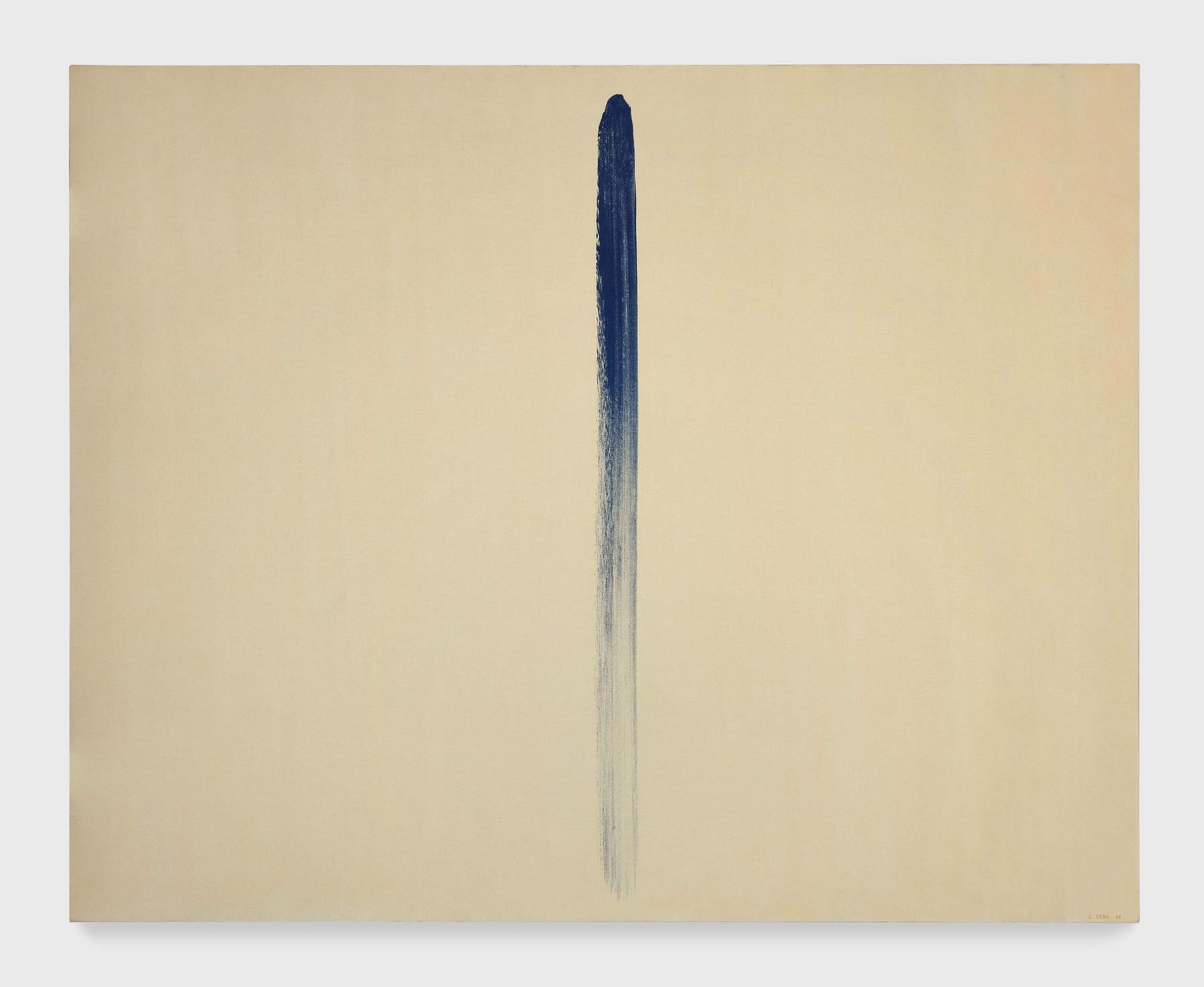
The same attention to detail is evident in his paintings. In the series *From Point* and *From Line*, developed beginning in the 1970s, Ufan works with repeated, controlled gestures. Small dots are deposited on the surface until they become sparse; lines drawn with a brush laden with pigment gradually thin out as the paint runs out. Each mark records a duration, a contact between hand and canvas. The surface remains expansive, luminous, ready to embrace the silence surrounding the gesture. Standing before these paintings, the eye follows the rhythm of the hand, sensing the pressure, the slowness, and the gradual disappearance of color. The painting appears as the trace of an event that took place at a specific moment in time, one that continues to expand in the viewer’s gaze.
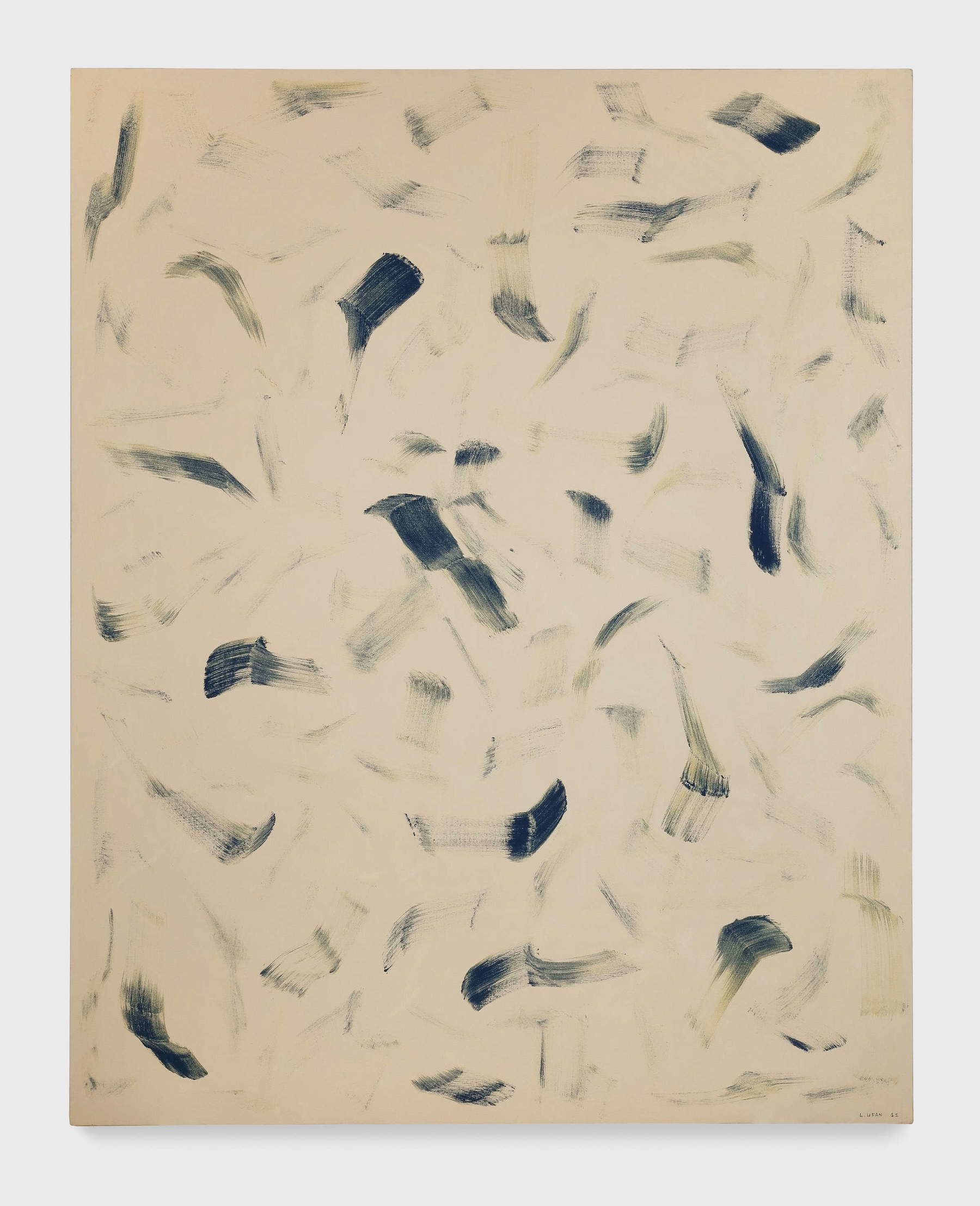
This exploration takes on a further form in the *Dialogue* series, as in *Dialogue* (2018): on large, light-colored canvases, a few broad brushstrokes—often blue or gray—appear, applied with slow, controlled movements. The mark rests on the surface with a full presence, while the surrounding space remains open and vibrant, and the title suggests a continuous exchange: between gesture and surface, between matter and light, between the work and the viewer.
Moving among these works means entering a different rhythm. One’s steps become cautious, the gaze lingers longer, and the body becomes an instrument of measurement. The distances between one sculpture and another, between a canvas and the wall, guide the experience in an almost musical way. Each element participates in a broader composition that includes the viewer.
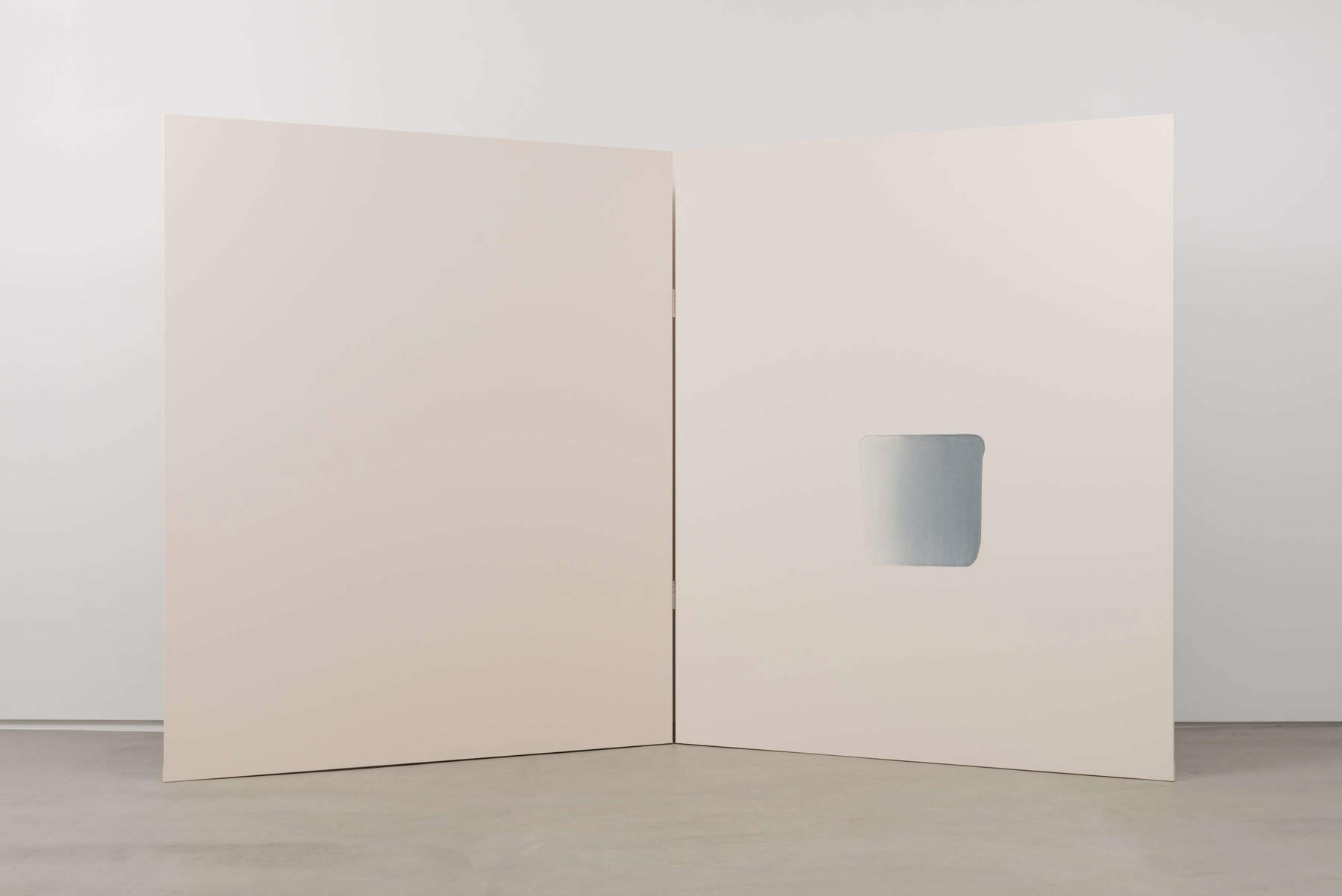
Over time, a realization emerges: perception always arises from an encounter. Objects, space, and human presence share the same field. Stones, steel, and marks of color retain their concrete identity and, at the same time, activate relationships that shift with every glance.
Leaving an exhibition by Lee Ufan, a particular quality of attention lingers, as the works continue to resonate in one’s memory, like a gentle vibration. A shadow on a wall, the reflection of light on a metallic surface, or the distance between two objects in an everyday room can suddenly evoke those experiences.
His art offers an exercise in presence. It requires time, openness, and visual attentiveness. Each work opens up a space in which to pause, breathe, and perceive the weight and lightness of things. In that silent space, one’s gaze is renewed. And with it, so too is the way one exists in the world.

The author of this article: Federica Schneck
Federica Schneck, classe 1996, è una giornalista specializzata in arte contemporanea. Laureata in Storia dell'arte contemporanea presso l'Università di Pisa, il suo lavoro nasce da una profonda fascinazione per il modo in cui le pratiche artistiche operano all’interno, e in contrapposizione, alle strutture sociali e politiche del nostro tempo. Si occupa delle trasformazioni del sistema dell'arte contemporanea, del dialogo tra ricerche emergenti e patrimonio culturale, del mercato, delle istituzioni e delle fiere internazionali. Alla scrittura giornalistica affianca quella critica, con testi per artisti, gallerie e collezioni private.Warning: the translation into English of the original Italian article was created using automatic tools. We undertake to review all articles, but we do not guarantee the total absence of inaccuracies in the translation due to the program. You can find the original by clicking on the ITA button. If you find any mistake,please contact us.















 IT
IT FR
FR DE
DE ES
ES CN
CN


