




by Redazione 06/07/2026



Categories: Ancient art / Disclaimer
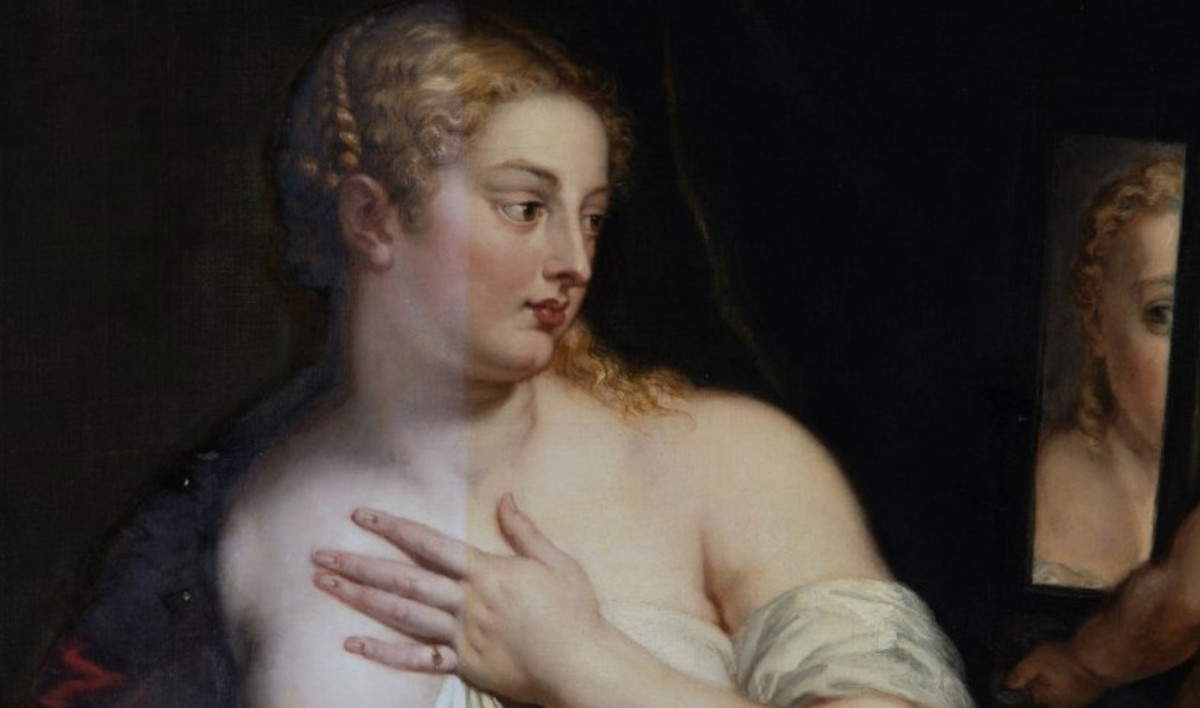
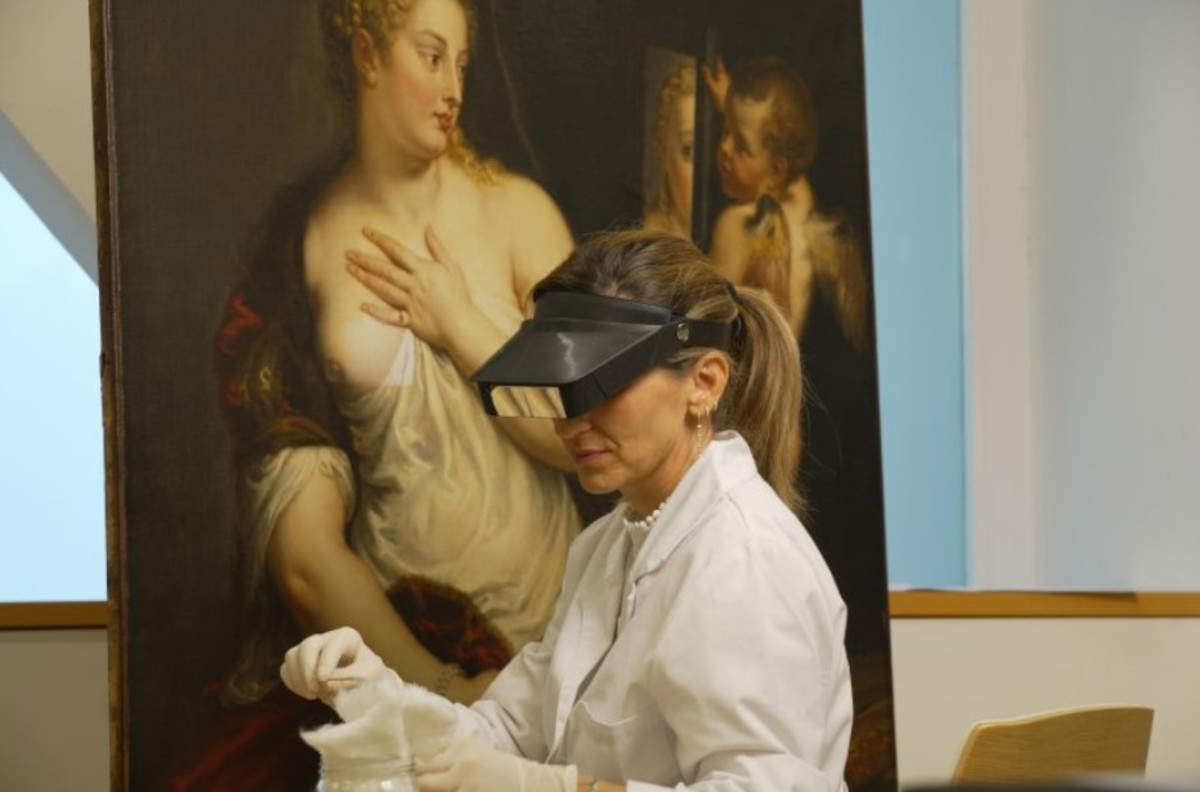
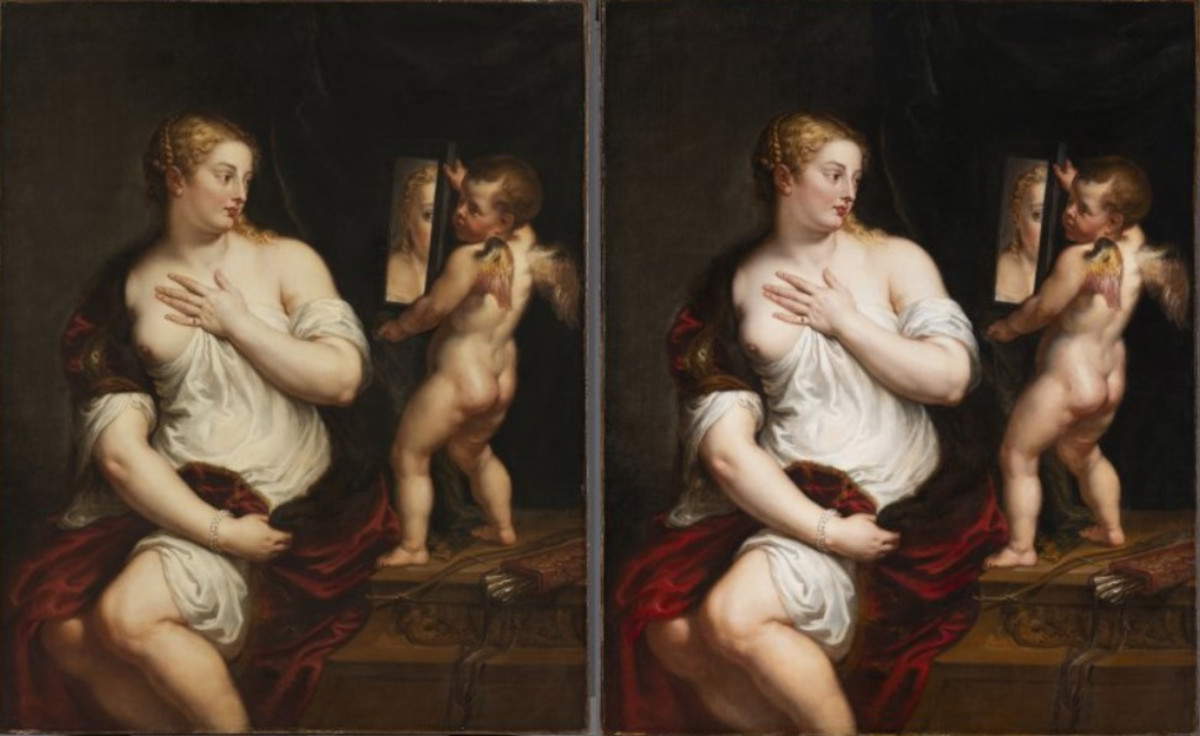
An exhibition at the Thyssen-Bornemisza Museum chronicles the lengthy restoration of Rubens’ painting *Venus and Cupid*, bringing its original colors back to light and revealing valuable insights into the Flemish master’s technique.


From June 16 to September 13, 2026, the Thyssen-Bornemisza National Museum is dedicating a special exhibition to Peter Paul Rubens’ *Venus and Cupid*, on view in Gallery 19 of the permanent collection. The exhibition details the complex restoration process and the scientific investigations that have deepened our understanding of the artist’s painting technique, restoring the painting’s original color balance and luminosity.

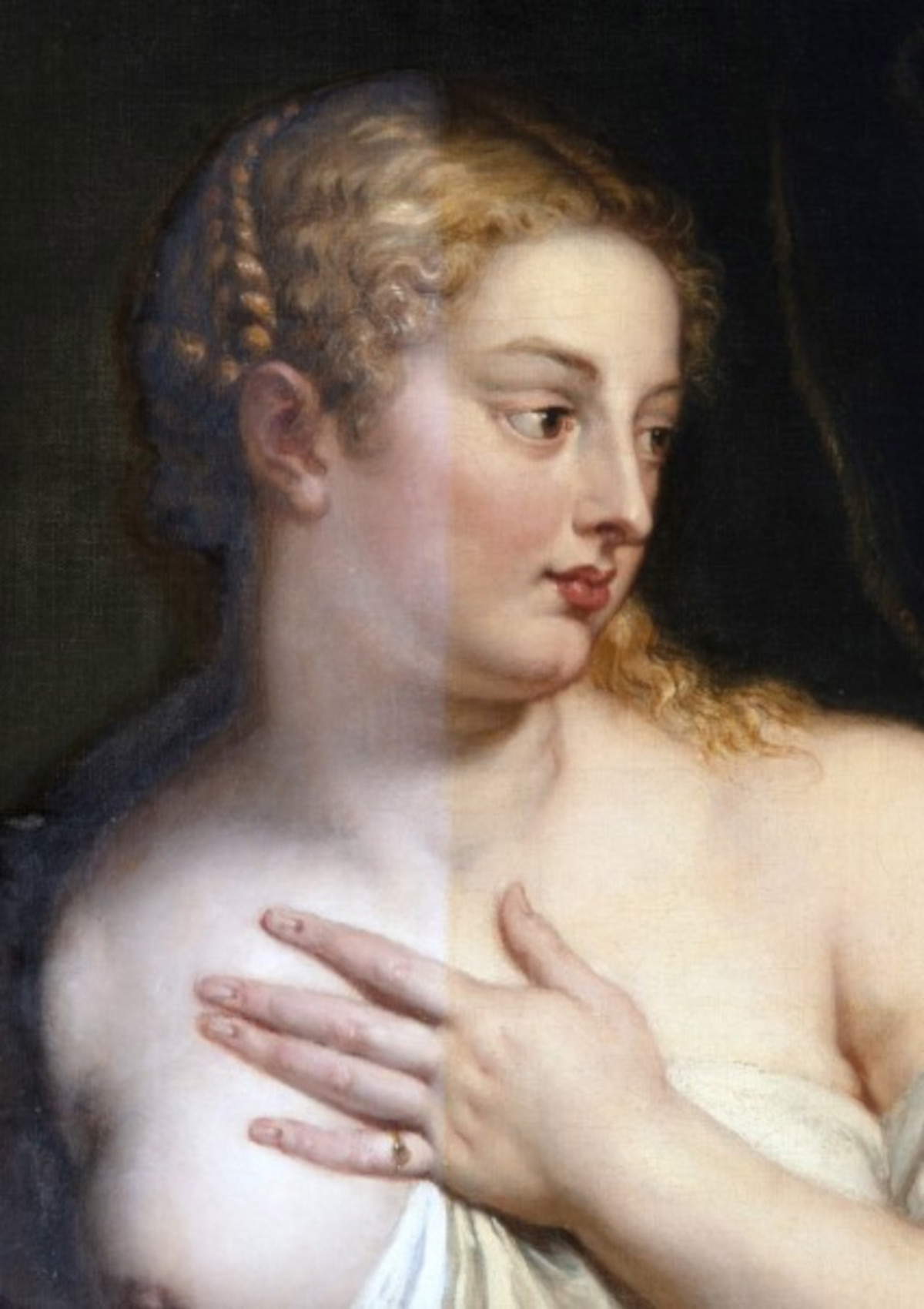
The project, which lasted about a year and a half, was carried out by the museum’s Department of Conservation and Restoration through a comprehensive program of diagnostic analyses, laboratory studies, and conservation treatments. The goal was to eliminate the effects caused by the aging of the protective varnishes, which over time had profoundly altered the perception of the work, dulling its colors and compromising its spatial depth. Before beginning the restoration, the conservators conducted a series of scientific examinations to understand the painting’s structure and identify the materials used by Rubens. These investigations allowed them to plan each phase of the restoration with the utmost precision, ensuring the work’s safety. The most significant step involved removing the oxidized varnish that covered the painted surface. This layer, which had become heavily yellowed, primarily altered the skin tones of the figures, obscuring the delicate chromatic nuances and the original brilliance of Rubens’s color palette. At the same time, certain areas of the paint film affected by small cracks and lifting were consolidated, ensuring their long-term stability.


Analyses also revealed that the painting had already been restored in the past, although no documents exist that would allow us to determine when and how the previous interventions were carried out. The original canvas, consisting of a single piece of linen, had in fact been reinforced with a wax-and-resin lining, likely as a result of earlier damage.


The study of micro-samples made it possible to precisely reconstruct the painting technique used by Rubens. The artist began by applying a calcium carbonate ground, followed by a gray primer composed of white lead, calcium carbonate, and carbon black. He then built up the figures with thin glazes of color using pigments such as lead white, vermilion, minium, azurite, natural earths, and precious cochineal lacquer, used primarily in the red tones of the skin.
Of particular interest is the discovery of a white layer applied beneath the figures of Venus and Cupid. This technical device served to enhance the luminosity of the skin tones, making them stand out more vividly against the dark background—one of the most characteristic effects of Rubens’s Baroque painting.
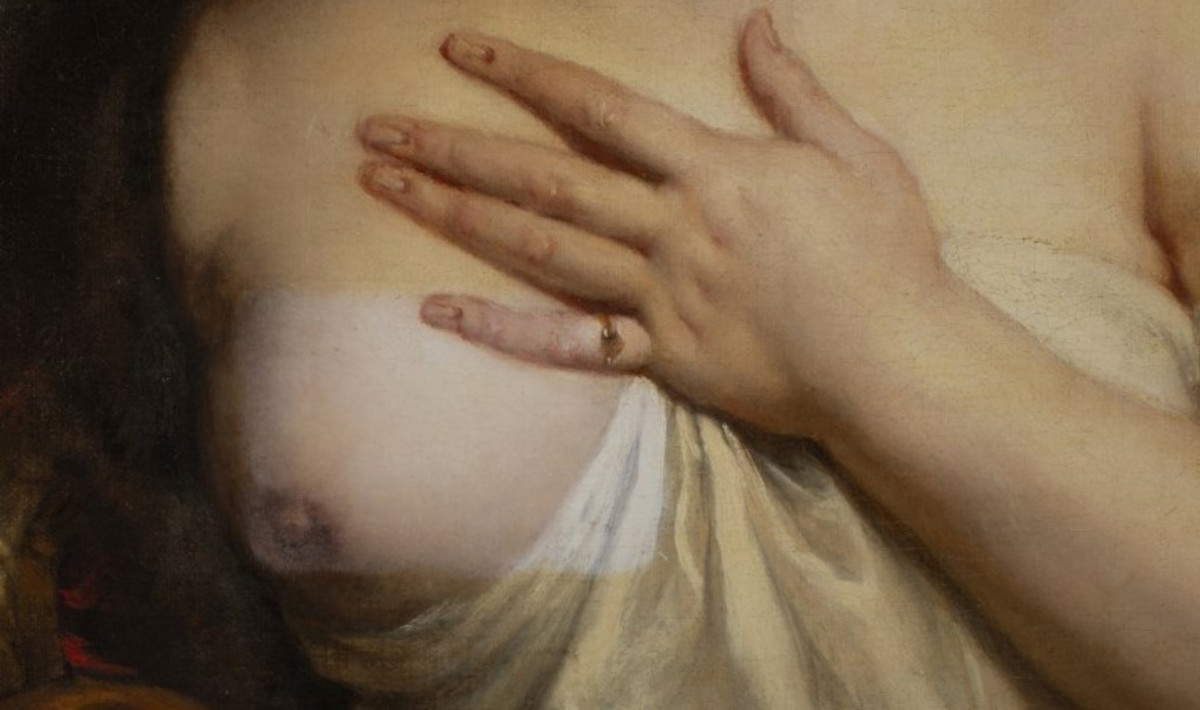
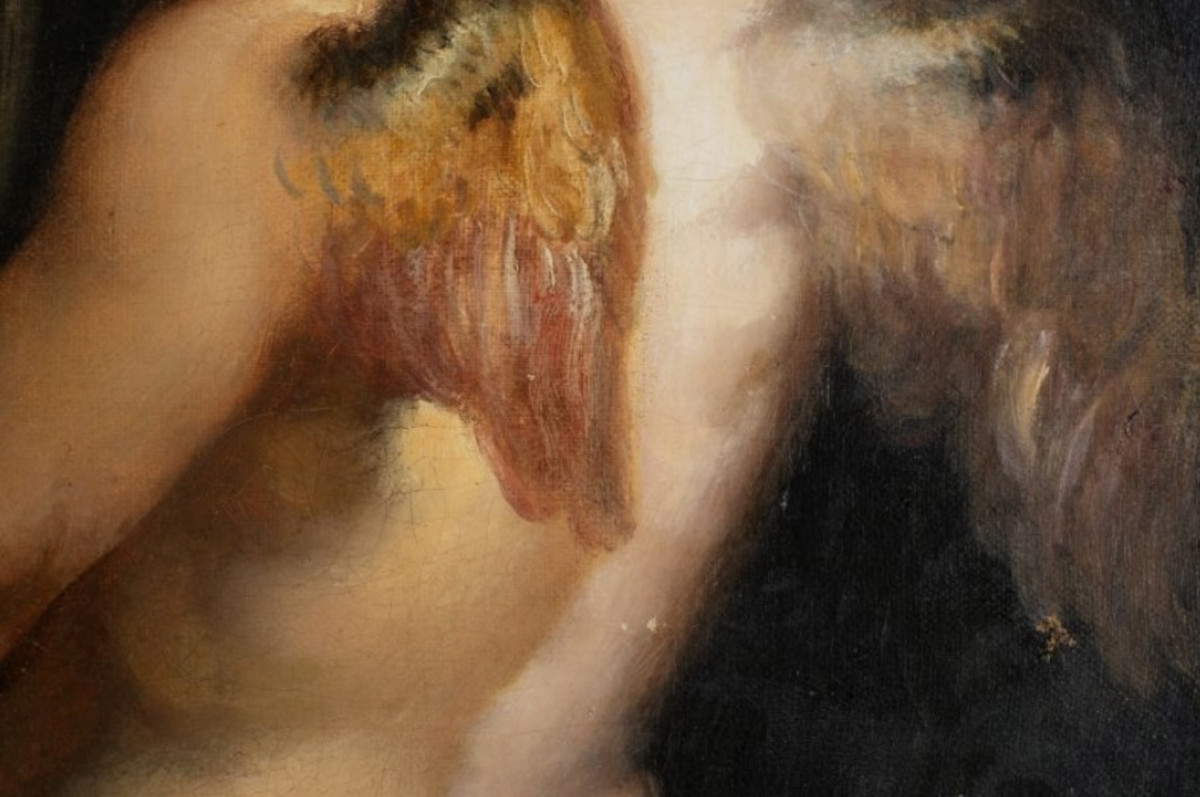
The diagnostic investigations also yielded valuable information about the artist’s creative process. X-rays revealed some changes made during the painting process, particularly in the position of Cupid’s feet and legs, while infrared reflectography showed an extremely precise preparatory drawing, with the outlines of the faces, hair, and even decorative details already defined in the earliest stages of the work. The composition appears to have been essentially established from the outset, with few variations from the original design. The artist, however, focuses his full attention on the main figures, rendered with a rich layer of paint that contrasts with the more minimalist treatment of the background.
The exhibition also highlights the restoration of the frame, an elegant example in the French Régence style, which dates from after the painting but is of great decorative value. Crafted from carved and gilded wood, it exhibited deep cracks, gaps, discoloration caused by previous treatments, and numerous damaged decorative elements.
The restoration involved an extremely delicate cleaning process, designed to preserve the historical patina of the gilding, followed by structural consolidation, the reconstruction of missing parts, and retouching with fully reversible materials. The final phase involved applying a thin protective coating based on acrylic resin, which restored the frame’s aesthetic balance and structural stability.
Thanks to this extensive research and restoration work, “Venus and Cupid” is now once again on display with a luminosity and chromatic richness very close to those imagined by Rubens over four centuries ago, offering the public a unique opportunity to gain an up-close understanding of the secrets of his extraordinary painting technique.
|
| At the Thyssen-Bornemisza Museum, the restoration of Rubens’s *Venus and Cupid* reveals the painting’s original colors and techniques |
Warning: the translation into English of the original Italian article was created using automatic tools. We undertake to review all articles, but we do not guarantee the total absence of inaccuracies in the translation due to the program. You can find the original by clicking on the ITA button. If you find any mistake,please contact us.