




by Redazione 14/07/2026



Categories: Ancient art / Disclaimer
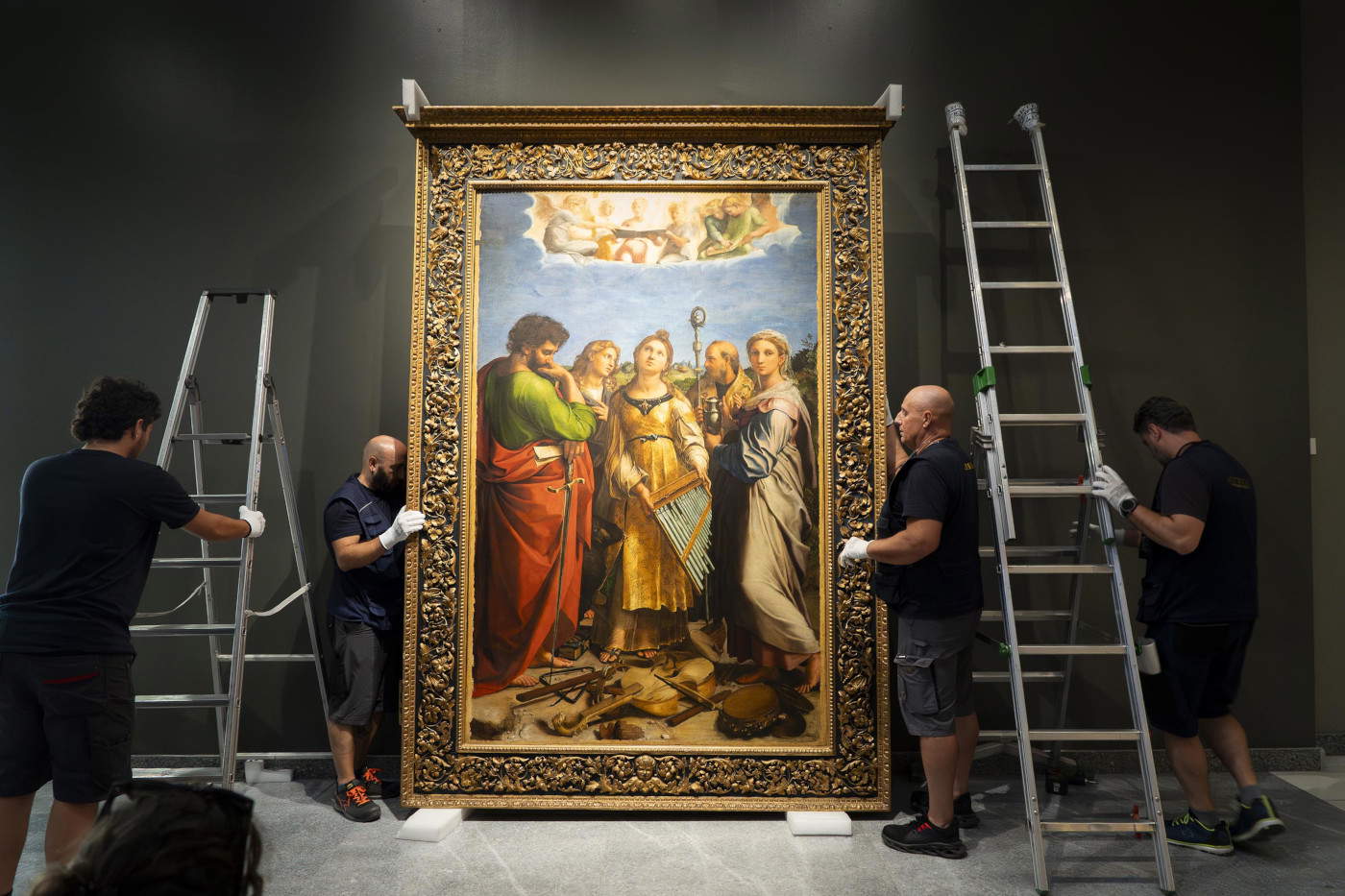
After being loaned to the Metropolitan Museum of Art in New York for the exhibition dedicated to Raphael, *The Ecstasy of Saint Cecilia* is once again on display at the Pinacoteca Nazionale in Bologna.

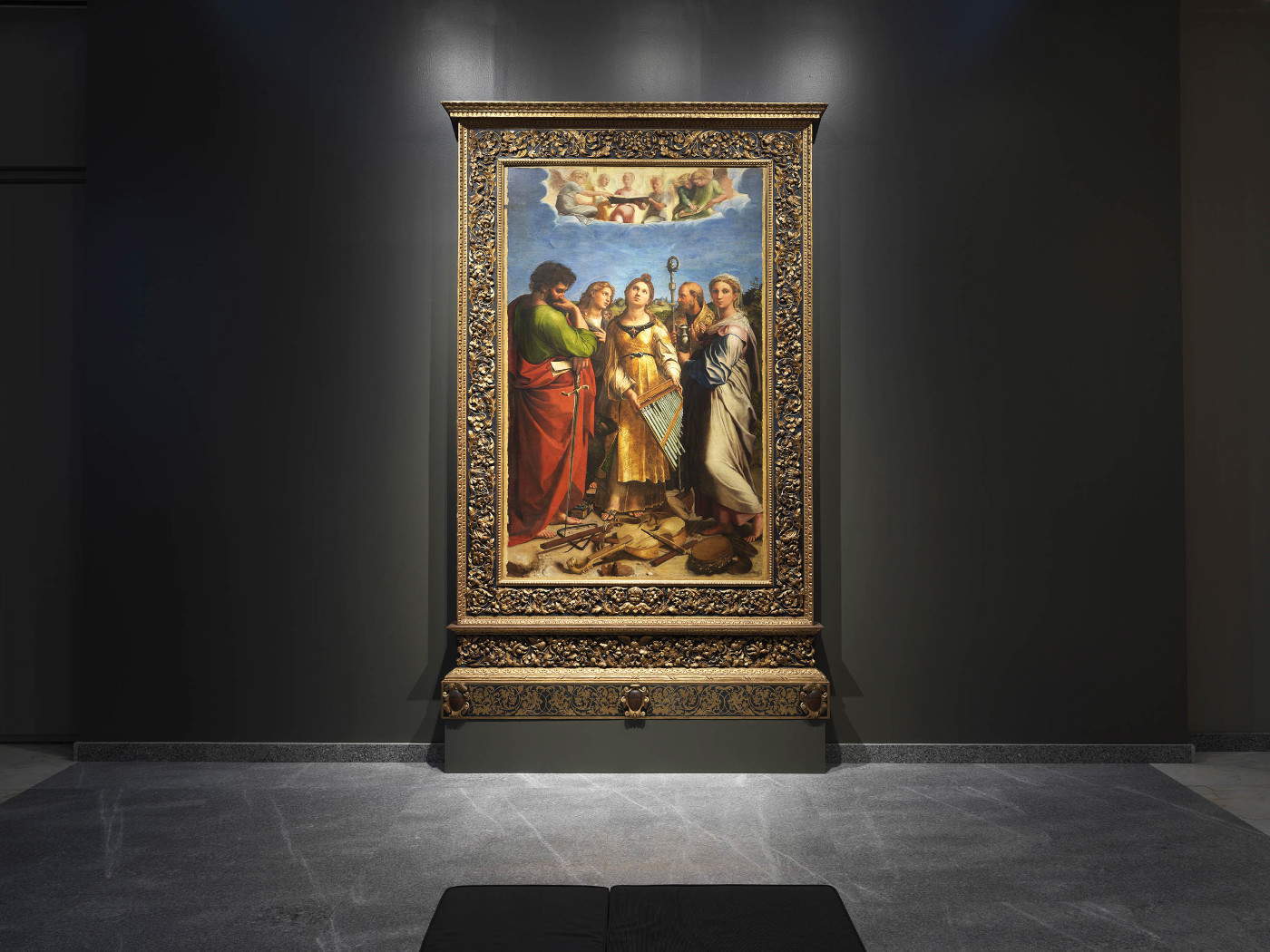
As of Tuesday, July 14, Raphael’s*The Ecstasy of Saint Cecilia* is once again on view in Room 15 of the Renaissance section of the Pinacoteca Nazionale in Bologna, following a stay of more than four months in the United States. The painting had been on loan to the Metropolitan Museum of Art in New York, where it played a prominent role in the exhibition *Raphael: Sublime Poetry*.
The work’s return marks an important moment for the Bologna museum, which is once again welcoming one of the most representative masterpieces in its collections. The American exhibition allowed an international audience to admire one of the finest examples of Raphael’s art, confirming the prestige of the heritage preserved by the Pinacoteca.
Painted in 1518,*The Ecstasy of Saint Cecilia* belongs to the period of the Urbino master’s full artistic maturity. Commissioned for Elena Duglioli’s chapel in the church of San Giovanni in Monte in Bologna, the work is considered one of the pinnacles of Italian Renaissance painting due to the harmony of its composition, its chromatic refinement, and the spiritual intensity that characterize it. The scene depicts Saint Cecilia in a moment of mystical ecstasy, as she gazes upon the choir of angels appearing in the sky—a symbol of celestial music and the divine presence. In her hands she holds a portative organ whose pipes are sliding toward the ground—a detail of strong allegorical significance that evokes the renunciation of earthly things in favor of spiritual contemplation.


At the saint’s feet lie various musical instruments, painted with extraordinary precision by Giovanni da Udine, a student and collaborator of Raphael. Their presence reinforces the symbolic contrast between earthly and divine music, further enriching the iconographic meaning of the composition.
With the returnof *The Ecstasy of Saint Cecilia*, the National Art Gallery of Bologna restores to its exhibition one of the paintings most beloved by visitors, a testament to the extraordinary heights reached by Raphael’s art and to the central role that Bologna plays in the history of the Italian Renaissance.
|
| Raphael's *The Ecstasy of Saint Cecilia* Returns to the National Art Gallery in Bologna |
Warning: the translation into English of the original Italian article was created using automatic tools. We undertake to review all articles, but we do not guarantee the total absence of inaccuracies in the translation due to the program. You can find the original by clicking on the ITA button. If you find any mistake,please contact us.