




by Redazione 15/07/2026



Categories: Ancient art / Disclaimer
Two major conservation projects supported by Save Venice are currently underway at the Doge’s Palace (Venice): a pilot project on the Scala dei Giganti, aimed at researching deterioration processes, and the open-view restoration of Paolo Veronese’s *The Rape of Europa*, which is open to visitors.


Two of the main symbols of the Doge’s Palace in Venice are at the center of two conservation projects that combine scientific research, restoration, and heritage enhancement. Work is currently underway on the monumental Scala dei Giganti and Paolo Veronese’s The Rape of Europa, two projects made possible thanks to the support of the Save Venice preservation committee and contributions from companies and private individuals committed to protecting Venice’s artistic and cultural heritage.


These projects are part of the conservation efforts promoted by the Fondazione Musei Civici di Venezia, which in recent years has strengthened the involvement of private entities in medium- and long-term projects dedicated to safeguarding the city’s collections and monuments. The initiative serves as an example of contemporary patronage aimed at protecting heritage and preserving assets of particular historical and artistic significance.
The first project concerns the Scala dei Giganti, one of the most iconic architectural features of the inner courtyard of the Doge’s Palace. Built between 1486 and 1497 based on a design by Antonio Rizzo and featuring statues of Mars and Neptune sculpted by Jacopo Sansovino, the staircase served as the Doge’s privileged access to his private apartments and was also the grand entrance used to welcome diplomatic delegations visiting the palace. Even today, it remains one of the defining elements of the building’s Renaissance façade.


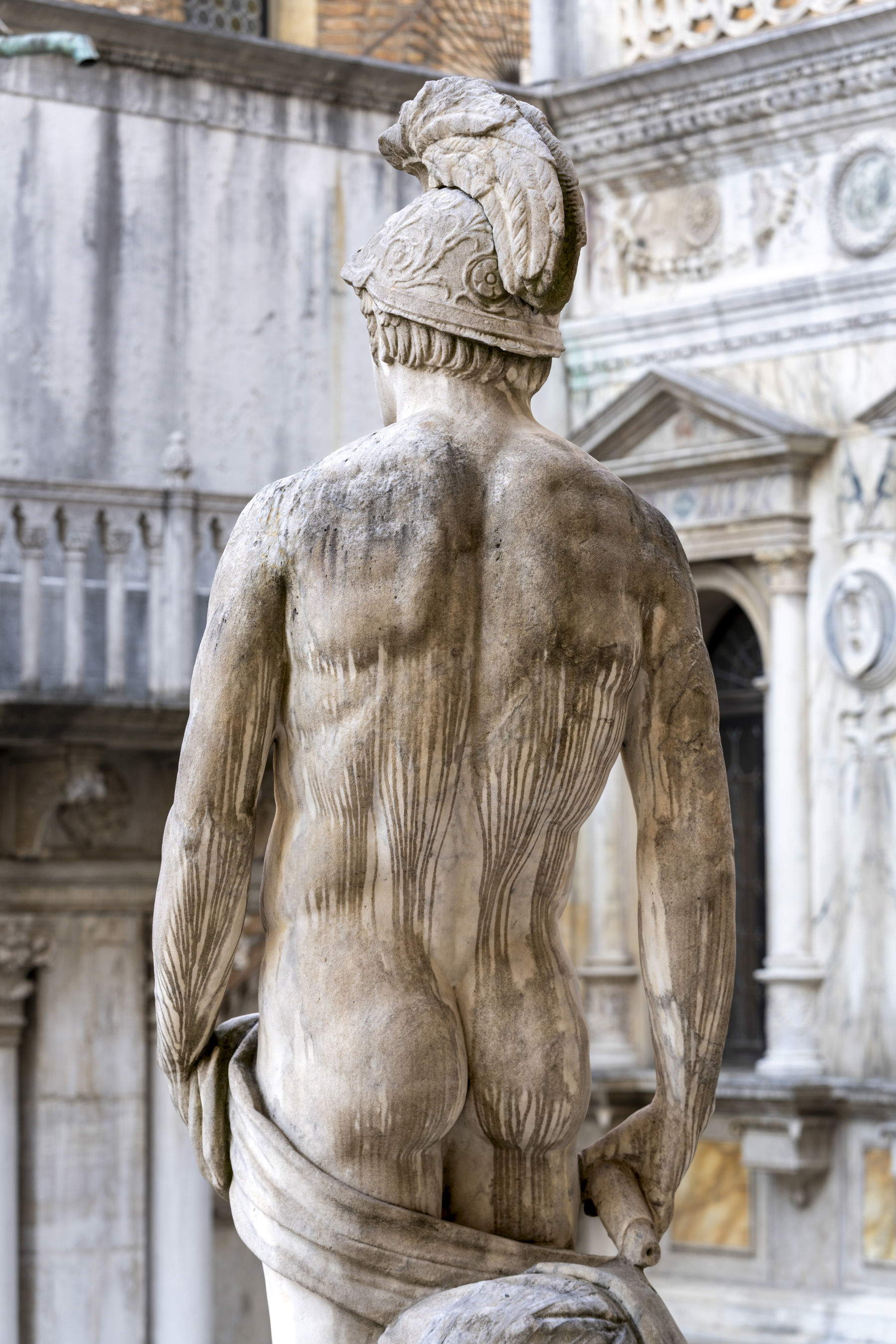
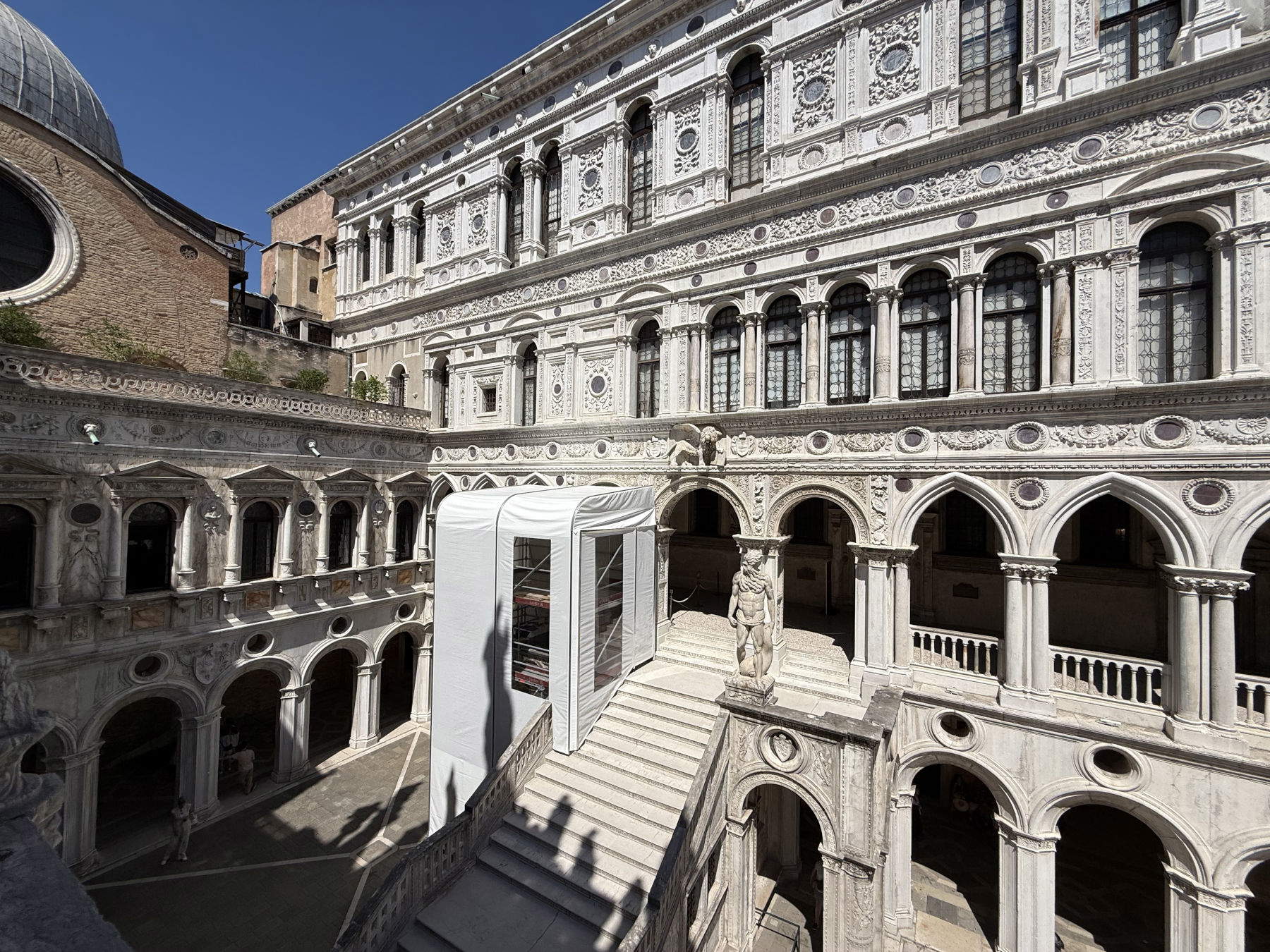
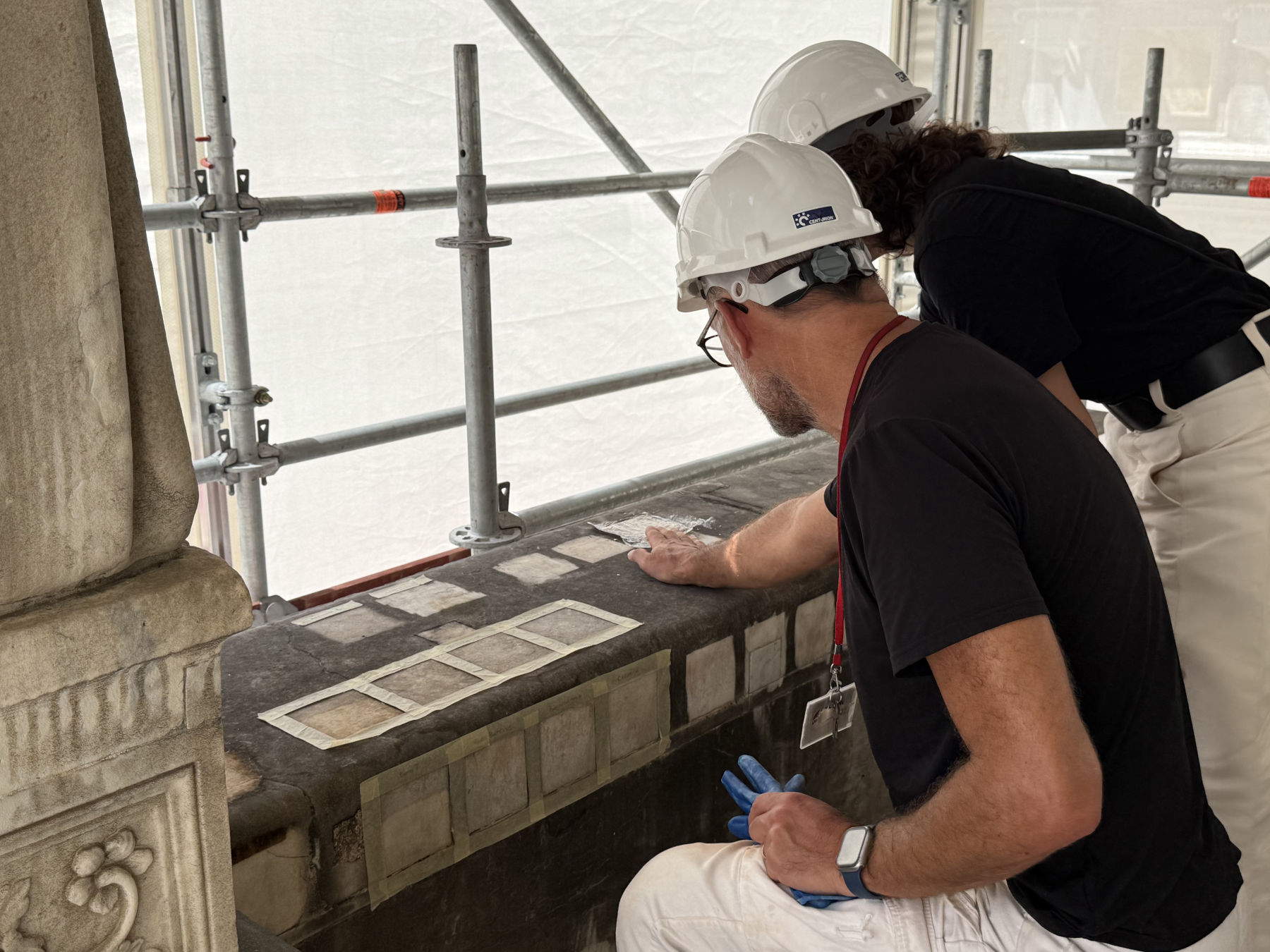
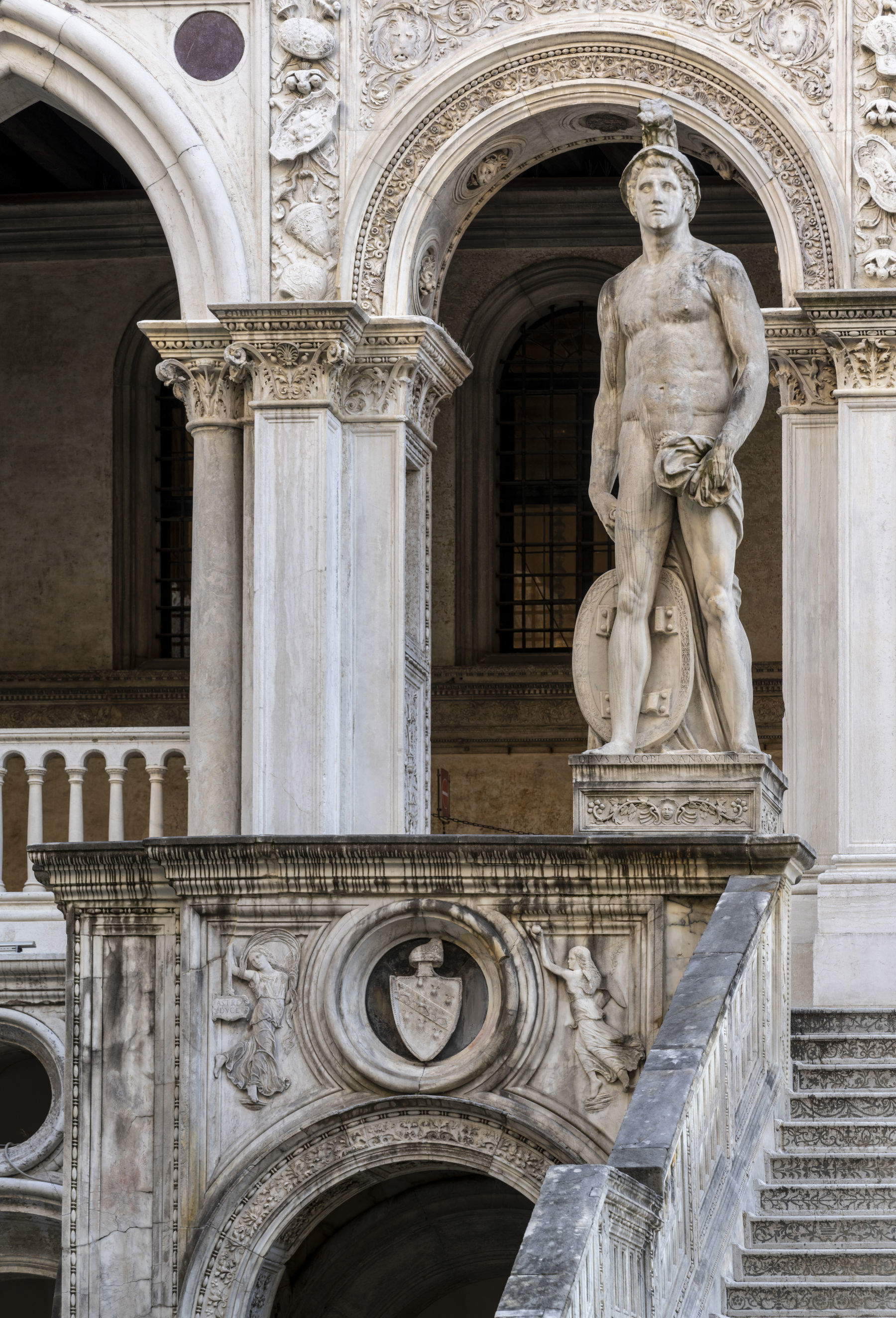
The monument, built primarily of crystalline marble, is nevertheless particularly fragile. Although it has already undergone two restoration campaigns over the past forty years, it continues to show periodic signs of deterioration whose cause has not yet been fully clarified. According to scholars, the deterioration could be due both to the materials used in previous interventions and to changes in the environmental and climatic conditions affecting the lagoon city.
For this reason, a pilot restoration project has been launched, serving as a true laboratory for applied research in preventive conservation. The goal is to investigate the causes of the deterioration through diagnostic analyses and to test operational protocols intended to guide future scheduled maintenance activities. The project also aims to produce results that can be applied to other stone structures in Venice.
The work will take place over approximately six months, during the most favorable season from a climatic standpoint. Subsequently, after verifying the effectiveness of the tested methodologies on the sample surfaces by the end of winter, it will be possible to plan the final interventions based on the results obtained.
The diagnostic phase is supervised by CNR ICMATE in Padua and will also provide data useful for studying the impact of environmental changes on historic materials. The analyses will also allow for a comparison of the results with those from other sites facing similar challenges. The cost for this initial phase is estimated at approximately 96,000 euros. The project is funded by Save Venice Inc. and the Save Venice–ETS Foundation, with support from The Gritti Palace, a Luxury Collection Hotel, Venice.
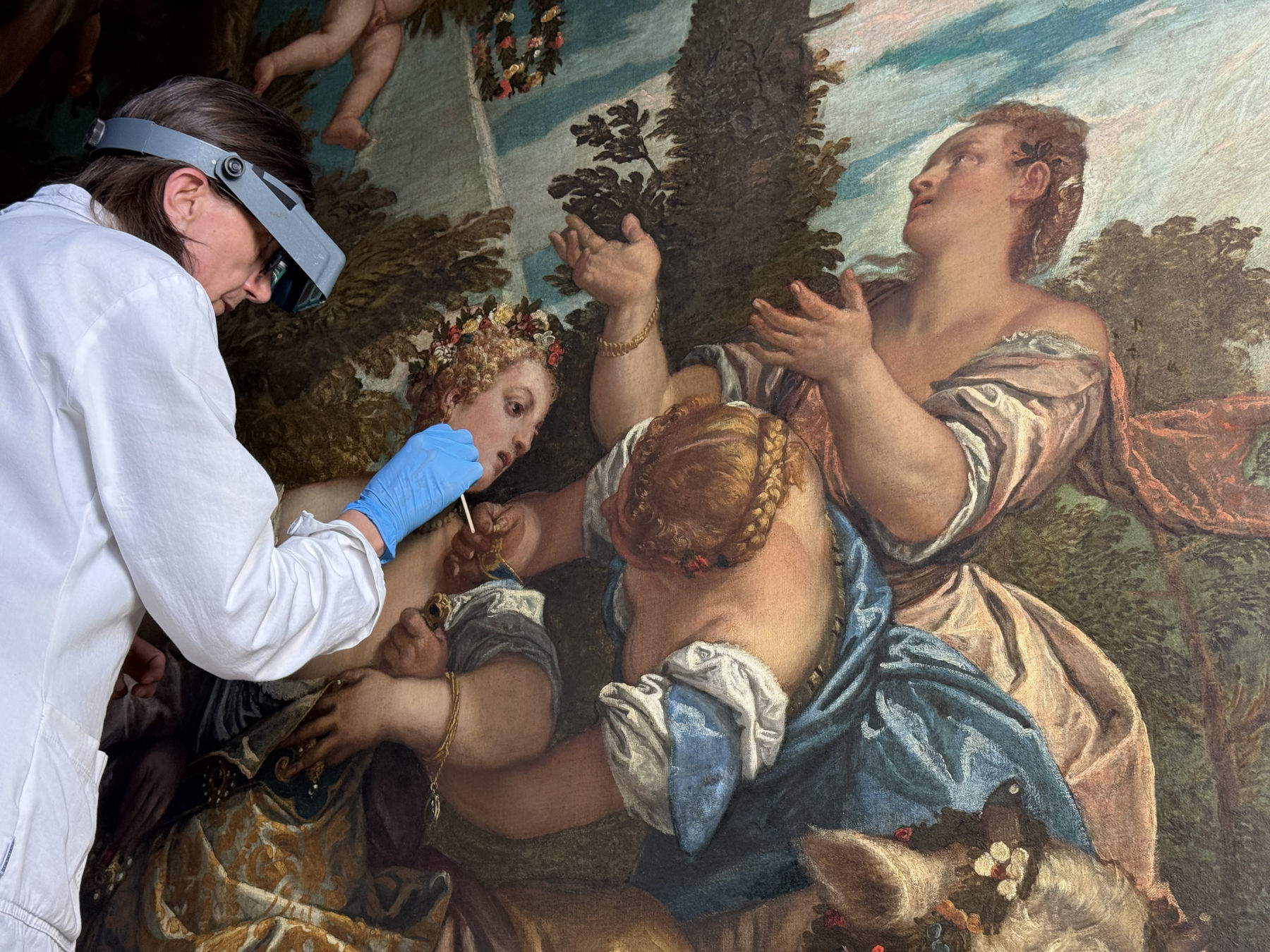
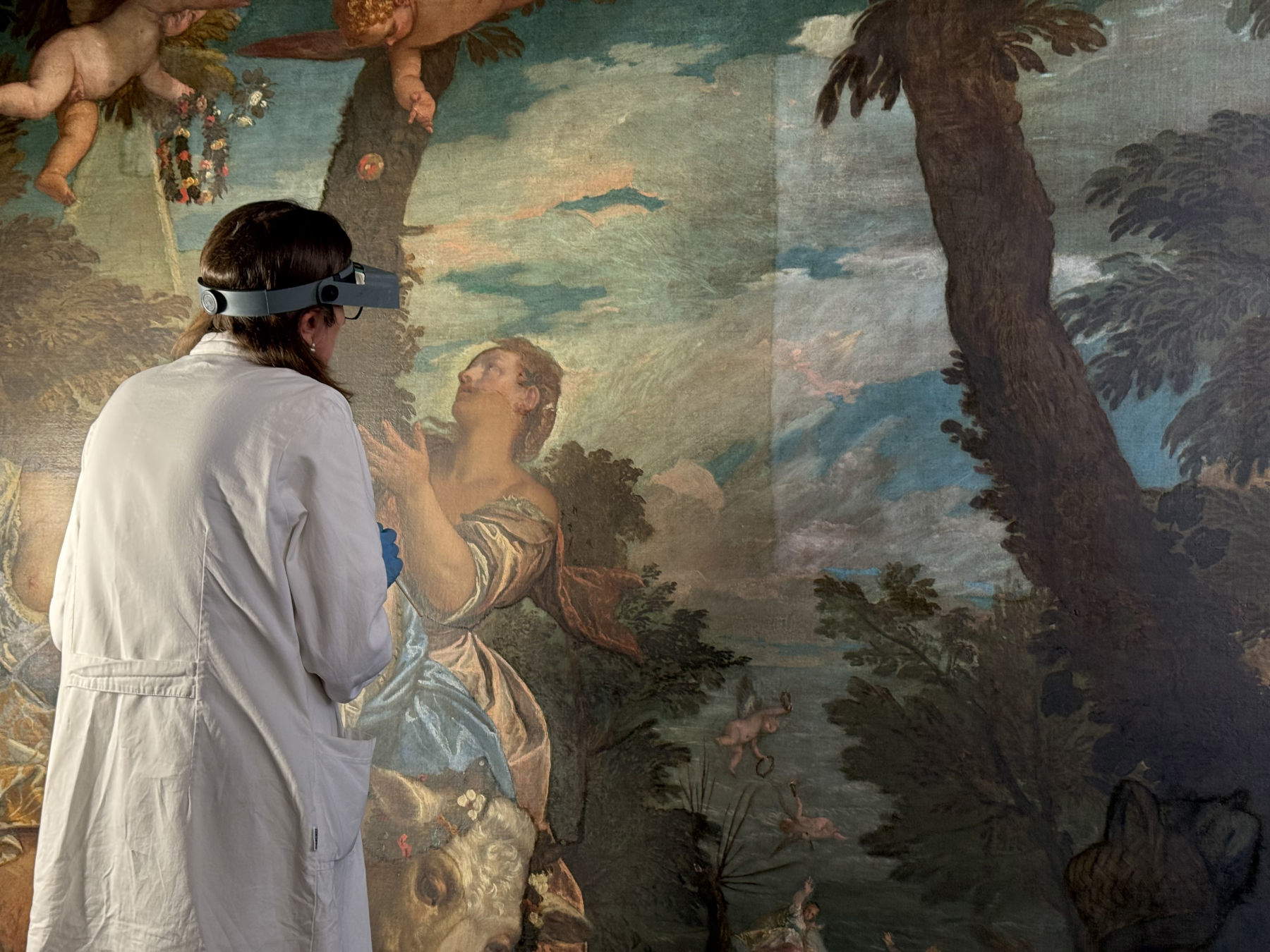
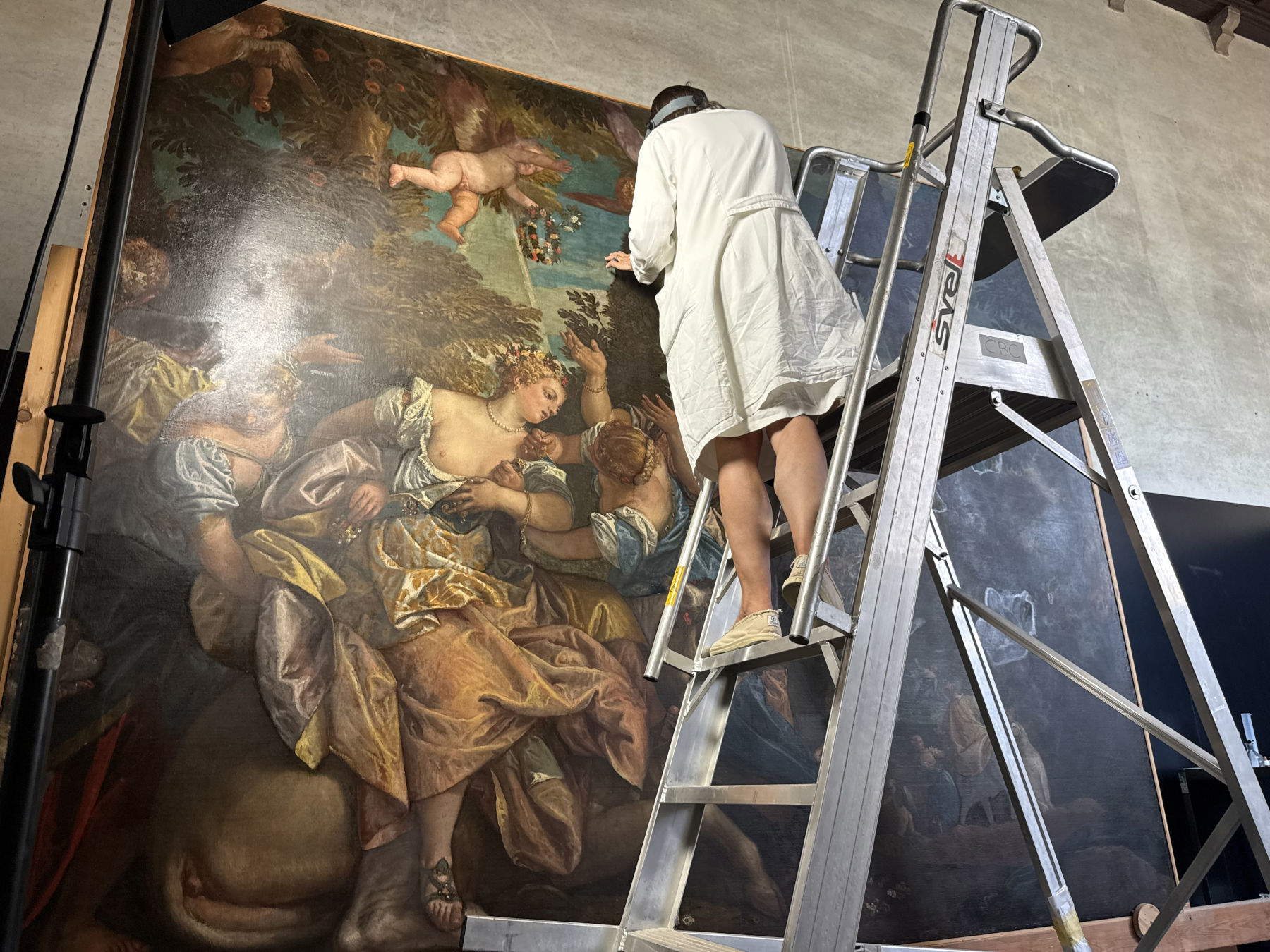
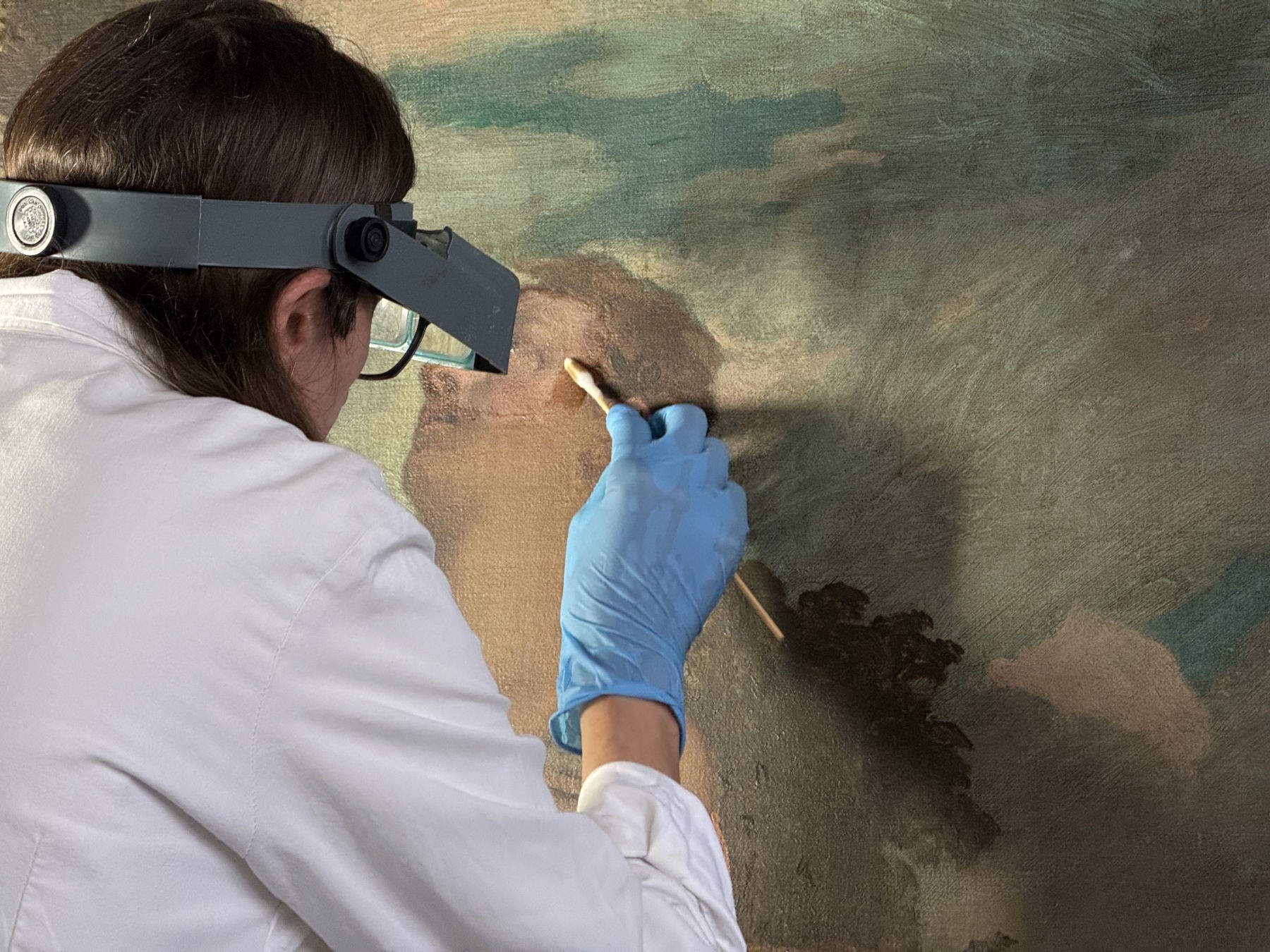
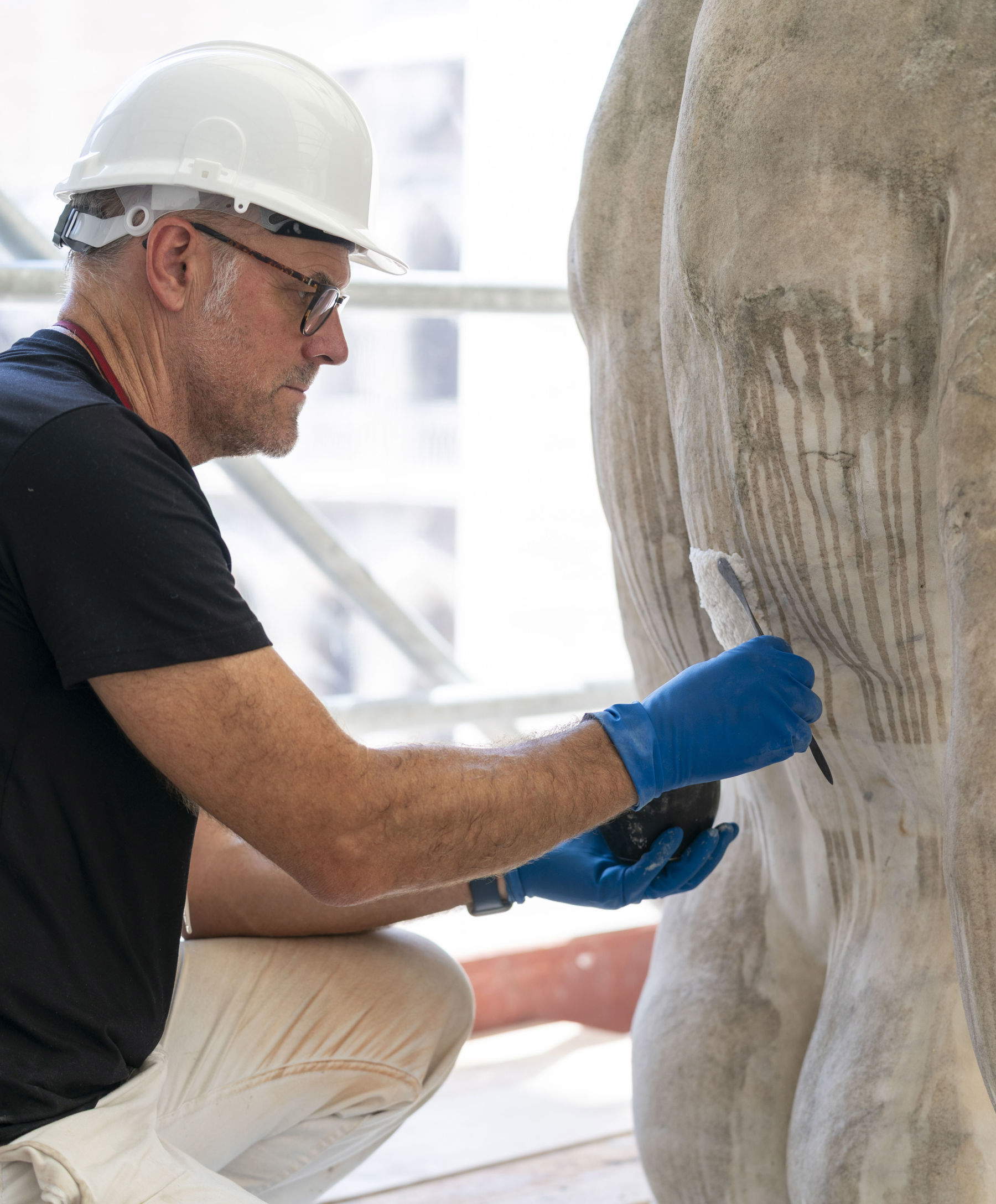
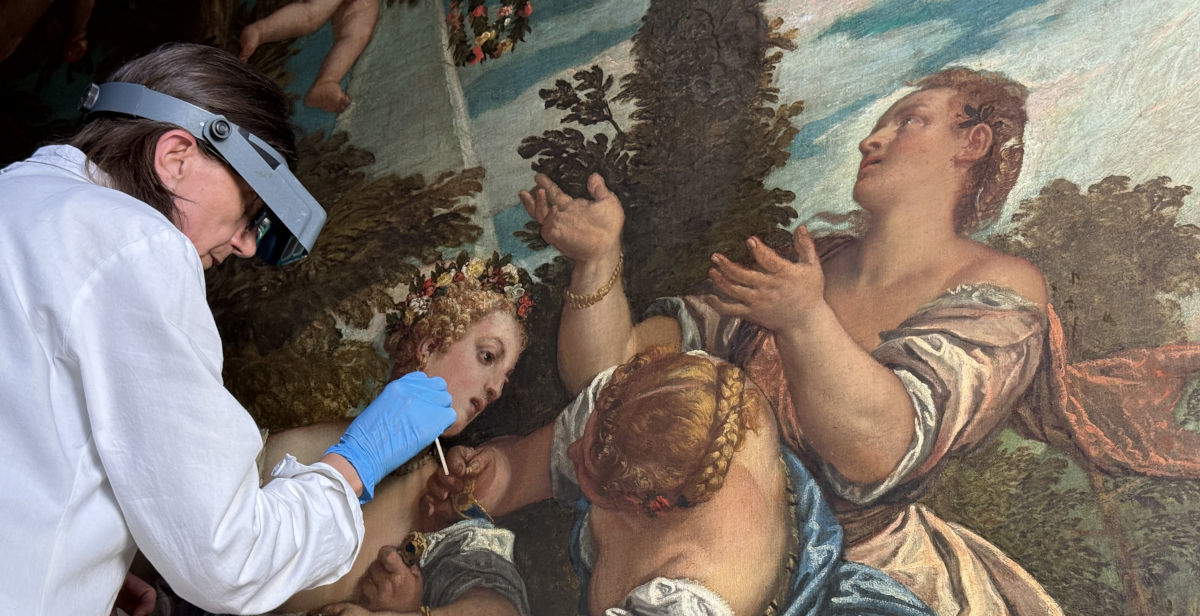
At the same time, restoration of *The Rape of Europa*, the famous painting by Paolo Veronese, is continuing. Visitors can view the work in progress thanks to a workshop set up along the tour route of the Doge’s Palace, in the so-called Liagò, just before the Hall of the Great Council. The restoration site has been designed as an open workshop, allowing the public to directly follow the various stages of the project and observe the restorers at work. The initiative thus offers the opportunity to gain firsthand insight into the methods used in the conservation of works of art and to understand the procedures necessary to preserve a painting of particular importance.
The restoration is currently focused on removing the varnishes applied during the 1971 restoration, which have deteriorated over time, causing the painted surface to become dull. The cleaning process will restore the original luminosity of Veronese’s color palette and reestablish the work’s proper chromatic balance. During the six months scheduled for the project, work will continue on the pictorial integration of the missing areas and the application of the final varnish, which is necessary to ensure the protection of the surface and the proper visibility of the painting. This project is also supported by Save Venice Inc., thanks to a contribution from Rebecca Nemser.
 |
| Venice: The Staircase of the Giants and Veronese’s “The Rape of Europa” Are Being Restored at the Doge’s Palace |
Warning: the translation into English of the original Italian article was created using automatic tools. We undertake to review all articles, but we do not guarantee the total absence of inaccuracies in the translation due to the program. You can find the original by clicking on the ITA button. If you find any mistake,please contact us.