





Archaeological surveys in the Mediterranean Sea off the coast of Alexandria, Egypt, have unearthed new ceramic and glass artifacts, providing further evidence to help reconstruct the history of the ancient city. The news was announced by the Egyptian Ministry of Tourism and Antiquities, which reported on the results of the activities conducted in the Eastern Port of Alexandria by a joint mission of the European Institute of Underwater Archaeology and the General Department of Underwater Antiquities (Supreme Council of Antiquities).
The Minister of Tourism and Antiquities, Sherif Fathy, visited the excavation site to monitor the progress of the research. On this occasion, he emphasized the complexity of archaeological investigations at submerged sites, which require specialized technical and operational expertise, as well as meticulous recording and documentation of the artifacts. The minister also highlighted the scientific value of these activities in expanding knowledge of the history and civilization of Alexandria across different eras.
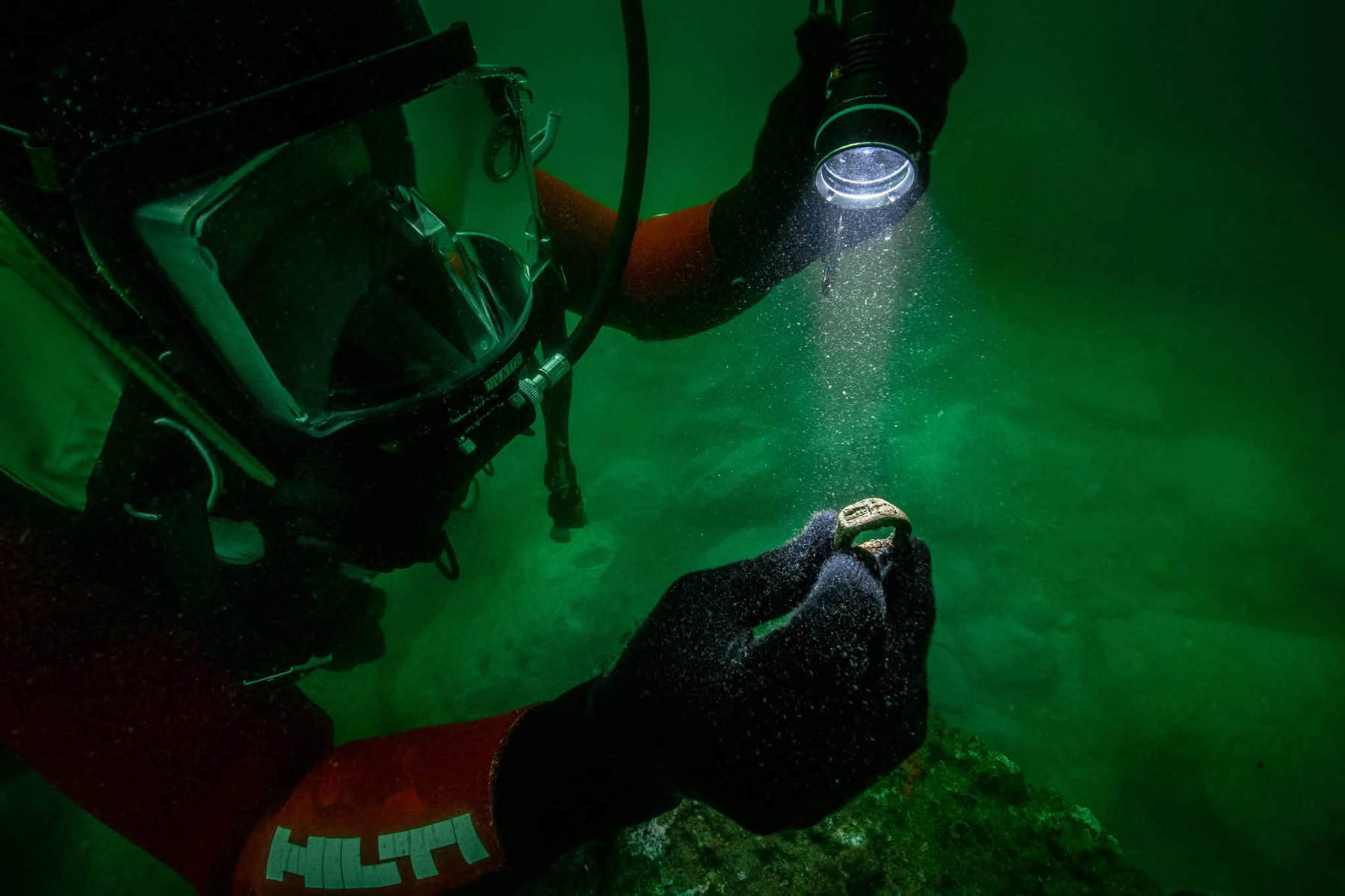
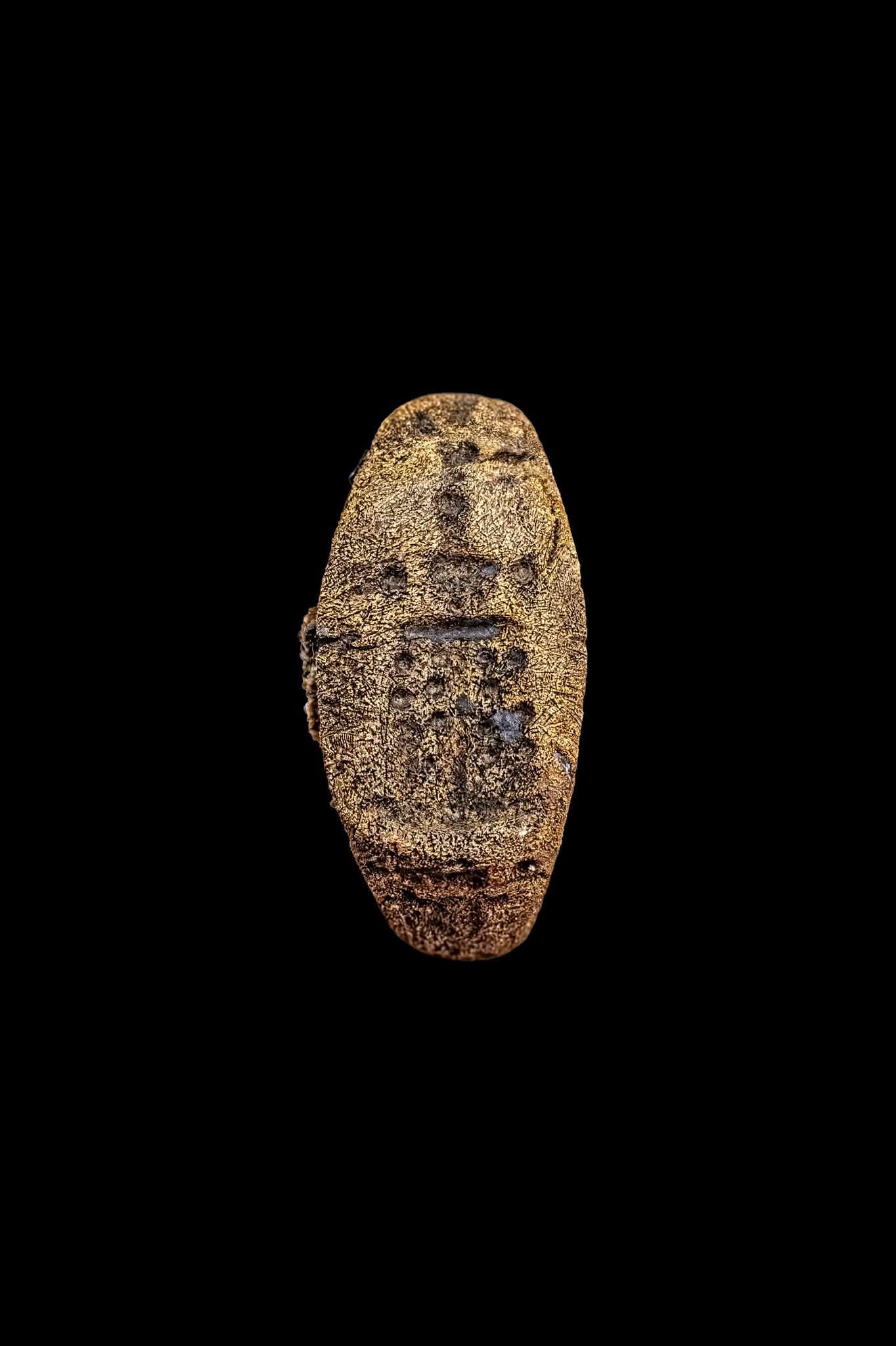
Among the mission’s most recent findings is a bronze signet ring engraved with the Lighthouse of Alexandria, one of the most famous structures of the ancient world. This was reported by Hisham El-Leithy, secretary general of the Supreme Council of Antiquities, who specified that the object was discovered at the site of the royal island of Antirhodos, part of the ancient royal quarter of Alexandria within the Portus Magnus area.
The image of the Lighthouse bears similarities to those found on certain coins dating to the 2nd century A.D. According to El-Leithy, the find is exceptional because it is the first known image of the monument engraved on a seal. The discovery could also provide insights into how long the palace of Antirhodos remained in use; the geographer and historian Strabo saw and described it during his journey to Egypt, undertaken between 29 and 25 B.C. The complex may have remained in use until the 2nd century A.D. for administrative purposes, possibly also related to the management of the Lighthouse.
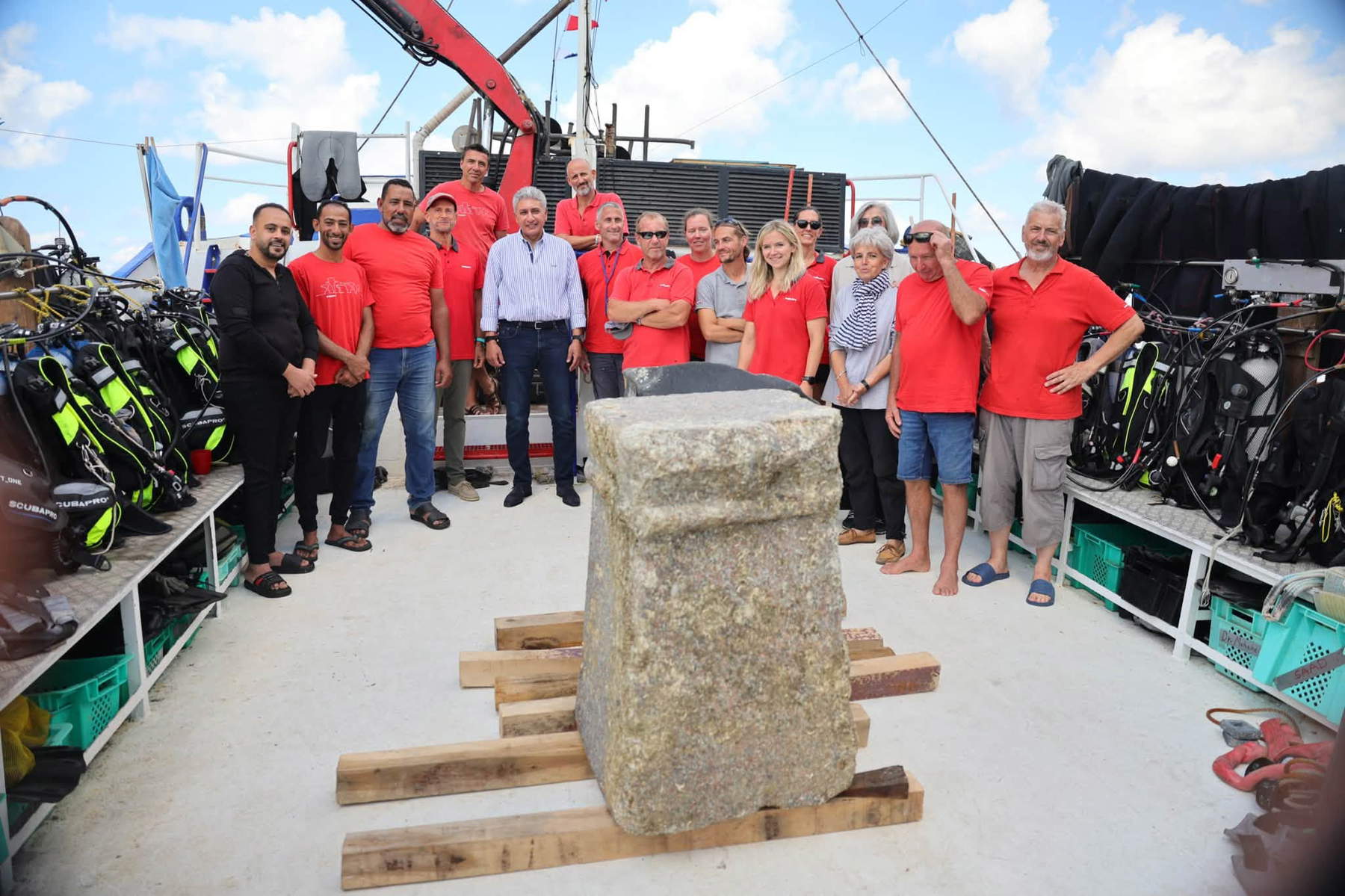
Frank Goddio, director of the European Institute of Underwater Archaeology and head of the excavation mission, explained that the research has yielded several findings of scientific and archaeological interest. The current campaign focuses on four areas of the Eastern Harbor: the Temple of Isis, the palace site, and the western promontory on the royal island of Antirhodos, the remains of the obelisk, and the Timonium, identified as Antony’s palace.
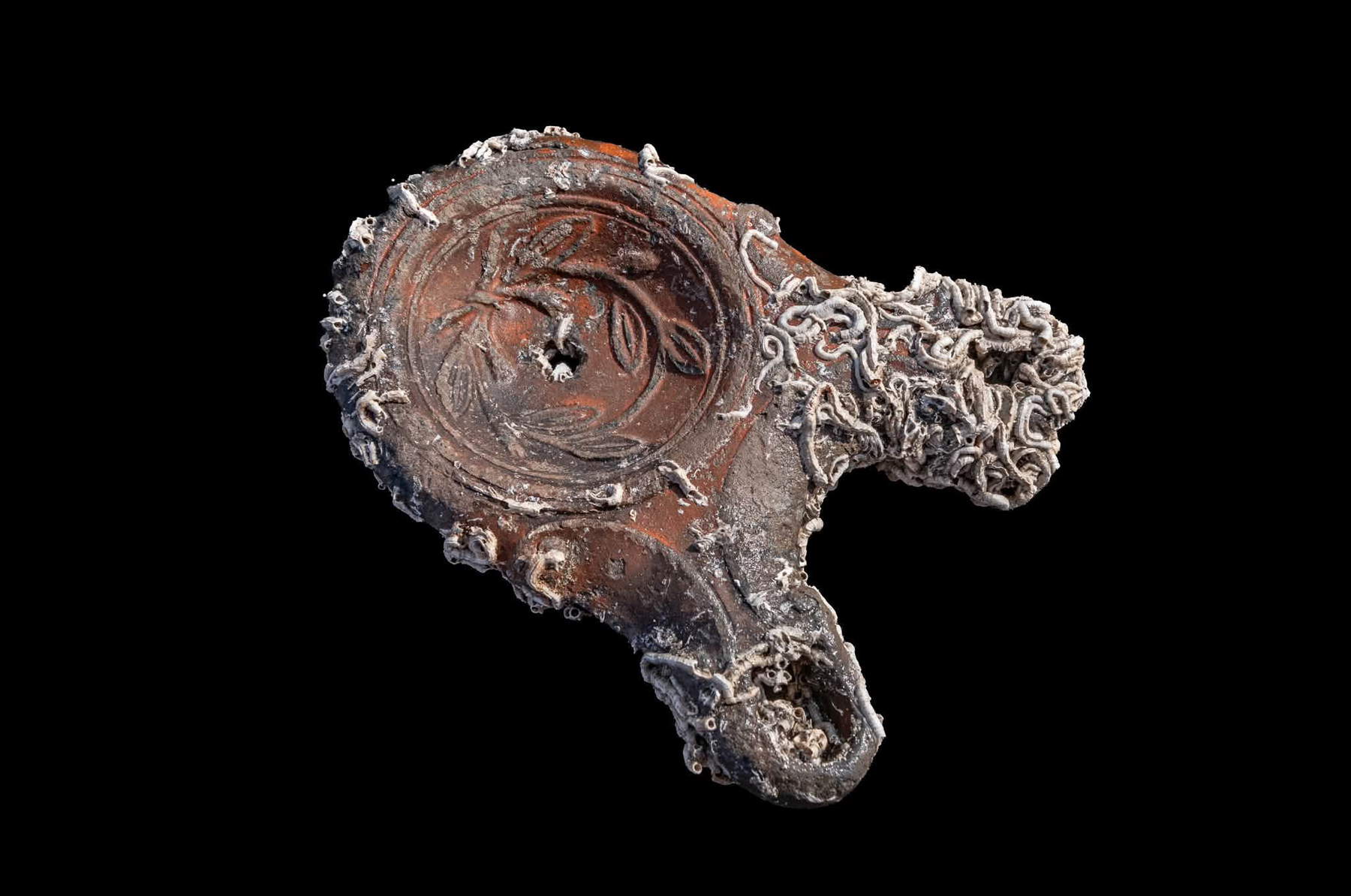
The recovered materials include ceramic artifacts dating from various periods, ranging from the 4th century B.C. to the 4th century A.D. Among these are objects intended for everyday use, tableware, amphorae, vessels, bottles, and oil lamps, as well as fragments of glass containers. The chronological and typological variety of the artifacts provides a valuable source for studying the activities carried out in the port area and the transformations that Alexandria has undergone over the centuries. Once the campaign in the Eastern Harbor is complete, the mission will continue its investigations at the Abu Qir Bay site, another area of great interest for Egyptian archaeology.
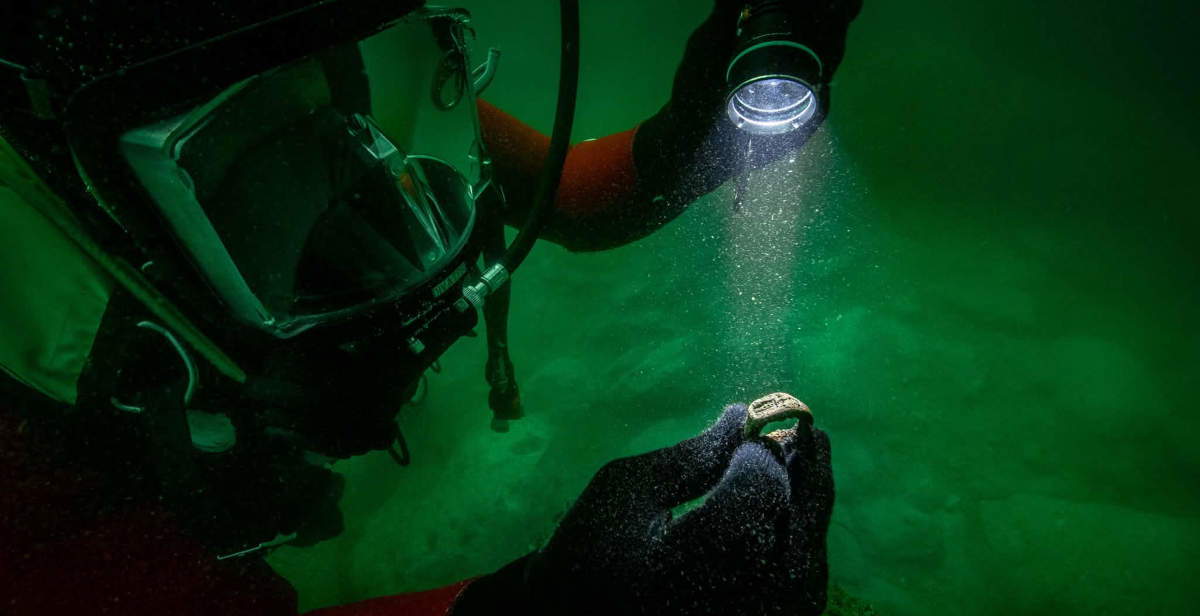 |
| Alexandria, Egypt: A ring featuring the ancient Lighthouse resurfaces from the sea along with new artifacts |

Warning: the translation into English of the original Italian article was created using automatic tools. We undertake to review all articles, but we do not guarantee the total absence of inaccuracies in the translation due to the program. You can find the original by clicking on the ITA button. If you find any mistake,please contact us.



























 IT
IT FR
FR DE
DE ES
ES CN
CN


