




by Noemi Capoccia 13/07/2026



Categories: Archaeology / Disclaimer
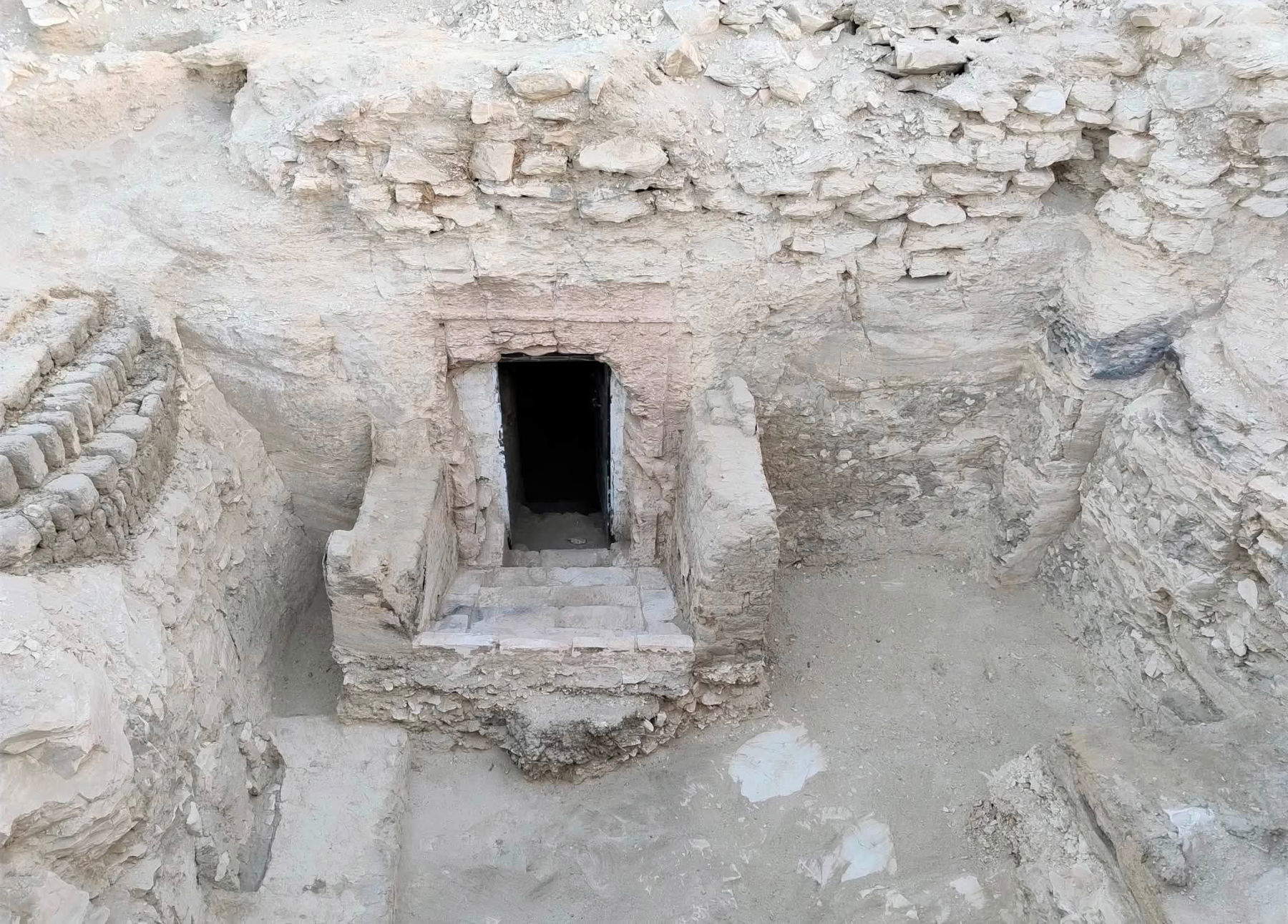
The Dutch archaeological mission from Leiden University has identified a tomb in the Sheikh Abd el-Qurna necropolis, on the west bank of Luxor. The decorations suggest that it dates to the Ramesside period.


A new tomb has been discovered in the Theban necropolis of Sheikh Abd el-Qurna, on the west bank of Luxor, Egypt. The discovery was made during the current excavation campaign by the Dutch archaeological mission working in the area, led by Karina van den Hoeven of Leiden University.


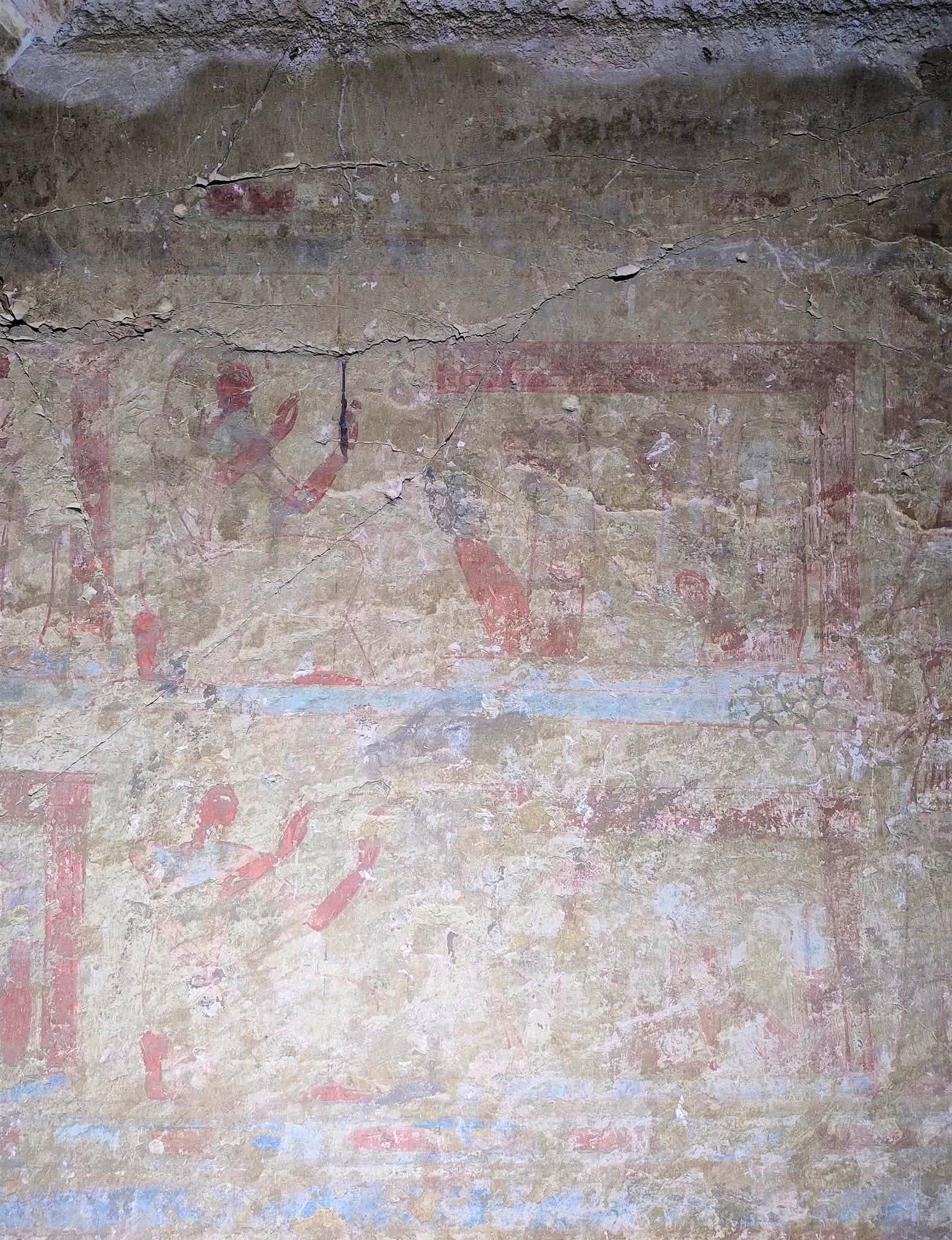
The tomb is located in the lower part of Sheikh Abd el-Qurna, east of Theban Tomb No. 45, where the research team has been conducting an archaeological and field project in collaboration with the Egyptian Ministry of Tourism and Antiquities since 2018. The project aims to implement preventive conservation and risk management programs in the area, as well as to prepare the first comprehensive archaeological study of the site. Analysis of the inscriptions found in the tomb revealed that it belonged to an individual named Paser. Based on the artistic style of the decorations, scholars have also hypothesized that it dates to the Ramesside period.


According to the Ministry of Tourism and Antiquities, the research team will continue to study and document the funerary complex with the aim of identifying the individuals buried within it and reconstructing their biographical profiles. The study will also analyze the tomb within its historical and archaeological context to explore the relationship between the burials in the area and the surrounding environment, thereby contributing to our understanding of the historical and cultural evolution of Sheikh Abd el-Qurna.

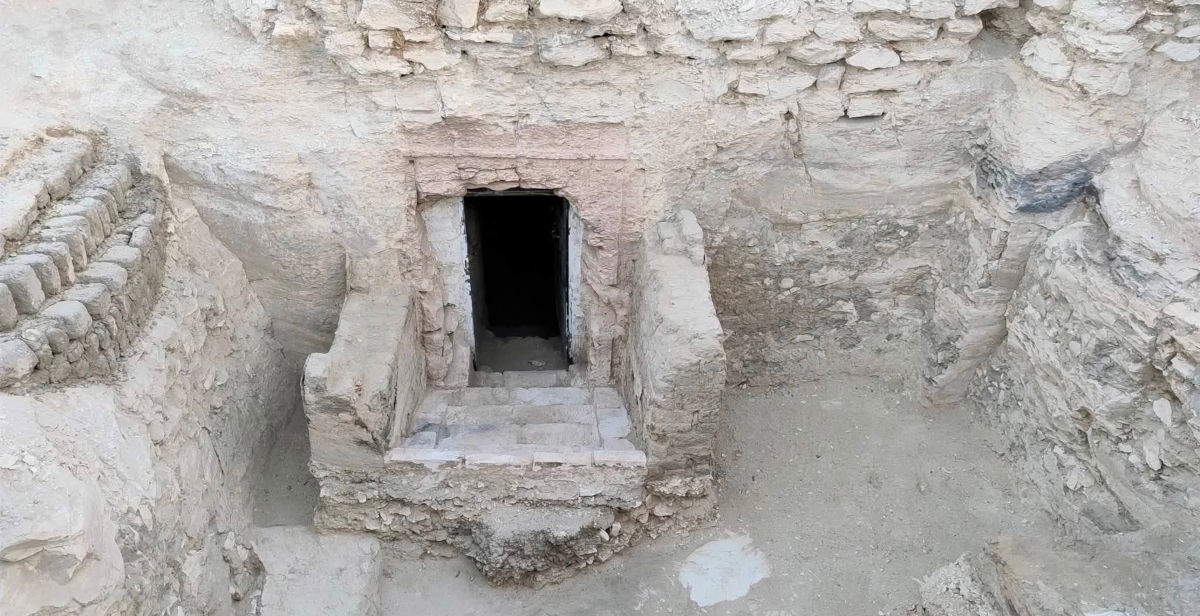
The tomb’s architectural structure, as explained by Mohamed Abdel Badie, head of the Egyptian Antiquities Sector of the Supreme Council of Antiquities, corresponds to the model commonly found in private Theban tombs of the New Kingdom. The complex includes an outer courtyard, a rock-cut chapel with an inverted T-shaped plan, and underground burial chambers.
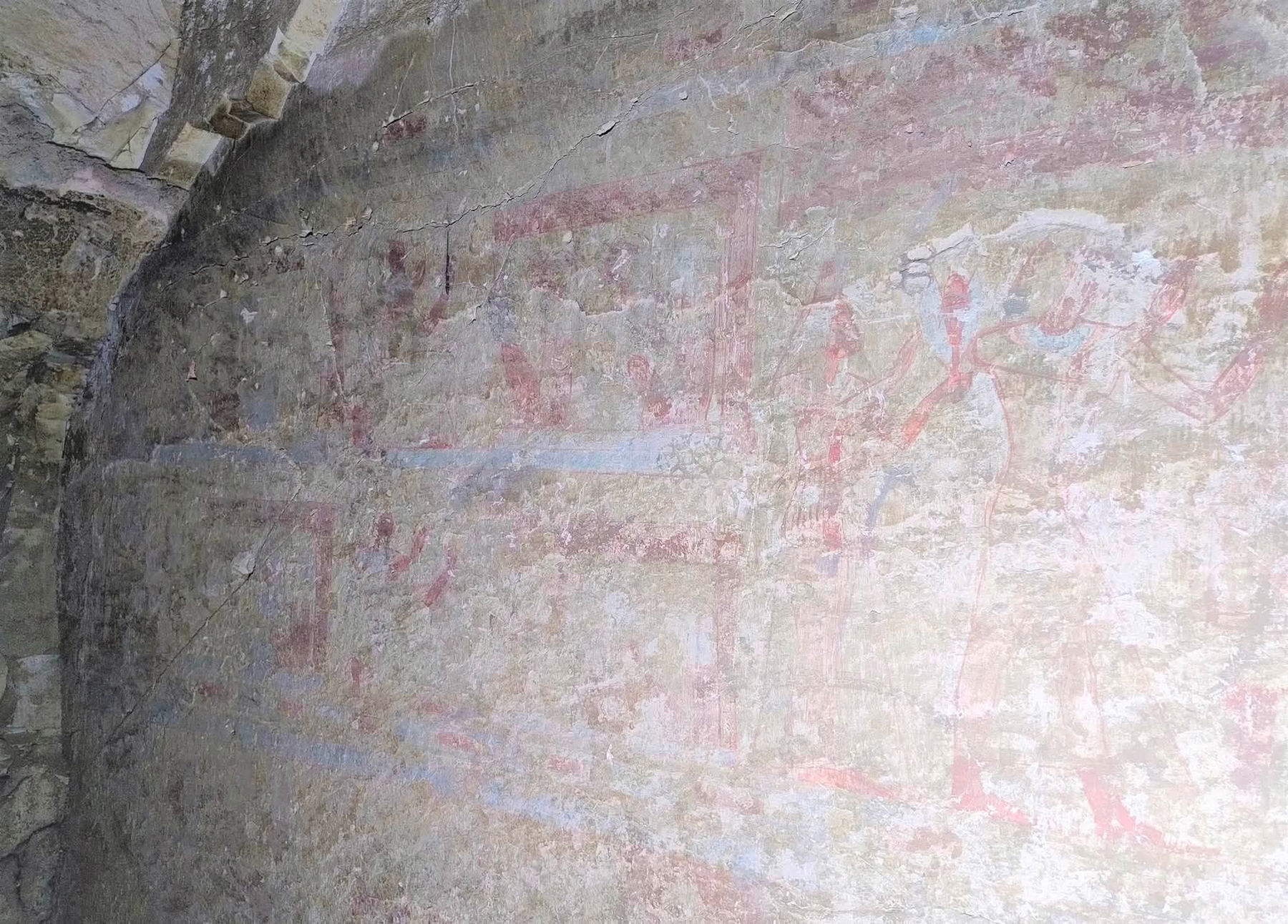
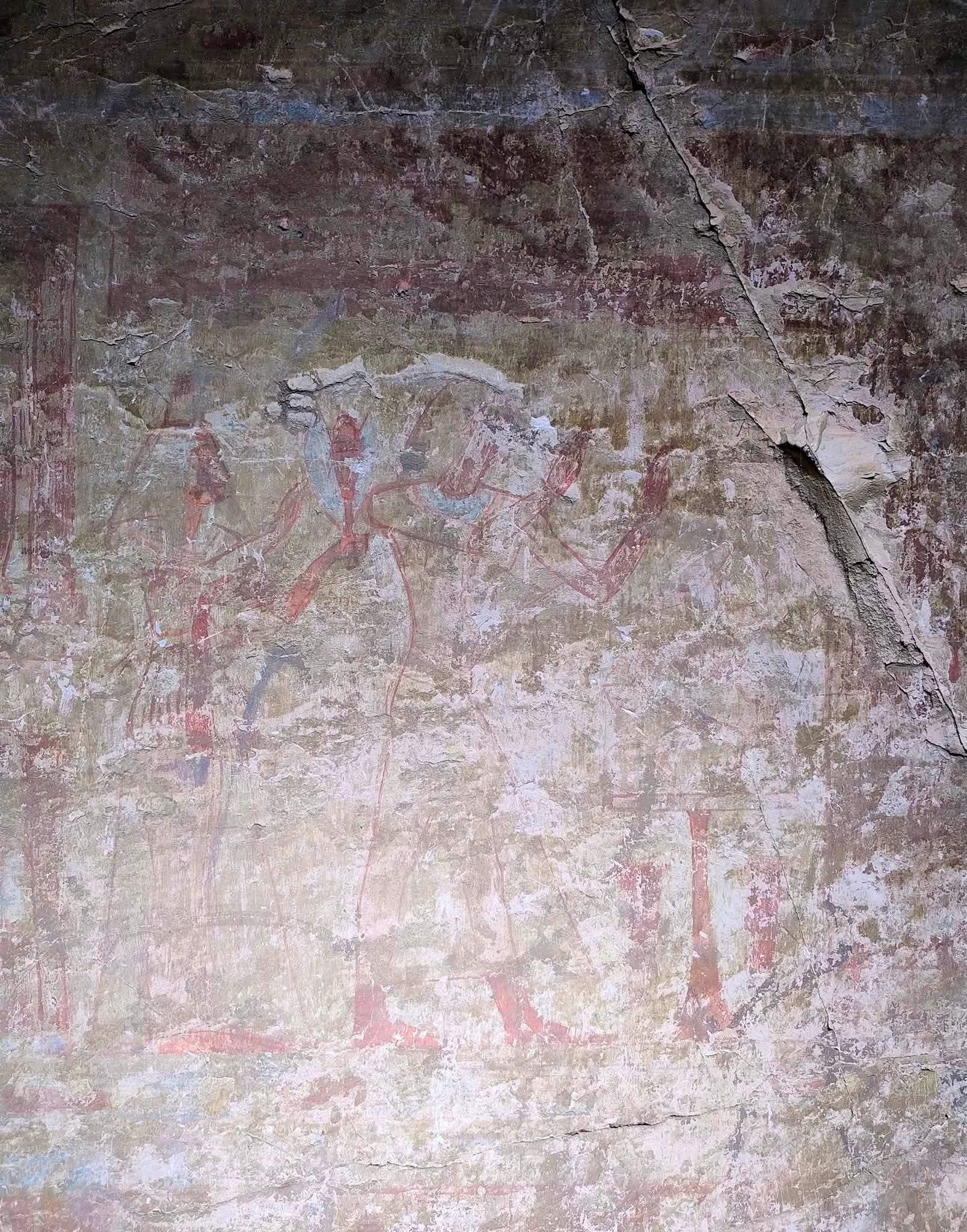
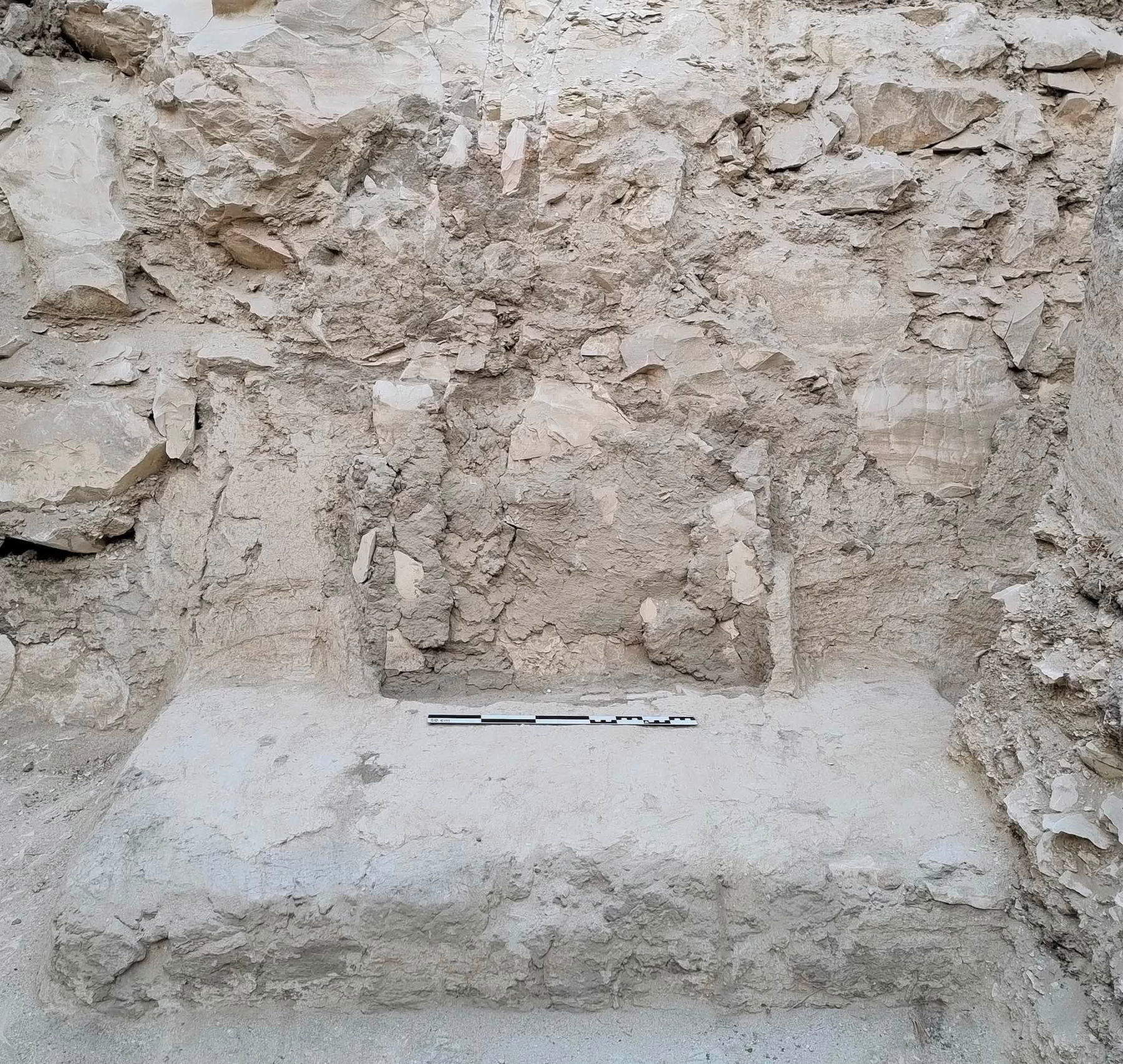
The courtyard preserves several architectural elements, including a mud-brick platform with a central opening intended for a funerary stele and a staircase flanked by side ramps leading to the tomb’s entrance. The interior decorations feature the name of Paser repeatedly and show traces of wall paintings still preserved beneath a thin layer of earthy deposits. The scenes depict the tomb’s owner worshiping various deities inside sanctuaries and appearing with his wife before an offering table.
The expedition led by Karina van den Hoeven has announced that upcoming field seasons will include structural consolidation, maintenance, and restoration of the tomb’s polychrome decorations, along with the continuation of archaeological research in the area.
 |
| Egypt: A New Theban Tomb Discovered in Luxor—It Belonged to a Man Named Paser |
Warning: the translation into English of the original Italian article was created using automatic tools. We undertake to review all articles, but we do not guarantee the total absence of inaccuracies in the translation due to the program. You can find the original by clicking on the ITA button. If you find any mistake,please contact us.