





A new excavation campaignin the Bahariya Oasis in Egypt has led to the discovery of numerous tombs and a significant collection of archaeological artifacts. The excavation is being led by Sabri Farag, Director General of Antiquities for the Bahariya Oasis. The discovery was welcomed by Minister of Tourism and Antiquities Sherif Fathy, who emphasized the importance of the work carried out by Egyptian and foreign archaeological missions conducting research in the area. According to the minister, the find is of particular interest because it adds new evidence to the history of the Bahariya Oasis and helps shed further light on certain aspects of Egyptian civilization.
The Secretary-General of the Supreme Council of Antiquities, Hisham El-Leithy, explained that archaeologists have identified three tombs, each differing in structure and chronology. The first is a collective tomb carved into the sandstone, likely belonging to a family of five. The second, which is undecorated, is believed to date from the Roman period and features a structure characterized by a staircase. The third, on the other hand, is another collective tomb, likely Roman, built in a shaft-like configuration.
Mohamed Abdel-Badi, head of the Egyptian Antiquities Sector at the Supreme Council of Antiquities, provided a detailed description of the structure of the first tomb. It consists of a square shaft approximately three meters deep, at the base of which there are two burial chambers. The first, on the western side, is a small rectangular room. Inside, a limestone sarcophagus was found containing a mummy wrapped in linen bandages. The sarcophagus was placed within a niche carved into the floor of the chamber, an arrangement consistent with the typical placement of sarcophagi found in Late Period tombs at the site. The second chamber, located on the northern side of the shaft, is larger and has a rectangular floor plan. Archaeologists believe it was intended for the burial of the other members of the family. In fact, four limestone coffins were found inside, each containing a mummy wrapped in linen bandages. The total number of burials—five—therefore reinforces the hypothesis that the tomb was intended for a single family unit.
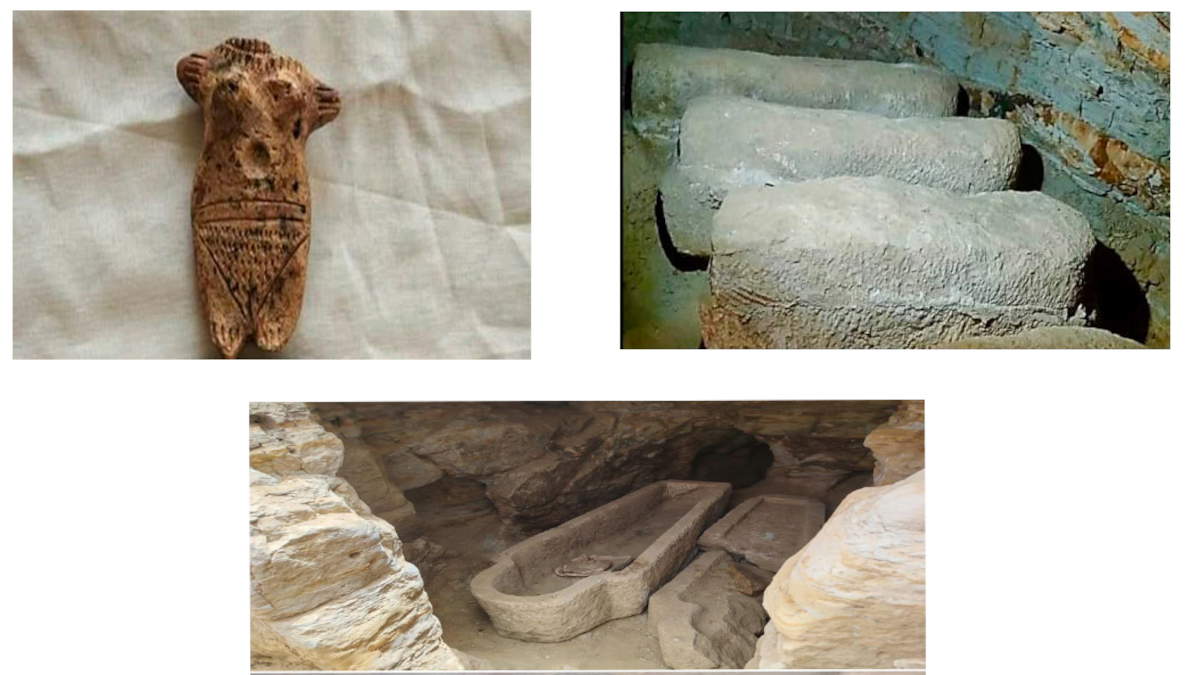
The second burial site features a small shaft leading to a staircase consisting of three steps. The staircase leads to a burial chamber. However, based on the archaeological evidence gathered during the excavations, scholars believe that this tomb was never actually used for burials. The absence of decorations and its architectural features have led to its dating to the Roman period.
The third tomb has a more complex structure. It consists of a rectangular shaft with an entrance at the bottom leading to a small, uncovered chamber. According to archaeologists, this chamber may have been used during the funeral rite to temporarily house the mummy before its transfer to its final resting place, inside one of the tomb’s chambers. The chamber leads to two other rooms. The first, on the southern side, contained fragments of a terracotta sarcophagus. The second, located on the eastern side, contained a limestone sarcophagus, parts of whose lid were missing.
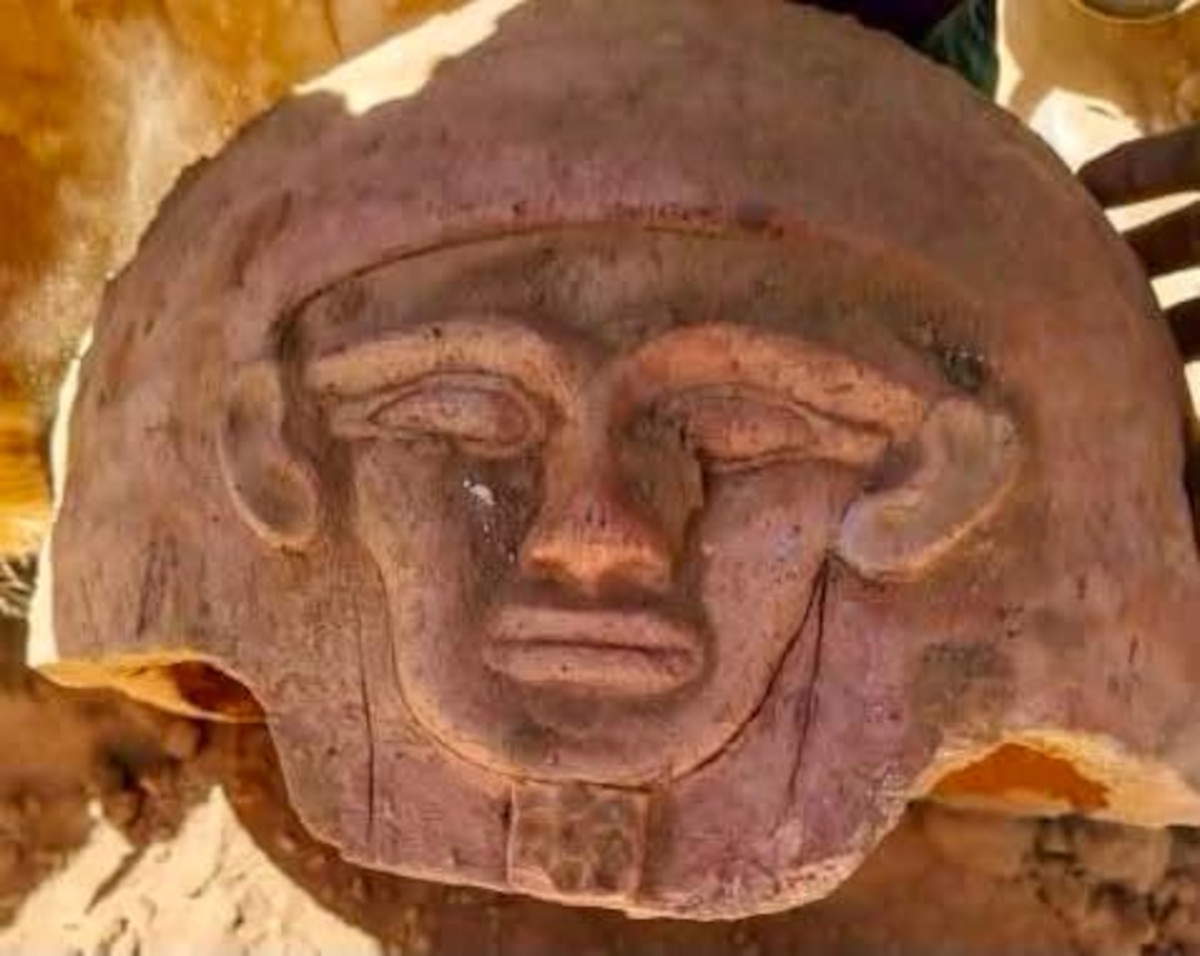
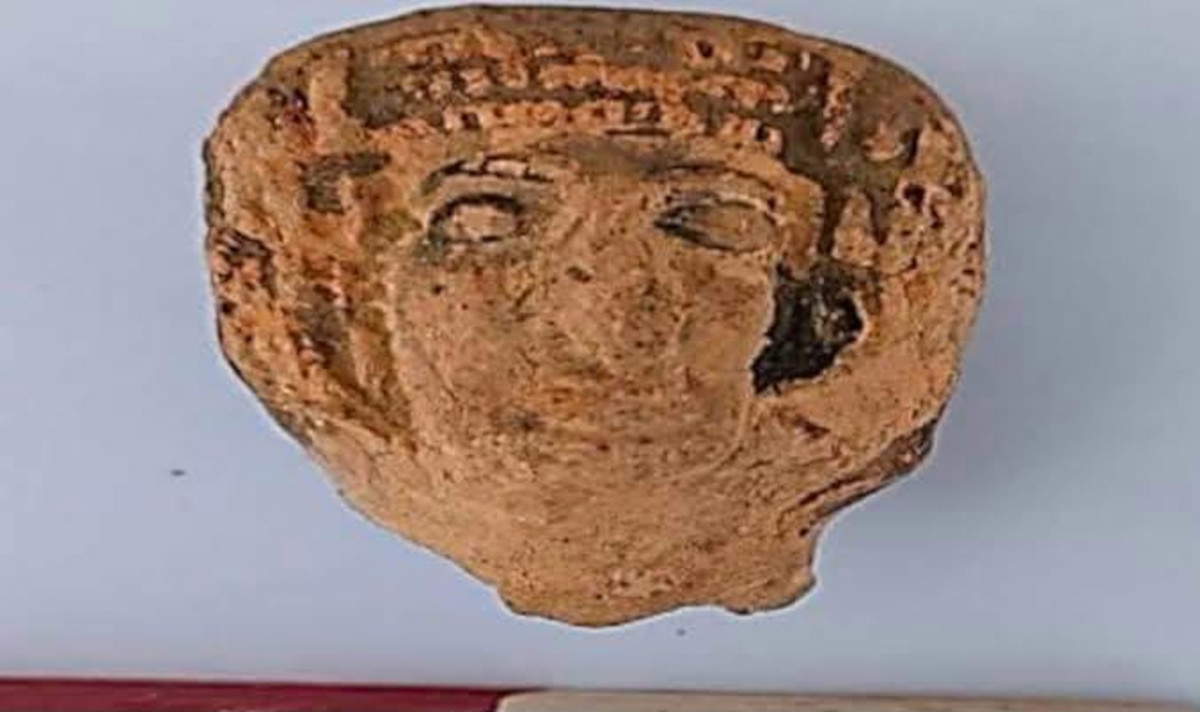
Of particular interest is the presence of four small entrances arranged on the east, north, and west sides of the shaft. Excavations conducted at the eastern entrance revealed a lateral burial. Inside, a cylindrical terracotta sarcophagus was found, now broken into several pieces. The lid features a depiction of a human face with well-defined features, an element that adds particular interest to the discovery and provides further insight into the funerary practices of the time.
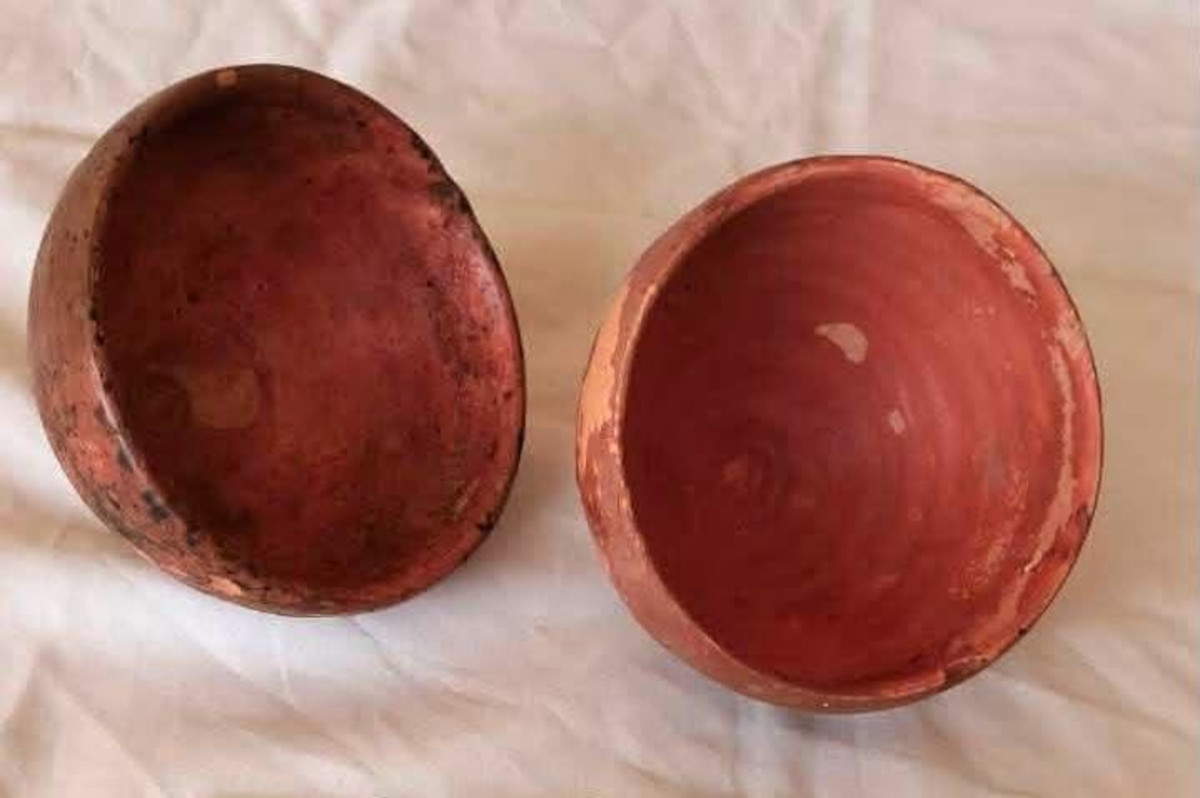
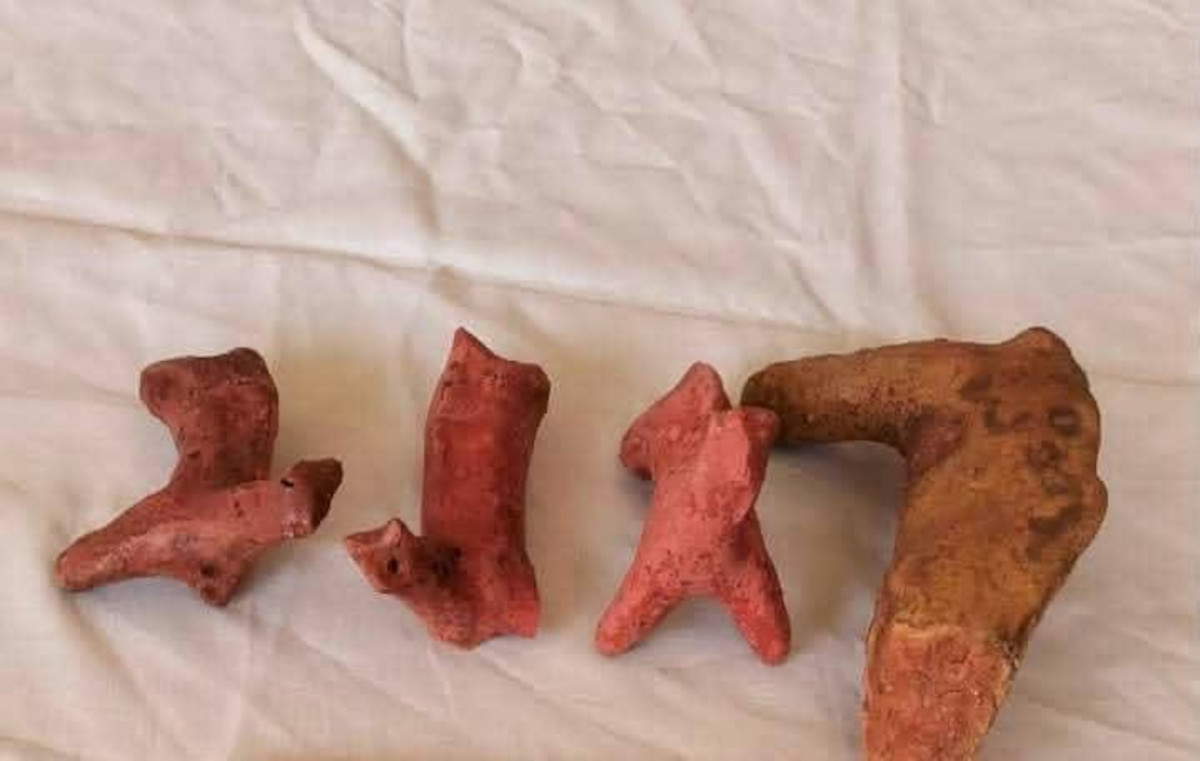
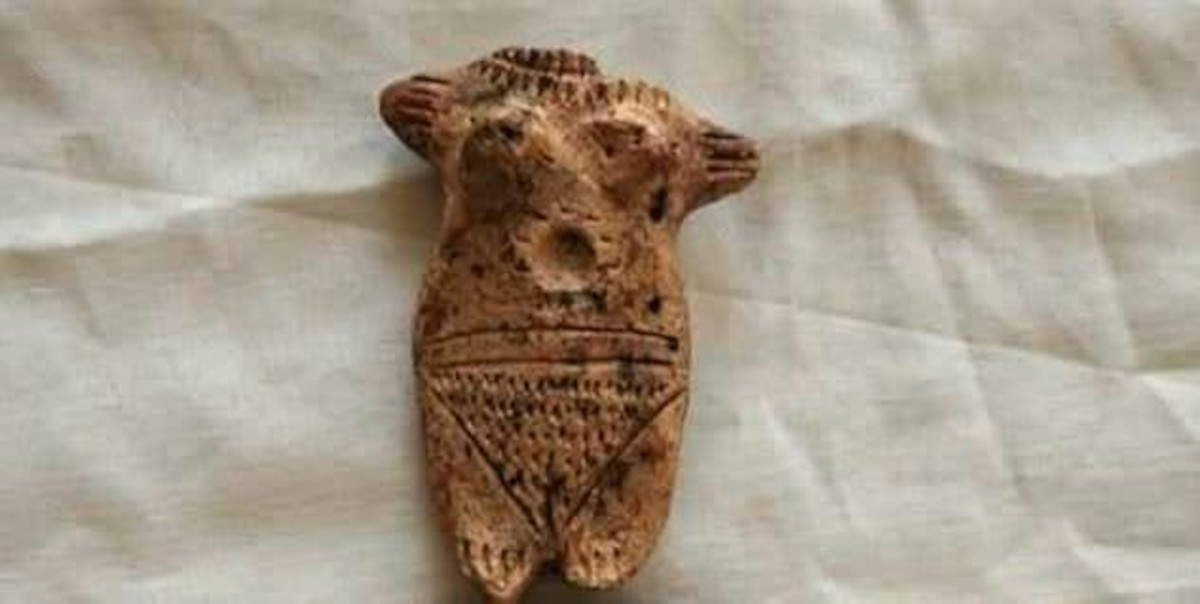
Qutb Fawzi, head of the Central Administration of Antiquities in Cairo and Giza, also announced the discovery of numerous artifacts. Among the recovered items is a diverse collection of ceramic vessels, small bottles, and plates of various shapes and sizes. Archaeologists have also uncovered several votive tablets made of limestone and sandstone, along with numerous small votive statuettes made of fired terracotta. Among these are statuettes depicting maternal figures and others characterized by stylized animal forms. Taken together, these artifacts help paint a more detailed picture of the ritual and funerary practices that characterized the site throughout various historical periods.
Sabri Farag, Director General of Antiquities for the Bahariya Oasis, confirmed that archaeological work will continue in the coming seasons. The site’s significance and the quantity of artifacts still buried underground make it necessary to continue the excavations. Archaeologists hope that future excavations will uncover additional tombs, helping to identify the successive generations that inhabited the oasis and to reconstruct its history more accurately.
The Sheikh Subi site includes the necropolis of the rulers and priests of the Bahariya Oasis during the Late Period. The necropolis was excavated within the archaeological mound known as Sheikh Subi, considered one of the oasis’s most important sites precisely because of the presence of tombs belonging to the local political and religious elite. The archaeological complex also includes the Bawiti Temple, built during the 26th Dynasty by the governor of the Bahariya Oasis, Djed Khonsu-Iuf-Ankh, in honor of King Ahmose II.
These new discoveries thus help to enrich our understanding of an area of great significance for the history of ancient Egypt, offering new insights into the communities that inhabited the oasis, their funerary rituals, and the long-term evolution of the region.
|
| Egypt: New Discoveries in the Bahariya Oasis—Three Tombs and Numerous Archaeological Artifacts Unearthed |

Warning: the translation into English of the original Italian article was created using automatic tools. We undertake to review all articles, but we do not guarantee the total absence of inaccuracies in the translation due to the program. You can find the original by clicking on the ITA button. If you find any mistake,please contact us.






















 IT
IT FR
FR DE
DE ES
ES CN
CN


