




The eleventh excavation campaign in the Hellenistic-Roman quarter of Agrigento has come to a close, the result of a collaboration launched in 2016 between the University of Bologna’s Ravenna Campus and the Valley of the Temples Archaeological and Landscape Park. The investigations have yielded new evidence useful for reconstructing the evolution of ancient Agrigentum from late antiquity through the early Middle Ages.
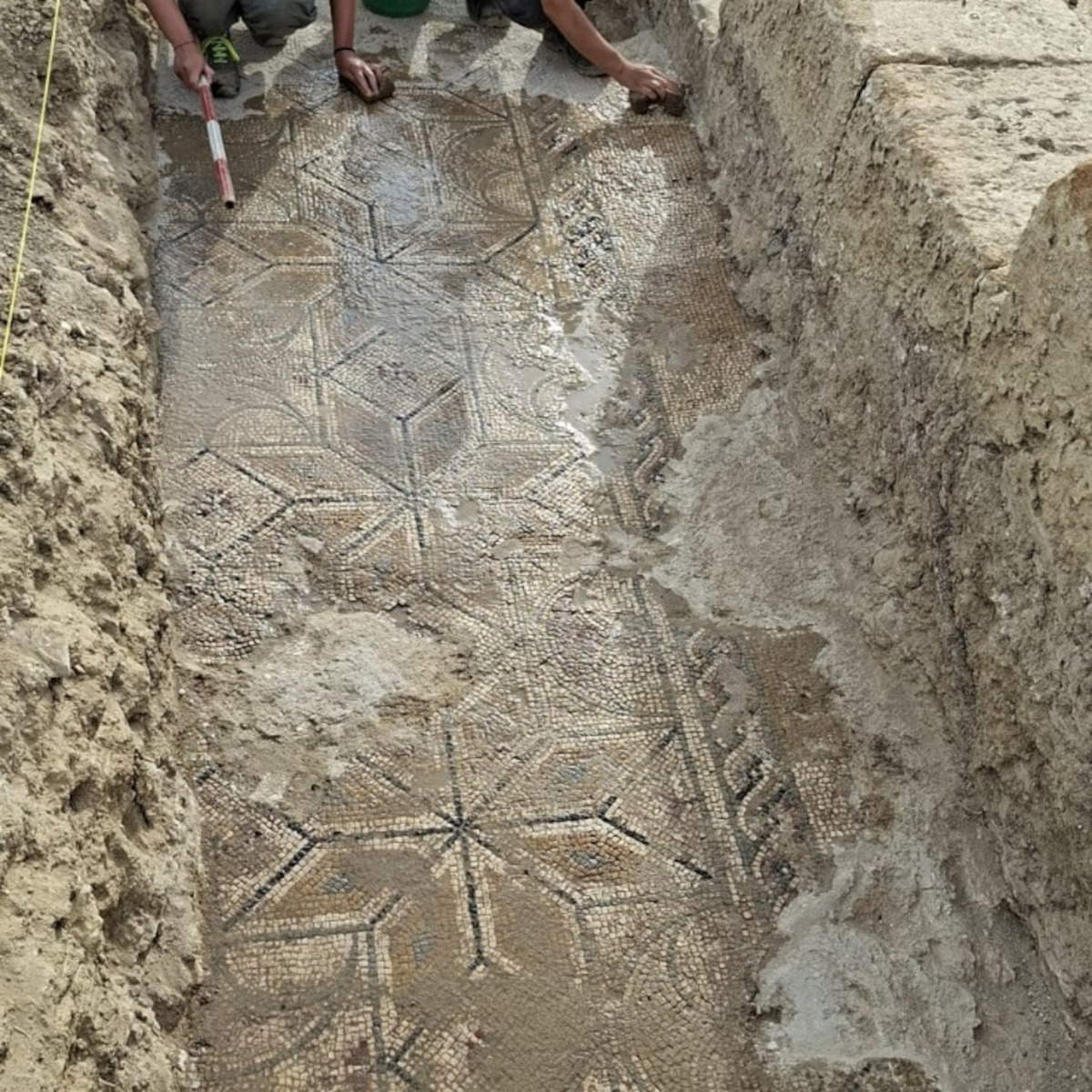
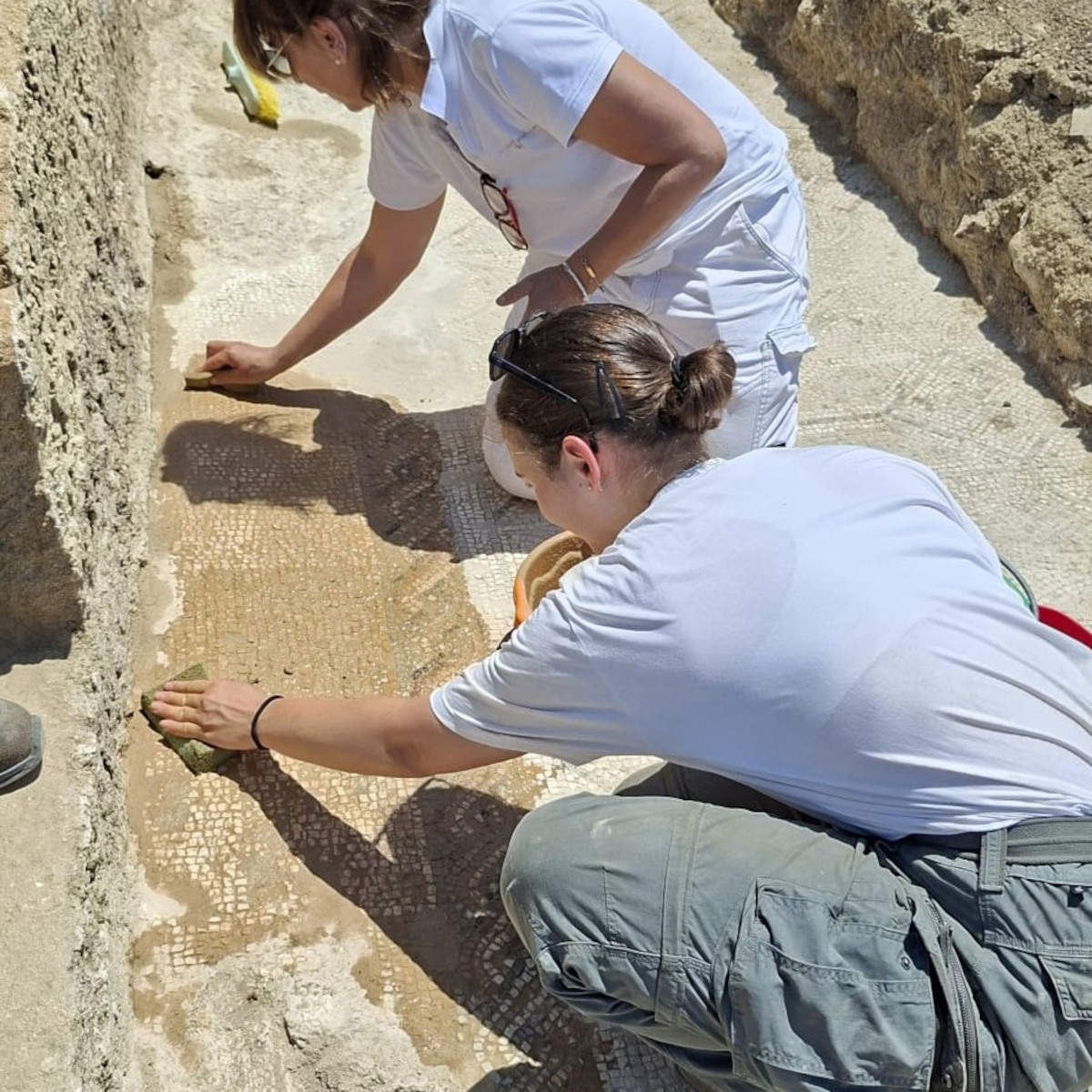
The research focused on the fourth block of the archaeological area within the Valley of the Temples Park, near a large thermal bath complex. Here, archaeologists unearthed a building that remained in use for about eight centuries, from the 3rd century B.C. until at least the 5th century A.D., attesting to the long-standing continuity of life in the neighborhood. Analysis of the various overlapping floor surfaces made it possible to reconstruct the main phases of the building’s transformation. The oldest floor, made of yellow calcarenite, was succeeded by a cocciopesto floor from the Republican era, with traces of red pigment, while the final phase is represented by a refined polychrome geometric mosaic dating to Late Antiquity, which has already been cleaned and secured.
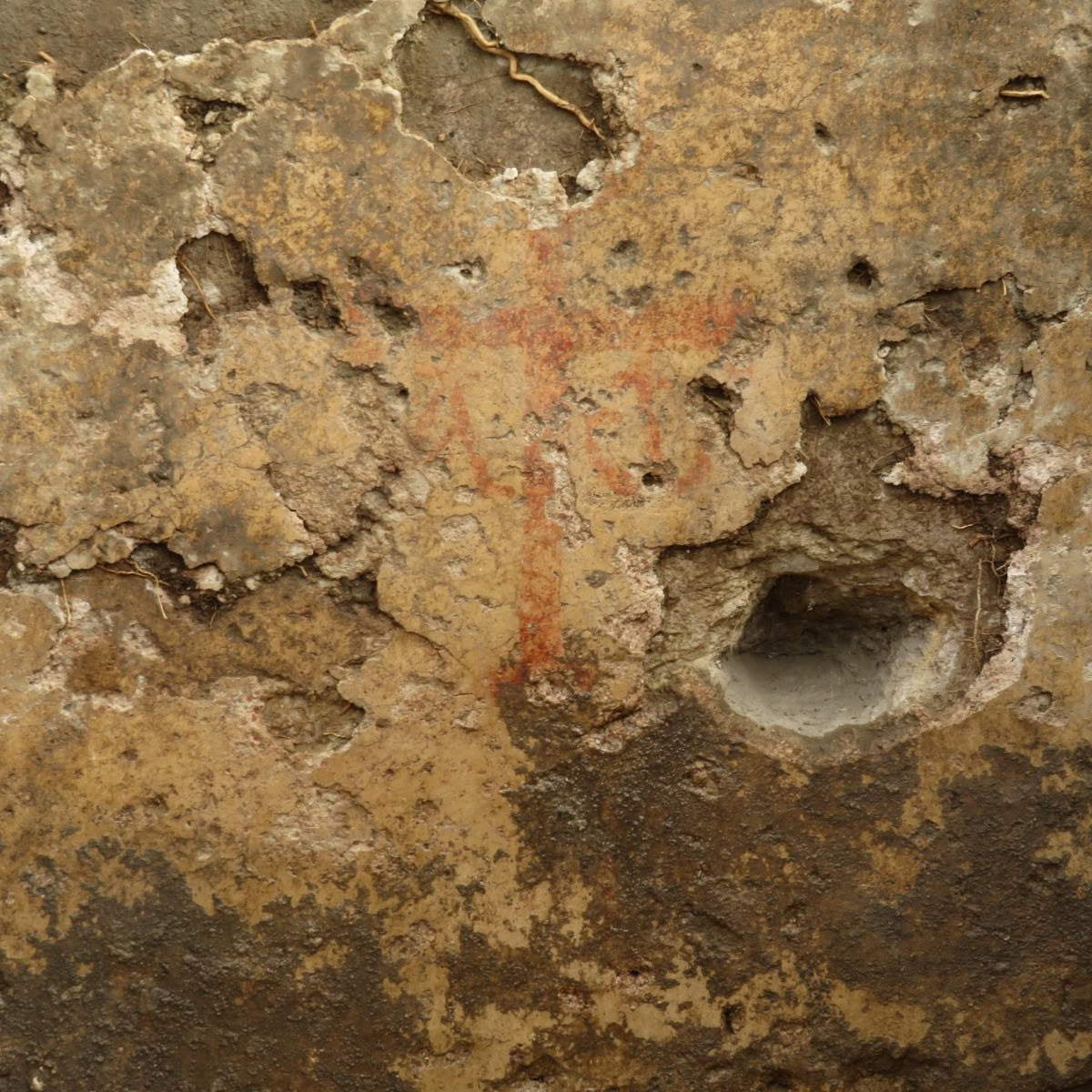
The most significant discovery, however, concerns certain elements that appear to document the spread of Christianity in Sicily between the 3rd and 4th centuries A.D. Inside a quadrangular basin, coins, the remains of small animals likely associated with ritual banquets, and several amphora stoppers were found. One of these lids is engraved with a Christian monogram, a detail that suggests a possible connection to the nearby place of worship, which had been created in an earlier period inside a cistern of the thermal baths.
Research will now continue with the study of the artifacts and funerary contexts, with the aim of reconstructing the urban and religious transformations of the ancient city with greater precision. The excavation campaign was directed by Professor Giuseppe Lepore of the University of Bologna and the park’s archaeologist, Maria Serena Rizzo. The excavation work was accompanied by ongoing conservation and safety measures coordinated by conservator Marilanda Rizzo Pinna, which made it possible to preserve the artifacts uncovered during the excavation.
|
| New Discoveries in Agrigento: Excavations Reveal a Building in Use for Eight Centuries and a Polychrome Mosaic |

Warning: the translation into English of the original Italian article was created using automatic tools. We undertake to review all articles, but we do not guarantee the total absence of inaccuracies in the translation due to the program. You can find the original by clicking on the ITA button. If you find any mistake,please contact us.



























 IT
IT FR
FR DE
DE ES
ES CN
CN


