





The marble statue of Agrippina Maggiore, one of the most important works to have emerged from the archaeological excavations at Veleia, has been restored. The intervention, which was presented at the Complesso Monumentale della Pilotta in Parma, was made possible thanks to the contribution of Inner Wheel Parma Est, which already the previous year had also supported the restoration of the statue of Agrippina Minor, daughter of Agrippina Major, niece of Emperor Augustus and wife of Germanicus.
During the presentation, Flavia Giberti, archaeological officer of the Monumental Complex of the Pilotta, and Angela Allini of Opus restauri s.a.s. explained the main features of the conservation intervention, also dwelling on the historical significance of the figure of Agrippina. The meeting was followed by a visit to the statuary room of the Archaeological Museum of Parma, where the work is preserved, giving participants the opportunity to observe the result of the restoration up close.
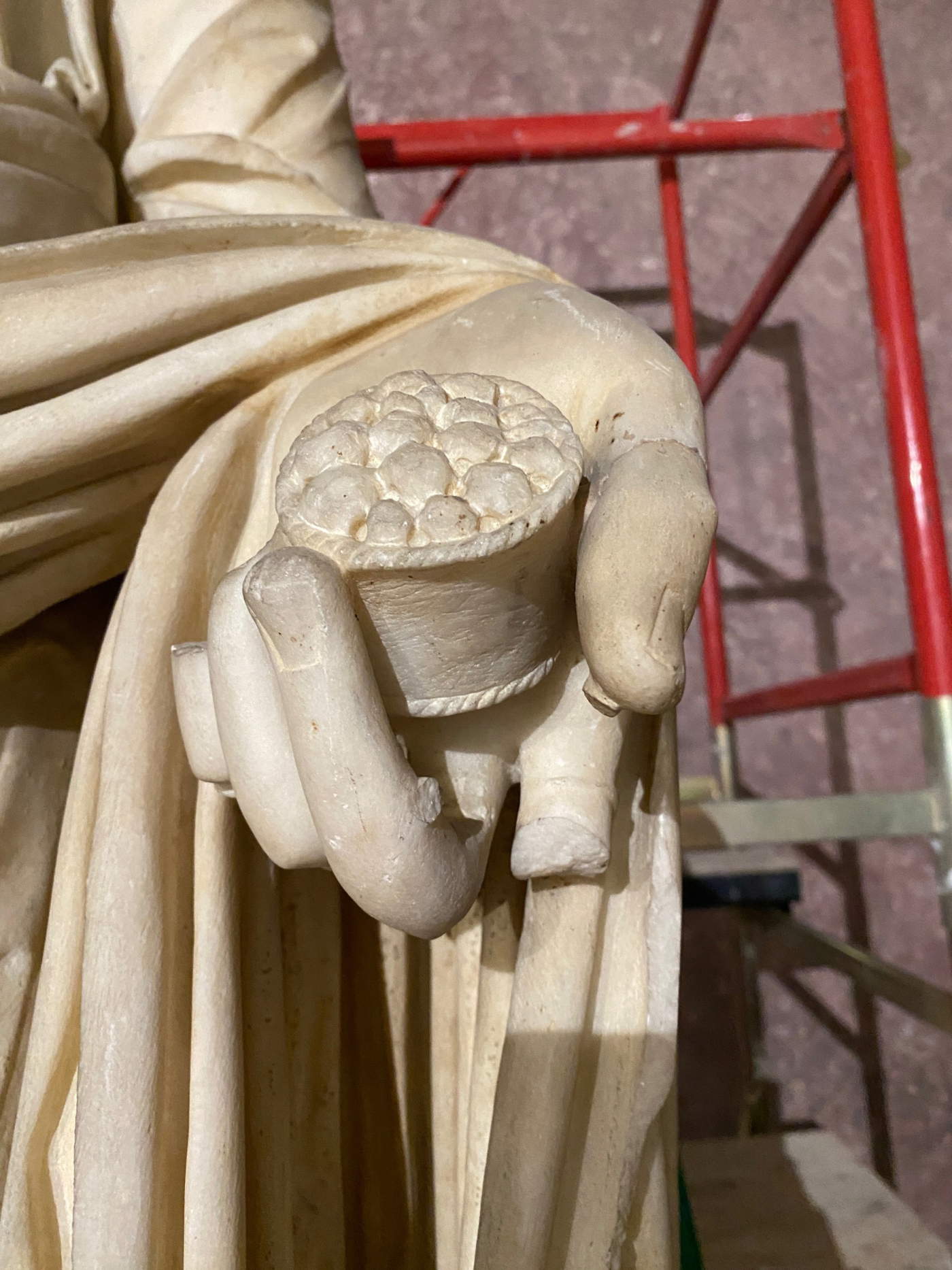
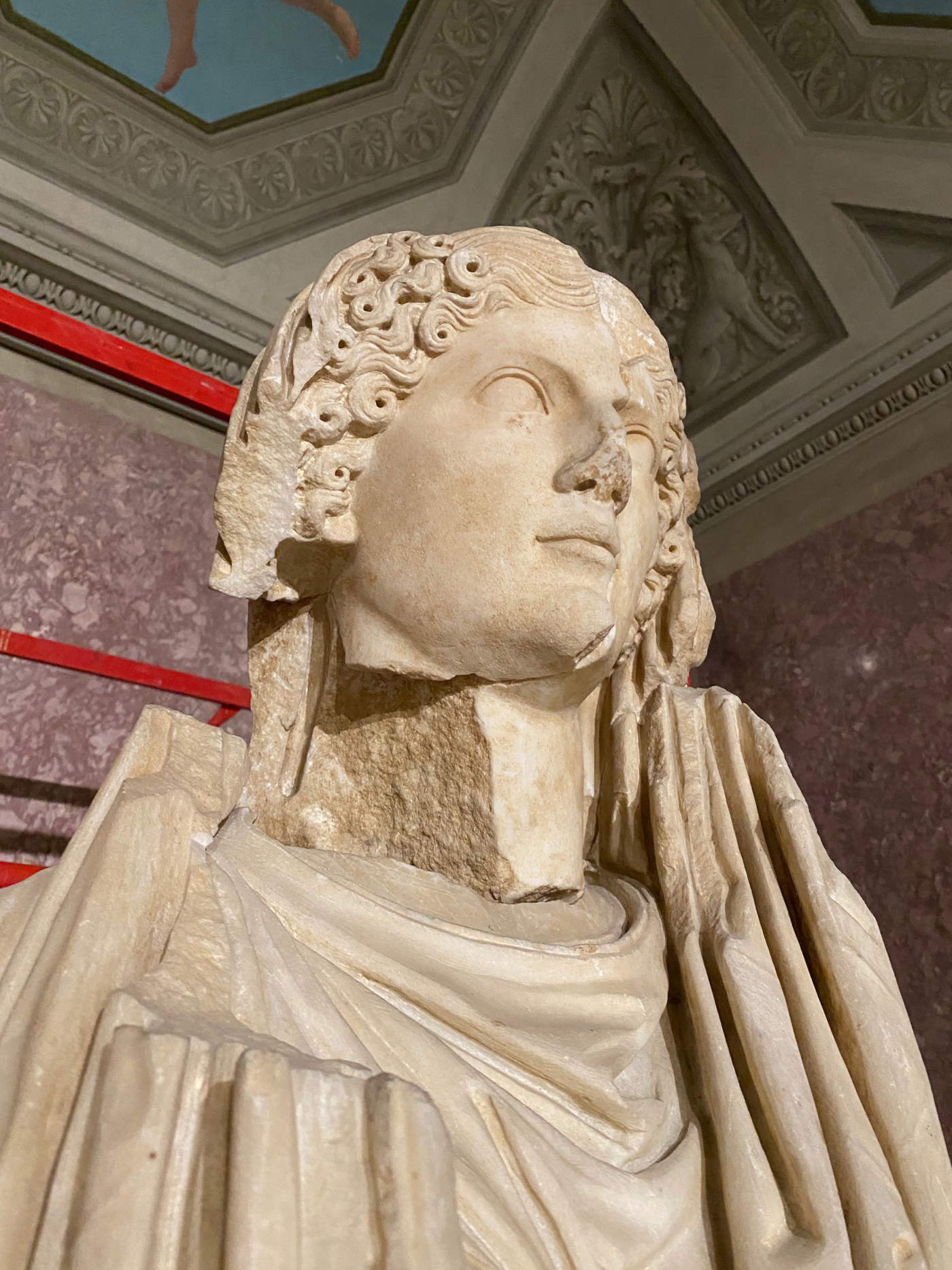
The conservation work included a thorough cleaning of the marble surfaces, freed from the thick layer of waxes and oils used in previous maintenance work, now altered by oxidation. Restorers Flavio Spotti and Simona Cantadori, together with Angela Allini, owner of Opus restauri s.a.s., also removed from the statue dark lipid residues and dust deposits that compromised the legibility of the modeling. The intervention brought back the sculpture’s formal quality, enhancing details such as the refined drapery of the robe and the decorative carvings of the marble, which is naturally crisscrossed with veins. Agrippina’s face also became visible again in its original luminosity: in fact, after cleaning, it emerged that the face had been made of a block of pure white marble, in stark contrast to the material chosen for the dress.
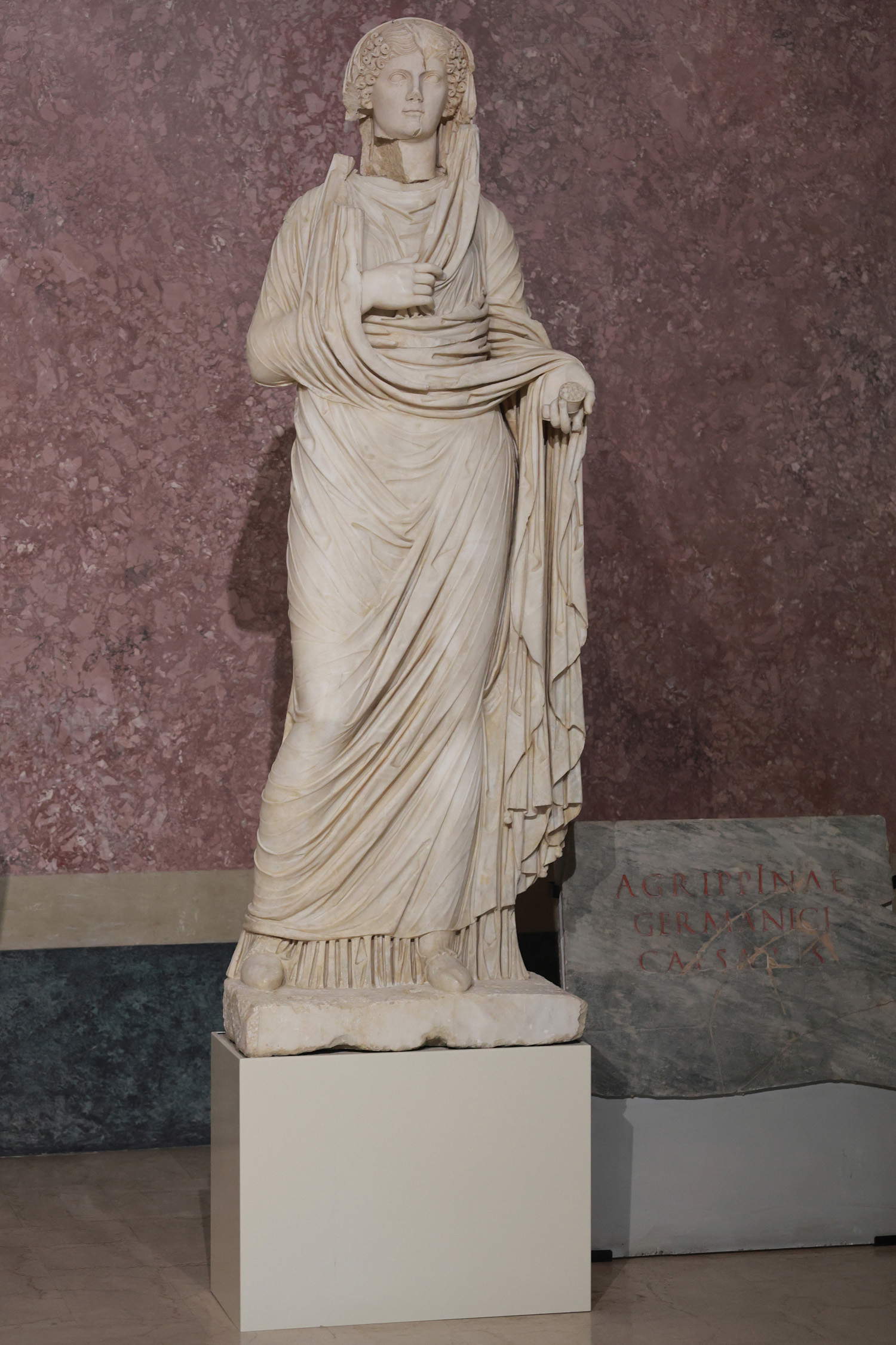
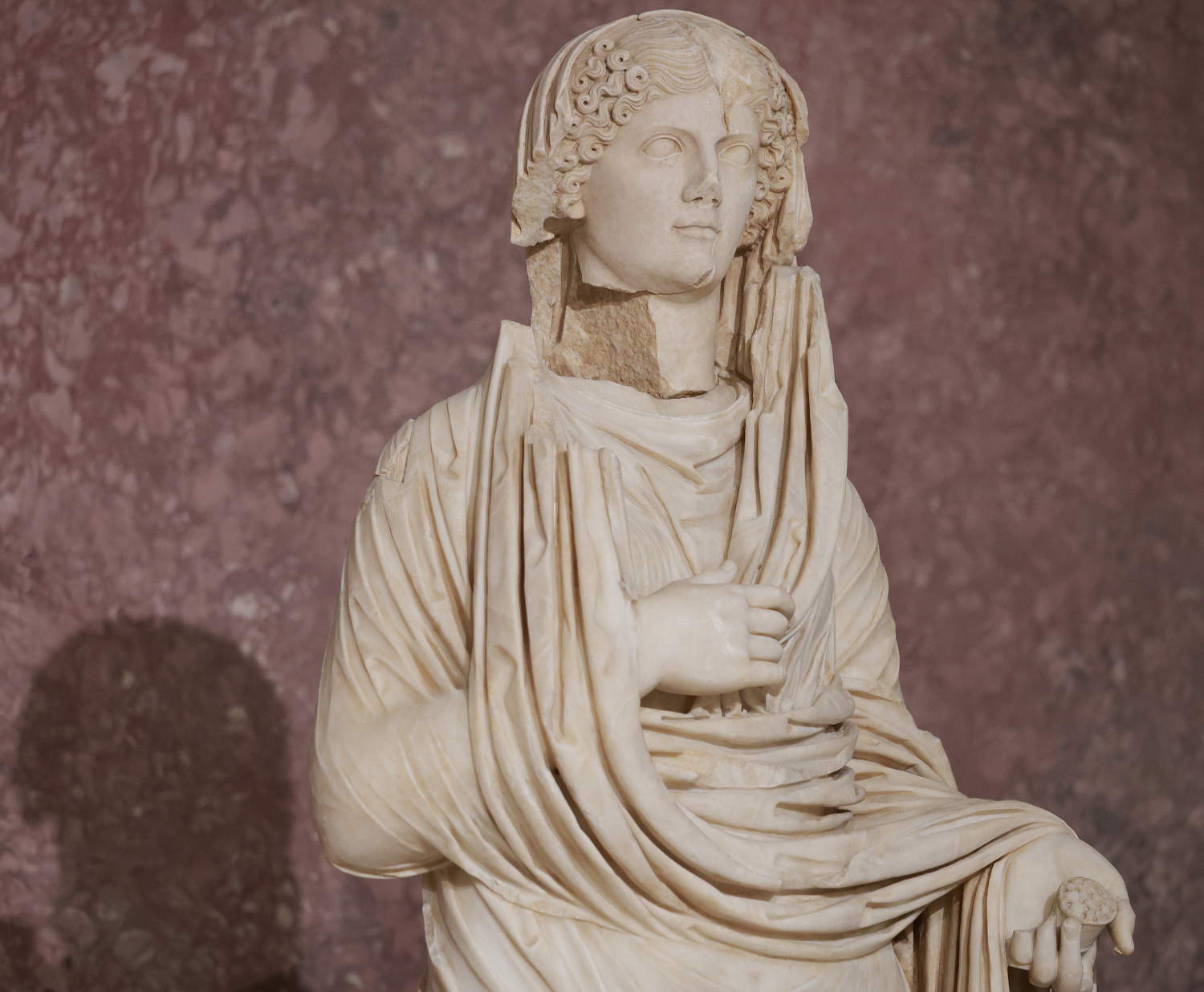
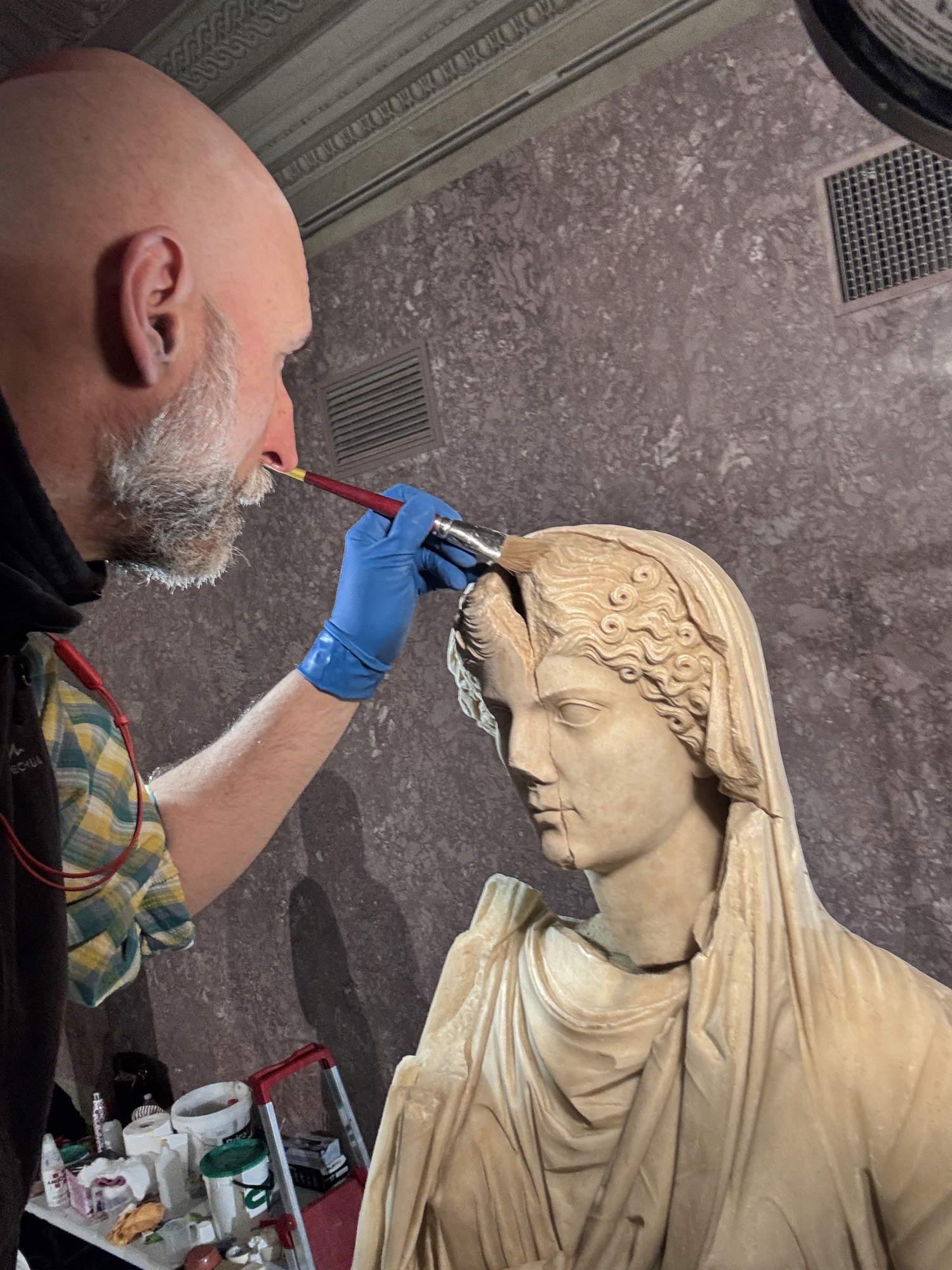
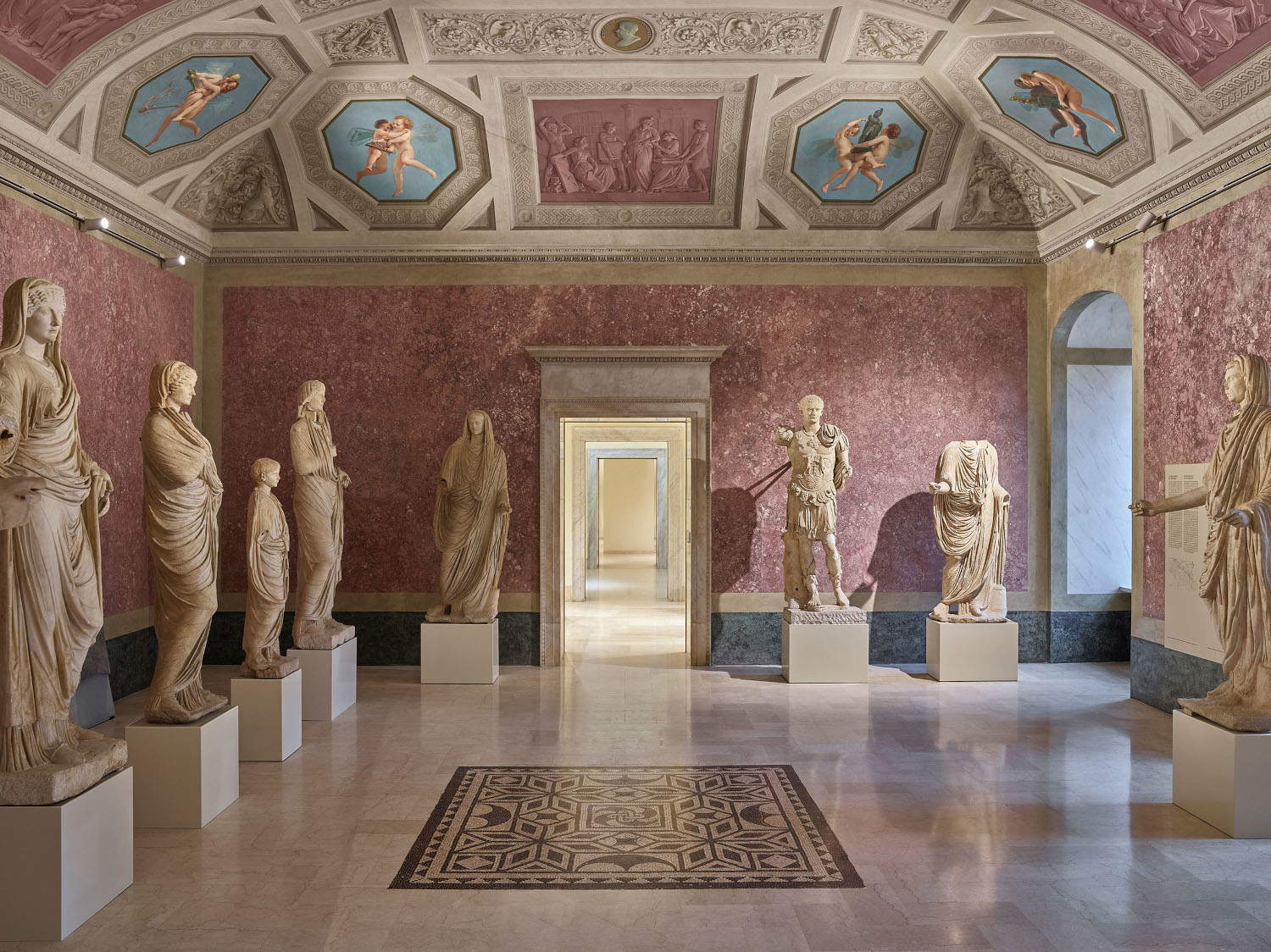
The statue of Agrippina Maggiore belongs to the famous group of twelve sculptures made of Luna marble, now known as Carrara marble, depicting members of the Julio-Claudian imperial family in larger-than-natural size. Originally these works were placed on a podium inside the basilica of the ancient Roman city of Veleia, where archaeological excavations began in 1760 at the behest of Duke Don Philip of Bourbon. Today the finds are preserved and exhibited at the Archaeological Museum of Parma and in theArchaeological Area of Veleia, where the structures are also still visible, both places managed by the Complesso Monumentale della Pilotta.
Agrippina Major, niece of Emperor Augustus, is remembered in ancient sources as one of the rare female figures of the Roman imperial dynasty described for nobility of spirit and moral integrity. She followed her husband Germanicus in military campaigns on the borders of the Empire, in Germany, Gaul, and the East, winning the esteem of the army and the favor of the people. After Germanicus’s death in the East under suspicious circumstances, Agrippina returned to Italy by sea, taking her husband’s ashes and younger children with her. On her arrival in Brindisi she was greeted by a large and participating crowd before continuing on to Rome. The emperor Tiberius, fearing that the strong popular consensus might further the political rise of one of Agrippina’s sons, ordered her exile to the island of Ventotene, where she died in 33 CE, at the age of forty-seven.
|
| Parma, restored the statue of Agrippina Major. It was found in the archaeological area of Veleia |

Warning: the translation into English of the original Italian article was created using automatic tools. We undertake to review all articles, but we do not guarantee the total absence of inaccuracies in the translation due to the program. You can find the original by clicking on the ITA button. If you find any mistake,please contact us.


























 IT
IT FR
FR DE
DE ES
ES CN
CN


