





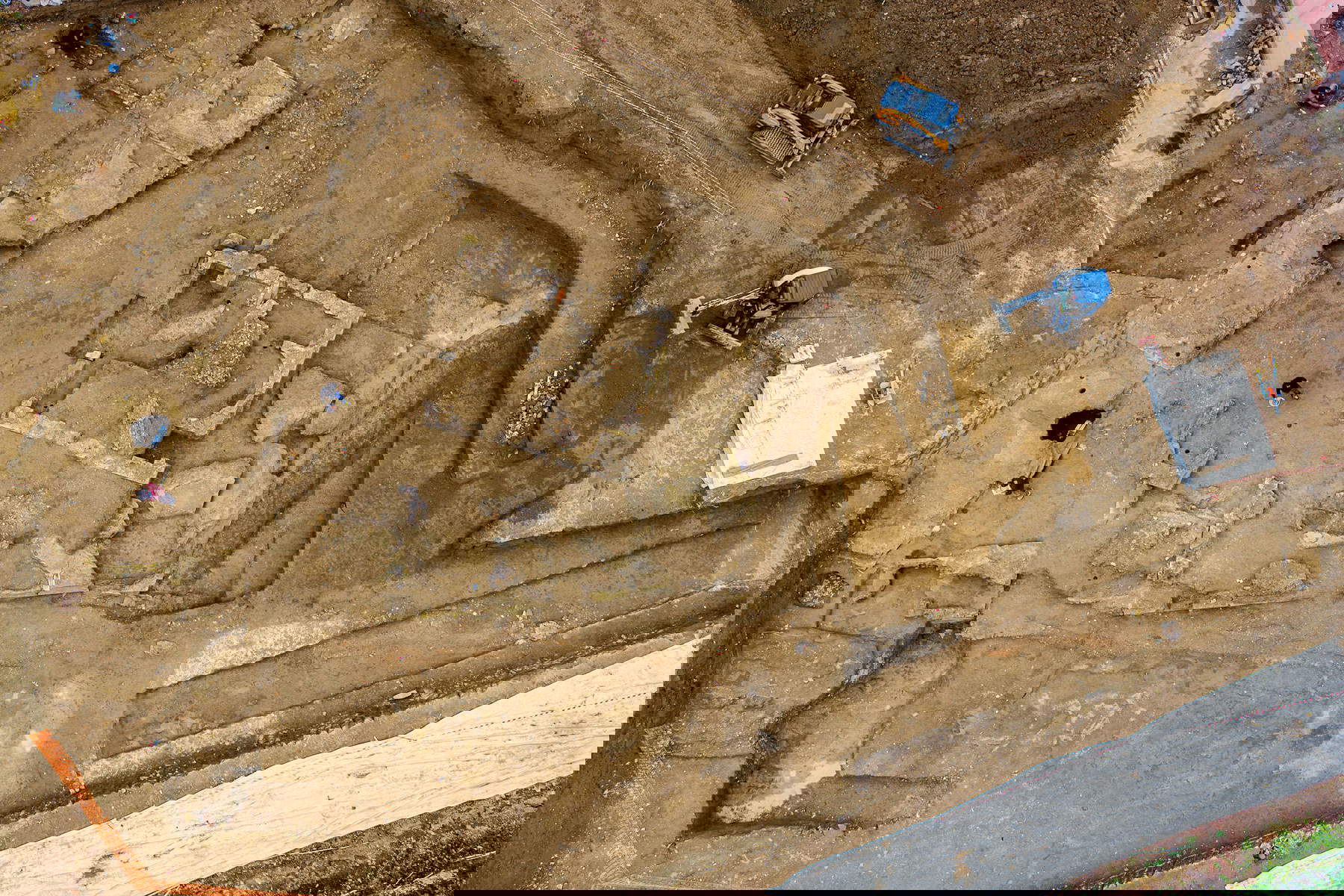
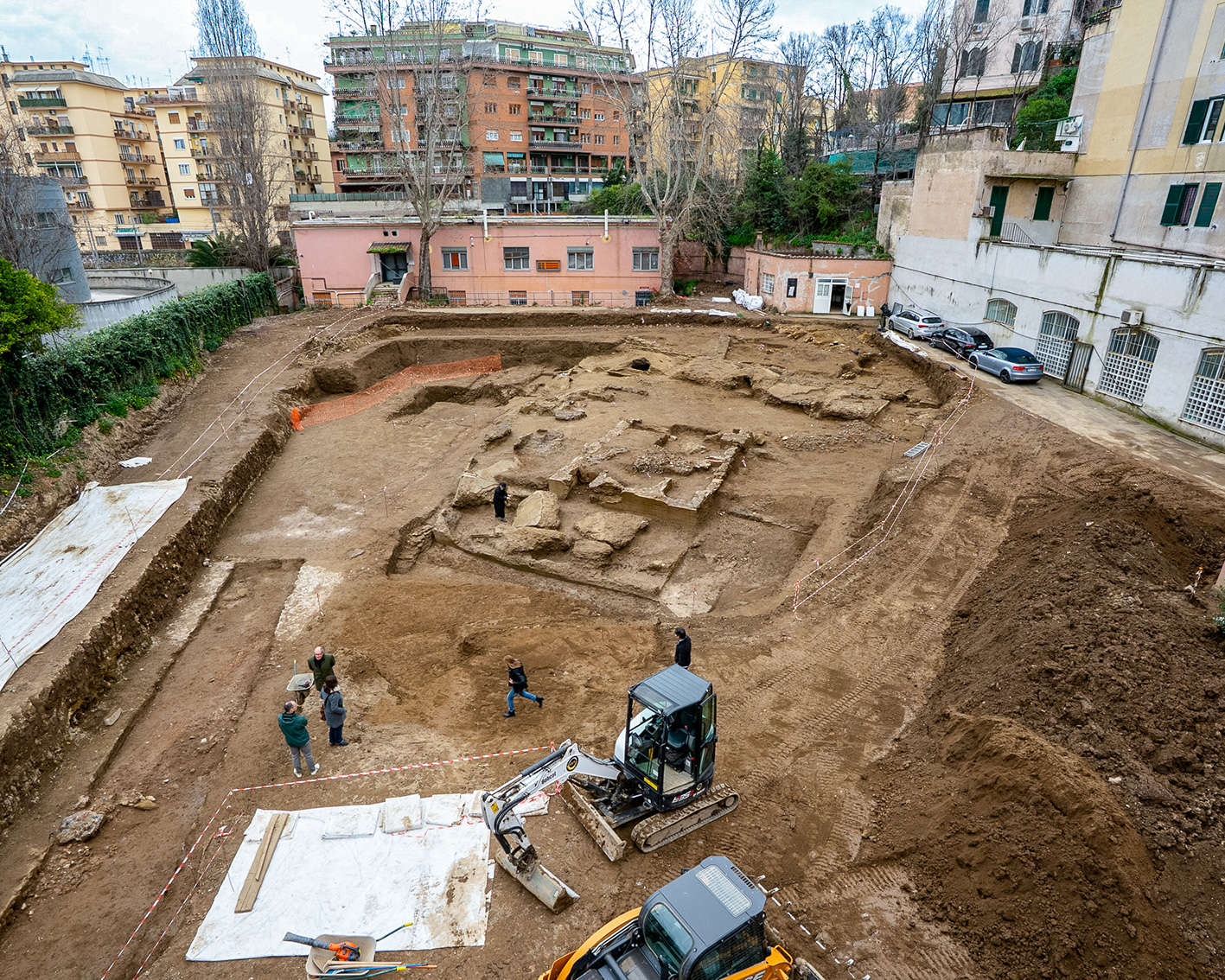
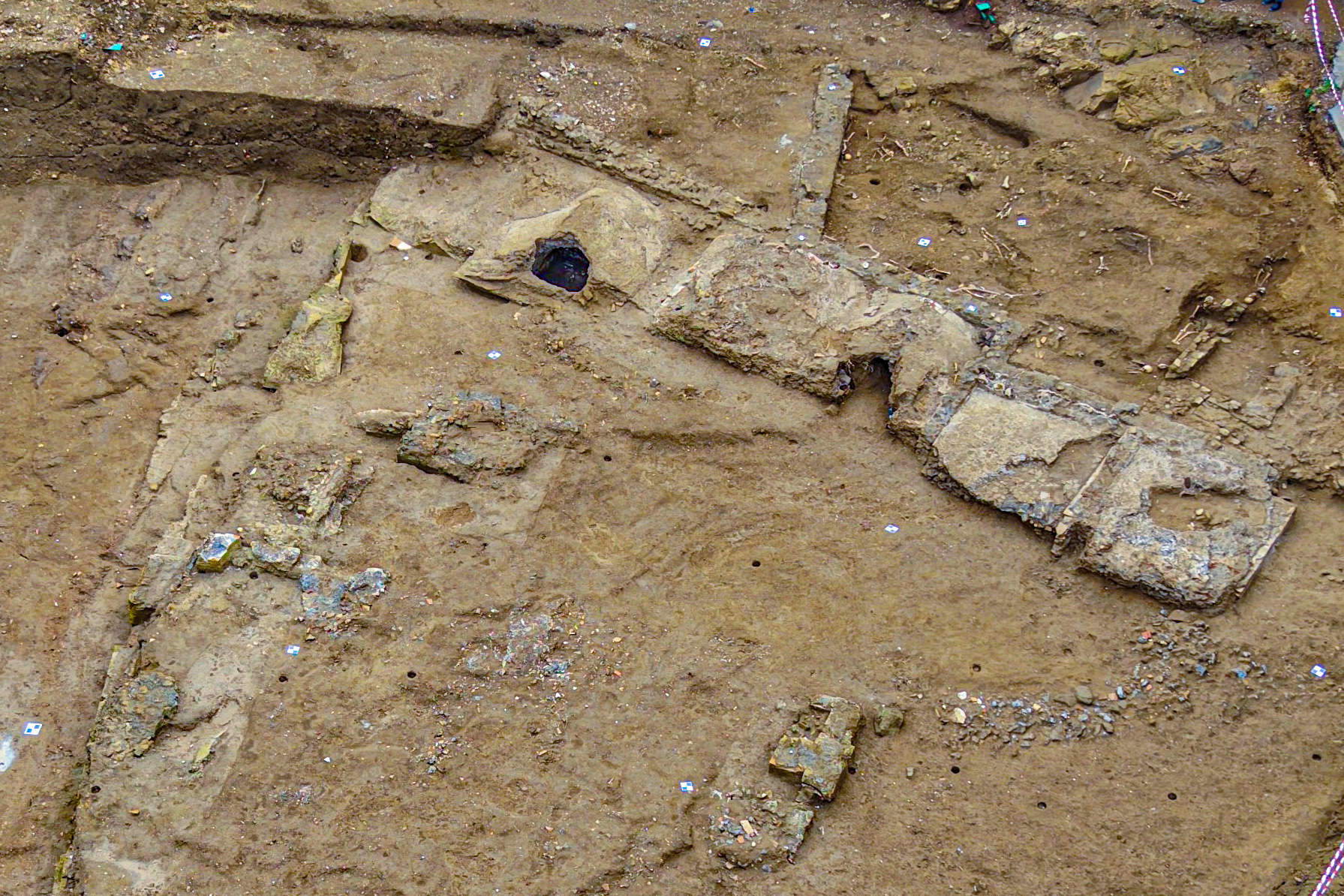
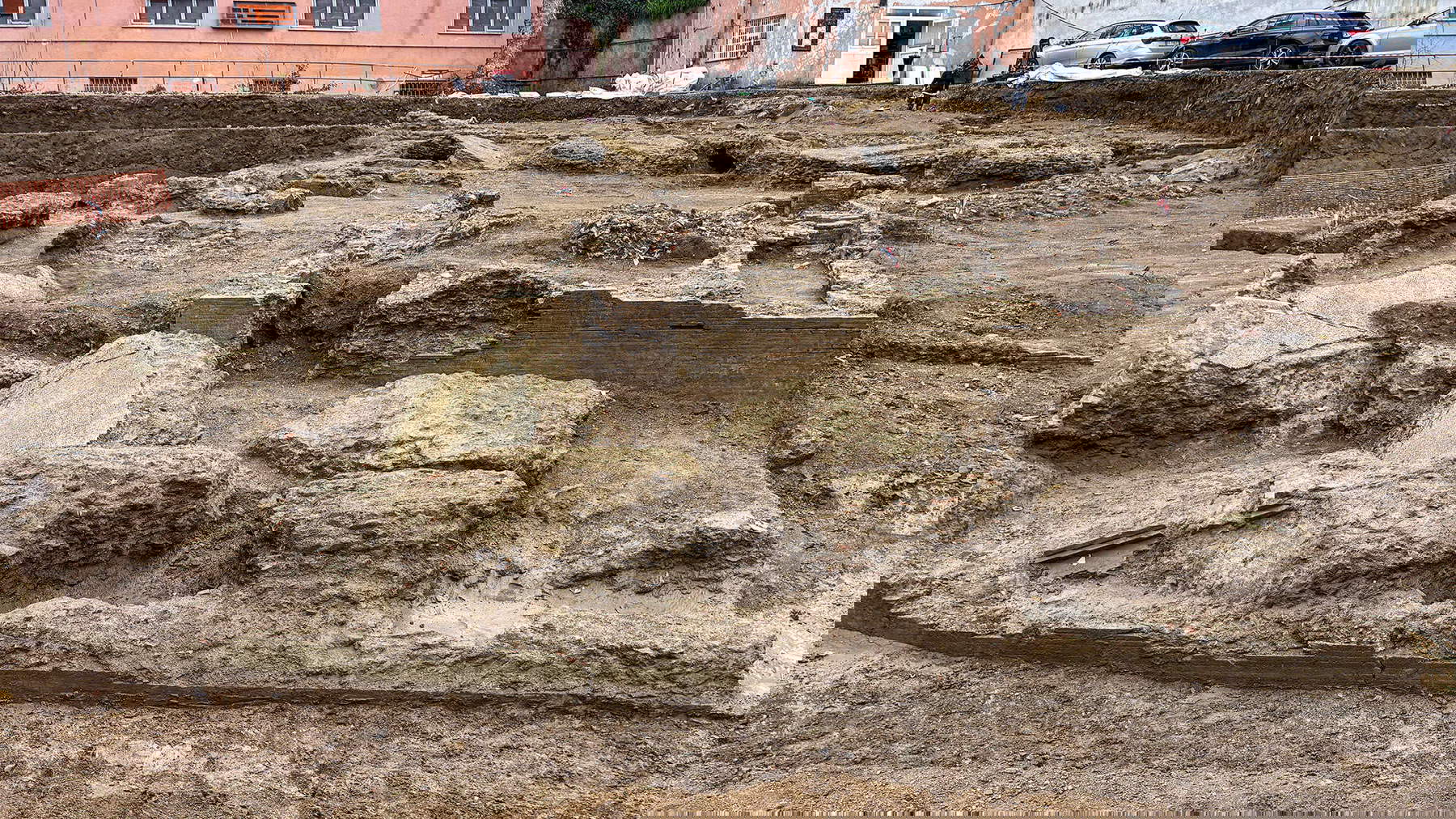
In Rome , a new and large sector of the Ostiense Necropolis resurfaces from underground in the capital, returning a previously unseen piece of ancient Rome’s funerary topography. The discovery came during preventive archaeology investigations conducted by the Ministry of Culture through the Special Superintendence of Rome for the construction of a student house in Via Ostiense, in the area of San Paolo Fuori le Mura. A vast, exceptionally well-preserved funerary area with decorated masonry tombs and pit burials was identified at a depth of about one meter. This is a particularly rich and stratified context that is part of the broader Ostiense Necropolis, one of the most extensive in ancient Rome, which developed between the late Republican age and the late Empire along the road axis of the Via Ostiense.
According to Rome Special Superintendent Daniela Porro, the find confirms the extraordinary complexity of the city’s archaeological heritage, which continues to emerge even in contexts affected by profound urban transformations. “The quality of the structures, the organization of the spaces and the richness of the decorative apparatus,” she explains, “represent an important opportunity for in-depth scientific investigation. The Superintendence will ensure the full protection of the complex and initiate a significant enhancement project, to return the results of the research to the citizens.”
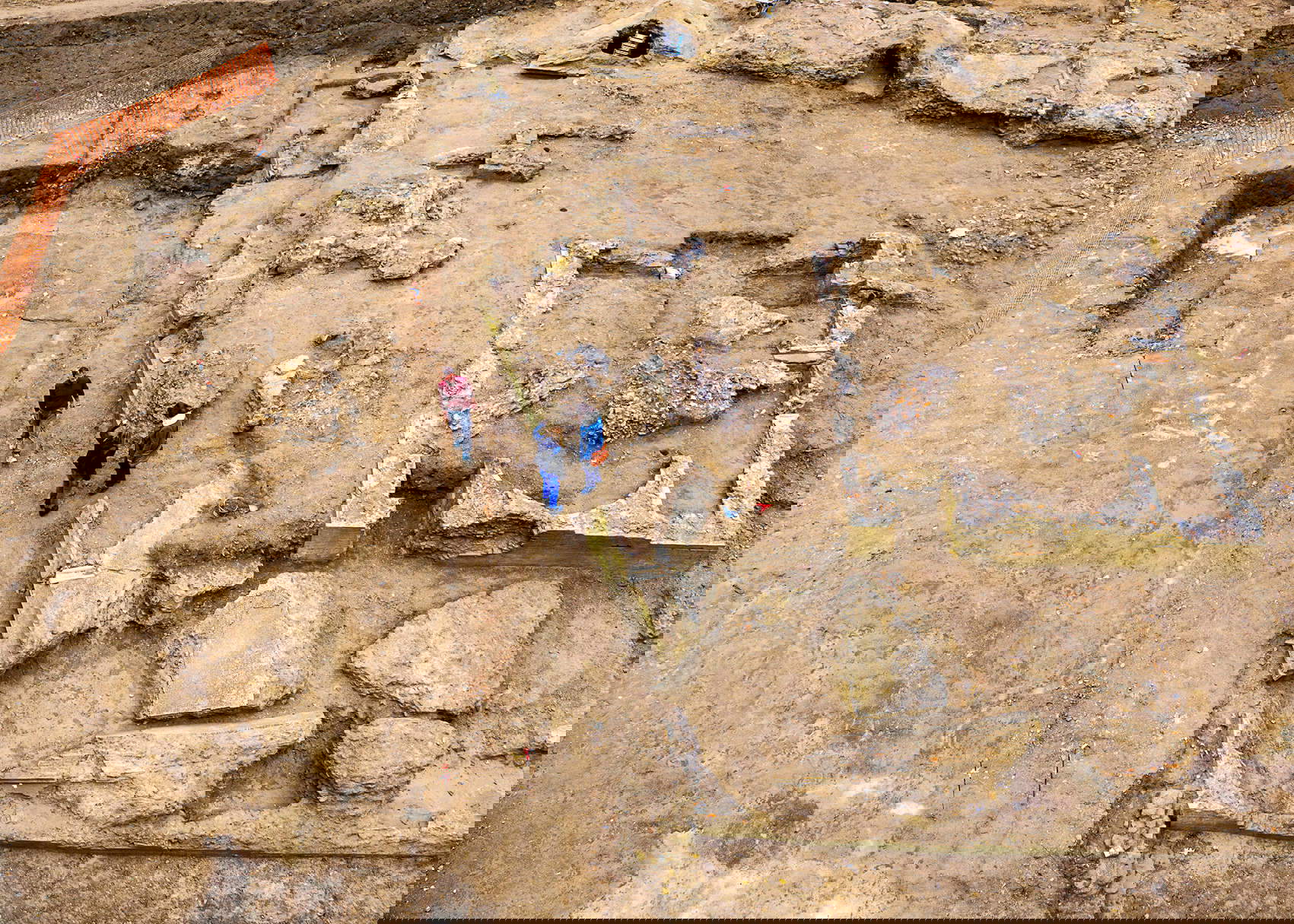
The excavation, directed by archaeologist Diletta Menghinello, revealed a nucleus of five funerary buildings from the Imperial age, with a quadrangular plan and vaulted roof, aligned along a northeast/southwest axis and preceded by two smaller structures. A sixth building, similar in characteristics but arranged perpendicular to the others, together with the remains of additional rooms, suggests an organization of the complex around an inner courtyard, outlining an articulated and planned layout.
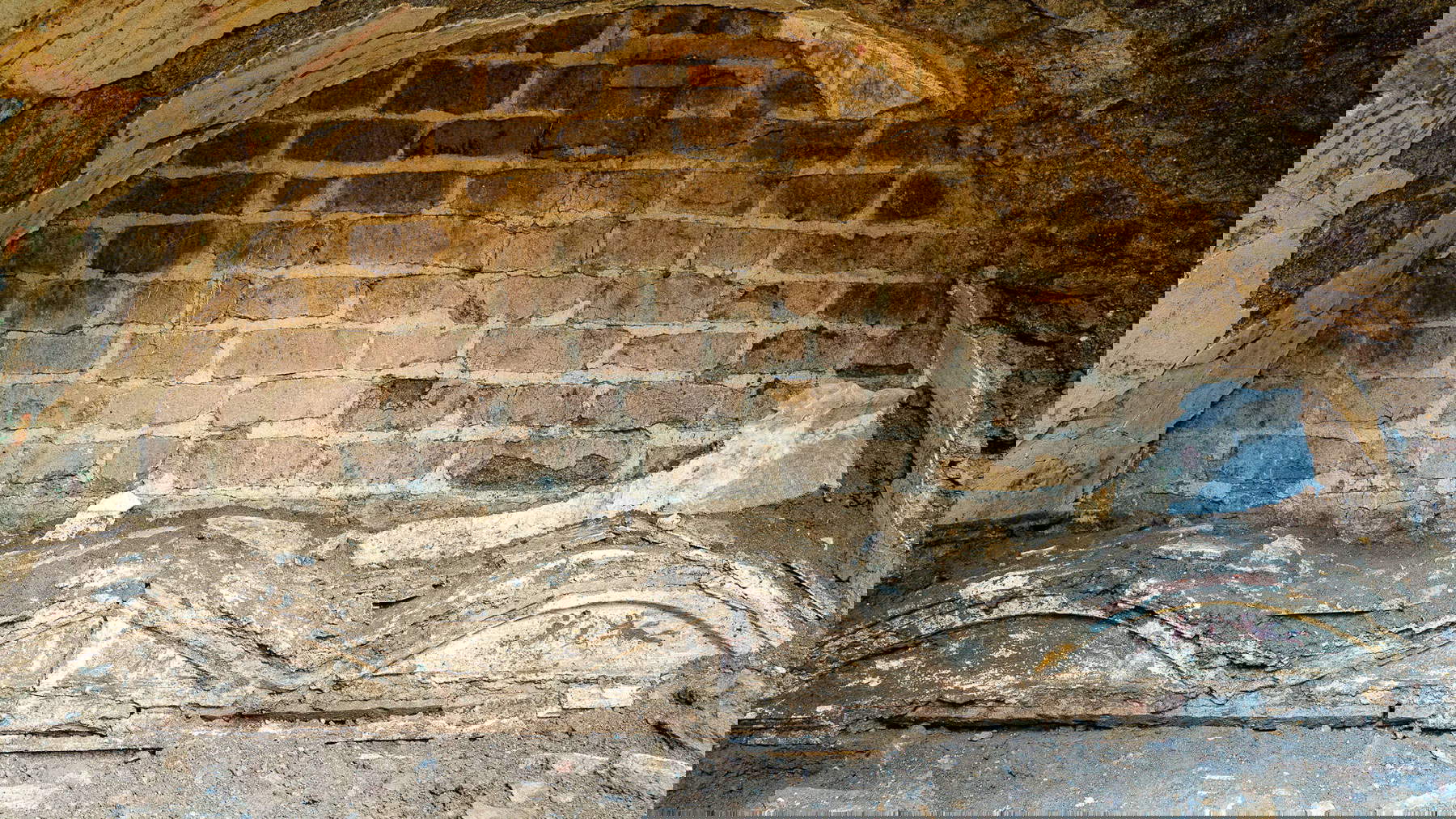
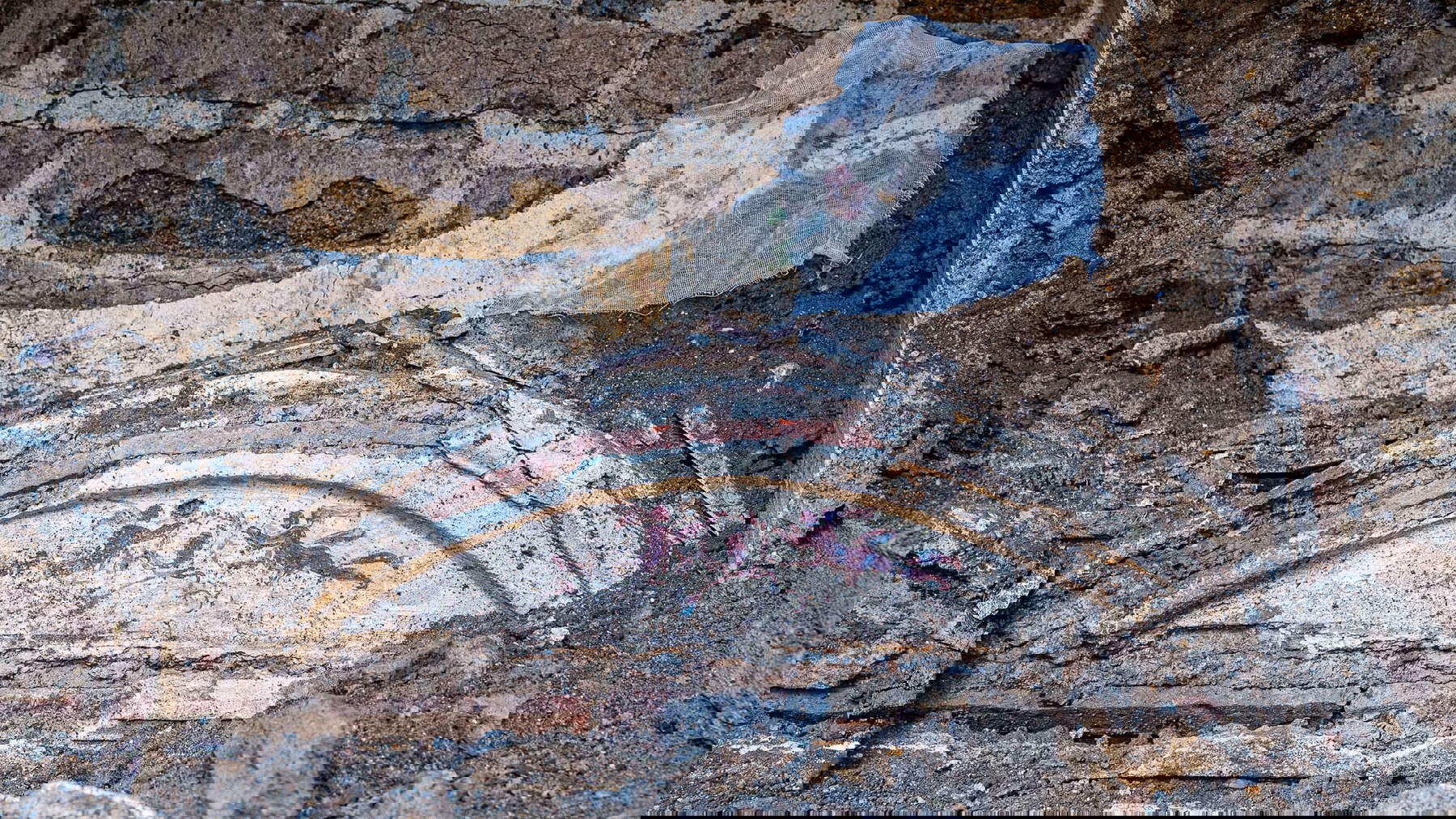
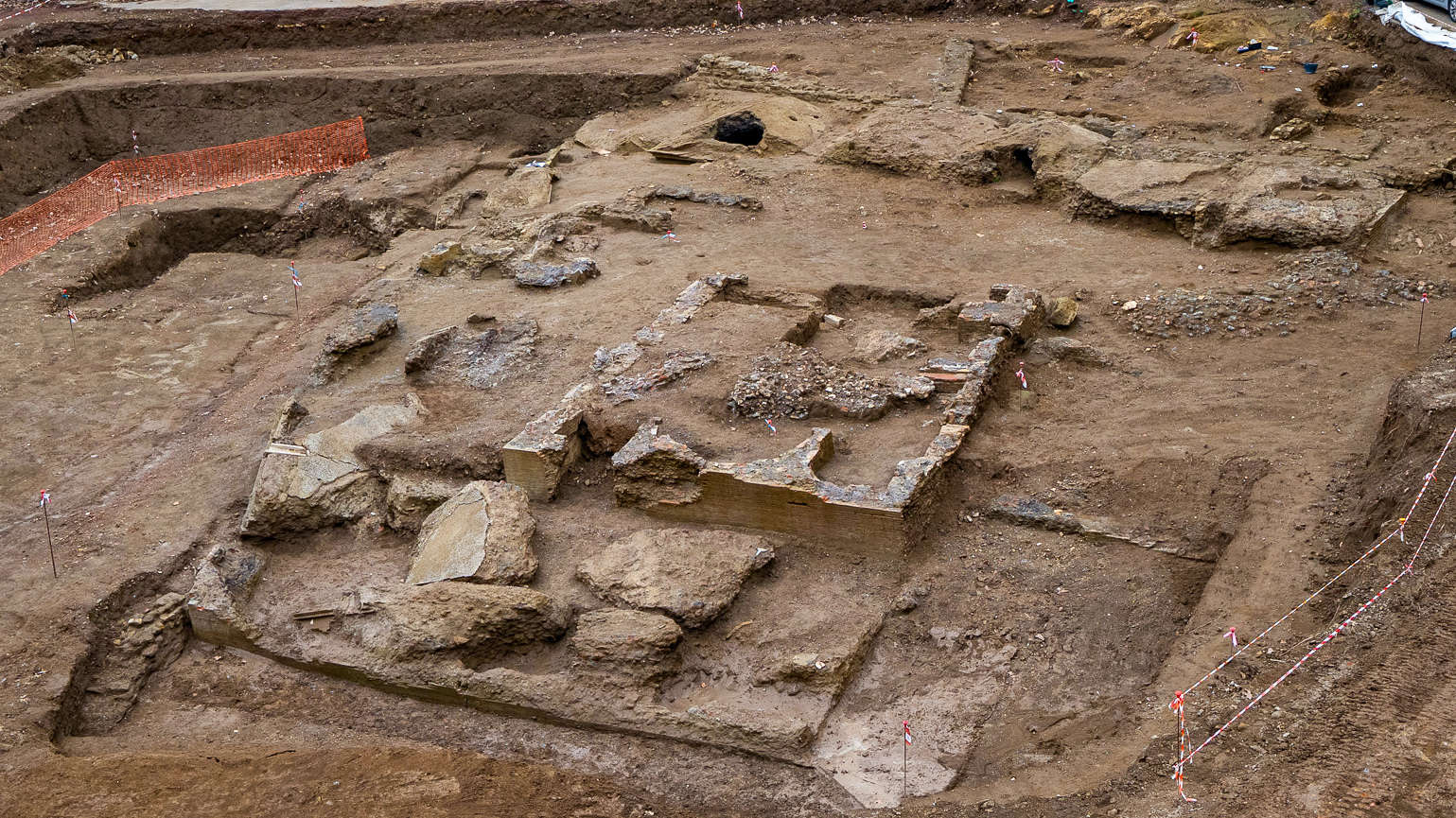
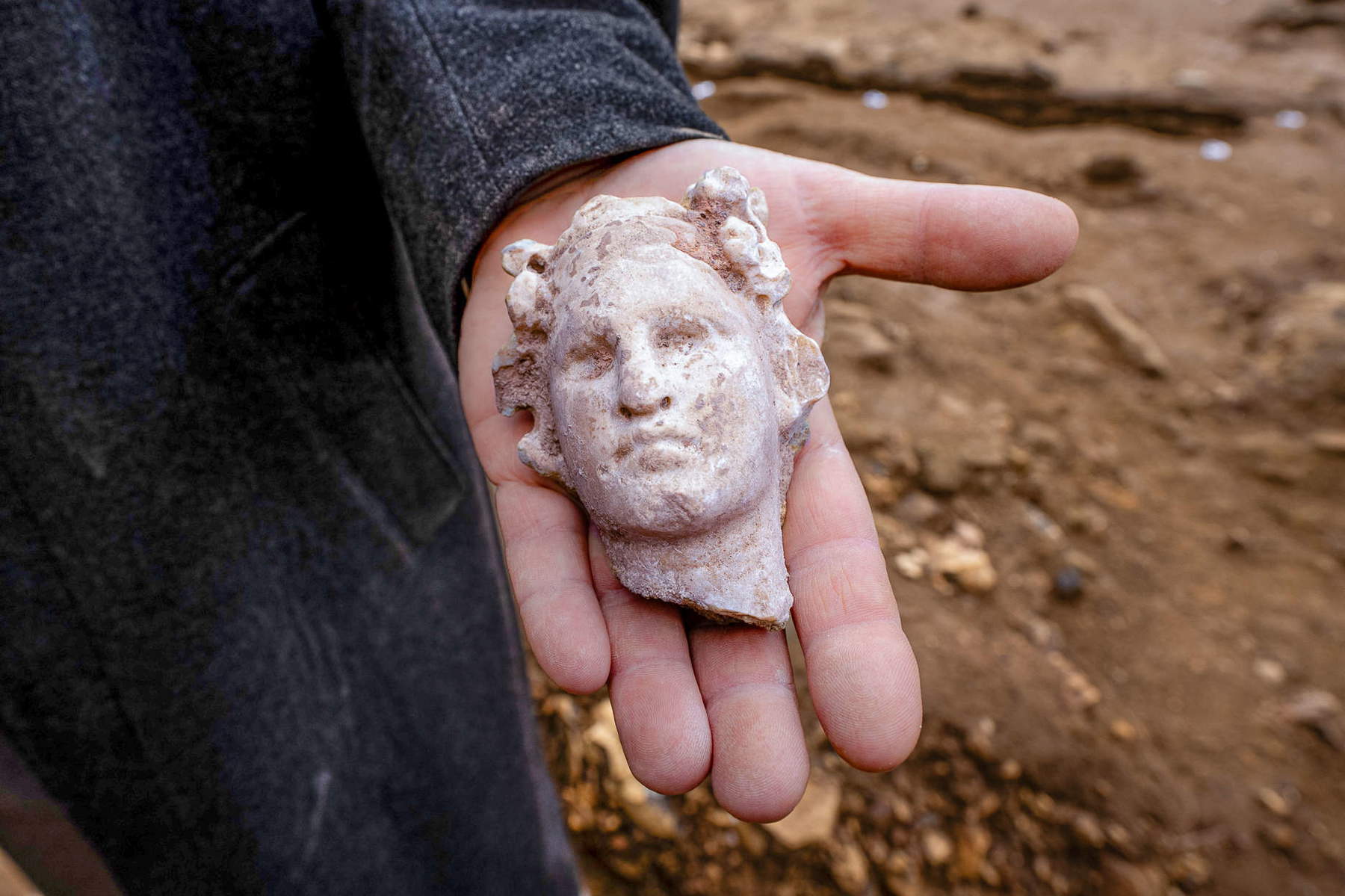
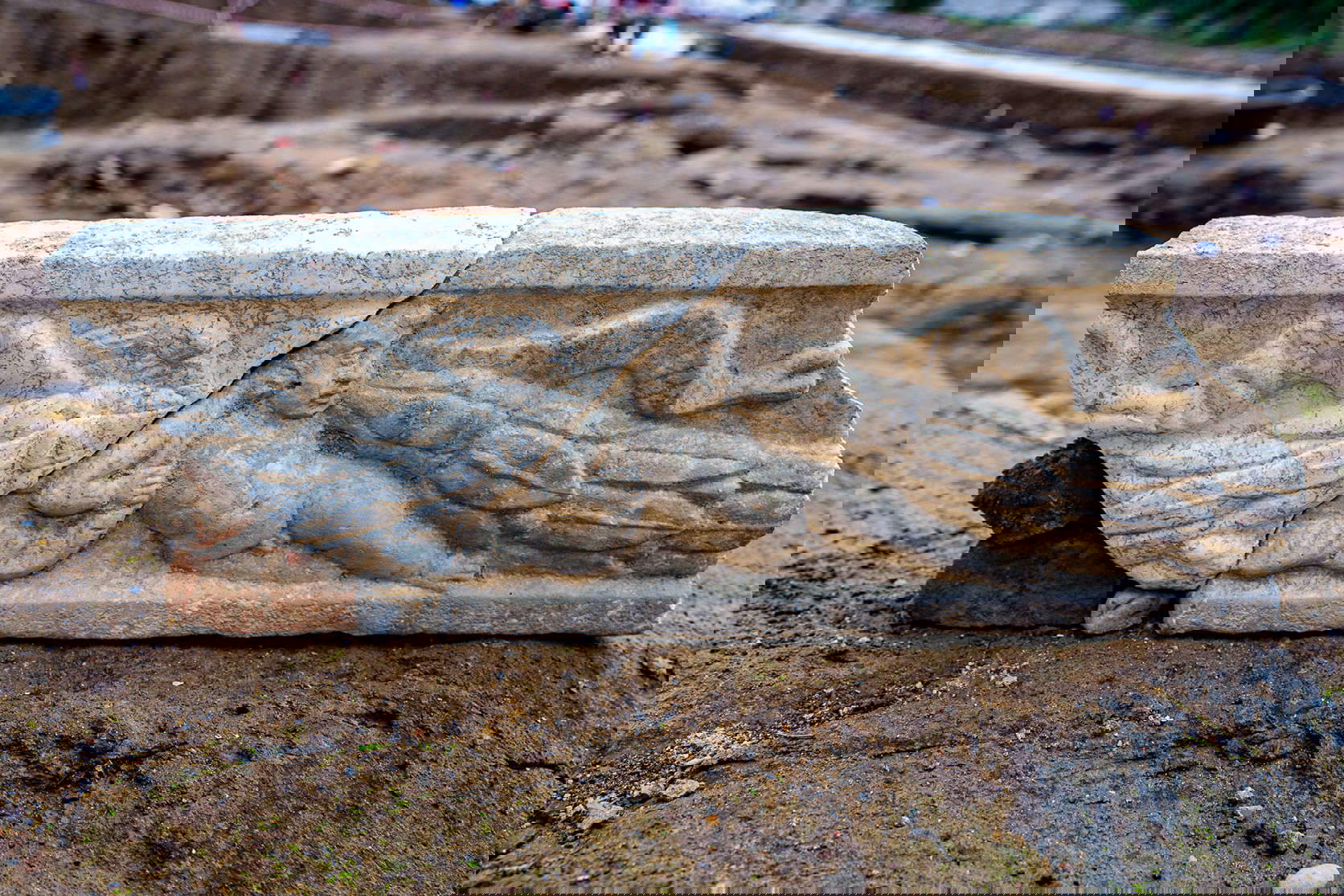
The tombs, which are likely identifiable as columbaria, or rooms equipped with niches designed to hold cinerary urns, are still at a preliminary stage of excavation. In the portion of the burial chambers visible so far, it is already possible to recognize an elaborate decorative apparatus consisting of plasterwork frescoed in bands and with plant motifs, stucco and small aediculae decorated with figures from Roman funerary symbolism, such as Oranti or winged Victories. Continued investigation could lead to the discovery of additional grave goods, epigraphs and floor coverings, significantly expanding knowledge about the funerary uses and material culture of the area.
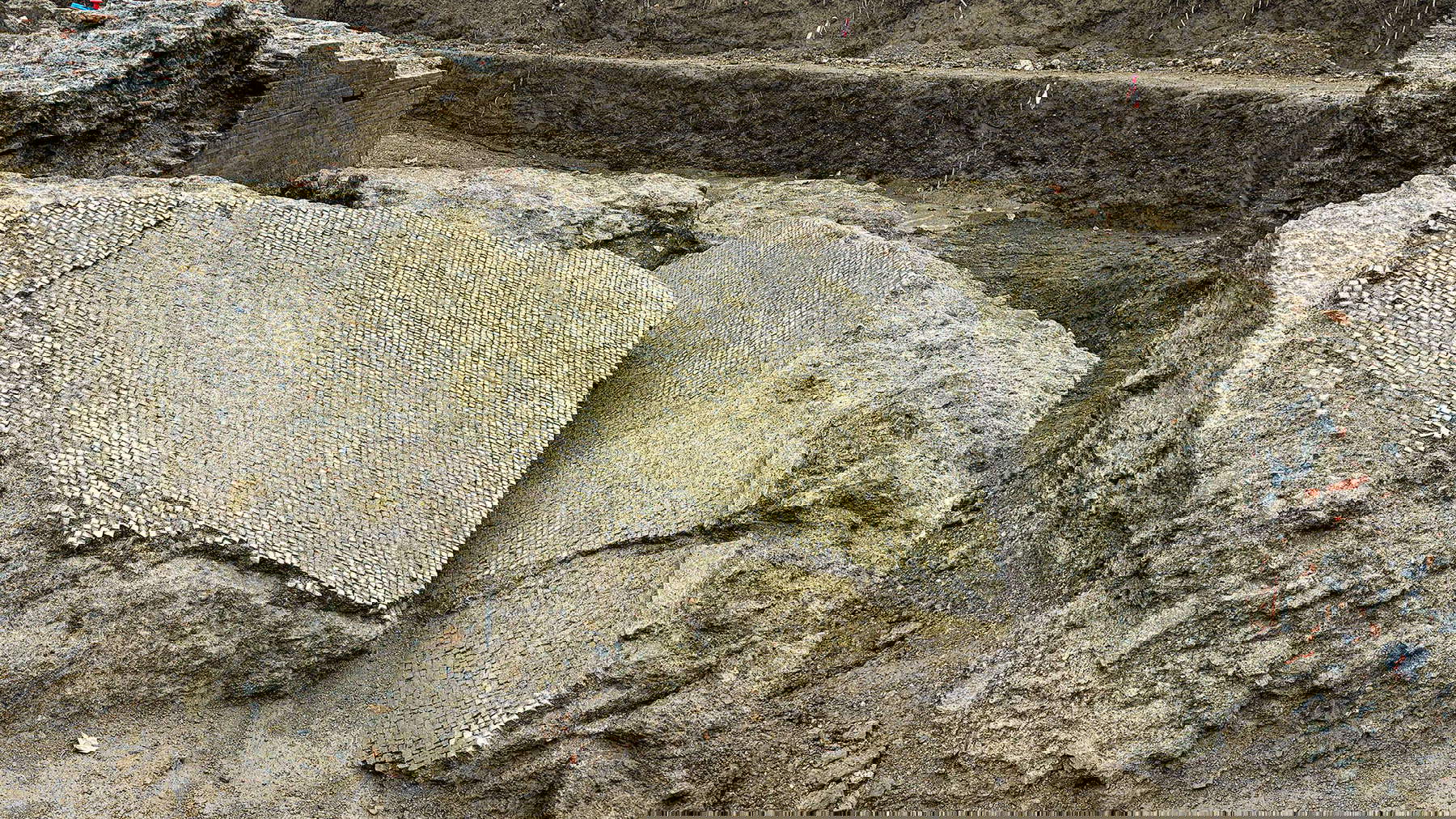
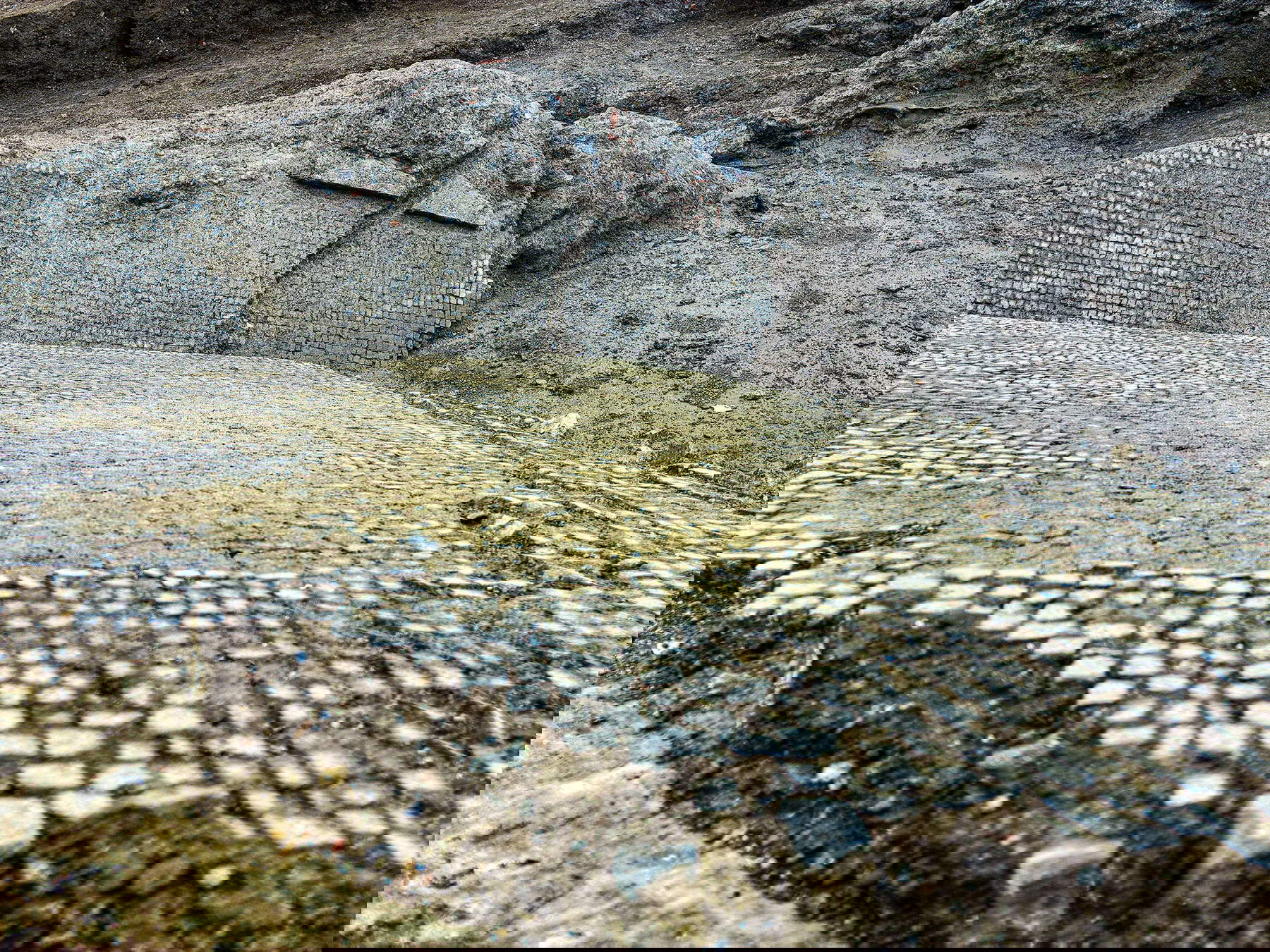
The investigation was not limited to the monumental sector. In the area closest to the road, at progressively greater depths, an apsidal hall and another large brick room with remains of mosaic flooring were unearthed. The function of these spaces has not yet been clarified and can only be defined as the excavation progresses and the stratigraphic analysis of the levels continues.
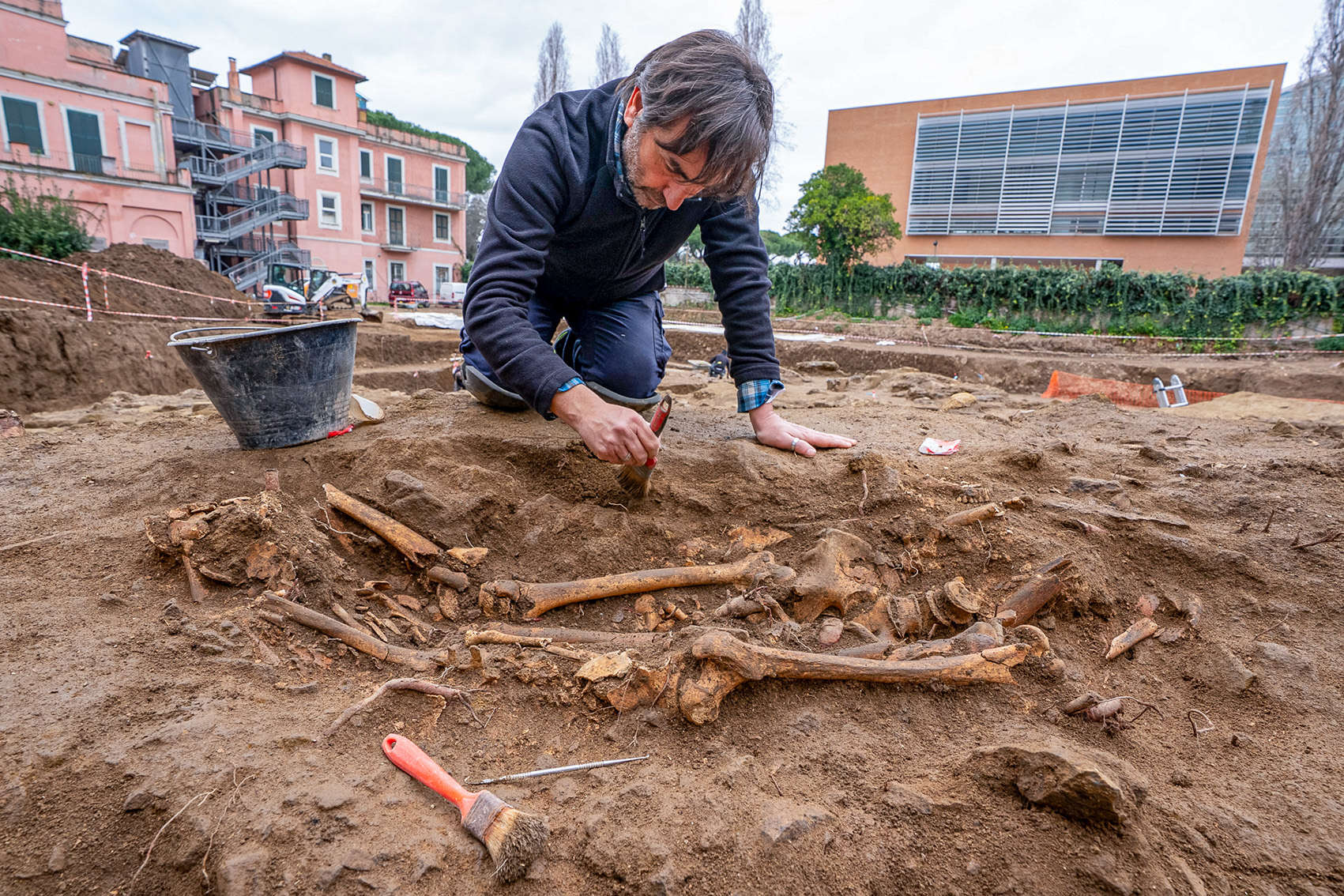
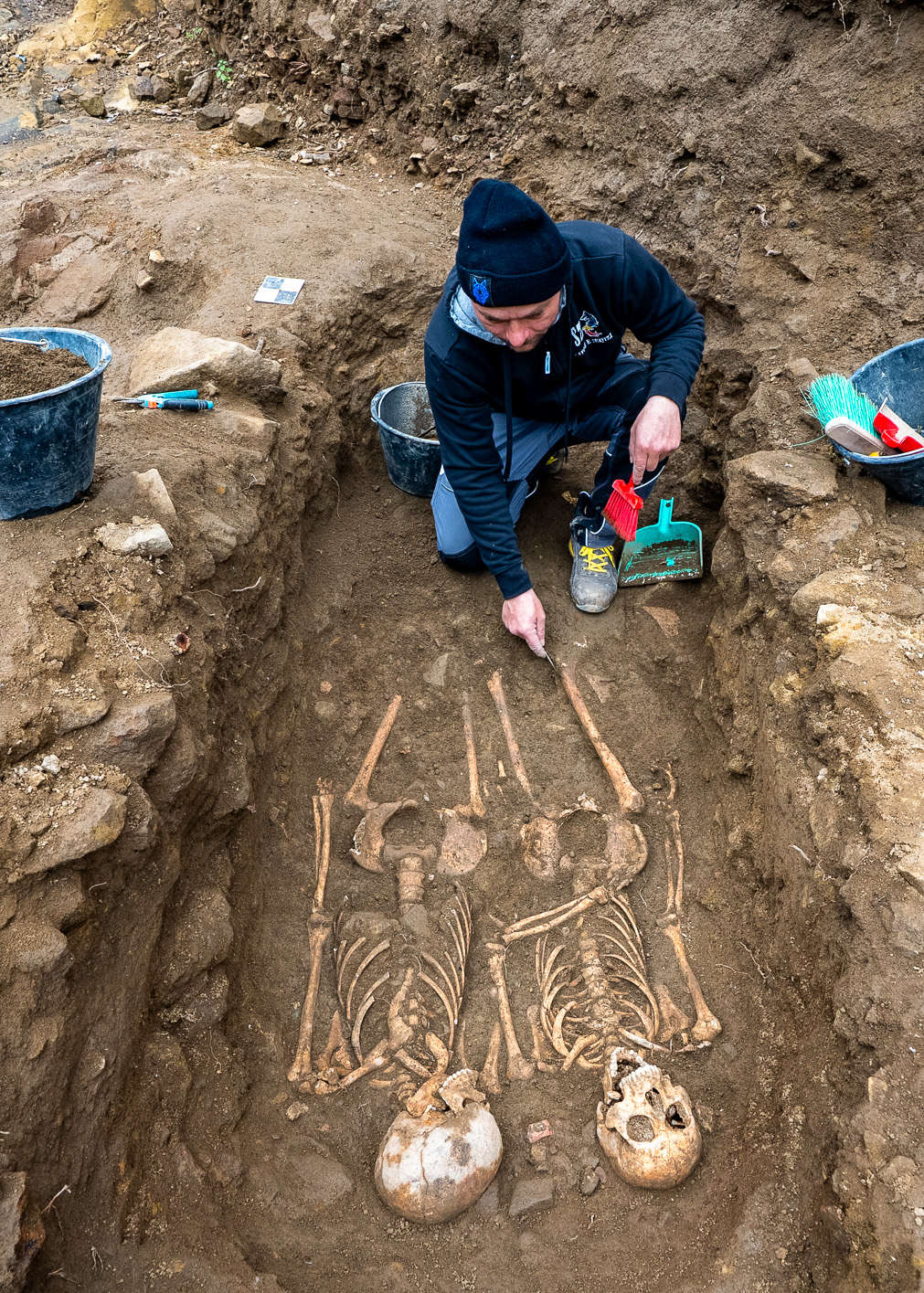
The evidence also shows a continuity of use of the site in the Late Antique period, when a more modest necropolis, separated by a long wall of tufa blocks, was implanted behind the monumental imperial sector. In this phase the pit burials, simple and lacking rich decorative devices, overlap one another in dense succession and are accompanied by scant grave goods. The coexistence of these different phases, from the early imperial age to late antiquity, returns a picture of great interest for the reconstruction of settlement and funerary dynamics along the Via Ostiense.
The new sector is to be traced back to the vast Necropolis of the Via Ostiense, of which the compartments of the Ostiense Burial Ground and the Rupe di San Paolo are now visible and accessible to the public. The recent discoveries substantially expand our knowledge of the extent and topographical organization of the funerary complex, offering valuable data for understanding its evolution over time.
“The Ostiense Necropolis, one of the most extensive in ancient Rome,” comments Culture Minister Alessandro Giuli, “gives us another important testimony that, thanks to the Special Superintendence of Rome of the Ministry of Culture, will be protected, studied, and enhanced without impeding the project of a new studentate and indeed with the hope of making the findings visitable. Once again, the Superintendencies prove to be the meeting point between the needs of the territory and the citizenry to preserve and deliver to future generations the values of the Italian cultural heritage.”
For Luigi La Rocca, Head of the Department for the Protection of Cultural Heritage, “these archaeological discoveries highlight how a regulatory tool, namely prior verification of archaeological interest, constitutes an opportunity for research and knowledge of the history of Rome, which never ceases to amaze for its stratification, and provides, at the same time, an opportunity to reflect on the issue of the preservation of the found heritage and its possible integration into the fabric and needs of the modern city, in an urban compartment affected by profound transformations.” The new discoveries, articulated in a long temporal phase between the early imperial age and late antiquity, constitute an extremely important find, capable of providing new and valuable information on the topographical layout, as well as on the anthropological, epigraphic and material culture aspects of the Ostiense Necropolis."
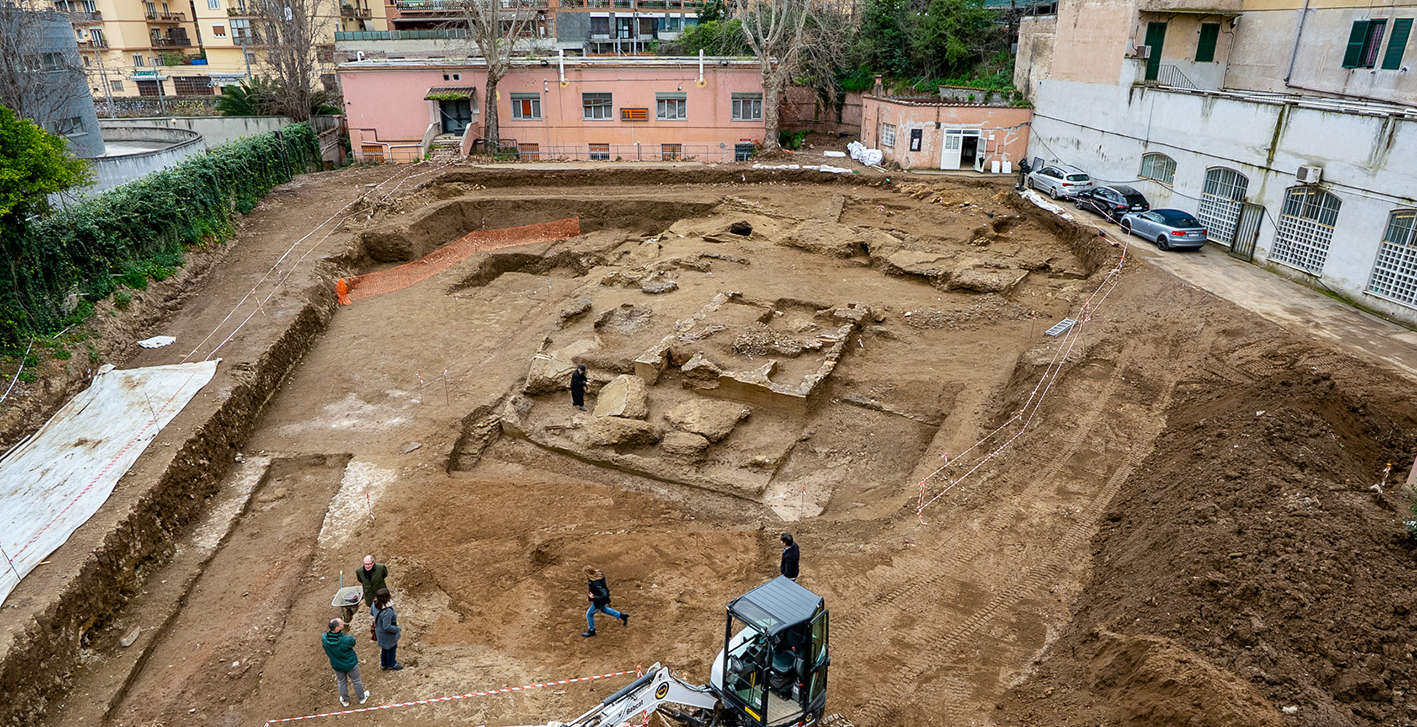 |
| Rome, new discoveries in the Ostiense Necropolis: an unknown sector emerges |

Warning: the translation into English of the original Italian article was created using automatic tools. We undertake to review all articles, but we do not guarantee the total absence of inaccuracies in the translation due to the program. You can find the original by clicking on the ITA button. If you find any mistake,please contact us.



























 IT
IT FR
FR DE
DE ES
ES CN
CN


