





The François Tomb of Vulci officially becomes part of the heritage of the Italian state. The signing of the deed of sale, which took place today at the Ministry of Culture in the presence of Minister Alessandro Giuli, sanctions thedefinitive acquisition of one of the greatest masterpieces of Etruscan and ancient painting, which will be permanently destined for the National Etruscan Museum of Villa Giulia, where it can be fully returned to the public.
This concludes a journey that began more than a century ago: in fact, as early as 1921, the Italian state had expressed its intention to acquire the famous tomb. The operation, with a total value of 15 million euros, represents one of the most important investments made in recent years by the Ministry of Culture in the area of heritage acquisitions. Decisive for the success of the operation was the collaboration with the heirs of the Torlonia, Sforza Cesarini and Gaetani families, owners of the work, along with the joint work of the General Directorate for Museums, headed by Massimo Osanna, and the National Etruscan Museum of Villa Giulia, directed by Luana Toniolo. Also present at the signing were MiC Cabinet Chief Valentina Gemignani and Department Head for the Enhancement of Cultural Heritage Alfonsina Russo.
“The acquisition of the François Tomb represents an achievement of extraordinary value for the national cultural heritage and testifies to the Ministry of Culture’s commitment to strengthening public collections by returning fundamental works of our history to the community,” said Minister of Culture Alessandro Giuli. “With this act, the state acquires one of the most important masterpieces of Etruscan painting and ancient Mediterranean art, definitively handing it over to public enjoyment and scientific research. The François Tomb is an identifying testimony to Etruscan civilization and the central role it played in the cultural formation of ancient Italy. This acquisition confirms the Ministry’s willingness to invest in the protection, enhancement and accessibility of cultural heritage as a common good and a tool for shared knowledge.”
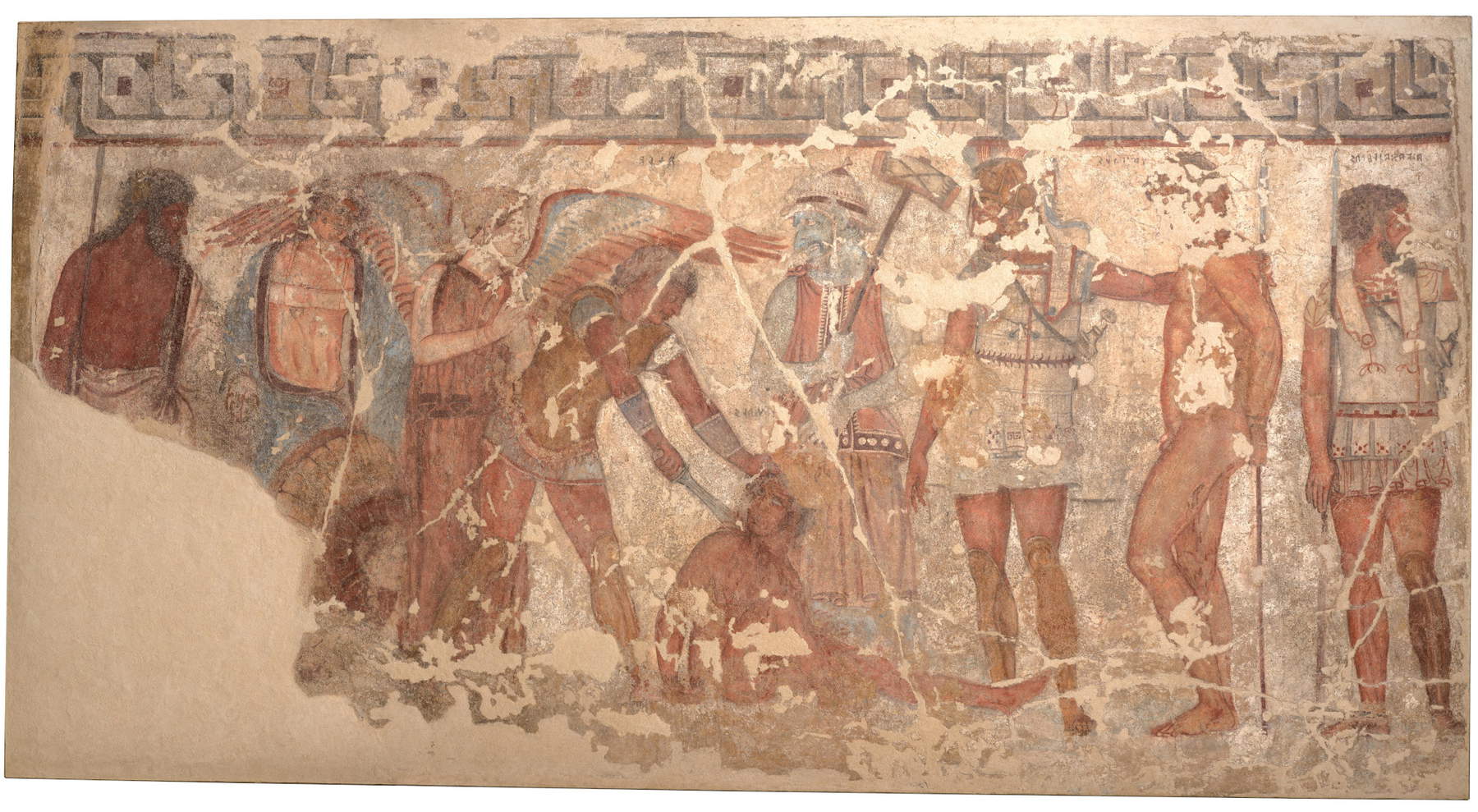
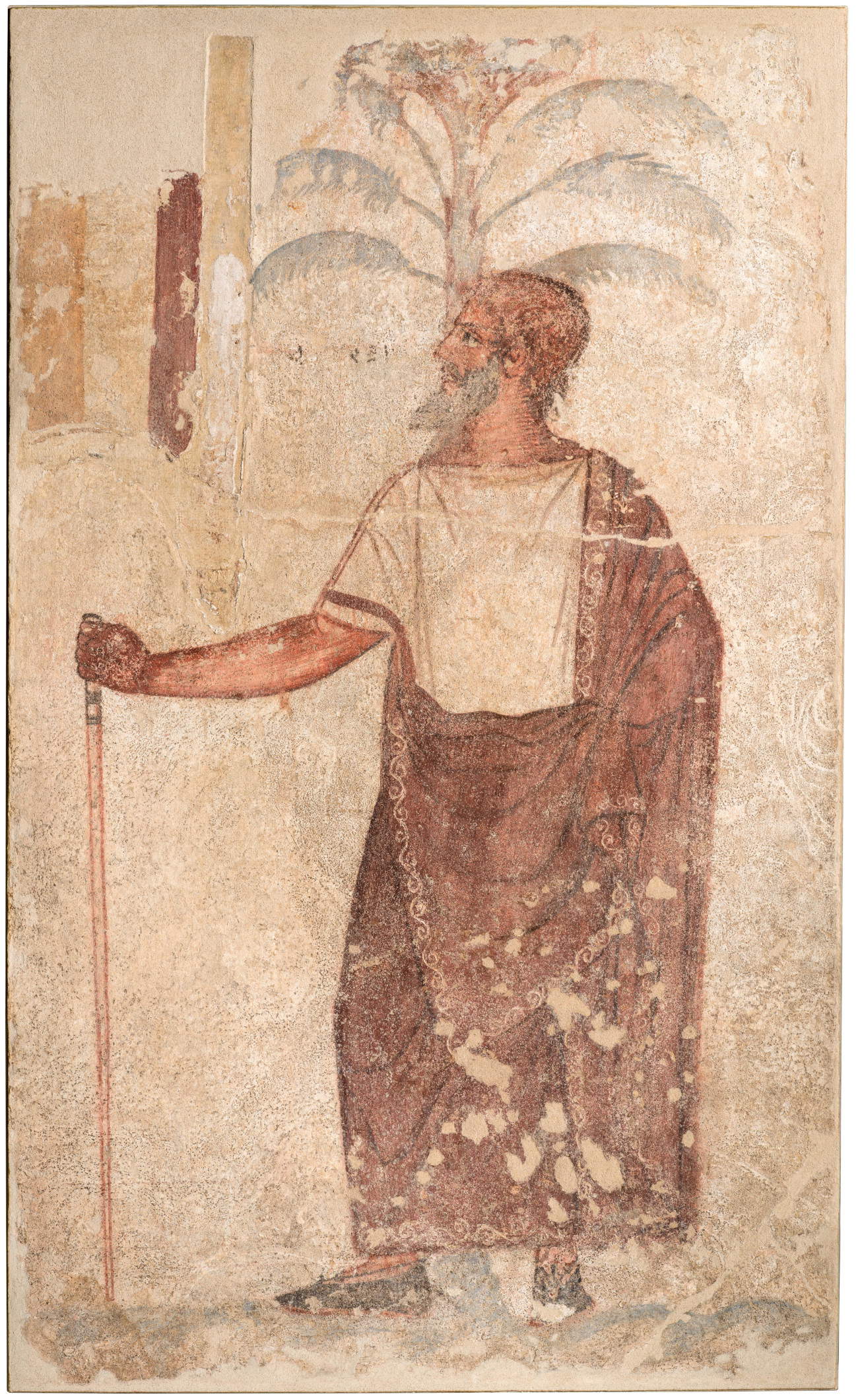
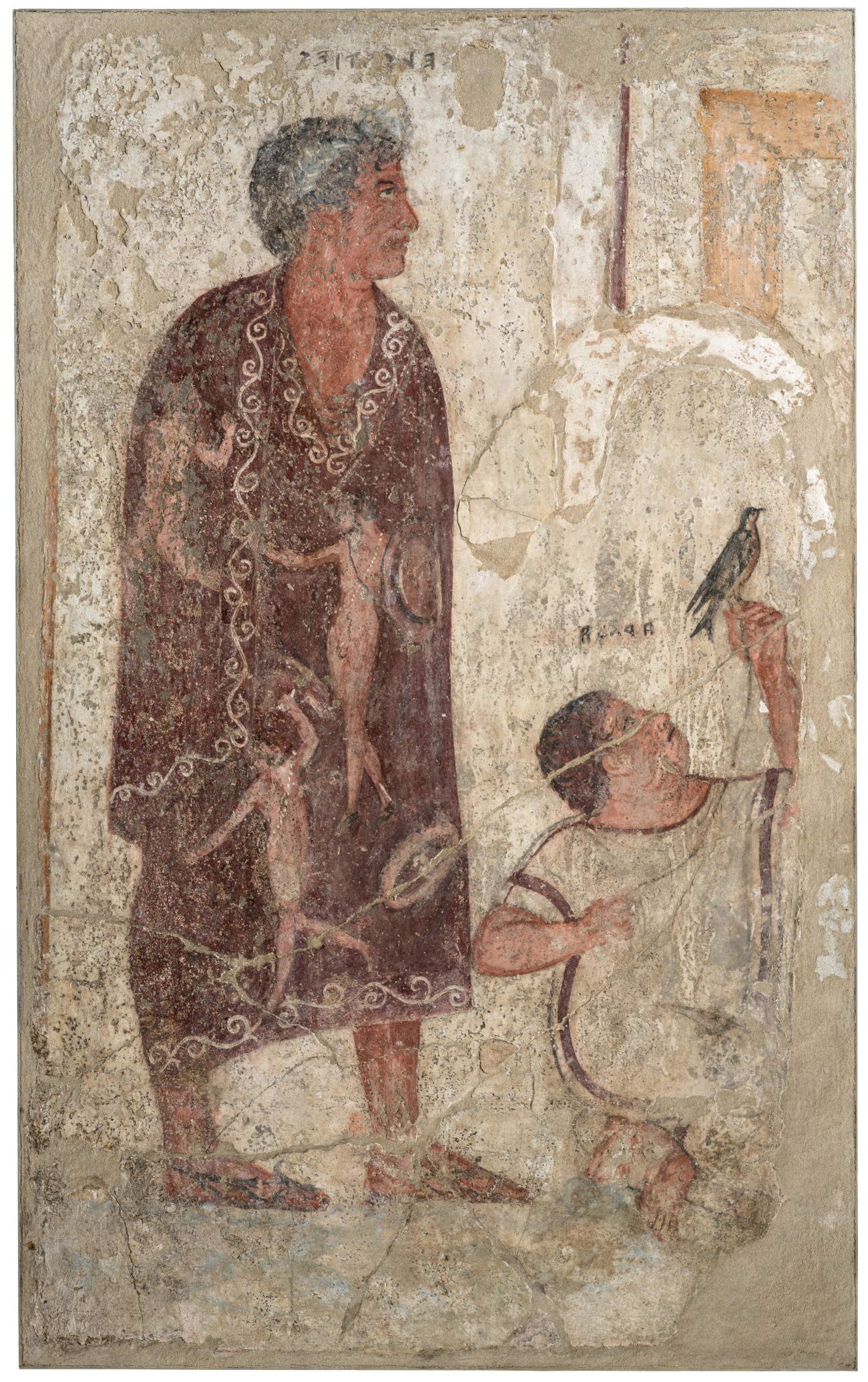
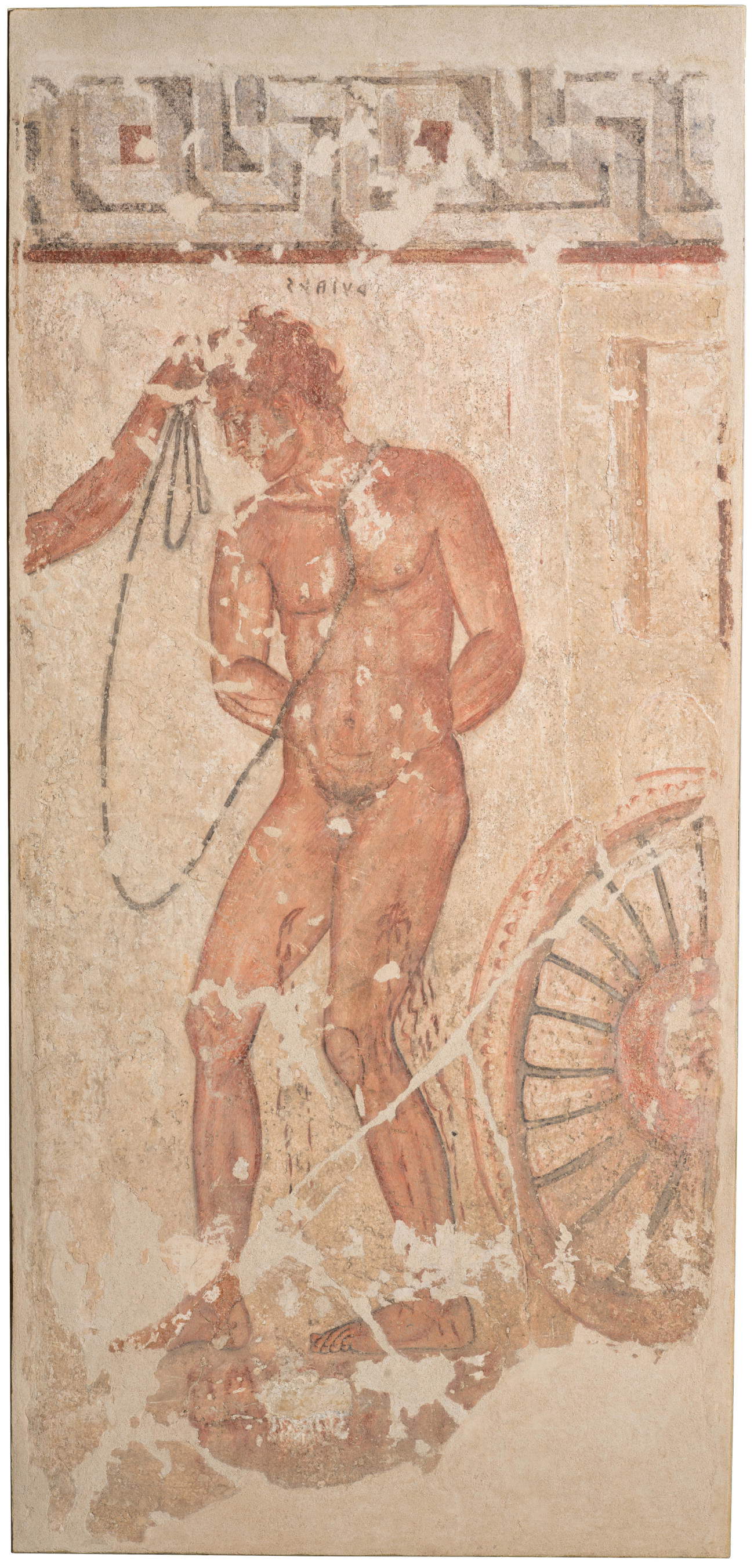
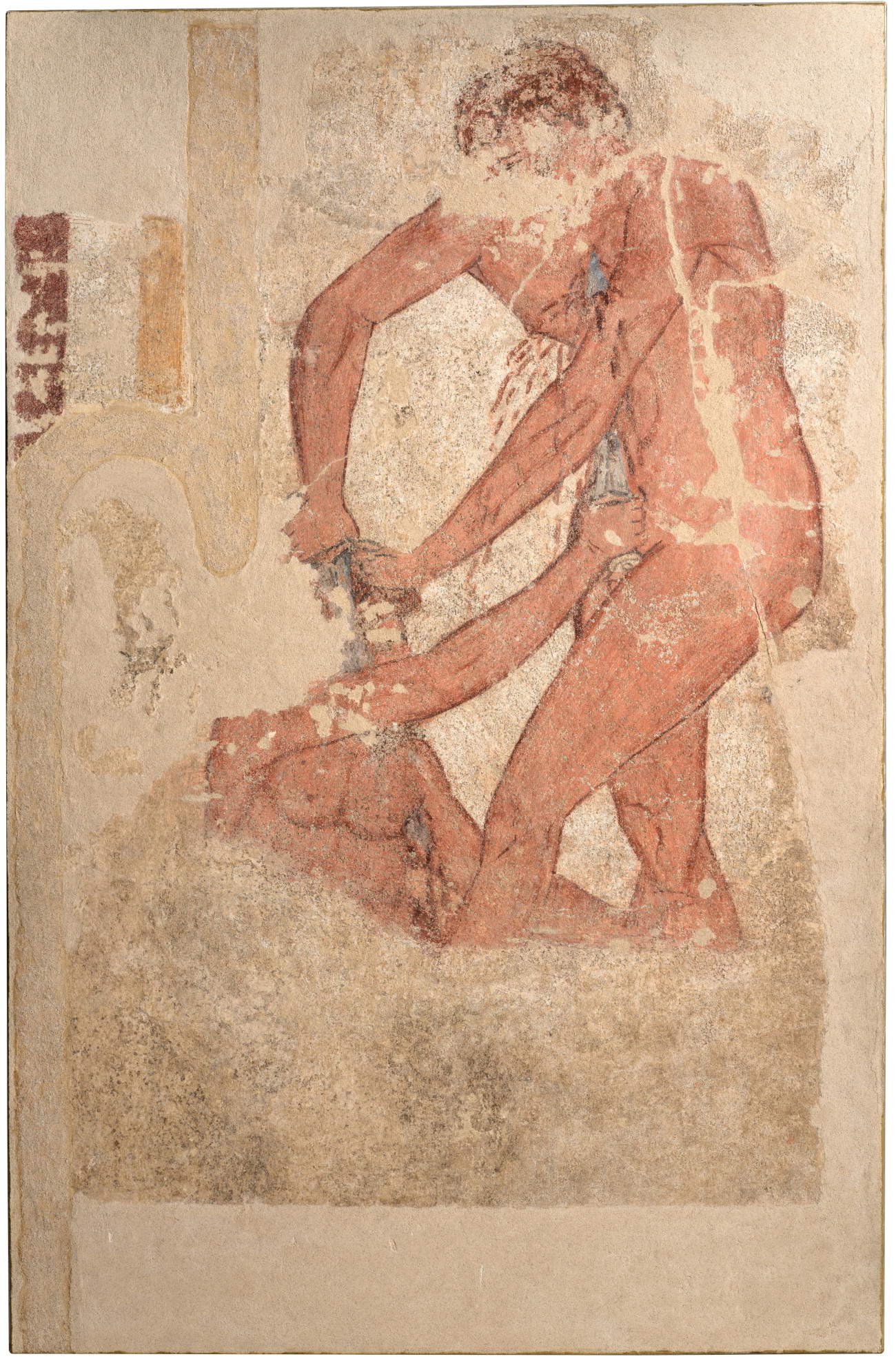
Discovered on May 1, 1857, by archaeologist Alexander François in the Ponte Rotto necropolis at Vulci, within the grounds belonging to Prince Alexander Torlonia, the tomb is excavated in tufa and consists of thirty-seven painted panels in addition to two lithic cippus found along the access corridor. Dated between 340 and 320 B.C., it represents one of the most extraordinary testimonies of Etruscan painting that has come down to us.
The pictorial cycle of the François Tomb interweaves Greek myth, Etruscan historical memory and celebration of Vulci’s aristocratic identity. The inscriptions painted next to the figures still allow us to identify names, episodes and figures that combine history, legend and the representation of power.
Among the most famous scenes emerges the large panel with the sacrifice of Trojan prisoners on the tomb of Patroclus: Achilles appears at the center of the composition, while the mythological tale is reinterpreted according to Etruscan sensibility through the presence of the demon Charun, depicted with bluish skin and hammer, together with the winged figure of Vanth. On the opposite wall, however, is depicted the liberation of Celius Vibenna by his brother Aulus and Macstarna, identified by tradition with the future king of Rome Servius Tullius, in a scene of extraordinary historical and political significance. Completing the monument is what is considered the longest known animalistic frieze of antiquity, populated by griffins, lions, panthers, deer, wild boar and fantastic creatures, evidence of the exceptional artistic quality of the entire decorative complex.
To celebrate the acquisition, the National Etruscan Museum of Villa Giulia will open a major exhibition dedicated to the François Tomb on June 25. Thanks to the collaboration of important Italian and international museum institutions, it will be possible to ideally reconstruct the original context of the monument.
In fact, the Musée du Louvre, the British Museum, the Royal Museum of Art and History in Brussels, the Musée cantonal d’archéologie et d’histoire in Lausanne, the Vatican Museums, and the Germanic Archaeological Institute in Rome have granted exceptional loans that will make it possible to bring together artifacts, documents, historical copies, and works related to the tomb’s funerary equipment and collecting history. The exhibition will offer the public innovative in-depth tools, including tactile tables and content in Italian Sign Language, to encourage a broader and more inclusive knowledge of the monument.
|
| The Italian state purchased the François Tomb, an identifying testimony to Etruscan civilization |

Warning: the translation into English of the original Italian article was created using automatic tools. We undertake to review all articles, but we do not guarantee the total absence of inaccuracies in the translation due to the program. You can find the original by clicking on the ITA button. If you find any mistake,please contact us.

























 IT
IT FR
FR DE
DE ES
ES CN
CN


