





Malta returns to the Venice Art Biennale with a project that focuses on doubt as a tool for knowledge, resistance and interpretation of the present. Set up at the Arsenale, the Malta Pavilion, organized by the Arts Council Malta, hosts the group exhibition No Need to Sparkle; Experiments in Love and Revolution, curated by Margerita Pulè and entrusted to artists Adrian MM Abela (1989), Charlie Cauchi (1980) and Raphael Vella (1967). The project marks Malta’s fifth participation in the Venice Biennale’s International Art Exhibition with its own national pavilion and is part of a path that has consolidated the country’s cultural presence in the international art scene in recent years.
The title of the exhibition originates from A Room of One’s Own, the famous essay by Virginia Woolf that continues to be a fundamental reference for contemporary thought on identity, freedom and self-determination. Starting with this literary reference, the exhibition project proposes a reflection on the complexities of the present through three new works specially commissioned from the artists involved. The installations arise from the elaboration of a wide range of historical and conceptual materials and address themes ranging from the history of protest to prehistoric mythologies, from questions of identity to the mechanisms of the film industry. The intent is to bring contemporary myths, narratives and languages into dialogue to interrogate the ways in which individuals construct their own understanding of reality.
Underlying the project is the concept of "doubting well,“ literally ”doubting well," understood not as a sign of paralyzing uncertainty but as an active practice of resistance. In a historical period characterized by fragmented information, continuous geopolitical transformations and deep social and environmental tensions, doubt is proposed as a tool capable of fostering openness, awareness and critical participation. The works of the three artists will shape a path in which the audience is invited to traverse uncertain territories and confront multiple levels of reading. Multimedia and screen-based installations build a space dedicated toquestioning and reflection, bringing together reality and fiction, memory and imagination, document and narrative construction.
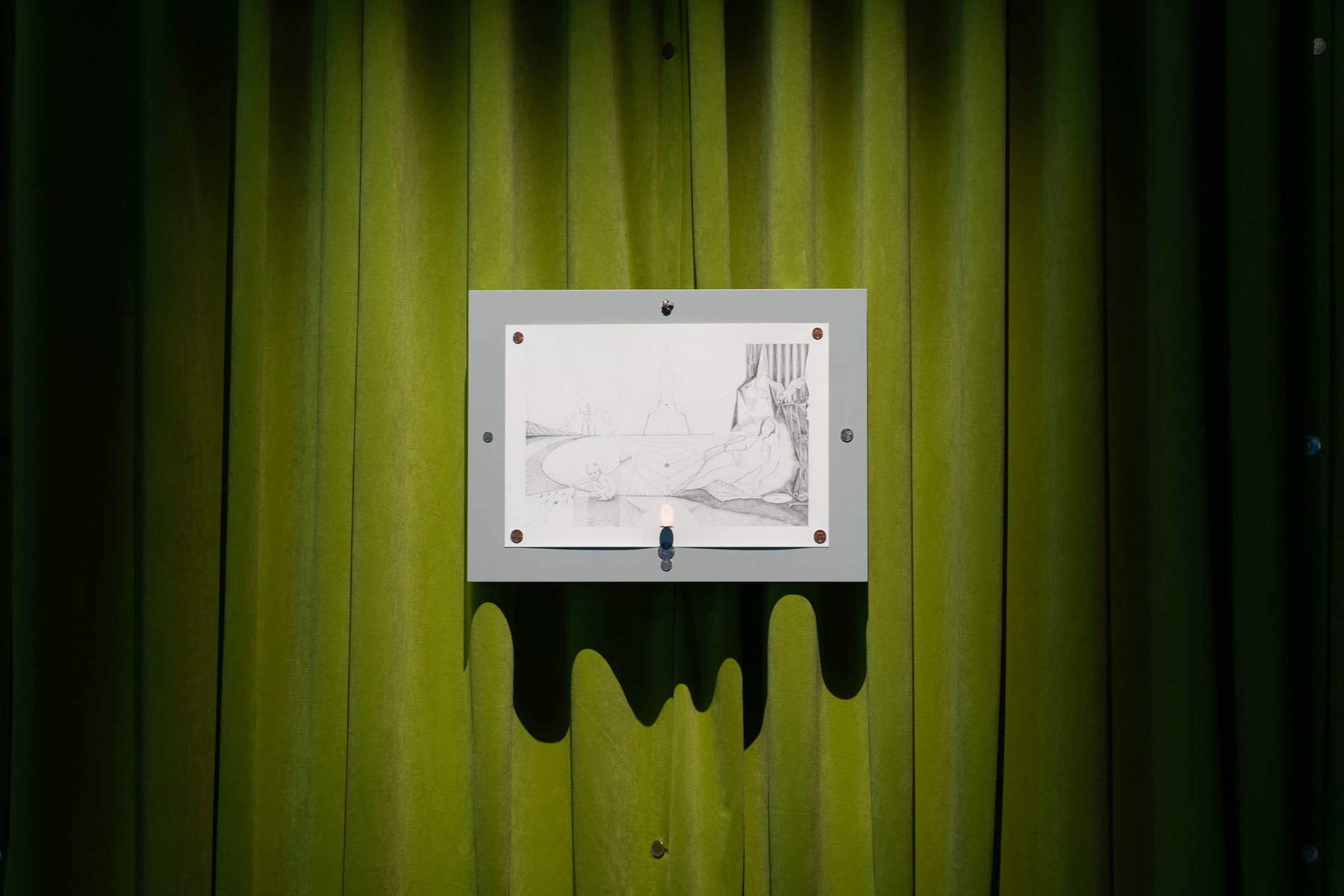
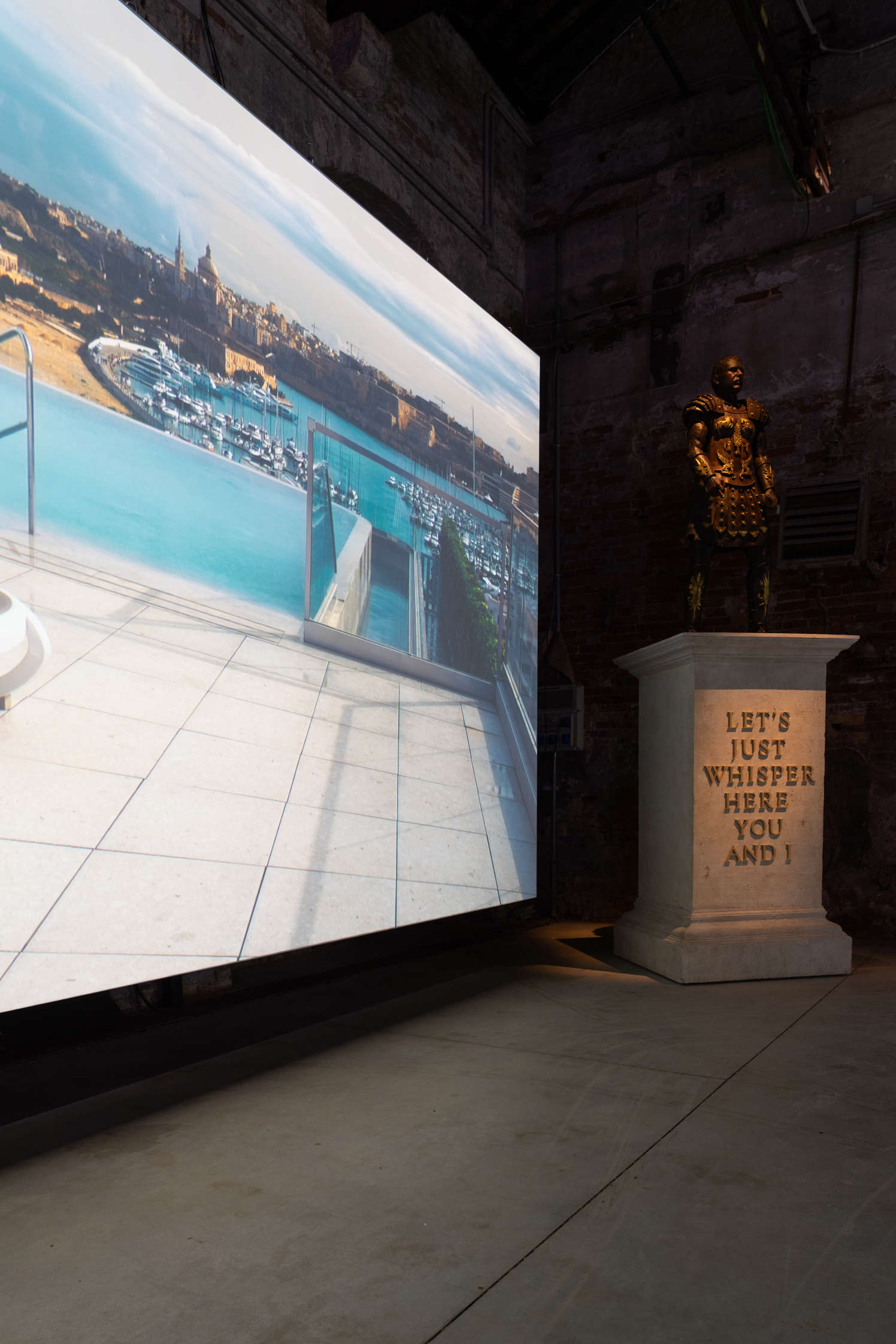
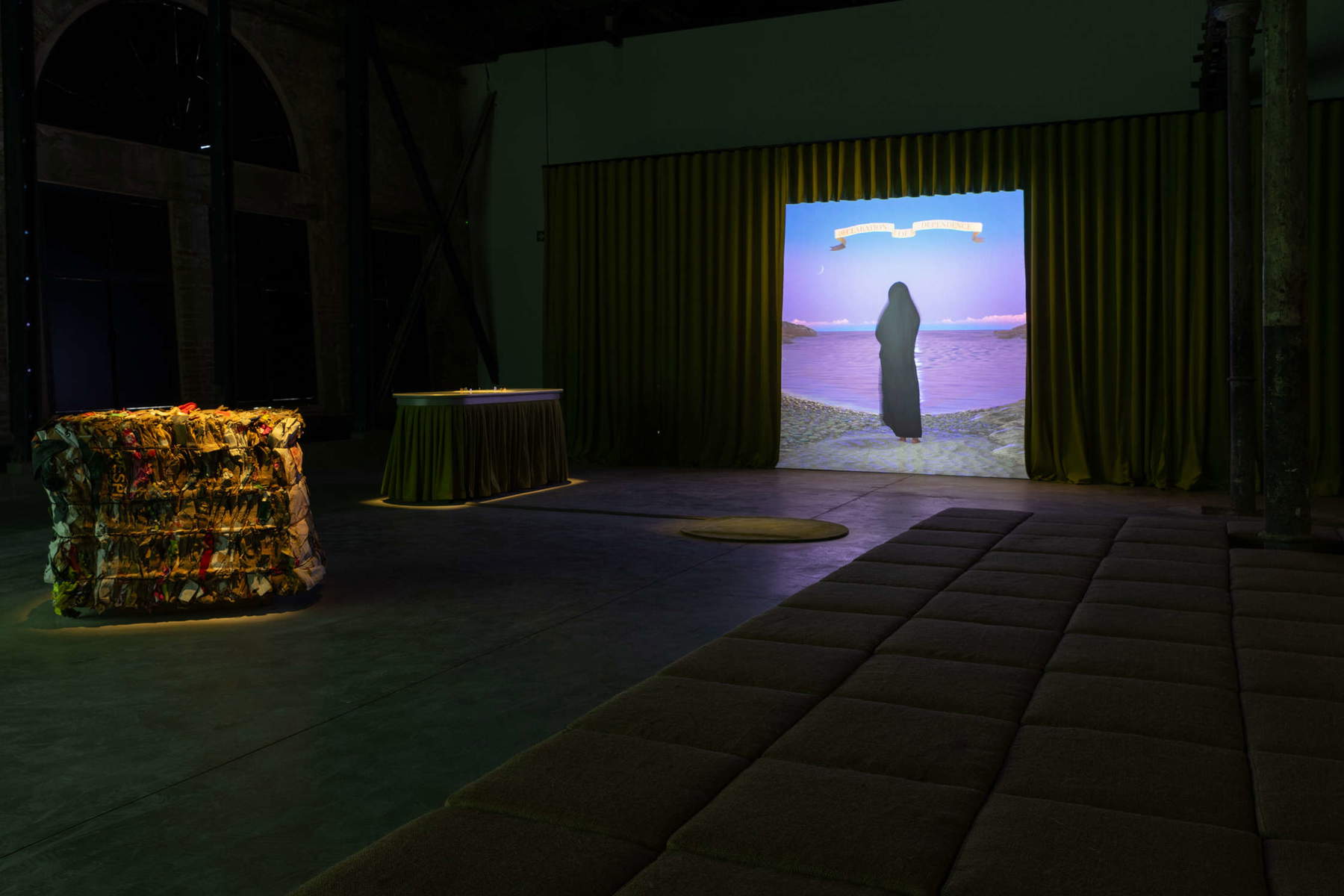
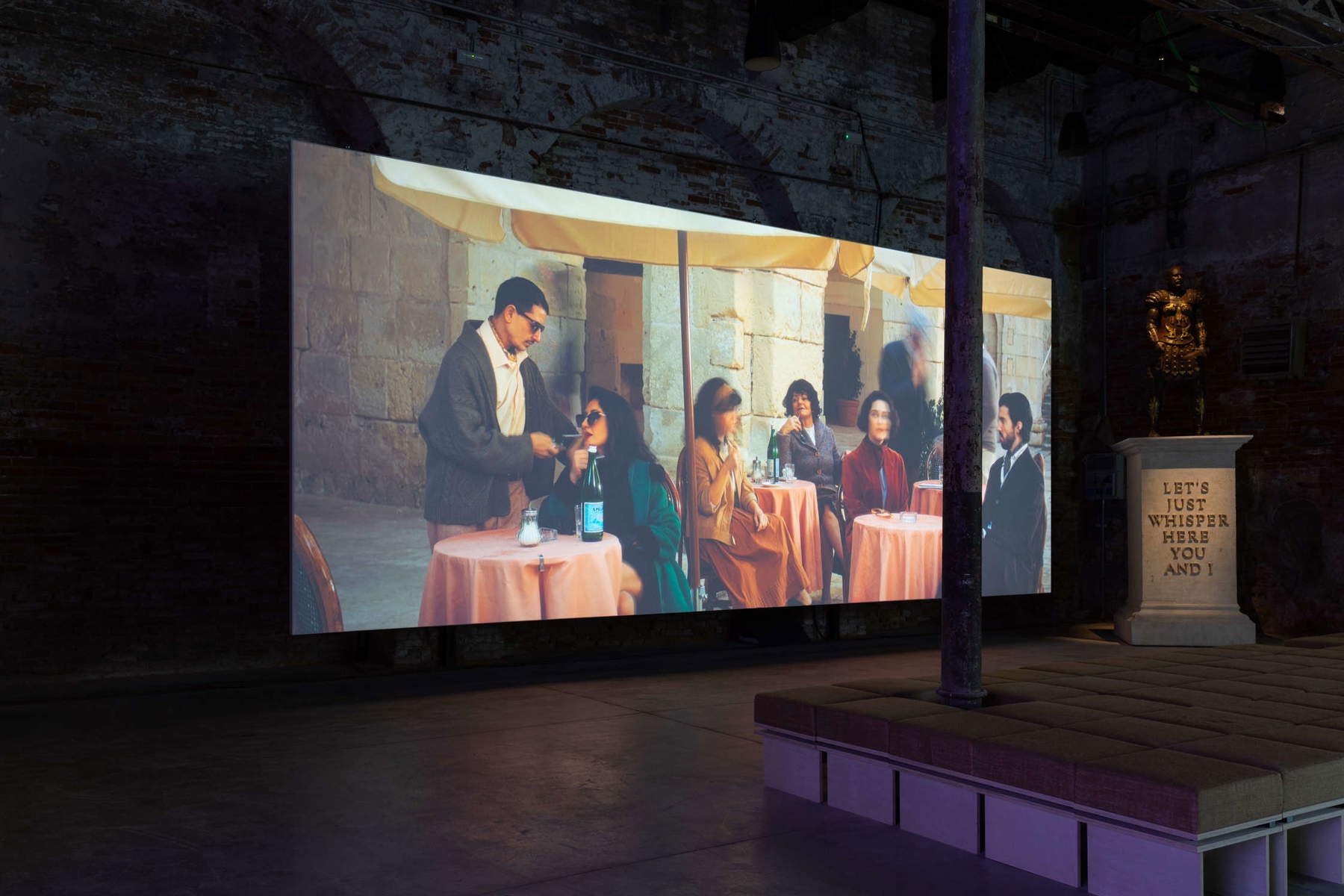
The project is characterized by the use of different languages and techniques. Indeed, the works will integrate large-scale sculptures, handmade artifacts, live-action films and stop-motion animations, resulting in a layered exhibition environment in which visitors will be called upon to engage with shifting narratives and changing belief systems. The aim is to stimulate critical reflection on concepts such as truth, perception and the construction of meaning, themes that resonate particularly within contemporary Maltese society.
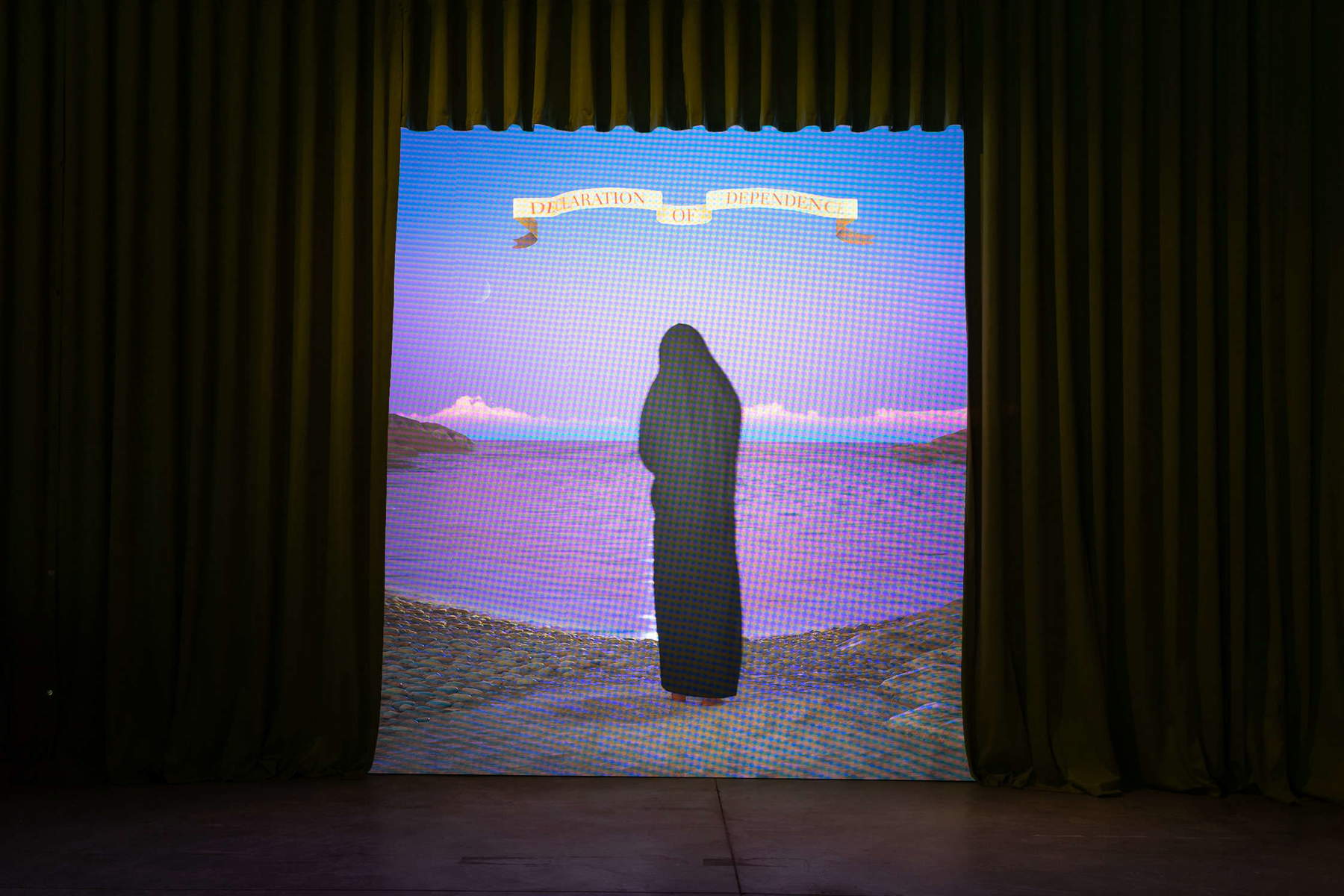
Adrian MM Abela presents Declaration of Dependance, a work that draws on Malta’s founding narratives and its prehistoric mythologies. Through a combination of digital technologies, sculptural elements and hand-drawn works, the artist constructs an immersive environment that questions the relationship between history and the imaginary, interrogating how communities construct their own identity narratives and sense of belonging. The work unfolds as a reflection on the origins and representations of the past, offering a critical reinterpretation of the stories that have helped define the collective perception of the Maltese nation. Through an interweaving of historical, mythological and symbolic references, Declaration of Dependance invites the audience to engage with the ways in which memory and imagery are constructed.
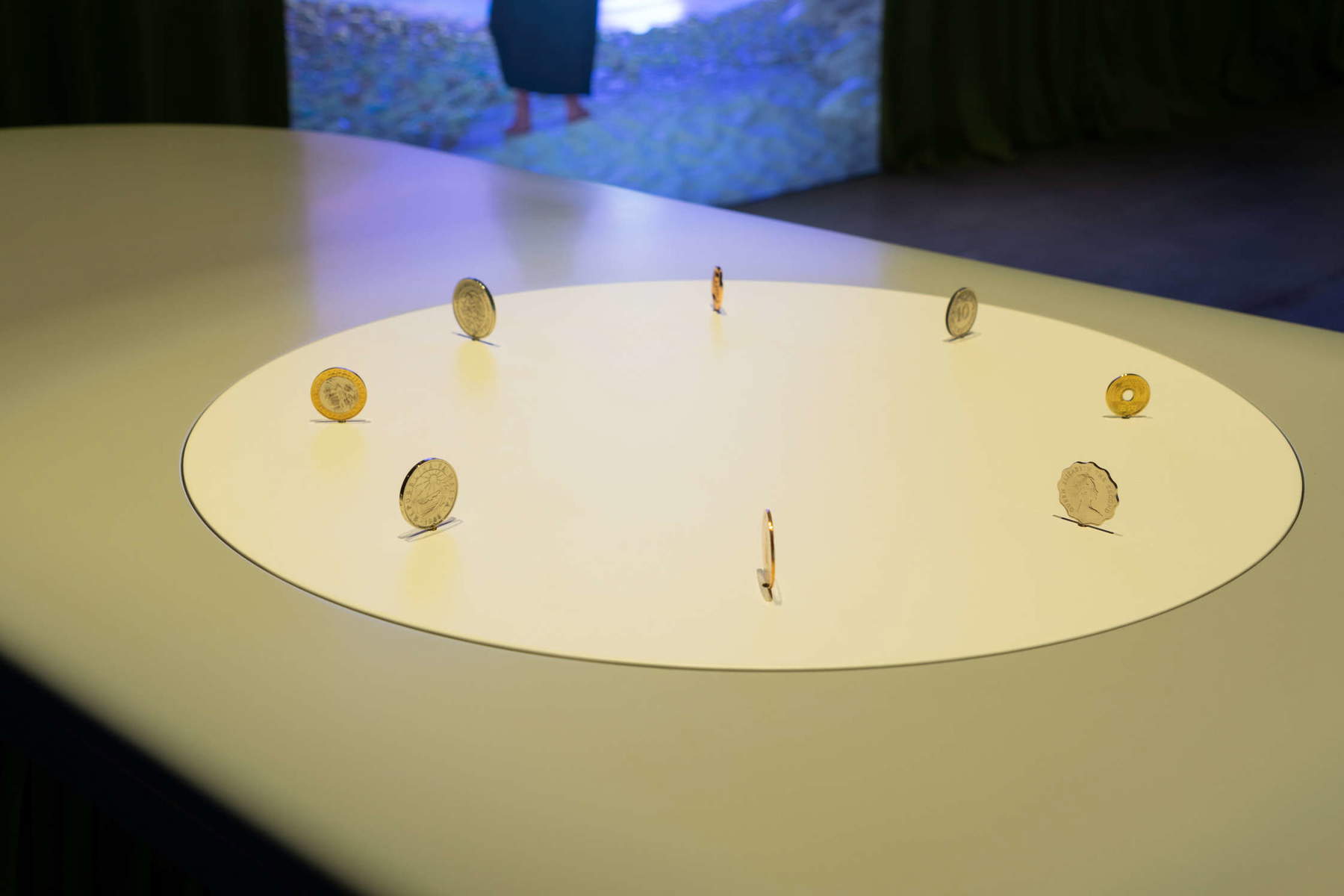
In contrast, Charlie Cauchi presents Dolce, a project that addresses the theme of authenticity in an age when the line between reality and representation appears increasingly blurred. The work takes inspiration from La Dolce Vita and the cinematic universe of Federico Fellini to investigate the processes through which cinema constructs illusions and produces images intended to influence the perception of reality. Through this work, the artist reflects on the relationships between authenticity, identity, labor and the global production of images, highlighting how the contemporary audiovisual system continually contributes to redefining the relationship between lived experience and media representation. The project also takes on a particular symbolic value as Charlie Cauchi becomes the first female artist to represent Malta at the Venice Biennale’s International Art Exhibition, marking a significant step in the history of Maltese participation in the event.
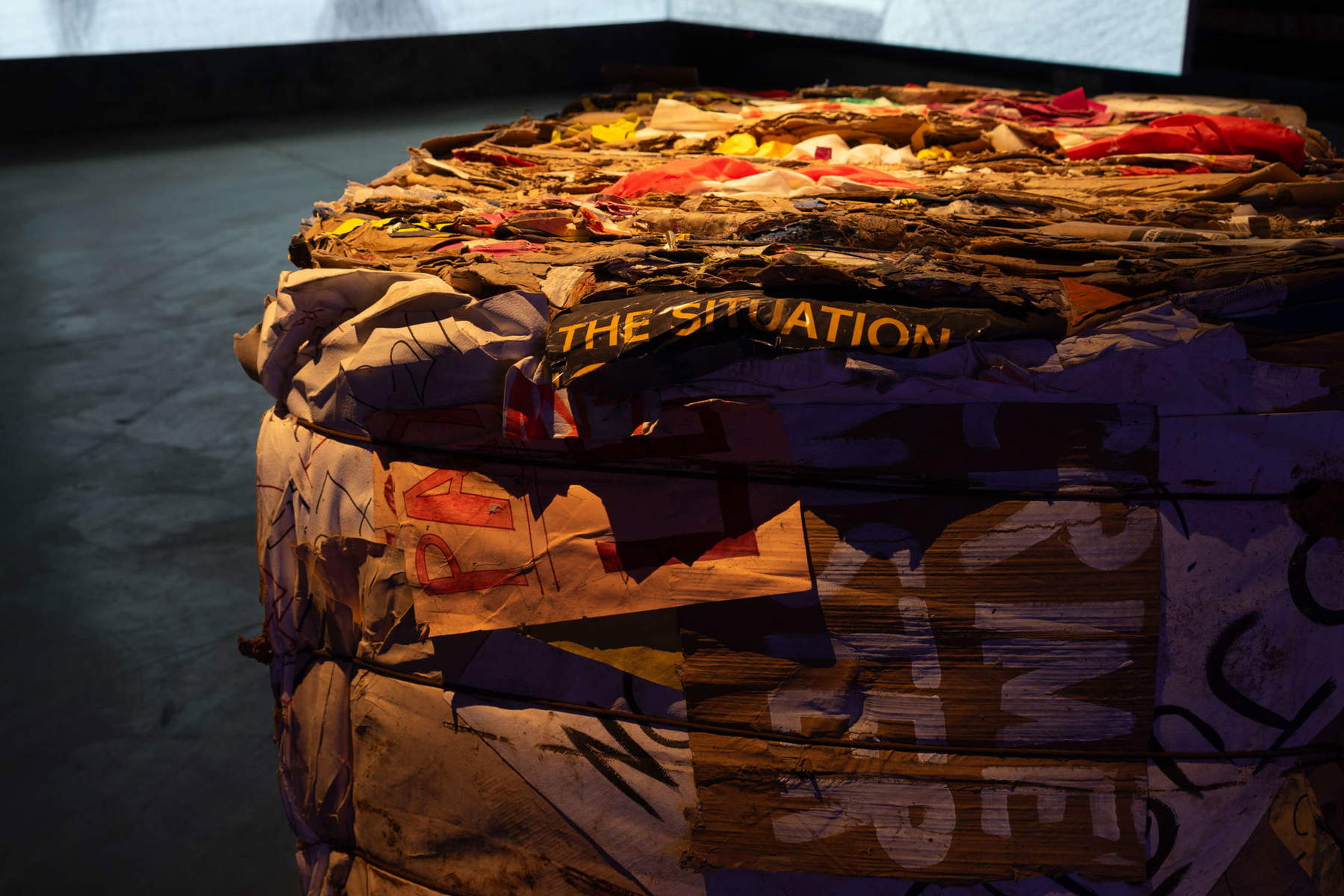
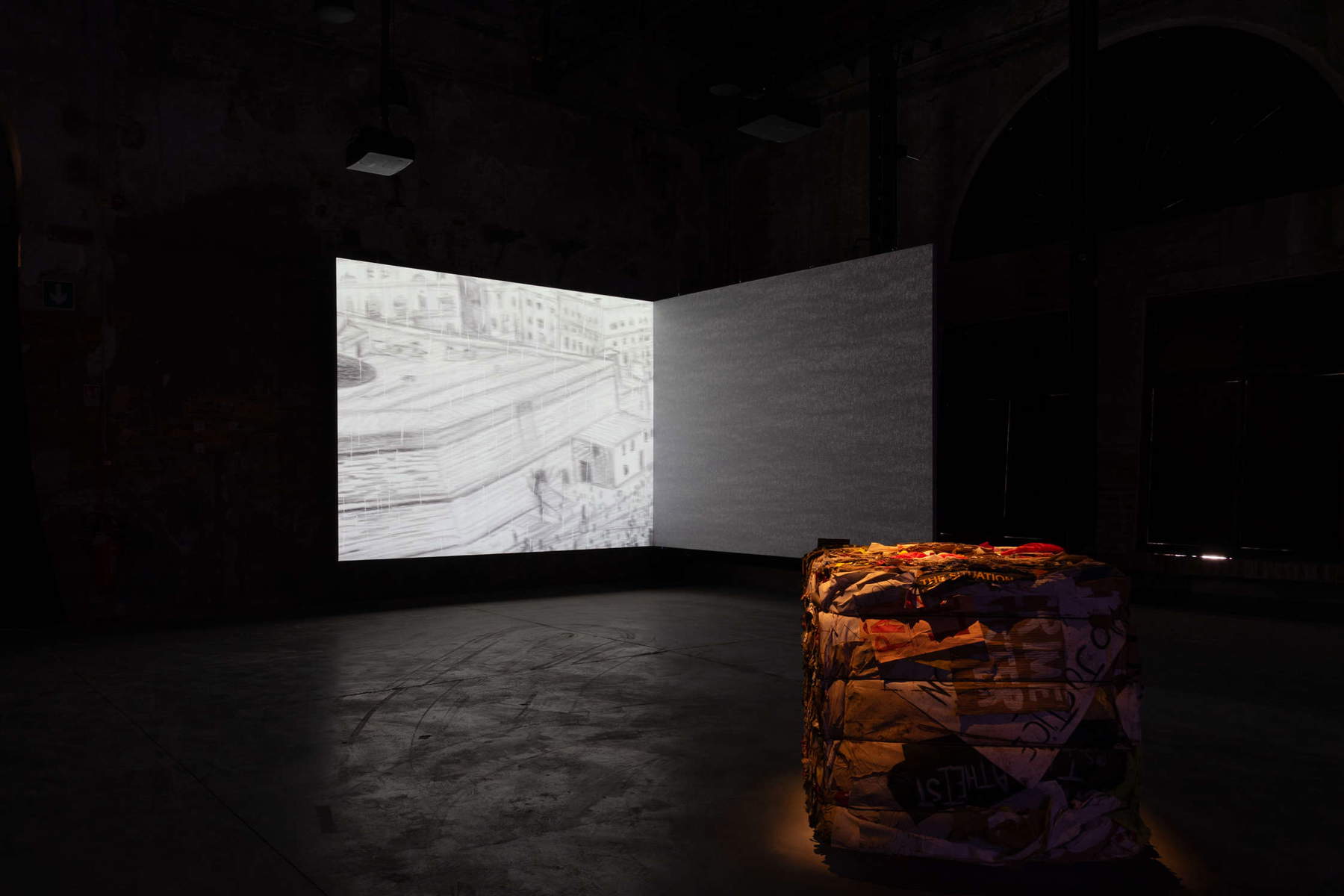
Raphael Vella is featured with Praying For A Revolution That Will Never Come, a work constructed from 20th- and 21st-century archival materials related to struggles for autonomy and self-determination. The work traces a century of collective dissent in Malta through historical images that are removed from their original contexts to be re-read in a new narrative dimension. In this process of decontextualization, the ideological certainties and political convictions that originally accompanied the images tend to dissolve. What remains is the act of resistance itself, observed in its essential and universal dimension. The work thus invites reflection on the memory of collective movements and the meaning assumed by practices of dissent in different historical eras.
The three installations, while maintaining a strong design autonomy, dialogue with each other within a shared curatorial vision that addresses some of the most pressing issues of the present. The exhibition takes shape in a global context marked by increasing informational complexity, accelerating communication processes, and the increasingly evident consequences of climate and geopolitical transformations. According to the curatorial project, the search for absolute truth today risks appearing unattainable and fueling attitudes of cynicism or disengagement. Instead, No Need to Sparkle aims to propose a space in which truth can redefine its role, fostering new ways of interpreting reality based on openness and empathy.
The Malta Pavilion for 2026 is commissioned by the Arts Council Malta under the auspices of the Maltese Ministry of Cultural Heritage, Arts and Local Government. The implementation of the project is coordinated by the Arts Council Malta’s Internationalization team, headed by Dr. Romina Delia. Participation in the Art Biennale 2026 represents a further step in the journey undertaken by the Arts Council Malta since 2017, when the country returned to the International Art Exhibition with the exhibition Homo Melitensis: An Incomplete History in 19 Chapters. Since then, the body has also curated the 2019, 2022 and 2024 participations, presenting the projects Maleth / Haven / Port - Heterotopias of Evocation, Diplomazija Astuta and I WILL FOLLOW THE SHIP, respectively.
|
| Malta at the Venice Biennale 2026: doubt as resistance in the National Pavilion |

Warning: the translation into English of the original Italian article was created using automatic tools. We undertake to review all articles, but we do not guarantee the total absence of inaccuracies in the translation due to the program. You can find the original by clicking on the ITA button. If you find any mistake,please contact us.






















 IT
IT FR
FR DE
DE ES
ES CN
CN


