





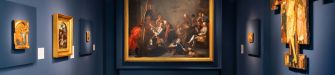
A chamber exhibition. It comes to be called that, borrowing the lexicon of chamber music: that designed for small ensembles and intimate spaces, more living rooms than concert halls. This is the hallmark of the exhibition Vasari and Rome, curated by Alessandra Baroni and promoted by Roma Capitale, open until July 19, 2026 at the Capitoline Museums (Gangemi catalog). Accompanied by the setting on the top floor of Palazzo Caffarelli, with low ceilings looming over large-format works distributed in only four small rooms, the itinerary builds an interesting contrast: on the one hand the intimacy of the space, on the other the vastness of the theme, namely the relationship between Giorgio Vasari and the complex political and cultural reality of papal Rome.
The exhibition, divided into four sections and consisting of more than seventy works, including drawings, prints, engravings, letters, medals, sculptures and paintings, sixteen of which are autographs along with seven drawings, follows the chronology of the artist’s Roman sojourns. The first section, “Vasari in Rome in 1532 and 1538: The Study from Antiquity and Raphael,” reconstructs the young Vasari’s arrival in the Urbe, following Cardinal Ippolito de’ Medici, a leading figure in the Florentine community in Rome, to which the other important patron, the powerful banker Bindo Altoviti, also belonged, thanks to whom he entered the court of Cardinal Alessandro Farnese. Vasari soon became the driving force behind what we can call the ante litteram“salotti romani,” with all the worldly and at times purely critical modern connotations. Salotti not stricto sensu: in fact, one should not only think of private meeting places where political, cultural and social elites also gathered to influence the cultural climate of the time, but also of the art yards themselves, where Aretino rediscovered his old friend Annibal Caro and met collectors and scholars such as Paolo Giovio, Francesco Maria Molza and Claudio Tolomei, who were fundamental in concretizing the project of the Lives.
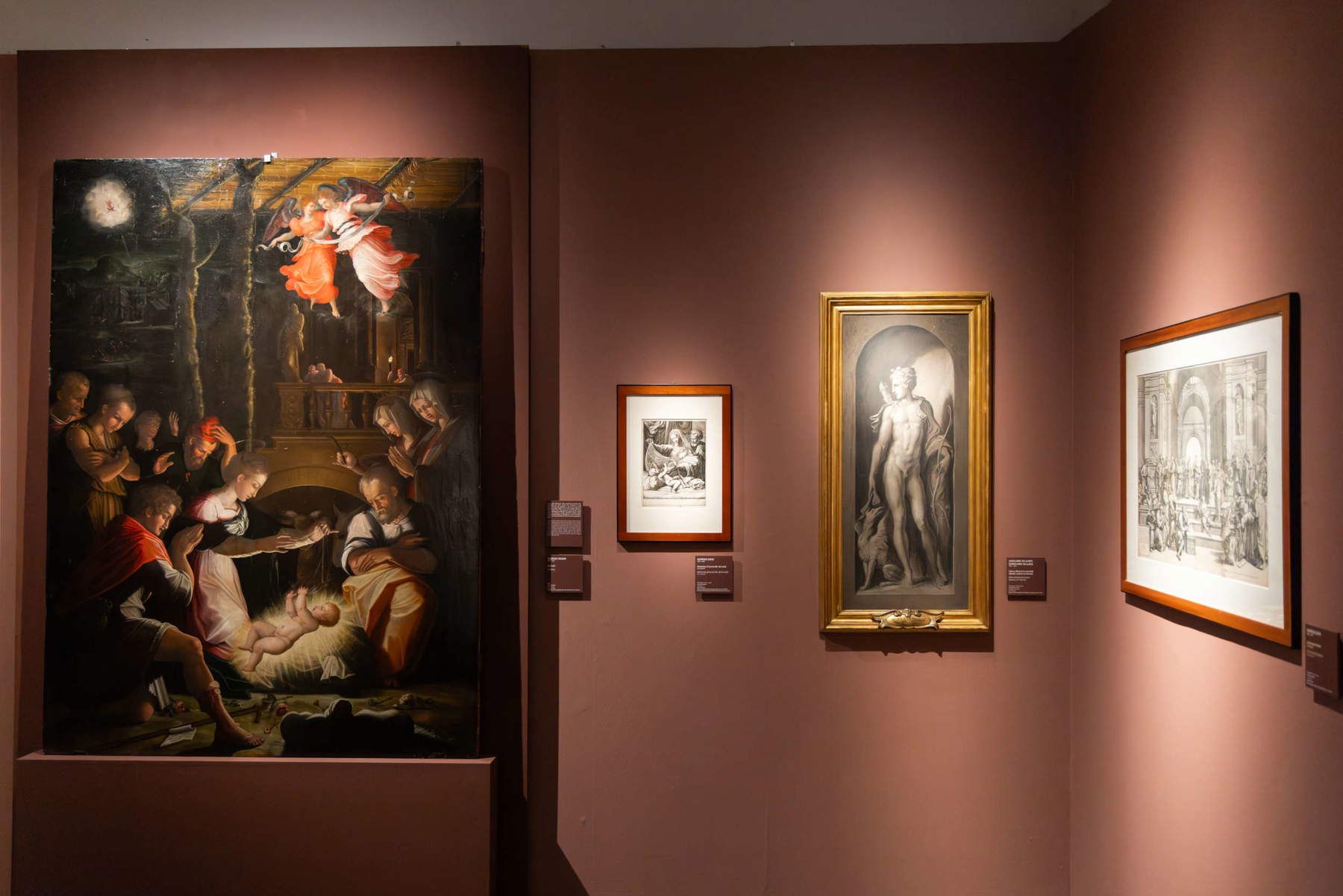
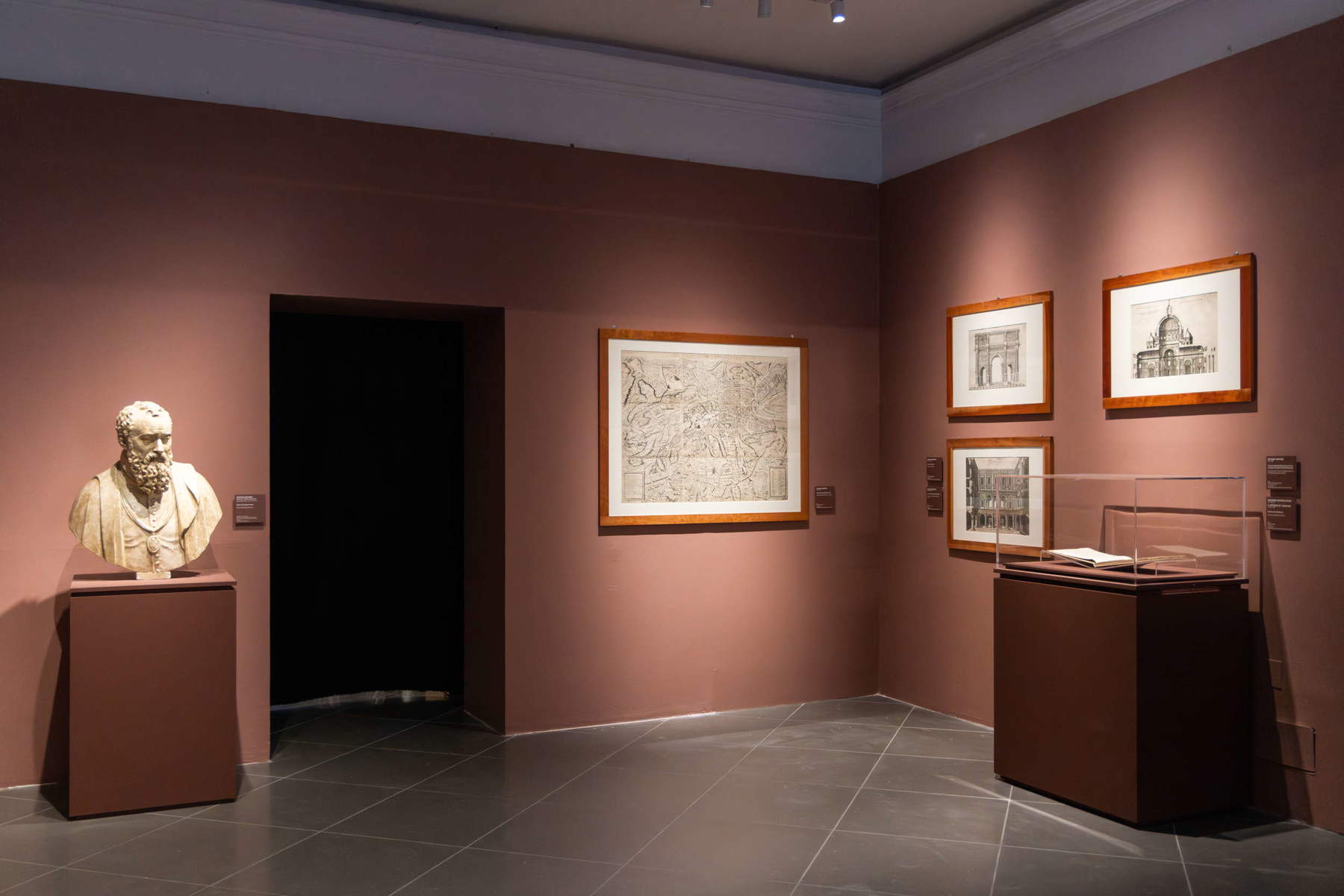
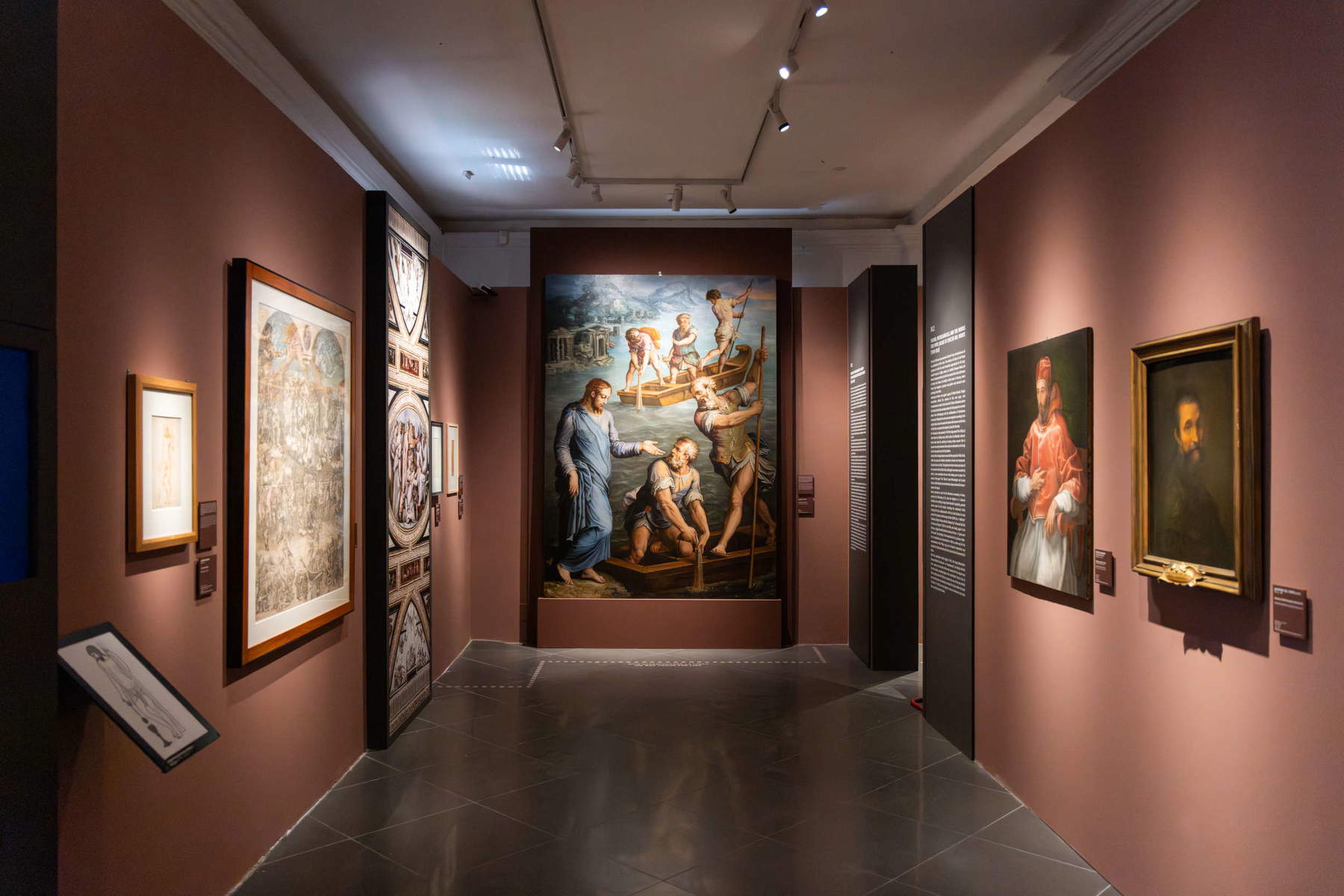
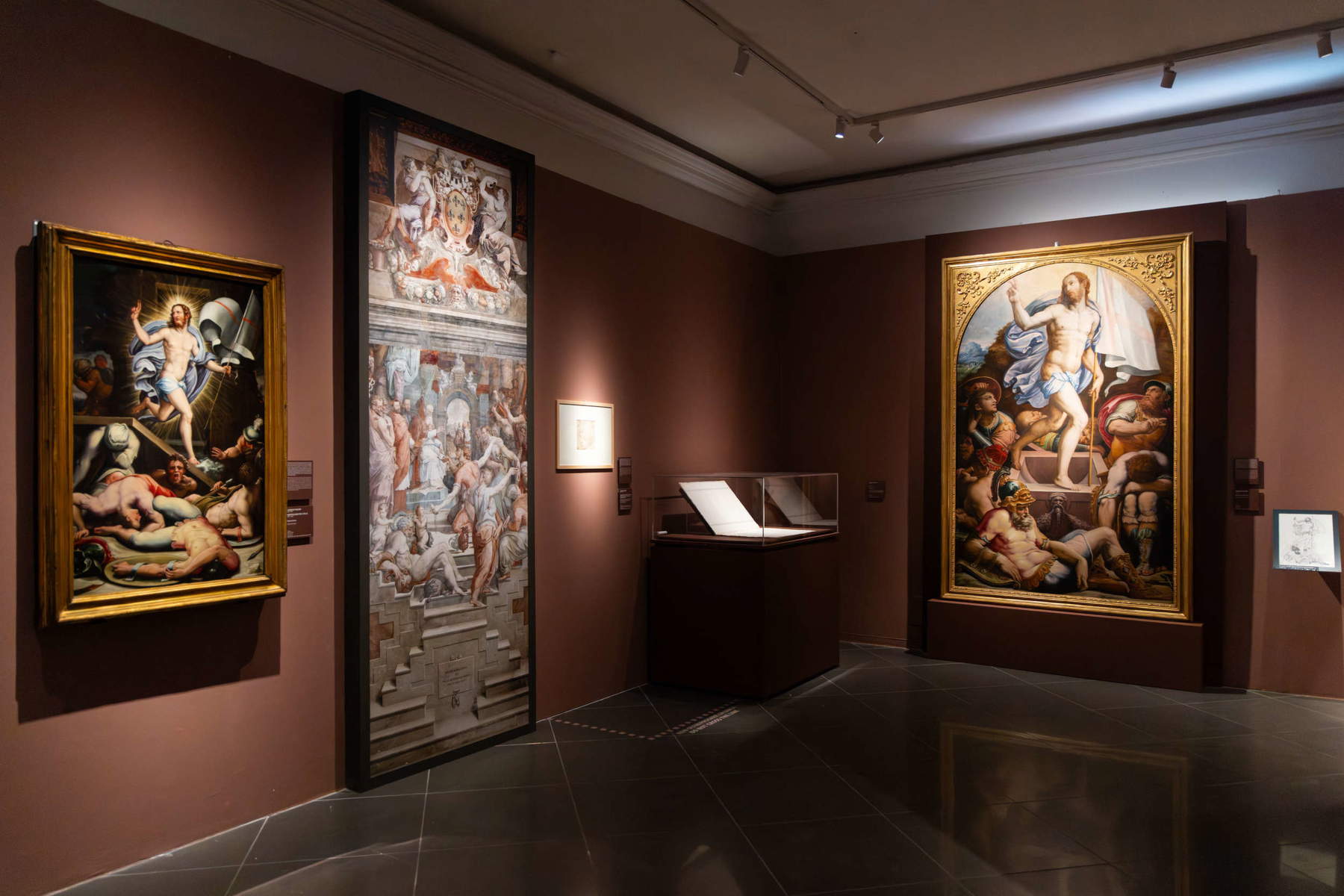
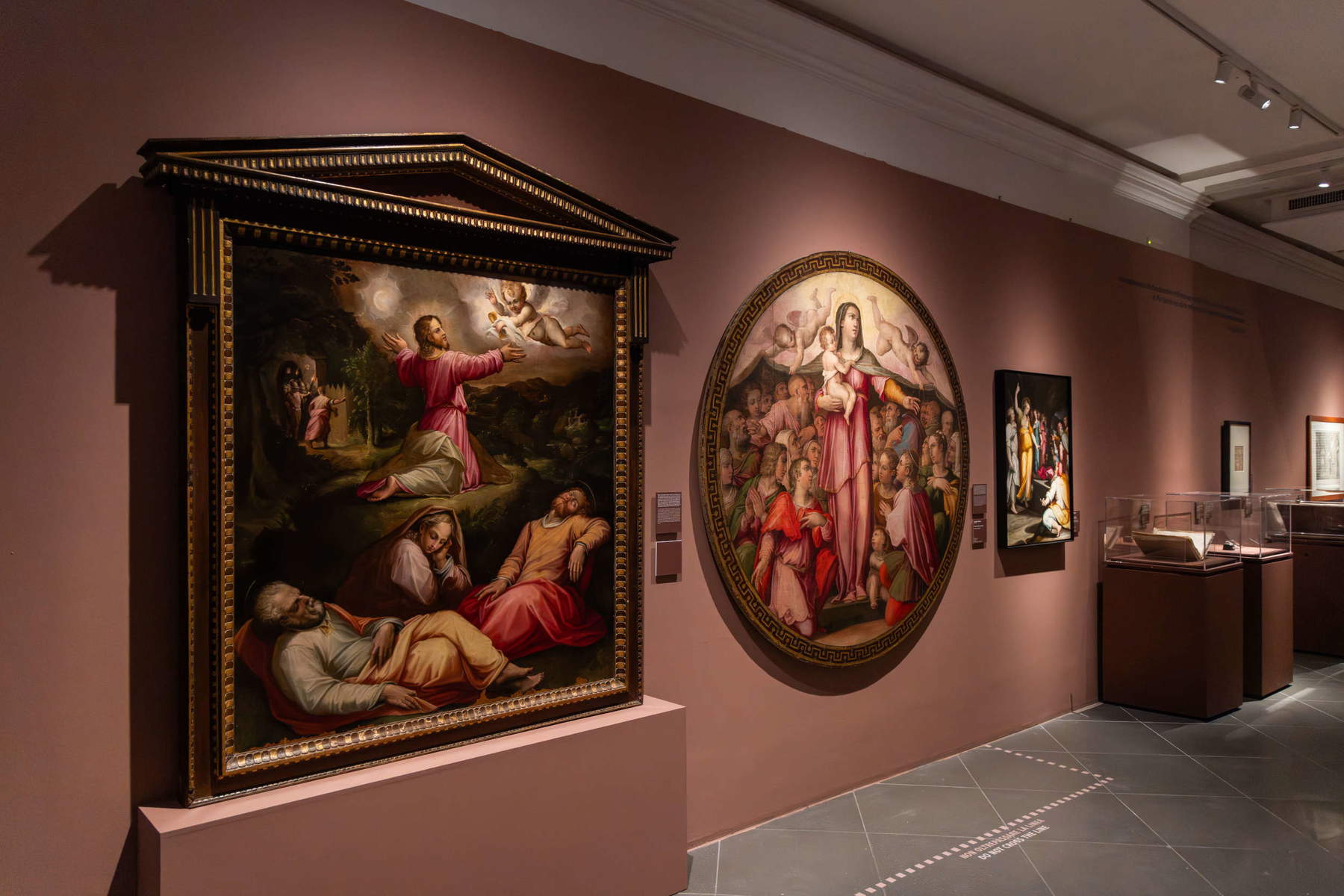
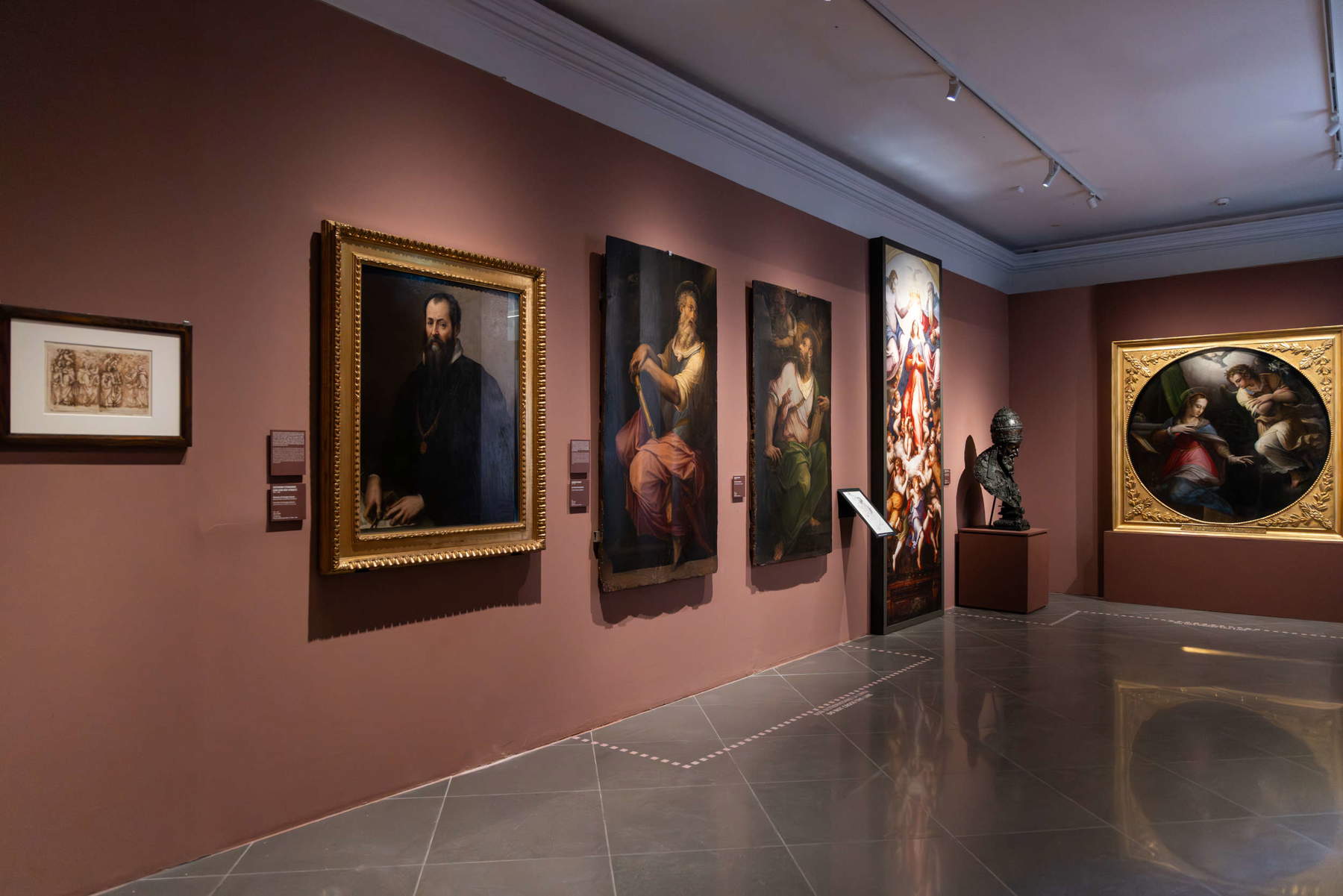
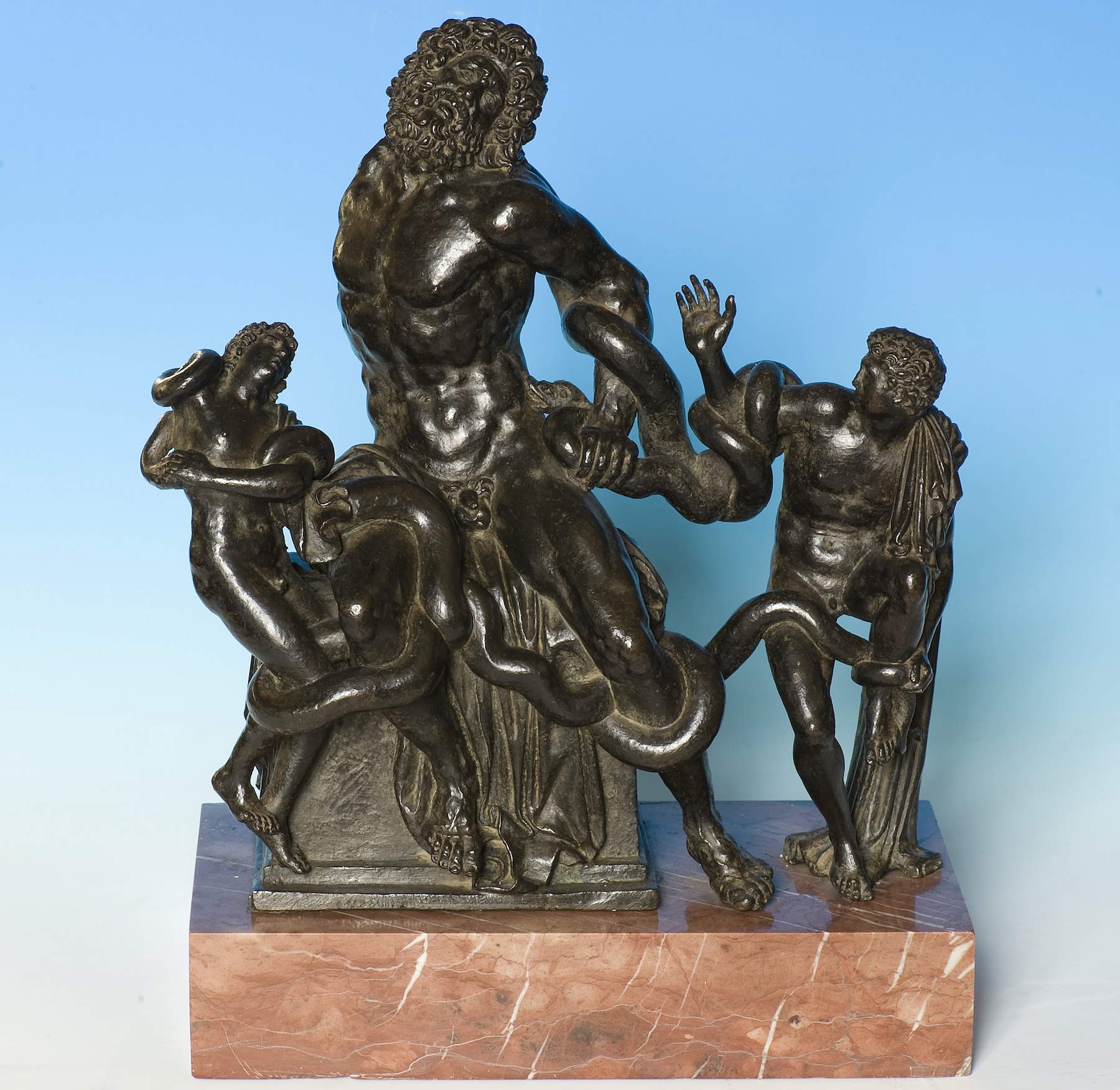
It is a cosmopolitan Rome that welcomed a Vasari in his early twenties, which, if it still bears the marks of the devastation of the Sack of 1527, nevertheless is animated by an extraordinary cultural vibrancy: artists and intellectuals flocked there from all over Europe, attracted by the wonders of antiquity that emerged from archaeological excavations, such as the Laocoon and the Belvedere Torso documented in the first room with a plaster cast from the late 19th century, and Sansovino’s bronze, from the first quarter of the 16th century, as well as drawn to modern masterpieces such as Raphael’s Stanze and the Sistine Chapel.
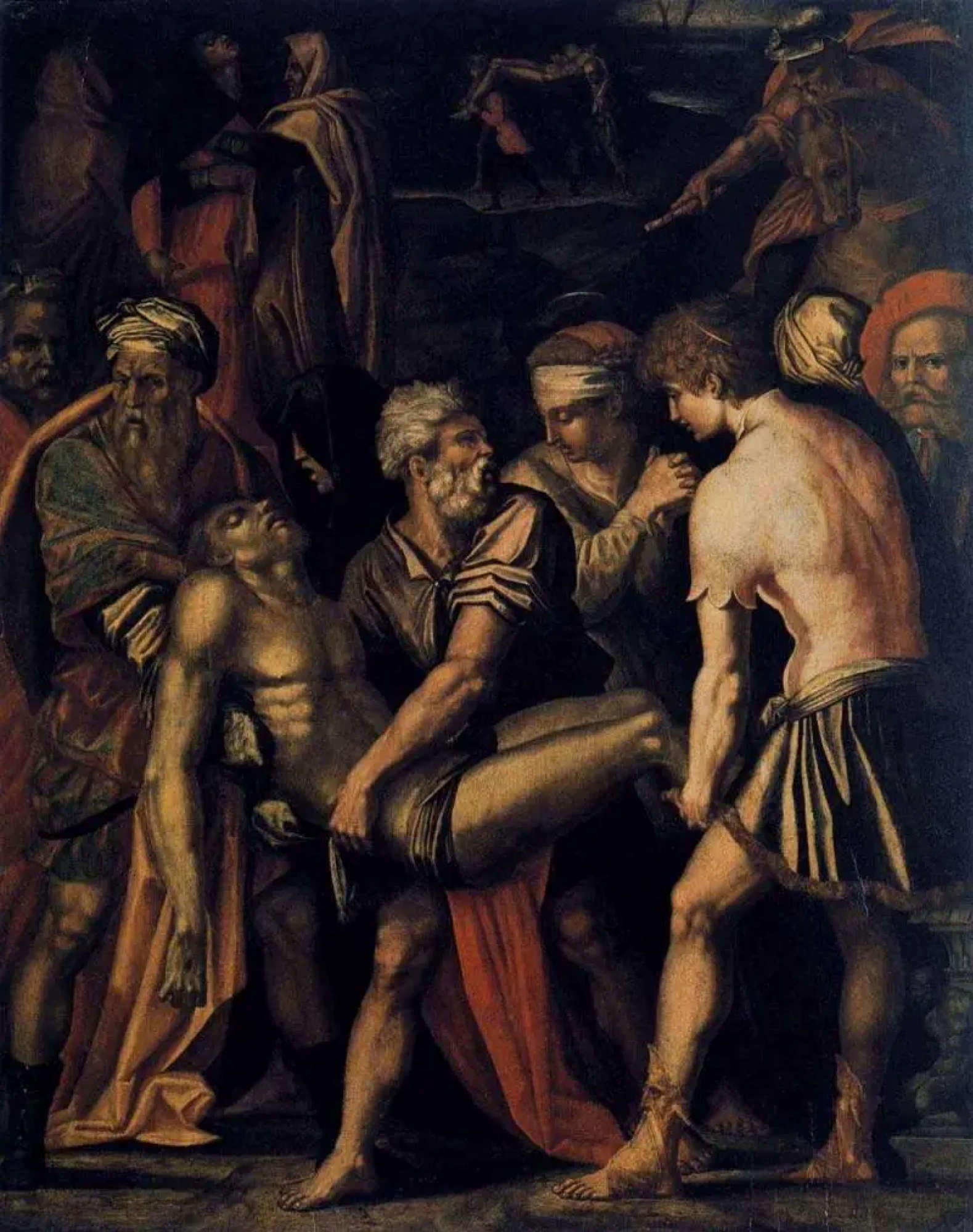
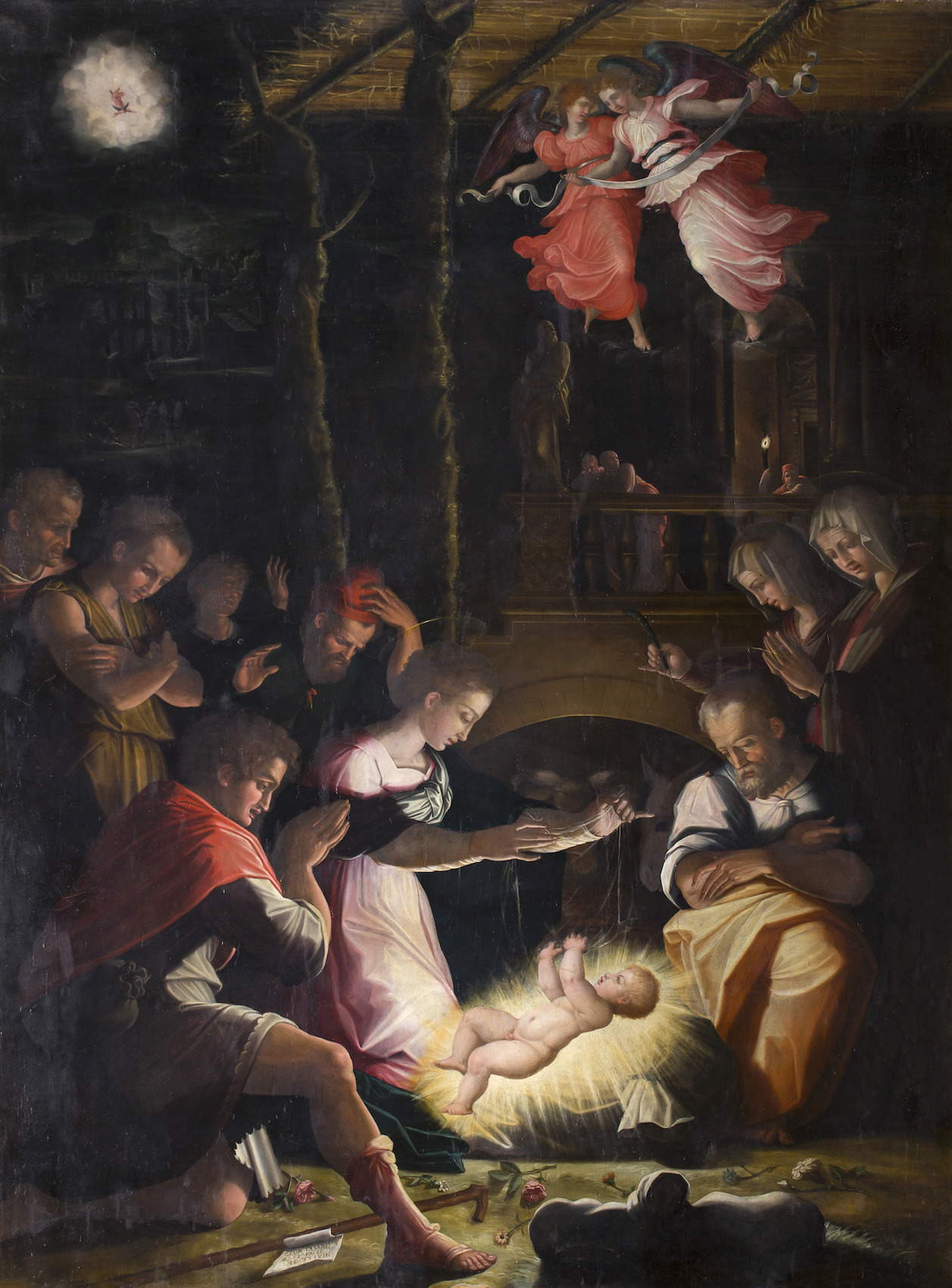
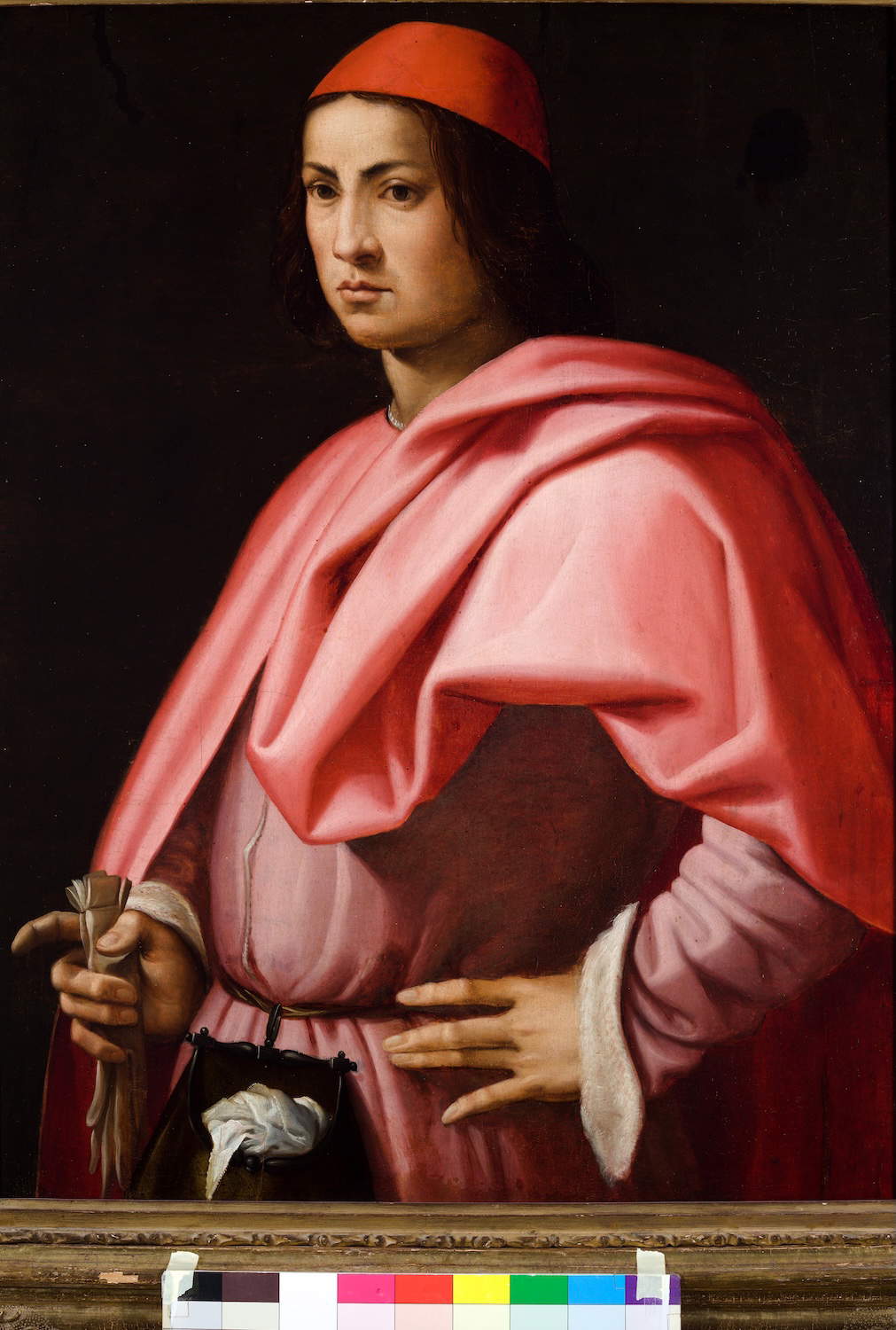
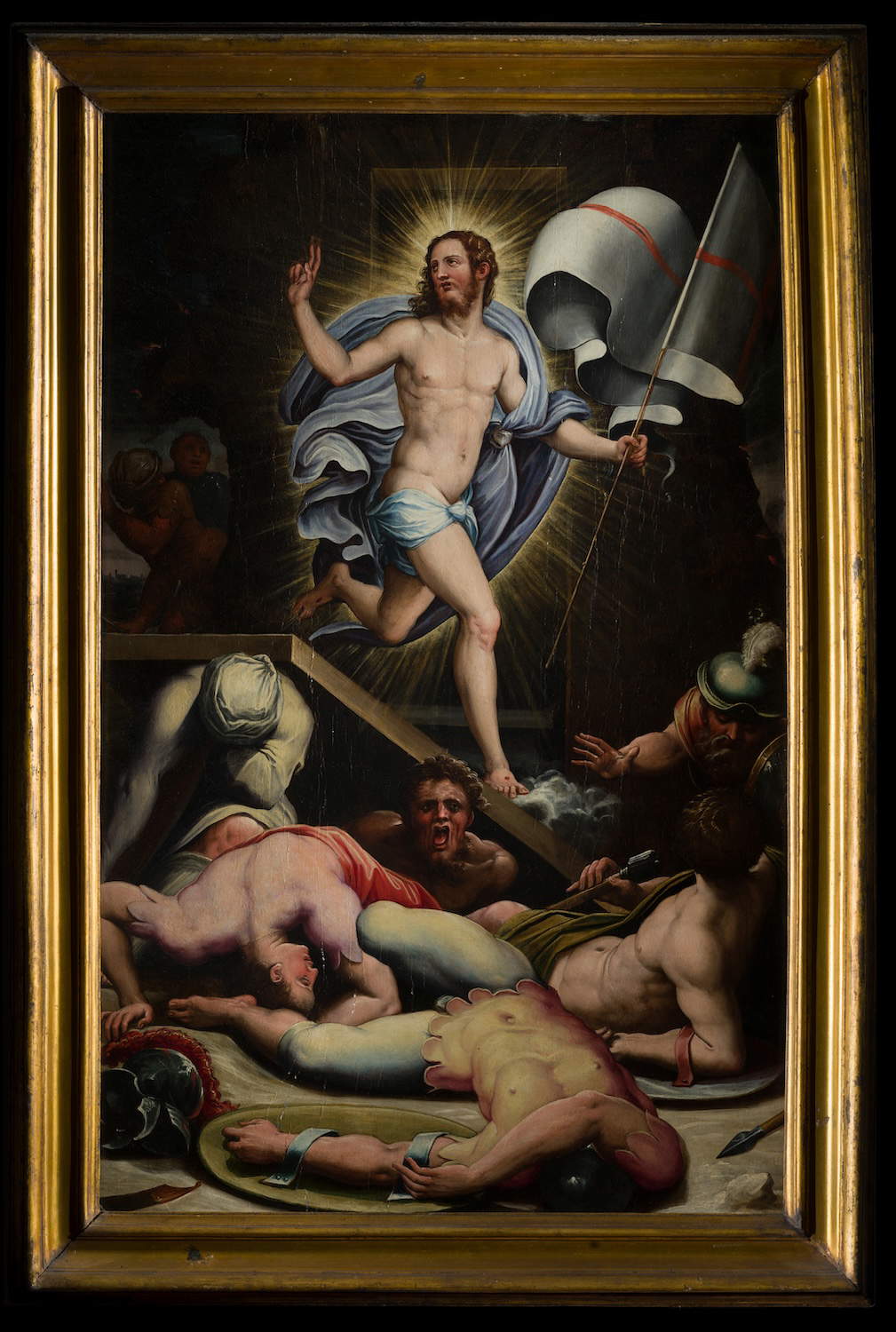
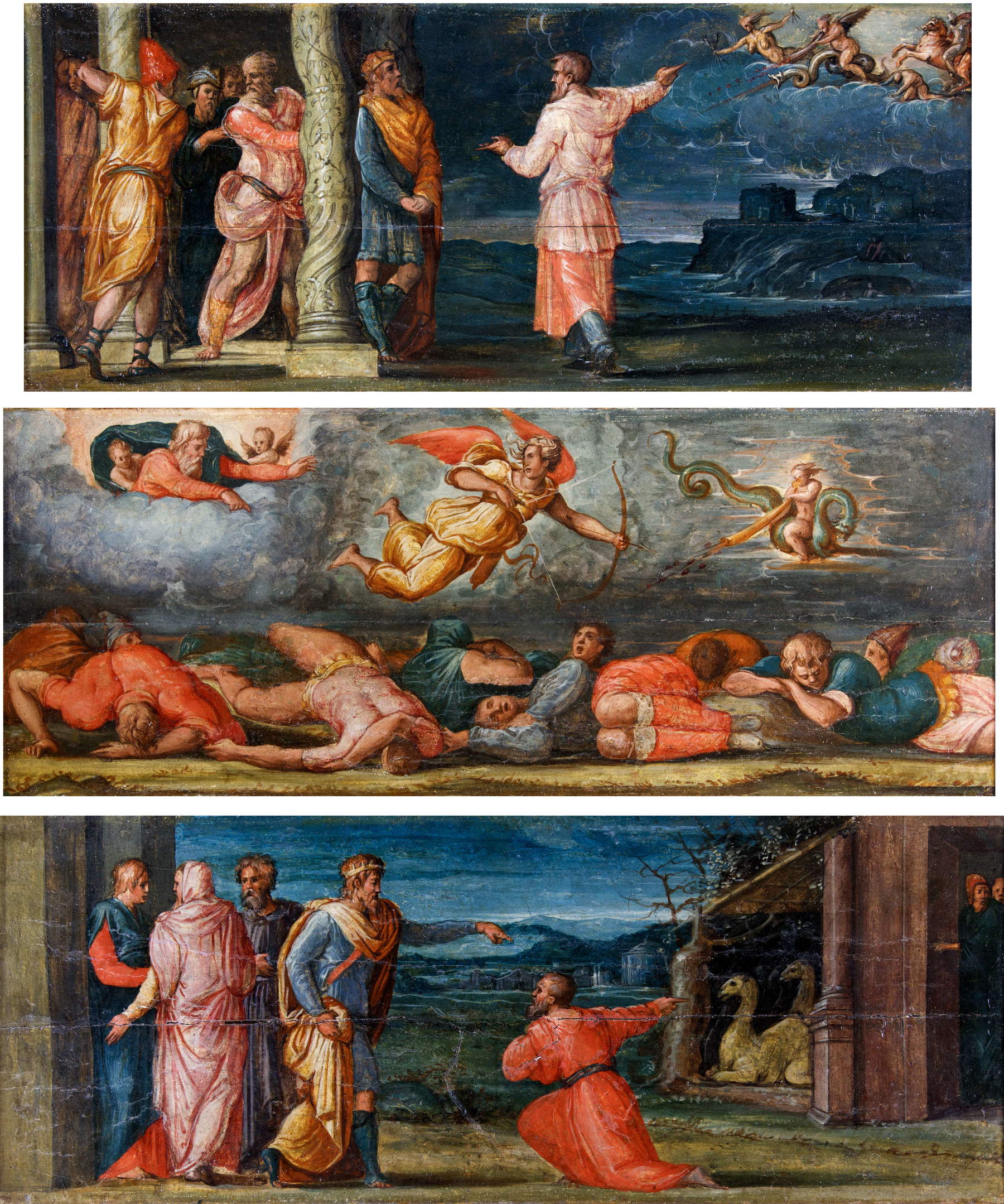
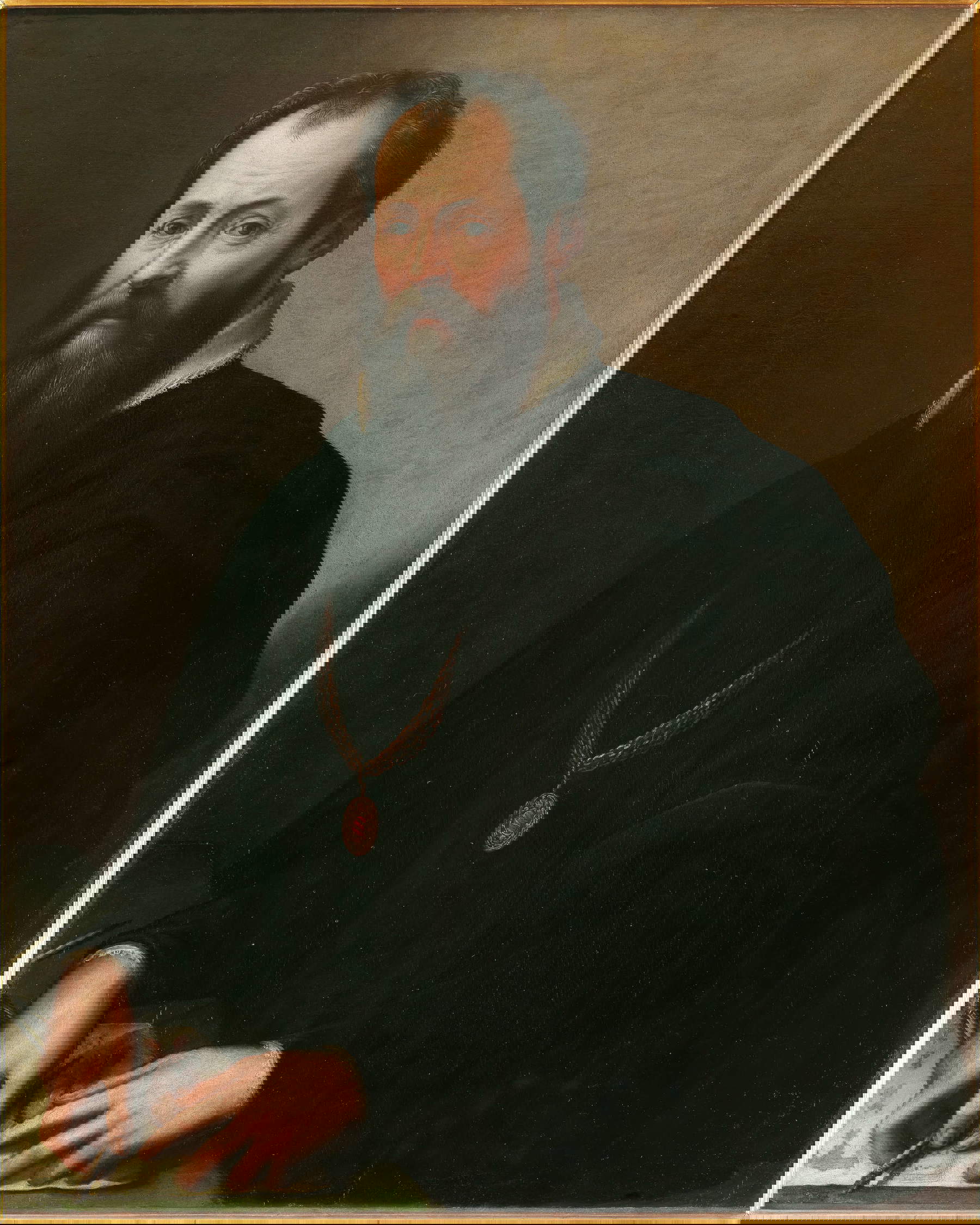
The section presents early works where Raphaelesque and Mannerist influences emerge, but also already the artist’s expressive limits. Highlights include Vasari’s earliest preserved work, Christ Taken to the Tomb (1532); along with the Nativity (1538), reminiscent of Raphael’s so-called Madonna del Velo, or Madonna of Loreto, from which the print (16th century) by Giorgio Ghisi seen alongside the painting is taken; the Pontormesque Portrait of a Gentleman (c. 1540-1550); the three small panels of the predella of the great St. Roch Altarpiece (1536-1537) of which they were a part, exhibited here for the first time since their identification by Anna Maria Maetzke in 1981.
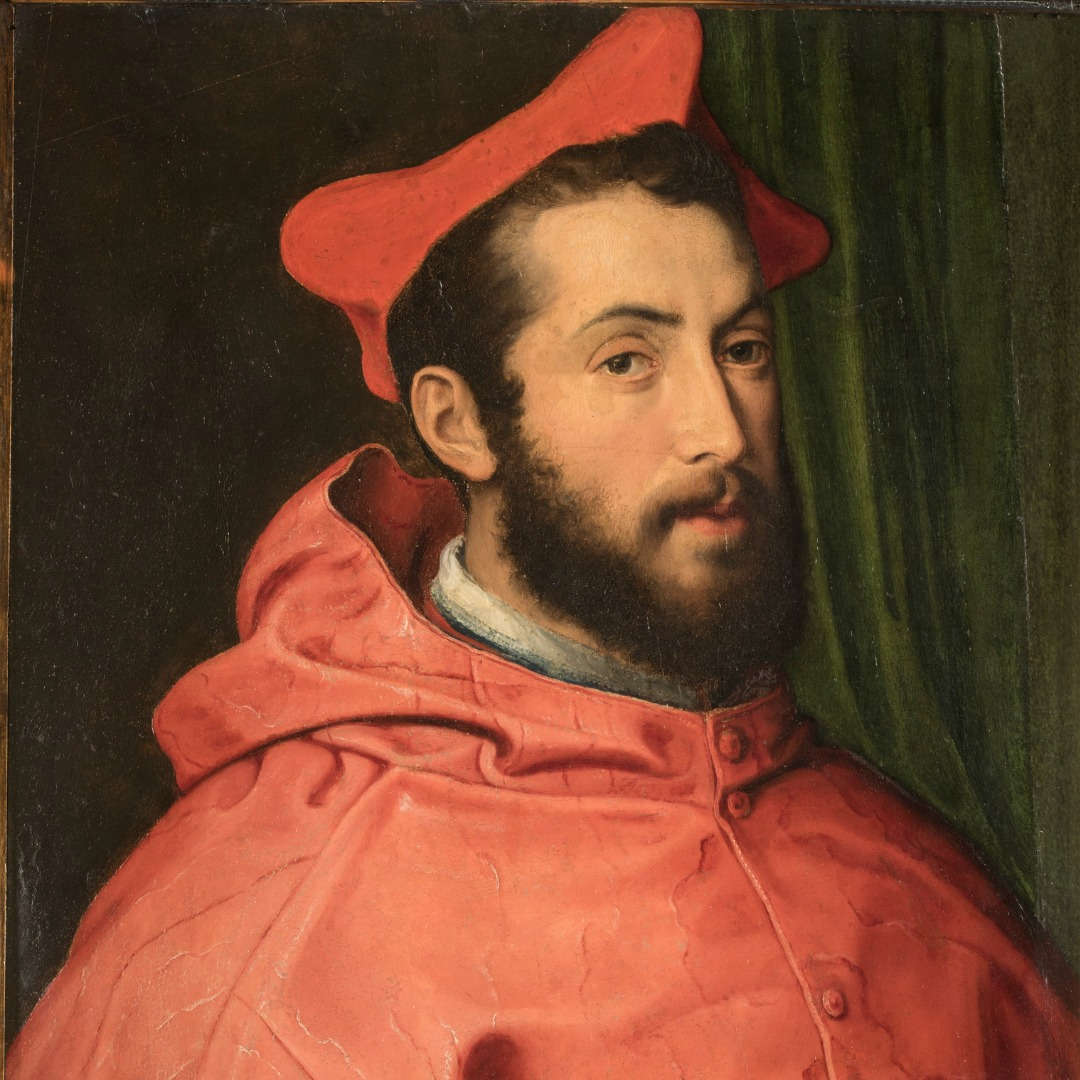
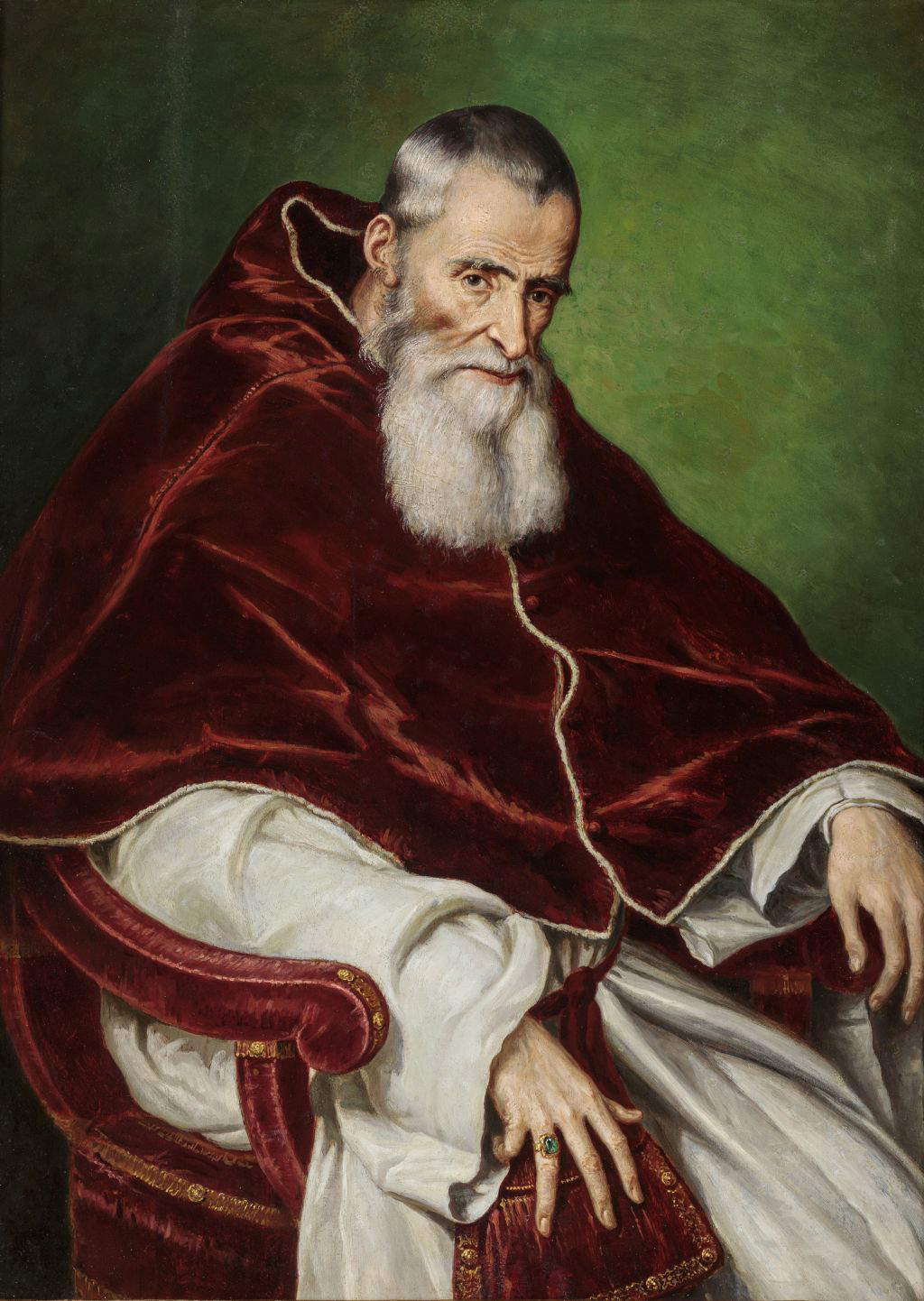
The second section, “At the Court of Cardinal Alessandro Farnese: the Hall of the Hundred Days and the ’Foreign’ Artists (1542-1546),” follows the consolidation of his career under the protection of important patrons and pontiffs, including Paul III, whose marvelous anonymous portrait from the mid-16th century is on display. It is juxtaposed with a Portrait of Cardinal Alessandro Farnese (c. 1540-1547) by Perin del Vaga. Despite the historical importance of the context, it is often the comparison with these masters that overshadows the Vasarian painting. Nevertheless, one appreciates the careful preparation with which Giorgio approached the decoration of the second room of the Cancelleria. The exhibition presents letters and notes from the Vasarian Archive and some rare drawings, including the splendid Head of Hilaritas: this is the first imposing worksite for the artist made also with the help of foreign masters who found fortune with the cardinal. Some of them are documented in the room, such as the Croatian Giorgio Giulio Clovio, “excellent miniaturist,” Giovanni Bernardi da Castel Bolognese, the carver of the famous Cassetta Farnese and of the very rare plaque with the Battle of Bastia praised in the Lives, completed, for the gold parts, by Manno Sbarri to a design by Salviati and Perin del Vaga. The same craftsmen who made, in 1561, the pair of silver candelabra (one of which is on display), lapis lazuli and rock crystal later donated by Farnese, by testamentary legacy, to the high altar of St. Peter’s Basilica.
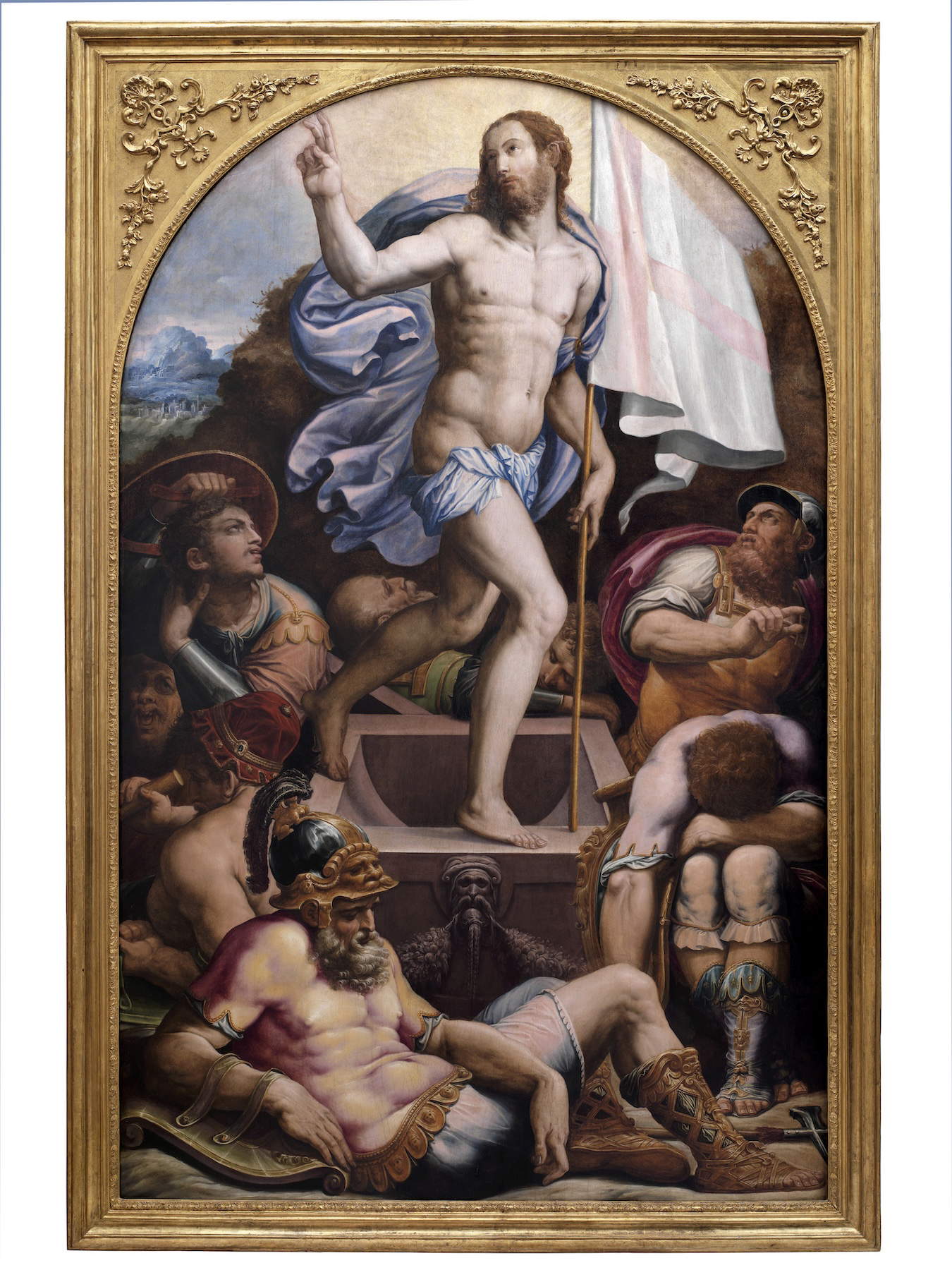
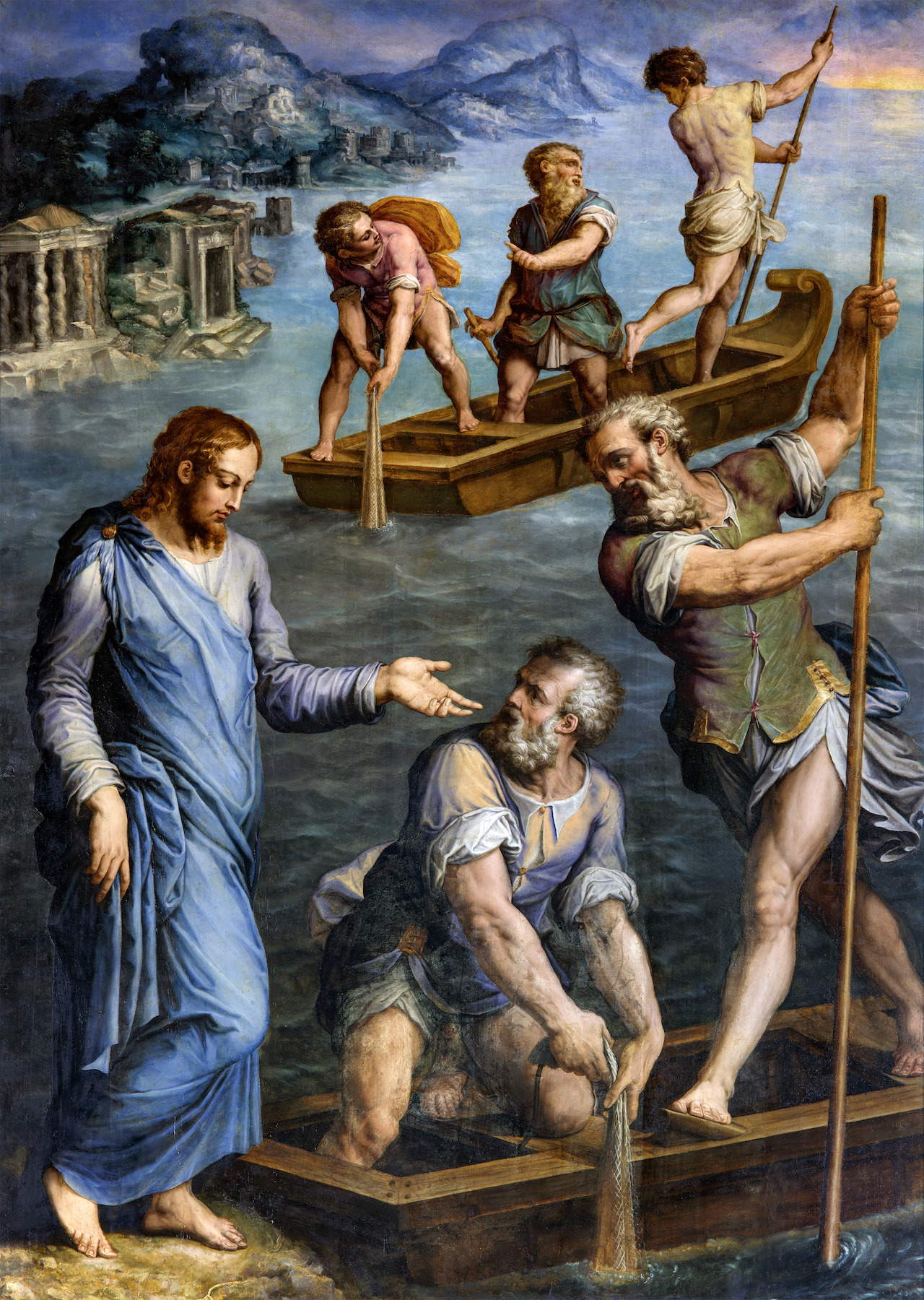
The next two sections then follow the rise of a career that would lead Vasari to become one of the most influential protagonists of his time. “The ’construction site’ of the Lives; Vasari and Michelangelo and the work for Pope Julius III Ciocchi Del Monte (1550-1555)” is divided in turn into two subsections: one devoted to the famous book and the other to the unbroken link with Michelangelo, the fulcrum and absolute apex of the ’Modern Manner’ outlined in the second redaction of the Lives, and the commissions of his former protector-elect to the papal throne, including the large panel with the Calling of St. Peter (1551).
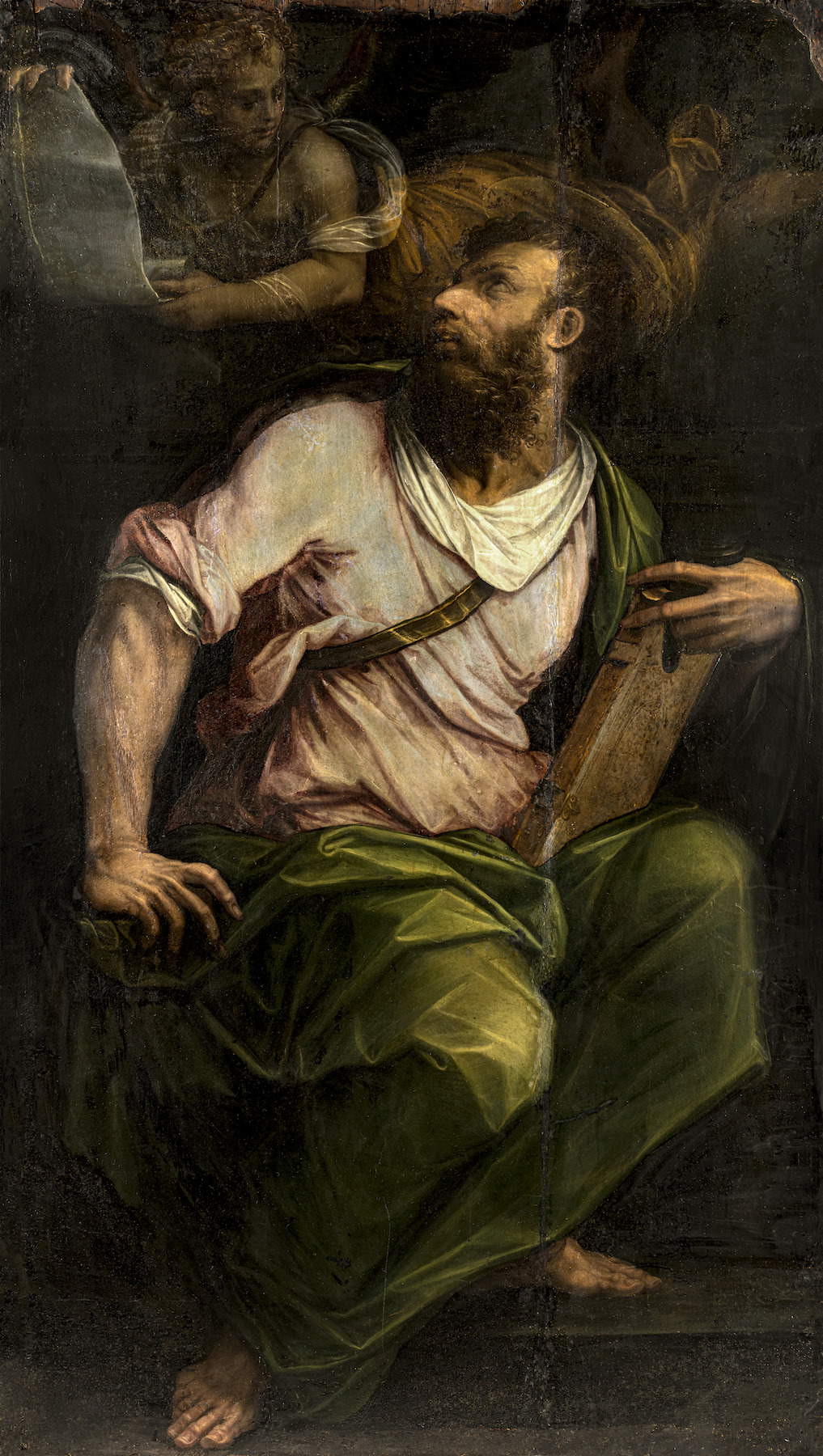
It closes with the fourth and final section, “Vasari in the Vatican: the chapels for Pius V and the Sala Regia (1570-1572),” dedicated to the great Roman building sites that assert among the most significant moments of his relationship with Rome and for which the pope bestowed on the artist the honor of the “spron d’oro” that stands out on Vasari’s chest in his Uffizi portrait by Giovanni Stradano, on display. In particular, thanks to the fundamental contributions in the catalog by Barbara Jatta and Cristina Conti on these assignments, the workers employed and the mass of preparatory drawings produced, the exhibition project also demonstrates its scientific contribution to studies, offering a complete picture of Giorgio Vasari’s late Roman activity. Added to this is the merit of having relocated together, for the first time in centuries, several paintings from the original furnishings of the chapel of San Michele, namely the tondo with theAnnunciation from the Móra Ferec Museum in Szeged and the two panels with the Evangelists Matthew and John, respectively, from Livorno.
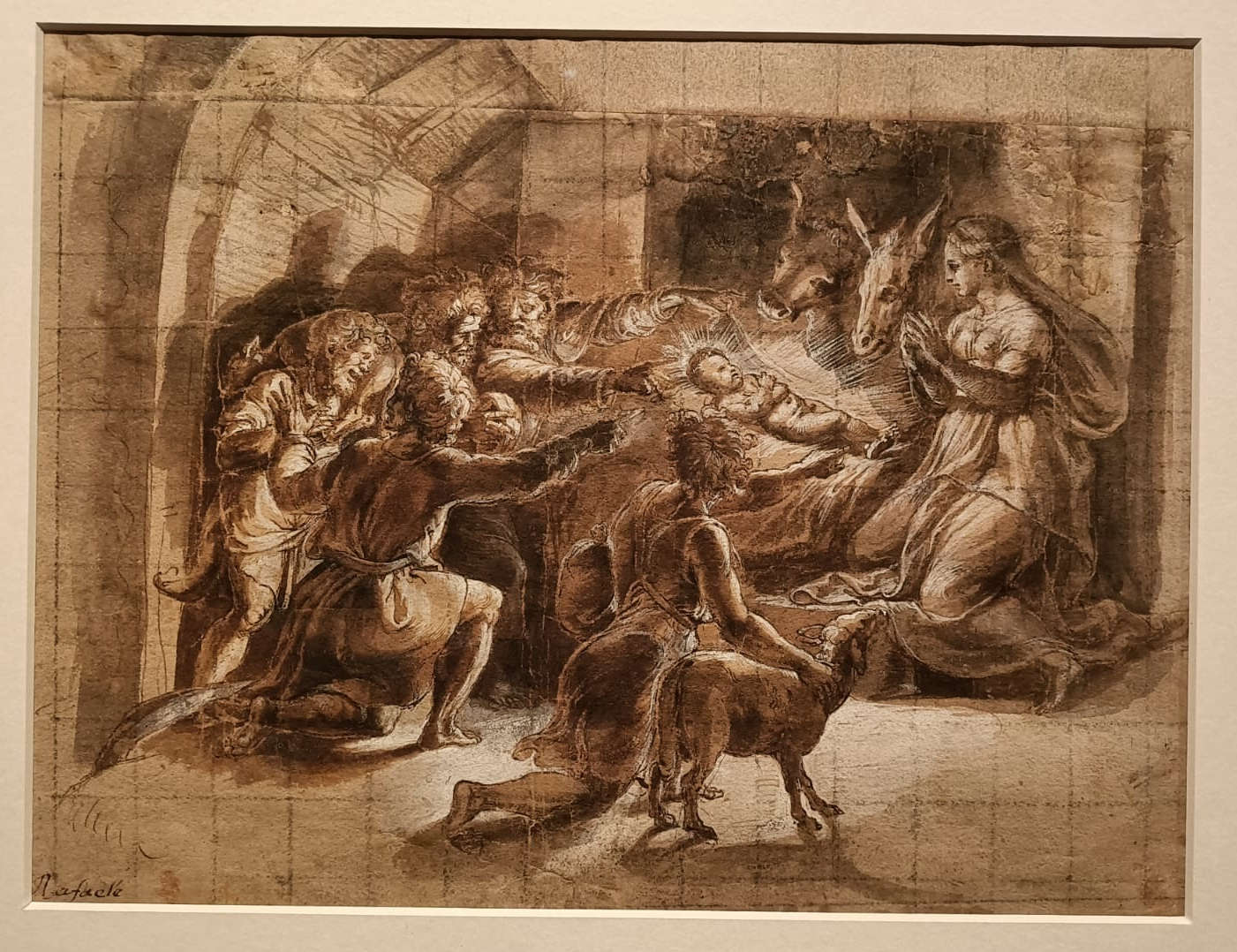
Resuming the metaphorical key of the opening, the exhibition offers an appreciable acoustic balance, which enhances theensemble of the works of the Aretine with the other materials on display. Conversely, however, the comparison also makes it unapologetically clear how his artistic activity cannot but appear weak when juxtaposed with the great masters of the “Modern Manner.” Let us take the artist’s earliest preserved work, Christ Taken to the Sepulcher, in which the ancient theme of the Transporting of the Body of Meleager, already the model for Raphael’s famous Baglioni Altarpiece, is recognizable. Here Vasari recovers Tuscan stylistic features from Rosso Fiorentino, amid vivid colors and luminosity of iridescent reflections, but ends up normalizing one of the most fascinating personalities of Mannerism. Thus, even Raphael’s citation of mystical gleams and search for backlight effects in the Nativity are far from Raphael’s tenderness and ability to move. One ends up being more captivated by theAdoration of the Shepherds (ante 1531) placed next to it, done in pen and ink by Giulio Romano. Moreover, in the second section to impose itself on the visitor’s eyes is not a work by Vasari, but the splendid Portrait of Paul III Farnese (second half of the 16th century), by an anonymous author of Lombard-Venetian ambit, derived from the famous painting by Titian.
In this itinerary it emerges, if anything, how Vasari’s real strength lies in his graphic production: the drawings on display reveal an inventive quality and freshness rarely found in paintings. One need only look at the beautiful drawings featuring the Study of the Head of Hilaritas (for the Hall of the Hundred Days in the Palazzo della Cancelleria, c. 1546), or the Project for the decorative apparatus of the Del Monte Chapel (11550-1552), or even the Battle of Lepanto (c. 1572) and, from the same year, Pope Pius V handing over the insignia of war to John of Austria.
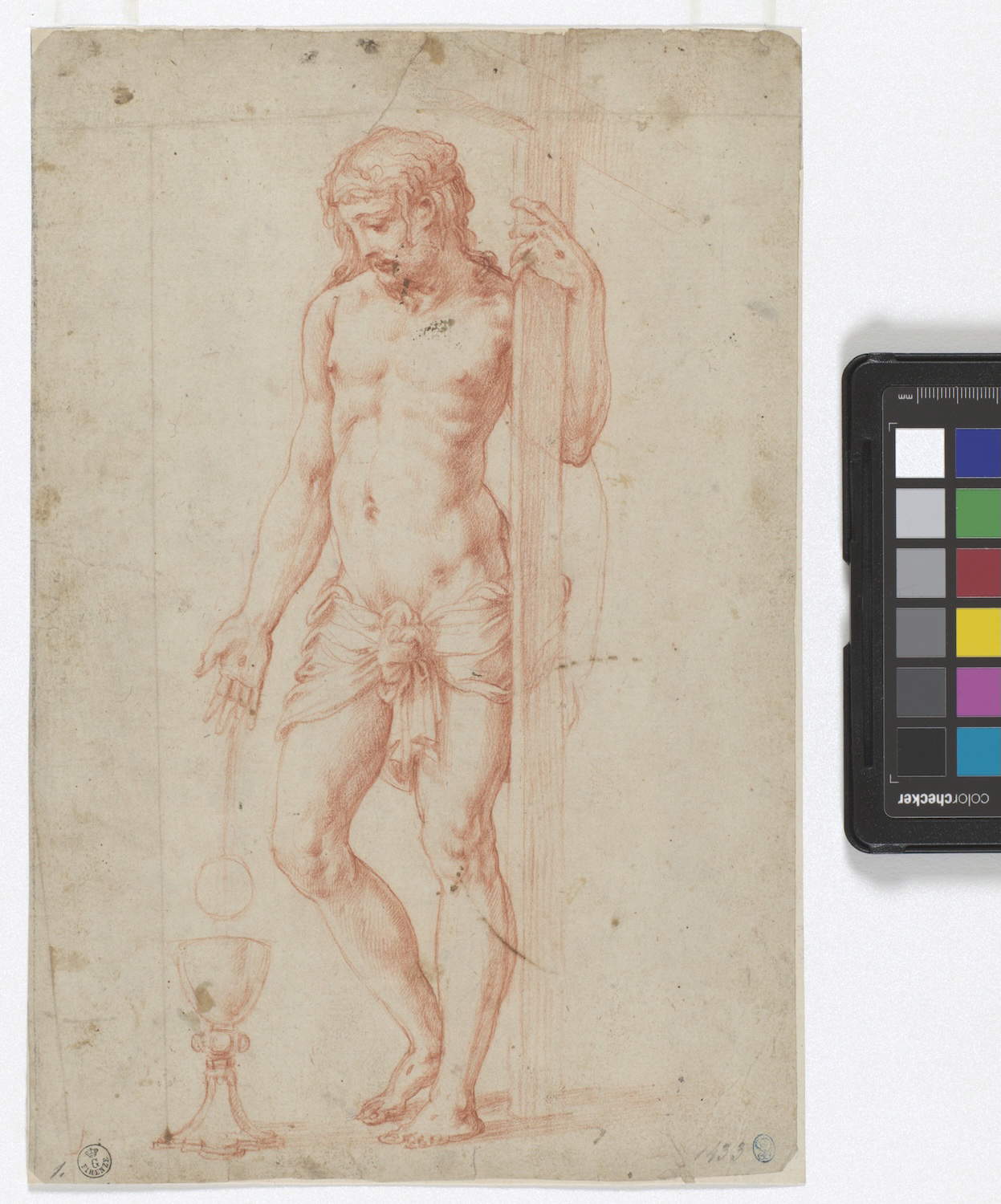
After all, it was Vasari himself who theorized the primacy of drawing as a direct expression of the idea, anticipating a modern conception of the graphic work as an autonomous form. Suffice it also to recall his pioneering role also in collecting drawings, organized in the famous Libro de’ disegni. In this regard, a theme that, perhaps, would have been interesting to explore in the exhibition is that of Vasari inventing iconographies, some of them highly successful such as theAllegory of Patience.
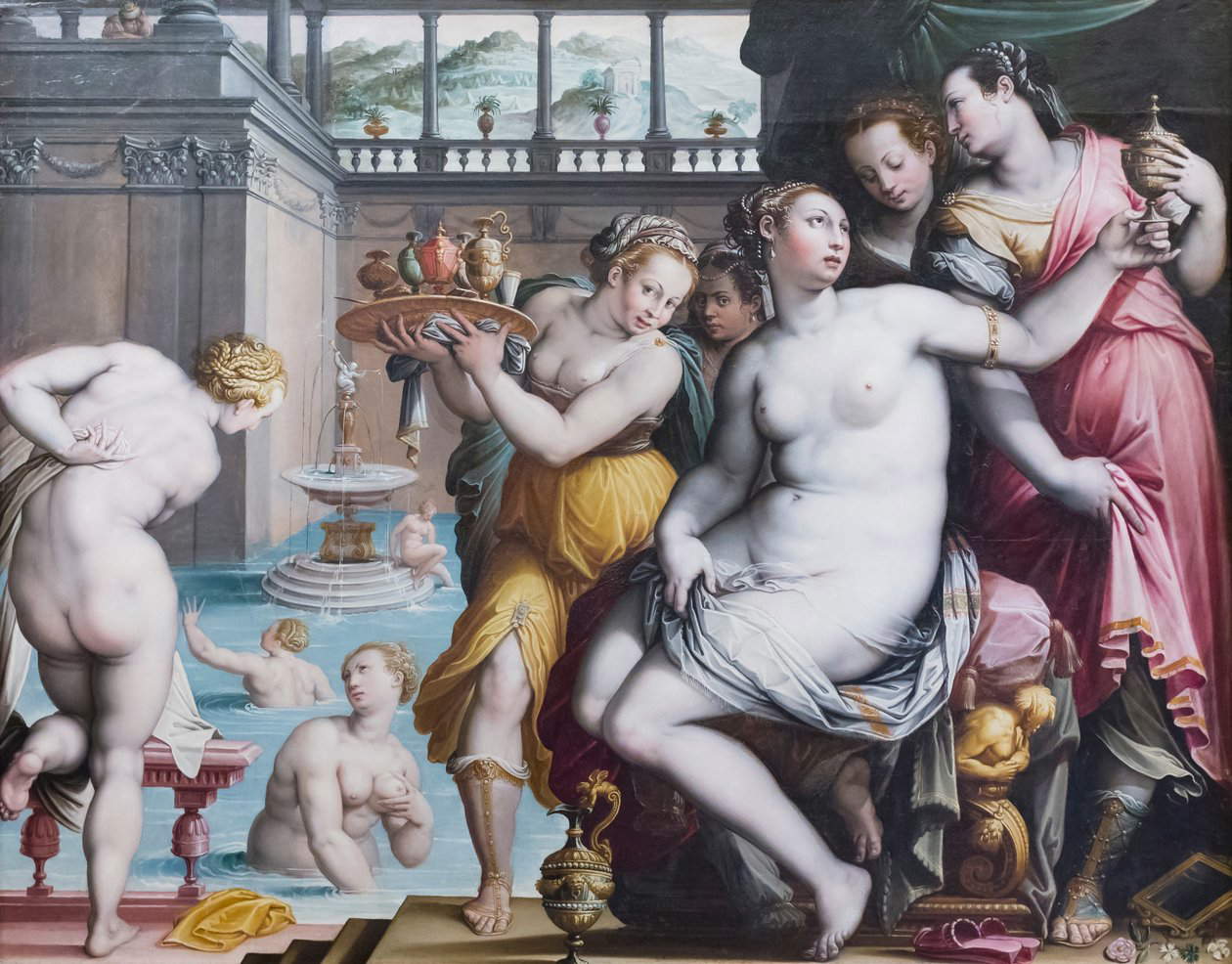
The exhibition thus confirms an established fact: Vasari’s value lies not so much in his painting as in his role as interpreter and narrator of his time. The Lives remains the first major attempt to systematize art history, but this primacy does not find adequate enhancement in the layout: the editions of the book are displayed without particular emphasis, almost marginal compared to the rest of the itinerary. Two specimens of the two editions of the Lives in two vitrines in the fourth and final room-corridor fit into the longitudinal development of the latter without any emphasis with respect to the other works present and contending for the scene, such as Bathsheba at the Bath (1573-1574) by Jacopo Zucchi and the Bust of Pope Pius V Ghislieri (c. 1570), in gilded cast bronze by anonymous from the circle of Guglielmo della Porta.
Yet at the very end, the curatorial project manages to surprise. Late works such as Christ in the Garden (1571) and especially theAnnunciation (1570-1571) from the Móra Ferenc Museum restore a more complex image of the painter Vasari. In the latter, the reversal of the roles between the Virgin and the archangel introduces an unexpected psychological tension: it is not Mary who is the hesitant figure (she still reluctantly brings one hand to her breast, but with the other she “opens” herself in a dynamic rotating gesture to her divine interlocutor), but the angel himself, locked in an almost defensive gesture. It is a strikingly modern image, capable of speaking to contemporary sensibilities as well. And it is precisely here that the exhibition achieves its best result: cracking established judgments and restoring, at least in part, new dignity to an artist confined to the role of historian.


The author of this article: Silvia Mazza
Storica dell’arte e giornalista, scrive su “Il Giornale dell’Arte”, “Il Giornale dell’Architettura” e “The Art Newspaper”. Le sue inchieste sono state citate dal “Corriere della Sera” e dal compianto Folco Quilici nel suo ultimo libro Tutt'attorno la Sicilia: Un'avventura di mare (Utet, Torino 2017). Come opinionista specializzata interviene spesso sulla stampa siciliana (“Gazzetta del Sud”, “Il Giornale di Sicilia”, “La Sicilia”, etc.). Dal 2006 al 2012 è stata corrispondente per il quotidiano “America Oggi” (New Jersey), titolare della rubrica di “Arte e Cultura” del magazine domenicale “Oggi 7”. Con un diploma di Specializzazione in Storia dell’Arte Medievale e Moderna, ha una formazione specifica nel campo della conservazione del patrimonio culturale (Carta del Rischio).Warning: the translation into English of the original Italian article was created using automatic tools. We undertake to review all articles, but we do not guarantee the total absence of inaccuracies in the translation due to the program. You can find the original by clicking on the ITA button. If you find any mistake,please contact us.

























 IT
IT FR
FR DE
DE ES
ES CN
CN


